‏إظهار الرسائل ذات التسميات pollution. إظهار كافة الرسائل

Delhi’s Air Quality Improves; CAQM Revokes Stage‑I GRAP Measures in NCR

Delhi’s Air Quality Improves; CAQM Revokes Stage‑I GRAP Measures in NCR

Delhi’s air quality has improved sharply, prompting the Commission for Air Quality Management (CAQM) to revoke Stage‑I restrictions of the Graded Response Action Plan (GRAP) across NCR with immediate effect. The daily average AQI dropped from 175 on May 3 to 88 on May 4, aided by rainfall and favourable weather conditions.

Key Developments

  • Revocation of Stage‑I GRAP: Effective May 4, 2026, all Stage‑I curbs (invoked on April 16) have been lifted across Delhi‑NCR.
  • AQI Levels: Delhi’s AQI improved from 175 (‘Moderate’) on May 3 to 88 (‘Satisfactory’) on May 4, according to CPCB data.
  • Forecasts: IMD and IITM predict AQI will remain in the Satisfactory to Moderate range in the coming days.

Restrictions Lifted

  • Ban on coal and firewood in tandoors at hotels, restaurants, and open eateries.
  • Limited use of diesel generators (now permitted beyond emergency situations).
  • Heightened dust mitigation measures under Stage‑I relax.

Government Directives

  • Agencies in NCR must continue implementing statutory directions, advisories, and pollution control measures issued by MoEF&CC, CPCB, DPCC, and State Governments.
  • Dust mitigation and compliance with crop residue management rules remain critical to sustain improved AQI.
  • CAQM will closely monitor AQI trends and re‑impose measures if pollution levels rise.

Broader Context

  • GRAP Framework: 
    • Stage‑I: AQI 201–300 (Poor);
    • Stage‑II: AQI 301–400 (Very Poor);
    • Stage‑III: AQI 401–500 (Severe);
    • Stage‑IV: AQI > 450 (Severe+).
  • Recent Enforcement: In April 2026, CAQM imposed ₹61.85 crore in penalties on six coal‑based thermal power plants for failing to comply with biomass co‑firing rules.

Conclusion

The revocation of Stage‑I GRAP reflects Delhi’s improving air quality and the impact of favourable weather. However, CAQM has stressed that sustained vigilance and strict compliance with pollution control measures are essential to prevent deterioration. The Commission will continue to review AQI levels and forecasts to decide on future interventions.

Performance-Based Environmental Governance: Andhra Pradesh Introduces Recognition-Linked Incentives for GreenCo and IGBC Projects

Performance-Based Environmental Governance: Andhra Pradesh Introduces Recognition-Linked Incentives for GreenCo and IGBC Projects

The Andhra Pradesh Pollution Control Board introduced a structured incentive framework to encourage industry participation in the GreenCo Rating System. Under this mechanism, units holding valid GreenCo ratings became eligible for a one-year extension of Consent to Operate (CTO), subject to the absence of reported noncompliance during the consent period. GreenCo-rated units were also accorded formal recognition through annual State-level awards, while products manufactured by such units were positioned to receive preference in State Government tendering processes, in line with applicable procurement policies. Additionally, rated companies were provided enhanced visibility through exclusive mentions on the official websites of APPCB and CII GreenCo, highlighting their sustainability achievements and environmental performance.

Under the APPCB–IGBC facilitation framework, building projects in Andhra Pradesh pursuing or achieving IGBC certification were made eligible for a range of incentives, including streamlined and fast-tracked processing of Consent to Establish (CTE) and Consent to Operate (CTO), prioritized regulatory clearances to minimize procedural delays, and a one-year extension of CTO for eligible IGBC-certified Hotels, Hospitals (Red Category), and large Township/Area Development projects. In addition, certified projects received formal recognition and enhanced visibility through APPCB platforms, reinforcing a performance-linked regulatory approach that rewards sustainable building practices.


At the APPCB–CII Andhra Pradesh Conference on “Circular Economy & Green Industry: Strategies for Sustainable Growth and Resource Efficiency” held in Visakhapatnam, the Andhra Pradesh Pollution Control Board (APPCB) announced a structured set of recognition-based incentives and regulatory facilitation measures to encourage industries to participate in the GreenCo Rating System. The initiative marked a strategic shift toward performance-driven environmental governance, aimed at rewarding industries that demonstrate measurable improvements in resource efficiency and sustainability.

Addressing the gathering, Dr P Krishnaiah, I.A.S (Retd.), Chairman, Andhra Pradesh Pollution Control Board, outlined the Board’s intent to differentiate and incentivize environmentally responsible industries. “APPCB is committed to moving beyond a compliance-only framework toward a performance-driven regulatory model. Industries that achieve GreenCo ratings and demonstrate measurable excellence in energy efficiency, water stewardship, waste reduction, and circular practices will receive recognition-based incentives and regulatory facilitation from the Board.” He further stated “Our objective is to create a positive reinforcement mechanism where environmental leadership is acknowledged and supported. By linking GreenCo performance with facilitative measures, we aim to encourage industries to voluntarily exceed statutory requirements and embed sustainability into core operations.”

The incentive framework announced by APPCB included regulatory facilitation for higher-rated GreenCo industries, enhanced visibility and formal recognition, and structured engagement mechanisms to promote best practice replication across industrial clusters. The measures were designed to reduce procedural uncertainties, reward transparent environmental performance, and foster healthy competition among industries.

Speaking on the broader sanitation and circularity agenda, Sri Pattabhi Ram, Chairman, Swachh Andhra Corporation, emphasized the importance of industrial participation in resource circularity. “Circular economy cannot be achieved without active industry participation. Incentivizing industries through credible rating systems such as GreenCo strengthens accountability and drives measurable impact in waste reduction, recycling, and material recovery. Recognition-linked facilitation sends a strong signal that sustainability leadership will be institutionally supported.” He added, “When industries see tangible regulatory benefits tied to environmental performance, sustainability transitions from being a cost centre to becoming a strategic advantage.”

Highlighting the technical robustness of the framework, Sri N Muthusezhiyan, Deputy Executive Director, CII Green Business Centre, noted that the GreenCo Rating System provided a comprehensive metrics-based pathway for industries to improve across critical sustainability parameters. “GreenCo enables industries to benchmark and enhance performance across energy productivity, renewable energy adoption, water efficiency, waste management, material conservation, and green supply chains. APPCB’s incentive-linked approach creates a powerful multiplier effect by aligning regulatory facilitation with measurable sustainability outcomes.” He further observed, “Andhra Pradesh has set an important precedent by formally recognizing environmental performance as a criterion for regulatory engagement. This approach will accelerate the adoption of structured sustainability frameworks and position the State as a leader in performance-based environmental governance.The announcement underscored Andhra Pradesh’s intent to integrate circular economy principles into mainstream industrial regulation. By embedding incentives within a credible sustainability rating framework, APPCB reinforced its commitment to promoting resource-efficient, responsible, and globally competitive industries across the State.

Haryana’s Clean Air Push with World Bank

Haryana’s Clean Air Push with World Bank

Air pollution is one of the biggest problems in Haryana, especially in areas near Delhi. To fight this, the Haryana government has teamed up with the World Bank on a massive ₹3,600 crore project called the Haryana Clean Air Project for Sustainable Development.

Here’s what it means in simple terms:
  • Cleaner factories: About 1,000 industries will get help to switch from dirty fuels to cleaner options like natural gas.
  • Less smoke from generators: Diesel generators will be converted to hybrid systems that pollute less.
  • Greener buses: The state will buy electric buses to cut down on traffic pollution.
  • Farm solutions: Farmers will be encouraged to stop burning crop stubble, which causes huge smoke clouds every winter.
  • Better monitoring: New systems will track air quality more closely so rules can be enforced.
Why it matters: This project could make the air healthier to breathe, reduce diseases, and even create new green jobs. It’s one of Haryana’s biggest-ever environmental efforts, and if it works, it could inspire other states to follow.


Haryana’s Clean Air Push with World Bank

Technical Policy Brief: Haryana–World Bank Clean Air Project

Project overview

  • Name: Haryana Clean Air Project for Sustainable Development
  • Funding: ₹3,600 crore (part of a $600 million World Bank programme for Haryana & Uttar Pradesh)
  • Duration: 5 years
  • Objective: Reduce air pollution across the NCR airshed through industrial, agricultural, and transport interventions.

Key interventions

  • Industrial transition:
    • Incentivize 1,000 industries to replace coal/FO-based boilers with PNG/CNG/gaseous fuel systems.
    • Retrofit 1,000 diesel generator sets to hybrid/dual-fuel modes.
  • Transport sector:
    • Procurement of electric buses.
    • Promotion of clean mobility infrastructure.
  • Agriculture:
    • Enforcement against stubble burning.
    • Support for alternative residue management technologies.
  • Monitoring & governance:
    • Strengthen air quality monitoring networks.
    • Enhance enforcement capacity at state and district levels.

Expected outcomes

  • Health: Reduction in respiratory and cardiovascular disease burden.
  • Economic: Increased productivity, improved investment climate.
  • Environmental: Significant reduction in PM

Delhi's First Cloud Seeding Set for October 29

Silver Iodide flares on cloud seeding Airplane | Silver Iodide in zoomed circle (Image - SciencePhotos.com)
In a historic move to combat post-Diwali pollution, Delhi is preparing for its first-ever artificial rain through cloud seeding on October 29, 2025. Chief Minister Rekha Gupta has called the initiative a "necessity" to address the city's severe air quality crisis.

So, let me take you inside the unfolding story of Delhi’s first-ever cloud seeding operation—a tale of science, urgency, and air.

As the smog of Diwali settles over the city, a new kind of aircraft prepares for takeoff—not to ferry passengers, but to summon rain from the sky. On October 29, 2025, Delhi will attempt something unprecedented: artificial rain to cleanse its air.

The mission begins with a flare. Mounted on the wings of a specially equipped plane, these flares contain silver iodide, a compound known to mimic ice crystals. As the aircraft ascends into the humid layers above Delhi, the flares ignite, releasing particles into the clouds. If the conditions are right—if the clouds are thick and the humidity high—these particles will coax water droplets to form, grow, and fall as rain.

But this isn’t just chemistry. It’s choreography.


Teams from IIT Kanpur, armed with real-time meteorological data, monitor every movement. They track cloud density, wind patterns, and moisture levels, waiting for the perfect moment. A trial run in Burari offered lessons: the humidity was too low, the clouds too thin. Still, the scientists remain undeterred. The window between October 28 and 30 holds promise.

This isn’t the first time cloud seeding has been used—but it is the first time Delhi deploys it not for drought relief, but to fight pollution. The stakes are high. PM2.5 levels have surged to their worst since January. Even a light drizzle could settle the dust, clear the air, and offer millions a breath of relief.

So as the city holds its breath, the skies may soon respond—with a rain not born of nature, but summoned by science.

What Is Cloud Seeding?

Delhi's First Cloud Seeding Set for October 29
  • Cloud seeding is a weather modification technique that involves dispersing substances like silver iodide into clouds to stimulate rainfall.
  • The goal in Delhi is to use this method to wash away smog and particulate matter, especially after Diwali when pollution levels spike.

Trial and Execution

  • A trial run was conducted in Burari, where flares containing rain-inducing chemicals were released from an aircraft.
  • Although the trial didn’t produce rain due to low humidity, officials remain optimistic about the full-scale operation.
  • The project is being supervised by IIT Kanpur, with the full operation expected between October 28–30.

Why It Matters

  • Delhi’s PM2.5 levels have surged to their highest since January, prompting urgent action.
  • Even mild showers from cloud seeding could significantly reduce airborne pollutants and offer temporary relief.

'Samudra Prachet’ Sets Sail: Goa Shipyard’s Indigenous PCV Enhances India’s Oil Spill Response and Maritime Sustainability

'Samudra Prachet’ Sets Sail: Goa Shipyard’s Indigenous PCV Enhances India’s Oil Spill Response and Maritime Sustainability

In a significant stride toward maritime environmental preparedness and defence indigenisation, the Indian Coast Guard (ICG) welcomed Samudra Prachet, the second and final Pollution Control Vessel (PCV) constructed by Goa Shipyard Limited (GSL). Launched at GSL’s Vasco shipyard, the vessel marks a major milestone in India’s efforts to bolster coastal pollution response capabilities with homegrown technology.

A Technological Guardian of the Seas

Samudra Prachet is engineered to tackle marine pollution emergencies, particularly oil spills within India’s Exclusive Economic Zone (EEZ). With a length of 114.5 metres, a breadth of 16.5 metres, and a displacement of 4,170 tonnes, the vessel will be manned by 14 officers and 115 sailors.
  • Two side-sweeping arms for collecting oil spills while underway
  • Advanced radar systems for real-time detection of oil slicks
  • Integrated pollution response systems capable of:
    • Recovering oil across the full viscosity spectrum
    • Pumping in contaminated water
    • Analysing and separating pollutants
    • Storing recovered oil in dedicated onboard tanks

Built with 72% Indigenous Content

The vessel boasts 72% indigenous content, reflecting substantial contributions from Indian MSMEs and local industries. This aligns with the Aatmanirbhar Bharat initiative, reinforcing India’s ambition to become a net exporter of defence technologies.
 
Chairman & Managing Director of GSL, Brajesh Kumar Upadhyay, praised the team’s dedication and highlighted the vessel’s role in advancing India’s maritime environmental infrastructure. “This platform is a testament to our shipbuilding excellence and commitment to national capability-building,” he said.

Strategic and Economic Impact

Director General of the Indian Coast Guard, Paramesh Sivamani, emphasized the strategic importance of PCVs in maritime security. “Pollution Control Vessels like Samudra Prachet are pivotal in safeguarding India’s marine ecosystems and responding to pollution emergencies,” he stated during the launch ceremony substantial employment in Goa:

  • Stimulated skill development
  • Strengthened the local shipbuilding ecosystem
  • Supported MSMEs engaged in marine production activities
  • A Twin Legacy

    Samudra Prachet follows the launch of its sister vessel, Samudra Pratap, which was unveiled on August 29, 2024, and is nearing delivery. Together, these vessels significantly enhance the ICG’s operational readiness and environmental surveillance capabilities.

    When the Sky Whispers: The Science Behind Falling Clouds and the Magic Above

    When the Sky Whispers: The Science Behind Falling Clouds and the Magic Above

    Recently, videos from different parts of the world—some even claiming to be from India—have shown a strange phenomenon: clouds seemingly falling from the sky. People watched in awe as fluffy, misty shapes appeared to descend to the ground like lost sky-wool. Some tried to hug them. Others just stared, baffled. Was the sky shedding its skin? Had someone finally plucked a piece of heaven?
    Not quite.

    The Illusion of Falling Clouds


    Many of these viral videos, first spotted in places like Indonesia, captured what appeared to be clouds hugging the earth. But experts were quick to weigh in: these weren’t real clouds. Rather, they were foam-like substances, possibly created by the condensation of industrial pollutants, gas emissions, or chemical reactions under certain weather conditions. Essentially: pollution dressed up as clouds for fifteen seconds of viral fame.


    But the curiosity these videos stirred begs a better question—how do real clouds form? And why can’t they just tumble down like fairy floss in a breeze?

    The Real Alchemy of Cloud-Making


    Clouds may look soft and whimsical, but they’re born from a powerful atmospheric process that starts at ground level:
    • Sunlight meets water: It all begins with solar heat warming up Earth’s surface water—oceans, rivers, lakes, and soil. This triggers evaporation, turning liquid water into invisible vapor.
    • Rise and chill: As this water vapor rises, it enters cooler layers of the atmosphere. Cooler air holds less moisture, so when the temperature drops to the dew point, something beautiful happens.
    • Tiny particles, big magic: Floating high in the sky are microscopic bits of dust, salt, and even pollen. These act as condensation nuclei—the tiny surfaces water vapor clings to when it condenses into droplets.
    • Voilà: a cloud is born: These droplets gather by the millions, forming what we see as clouds. Some are wispy and high-flying like cirrus, others low and thick like stratus, and the dramatic ones—those towering giants before a storm—are called cumulonimbus.
    So no, clouds can’t "fall" in the classic sense. They’re made of water droplets so small and light that they float on rising air currents, dancing far above our heads.

    Wonder Above and Below

    Whether it’s pollution pretending to be clouds or genuine wonders like lenticular clouds shaped like UFOs, the sky never fails to spark imagination. But knowing the science behind it? That gives the wonder even more weight. Because what’s more magical than vapor, dust, and sunlight teaming up to create something that looks like dreams?

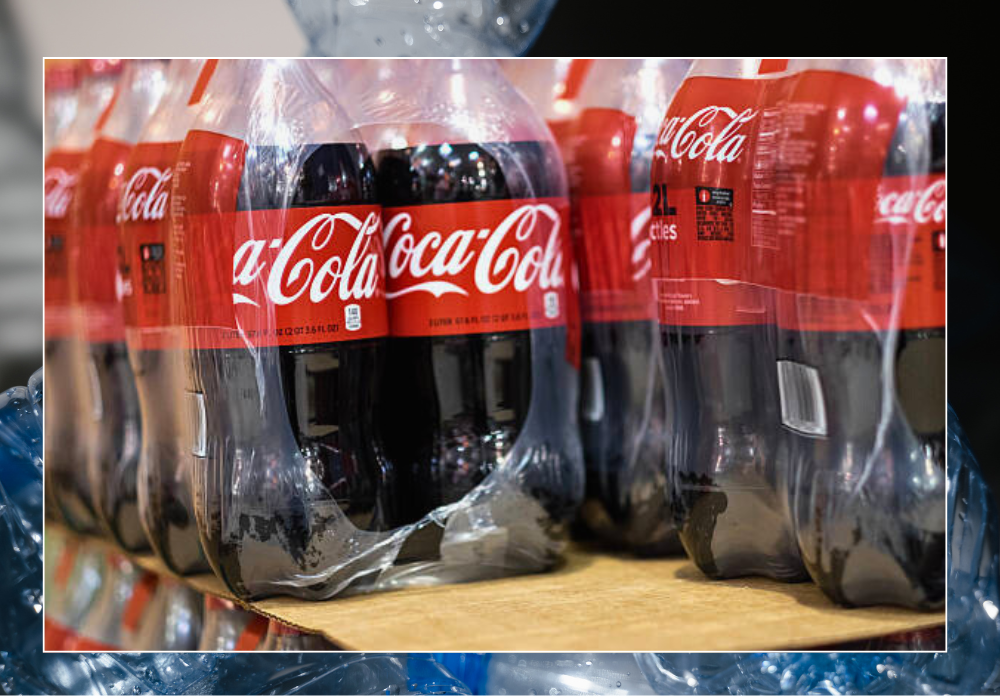
    Coca Cola, PepsiCo and Nestle, Top 3 Contributors of Plastic Pollution Globally

    Coca Cola, PepsiCo and Nestle, Top 3 Contributors of Plastic Pollution Globally

    Global producer responsibility for plastic pollution is a concept that focuses on the role of producers in managing the environmental impact of their products throughout their lifecycle. This approach, known as Extended Producer Responsibility (EPR), encourages manufacturers to design products with minimal environmental impact and take responsibility for the collection, recycling, or disposal of their products once they become waste.

    The United Nations Environment Programme (UNEP) has been working on enhancing national and local capacity to implement EPR to reduce plastic pollution and improve resource efficiency. This includes developing global EPR guidelines and supporting toolkits to harmonize EPR approaches.

    A recent study highlighted that fewer than 60 multinational companies are responsible for more than half of the world's plastic pollution. It was found that the top five brands globally, including The Coca-Cola Company, PepsiCo, Nestlé, Danone, and Altria, accounted for 24% of the total branded count of plastic pollution. This data underscores the importance of EPR schemes to hold companies accountable for the environmental impact of their products.

    Notably, from 2018 to 2022, brand audit events were conducted across six continents with over 100,000 volunteers following a consistent protocol. These audit events have suggested that the largest companies in the food and tobacco sectors were the largest polluters in their region.

    Global producers of branded plastic pollution identified

    Thirteen companies have an individual contribution of 1% or more of the total branded plastic observed in the audit events. All 13 companies produce food, beverage, or tobacco products. The top company, The Coca-Cola Company, was responsible for 11%, significantly greater than any other company.

    The top 5 companies were responsible for 24% of the branded plastic; 56 companies were responsible for greater than 50% of the branded plastic; and 19,586 companies were responsible for all of the branded plastic. It is important to note that the contributions of the top companies may be an under-estimation because there were brands that were not attributed to a company, and there were many unbranded objects.

    Branded plastic pollution and production relationship

    To understand the relationship between producer plastic production and pollution, the researchers compared two independently collected datasets — the audit event dataset — and — the plastic production dataset derived from the Ellen MacArthur Foundation.

    These datasets suggests that larger companies are not doing any better or worse than smaller companies at preventing the plastic they produce from entering the environment. The relationship between production and pollution, production (%) = pollution (%), suggests that production is a very strong lever on pollution. Alternative scenarios could exist where larger companies are doing much worse.

    This data underscores the importance of EPR schemes to hold companies accountable for the environmental impact of their products.

    EPR policies are being developed and implemented globally to address the urgent issue of plastic pollution. These policies are designed to improve the efficiency and transparency of data management, financing, collection, and recycling of plastics. The United Nations Environment Programme (UNEP) has partnered with various organizations to increase capacity to develop and implement EPR approaches for plastic products, aiming to harmonize these approaches globally. 

    EPR policies are based on the "polluter pays" principle and are generally implemented by governments through a set of rules and targets. These policies aim to hold manufacturers accountable for the end-of-life impacts of their plastic products and packaging, and to encourage eco-design in the business sector.

    The concept is gaining support from global companies and organizations as a mechanism to provide dedicated funding to increase recycling rates and reduce plastic pollution. Phasing out single-use and short-lived plastic products by the largest polluters could greatly reduce global plastic pollution.

    Extended Producer Responsibility (EPR) in India

    Extended Producer Responsibility (EPR) in India is a significant environmental policy that mandates producers, importers, and brand owners to manage the disposal of plastic packaging waste. This initiative is part of the Plastic Waste Management Rules, 2016, and aims to ensure that plastic packaging waste is processed through recycling, reuse, or end-of-life disposal methods such as co-processing, waste-to-energy, plastic-to-oil, road making, or industrial composting.

    In India, the 2022 Brand Audit analysis by 'Break Free From Plastic' found that PepsiCo, CG Foods India Pvt Ltd, and Perfetti Van Melle were the top three plastic polluters in 2022. The audit events documented more than two lakh (201,543) plastic items, with PepsiCo contributing 19,093 pieces of plastic waste. In previous years, other companies like the Karnataka Milk Federation and Tamil Nadu Co-operative Milk Producers' Federation Ltd were identified as the biggest plastic polluters in India.

    These findings underscore the importance of implementing effective Extended Producer Responsibility (EPR) policies to hold companies accountable for the environmental impact of their products. EPR policies in India are designed to ensure that producers are responsible for the lifecycle management of their products, including the collection and recycling of plastic waste. The Central Pollution Control Board (CPCB) has developed an online portal for the registration of producers, importers, and brand owners to improve accountability and transparency in fulfilling EPR obligations. 

    While companies like Coca-Cola have pledged to make all packaging recyclable globally by 2025 and Nestlé is said to be working to reduce virgin plastic usage, the study suggests that these measures alone are insufficient. The strong linear relationship between plastic production and pollution indicates that reducing plastic production is pivotal in curbing plastic pollution. Therefore, a fundamental change in regulating plastic producers is crucial in addressing the issue of plastic pollution in India and globally.

    The Ministry of Environment, Forest and Climate Change of India has taken steps to streamline the implementation process of EPR by notifying 'Guidelines on Extended Producer Responsibility for Plastic Packaging' in the Schedule II of the Rules on February 16, 2022. These guidelines are designed to strengthen the circular economy of plastic packaging waste, promote the development of new alternatives to plastics, and provide a roadmap for businesses to move towards sustainable plastic packaging.

    The Central Pollution Control Board (CPCB) has developed an online centralized portal for the registration of Producers, Importers, and Brand Owners (PIBOs) who operate in more than two states, while those operating in one or two states/UTs are registered with the concerned State Pollution Control Boards (SPCBs). The portal is intended to improve accountability, traceability, and transparency in fulfilling EPR obligations.

    The EPR regime in India also includes a market mechanism for the sale and purchase of surplus extended producer responsibility certificates, which is a significant step in formalizing and developing the plastic waste management sector. The implementation of EPR is supported by a customized online platform that acts as the digital backbone of the system, allowing for tracking and monitoring of EPR obligations and reducing the compliance burden for companies through online registration and filing of annual returns.

    Overall, EPR in India is a comprehensive approach to tackling plastic pollution by involving producers in the lifecycle management of their products, thereby contributing to environmental sustainability.

    To Fight Air Pollution in Delhi-NCR, Tata Power To Incentivize Its Employees to Purchase EVs at Special Benefits

    To Fight Air Pollution in Delhi-NCR, Tata Power To Incentivize Its Employees to Switch to EVs

    In a major thrust to improve air quality in Delhi NCR, Tata Power, one of India’s largest integrated power companies, today launched a special program to incentivize its employees to switch to EVs. This announcement is aligned with Tata Power's 'Sustainable is Attainable' movement, which encourages adoption of green energy solutions and products to commit to a Lifestyle for Environment (LiFE).

    Tata Power and its subsidiaries have nearly 4000 employees working in the Delhi NCR region and are focused on building a culture of responsible environmental practices among the employees through initiatives like Climate Crew, which aims to mobilize the workforce to opt for green practices.

    Under this program, Tata Power has encouraged its employees to purchase EVs, and is also offering free charging facility at select office locations including reimbursement of charging costs beyond company premises. Tata Power has also tied up with EV market leader Tata Motors to make available popular EVs at special prices for employees, with priority delivery post booking, and long term and low EMI financing covering the entire cost of the vehicle.

    Commenting on the partnership, Mr. Himal Tewari, CHRO, Chief - CSR & Sustainability, Tata Power said, “We are encouraging our employees to embrace e-mobility and champion the cause of sustainable lifestyle by reducing individual carbon footprint. Tata Power is cultivating a culture of environmental stewardship, empowering every employee to become a 'Climate Action Hero' through such initiatives. We hope this move will also contribute towards improving the AQI in Delhi NCR, the city with one of the highest vehicular densities in the country."

    Tata Power currently has an expansive EV Charging network consisting of 250+ e-Bus charging points, and 500+ public and semi-public charging points across Delhi NCR.

    Tata Power is a leading integrated power company and a part of Tata Group, India’s largest multi-national business conglomerate. The company has a diversified portfolio of 14399 MW, spanning across the entire power value chain - from renewable and conventional energy generation to transmission & distribution, trading, storage solutions and solar cells and module manufacturing. As a pioneer of clean energy transition in India, Tata Power has 5539 MW of clean energy generation, which constitutes 38% of its total capacity.

    The company has also committed to achieve carbon neutrality before 2045.Tata Power has established India’s most comprehensive clean energy platform, with offerings such as rooftop solar, microgrids, storage solutions, EV charging infrastructure, home automation et al. The company has also attracted global investors to support its growth and vision. Tata Power has successfully partnered with public and private entities in generation, transmission & distribution sectors in India, serving approx.13 million customers across the country. To know more about Tata Power, visit www.tatapower.com

    Hotmail & Showreel Founder Sabeer Bhatia Advocates for Zero Carbon Emission - Launches First Edition of Project Carbon Shunya in Delhi

    Hotmail & Showreel Founder Sabeer Bhatia Advocates for Zero Carbon Emission - Launches First Edition of Project Carbon Shunya in Delhi

    Hotmail and ShowReel founder Sabeer Bhatia launched the first edition of “Project Carbon Shunya” in Delhi to promote awareness around the importance of attaining Zero Carbon emissions in India. The Sabeer-led initiative aims at uniting changemakers and trailblazers in the country to initiate a dialogue towards imperative climate concerns such as global warming and rising pollution levels. The cycling campaign addresses these concerns and proposes solutions to minimize its impact for a sustainable future.

    Air pollution is one of the most significant health and environmental concerns across the globe. The economic impact of this issue is also massive as it attributes to 11.65% of deaths globally. Today, India is one of the leading contributors to this critical global concern and the alarming pollution levels in the country are now also hampering the economy adversely. It is of paramount importance to take immediate action to reduce its effect on the country.

    Mr Anurag Thakur
    Mr. Anurag Thakur

    The Project Carbon Shunya initiative is a step forward taken to encourage people to use pollution-free transport in the country. Union Minister of Information & Broadcasting and Youth Affairs & Sports, Shri Anurag Singh Thakur inaugurated the event on Saturday at Shangri-La Eros, New Delhi. 60 cycling enthusiasts from the city participated in the first edition of the campaign including Major General Vikram Dev Dogra (also known as the Iron Man of India), Ali Rizvi, (Secretary DPE), Alkesh Sharma (Secretary MEITY), Javed Yunus (Co-Founder, Showreel), Subhonil Ghoshal (Managing Director, Accenture) along with others. Leading Govt. organizations also contributed to the campaign including Oil India Limited (OIL), Small Industries Development Bank of India (SIDBI), Indian Renewable Energy Development Agency Limited (IREDA), Indian Railway Finance Corporation (IRFC), Gas Authority of India (GAIL), Indian Compressors Limited (ICL) and IDFC Bank to promote a cleaner and greener environment. The campaign aims to contribute to PM Modi and the government’s target of achieving Zero Carbon emissions by 2070.

    Cyclists
    Cyclists

    Sabeer Bhatia, Co-founder of Showreel, said, “The Hon’ble Prime Minister has been pushing government bodies to relentlessly work towards spreading awareness about the urgency and importance of attaining Zero Carbon emissions in our country. Project Carbon Shunya is aimed at achieving our PM’s vision and encourage people to take small steps in the right direction for a sustainable and healthier tomorrow. It is time for us to put our foot forward and pedal our way to a sustainable tomorrow.”

    Honourable Union Minister of Information & Broadcasting and Youth Affairs & Sports, Shri Anurag Singh Thakur on Project Carbon Shunya said, “We are actively working on different initiatives around the country to help achieve the goal of net-zero emissions as mentioned by our Honourable Prime Minister at the Glasgow Conference on five elixirs. Project Carbon Shunya is a testament to our unwavering commitment to creating a cleaner and greener environment. It is our responsibility to lead by example and participate in such events aimed at addressing national concerns. Together, we can make a difference and create a more sustainable future for the generations to come.”

    Plant-based Air Purifier Startup UBreathe Secures Deal on Shark Tank

    Plant-based Air Purifier Startup UBreathe  Secures Deal on Shark Tank
    UBreathe (L to R) Shubham Singh and Sanjay Maurya

    UBreathe secures a deal of ₹1.5 crore from Namita Thapar

    UBreathe, a bio-tech startup that develops plant-based air purifiers, secured a deal of ₹1.5 crore from Namita Thapar on the popular television show Shark Tank. The episode featuring the company was aired on 14th February 2023.

    In the episode, the UBreathe team delivered a pitch highlighting the critical impact of air pollution on our health. The 30-year-old founder, Sanjay Maurya, and 28-year-old Head of Product, Shubham Singh, began by indicating their age as 45 and 50, referencing how high air pollution levels in Indian cities are aging our lungs faster. A recent study indicates that an average person in Delhi loses 10 years of life due to air pollution. Sadly, this problem has increased geographically with even states such as Maharashtra and Madhya Pradesh seeing people lose an additional 2.5-3 years of life expectancy. The team further explained how the existing air purifiers not just fail to address the indoor air quality problem holistically, but also have a negative environmental impact.


    UBreathe Life
    UBreathe Life

    UBreathe’s unique purifiers combine the natural air purifying capabilities of plants with modern technology. Their proprietary design boosts a plant’s natural process of removing pollutants from the air with improved soil breathability. Unlike mechanical purifiers that filter only dust pollution and are highly toxic to the environment, their solution captures all the contaminants in the air. The product is tested and certified by NABL Labs and has been reviewed and recommended by faculty of AIIMS Delhi.

    The startup, established in 2018, was founded by Sanjay Maurya, Akhil Gupta, Akshay Goyal, and Inderjeet Rao - a diverse team of graduates from renowned institutions such as IIT, IIM, Harvard, and MIT Media Labs with a cumulative experience of over 35 years in tech-innovation, design, and entrepreneurship.They came together with a vision to build a world-class consumer product from India to tackle air pollution, while being environmentally friendly and sustainable.

    UBreathe’s research is backed by premier institutes such as IIT Ropar, CIIE.CO IIM Ahmedabad, Ministry of Electronics & Information Technology (Meity), Biotechnology Industry Research Assistance Council (BIRAC), and the Nexus US Embassy Delhi. The company has filed 6 patents in India and Europe.

    Commenting on the deal, Sanjay Maurya, CEO and Co-Founder, UBreathe, said, “We are truly thrilled to have the opportunity to work with Namita Thapar and to be able to bring UBreathe to a wider audience in India and abroad. Namita's extensive experience in the pharmaceutical industry gives her an in-depth understanding of the time and effort necessary to develop a product like UBreathe. For the last several years, we have had the privilege of making a real difference in the lives of 1000+ customers. Over the next couple of months, we will be taking up marquee projects with offices and private and public schools to reach out to more people and make a bigger impact on on their overall health

    Commenting on the market opportunity, Sanjay added, “As per a recent report, the $335B global market for Indoor Air Quality Solutions is now expected to grow at 8.28% in the next 4 years and Covid-19 has been a key driver for this growth. The pandemic has brought global attention to the issue of indoor air quality and the need to manage it to prevent airborne transmission of the virus. A product like ours can make a significant difference to millions of people"

    Recently, UBreathe has taken on high-profile projects with the goal of making a larger social impact. These projects include air quality management initiatives with the UN House Delhi, the Government of Maharashtra, and public primary schools in Chennai.

    About UBreathe

    Incorporated in 2018 in Gurugram, Haryana, UBreathe is a biotech startup that focuses on uniquely combining nature, engineering, and design to build solutions for solving the air quality crisis in urban areas. Their research and development is backed by prestigious institutions such as IIT Ropar, CIIE.CO IIM Ahmedabad, the Ministry of Electronics and Information Technology (MeitY), Biotechnology Industry Research Assistance Council (BIRAC), and the Nexus US Embassy Delhi.

    The company currently has three commercial air purifying products – ‘UBreathe Life’ & ‘UBreathe Mini’ for indoors at home & office; and ‘UBreathe Wall’ for semi-open areas like metro station, airport, malls etc.

    For more details, visit, https://www.ubreathe.in/


    10,000 Air Cleaners To Be Deployed in Maharashtra and Karnataka By Ethereum Founder’s Balvi Fund and ActiveBuildings

    10,000 Air Cleaners To Be Deployed in Maharashtra and Karnataka

    • Ethereum founder Vitalik Buterin’s Balvi Fund & ActiveBuildings sign an MoU to deploy low-cost air cleaners, in Maharashtra and Karnataka
    • Balvi Fund has partnered with ActiveBuildings for monitoring and filtration of air quality in the states of Maharashtra and Karnataka with an initial investment of 1 million USD
    • The MoU aims to cover 600,000 sq. meters of indoor spaces, with 10,000 units of air cleaners in public places of Maharashtra and Karnataka
    • Deployment to focus on public spaces such as government hospitals, and schools that lack access to clean indoor air quality
    In a bid to improve indoor air quality in the states of Maharashtra and Karnataka, Vitalik Buterin led Balvi Fund and ActiveBuidings joined forces for the next one year to deploy 5000 Indoor Air Quality monitors measuring carbon dioxide emissions and 10,000 air cleaners to keep indoor air pollution in check and to collect real-world data on indoor air quality.

    Balvi Fund has partnered with ActiveBuildings with an investment of 1 million USD for executing the following :

    Deploy 5000 Indoor Air Quality monitors measuring CO2, where the devices will be connected to a cloud server and dashboard to show data in real-time.

    In 1500 of these devices, ActiveBuildings will also add PM2.5 as a parameter for monitoring particle pollution and aerosol pollution as it is the most lethal air pollutant for human health.

    Deploy another 10,000 low-cost air cleaners, inspired by Corsi Rosenthal* boxes, across the states of Maharashtra and Karnataka at critical locations of public importance.

    This contract to deploy air purifiers and Indoor Air Quality monitors and gather data is the largest such project ever undertaken in any low-medium income country, and it will serve up to 1 million Indians

    The deployment will focus on government hospitals, government schools that typically do not have the budget to spend on clean air.

    According to a recent study by the National Environmental Engineering Research Institute (NEERI), there are unsatisfactory levels of air pollution in 28 of the 73 sites(locations) that were monitored. The ambient quality of the air at these sites were classified as being in the “very unhealthy or worse” category. The worst sites were found in Mumbai, followed by Thane, Pune, Nagpur, Aurangabad and Raigad. These are all industrial regions that produce large quantities of pollution from automobiles, dust generated by the construction industry and factories.

    Additionally, the same report suggested that Karnataka had the worst air quality in the whole of the south of India. It stated that polluted air was responsible for 95 deaths out of every 100,000 people. The national average is 90 per 100,000. Over 50 percent of deaths attributable to air pollution are younger than 70 years old.

    Talking about the partnership, Abhinav Gupta, CEO at ActiveBuildings said, “We are glad to partner with Balvi Fund in the movement to create awareness around the fact that clean indoor air is a fundamental requirement. With the help of this partnership, we intend to cover 600,000 sq. meters of indoor spaces, that will be protected with the help of 10,000 units of the Bubble CR boxes* to public spaces like schools, healthcare facilities etc. The idea to tap such areas is to ensure access to clean breathable air to every strata of the community.”

    Adding to Abhinav, Vitalik Buterin said, "Covid is primarily an airborne disease, and one of the most powerful ways to fight Covid is to improve indoor air quality and reduce airborne transmission. Air filters are very effective at reducing airborne spread of Covid and other viruses, and work entirely in the background, and CO2 sensors can detect poor air quality and suggest when filtration or ventilation might be required. ActiveBuildings' ambitious project in India will mass-manufacture and distribute monitors and air filters, paving a path toward making clean indoor air a standard in India much like clean water has become a standard in much of the world today."

    ActiveBuildings through this partnership plans to drive public dialogue in India highlighting the importance of clean indoor air quality as a necessity. They aim to :

    Donate Bubble CR boxes to public spaces (schools, healthcare facilities etc) that cannot afford devices that curb aerosol pollution.

    To cover 600,000 sq. meters of indoor spaces, with 10,000 units of air cleaners that are inspired by the Corsi Rosenthal boxes of international acclaim.

    Provide 5000 units of RESET certified IAQ sensing devices to monitor, track and analyse the impact of Bubble CR boxes in the spaces where it is deployed.

    Open-source the designs of Bubble CR boxes and a simple IAQ monitoring device to provide public access to critical tools that help fight aerosol pollution.

    About ActiveBuildings:

    ActiveBuildings is a start-up founded by Abhinav Gupta and Priyans Murarka. ActiveBuildings is engaged in the research and development of technological products for enhancing the health, comfort and productivity of buildings and their occupants. It has successfully developed RESET certified Indoor Environment Quality (IEQ) monitoring sensors and a low-cost affordable air filtration device inspired by Corsi-Rosenthal boxes. ActiveBuildings has deployed over 1000+ sensors and air cleaners across India and provided affordable low-cost air quality testing to over 6 million sq. ft of real estate in India and Middle East. In addition, the company has donated over 120+ low-cost air cleaners to local schools and health care spaces as a part of a joint campaign with a community of aerosol scientists and engineers.

    *Corsi–Rosenthal Box, also called a Corsi–Rosenthal Cube or a Comparetto Cube, is a design for a do-it-yourself air purifier that can be built comparatively inexpensively. It was designed during the COVID-19 pandemic with the goal of reducing the levels of airborne viral particles in indoor settings by cleaning out aerosols from the air (indoors).

    Recognizing Poor Indoor Air Quality Menace with the Onset of Summers

    Recognizing Poor Indoor Air Quality Menace with the Onset of Summers

    This content has been authored by Varun Pahwa, President, Desiccant Rotors International (DRI)

    With low pangs of summers already being felt, people will be more prone to spend time indoors to beat the heat outside. There will be many who will be taking a sigh of relief thinking that now they will be free from the poor Indoor Air Quality (IAQ) menace prevalent during winters. But in reality, the issue of poor IAQ is a persistent issue all-round the year. It only gets worsened in summers with centralized air conditioning systems in the enclosed spaces that leave no space for the influx of fresh air and only stale air keeps circulating in the building.

    The impact is felt even more starkly in industries like healthcare, construction, factories, hotels, airports, given to their packed, and complex structure that deteriorates the air quality within the premises. Moreover, these places often being huddled with large crowds compounds the problem.

    As a result, there have been rising instances of ‘Sick Building Syndrome’ which is a serious threat to the health and overall wellbeing of the person. Additionally, the poor IAQ is also responsible for a wide range of issues like breathing problems, lethargy, pain in the eyes, and other long-term illnesses.

    In order to arrest the issue, people need to be aware that the indoor air can easily get influenced by the outdoor air and is 10 times worse and more harmful because of restricted airflow in the enclosed area. It is not just the metropolitan cities that get affected but even the surrounding cities face the menace of poor indoor air quality.

    Hence, highly efficient building management systems must be installed in centrally conditioned spaces such as office complexes, homes, malls, hotels, restaurants, auditoriums, and various other closed premises to not just deal with the contaminants/pollutants generated indoors but ensure that outdoor pollution like PM 2.5, PM10, VOCs as well other gaseous contaminants are not brought inside enclosed spaces through conditioning systems.

    Understanding that the major cause of poor IAQ is the lack of clean fresh air in the buildings which only worsens with the presence of moisture, ensuring proper ventilation is the best solution to improve indoor air pollution. It dilutes the contaminated air indoors by utilizing the fresh air from outside. With the help of this approach, one can thoroughly clean the outside fresh air and introduce it into the building, maintaining positive pressure inside the building.

    Here, HVAC&R systems are highly efficient in ensuring proper ventilation and are backed up with a wide range of advantages. It not just renders acceptable indoor air quality but also provides thermal comfort in the enclosed space. The system employs advanced desiccant technology that uses hygroscopic substances to suck moisture from the air in order to maintain the proper RH and cool down the indoor spaces. One of the primary benefits of this technology is that it tones down the air according to the requirement of the given space. The Energy Recovery systems ventilate the conditioned spaces without compromising on air conditioning load. Owing to this mechanism there is substantial reduction in the use of energy and utility costs.

    Along with HVAC&R system installation, people must also be agile enough to adopt green building designs. Green Building Councils across the globe are playing a critical role in promoting awareness and certifying the importance of Indoor Air Quality in our day-to-day lives. The advanced buildings help in striking the right balance in the indoor air quality that does not compromise on the comfort of the people but at the same time coherently contribute to reducing the energy consumption of the building with the help of green products. These buildings are the most viable solution as it highly maintains proper relative humidity (RH) and prevents any growth of mold, mildew in the enclosed atmosphere.

    With advanced systems in place and efficient air purifying systems, maintaining good indoor air quality, even in large spaces has become a cost-effective and doable affair.

    Indian Scientists Discover Special Nanoparticles that Capture CO2 in More Economical Way

    Indian Scientists Discover Special Nanoparticles that Capture CO2

    Carbon capture and utilization are growing fields of research focusing on reducing CO2 emissions. A recent United Nations report says that carbon capturing will no longer be an option if we have to save the planet from the increasing problem of Climate Crisis.

    A group of Indian scientists at Indian Institutes of Science Education and Research (IISER), Kolkata, has discovered a new way to synthesize new solid adsorbents for CO2 capture and utilization. Here, Adsorption is a process in which pollutants are adsorbed on the solid surface.

    For an uninitiated, Adsorbent is different from 'Absorbent' !. Adsorbent refers to a material which allows a dissolved solid, gas, or liquid to adhere to its surface. An absorbent, on the other hand, is a material which allows gases and liquids to permeate it uniformly.

    Professor Rahul Banerjee’s group at IISER-Kolkata, with support from Department of Science & Technology (DST), Govt. of India under Mission Innovation program, has demonstrated a strategy to synthesize novel solid adsorbents, especially for CO2 capture and CO2 utilization.

    Interestingly, this discovery of new material from IISER comes within a month after Professor Deepak Dhar of the same institute but different location (IISER-Pune) becomes first ever Indian physicist to receive the prestigious Boltzmann Medal for his contribution in the field of statistical physics.

    Prof. Banerjee’s group has discovered special types of nanoparticles or microparticles which can capture CO2 in their micro and mesoporous voids.

    To help you with few scientific vocabulary coming ahead in this article -- 'Zeolites' are microporous, 3-dimensional crystalline solids. And, 'Janus' particles are special types of nanoparticles or microparticles whose surfaces have two or more distinct physical properties. This unique surface of Janus particles allows two different types of chemistry to occur on the same particle.

    This interestingly new materials with distinct physical properties on its surfaces have been synthesized include porous Covalent organic frameworks like Covalent Organic Framework (COF) -graphene Janus thin films, which are ultralight in weight, published in Journal of  'American Chemical Society , and porous covalent bonded organic nanotubes published in Nature Chemistry, while COF coated zeolite published in ‘Journal of American Chemical Society’.


    The good choice of 2D graphene sheets as a grafter helped the researchers to design and create COF-graphene Janus thin films through the interactions (non-covalent) between the COF and graphene, rendering flexible porous Janus films at the DCM (Dichloromethane) -water interface.

    This newly designed COF-coated zeolites could be an excellent candidate for CO2 storage in the industry due to their high surface area and increased chemical stability.

    The high CO2 uptake for the COF coated zeolites, even after treatment with weak acids makes it appropriate for industrial purposes. The COFs coating prevented the degradation of zeolite structure from moisture, weak acids, and water. The CO2 uptake data for COF coated zeolite at 1 bar, 293K is 132 cc/g, supersedes the CO2 uptake data of zeolite under the same condition.

    Gspatial.ai - One of Its Kind Platform for Bulk Historical Air Quality and Weather Data Launched


    Ambee’s Gspatial.ai will offer street-by-street, hourly historical air quality, and weather data for over 70+ countries covering the last 20+ years

    Businesses, researchers, and government bodies can utilize Gspatial.ai’s historical air quality and weather data to mitigate climate change loss through deep insights and strategic decision-making

    Ambee, a climate intelligence company that supplies hyperlocal environmental data in real-time, has launched Gspatial.ai, a new offering that provides historical air quality and weather data to businesses and governments across 70+ countries all over the world. The service includes street-by-street hourly air quality and weather data spanning the last 20+ years.

    Ambee’s Gspatial.ai will benefit healthcare, pharma, insurance, logistics, retail, and even government bodies. Gspatial.ai helps mitigate the risks of climate change through deep and actionable insights on environmental factors, helping companies assess risks and make sound business decisions. Businesses can easily shop for historical air quality and weather data through Gspatial.ai’s website or a purpose-built API dashboard.

    Commenting on the launch of Gspatial.ai, Madhusudan Anand, CTO and Co-Founder, of Ambee, said, “Our mission is to improve the health of millions of people but also the planet itself by developing products that can impact those affected by climate change.” He added that Gspatial.ai is a step in that direction, with easy access to reliable and accurate historical information on hyperlocal environmental factors. “This will help businesses understand how environmental events can have an impact on revenue. Industries such as oil & gas, energy, automobiles, insurance, healthcare, agriculture, and forestry are amongst the most vulnerable to climate risks. Businesses can use historical environmental data when looking at capital allocation, development of products or services, and supply-chain management. Through this product, we hope businesses can stay resilient to climate disasters, profitable and sustainable while helping their customers stay healthy,” explained Mr. Anand.

    Then and Now

    The Swiss Re Institute’s recent Climate Economics Index stress test reported that the global economy could lose up to 18% GDP from climate change by 2050. Further, the Environmental Research Letters journal at the University College of London, reports that by the year 2100, climate change will cost the world six times more than originally thought. The United in Science 2021 report says that the average global temperature was the highest on record for the last five years. Carbon dioxide levels are at their highest in 650,000 years. This past year has also recorded extreme weather and climate calamities, an effect of human-induced climate change.

    It is clear that climate change is a huge risk to all businesses. Access to accurate and historical environmental data can help reduce loss and insulate against further risk through adaptability and climate resilience.

    More on Gspatial Platform

    One of the most important benefits of historical environmental data is risk assessment and insurance. Historical environmental data services like Gspatial.ai help in creating risk models that predict weather patterns; protect solvency by better investment decisions; aid resource optimization, and encourage policymakers to take action. For instance, environmental data oversees precipitation events (floods and mudslides); wildfire frequency and severity; temperature spikes; crop growth; soil erosion; and more. In the same vein, when it comes to logistics, for example, environmental intelligence will accurately identify a delivery window or adjust ETAs according to the weather; optimize inventory before inclement weather; and establish clear and cost-effective transportation, among other advantages.

    Upcoming features in the Gspatial.ai platform:
    • Hyperlocal emissions with CO2 in PPM and CO2e in Gigatons,
    • Pollen, vegetation, satellite images, historical fires data,
    • Historical severe weather events data,
    • Bulk historical climate data,
    • Environmental forecast data for more than 80 years and lots more.
    For more details, visit https://www.gspatial.ai/

    Ambee builds hyperlocal climate data and intelligence in real-time across the world. Using proprietary data science, Ambee provides location-specific, real-time data and actionable insights on air quality, weather, pollen, and various other environmental factors. Ambee’s data is consumed by businesses and administrators across the globe. Ambee was founded with an aim to democratize access to environmental data and tools that enable a better and healthier living experience.

    Website: https://www.getambee.com/


    IIIT-Delhi to Organize 1st International Conference on Pollution Prevention and Clean Technologies


    Indraprastha Institute of Information Technology, Delhi (IIIT-Delhi) is all set to launch the 1st International Conference on Pollution Prevention and Clean Technologies and "Taiwan-India Workshop on Emerging Environment and Energy Challenges of Technology Exchange". The event is scheduled for the 6th and 7th of December, 2021, in New Delhi, India. The event will bring together renowned researchers, scholars, delegates, and key speakers, who will discuss more about using tech on minimizing the impact of economic activities on the planet and environment.

    The 1st International Conference on Pollution Prevention and Clean Technologies will also offer a platform for unpublished papers focused on "new and innovative clean technologies". The event will be chaired and co-chaired by Prof. Dr. Ashok Pandey (CSIR-Indian Institute of Toxicology Research, India), Dr. Ingunn Westvik Jolma (University of Stavanger, Norway), Prof. Dr. Chiu-Yue Lin (Feng Chia University, Taiwan), and Prof. Dr. Chin-Tsan Wang (National Ilan University, Taiwan).

    "IIIT-Delhi is extremely proud of being associated with the 1st International Conference on Pollution Prevention and Clean Technologies. While economic development activities are necessary, this event will bring a platform to discuss innovative clean technologies that can mitigate the waste risks related to such activities. From discussing the shift to sustainable resources to improving energy efficiency and designing sustainable manufacturing systems, the event will allow a perfect international platform for discussing possible solutions. We also hope that the event will offer an insight on how global carbon footprint can be minimized strategically," said Dr. Debarka Sengupta, Associate Professor, IIIT-Delhi.

    ICPPCT would be the first event of its kind that would rely on tech & innovations to create solutions that would address serious environmental concerns. Key speakers and researchers will also offer insight into how innovative clean technologies can be expanded across manufacturing, industrial, and other sectors to reduce the impact on climate and the planet while considering various aspects of pollution prevention technologies. Scholars and researchers can also interact directly with one another on key pointers like the production of carbon-neutral products and finding new pioneering financial models to support new visions.

    "At a time when we are discussing aspects like climate change and increasing pollution levels, ICPPCT would be a great opportunity for the world to explore new ideas and innovations. The event will also offer room to discuss Sustainable Environmental Management System (SEMS) designs and environmental economics, along with waste management and multi-criterion decision-making models for sustainability. We hope ICPPCT will pave the path for determining innovative environmental policies for the world," Dr. Gopalakrishnan Kumar, University of Stavanger, Norway added.

    Plenary and keynote speeches by the world-renowned scientists would cover and share insights on "Waste to Wealth: Resource Recovery & Sustainability", “Microplastics and nanoplastics pollution and abatement: A New paradigm of waste management for environmental sustainability” and much more exciting talks at the event. More details can be found on the website (http://icppct.com/). The event is currently inviting papers related to various themes announced in the website.

    Ambee Launches an All New Air Quality and Pollen Monitoring App for Real-time, Street-level Environmental Data


    Know what you breathe with Ambee’s new and updated app for air quality data and environmental summary of your surroundings

    Ambee, an environmental intelligence company that supplies hyperlocal data on environmental factors in real-time, has launched an all new version of their air quality monitoring app for accessing real-time air quality data at a street by street level.

    The app will provide personalized, location-based air quality recommendations, send out alerts in case of higher pollution levels, and provide updates on other environmental factors such as pollen, rainfall, and a 7-day weather forecast for a user’s location of choice.

    A report by the World Health Organization indicates that air pollution kills an estimated 7 million people worldwide. The air you breathe is a direct indicator of immediate and long-term health. Small changes in air pollution – the kind you might find between different streets or neighborhoods – are proven to significantly increase health risks. Even the COVID-19 pandemic has been shown to increase fatalities in areas with high air pollution. As per a study by Harvard University, a slight increase in long-term exposure to PM2.5 (Particulate Matter) leads to a significant increase in the COVID-19 death rate.

    The first step towards mitigating the impact of air pollution is being aware of the air we breathe. Air quality data helps visualize and quantify the ambient air pollution at any given location, down to the postcode and neighborhood level. Through the Ambee app, users can get detailed insights into air pollutants such as PM2.5, PM10, and their health effects, personalized action-driven health recommendations to optimize daily activities, and receive regular air quality alerts to make healthier data-driven decisions. Ambee’s app provides air quality data for the largest number of locations on the planet.

    Commenting on the app, Madhusudan Anand, CTO and Co-Founder, Ambee, said “Air pollution has become an inevitable part of our everyday lives. With increasing population and urbanization, air pollution is likely to increase in the years to come, and it is bound to have an adverse impact on the health of millions. One of the ways to mitigate the health impact of air pollution is to be aware of what you breathe and make conscious data-driven decisions that can minimize exposure to polluted air. At Ambee, our mission is to help people breathe clean air by making accurate, real-time, actionable air quality data easily accessible to people, businesses, and governments to improve overall world health. This app by Ambee is a step towards making air quality data easily available at your fingertips''

    Ambee App is available on Android and iOS. To download, click on the link - https://apps.apple.com/in/app/air-quality-pollen-app-ambee/id1363721253 or https://play.google.com/store/apps/details?id=com.ambee.android

    About Ambee:

    Ambee builds hyperlocal environmental data and intelligence in real-time across the world. Using proprietary data science, Ambee provides location-specific, real-time data and actionable insights on air quality, weather, pollen, and various other environmental factors. Ambee’s data is consumed by businesses and administrators across the globe. Ambee was founded with an aim to democratize access to environmental data and tools that enable a better and healthier living experienceWebsite: https://www.getambee.com/

    Market Reports

    Market Report & Surveys
    IndianWeb2.com © all rights reserved