‏إظهار الرسائل ذات التسميات Carbon Capture. إظهار كافة الرسائل

Adani and France's Dioxycle to Launch India’s Ist CO₂‑to‑Chemicals Plant

Adani and France's Dioxycle to Launch India’s Ist CO₂‑to‑Chemicals Plant

Adani Enterprises has partnered with France’s Dioxycle to launch India’s first pilot plant producing formic acid from captured carbon dioxide and renewable electricity — a landmark move that marks Adani’s entry into low‑carbon chemicals. The project will be located at an Adani Group site, with plans to scale up to commercial production after successful validation.

Low‑carbon chemicals are industrial products made using renewable energy and sustainable feedstocks (like biomass or captured CO₂) instead of fossil fuels, significantly reducing greenhouse gas emissions. They are central to decarbonizing the chemical industry, which is one of the largest contributors to global emissions.

The Adani-Dioxycle partnership combines Dioxycle’s electrically driven chemical manufacturing technology with Adani Group’s clean-energy capabilities, infrastructure platform and project execution expertise to create a new model for sustainable and cost-competitive chemical production.

Key Highlights of the Partnership

  • Pilot Plant: Produces formic acid using captured CO₂ and renewable electricity.
  • Strategic Entry: Adani’s first step into the chemicals sector, expanding beyond energy and infrastructure.
  • Technology: Dioxycle’s electrically driven process replaces fossil fuels with renewable power.
  • Applications: Formic acid is widely used in textiles, agriculture, and manufacturing.
  • Future Expansion: Plans to explore other chemicals for energy, packaging, and materials sectors.

Why Formic Acid Matters

  • Industrial Uses: Preservative in animal feed, dyeing agent in textiles, and intermediate in chemical manufacturing.
  • Sustainability Impact: Converts carbon emissions into valuable products, reducing reliance on fossil feedstocks.
  • Market Potential: India’s growing demand in agriculture and textiles makes local production strategically important.

Statements from Leaders

  • Jeet Adani (Director, Adani Group): “We are proud to pilot India’s first formic acid facility powered entirely by renewable electricity and captured carbon.”
  • Sarah Lamaison (CEO, Dioxycle): “India offers a unique combination of renewable energy, manufacturing capability, and ambition. Together, we aim to build a scalable model for low‑carbon chemical production.”

Strategic Importance

FactorDetails
Carbon CaptureConverts emissions into chemicals, reducing industrial carbon footprint.
Economic ValueCreates cost‑effective alternatives to fossil‑based feedstocks.
India‑Europe CooperationStrengthens clean‑tech ties between India and France.
Job CreationNew opportunities in chemical manufacturing and renewable energy.

Risks & Challenges

  • Validation Risk: Commercial scaling depends on successful pilot outcomes.
  • Regulatory Approvals: Environmental and industrial clearances may delay timelines.
  • Market Competition: Competing with global players in sustainable chemicals.

What This Means for India

  • This partnership positions India as a pioneer in low‑carbon chemical manufacturing, aligning with its renewable energy ambitions and industrial growth.
  • It’s a strategic clean‑tech story linking carbon capture, industrial innovation, and India‑Europe cooperation.
Low‑carbon chemicals represent a fundamental re‑architecture of industrial chemistry, shifting from fossil‑based to renewable, circular systems. For India, projects like Adani–Dioxycle’s pilot plant show how captured carbon can become a valuable feedstock, positioning the country as a leader in sustainable industrial innovation.

Varaha Raises $45M to Expand High-Integrity Carbon Removal Projects Worldwide

Varaha Raises $45M to Expand High-Integrity Carbon Removal Projects Worldwide
  • The new program (VIPP) invites industrial partners worldwide to join Varaha’s carbon removal platform
Varaha, Asia’s largest developer of high-integrity carbon removal projects, today announced its Series B financing round of ~$45M, and close of the initial tranche of $20M, led by WestBridge Capital.

The new capital will accelerate Varaha’s geographic expansion, strengthen its scientific and MRV capabilities, and scale a new industrial partnership model that extends its capabilities to partners worldwide.

Founded in India, Varaha develops carbon removal projects across four pathways: Biochar, Afforestation, Reforestation and Revegetation (ARR); Regenerative Agriculture, and Enhanced Rock Weathering (ERW).

The company has built strong commercial traction, executing long-term carbon offtake agreements with U.S. technology leaders Google and Microsoft, as well as a major U.S.-based aviation company. Varaha has also delivered one of the highest volumes of durable carbon removal credits of any project developer globally as on date.

This investment marks WestBridge Capital’s first climate tech investment.

Varaha Raises $45M to Expand High-Integrity Carbon Removal Projects Worldwide
Varaha Founders

Speaking on the investment Sandeep Singhal, Co-founder and Managing Partner, WestBridge Capital said, “Varaha has built what very few companies globally have: deep scientific credibility in a nascent industry alongside a commercially viable business model. We believe Varaha is uniquely positioned to build a global carbon-removal platform from India, combining integrity, scale, and impact. This investment reflects our conviction in the team and their potential to shape the next phase of climate infrastructure worldwide.”

As part of its next phase of growth, Varaha is launching the Varaha Industrial Partners Program (VIPP), a biochar-focused partnership model for industrial operators globally. Through VIPP, partners with gasification capabilities and access to sustainable biomass can leverage Varaha’s expertise in digital Measurement, Reporting & Verification (MRV) and carbon credit origination. Varaha trains partner staff, installs sensors, implements its MRV system, and brings the resulting credits to market, either as offsets or as insetting credits for their partner’s own decarbonization goals.

Speaking on the recent funding and launch of VIPP, Madhur Jain, CEO and Co-Founder of Varaha said, “This round reflects the continued confidence of investors and customers in Varaha’s science-led carbon removal solutions and our ability to scale them globally. Climate solutions only matter if they scale with integrity. With VIPP, we’re opening our platform to industrial partners worldwide. If you have biomass and gasification capabilities, we can help you generate verified carbon removal credits. We invite operators globally to join us in scaling climate impact.”

The VIPP is already operational with a project with a large cashew company in West Africa, multiple agribusiness partners in India, and a major Indian steel company with decarbonization goals.

RTP Global, which led Varaha’s Series A, has also joined the round with a super pro-rata investment. Galina Chifina, CEO & Partner at RTP Global added, "From the very first meeting, Madhur’s vision and the Varaha team’s dedication to execution stood out. It’s rare to see business potential and real impact come so naturally aligned — and it’s a privilege for us to support Varaha at every step of this journey. We genuinely believe this team has what it takes to build a game-changing climate solution, and we’re proud to be part of that story"

The round also saw participation from Omnivore who were among the early-stage investors in Varaha. Mark Kahn, Managing Partner at Omnivore, added, “Our decision to double down reflects strong confidence in the team’s long-term vision and their potential to build a leading global carbon removal company. The strength of this fundraise, along with long-term offtake agreements with companies like Google and Microsoft, reinforces Varaha’s credibility and the momentum behind its trajectory

About Varaha

Varaha is Asia’s largest developer of carbon dioxide removal (CDR) projects, with a mission of scaling smallholder farmer-led climate solutions to remove carbon from the atmosphere and strengthen rural livelihoods. Specializing in regenerative agriculture, agroforestry, biochar, and enhanced rock weathering projects across South Asia, Varaha has pioneered a technology- and science-driven approach to carbon project development since its founding in 2022. Varaha is headquartered in Gurgaon, India, and operates over 20 carbon projects across India, Nepal, Bangladesh, Bhutan, and the Ivory Coast.

About WestBridge Capital

WestBridge Capital is a global investment firm with over $7 billion in assets under management and has offices in Bangalore, Silicon Valley and Mauritius. Over the last 25 years, WestBridge has partnered with transformative entrepreneurs at every stage across both private and public markets, with a significant nexus to India. WestBridge has a long-standing track record of leading investments and advising companies as their largest institutional partner. Some notable investments in India include Rapido, Meesho, Physics Wallah, Star Health and IndiGo Airlines. For the full portfolio and more information, visit www.westbridgecap.com.

Piyush Goyal Strengthens Global Ties in Semiconductors, Carbon Capture and MedTech

Piyush Goyal Strengthens Global Ties in Semiconductors, Carbon Capture and MedTech

Union Minister of Commerce and Industry Piyush Goyal has held a series of high-level meetings with global industry leaders to deepen collaborations in semiconductors, carbon capture, and medtech—three sectors critical to India’s long-term economic and technological ambitions.

Key meetings and partners

  • Linde plc: CEO Sanjiv Lamba met with Goyal to discuss opportunities in advanced manufacturing, decarbonisation, and carbon capture technologies.
  • Linde’s strategic role: A global leader in industrial gases and clean energy solutions, positioned as a key partner to strengthen India’s industrial ecosystem while aligning with sustainability goals.
  • Intuitive Surgical: Senior executives engaged with Goyal on expanding robotic-assisted surgery in India; globally led by CEO Gary Guthart.
  • Medtech impact: Collaboration could accelerate India’s adoption of cutting-edge medical robotics and modernize healthcare delivery.

Strategic importance

  • Semiconductors & self-reliance: Build a major hub for chip production, reduce import reliance, and strengthen supply chain resilience.
  • Carbon capture & clean tech: Partnerships with Linde support climate commitments and industrial decarbonisation.
  • Healthcare modernization: Robotic surgery systems can improve patient outcomes and expand access to advanced procedures.

Challenges ahead

  • Semiconductor supply chains: Fabs require massive capital, skilled talent, and geopolitical stability.
  • Carbon capture costs: Technologies remain expensive and energy-intensive; scalability is a key hurdle.
  • Medtech adoption: Robotic systems are costly, needing infrastructure upgrades and specialized training.

India’s Vision 2047

These engagements underscore India’s broader goal of becoming a self-reliant developed nation by 2047. By strengthening ties in semiconductors, clean tech, and medtech, India is positioning itself as a global innovation hub while advancing sustainability and healthcare.

Google to Buy Carbon Credits from An Indian Startup that Turns Large Amounts of Agricultural Waste Into Biochar

Google to Buy Carbon Credits from An Indian Startup that Turns Large Amounts of Agricultural Waste Into Biochar

Google has signed a significant deal to purchase carbon credits from an Indian startup called Varaha. This startup's initiative converts large amounts of agricultural waste into biochar, a form of charcoal that captures carbon dioxide from the atmosphere and stores it in the soil.

The Google-Varah deal is one of the biggest ever involving biochar, and is Google's first foray into India's carbon dioxide removal (CDR) sector.

Varaha is an innovative Indian startup focused on carbon dioxide removal (CDR) through the production of biochar. Varaha converts agricultural waste into biochar using pyrolysis Reactors.

Biochar is a form of charcoal that captures carbon dioxide from the atmosphere and stores it in the soil. Biochar not only helps mitigate CO2 emissions but also improves soil health, offering an alternative to traditional fertilizer.

Key Points:

Carbon Credits: Google has committed to purchase 100,000 tonnes of carbon removal credits from Varaha by 2030 as the catalytic first buyer of biochar credits produced by a Varaha facility in Gujarat, India.

Biochar Production: Varaha sources agricultural waste from hundreds of smallholder farms in India and converts it into biochar using Reactors.

Environmental Impact: Biochar not only helps mitigate CO2 emissions but also improves soil health, offering
an alternative to traditional fertilizer.

Scalability: Varaha estimates that India's agricultural waste could generate enough biochar to store more than 100 million tons of CO2 annually.

This partnership is part of Google's broader strategy to achieve its net-zero emissions goal and support scalable solutions to address climate change.

Varaha has raised a total of $12.7 million from prominent funds such as RTP Global, Omnivore, Orios Venture Partners, and Japan’s Norinchukin Bank.

Besides Google, other tech giants are also exploring carbon credit purchases from Indian companies to offset their emissions. While specific deals haven't been widely publicized, companies like Microsoft and Amazon have shown interest in similar initiatives. These companies are looking to support carbon dioxide removal (CDR) projects, such as biochar production, to help achieve their sustainability goals.

In India’s 1st, Ministry Starts Underground Coal Gasification Project Converting It to H2, CO and CO2 for Industrial Uses

In India’s 1st, Ministry Starts Underground Coal Gasification Project Converting It to H2, CO and CO2 for Industries' Uses

Ministry of Coal initiates India’s First Ever Pilot project for Underground Coal Gasification in Jharkhand

Initiative aims to Revolutionize the Coal Industry by using in-situ coal gasification to convert it into valuable gases such as methane, hydrogen, carbon monoxide and carbon dioxide for industrial applications


Under the strategic direction of the Ministry of Coal, Eastern Coalfields Limited (ECL) has embarked on an innovative pilot project for Underground Coal Gasification (UCG) at the Kasta coal block in Jamtara District, Jharkhand.

This groundbreaking initiative aims to revolutionize the coal industry by using in-situ coal gasification to convert it into valuable gases such as methane, hydrogen, carbon monoxide, and carbon dioxide. These gases can be utilized for industrial applications, including producing synthetic natural gas, chemical feedstocks for fuels, fertilizers, explosives, and more.

This project represents a significant milestone for Coal India Limited (CIL) and its subsidiaries, positioning India as a leader in adopting advanced coal gasification technology. As the pilot project progresses, it aims to establish new standards and enhance energy security while promoting sustainable development.

In December, 2015, the Ministry of Coal approved a comprehensive policy framework for UCG in coal and lignite-bearing areas. In alignment with this policy, Coal India selected the Kasta coal block to implement UCG technology tailored to Indian geo-mining conditions. Managed by ECL in collaboration with CMPDI Ranchi and Ergo Exergy Technologies Inc. (EETI) from Canada, this project spans two years and comprises of two phases.

In India’s 1st, Ministry Starts Underground Coal Gasification Project Converting It to H2, CO and CO2 for Industries' Uses


Underground Coal Gasification (UCG) is a fascinating process that unlocks the energy potential of coal reserves located deep underground. A suitable coal seam is identified, typically at depths where traditional mining is challenging and wells are drilled into the coal seam from the surface. Oxygen or air is injected into the coal seam through one well, while another well collects the produced gases. The injected oxygen reacts with the coal, initiating gasification. Oxygen or air is injected into the coal seam through one well, while another well collects the produced gases. The injected oxygen reacts with the coal, initiating gasification. The high temperatures (around 1,000°C) cause the coal to undergo chemical reactions, releasing gases.

In India’s 1st, Ministry Starts Underground Coal Gasification Project Converting It to H2, CO and CO2 for Industries' Uses
The primary gases produced during UCG include — Synthetic Gas or 'Syngas', a mixture of hydrogen (H₂) and carbon monoxide (CO); Methane (CH₄); Carbon Dioxide (CO₂); and other Hydrocarbons, depending on coal composition.

The collected gases are extracted through the second well. These gases can be used for various purposes as mentioned below:
  • Syngas can fuel gas turbines or combined-cycle power plants.
  • Syngas serves as a feedstock for chemicals.
  • Hydrogen Production:Valuable for clean energy applications.
  • Heat Generation: Methane can be used for heating.
Moreover, UCG reduces environmental impact compared to traditional coal mining:
  • No Surface Mining: Minimizes land disturbance.
  • Reduced Emissions: Syngas can be cleaner than burning coal directly.
  • Carbon Capture: CO₂ can potentially be captured and stored.
Besides this, other companies invloved in UCG projects in the country include ONGC and Neyveli Lignite Corporation Limited (NLC). These organizations have jointly identified several sites for studying the suitability of Underground Coal Gasification (UCG). Location of sites are Tadkeshwar in Gujarat, Hodu-Sindhari & East Kurla in Rajasthan, and Surkha in Bhavnagar district, Gujarat.

Coal India Limited (CIL) is driving India's coal gasification mission. They have identified five surface coal gasification projects which include Shilpanjal Pariyojana (West Bengal), Project Utkarsh (Maharashtra), Dankuni (West Bengal), Ashoka (Jharkhand), Mahamaya SCG (Chhattisgarh). Two tenders have been issued in the build-own-operate model.

Apart from India, it's worth noting that China, with significant coal reserves, has been actively pushing for coal gasification. They adopt proven western-developed gasifiers to gain operational experience.

These initiatives demonstrate the growing interest in cleaner energy solutions and the efficient utilization of coal resources.

Tata Steel Inks MoU with Germany’s SMS Group for Decarbonising Steel Making Process

Tata Steel Inks MoU with Germany’s SMS Group for Decarbonising Steel Making Process

Tata Steel Limited and Germany’s SMS group have signed a Memorandum of Understanding (MoU) to collaborate on decarbonisation of steel making process. As part of the MoU, the companies shall undertake further technical discussions and initiate actions for conducting Joint Industrial Demonstration of the EASyMelt technology, developed by SMS group.

The demonstration will be executed at ‘E’ Blast Furnace in Tata Steel’s Jamshedpur plant with an objective to reduce CO2 emission by more than 50% from blast furnace’s baseline operation.
 
Tata Steel Inks MoU with Germany’s SMS Group for Decarbonising Steel Making Process
Tata Steel Limited Jamshedpur plant

The EASyMelt (electric-assisted syngas smelter) technology is a cutting-edge ironmaking solution that can be implemented in an existing integrated steel plants to accelerate decarbonisation. The core of the technology utilises blast furnace top gas recycling for syngas production through reforming of coke oven gas. The resulting syngas is then injected at both shaft and tuyere level, with the gas injected at the tuyere level further being heated using a plasma torch system.

T. V. Narendran, CEO & MD, Tata Steel, said: “Tata Steel is actively looking for solutions to facilitate the transition to green steel production, and thus contribute to a sustainable future. Further, India being the second largest steel producer in the world also places a huge responsibility on large manufacturers like Tata Steel to lead the country’s decarbonisation journey. We are delighted to reaffirm our partnership with the SMS group and intend to take this association ahead with a deeper collaboration to access better technologies and processes to reduce our carbon footprint in a meaningful and consistent way.”

We are very proud to team up with a major steel producer like Tata Steel, and look forward to our future interactions as well as the possibility of achieving a first joint reference for our EASyMelt technology,” said Burkhard Dahmen, CEO of SMS group. “This will represent a significant milestone for the decarbonization of existing blast furnace plants worldwide and thus also a significant milestone in the global transformation of steel making.”

In November 2022, Tata Steel and SMS group had signed a MoU to strengthen their collaboration on projects and technology related to green steel and decarbonisation.

Tata Steel is prioritising decarbonisation and has set a goal of achieving net zero carbon emissions by 2045. Earlier this year, Tata Steel successfully carried out trials for record-high hydrogen gas injection in Blast Furnace-E at its Jamshedpur plant. The Company is committed to contributing to India's journey towards industrial decarbonisation and has been consistently taking several steps in this regard including conducting a trial of continuous Coal Bed Methane (CBM) injection in early 2022, installation and continuous operation since September 2021 of 5 tonnes per day (TPD) industrial plant for carbon capture and utilisation from blast furnace off-gas, reducing freshwater consumption, developing sustainable supply chains, and imbibing circular economy.

Tata Steel is the first steel maker in the country to receive the coveted ‘ResponsibleSteel Certification’ for its Jamshedpur plant, placing India on the global decarbonisation and sustainability map.

Disclaimer

Statements in this press release describing the Company’s performance may be “forward looking statements” within the meaning of applicable securities laws and regulations. Actual results may differ materially from those directly or indirectly expressed, inferred or implied. Important factors that could make a difference to the Company’s operations include, among others, economic conditions affecting demand/ supply and price conditions in the domestic and overseas markets in which the Company operates, changes in or due to the environment, Government regulations, laws, statutes, judicial pronouncements and/ or other incidental factors.

About Tata Steel

Tata Steel group is among the top global steel companies with an annual crude steel capacity of 35 million tonnes per annum.

It is one of the world's most geographically diversified steel producers, with operations and commercial presence across the world.

The group recorded a consolidated turnover of ~US$30.3 billion in the financial year ending March 31, 2023.

A Great Place to Work-CertifiedTM organisation, Tata Steel Limited, together with its subsidiaries, associates, and joint ventures, is spread across five continents with an employee base of over 70,000.

Tata Steel has announced its major sustainability objectives including Net Zero Carbon by 2045, Net Zero Water consumption by 2030, improving Ambient Air Quality and No Net loss in Biodiversity by 2030.

The Company has been on a multi-year digital-enabled business transformation journey intending to be the leader in ‘Digital Steel making by 2025’. The Company has received the World Economic Forum’s Global Lighthouse recognition for its Jamshedpur, Kalinganagar and IJmuiden Plants.

Tata Steel aspires to have 25% diverse workforce by 2025. The Company has been recognised with the World Economic Forum’s Global Diversity Equity & Inclusion Lighthouse 2023.

The Company has been a part of the DJSI Emerging Markets Index since 2012 and has been consistently ranked amongst top 10 steel companies in the DJSI Corporate Sustainability Assessment since 2016.

Tata Steel’s Jamshedpur Plant is India’s first site to receive ResponsibleSteelTM Certification.

Received Prime Minister’s Trophy for the best performing integrated steel plant for 2016-17, 2023 Steel Sustainability Champion recognition from worldsteel for six years in a row, 2022 ‘Supplier Engagement Leader’ recognition by CDP, Top performer in Iron and Steel sector in Dun & Bradstreet's India's top 500 companies 2022, Ranked as the 2023 most valuable Mining and Metals brand in India by Brand Finance, and ‘Most Ethical Company’ award 2021 from Ethisphere Institute.

Received 2022 ERM Global Award of Distinction, ‘Masters of Risk’ - Metals & Mining Sector recognition at The India Risk Management Awards for the seventh consecutive year, and Award for Excellence in Financial Reporting FY20 from ICAI, among several others. 


NTPC to Host G20 International Seminar on ‘Carbon Capture Utilization and Storage

NTPC to Host G20 International Seminar on ‘Carbon Capture Utilization and Storage

India has assumed the presidency of G20 from 1st December 2022 for a period of one year. In its presidency, 1st Energy Transitions Working Group (ETWG) Meeting is scheduled to be held from 5th February to 7th February 2023.

NTPC, India’s largest integrated power utility, on behalf of Ministry of Power, Govt of India, will be hosting a side event in form of an International Seminar on Carbon Capture, Utilization & Storage (CCUS) on 5th February 2023 at Taj Westend, Bengaluru. This seminar is likely to be attended by industries, policy makers, scientists and academicians of different countries.

The seminar will focus on underlining the importance of CCUS for achieving "clean energy transition" and subsequently moving towards Net Zero.

India is hosting 150+ delegates from 19 countries, European Union and 9 guest countries. In addition, leading International Organisations and Regional Organisations and knowledge partners will be part of the meeting.

India’s G20 Presidency will share, collaborate, and build on the sense of trusteeship amongst the member countries to help build a sustainable future for all.

https://pib.gov.in/PressReleasePage.aspx?PRID=1895770

ONGC and Norway's Equinor Plan Mega Project for Carbon Capture and Storage of 1.5 Mn Tonne of CO2

ONGC and Norway's Equinor Plans Mega Project for Carbon Capture and Storage of 1.5 Mn Tonne of CO²

India's Largest Crude Oil and Natural Gas Corporation limited company — Oil and Natural Gas Corp (ONGC) is planning a mega carbon capture and storage (CCS) project, which would help capture 1.5 million tonnes of carbon dioxide annually from several emitting industries and store it permanently deep under the seabed off the coast of Gujarat, said a report by Economic Times, citing an executive from ONGC.

According to the report, ONGC will  collaborate with Norway's Equinor, for this project. Equinor is a multinational energy company, which was founded primarily as a  petroleum company and the Norwegian Government is the biggest shareholder in the company. 

The viability of the planned mega project depends on the cost of carbon capture. Notably, a previous study by ONGC had projected a cost of more than $1 billion for building a carbon capture and storage project with a capacity of 0.5 million tonnes of CO² per year.

The planned project, which has been presented to India's policy think tank - Niti Aayog, comprises carbon capture at multiple industrial sites including steel, oil, cement, and power facilities, as well as its evacuation by pipelines to onshore intermediate storage, and further transport via pipeline or ships to a final storage site in the sea, said the report citing the executive who didn't want to be named. The project would take three years to build after the details are finalised. 

The project details which are yet to be worked out include the carbon collection sources and the location of the sink where the captured CO² will be deposited, as well as the funding of the project. 

In a separate report at the same time, its reported that ONGC has signed an MoU with the US based global petroleum giant Shell, for cooperation in Carbon Capture, Utilization and Storage (CCUS) studies.

ONGC already has a dedicated Carbon Management & Sustainability Group (CM&SG) with a specific mandate to position ONGC as the leading organisation in sustainable development (SD) and to voluntarily take up carbon management strategy to synergise all business activities with sustainable development, particularly to address issues related to climate change risks and opportunities arising from carbon mitigation initiatives. 

AIC-IIIT Hyderabad Selects 7 Startups for the EPAM Social Impact Innovation Program from Cleantech, Environment Tech and Waste Management Space

AIC-IIIT Hyderabad Selects 7 Startups for the EPAM Social Impact Innovation Program from Cleantech, Environment Tech and Waste Management Space

  • IIITH's social incubator, AIC-IIITH onboards startups for EPAM Social Impact Innovation Program
  • AIC-IIITH has selected 7 startups for the EPAM Social Impact Innovation Program from the cleantech, environment tech and waste management space who are using innovation and entrepreneurship to solve pressing social challenges in a sustainable manner.
  • As part of EPAM Systems’ ESG commitment to make a sustainable social impact in communities worldwide, the program will provide an equity-free grant of up to INR 5,00,000 and other non-financial support to the selected startups.
  • IIITH's social incubator, AIC-IIITH till date has supported 38+ startups, created 300+ jobs and facilitated INR 2+ Cr of funding.
Popular consensus is that building a green recovery stimulus, which includes green public investment and the adoption of clean technology or “cleantech” is needed to ensure sustainable and inclusive growth and help India achieve UN Sustainable Development Goals (UN SDGs). Significantly, green start-ups also have been included in the sunrise industry landscape.

In keeping with this, AIC-IIITH Foundation and EPAM Systems, Inc., a leading digital transformation services and product engineering company, have selected seven startups for the EPAM Social Impact Innovation Program, which aims to support these green startups with an equity-free grant of up to INR 5,00,000 and Incubation Support.

The startups were selected through a rigorous process ending in a pitching session in front of esteemed experts like Naresh Sutravey, Senior Business Analysis Manager and Pramila Kasirajan, Director of Project Management at EPAM India, Sanjay Jesrani CEO and Founder of GO North Ventures, Sreyashee Das, Incubation manager, AIC-Sangam Innovation Foundation, Rennis Joseph, CEO and Founder of Ignis Careers Pvt. Ltd. and Raj Janagam, CEO, AIC-IIITH.

Last year EPAM provided a COVID bridge grant to social startups through AIC-IIITH and helped organizations like Jivoule Biofuels (clean energy), myUDAAN (accessibility tech) and Intech Harness (agritech) with resources needed to survive the pandemic.

Emphasizing the significance and timely nature of the program, Prof. Ramesh Loganathan, Director of AIC-IIITH said, “Supporting the Green Tech revolution is essential to help India secure a foothold in the Fourth Industrial Revolution and help us fight the climate crisis. We at AIC-IIITH are proud to be contributing to the same.” Till date AIC-IIITH has run 5 cohorts and supported 38+ startups with incubation support and INR 2+ Cr of funding. AIC-IIITH’s startups are solving pressing challenges in sectors like agriculture, education, accessibility, waste management and created 300+ jobs.

The key highlights of this year’s program include milestone-based grant support of up to INR 5 lakhs, incubation support, business coaching and access to IIIT-Hyderabad's technology expertise. Startups will also be able to leverage expertise and resources of Centre for Innovation and Entrepreneurship (CIE), IIITH’s Deep-tech incubator. CIE is one of the oldest TBI in the country and has supported over 200+ startups with incubation support and INR 6+ Cr of funding.

We are delighted to support this initiative again to help bring about positive social change and provide unique opportunities for start-up communities to contribute towards sustainability and drive climate action,” said Shamilka Samarasinha, Global Head of Corporate Social Responsibility at EPAM Systems, Inc.Thank you to all of the amazing startups who submitted an entry as well as the seven chosen organizations. Together, we are making a difference to help India achieve their UN Sustainable Development Goals 2030.”

The selected startups are working to help India combat various environmental challenges through tech innovations and entrepreneurial risk-taking. These startups are:
  1. MedCuore Medical Solutions Pvt. Ltd is developing a patent-pending green-indoor air purifier (completely recyclable) integrated with a smart monitor controlled by an AI-IOT app to give specific data that are much more relevant.
  2. Green Trek Research and Development Pvt. Ltd is helping reduce CO2 emissions and gasses by recycling steel waste. 
  3. Greenovate Solutions Pvt. Ltd is developing carbon capture & utilization technology to help the chemical & petroleum industries meet their carbon emission reduction targets and become net-zero.
  4. MuddleArt Pvt. Ltd provides customized pre-consumer textile waste management solutions aimed to bridge gaps in the supply chain and integrate informal waste workers into the workforce and facilitate a circular economy.
  5. Zodhya Technologies Pvt. Ltd offers a device that reduces energy costs with ZERO operational changes using an AI-based algorithm.
  6. Envoprotect LLP provides technology to harness waste to energy by recycling plastic waste generated from paper mills to build a healthier and low carbon footprint circular economy.
  7. Panjurli Labs Pvt. Ltd is a manufacturer of commercial and residential air purifying equipment, dust collectors and a wide range of other products.

About AIC-IIITH Foundation is an Atal Incubation Center set up exclusively for incubating and supporting tech-based social enterprises. It seeks to deploy entrepreneurial energy and technological innovation for social impact to help India achieve the SDGs. Supported by the Atal Innovation Mission, NITI Aayog, Government of India, AIC-IIITH FOUNDATION also seeks to nurture the social enterprise ecosystem by acting as a platform for sharing ideas and insights. With over 10,000 sq. ft space consisting of co-working spaces, conference room, meeting space and other facilities, AIC-IIITH FOUNDATION aims to provide collaborative space to entrepreneurs. These benefits are further enhanced by the multiplying effect of agglomeration effects and network effects of being situated in the Centre for Innovation and Entrepreneurship (CIE), IIIT-Hyderabad, which is a cluster of incubation centers, research labs and resources.

For further information, please contact at: aiciiith@gmail.com or For details visit our Website - https://aic.iiit.ac.in/ and for update follows us Facebook- www.facebook.com/AICIIITH Twitter- @IiithAic and LinkedIn- linkedin.com/in/aic-iiith-foundation-12ab541a1/

ABOUT EPAM SYSTEMS

Since 1993, EPAM Systems, Inc. (NYSE: EPAM) has leveraged its advanced software engineering heritage to become the foremost global digital transformation services provider – leading the industry in digital and physical product development and digital platform engineering services. Through its innovative strategy; integrated advisory, consulting, and design capabilities; and unique ‘Engineering DNA,’ EPAM’s globally deployed hybrid teams help make the future real for clients and communities around the world by powering better enterprise, education and health platforms that connect people, optimize experiences, and improve people’s lives.

In 2021, EPAM was added to the S&P 500 and included among the list of Forbes Global 2000 companies.

Selected by Newsweek as a 2021 and 2022 Most Loved Workplace, EPAM’s global multi-disciplinary teams serve customers in more than 50 countries across six continents. As a recognized leader, EPAM is listed among the top 15 companies in Information Technology Services on the Fortune 1000 and ranked four times as the top IT services company on Fortune’s 100 Fastest Growing Companies list. EPAM is also listed among Ad Age’s top 25 World’s Largest Agency Companies for three consecutive years, and Consulting Magazine named EPAM Continuum a top 20 Fastest Growing Firm.

Learn more at www.epam.com and follow us on Twitter and LinkedIn.


About IIIT Hyderabad: The International Institute of Information Technology Hyderabad (IIITH) is an autonomous research university founded in 1998 that focuses on the core areas of Information Technology, such as Computer Science, Electronics and Communications, and their applications in other domains through inter-disciplinary research that has a greater social impact. Some of its research domains include Visual Information Technologies, Human Language Technologies, Data Engineering, VLSI and Embedded Systems, Computer Architecture, Wireless Communications, Algorithms and Information Security, Robotics, Building Science, Earthquake Engineering, Cognitive Science, Computational Natural Sciences and Bioinformatics, Education Technologies, Power Systems, IT in Agriculture and e-Governance.

Website: www.iiit.ac.in

Carbon Capture Begins at NTPC’s Power Plant in India

Carbon Capture Begins at NTPC’s Power Plant in India

Carbon capture is underway at NTPC’s 500MW coal-fired power plant (Unit-13) at Vindhyachal Super Thermal Power Station, in Madhya Pradesh, India.

NTPC Energy Technology Research Alliance (NETRA) has selected Carbon Clean and Green Power International Pvt. Ltd to set up the carbon capture plant at NTPC Vindhyachal. This plant is designed to capture 20 tonnes of carbon dioxide (CO2) per day, which will use a modified tertiary amine to capture CO2 from the flue gas of the power plant. The CO2 will eventually be combined with hydrogen to produce 10 tonnes per day of methanol through a catalytic hydrogenation process.

The capture of CO2 from the flue gas of coal-fired power plants, and its conversion to methanol, is a priority area for NTPC and is expected to create potential new business opportunities and revenue streams for the company.

Aniruddha Sharma, Chair and CEO of Carbon Clean, said, “We are thrilled to see our technology begin to capture carbon from NTPC’s plant and look forward to seeing how the CO2 to methanol project develops in the future. This project demonstrates how carbon capture supports industrial decarbonisation, as well as providing opportunities for companies to join the growing circular carbon economy.”, 

Surbhi Puri, Director, Green Power International added, “It is a great honour and achievement to successfully demonstrate the carbon capture project at NTPC’s Vindhyachal plant. It is a matter of great pride for us to work with Carbon Clean on this project that will help deliver a greener and cleaner future. Decarbonisation through carbon capture is the future. With this small contribution towards the net zero economy, we hope to inspire the industry to make further strides in this decarbonisation drive.”

Carbon Clean’s CDRMax™ carbon capture technology can be used with point source gases that contain CO2 concentrations between 3% and 25% by volume and produces CO2 with purities greater than 99%, which can then be sold, re-used, or sequestered. The CDRMax™ process uses the company’s proprietary solvent, process equipment design, and advanced heat integration to significantly reduce both capital and operating costs.


Startup Using Rail System To Capture CO² For Mitigating Climate Change

Startup Using Rail System To Clean Air of CO2 To Mitigate Climate Change

What if rail systems around the world could be harnessed to help mitigate climate change and clean our air of CO2? It is a question that the founders of a US-based startup, CO2Rail Company, have been pondering for several years. Direct Air Capture (“DAC”) technology for removing carbon dioxide from the air with special machines and compressing it for utilization or permanent geological sequestration, promises to reduce overall CO2 concentrations in the atmosphere and help mitigate global climate change.

The IPCC has reported that deep net-negative CO2 mitigation is almost certainly necessary to stay within 2°C of warming. However, despite its promise, the process of carbon removal straight from the air can be energy and land intensive and often very, very expensive.

CO2Rail and a world-renowned team hailing from University of Toronto, MIT, Princeton, University of Sheffield, business, and industry set their sights on designing DAC technology that used less energy, less land, and at a cost that the world could afford. Their plan was to operate DAC equipment within special rail cars placed with already running trains in regular service and take advantage of many synergies that integration within the global rail network would provide. Their effort is spotlighted on the cover and in a peer reviewed paper entitled “Rail-Based Direct Air Carbon Capture” published in the Future Energy section of the prestigious journal Joule released on July 20, 2022.#sdfootnote1sym1

These DAC rail cars work by using large intakes that extend up into the slipstream of the moving train to move ambient air into the large cylindrical CO2 collection chamber and eliminate the need for energy-intensive fan systems that are necessary with stationary DAC operations. The air then moves through a chemical process that separates the CO2 from the air and the carbon dioxide free air then travels out of the back or underside of the car and returns to the atmosphere. After a sufficient amount has been captured, the chamber is closed and the harvested CO2 is collected, concentrated, and stored in a liquid reservoir until it can be emptied from the train at crew change or fueling stops into normal CO2 rail tank cars for direct transportation into the circular carbon economy as value-added feedstock or to nearby geological sequestration sites. Notably, each of these processes are powered exclusively by on-board generated, sustainable energy sources that require no external energy input or off-duty charging cycles.

CO2Rail car in motion on a normal train in regular service, collecting mass quantities of CO2 from the atmosphere
CO2Rail car in motion on a normal train in regular service, collecting mass quantities of CO2 from the atmosphere. The system is powered by sustainable, train-generated regenerative braking energy and requires no off-duty charging cycles. (© 2022 CO2Rail Company) (US and International Patents Pending, All Rights Reserved)
 
When a train pumps the brakes, its energy braking system converts the entire train’s forward momentum into electrical energy in much the same way as an electric vehicle. Currently, this energy is dissipated on trains in the form of heat and discharged out of the top of the locomotive during every braking maneuver. The energy, suggests E. Bachman of CO2Rail, should be captured, stored, and used for productive purposes. “For many decades, this enormous amount of sustainable energy has been completely wasted,” says Bachman. “On average, each complete braking maneuver generates enough energy to power 20 average homes for an entire day so it is not a trivial amount of energy. Multiply this by every stop or deceleration for nearly every train in the world and you have about 105 times more energy than the Hoover Dam produces within that same period, and that was a hydro-electric construction project that took six years and cost $760 million in today’s dollars.”

 © 2022 CO2Rail Company - US and International Patents Pending, All Rights Reserved
 
Besides energy, there are also land issues that surround wide-spread DAC deployment. Stationary DAC operations at any meaningful scale will require large areas of land to build their equipment and even more to construct renewable sources of energy to power them. Moreover, even with efforts to save the world, obtaining the necessary permits, conducting surveys, meeting zoning requirements, and achieving community acceptance is necessary and takes both time and money. Obtaining the proper permits to build these industrial-looking operations can be difficult and many residents would be opposed to these large facilities being built near their towns and cities or on land that is important to them. 

It’s a huge problem because most everybody wants to fix the climate crisis, but few are happy to have it done in their proverbial ‘backyard’. CO2Rail does not require special zoning, surveys, or building permits and would be transient and generally unseen by the public,” says Geoffrey Ozin, a nano and materials chemist and Albert Einstein World Award of Science medal recipient at The University of Toronto.

The authors argue that rail-based direct air capture becomes an even more attractive climate solution because much of the required infrastructure is already in place and the energy is there, just waiting to be utilized. “The infrastructure and energy already exist,” says Ozin. “That's the bottom line. All you need to do is take advantage of what is already available.” With rail being 3x – 5x more efficient than truck, increased rail utilization and greater CO2Rail deployments will have a positive impact beyond the carbon it removes from the atmosphere. “We could get a positive feedback loop where the increased utilization of rail not only reduces transportation emissions but also increases CO2 capture potential which then encourages even more utilization of rail,” says Bachman. 

"By increasing rail utilization, you increase the efficiency of the entire transportation system and, additionally, you increase CO2Rail’s ability to remove CO2 from the air because there are now more trains to which DAC cars can be attached.” The potential impact of this technology was also recently energized when European transport organizations announced earlier this month that they are committed to tripling high-speed rail use by 2050 to curb CO2-heavy air travel. “Imagine stepping onto a train each morning, seeing the CO2Rail cars attached, and knowing that your commute to work each day is actually helping to mitigate climate change," says Bachman. “It will work the same with freight, if there is a choice between rail and another mode of transportation, I think this technology will sway many shippers towards rail.”

The team says that each direct air capture car can harvest about 6,000 metric tons of carbon dioxide from the air per year and more as the technology develops. Moreover, since trains are capable of hosting multiple CO2Rail cars, each train will harvest a corresponding multiple of CO2 tonnage. With its sustainable power requirements exclusively supplied by train-generated sources that are without incremental cost, savings of 30 – 40% per tonne of harvested CO2 can be realized from energy inputs alone. “This, along with other significant savings such as land, brings projected cost at scale down to less than $50 per tonne and makes the technology not only commercially viable but commercially attractive”, Bachman says. “These kinds of numbers are unheard of in direct air capture,” continues Ozin. “At these price points and with its tremendous capabilities, CO2Rail is likely to soon become the first megaton-scale, first gigaton-scale, and overall largest provider of direct air capture deployments in the world.”

Even more, the team is also working on a similar system that can remove the CO2 emissions from the exhaust of diesel-powered locomotives as are universally common in North America and other parts of the world. With the growth of sustainably-sourced rail electrification systems, this point-source capability on diesel lines would make rail the world’s first carbon-neutral mode of large-scale transportation. “Carbon-neutral in regular transportation and then significantly carbon-negative with ambient air DAC operations. A win, win in every respect and a ‘save humanity’ technology,” says Ozin.

CO2Rail Company is a US-based start-up founded in 2020 that has developed rail-based, self-powered direct air capture (“DAC”) technology which removes excess carbon dioxide from the ambient air using the global rail network, purpose-built rail equipment, and sustainable, train-generated regenerative braking energy.

Website — www.co2rail.com


1 Bachman, E., Tavasoli, A., Hatton, T. A., Maravelias, C., Haites, E., Styring, P., . . . Ozin, G. (2022, July 20). Rail-Based Direct Air Carbon Capture. Joule. LINK

Design Graduate Develops Paint That Captures and Store CO2 From Air


A design graduate Kukbong Kim, who has a background in architecture and engineering, has developed a paint called — Celour — that captures and stores carbon dioxide from the air.

The paint can absorb 27 grams of CO2 in every 135 grams used Kim told Dezeen. According to her, the amount of CO2 Celour captures is the same amount of carbon dioxide that a normal tree absorbs per day. The paint is made from demolished concrete which would overwise be put in landfills where it can harm local ecosystems.

Waste concrete powder (WCP) is the main ingredient of Celour paint. WCP, which has the mineral carbonation effect, is a cement-based waste and a by-product of the concrete recycling process. This material is normally disposed of in landfill, causing pollution to water and soil, however, this cement waste can capture and store carbon for a longer time than any other material.

Celour can not only actively capture carbon dioxide from the air but also decrease the carbon emission occurring while making new cement. Celour provides a crucial step in restoring pre-industrial atmospheric levels by the users.


According to Kim, Celour can reabsorb a significant part of the emissions that were generated by producing the cement in the first place.

Notably, Cement is the source of about 8% of the world's carbon dioxide (CO2) emissions, according to think tank Chatham House. Concrete is the most widely used man-made material in existence. It is second only to water as the most-consumed resource on the planet.

Kim, who is Royal College of Art and Imperial College London graduate, claims that the paint could allow carbon to be locked away almost indefinitely unless exposed to extreme heat. 

To recall, a similar invention from India exist called 'Air-Ink' by a Bengaluru-based startup Graviky Labs absorb air pollution and turn it into ink. Graviky Labs has recently presenting their work at Fashion for Good Foundation's fashion week in Amsterdam.

Leveraging Carbon Capture Tech and Green Hydrogen Among Key Recommendations for India To Achieve Net-Zero By 2070


India may require an investment of over USD 10 trillion to achieve its net-zero target by 2070, according to the Centre for Energy Finance (CEEW-CEF), which is one of the leading think-tanks of Asia.

Aligned with India’s target of achieving a net-zero carbon economy by 2070, General Electric (GE) and EY have recently launched their whitepaper titled ‘Decarbonization of India’s energy sector: Policy roadmap to achieve clean energy targets’.The whitepaper suggests a strategic combination of renewables, gas, and storage for a most effective energy transition.

Sharing comprehensive insights on realizing India’s green energy potential, the whitepaper makes four key strategic recommendations that include leveraging carbon capture technologies and green hydrogen, among others.

The four key recommendations are —
  1. Overcome import-dependence in the energy sector through measures that incentivize domestic production, like the Production Linked Incentive (PLI) scheme.
  2. Leverage carbon capture technologies for the usage of coal-based energy, which is the largest source of primary energy and is domestically sourced.
  3. Encourage the promotion of green hydrogen through demand-side incentives and policies to bring down costs.
  4. Most importantly, create carbon markets and incentives for the adoption of clean energy technologies. India also needs to undertake several policy measures to help deepen the green bond market to facilitate financing.
The GE-EY whitepaper highlights that India would continue to rely on coal power, at least in the near future. The country, thus, needs to focus on and incentivize cleaner coal technology to further reduce carbon emissions.

The paper further said that the carbon impact of natural gas-based power plants can be further lowered by the use of carbon capture, utilization and storage (CCUS), or the use of low-carbon fuels, such as hydrogen, making them future-proof investments for immediate emissions reductions."

Mentioning the country's progress in transition to renewable energy sources, the report said that — "The significant progress by the renewables energy sector in India –including a four-fold increase in renewable energy capacity in less than eight years is a remarkable success story."


India's renewable energy capacity has increased from 39.5 GW in 2014 to 151 GW in 2021. Solar tariff in India is reduced by 70% and wind tariff reduced by 50% between 2014-2021, according to the Annual Report 2020-21 by Ministry of New and Renewable Energy.

India is already the 4th largest in the world in terms of installed wind energy capacity and has potential to grow to a much larger size.

Despite the progress, India’s current energy reliance is primarily from coal and crude oil. It would take large investments to replace these with clean energy sources. India has been and is projected to be amongst the fastest growing economies globally.

Besides carbon emissions, there are also challenges in managing waste from energy projects. The whitepaper recommends managing waste and creating a circular economy, as important factors.

According to CEA (Central Electricity Authority) estimates, India would require 3.5 trillion units (TUs) of electricity by 2036-37 to support a 7.3% economic growth rate as against 1.37 TUs,in 2021-224.

For a large-scale decarbonization, the whitepaper suggests on taking steps to transform the electricity grid from a centralized one-way carrier of electricity to a more decentralized grid with the capability to move electricity in both directions.

At present, India is decarbonizing its economy primarily through the promotion of renewable energy, incentivizing Electric Vehicles usage, electrification of transportation systems and energy efficiency, among others.

Carbon Capturing Startup Carbon Clean Raises $150 Mn in Record Funding Round

Carbon Capturing Firm Carbon Clean Raises $150 Mn in Record Funding Round
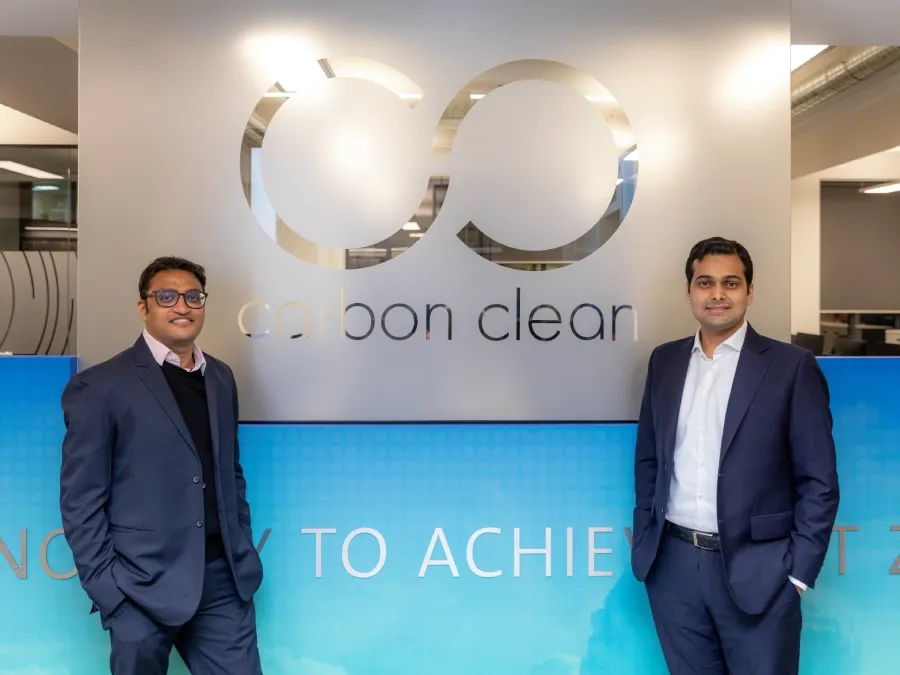
Anriuddha Sharma, Chair and CEO and Prateek Bumb, CTO - Carbon Clean co-founders
  • Largest ever funding round for a point source carbon capture company
  • Carbon Clean set to scale breakthrough technology to cement position as the leading provider of carbon capture solutions for heavy industry
  • Chevron leads Series C funding round, with participation from existing investors, CEMEX Ventures, Marubeni Corporation and WAVE Equity Partners, and new investors, AXA IM Alts, Samsung Ventures, Saudi Aramco Energy Ventures and TC Energy
Carbon Clean, a global leader in cost-effective carbon capture solutions, has closed the largest ever equity funding round for a point source carbon capture company, taking a major step towards its goal of delivering industrial decarbonisation on a gigatonne scale by the mid-2030s.

Carbon Clean has raised U.S. $150m from existing investor Chevron, who led the round, alongside CEMEX Ventures, Marubeni Corporation and WAVE Equity Partners and new investors, AXA IM Alts, Samsung Ventures, Saudi Aramco Energy Ventures and TC Energy. To date, Carbon Clean has raised $195m, having closed its $30m Series B investment round in August 2021.

The funding announced today will support Carbon Clean’s goal of becoming the world’s leading provider of carbon capture solutions for heavy industry, which accounts for around 30 per cent of global emissions.[1] To achieve this, Carbon Clean will work in collaboration with industrial partners and governments to manufacture and ship hundreds of standardised, fully modular carbon capture units to industrial facilities every year.

Aniruddha Sharma, Chair and CEO of Carbon Clean, said, "Carbon Clean’s vision is to deliver global industrial decarbonisation on a gigatonne scale, and we are now on track to do this by the mid-2030s. We are at the forefront of sector innovation, delivering products that can genuinely change the world. Today’s funding round is testament to the confidence of industry and global investors in our technology and its importance to reach net zero goals.

"Making carbon capture technology accessible for hard-to-abate sectors is a huge opportunity. We will use this new funding to scale production of our breakthrough fully modular technology which will overcome the biggest challenges facing widespread adoption of CCUS – cost and scale.”

In the past 12 months, Carbon Clean has achieved several significant milestones. The business reached the landmark of 1.5 million tonnes of carbon captured, launched CycloneCC – the world’s smallest industrial carbon capture technology, and signed partnerships with global industrial players like Veolia, CEMEX and Chevron, as well as with one of the most mature carbon capture and storage and hydrogen projects in the UK, the Acorn Project.

Now the focus is on delivering carbon capture on a gigatonne scale for heavy industry, achieving what solar did between 2010 and 2020: a +1,663% scale up in deployment.[2]

Carbon Clean’s latest technology, CycloneCC, launched in October 2021, can be a game changer for hard-to-abate sectors like steel, cement, energy from waste, refineries and upstream/midstream oil and gas. CycloneCC has a footprint ten times smaller than conventional carbon capture, making it easily deployable in less than eight weeks. The solution has the potential to reduce CapEx and OpEx by up to 50 per cent and drive down the cost of carbon capture to $30/tonne on average, which would make the economic case for CCUS undeniable.

As part of the new investment made during this round, Carbon Clean and Chevron are seeking to develop a technology demonstration pilot that will test CycloneCC at one of Chevron’s co-generation plants in San Joaquin Valley, California. ­

Chris Powers, Vice President, CCUS for Chevron New Energies said, "Chevron is proud to lead Carbon Clean’s record Series C funding round, and we look forward to partnering with Carbon Clean to help advance Chevron’s pursuit of lower carbon solutions. We have a long history of supporting the development and commercialisation of breakthrough technologies, and we’re especially excited about the potential for CycloneCC to revolutionise the industrial carbon capture sector."

About Carbon Clean

Carbon Clean is a global leader in carbon capture solutions for hard-to-abate industries such as cement, steel, refineries and energy from waste. The company’s patented technology significantly reduces the costs of carbon capture when compared to conventional solutions.

The company is leading innovation in the CCUS market and has developed a fully modular technology – CycloneCC – that is set to disrupt the sector. The company’s solutions will help deliver the necessary scaling up of carbon capture to achieve global net zero targets. The technology has been proven at scale in over 44 sites around the world, including plants in the UK, U.S., Japan, Germany, India, Norway and the Netherlands. It has delivered the world’s largest industrial-scale carbon capture and utilisation plant for Tuticorin Alkali Chemicals & Fertilizers Ltd, India.

The UK-based company has received funding and grant support from the British and U.S. governments and has established partnerships with industry leaders including CEMEX and Veolia. It is also an investor in the Swedish eMethanol shipping fuel company, Liquid Wind.

Carbon Clean is a 2022 BNEF Pioneer winner, has been a Global Cleantech 100 company three times, most recently in 2022, features in the inaugural PwC Net Zero Future50 and was chosen as one of CEMEX Ventures Top50 ConTech Startups. For further information: www.carbonclean.com

Kelp Blue, An Aquaculture Startup That Locks CO2, Raises $2 Mn From De Beers Group


De Beers Group Invests Us$2 Million in Kelp Blue, an Innovative Start-up Focused on Growing Underwater Kelp Forests to Lock Away Co2

The investment supports a pioneering nature-based solution for sequestering carbon and increasing biodiversity, while supporting job creation and sustainable economic development in Namibia

De Beers will have access to potential carbon credits generated by Kelp Blue to complement the company’s core carbon reduction and removal strategies as it strives to be carbon-neutral across its operations by 2030

De Beers Group today announced it is investing US$2 million in Kelp Blue, an innovative start-up focused on growing and managing large-scale giant kelp forests, initially off the Namibian coast. These underwater forests have the potential to safely and permanently lock away vast amounts of CO2 in the ocean. Research has shown that kelp forests have carbon sequestration properties exceeding those of terrestrial forests and that they help sustain healthy marine ecosystems, providing food and shelter for countless species.

In line with De Beers Group’s Building Forever sustainability goals, the investment supports a pioneering nature-based solution for sequestering carbon and enhancing biodiversity, while also delivering skills development and job creation in Namibia, where De Beers has recovered diamonds in joint venture partnership with the Namibian Government for almost three decades.

Giant Kelp underwater forests. [Photo credit - Kelp Blue]

Giant Kelp underwater forests. [Photo credit - Kelp Blue]

In 2021, Kelp Blue was awarded a license to cultivate Giant Kelp off the coast of Namibia and is now in the pilot phase. The business will contribute infrastructure development in and around the town of Lüderitz, benefitting the local community by creating employment and upskilling opportunities in kelp cultivation and processing. During the pilot phase, the business will generate a range of direct and indirect jobs in biotechnology, engineering, processing, support services and logistics in Namibia

The initiative will also support De Beers in its goal of being carbon neutral across its operations by 2030. While De Beers Group’s primary focus in achieving this goal will be on increasing efficiency and replacing fossil fuel and fossil-based energy from its operations with renewable alternatives, carbon credits resulting from the investment in Kelp Blue will support the company in removing any remaining emissions, alongside other nature-based initiatives.

Giant Kelp underwater forests. [Photo credit - Kelp Blue]

Neil Ventura, Executive Vice-President, Strategy and Innovation at De Beers Group, said: “We are committed to being carbon neutral across our operations by 2030, and to achieve this ambitious target we will need to recover a share of our emissions after we have removed and replaced the majority of the fossil fuel energy in our business. Instead of simply purchasing carbon credits on the market, we are looking to identify potential long-term, sustainable and innovative nature-based solutions for this – particularly those that can deliver additional carbon capture benefit beyond our own business. While there is still work to be done to understand more about the scale of opportunity, Kelp Blue is an innovative start-up with significant potential, and we are proud to invest in its future.

“Alongside protecting the natural world, another priority of our Building Forever sustainability framework is to partner with communities in our host countries on sustainable development opportunities. The potential benefits in Lüderitz and elsewhere in Namibia – in terms of employment and supporting ‘green’ solutions to wider challenges – highlight just how well Kelp Blue’s objectives align with our own sustainability approach.”

Daniel Hooft, Founder and CEO of Kelp Blue said: “We are very pleased to have De Beers alongside us, thinking about the future, today. De Beers has communicated its commitment to protecting the natural world through its 2030 Building Forever sustainability goals, with its focus on carbon neutrality, minimising its water footprint and delivering a net positive impact on biodiversity. These are one hundred per cent aligned to Kelp Blue’s core passion and purpose. De Beers’ early investment in our offshore pilot – a world first in terms of scale and ambition – specifically helps us accelerate the quantification and verification of the carbon sequestration pathways, which is essential for the whole seaweed industry in terms of scientifically establishing the potential of this novel nature-based solution.”

Swiss-based Climeworks Raises Funds in a Largest by Carbon Capturing Startups in the World

Climeworks Gets Largest Funding Round for Any Carbon Capturing Startup in the World

Swiss-based Carbon capturing startup, Climeworks, which already has its name listed among world's first large-scale Direct Air Capture (DAC) + storage plant and arguably largest DAC plant in the world, has received CHF (swiss franks) 600 million (~ USD 650 million) in equity round of funding, touted as largest round for any carbon removal startup in the World.

The financing is co-led by Partners Group (acting on behalf of its clients) and GIC, along with participation from (in alphabetical order) Baillie Gifford, Carbon Removal Partners, Global Founders Capital, John Doerr, M&G, Swiss Re, as well as other new and existing shareholders including long-term investor and anchor shareholder BigPoint Holding AG.

The latest funding will unlock the next phase of Climeworks' growth, scaling DAC up to multi-million-ton capacity and implementing large-scale facilities as carbon removal becomes a trillion-dollar market.

J.P. Morgan Securities LLC served as sole placement agent for Climeworks in connection with the transaction.

Christoph Gebald, co-founder and co-CEO of Climeworks, said - "We are proud to partner with our new investors and thankful for the renewed trust of our existing ones, all committed to the long-term journey of Climeworks. It is thrilling to see the appetite and support of globally leading investors towards the scale up of our technology; this is a great milestone for our company as well as the entire industry."

Climateworks has raised funding just in time when United Nations' IPCC, released a report saying that carbon dioxide removal is essential to limit global warming to 1.5°C.

Jan Wurzbacher, co-founder and co-CEO of Climeworks, said - "We founded Climeworks with the vision to provide the world a tech that has the potential to reverse climate change. Accelerating the scale up of carbon removal capacity will play a crucial role in global efforts to keep global warming under 1.5°C, positively impacting the lives of billions of people. And this is what we will do starting now."

Founded in 2009, Climeworks empowers people to reverse climate change by permanently removing carbon dioxide from the air. One of two things happens to the Climeworks air-captured carbon dioxide: either it is returned to earth, stored safely and permanently away for millions of years,

Speaking on the investment, Choo Yong Cheen, Chief Investment Officer of Private Equity, GIC, said - "Climeworks is the global pioneer and leader in direct air capture (DAC) technology. We believe that DAC technology will play a crucial role in decarbonisation globally, and that Climeworks will lead this transformation. As a long-term global investor, we look forward to supporting Climeworks’ proven leadership team, as they deliver on their roadmap to scale their DAC capabilities and meet the already-outsized demand for their product."

Going forward with carbon capturing sector, a group of Indian scientists recently discovered a special types of nanoparticles used to synthesize new solid adsorbents for CO2 capture and utilization, that captures CO2  more economically and efficiently.

Indian Scientists Discover Special Nanoparticles that Capture CO2 in More Economical Way

Indian Scientists Discover Special Nanoparticles that Capture CO2

Carbon capture and utilization are growing fields of research focusing on reducing CO2 emissions. A recent United Nations report says that carbon capturing will no longer be an option if we have to save the planet from the increasing problem of Climate Crisis.

A group of Indian scientists at Indian Institutes of Science Education and Research (IISER), Kolkata, has discovered a new way to synthesize new solid adsorbents for CO2 capture and utilization. Here, Adsorption is a process in which pollutants are adsorbed on the solid surface.

For an uninitiated, Adsorbent is different from 'Absorbent' !. Adsorbent refers to a material which allows a dissolved solid, gas, or liquid to adhere to its surface. An absorbent, on the other hand, is a material which allows gases and liquids to permeate it uniformly.

Professor Rahul Banerjee’s group at IISER-Kolkata, with support from Department of Science & Technology (DST), Govt. of India under Mission Innovation program, has demonstrated a strategy to synthesize novel solid adsorbents, especially for CO2 capture and CO2 utilization.

Interestingly, this discovery of new material from IISER comes within a month after Professor Deepak Dhar of the same institute but different location (IISER-Pune) becomes first ever Indian physicist to receive the prestigious Boltzmann Medal for his contribution in the field of statistical physics.

Prof. Banerjee’s group has discovered special types of nanoparticles or microparticles which can capture CO2 in their micro and mesoporous voids.

To help you with few scientific vocabulary coming ahead in this article -- 'Zeolites' are microporous, 3-dimensional crystalline solids. And, 'Janus' particles are special types of nanoparticles or microparticles whose surfaces have two or more distinct physical properties. This unique surface of Janus particles allows two different types of chemistry to occur on the same particle.

This interestingly new materials with distinct physical properties on its surfaces have been synthesized include porous Covalent organic frameworks like Covalent Organic Framework (COF) -graphene Janus thin films, which are ultralight in weight, published in Journal of  'American Chemical Society , and porous covalent bonded organic nanotubes published in Nature Chemistry, while COF coated zeolite published in ‘Journal of American Chemical Society’.


The good choice of 2D graphene sheets as a grafter helped the researchers to design and create COF-graphene Janus thin films through the interactions (non-covalent) between the COF and graphene, rendering flexible porous Janus films at the DCM (Dichloromethane) -water interface.

This newly designed COF-coated zeolites could be an excellent candidate for CO2 storage in the industry due to their high surface area and increased chemical stability.

The high CO2 uptake for the COF coated zeolites, even after treatment with weak acids makes it appropriate for industrial purposes. The COFs coating prevented the degradation of zeolite structure from moisture, weak acids, and water. The CO2 uptake data for COF coated zeolite at 1 bar, 293K is 132 cc/g, supersedes the CO2 uptake data of zeolite under the same condition.

Global Innovators of Carbon Capture & Waste Management Tie Up To Launch Pilot for Turning Waste Materials to Black Pigments for Dope Dyeing


Fashion for Good Pilot Project Turns Waste Materials to Black Pigments for Dope Dyeing

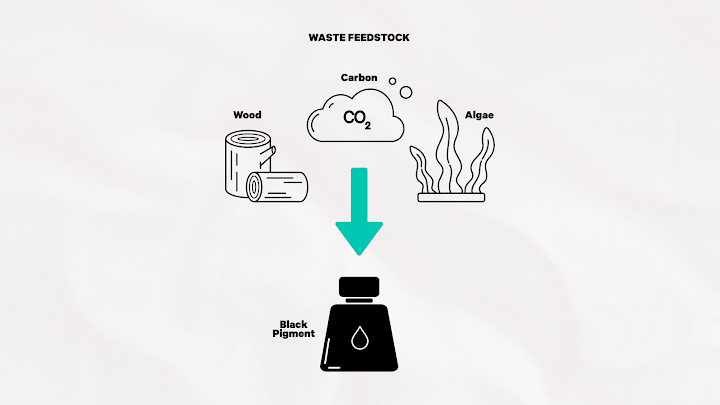
Today, Fashion for Good launches the Black Pigment Pilot project together with partners BESTSELLER, Birla Cellulose, Kering and PVH Corp., in collaboration with Paradise Textiles, and innovators Graviky Labs, Living Ink and Nature Coatings. The pilot aims to validate and scale black pigments derived from waste feedstocks such as industrial carbon, algae and wood that could replace synthetic dyes offering a more sustainable means of textile production with a lower carbon impact. 

The colour black has a long history in the fashion industry and is one of the most commonly used colours to dye apparel. Modern synthetic dyes are often derived from petro-chemical compounds, which are non renewable and contribute to water pollution when not treated correctly.

What is Dope Dying ?

In traditional dyeing processes, garments are first created and then dyed, by dipping them in different solutions of water and chemicals that are kept at various temperatures. Whereas, in dope dyeing, yarns are dyed before they're made into garments.

Moreover, Dope dying is environmentally friendly as instead of the usual piece dyeing, in which the yarn is knitted or weaved first into a fabric, which is then dyed as a whole, dope dyed yarn is the opposite. As the name suggests, the yarn itself is dyed to a pre-selected amount of colours, which are then used to create the desired fabric.

The project aims to develop and scale black pigment for the dope dying of man-made cellulosics (MMCs) fibres and recycled polyester (rPet) yarns, evaluating the technologies of the participating innovators; Graviky Labs, Nature Coatings and Living Ink, who produce black pigment from industrial carbon emissions, wood waste and waste algae, respectively.


Thus far, their technologies have only been used in printing applications. To develop formulations for dope dyeing, the innovators will be supported by Fashion for Good partner Birla Cellulose and Paradise Textiles, the dedicated material science and innovation hub of the Alpine Group. Birla Cellulose brings technical know-how and insights into the production of dope dyed MMC fibres and Paradise Textiles is known for its consciously crafted collection of sustainable and performance fabrics as well as integrated, advanced manufacturing processes.

Dr. Aspi Patel, Chief Technology Officer, Aditya Birla Group said -
Dope dyeing viscose with black pigments that come from a sustainable feedstock can revolutionise the industry by eliminating chemically intensive textile dyeing, the associated wastewater effluents of this process and help reduce GHG emissions of the overall process.
The first phase of the pilot will run until mid 2022, with Birla Cellulose and Paradise Textiles producing the first dope dyed MMCs fibres and rPet yarns respectively, using the black pigments. Participating Fashion for Good partners will have the opportunity to evaluate the performance, colour fastness, wearability and impact of all solutions. Successful formulations will then go on to trial larger production runs with fabrics dyed using the innovations.

Katrin Ley, Managing Director at Fashion for Good, said -
Collaboration is key to making a step change in replacing the abundantly used harmful dyes in the industry, of which black is dominating. We are very excited to be able to support this first-of-its-kind collaborative pilot aiming to validate three technologies that will enable the industry to switch to more sustainable (black) dye chemistry.
To assess the performance of dope dyeing with the innovative black pigment formulations, test variables such as affinity, colour and light fastness, and tensile strength of the fibres and yarns, will be measured against dope dyeing with the standard synthetic dyes currently used in the industry. Successes in the initial trials, will be developed towards scaling the project beyond fibre and yarn dyeing to textile production with the long-term goal to integrate these technologies at commercial scale in the value chain. More information about these pigment innovations, as well as dope dyeing, can be found in Fashion for Good’s Textile Processing Guide.

THE INNOVATORS

Graviky Labs is a tech start-up with a focus on solving the carbon emissions problem through upcycling solutions. AIR-INK®, its first product, is a portfolio of inks and dyes made by end-of-use carbon emissions. The black pigment can be used for different printing processes such as screen, sublimation and digital. Graviky has tested AIR-INK on different surfaces such as paper, polyester, and textiles.

Living Ink is a biotechnology company transforming waste-algae material into a bio-based black pigment. The pigment is jet black, UV stable, cost competitive and has the potential to be carbon negative. Living Ink has integrated the pigments into a variety of ink formulations and has tested the pigment in a variety of other materials ranging from plastics to polyurethane foams.

Nature Coatings transforms wood waste into high performing and cost competitive black pigments. They are a direct replacement for petroleum-based carbon black pigments. Their pigments do not contain toxic substances, known as PAHs, and are manufactured in a closed loop system that emits negligible amounts of CO2 or other GHGs.

ABOUT FASHION FOR GOOD

Fashion for Good is a global platform for innovation, made possible through collaboration and community.

At the core of Fashion for Good is their innovation platform. Based in Amsterdam with a satellite programme in Asia, the global accelerator programmes gives promising start-up innovators the expertise and access to funding they need to grow. The platform also supports innovators through its scaling programme and foundational projects, driving pilots and supply chain implementation with partner organisations. The Good Fashion Fund catalyses access to finance to shift at scale to more sustainable production processes.

As a convener for change, Fashion for Good houses the world’s first interactive museum dedicated to sustainable fashion and innovation, a Circular Apparel Community co-working space, and creates open-source resources and reports.

Fashion for Good’s programmes are supported by founding partner Laudes Foundation, co-founder William McDonough and corporate partners adidas, C&A, CHANEL, BESTSELLER, Kering, Levi Strauss & Co., Otto Group, PVH Corp., Stella McCartney, Target and Zalando, and affiliate and regional partners Arvind, Birla Cellulose, HSBC, Norrøna, Pangaia, Teijin Frontier, vivobarefoot, Welspun and W. L. Gore & Associates.

Market Reports

Market Report & Surveys
IndianWeb2.com © all rights reserved