‏إظهار الرسائل ذات التسميات Medical. إظهار كافة الرسائل

ICMR’s i‑DRONE Cuts TB Diagnosis Delays and Costs in Remote India

ICMR’s i‑DRONE Cuts TB Diagnosis Delays and Costs in Remote India

India’s health research body ICMR has shown that drone‑enabled transport of tuberculosis (TB) sputum samples can cut diagnosis time from 15 to just 5 days and reduce patient costs by over 99%, offering a breakthrough for rural healthcare delivery.

ICMR's flagship i-DRONE initiative, has demonstrated that drone-assisted transport of tuberculosis (TB) sputum samples can significantly improve access to diagnostic services for people living in remote and underserved areas.

The results stem from a programme‑based study carried out in Yadadri‑Bhuvanagiri district, Telangana, in partnership with AIIMS Bibinagar and the District TB Office under the National TB Elimination Programme (NTEP). Researchers compared the traditional approach—where patients themselves travelled to diagnostic centres—with a drone‑enabled model in which sputum samples were collected at nearby Primary Health Centres (PHCs) and sub‑centres (SCs), then flown by drones to designated TB Units (TUs) for testing.

A total of 840 participants were enrolled. Findings showed that the median turnaround time for TB diagnosis dropped sharply, from 15 days to just 5 days, once drone‑based transport was introduced. This innovation significantly reduced diagnostic delays, allowing faster disease confirmation and enabling clinicians to make timely treatment decisions.

Background: TB Burden in India

  • India carries the world’s highest TB burden, with over 2.8 million cases annually.
  • Delays in diagnosis remain a major challenge, especially in remote and underserved regions.
  • The National TB Elimination Programme (NTEP) aims to eliminate TB by 2025, but logistical barriers have slowed progress.

The i‑DRONE Initiative

ICMR’s i‑DRONE Cuts TB Diagnosis Delays and Costs in Remote India
  • Indian Council of Medical Research (ICMR) launched i‑DRONE to explore drones for healthcare logistics.
  • Study conducted in Yadadri‑Bhuvanagiri district, Telangana with AIIMS Bibinagar and the District TB Office.
  • A hub‑and‑spoke network connected 11 PHCs, 60 sub‑centres, and 4 TB Units, enabling sputum collection closer to patients’ homes.

Key Findings

ImpactConventional SystemDrone‑Enabled System
Median diagnosis turnaround time15 days5 days
Mean out‑of‑pocket expenditure (OOPE)₹9,451₹91
Median OOPE₹1,000+₹0
Participants enrolled840840 (206 pre‑drone, 634 drone phase)

Government & Expert Voices

  • Dr. Rajiv Bahl, DG ICMR: “Affordable and timely access to diagnosis remains central to India’s TB elimination efforts. This study demonstrates how technology can help bridge geographical barriers and reduce the burden on patients.”
  • Health Ministry officials confirmed that findings will inform future integration into NTEP.

Operational Considerations

  • Weather conditions can affect drone flights.
  • Payload limitations restrict the number of samples per trip.
  • Training needs for healthcare workers to ensure biosafety and operational efficiency.
  • Wider implementation requires careful planning and validation across diverse terrains.

Broader Implications

  • Adds to global evidence of drones in healthcare logistics (e.g., HIV testing in Malawi, vaccine delivery in Ghana).
  • Supports India’s digital health and innovation agenda, aligning with TB elimination targets.
  • Demonstrates how technology can complement existing healthcare systems in difficult terrains.

Hinduja Scholarships Fuel MedTech Innovation at King's College London

Hinduja Scholarships Fuel MedTech Innovation at King's College London

Hinduja Foundation, the philanthropic arm of the Hinduja Group, has announced scholarships 2026 for Indian origin students to pursue the MSc in MedTech Innovation & Entrepreneurship at King’s College London. In 2024, the Hinduja Foundation UK made a significant philanthropic donation to world renowned King’s College London to establish the Hinduja King’s Health Partners’ Academy. This groundbreaking partnership includes support for full four-year PhD studentships in healthcare technologies at the School of Biomedical Engineering and Imaging Sciences and one year MSc. MedTech Innovation and Entrepreneurship will benefit healthcare communities in both the UK and India. Furthermore, the partnership has brought nurses’ training, observer ships and online leadership training courses provided by Guy’s and St Thomas’ Hospitals NHS Foundation Trust to the P.D. Hinduja Hospital, Mumbai.

Three PhD and two MSc Hinduja scholars started their studies at Kings College London in October 2025 and one PhD scholar joined in February 2026.

Applications are still welcome for four PhDs and five MSc scholarships for the coming 2026- 2027 academic year starting in October. Further details on the Hinduja Foundation UK PhD scholarships and instructions on how to apply can be found here Hinduja Scholars - Surgery CDT. Applications are open until 30 May 2026.

Meanwhile five MSc MedTech Innovation and Entrepreneurship scholarships are available – one at 80% and four at 50% for Indian citizens. Further details are given on this link Hinduja Scholarship for MedTech Innovation C Entrepreneurship MSc | King's College London and applications close on 19 June 2026.

The scholarships will empower Indian students with access to global expertise, real-world healthcare environments, and innovation-led learning, enabling them to address critical clinical needs and contribute to the future of healthcare in India and globally at King’s College London, recognised for its excellence in education and research. It is committed to driving positive and sustainable change through impactful research, outstanding education, and service to society, both in the UK and globally.

Ashok Hinduja, Chairman of Hinduja Foundation said, “Guided by our philosophy of ‘Act Local, Think Global’, we believe investing in future-ready talent is essential to building resilient healthcare systems in India that are aligned with global standards, contributing to the vision of a Viksit Bharat. Through this partnership, we aim to enable Indian students to access global expertise. The focus is on strengthening India’s capabilities in healthcare and expanding the scope of knowledge and research linked to India. Over the long term, the objective is to advance India’s role in the global healthcare landscape.”

About Hinduja Foundation:

Deeply rooted on the philanthropic principles of the Founder of Hinduja Group, Shri Parmanand Deepchand Hinduja, this Foundation is a public charitable trust established first in Mumbai in 1968. In its 50 years of existence, with the guidance of the Hinduja Family and support from Hinduja Group companies, its global presence has led to the development in the fields of Education, Healthcare, Water Stewardship, Sustainable Rural Development, Social Welfare, Arts & Culture and Sports. It also works actively with the Group Companies in delivering an aligned approach to creating Social Impact.

About Hinduja Group:

The Hinduja Group is a 111-year-old transnational conglomerate with over 250,000 employees across 100 countries. Founded in 1914 by Late Shri Parmanand Deepchand Hinduja, the Group has evolved into one of India’s most respected diversified business houses, with a leadership in automotive and mobility, banking and financial services, IT and digital solutions, energy and healthcare. Through its enterprises, the Group has contributed to India’s industrial evolution and economic progress while building strong global partnerships and market presence worldwide. Anchored in robust governance, disciplined risk management and long-term value creation, the Hinduja Group is guided by its enduring credo, “My Dharma is to work so that I can give,” reflecting a legacy that combines global enterprise with nation-building and community commitment.

About King’s College London

King’s College London is amongst the top 35 universities in the world and 5th best in the UK (QS World University Rankings 2026), and one of England’s oldest and most prestigious universities.  With an outstanding reputation for world-class teaching and cutting-edge research, King’s maintained its sixth position for ‘research power’ in the UK (2021 Research Excellence Framework). King's has more than 42,000 students (including more than 12,800 postgraduates) from some 190 countries worldwide, and 8,500 staff.

World’s First Fully Automated Medicine Lab: All Robots No Humans

World’s First Fully Automated Medicine Lab: All Robots No Humans

Japan has unveiled a world-first fully automated medicine laboratory, operating entirely without human researchers. Located at the Institute of Science Tokyo’s Yushima campus, this facility is staffed exclusively by humanoid robots and autonomous machines, marking a radical shift in medical research.

The facility developed by the Institute of Science Tokyo operates with 10 robots, including the humanoid Maholo LabDroid, and no on-site human staff.

Key Highlights

  • Location: Yushima campus, Institute of Science Tokyo
  • Robots in operation: 10 autonomous machines, including Maholo LabDroid with dual robotic arms
  • Functions: Automated cell culture, reagent transfer, temperature-controlled experiments, and repetitive lab tasks
  • Expansion goal: 2,000 robots by 2040, aiming to automate the entire medical research pipeline
  • No human staff: Operates 24/7 without on-site researchers

Inside the Robot-Run Lab

  • Maholo LabDroid: A humanoid robot capable of performing delicate tasks such as stem cell culture and drug testing.
  • Other autonomous systems: Handle repetitive lab work with precision, ensuring consistency across experiments.
  • Current scale: 10 robots are already in operation.
  • Future vision: Expansion to 2,000 robots by 2040, creating a fully autonomous medical research ecosystem.

Maholo LabDroid was among the earliest humanoid robots specifically built for biomedical research. It was first unveiled in 2017 by Japan’s Robotic Biology Institute (RBI), marking the debut of a humanoid laboratory robot designed to automate complex
biological experiments.  

Why It Matters

  • 24/7 operation: Robots can run experiments continuously, accelerating discovery.
  • Error reduction: Automation minimizes human mistakes in sensitive procedures.
  • Drug development speed: Timelines for testing and discovery are compressed significantly.
  • AI integration: Plans include combining robotics with AI for hypothesis generation and experimental validation.

Human vs. Robot Labs

FeatureHuman-Staffed LabsFully Automated Robot Lab
StaffingScientists, technicians10 robots (scaling to 2,000)
Operation HoursLimited (8–12 hrs/day)24/7 continuous
Error RiskHuman error possibleMinimized via automation
ScalabilityWorkforce-dependentExpandable via robotics
Research SpeedWeeks/monthsCompressed timelines

Challenges Ahead

  • Ethical oversight: With no humans on site, accountability for results becomes complex.
  • Technical reliability: Robots must adapt to unexpected experimental variables.
  • Cost barrier: High investment may limit adoption outside elite institutions.
  • Human role shift: Researchers may transition into supervisory, AI-integration, and oversight positions.
This lab represents a paradigm shift in medical research, where robots not only assist but fully replace human presence. If successful, it could redefine the future of drug discovery and biomedical innovation worldwide.

A Single Pill to Stop Many Viruses? Researchers Say It’s Possible

A Single Pill to Stop Many Viruses? Researchers Say It’s Possible

Scientists have identified a potential pathway to a universal antiviral drug by targeting common structures on viruses, offering hope for broad-spectrum protection against future pandemics.

Adam Braunschweig, Professor of Chemistry at Hunter College, CUNY (New York) and his team at the Nanoscience Initiative, Advanced Science Research Center (CUNY Graduate Center) discovered compounds that block infections from multiple viruses.

What the Breakthrough Is About

  • Targeting sugars on viral surfaces: Researchers discovered that many viruses share similar carbohydrate structures on their outer shells. By designing small molecules that bind to these sugars, they were able to block infections across multiple virus families.
  • RNA-protein interactions: Another team uncovered how enteroviruses replicate using a structured RNA element. This insight could lead to drugs that disrupt viral replication at a fundamental level.
  • Broad-spectrum potential: Unlike current antivirals that are virus-specific (e.g., HIV or influenza drugs), this approach aims to work against many different viruses at once, including those we haven’t encountered yet.

Why This Matters

  • Pandemic preparedness: Right now, when a new virus emerges, scientists scramble to develop vaccines or treatments. A universal antiviral could serve as an immediate first line of defense.
  • Comparison to antibiotics: Just as broad-spectrum antibiotics revolutionized bacterial infection treatment, a universal antiviral could transform how we fight viral diseases.
  • Versatility: The compounds tested so far blocked infections from at least seven different viruses, showing promise for wide applicability.

Challenges Ahead

  • Safety & toxicity: Any drug that broadly targets viral structures must be proven safe for human cells.
  • Resistance risk: Viruses evolve quickly, so researchers must ensure these antivirals don’t lose effectiveness over time.
  • Clinical trials: The breakthrough is still in the lab stage. It will take years of testing before such drugs could be approved for human use.

Quick Comparison

Feature Current Antivirals (e.g., HIV, flu) Universal Antiviral (in research)
Target Specific viral proteins Shared sugars / RNA structures
Scope One virus family Multiple virus families
Availability Approved & in use Still experimental
Pandemic readiness Slow response (new drug/vaccine needed) Immediate broad-spectrum defense

This is a huge conceptual leap: instead of chasing each virus individually, scientists are trying to hit the common weak spots that all viruses share. If successful, it could be one of the most important medical advances of the century.

MAHE & DST Launch India’s First Self-Financed MIDAS HUB for Medical Innovation

MAHE & DST Launch India’s First Self-Financed MIDAS HUB for Medical Innovation

Manipal Academy of Higher Education (MAHE), an Institution of Eminence Deemed to be University in collaboration with the Department of Science and Technology (DST), Government of India, launched the Medical Instruments, Devices and Allied Services (MIDAS) DST–MAHE HUB on Wednesday 5, 2025 at Manipal Campus, Karnataka. This is the first facility of its kind in a self-financed university.

Inaugurating the DST-MAHE HUB in the MAHE Manipal campus, Dr. Praveen Roy, Head of Scientific Divisions Technology, Translation, and Innovation (TTI) Division, Department of Science & Technology, Government of India, highlighted the critical importance of Translational innovation, which plays a critical role in strengthening India’s scientific ecosystem. He said, “We remain committed to supporting all activities of the MIDAS HUB. The DST–MAHE HUB is uniquely positioned, as MAHE’s multidisciplinary foundation enables seamless integration across diverse domains. This initiative represents a paradigm shift in our approach to research and innovation, and the Government of India will extend its full support to ensure its success.”

He also commended MAHE for its strong research ecosystem, which continues to advance impactful scientific progress for the society.

MAHE & DST Launch India’s First Self-Financed MIDAS HUB for Medical
MIDAS DST–MAHE HUB Unveiled in MAHE Manipal

MAHE & DST Launch India’s First Self-Financed MIDAS HUB for Medical
Dr. Praveen Roy, Scientist G, Department of Science & Technology, along with the Pro Chancellor and the Vice Chancellor of MAHE, releasing the MIDAS Annual Report during the inaugural event.

Addressing the occasion, Dr. H. S. Ballal, Pro Chancellor, MAHE, highlighted MAHE’s pivotal role in advancing collaborative, coordinated research and innovation. He emphasized, “the institution’s commitment to strengthening partnerships across academia, industry, and government, positioning MIDAS DST-MAHE HUB as a driving force for impactful scientific progress and societal benefit.”

Speaking at the event Lt. Gen. (Dr.) M. D. Venkatesh, VSM (Retd), Vice Chancellor, MAHE, expressively spoke about “the HUB’s pivotal role in nurturing high-impact research collaborations and cultivating future scientific leaders. He also appreciated the efforts put in by the team in establishing an excellent centre in the form of MIDAS HUB.”

The ceremony brought together distinguished leaders from academia, industry, and government. Delivering the welcome address Dr. G. Arun Maiya, Principal Coordinator of MIDAS HUB, presented an overview of HUB’s progress in medical device product development. Dr. Lazar Mathew, Senior Advisor, MIDAS HUB, unveiled the HUB logo and explained its philosophy, built around the theme “a project for a product.” The event was supported by MAHE’s key innovation and research entities, including the Directorate of Research, Manipal Universal Technology Business Incubator, Manipal GOK Bioincubator, Innovation Centre, and CAIF.

During the event, MAHE launched the Advanced Certificate Program in Medical Device Technology, Innovation and Leadership and released the MIDAS annual report. The HUB also introduced its industry–academia policy, service flyers, and signed multiple MoUs to foster long-term partnerships. Market-ready prototypes, including Laser Shoe, Mbilimeter, Armable Mini, WeCare, FluroAura, RevoCord, Wearable Electrolarynx, and Adrenaline Autoinjector—were showcased, reinforcing the HUB’s focus on impactful, deployable innovations.

The inauguration highlighted MAHE’s commitment to accelerating innovation in medical technology, strengthening industry–academia collaborations, and supporting translational research. MIDAS HUB aims to serve the entire West Coast innovation corridor, from Goa to Trivandrum, through partnerships with IIT Dharwad, IIT Palakkad, NITK Surathkal, Kannur University, Mahatma Gandhi University, BITS Goa, and leading industry players, including BPL, Philips, InBody, and Sparsh Technologies.

Delhi High Court Intervenes to Revive Rare Disease Crowdfunding Platform

Delhi High Court Intervenes to Revive Rare Disease Crowdfunding Platform

In a landmark move to address India’s rare disease treatment crisis, the Delhi High Court has ordered the formation of a four-member expert panel to oversee and revamp the national crowdfunding platform hosted by the Ministry of Health and Family Welfare. The platform, designed to support patients with life-threatening rare diseases, has so far failed to mobilize adequate public and corporate donations.

Judicial Trigger: A Mother's Plea for Life-Saving Treatment

The court’s intervention was prompted by a petition filed by the mother of an infant diagnosed with Spinal Muscular Atrophy (SMA)—a genetic neuromuscular disorder that causes progressive muscle wasting and respiratory failure. The child requires Zolgensma, a one-time gene therapy injection costing ₹17.5 crore, available only overseas. Despite being registered on the government’s crowdfunding portal, the family had received negligible financial support.

Justice Sachin Datta, presiding over the case, expressed concern over the platform’s underperformance. Of the 3,981 patients registered, only ₹3.91 lakh had been raised in total—highlighting a systemic failure in public outreach and donor engagement.

Understanding Rare Diseases and Their Costs

Rare diseases, also known as orphan diseases, affect a small percentage of the population but often require high-cost, precision therapies such as gene replacement, enzyme infusions, or biologics. These treatments are typically not covered under standard insurance or public health schemes due to their exorbitant costs and limited availability.

India’s National Policy for Rare Diseases (NPRD) 2021 aims to address this gap by enabling innovative funding mechanisms, including public donations and Corporate Social Responsibility (CSR) contributions.

Panel Composition and Mandate

The newly constituted committee includes:
  • A Joint Secretary from the Department of Public Enterprises, Ministry of Finance
  • Representatives from the Ministry of Health and Family Welfare
  • Experts in CSR strategy and public health policy

The mandate:
  • Boost CSR and public donations through strategic outreach
  • Ensure transparency in fund allocation and patient prioritization
  • Enhance platform credibility to attract sustained donor engagement

Crowdfunding Platform: How Donors Can Help

The official portal—https://rarediseases.nhp.gov.in—allows individuals and companies to:
  • View verified patient profiles with medical documentation
  • Donate securely via UPI, net banking, or card
  • Receive tax benefits under Section 80G (subject to eligibility)
  • Contribute under CSR mandates with official acknowledgment

Why This Matters

India faces a growing burden of rare diseases, with thousands of families unable to afford life-saving therapies. While government schemes offer partial support, crowdfunding can bridge the financial gap—but only if platforms are well-managed, transparent, and widely promoted.

The Delhi High Court’s directive is a critical step toward systemic reform, ensuring that India’s rare disease patients are not left behind due to funding failures.

Visakhapatnam Launches World's First MedTech University

Visakhapatnam Launches World's First MedTech University

India is setting a global precedent with the launch of the Global MedTech University at the Andhra Pradesh MedTech Zone (AMTZ) in Visakhapatnam.
  • Location: Within AMTZ, one of the world’s largest medtech manufacturing clusters
  • Launch Timeline: Academic operations begin in 2025–26
  • Programs Offered:
    • MBA in Medical Regulatory Approvals & Entrepreneurship
    • MTech in Medical Technology Devices
    • MTech in Bioengineering
    • PhD in Medical Technology & Regulatory Affairs

Purpose & Impact

  • India currently imports 80% of its medical devices, including diagnostic and imaging tools.
  • The university will develop skilled professionals tailored to industry needs, reducing reliance on imports.
  • Students will gain hands-on training from experts within AMTZ’s 140+ medtech companies.

Global Collaboration

  • Created through a public-private partnership, the university will collaborate with global institutions to boost research and innovation.
  • Led by Founding Director Prof. Hanumanthu Purushotham, it’s envisioned as a hub of healthcare technology and self-reliance.

Hillchol®: Bharat Biotech’s Oral Cholera Vaccine Demonstrates Success in Phase III Clinical Studies

Hillchol®: Bharat Biotech’s Oral Cholera Vaccine Demonstrates Success in Phase III Clinical Studies

Bharat Biotech’s Oral Cholera Vaccine Hillchol® has demonstrated against both Ogawa and Inaba serotypes, proving non-inferior in healthy Indian adults and children, supporting its potential as an effective OCV.

The above study findings have been published in the ScienceDirect, Vaccine journal 126998 to assess a double-blind, randomized phase III clinical trial to evaluate safety, immunogenicity, non-inferiority & lot-to-lot consistency of single component oral cholera vaccine Hillchol® in comparison to a comparator vaccine in a diverse participant group of 1,800 individuals, from infants to adults, across 10 clinical sites in India. In this study, participants were divided into three age groups: adults over 18 years, children aged 5 to under 18 years, and infants aged 1 to under 5 years. They were randomized in a 3:1 ratio to receive either Hillchol® or a comparator vaccine.

The primary endpoint focused on the proportion of participants achieving >4-fold increase in vibriocidal antibody titres against Ogawa and Inaba serotypes 14 days after two doses. While secondary endpoints included Geometric Mean Titre (GMT) measurements and safety.

Key highlights from the findings:
  • Robust Immunogenicity: Hillchol® demonstrated a greater than 4-fold rise in vibriocidal antibodies against both Ogawa (68.3%) and Inaba (69.5%) serotypes, proving non-inferiority to licensed vaccines.
  • Strong Safety Profile: Adverse events were mild and comparable between the two vaccines. Broad Age Coverage: The vaccine was well-tolerated and immunogenic across all age groups—including infants (≥1 year), children, and adults.
"This publication reaffirms our commitment to advancing vaccines built on rigorous research, thorough clinical trials, and reliable clinical data. It highlights our continued commitment to providing affordable, effective, and accessible vaccines for the populations who need them the most,” said Dr. Krishna Ella, Executive Chairman of Bharat Biotech.

Dr. Ella added, “Cholera is a vaccine-preventable disease that has faced a surge in outbreaks along with a huge shortage of vaccines. The new generation Oral Cholera Vaccine Hillchol®, featuring a simplified single stable O1 Hikojima strain, inducing robust antibodies against both Ogawa and Inaba serotypes, aims to enhance production efficiency and affordability, particularly in lower- and middle-income countries where waterborne diseases continue to pose serious health threats.”

Cholera is an acute diarrhoeal infection caused by ingesting food or water contaminated with Vibrio cholerae bacteria. Studies have estimated that 2.86 million cases and 95,000 deaths occur annually.

Hillchol®
HillChol® Pack

With Hillchol®, Bharat Biotech strengthens its commitment to combating global infectious diseases through innovation and clinical excellence. As cholera continues to threaten communities lacking clean water and sanitation, Hillchol® provides a streamlined, scalable solution designed to support global health programs and ensure equitable access to life-saving vaccines.

Global demand for OCVs is close to 100 million doses a year, and given that only one manufacturer supplies them, there is a global shortage. Bharat Biotech's facilities in Hyderabad and Bhubaneswar have a capacity to produce up to 200 million doses of Hillchol®.

Published in the ScienceDirect, Vaccine journal: https://www.sciencedirect.com/science/article/pii/S0264410X25002956?via%3Dihub

About Bharat Biotech:

Bharat Biotech has established an excellent track record of innovation with more than 145 global patents, a wide product portfolio of more than 19 vaccines, 4 biotherapeutics, registrations in more than 125 countries, and the World Health Organization (WHO) Pre-qualifications. Located in Genome Valley in Hyderabad, India, a hub for the global biotech industry, Bharat Biotech has built a world-class vaccine & bio-therapeutics, research & product development, Bio-Safety Level 3 manufacturing, and vaccine supply and distribution. Having delivered more than 9 billion doses of vaccines worldwide, Bharat Biotech continues to lead innovation and has developed vaccines for influenza H1N1, Rotavirus, Japanese Encephalitis (JENVAC®), Rabies, Chikungunya, Zika, Cholera, and the world’s first tetanus-toxoid conjugated vaccine for Typhoid.

Bharat’s commitment to global social innovation programs and public-private partnerships resulted in introducing path-breaking WHO pre-qualified vaccines BIOPOLIO®, ROTAVAC®, ROTAVAC 5D®, and Typbar TCV® combatting polio, rotavirus, typhoid infections, respectively. HILLCHOL®, an oral vaccine against cholera, was launched in 2024. The acquisition of Chiron Behring Vaccines has positioned Bharat Biotech as the world's largest rabies vaccine manufacturer with Chirorab® and Indirab®. To learn more about Bharat Biotech, visit www.bharatbiotech.com.

Indian Ophthalmologist Performs Asia’s First AI-Designed Intraocular Lens Implantation

Indian Ophthalmologist Performs Asia’s First AI-Designed Intraocular Lens Implantation
Dr. Sri Ganesh, Founder and CMD of Nethradhama, became the first surgeon in Asia to carry out the procedure, which helps cataract and astigmatism patients achieve clear vision across all distances with reduced dependence on glasses.

Nethradhama Super Speciality Eye Hospital, Bengaluru, a pioneering institution in eye care, has performed Asia’s first AI-designed intraocular lens implantation. Under the leadership of Professor Dr. Sri Ganesh, Chairman & Managing Director of Nethradhama Super Speciality Eye Hospital and Founder Trustee of Shraddha Eye Care Trust, the hospital achieved this milestone, making him the first surgeon in Asia to carry out the procedure using Rayner RayOne Galaxy and Galaxy Toric intraocular lenses (IOLs).

Our goal is always to provide the best solutions for our patients, and this innovation allows us to offer superior vision outcomes with minimal side effects,” said Dr. Sri Ganesh.By leveraging AI-driven technology in intraocular lens design, we can achieve greater precision, enhanced customization, and improved patient satisfaction.

This represents a notable advancement in AI-driven vision correction and a significant step forward in refractive cataract surgery, bringing us closer to more personalized vision solutions.

The biggest challenge with previous IOLs has been balancing vision quality with night vision clarity,” explained Dr. Sri Ganesh.This new lens overcomes this by using AI to optimize light distribution, giving patients an exceptional visual experience. It revolutionizes vision with its non-diffractive, AI-optimized spiral design, ensuring seamless clarity at all distances while enhancing contrast sensitivity. Unlike traditional trifocal lenses, it evenly distributes light across all focal points, reducing halos and glare for improved night vision. Its innovative optical structure enhances contrast even in low light, and the toric variant offers optimal rotational stability for precise astigmatic correction."

Dr. Sri Ganesh 
These lenses are specifically designed for patients with cataracts and astigmatism who seek reduced dependence—or complete independence—from glasses.

For our patients, achieving true spectacle independence has always been a priority. They are particularly beneficial for individuals who require excellent vision across all distances while maintaining good night vision for driving and other low-light activities,” noted Dr. Sri Ganesh.

According to Dr. Sri Ganesh, the initial post-operative results have been extremely promising, with patients reporting excellent visual clarity within the first 24 hours. He added that long-term studies will continue to assess patient-reported experiences, particularly in real-world conditions like night driving and low-light environments.

Dr. Sri Ganesh is widely recognized for his expertise in high-risk surgeries, earning a stellar reputation in the field of advanced eye care. With an impeccable track record, he has performed over 100,000 Phaco surgeries and 50,000 Refractive surgeries, demonstrating exceptional surgical precision and innovation. His expertise is highly sought after on the global stage, serving on the advisory boards of leading companies such as Carl Zeiss Meditec Germany and J&J Vision USA. Beyond surgery, he has played a pivotal role in ophthalmic innovation, holding multiple patents for groundbreaking solutions that continue to shape the future of eye care.

To ensure an informed decision-making process, Nethradhama Super Speciality Eye Hospital offers comprehensive counseling and visual simulation sessions for patients considering these AI-designed IOLs. These sessions allow patients to preview their expected vision outcomes, including night vision improvements.

“With AI-driven advancements like these, we are witnessing a paradigm shift in ophthalmology. Our mission at Nethradhama Super Speciality Eye Hospital is to continually push the boundaries of innovation to provide our patients with the best possible visual outcomes. We are thrilled to bring this revolutionary technology to Asia and look forward to its impact on the future of vision correction,” added Dr. Sri Ganesh

Under Dr. Sri Ganesh’s leadership, Nethradhama is committed to innovation and excellence, continuously integrating state-of-the-art technologies to ensure the best possible visual outcomes for patients. Through its dedication to research, training, and compassionate care, it has established itself as a trusted name in eye health, both in India and globally.

Venus Remedies Secures Exclusive In-Licensing Rights to Develop and Commercialize MET-X in India

Venus Remedies Secures Exclusive In-Licensing Rights to Develop and Commercialize MET-X in India
  • MET-X, a novel metallo-beta-lactamase (MBL) inhibitor, has shown best-in-class performance in preclinical studies and could be game-changing for patients suffering from Gram-negative, MBL-resistant infections
  • Meropenem resistance in India is as high as 62-87%, with up to 50% linked to MBL prevalence, according to ICMR report
  • India faces a significant burden of MBL-producing pathogens in hospital settings, and no approved MBL inhibitors currently exist in the country
Venus Remedies Ltd. (NSE: VENUSREM, BSE: 526953), a leading Indian pharmaceutical company renowned for its longstanding expertise in combatting antimicrobial resistance (AMR), today announced that it has entered into an exclusive license agreement with Infex Therapeutics, a UK-based anti-infectives specialist for the clinical development of MET-X. This agreement authorizes Venus Remedies to spearhead the clinical development, registration, and commercialization of MET-X, an innovative metallo-beta-lactamase (MBL) inhibitor. The initial development phase will focus on integrating MET-X with meropenem to tackle drug-resistant Gram-negative bacteria, with Venus Remedies holding exclusive marketing rights within India.

In India, meropenem resistance is reported to be as high as 62-87% in WHO critical priority pathogens like K. pneumoniae and A. baumannii as per the ICMR’s Antimicrobial Resistance Research and Surveillance Network-Annual report 2023, with as high as 50% being directly attributable to MBL prevalence.

Under the terms of the agreement, Venus Remedies will commence with a Phase I trial involving healthy volunteers in India, evaluating MET-X in combination with meropenem. Following successful Phase I outcomes, the focus will shift to Phase II/III trials targeting drug-resistant Complicated Urinary Tract Infections (cUTIs), prevalent in hospital settings.

This strategic move is aligned with Venus Remedies’ extensive experience in antibiotic R&D and critical care, enhancing its leadership in the Indian critical care landscape. The company’s formidable position in meropenem marketing and manufacturing will facilitate the integration of MET-X into existing and prospective antibiotic strategies.

All trials conducted in India will adhere to international standards, compliant with regulations from the FDA, EMA, and MHRA, which will also support further development and global commercialization efforts for MET-X. The agreement grants both Infex Therapeutics and Venus Remedies the option to expand their collaboration to include other MET-X/beta-lactam combinations under mutually agreed terms.

MET-X is Infex Therapeutics’ broad spectrum MBL-inhibitor, targeting Gram-negative bacteria. These pathogens produce MBL enzymes to deactivate beta-lactam antibiotics, such as meropenem, and evade antibiotic clearance of disease. MET-X blocks MBL resistance, restoring antibiotic activity. The drug is being developed to be one of the first broad-spectrum MBL inhibitors to address a wide range of bacterial species and MBL-resistant strains, such as E.coli and K.pneumoniae. The treatment has shown best-in-class performance in animal studies to date. The development of new agents to overcome MBL antibiotic resistance in such Gram-negative bacteria is a World Health Organisation (“WHO”) critical priority.

Mr. Saransh Chaudhary, President, Global Critical Care, Venus Remedies Ltd and CEO, Venus Medicine Research Centre, said: “This early-stage introduction of MET-X into the Indian market leverages our decades-long dedication to AMR-focused R&D and our prominent role in critical care and antibiotic therapies. This partnership is perfectly poised to enhance our antibiotic arsenal with meropenem and explore further beta-lactam combinations, ensuring high-quality research and a significant market presence.”

Mr. Pawan Chaudhary, Chairman and Managing Director, Venus Remedies Ltd, added, “The in-licensing of MET-X is a major step forward in providing breakthrough solutions for drug-resistant infections, a serious threat to India’s healthcare ecosystem. Our aim is to develop an effective solution against MBL-producing pathogens, fulfilling a critical healthcare need and continuing our commitment to transformative therapies and sustained innovation in critical care.”

India faces a significant burden of MBL-producing pathogens in hospital settings, and no approved MBL inhibitors currently exist in the country. The development and exclusive in-licensing of MET-X underscores Venus Remedies’ commitment to providing a cutting-edge solution where it is needed most and creating long-term value for stakeholders.

Dr. Peter Jackson, CEO of Infex Therapeutics, said: “I am delighted about this agreement with Venus Remedies, which will facilitate the comprehensive clinical development of our MET-X program in India. By leveraging Venus Remedies’ robust expertise in critical care antibiotics, we can accelerate MET-X as our second clinical-stage drug program. Crucially, the international standards of these trials will also support future regulatory filings in the UK, U.S., Europe, and other global markets. MET-X has shown best-in-class performance in preclinical studies and could be game-changing for patients suffering from Gram-negative, MBL-resistant infections.

About Venus Remedies Ltd (venusremedies.com)

Panchkula-based Venus Remedies Ltd (NSE: VENUSREM, BSE: 526953) is among the 10 leading fixed-dosage injectable manufacturers in the world. Having a commercial presence in 90+ countries with a portfolio of 75 products spread over Europe, Australia, Africa, Asia-Pacific, Commonwealth States, the Middle East, Latin America and the Caribbean region, the company has nine globally benchmarked facilities in Panchkula, Baddi and Werne (Germany), apart from 11 overseas marketing offices. The company holds the GMP approvals from European- GMP (INFARMED), PIC/S (Malaysia & Ukraine), SAHPRA, UNICEF, TGA, INVIMA & WHO-GMP, alongside key ISO certifications for quality, environmental, and occupational health and safety management.

Central to its mission, Venus Remedies is a frontrunner in combating antimicrobial resistance (AMR) through its dedicated research division, Venus Medicine Research Centre (VMRC). The company is pivotal in developing advanced antibiotics and β-lactam/β-lactamase inhibitor combinations aimed at tackling multidrug-resistant pathogens. Its notable initiatives like GASAR provide essential data on antibiotic resistance, while the PLEA Trust fosters antibiotic stewardship. As an influential member of the AMR Industry Alliance, India AMR Innovation Hub, and Vivli AMR Registry, Venus Remedies shapes global AMR research and policy. Through strategic collaborations with academic and health organizations worldwide, the company enhances AMR surveillance and supports innovative drug development, affirming its leadership in global healthcare.

About Infex Therapeutics (www.infextx.com)

Infex Therapeutics Holdings plc is a leader in critical-priority infectious diseases, with a broad and diverse pipeline of innovative best-in-class and first-in-class drug candidates to address the urgent global shortage of novel anti-infective treatments. The Company is building a differentiated pipeline through in-house drug discovery, acquisition, co-development and in-licensing of early stage/pre-clinical candidates, developing them to clinical proof of concept before licensing to commercial pharma partners.

Imported Medical Gloves Violate Every Safety Norm in the Book Says IRGMA, Files Complain to DGCA

Imported Medical Gloves Violate Every Safety Norm in the Book Says IRGMA, Files Complain to DGCA

The Indian Rubber Gloves Manufacturers Association (IRGMA) has intensified its continuous fight against prohibited medical gloves which come into India through extensive unlawful import channels and distribution activity. The unsafe practices endanger healthcare providers as well as patients and their caregivers while making it impossible for the sector to operate in a fair, regulated market environment.

In a complaint to the Drugs Controller General of India (DCGI), IRGMA has cited four major importers of medical gloves that are violently flouting safety norms, mislabelling their products, and evading all norms under the Medical Device Rules, 2017 and the Legal Metrology Act, 2009. These violations include importing expired and otherwise mislabelled gloves, repackaging of gloves in unhygienic conditions, as well as conferring inaccurate certification, placing in jeopardy the safety associated with critical medical procedures, including those relating to radiation and chemotherapy.

Mr. Vikas Anand, spokesperson for IRGMA said,
These unsafe medical gloves are being allowed into the Indian market due to complete lack of enforcement. IRGMA has provided indisputable proof of these violations to the relevant authorities and demands immediate action. If left unchecked, the sale of substandard gloves will continue to endanger lives while simultaneously crippling compliant domestic manufacturers who adhere to stringent quality norms. We call upon all stakeholders - the Government, healthcare institutions, and the policymakers to take immediate remedial action in response to these violations.

IRGMA’s findings have revealed a disturbing pattern of malpractice, raising serious concerns about the integrity of India’s medical supply chain:
  • Expired gloves are being repackaged in unhygienic conditions, exposing users to significant health risks
  • Many imported gloves contain 18-20 hazardous chemicals, making them unsuitable for chemotherapy and radiation therapy
  • Companies are falsely leveraging CE and ISO 13485 certifications to mislead buyers on product quality
  • Importers are engaging in large-scale tax evasion by under-invoicing shipments and misrepresenting import values, causing substantial revenue losses to the government
  • Bulk shipments of medical gloves are transported in non-sterile sugar bags, violating essential hygiene and import regulations
  • Foreign suppliers are exploiting loopholes in the ASEAN Free Trade Agreement (FTA) to flood India with rejected, low-quality gloves, severely impacting MSMEs in the organized sector.
The widespread import of inferior quality gloves has caused two major problems that harm both public health security and local glove manufacturing stability. According to IRGMA data, substandard exports valued between ₹1 million and ₹6.6 million originating from Malaysia and the USA persist to enter Indian markets while evading essential regulatory conventions. Such importers have consistently failed to adhere to packaging regulations, display of MRP and country-of-origin, resulting in severe revenue losses under GST through measures of under-invoicing and tax evasion. Furthermore, the loophole of 0% import duty under the ASEAN FTA has resulted in noncompliance to virtually flood the Indian market with rejected gloves, which unequivocally harms the MSMEs upholding stringent quality requirements in India.

The IRGMA has demanded prompt regulatory intervention to ensure compliance under MDR 2017 along with the CDSCO Gazette Notification. The organization demands strict consequences through blacklisting and heavy fines for non-compliant companies that participate in illegal trading activities together with an instant ban on substandard medical gloves used in healthcare facilities. Additionally, IRGMA stresses the need for mandatory declarations of MRP, country of origin, and certification details to enhance transparency and consumer safety. To protect the organized sector from unfair competition, the Association insists on closing the FTA loophole that allows rejected gloves to flood the Indian market.

IRGMA remains committed to ensuring that only high-quality, safe medical gloves are available in the Indian marketplace. The Association continues to work closely with regulatory authorities, relentlessly monitoring violations, and advocating for stricter enforcement to protect both healthcare workers and the integrity of India’s medical device industry.

One of the Complaint Letters

Faridabad Gets India’s First Ferret Research Facility, for Vaccines R&D

Faridabad Gets India’s First Ferret Research Facility, for Vaccines R&D
Representative Image

The newly inaugurated Translational Health Science and Technology Institute (THSTI) Ferret Research Facility is a significant milestone for India's biomedical research capabilities. 

Being India’s first ferret research facility, this state-of-the-art research facility is located in Translational Health Science and Technology Institute (THSTI), Faridabad, Haryana, and was inaugurated on February 3, 2025. It's designed to adhere to global biosafety and research standards and will serve as a critical resource for vaccine development, therapeutic testing, and infectious disease research.

This facility will enable critical research on viral pathogens like influenza and SARS-CoV-2, bolstering India's pandemic preparedness.

The facility will enable studies on viral pathogens that require ferrets as an experimental model, such as influenza, SARS-CoV-2, and emerging zoonotic. This positions India at the forefront of global health security efforts and strengthens its ability to respond to future pandemics.

This pioneering facility will serve as a crucial resource for vaccine development, therapeutic testing, and research into emerging infectious diseases, significantly bolstering India's pandemic preparedness strategy and positioning the nation at the forefront of global scientific endeavors.

Ferrets
Ferrets

Ferret Research involves using ferrets as animal models to study various diseases, particularly those affecting the respiratory system. Ferrets are small, domesticated mammals that belong to the weasel family, Mustelidae.

Ferrets are especially valuable in research on influenza and other respiratory viruses because their respiratory system is similar to humans. Ferrets are susceptible to many human pathogens, including SARS-CoV-2 and human influenza viruses.

Ferret research is crucial for advancing our understanding of infectious diseases and developing effective treatments and vaccines. It's a fascinating field that plays a significant role in global health security efforts

It's an important development for India's biomedical research capabilities.

However, Ferret research, like any animal research, raises important ethical considerations regarding animal welfare.

Research involving ferrets is subject to strict ethical standards and regulations to ensure humane treatment. These standards are designed to minimize pain and distress for the animals. Research facilities are often required to have oversight by Institutional Animal Care and Use Committees (IACUCs) or similar bodies to ensure compliance with ethical guidelines and to monitor animal welfare.

Researchers are encouraged to use alternative methods whenever possible and to reduce the number of animals used in experiments. This includes using in vitro (test tube) methods, computer modeling, and other non-animal techniques.

While ferret research is valuable for advancing medical knowledge and developing treatments, it is essential to balance scientific progress with the ethical treatment of animals.

Tata Group and IISc Partner to Establish Medical School

Tata Group and IISc Partner to Establish Medical School

The Tata Group today announced a partnership with the Indian Institute of Science (IISc) to establish the Tata IISc Medical School in the IISc Bengaluru campus.

Under an MoU signed today, the Tata Group will make a contribution of Rs 500 crore to support the establishment of the medical school.

The Tata IISc Medical School will be a centre of excellence that seeks to catalyse a unique model of clinical research and medical education in India, by bringing basic science and engineering to bear on clinical science and practice. It will focus on a variety of specialities including oncology, cardiology, neurology, nephrology, diabetes and metabolic disorders, infectious diseases, integrative medicine, and public health.

The Tata IISc Medical School will offer integrated MD-PhD and other dual degree programmes to create a new cadre of physician-scientists and medical technologists. These students will be trained simultaneously in the medical school as well as science and engineering labs at IISc, combining cutting-edge clinical practice with scientific research. The medical school seeks to establish a unique model of clinical research and training that can be emulated nationwide. It will also collaborate with renowned medical schools from across the world to enable students to acquire global expertise, knowledge and practices.

On this occasion, Mr N Chandrasekaran, Chairman, Tata Sons said:
Healthcare is one of India's biggest challenges and also one of its greatest opportunities, given the scale at which technology will be able to transform everything from diagnosis to care and community health. We are pleased to announce the establishment of the Tata IISc Medical School. In time, the institute’s emphasis on cutting-edge research and global collaboration will create a highly qualified cadre of physician-scientists trained in the latest approaches to modern medicine. Their effect will be felt across the spectrum of healthcare, and will help individuals access quality treatment. I believe that the Tata IISC Medical School will play a significant role in keeping our communities healthy and positioning India at the forefront of the global healthcare revolution.

We are very grateful to the Tata Group for their generosity,” said Prof G Rangarajan, Director, IISc.
After a century of contributions to science and engineering, we now have a unique opportunity to create new frontiers in medicine. The Tatas and IISc have a century-old legacy of commitment to excellence. The Institute owes its existence to the munificence and far-sighted vision of Jamsetji Nusserwanji Tata, who was unparalleled in his philanthropy towards education in India. We are firmly committed to carrying forward this legacy and breaking new ground in creating affordable healthcare solutions for India and the rest of the world.

Key Milestone in India’s Clinical Research Ecosystem: ICMR To Begin First-In-Human Clinical Trials for 4 Promising Molecules

Key Milestone in India’s Clinical Research Ecosystem: ICMR To Begin First-In-Human Clinical Trials for 4 Promising Molecules

The Indian Council of Medical Research (ICMR) has recently signed Memoranda of Agreements (MoAs) with several industry and academic partners to advance First-in-Human Phase-1 clinical trials.

This initiative marks a key milestone in India's clinical research ecosystem, focusing on four promising molecules:

1. Multiple Myeloma: Collaborative research with Aurigene Oncology Limited.

2. Zika Vaccine: Development in partnership with Indian Immunologicals Limited.

3. Seasonal Influenza Vaccine: Trials coordinated with Mynvax Private Limited.

4. CAR-T Cell Therapy: Advancement study for chronic lymphocytic leukemia with ImmunoACT.

This collaboration aims to establish India as a leader in the clinical development of pharmaceutical agents, ensuring affordable and accessible cutting-edge treatments for all citizens.

First-in-Human (FIH) clinical trials are a critical phase in the development of new medical treatments. FIH trials are the first time a new drug or treatment is tested in humans. They primarily focus on assessing the safety and tolerability of the treatment. These trials help determine the appropriate dosage range for the treatment, identifying the maximum tolerated dose and any potential side effects.

FIH trials study how the drug is absorbed, distributed, metabolized, and excreted in the body (pharmacokinetics) and its biological effects (pharmacodynamics). Successful FIH trials pave the way for subsequent phases of clinical trials, which further evaluate the efficacy and safety of the treatment in larger populations.

These trials are essential for ensuring that new treatments are safe and effective before they become widely available to patients.

By collaborating with industry and academic partners, the ICMR can expedite the development of new treatments, ensuring they reach patients faster.

Besides, Industry-Partnerships can reduce the financial burden on any single entity, making the research and development process more cost-effective. This can lead to lower costs for the end treatments. Moreover, combining the strengths of industry and academia brings together a wealth of knowledge and resources, improving the quality and efficiency of the research.

Developing treatments within India can reduce dependency on international pharmaceuticals, potentially lowering costs and improving accessibility for Indian citizens. Successful FIH trials can streamline the regulatory approval process, ensuring that safe and effective treatments are available to the public sooner.

By focusing on diseases like multiple myeloma, Zika, and chronic lymphocytic leukemia, these trials address significant public health challenges, aiming to provide cutting-edge treatments that are both affordable and accessible.

This initiative not only strengthens India’s position in global clinical research but also promises to make advanced medical treatments more accessible to its population.

Union Health and Family Welfare Minister, Shri J P Nadda, commended the strategic collaboration between ICMR and prominent industry and academic partners, emphasizing it as a key milestone in the pursuit of affordable and accessible cutting-edge treatments for all citizens. He noted that this initiative positions India to emerge as a global leader in healthcare innovation.

Dr. Rajiv Bahl, Secretary, Department of Health Research & Director General, ICMR, emphasized the transformative potential of the project, stating, “This collaboration reflects our commitment to advancing clinical research in India through strategic public-private partnerships. Establishing Phase 1 clinical trial infrastructure is a key component in fostering the development of indigenous molecules and cutting-edge treatments. Our vision is to expand this network further, ensuring that India continues to lead in the development of innovative and affordable healthcare solutions.”

Cipla Gets Approval to Introduce Zemdri® (Plazomicin) Injection in India, for Treatment of cUTR

Cipla Gets Approval to Introduce Zemdri® (Plazomicin) Injection in India, for Treatment of cUTR

Cipla Limited (BSE: 500087; NSE: CIPLA EQ) received approval from the Central Drugs Standard Control Organization (CDSCO) to market the novel antibiotic plazomicin in India.

Plazomicin is a new intravenous (IV) aminoglycoside indicated for the treatment of complicated urinary tract infections (cUTI) including pyelonephritis. UTIs are a global health problem affecting approximately 150 million patients each year. The emergence of drug resistant uropathogens has posed a big challenge in management of UTIs. A pivotal clinical trial and in-vitro studies demonstrated efficacious and safe results in comparison to meropenem. It also highlighted plazomicin’s ability to retain in-vitro activity against strains resistant to older aminoglycosides. Plazomicin's introduction in India underscores Cipla's proactive response to the urgent global challenge of antimicrobial resistance (AMR).

Cipla USA Inc., a subsidiary of Cipla, holds the patent for plazomicin sulfate, an intravenous aminoglycoside administered once daily. The company possesses global rights for this molecule, excluding Greater China, and is the innovator of the brand called ZEMDRI®. Cipla USA Inc. currently markets the product in the USA, where it received approval from the US FDA in 2018. ZEMDRI®, for an appropriate time, held the designation of a new technology add-on payment (NTAP) status granted by the US Medicare and Medicaid Services (CMS) - specifically for hospital administration.

Commenting on the approval, Mr. Umang Vohra, Managing Director, and Global CEO, Cipla, said, “The introduction of plazomicin in India is an important step forward in bringing solutions that address the evolving healthcare challenges of our time. Cipla remains steadfast in building capabilities and driving stewardship activities to counter the global threat of AMR. Our focus remains on developing a robust antimicrobial portfolio, forging partnerships with thought leaders and industry alliances to ensure global access to antimicrobial drugs for a healthier life.”

As a part of Cipla’s extensive efforts to address antimicrobial resistance (AMR), the company is also implementing EHS management programs, strengthening wastewater and solid waste management, adhering to local environmental regulations, and providing vital training towards its sustainability initiatives.

Cipla and CSIR-CDRI to Jointly Develop a Novel Ophthalmic Formulation for Fungal Keratitis

Cipla and CSIR-CDRI to Jointly Develop a Novel Ophthalmic Formulation for Fungal Keratitis

Cipla Limited announced, on Thursday, that the company has entered into a collaborative research agreement with CSIR-Central Drug Research Institute (CSIR-CDRI), a constituent laboratory of the Council of Scientific and Industrial Research (CSIR) , Government of India, to jointly develop a novel ophthalmic formulation for fungal keratitis. The collaboration aims to leverage the combined expertise and resources of both organizations to develop a safe and efficacious drug for fungal keratitis.

Globally, approximately 1.2 million cases of fungal keratitis are reported every year with tropical countries recording a higher incidence. Fungal keratitis often occurs following ocular trauma and exposure to fungal pathogens from organic matter, thus putting agricultural workers at greater risk. Other risk factors include the use of local steroid eye drops, injury, poor personal hygiene, and regular contact lens wear. Left untreated, the condition can result in corneal destruction, leading to a profound loss of vision. Existing therapies have limitations, such as the need for prolonged and frequent use of drugs, and emerging drug resistance.

CSIR-CDRI has developed a prototype formulation for an antifungal drug to optimize its delivery in the eye. In preclinical studies, this formulation supports faster resolution of the infection. Cipla will scale up the product, conduct the required studies and seek regulatory approvals for commercialization, ensuring accessibility for those in need.

Commenting on this association Mr. Umang Vohra, Managing Director, and Global CEO, Cipla, said, “At Cipla, our growth is centered on our commitment to patients, extending care to communities through patient-centric innovation. This collaboration with CSIR-CDRI is a testament to our commitment to providing innovative and top-quality healthcare solutions to all those in need, encompassing drugs, devices, and diagnostics. With this, we are sustaining our antimicrobial resistance stewardship by investing in anti-infectives and leading industry voice in the fight against AMR.”

Welcoming this partnership, Dr Radha Rangarajan, Director CSIR-CDRI said, “Our research focuses on finding innovative, cost-effective solutions for India’s unmet clinical needs. CDRI scientists have developed a unique ophthalmic formulation of the antifungal drug. This in turn, is expected to accelerate cure and lead to better outcomes. Our collaboration with Cipla will enable the translation of the research into a drug product, with the potential to reduce the burden of disease.”

This research and development endeavor unites both Cipla and CSIR-CDRI in their commitment to affordable healthcare. The two partners have an ongoing collaboration for the development of Levormeloxifene for contraception.

Eyestem Files for IND Approval for Its Product to Treat Geographic Atrophy, the Largest Cause of Incurable Blindness in the World for People Over 50

Dry age-related macular degeneration (dry AMD) is the largest cause of incurable blindness in the world for patients over 50 years. 170 million people suffer from this disease around the world, 25 million of which are in India. These numbers will unfortunately increase in the coming decades as our population ages. The more severe version of dry AMD is geographic atrophy,and no therapy is available to arrest or reverse this loss of vision.

(L to R) Dr Jogin Desai, Dr Rajani Battu & Dr Rajarshi Pal

Eyestem Research today announced the submission of an Investigational New Drug (IND) application to the Central Drugs Standards Control Organization, India (CDSCO) to begin first in-human trials of Eyecyte-RPE™for subjects with medium- and late-stage geographic atrophy, secondary to dry AMD.

Dr. Rajani Battu, Chief Medical Officer, Eyestem Research, said, “We are excited to start human trials for Eyecyte-RPE™. Dry AMD is a huge disease burden, and this therapy has the potential to make a meaningful difference in our patients’ lives.”

Dr. Jogin Desai, Chief Executive Officer, Eyestem Research, said, “Most cell and gene therapy products under development in the West are estimated to cost over US$ 200,000.Our vision is to democratize access to such treatments at a fraction of these costs and begin disruption of the current status quo with our Eyecyte-RPE™ product.”

Eyestem Research is a deep science company incubated at the Centre for Cellular and Molecular Platforms, Bangalore, and supported by DBT-BIRAC as well as prestigious Indian and global healthcare investors. The IND submission for Eyecyte-RPE™is supported by robust GLP toxicology data from Dabur Research Foundation in India and excellent efficacy/safety data in animal models at Oregon Health and Science University. Validation of the injection technique and dose-finding studies were done in advanced animal models at the Singapore Eye Research Institute.

About Eyecyte-RPE™

Eyecyte-RPE™ is a patented suspension of iPSC-derived fate-committed retinal pigment epithelium cells, which are highly potent, safe, and efficacious in in-vitro and in-vivo studies. The cells are derived from induced pluripotent stem cells, are allogeneic in nature, and can be stored for long periods of time.

About Eyestem Research

Headquartered in Bangalore and Delaware, Eyestem Research is a clinical-stage biotechnology company, which was started by a founding team with several decades of experience in pharmaceutical product development, ophthalmology, and cell biology. It has won significant accolades with the most recent one being named the top innovator in the country across all sectors in 2022 by the prestigious The Economic Times newspaper. It is also the recipient of several prestigious grants from the Department of Biotechnology, Government of India, and has been feted at high-profile government functions as one of the most successful startups in the country. In addition to being backed by global investors in Switzerland and South Africa, it is backed by two of the most prestigious venture capital firms in the country – Kotak Investment Advisors and Endiya Partners. Its most recent fundraise was backed by a consortium of three multi-billion dollar Indian pharmaceutical companies –Alkem Laboratories, NATCO, and Biological E.

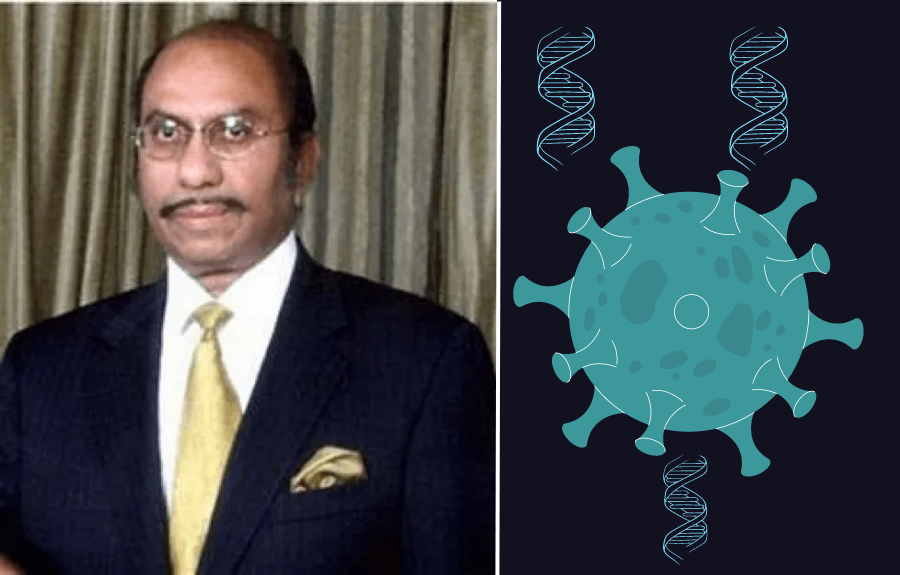
Indian American Dr M.S. Reddy Discovers A Revolutionary Method to Control the COVID Pandemic by Inactivating RNA and DNA, Gets Patent

Indian American Dr M.S. Reddy Discovers A Revolutionary Method to Control the COVID Pandemic by Inactivating RNA and DNA, Gets Patent
Dr. M.S. Reddy already holds 150 American patents to his credit. Dr. He was nominated over 9 times for the Nobel Prize for his contributions to science

Dr. M.S. Reddy, an Indian American Scientist, widely known as 'Cheese Reddy' gets a patent for his research to curb the spread of COVID. Dr Reddy, a global figure, who holds 150 American patents to his credit, discovered a method to control the COVID pandemic and disclosed this in a press note issued in Hyderabad today.

Dr Malireddy Srinivasulu Reddy (Dr M.S. Reddy) says by inactivating viral RNA we can control the spread of the COVID virus. He opines that in future we can control life-threatening viruses like COVID before they spread. Dr Reddy has registered for a patent on this method with the U.S. Patent Department. The good news is that the American Government has recently awarded a patent for him on this subject.

Experts say this is a revolutionary step in the field of science. It is learnt that we can curb the spread of viruses by inactivating RNA and DNA. So far experts have never thought that naked genetic material is more dangerous than the virus. Applauds are pouring in from different quarters for Dr Reddy for thinking in this direction and also for finding a solution. 

Many Indians, especially Telugus, who have settled in America made the country proud with their achievements. Prominent among them is Dr Malireddy Srinivasulu Reddy (Dr M.S. Reddy). Dr Reddy, who hails from Nellore and settled in the U.S., has got many patents to his credit. He graduated from A.P. Agriculture University in Tirupati and earned his M.S. PhD from Iowa University. He did his higher studies in Food Technology, Bacteriology and Virology and at present he is functioning as Chairman and President of American Dairy and Food Consulting Laboratories and International Media and Cultures. He was honoured with many awards for his research programmes.

Dr Reddy is a world-renowned scientist in the field of Microbiology. He has been conferred with 160 national and international awards. He got the prestigious American Dairy Science Association Richard M. Hoyt memorial award. It is worth mentioning that he is the only foreign-born U.S. Citizen to receive this prestigious national award. He has got many patents for his research work in America. His research on Cheese made him very popular and he is referred to as 'Cheese Reddy'.

He has got over 150 American patents, and written over 140 articles in scientific journals and over 30 e-journals and varied books which made him a global figure. Dr Reddy has been acting as Chairman and Advisor for many organisations. The famous Telugu association in America, NATA, honoured him with the Lifetime Achievement Award. Dr. Reddy has been nominated over 9 times for the Nobel Prize for his contributions to science, at the world level.

During the COVID crisis, through his shows on TV, he has created awareness among the people on steps to control the virus. His webinars and speeches have become viral with over 10 million hits on YouTube. Recently, he has got a patent for his research to curb the spread of COVID.

Clinical Study Reveals An Ayurvedic Formulation’s Efficacy in Infertility Management; 85.23% Women Achieve Ovulation in 3 months

Clinical Study Reveals An Ayurvedic Formulation’s Efficacy in Infertility Management; 85.23% Women Achieve Ovulation in 3 months

Gynoveda’s Ayurvedic formulation becomes an evidence-based and safe ally for women in enabling gift of motherhood
  • “Clinical Evaluation of Ayurvedic Formulation Jeehv for its Ovulation Promoting Action in Females Suffering From Anovulation” by Dr. Aarati Patil, Dr. Divya C.S, and Dr. Gauri More published in the European Journal of Pharmaceutical and Medical Research
  • Gynoveda’s Ayurvedic supplement were found to be effective in assisting timely ovulation and thus can be useful in the management of infertility associated with gynecological disorders like PCOS, Irregular periods etc
  • The product was also found to be safe without causing any adverse effects
  • Gynoveda’s Ayurvedic supplement presented a success rate of 85.23% with 127 out of the 149 participants achieving ovulation in the span of 90 days at the latest
  • The clinical study is symbolic of Gynoveda’s vision of empowering women in India with an evidence-based medicinal system that delivers on-ground and tangible impact in women's healthcare by harnessing the power of Ayurveda
Gynoveda.com, an Ayurveda-backed women healthcare brand has taken a significant stride for women dealing with infertility issues. Its Ayurvedic supplement, recognized by European Journal of Pharmaceutical and Medical Research, was found to be effective in assisting timely ovulation and thus can be useful in the management of infertility associated with gynecological disorders like PCOS, Irregular periods etc. Conducted at Dhanwantari Ayurveda Centre, Pallakad, Kerala, India and amongst 149 participants (age group - 25-35 years) across India, the study reported 85.23% women achieving ovulation on time after consuming the Gynoveda’s Ayurvedic supplement (within 3 months). Moreover, no adverse drug reaction was observed offering women an opportunity to experience a safe motherhood.

Dr. Aarati Patil (MD, Ayurveda Gynaecology), Chief Doctor, Co-founder, and R&D Head, Gynoveda speaking about the breakthrough Ayurvedic formulation says, “With 15 years of experience in providing treatment to women grappling with severe gynecological disorders such as PCOS, fibroid, infertility, and endometriosis, I and my team are elated to have introduced a groundbreaking Ayurvedic supplement that possesses the potential to alleviate these disorders and conceive naturally.”

Gynoveda's Ayurvedic supplement has proven to be instrumental in assisting thousands of women in overcoming complications and achieving natural conception. This research paper is a testimony to Gynoveda’s mission to enable women to embrace the gift of motherhood.

Across the nation, women have enthusiastically shared their success stories, highlighting the efficacy of Gynoveda in their journey towards motherhood.

Gynoveda Co-founders R- L - Rachana, Vishal, Aarati
Gynoveda Co-founders (R- L) — Rachana, Vishal, Aarati

Sneha Chourasia from Madhya Pradesh says, "After seven years of marriage, I found success in conceiving with the help of Gynoveda. When I consulted doctors, they diagnosed me with PCOS, which made my journey to pregnancy more complicated. I tried different conventional methods to conceive, but they proved to be long and unsuccessful. As a last resort, I decided to give Gynoveda’s Ayurvedic supplement a try, incorporating it into my daily routine. To my delight, It worked its magic, enabling me to conceive naturally

Minni Sharma from Lucknow says, “I spoke to gynaecologists and they told me about follicular study. They suggested inducing forceful ovulation injections; which was a very painful and an expensive process for me. I came across Gynoveda’s Ayurvedic supplement which is much more cost effective and efficient. Within just six months of incorporating it into my routine, I conceived naturally

Abha Kumari from Patna says, "I can personally vouch for the remarkable benefits of Gynoveda’s Ayurvedic supplement when it comes to overcoming complex pregnancy challenges. Despite being diagnosed with fallopian tubal blockage, poor egg quality, and an ovarian cyst, I refused to give up. After trying various medical interventions, including the lengthy and fruitless process of IUI, I turned to Ayurveda supplement as my last hope. Incorporating it into my daily routine allowed me to conceive naturally

Chetna Jain from Mumbai says, “Gynoveda’s 3x program which includes Diet, Medicine and Doctor support is an all rounded plan that helped me in my journey of a successful pregnancy. Before turning to Ayurveda, I opted for IVF and it did not give me the result I was hoping for. As a last resort, I incorporated Gynoveda’s Ayurvedic supplement in my daily routine and it helped me conceive naturally and give birth to a healthy baby”. 

Sunayani Bhowmik from Bangalore, whilst carrying her one and a half day old baby in her arms says, "Throughout my pursuit of a successful pregnancy, I explored the realms of allopathy and homeopathy for assistance. Unfortunately, these avenues failed to yield positive results. As a last recourse, I discovered Gynoveda's Ayurvedic supplement. To my delight, the initial evaluation following my utilization of Gynoveda’s supplement showcased a reduction in cystic growth. First thing I noticed after 2 months was that I had started having my regular period cycle and then I started taking PCOD pills religiously for two years."

Furthermore, the study also reported that 123 women(82.55%) had complaints of irregular menstrual cycle which was normalized in 98 women. No adverse drug reactions were observed and the study products were well tolerated.

Despite being informed that conceiving would be unattainable, women who had spent significant time and resources on modern medicine were able to fulfill their dream of motherhood through the Gynoveda’s breakthrough Ayurvedic supplement. Gynoveda proudly celebrates mothers and mothers-to-be with their continuous effort.

About Gynoveda

Gynoveda is the World’s first Ayurveda FemTech brand. It combines Ayurveda, Technology, Content & Community for women's healthcare, especially menstruation. Husband-wife duo Rachana & Vishal Gupta as founders of Gynoveda are on a mission to make Ayurveda as world’s first choice for women’s health from puberty to menopause. Gynoveda’s ayurvedic proprietary medicines with FDA approval have helped over 4 lakh women treat the root cause of disorders related to PCOS, irregular periods, infertility, pregnancy, skin, hair & general wellness. The company has delivered over 2 lakh orders across 20,000 pincodes in 58 major cities.

The company raised $10 million in March 2023 in Series A funding led by India Alternatives Fund. Since then its e-commerce platform Gynoveda.com is growing rapidly at 25% month-on-month and it's on track to cross ₹100 crores ARR in the current financial year. Gynoveda founders along with a team of doctors & scientists invented the world’s first Period Test, a gynecology bot that uses artificial intelligence (AI) to self-diagnose her reproductive health by answering a few questions on her mobile in just 2 minutes and getting results instantly.

Market Reports

Market Report & Surveys
IndianWeb2.com © all rights reserved