‏إظهار الرسائل ذات التسميات icmr. إظهار كافة الرسائل

IndiaAI and ICMR Partner to Advance Ethical AI in Healthcare

IndiaAI and ICMR Partner to Advance Ethical AI in Healthcare

IndiaAI and ICMR have signed a landmark MoU to build a nationally coherent AI ecosystem for healthcare, combining IndiaAI’s compute and dataset platforms with ICMR’s biomedical expertise. This collaboration is expected to accelerate ethical, scalable AI adoption in public health across India.

Key Highlights of the MoU

  • Partnership Entities: IndiaAI (MeitY initiative via Digital India Corporation) and ICMR (India’s apex biomedical research body).
  • Objective: Establish a structured framework to advance healthcare outcomes through responsible AI, ensuring interoperability and national coherence.
  • Core Collaboration Pillars:
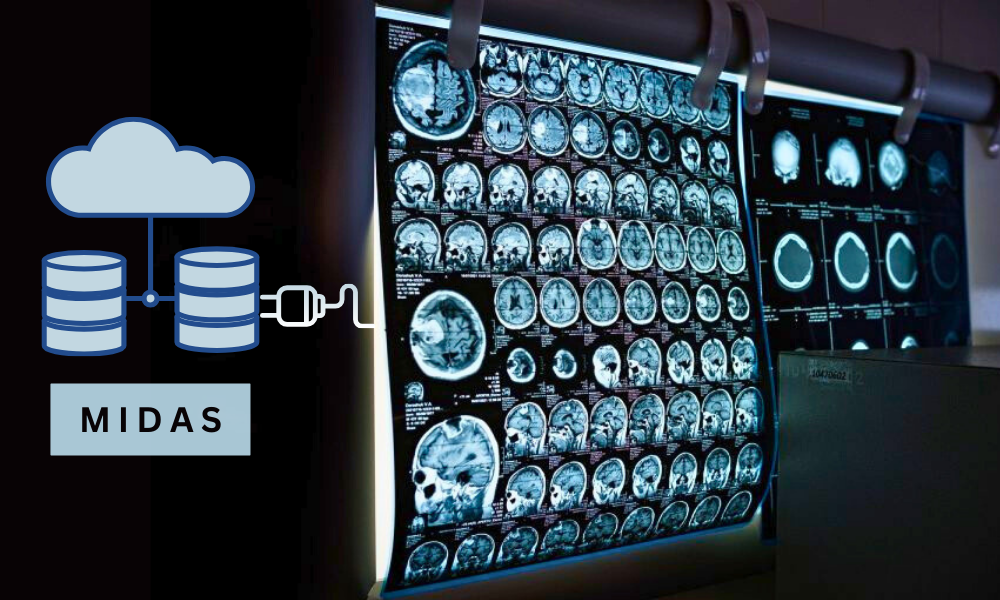
    • AIKosh Dataset Platform: ICMR will contribute anonymised, ethics-approved datasets and AI models via its MIDAS framework.
    • Compute Access: IndiaAI will provide subsidised GPU-based high-performance computing infrastructure to ICMR.
    • Collaborative AI Use Cases: Joint development of AI-powered solutions targeting priority public health challenges.

Ethical and Regulatory Context

  • ICMR Guidelines: Ethical Guidelines for AI in Biomedical Research and Healthcare (2023) ensure accountability, privacy, and fairness.
  • Global Recognition: IndiaAI and ICMR’s NIRDHDS recognised as Pioneer Countries under the HealthAI Global Regulatory Network in 2025.

Strategic Significance

DimensionImpact
National ImpactBridges AI infrastructure with biomedical research to catalyse innovation in diagnostics and treatment.
Global PositioningPositions India as a leader in responsible AI governance for healthcare.
Innovation CatalystProvides startups and researchers access to datasets and compute resources, reducing barriers to entry.

Outlook

This MoU is expected to accelerate AI-driven healthcare innovation in India, while safeguarding patient rights and data privacy. It builds on prior collaborations and global recognition, marking India’s intent to lead in ethical AI governance for healthcare.

Key Milestone in India’s Clinical Research Ecosystem: ICMR To Begin First-In-Human Clinical Trials for 4 Promising Molecules

Key Milestone in India’s Clinical Research Ecosystem: ICMR To Begin First-In-Human Clinical Trials for 4 Promising Molecules

The Indian Council of Medical Research (ICMR) has recently signed Memoranda of Agreements (MoAs) with several industry and academic partners to advance First-in-Human Phase-1 clinical trials.

This initiative marks a key milestone in India's clinical research ecosystem, focusing on four promising molecules:

1. Multiple Myeloma: Collaborative research with Aurigene Oncology Limited.

2. Zika Vaccine: Development in partnership with Indian Immunologicals Limited.

3. Seasonal Influenza Vaccine: Trials coordinated with Mynvax Private Limited.

4. CAR-T Cell Therapy: Advancement study for chronic lymphocytic leukemia with ImmunoACT.

This collaboration aims to establish India as a leader in the clinical development of pharmaceutical agents, ensuring affordable and accessible cutting-edge treatments for all citizens.

First-in-Human (FIH) clinical trials are a critical phase in the development of new medical treatments. FIH trials are the first time a new drug or treatment is tested in humans. They primarily focus on assessing the safety and tolerability of the treatment. These trials help determine the appropriate dosage range for the treatment, identifying the maximum tolerated dose and any potential side effects.

FIH trials study how the drug is absorbed, distributed, metabolized, and excreted in the body (pharmacokinetics) and its biological effects (pharmacodynamics). Successful FIH trials pave the way for subsequent phases of clinical trials, which further evaluate the efficacy and safety of the treatment in larger populations.

These trials are essential for ensuring that new treatments are safe and effective before they become widely available to patients.

By collaborating with industry and academic partners, the ICMR can expedite the development of new treatments, ensuring they reach patients faster.

Besides, Industry-Partnerships can reduce the financial burden on any single entity, making the research and development process more cost-effective. This can lead to lower costs for the end treatments. Moreover, combining the strengths of industry and academia brings together a wealth of knowledge and resources, improving the quality and efficiency of the research.

Developing treatments within India can reduce dependency on international pharmaceuticals, potentially lowering costs and improving accessibility for Indian citizens. Successful FIH trials can streamline the regulatory approval process, ensuring that safe and effective treatments are available to the public sooner.

By focusing on diseases like multiple myeloma, Zika, and chronic lymphocytic leukemia, these trials address significant public health challenges, aiming to provide cutting-edge treatments that are both affordable and accessible.

This initiative not only strengthens India’s position in global clinical research but also promises to make advanced medical treatments more accessible to its population.

Union Health and Family Welfare Minister, Shri J P Nadda, commended the strategic collaboration between ICMR and prominent industry and academic partners, emphasizing it as a key milestone in the pursuit of affordable and accessible cutting-edge treatments for all citizens. He noted that this initiative positions India to emerge as a global leader in healthcare innovation.

Dr. Rajiv Bahl, Secretary, Department of Health Research & Director General, ICMR, emphasized the transformative potential of the project, stating, “This collaboration reflects our commitment to advancing clinical research in India through strategic public-private partnerships. Establishing Phase 1 clinical trial infrastructure is a key component in fostering the development of indigenous molecules and cutting-edge treatments. Our vision is to expand this network further, ensuring that India continues to lead in the development of innovative and affordable healthcare solutions.”

IISc and ICMR Collab To Build Gold-Standard Medical Datasets of the Indian Population

IISc and ICMR Collab To Build Gold-Standard Medical Datasets of the Indian Population

IISc and Indian Council of Medical Research (ICMR) have collaborated to form 'India-MIDAS'

IISc-ICMR-ARTPARK collaboration seeks to build gold-standard medical datasets representative of the Indian population.

IISc (Indian Institute of Sciences, Bengaluru) and the Indian Council of Medical Research (ICMR) have entered into a collaboration to form — India-MIDAS (Medical Imaging Data Sets), which aims to establish institutional mechanisms for collecting, managing, and facilitating the use of medical imaging data from across India.

Fifteen years ago, a scientific commentary highlighted the shortage of imaging experts in India. Fast forward to years 2023, the situation remains the same. India still has very few radiologists, resulting into longer wait times, and delayed diagnoses and treatments.

While Al has been under a skewed spotlight, its use in medicine is promising. To train Al to diagnose diseases, there is a need for collecting good medical imaging data (X-ray, ultrasound and MRI) . For this reason, IISc and ICMR have collaborated to form 'India-MIDAS'.

To train all these AI models to diagnose diseases, there's a need for data. Not just data, ‘good’ data, explains Debnath Pal, Professor at the Department of Computational and Data Sciences, IISc.

“Good data is that set of data that helps answer your [research or medical] question with minimal failure,” says Debnath Pal. According to Debnath, biology is a complex field, and the data required to answer a question of interest – such as diagnosing a specific disease – should be carefully collected.

There is a need for collecting good medical imaging data, such as CT and MRI scans, and X-ray images, especially from the Indian population.

It is for this reason that IISc and ICMR have come up with the idea of creating India-MIDAS (Medical Imaging Data Sets).

The project is funded by ICMR and will work through a hubs-and-spokes model where IISc is the nodal centre.

Debnath points out that the closest match to this kind of data bank elsewhere is the UK Biobank, a large-scale platform in which carefully curated and anonymised biomedical data from 500,000 participants is made available for researchers studying a variety of diseases and treatments. This includes full body MRI scans, whole genome sequences, dozens of blood biomarkers, data from physical activity monitors, and more. About 10,000 different variables have been collected for each participant, creating a gold mine of data to tap into for research.

The AI and Robotics Technology Park (ARTPARK) at IISc has also been roped in as a technology partner to oversee the building of the platform.

The ICMR-IISc team hopes that their collaboration will bypass existing problems of collecting and preserving good data. More importantly, it will also take steps to ensure patients’ privacy, according to Raghu and Debnath.

Each scan or dataset that will be fed into the database will be anonymised by removing any information that can be used to identify a patient. This is done by assigning coded information to each image, called labelling. Labelling is also important for training AI models that can help scan such images for medical applications.

As a first step in this collaboration, researchers at AIIMS Delhi have already begun collecting images of oral cancer and precancer cases, and labelling them.

The goal is that once all the data is collected and organised, any authorised institution or researcher can put in a request to access the data that they need, whether it is for a study testing the effects of a new treatment for a disease, or a startup trying to build an AI model for diagnosis.

Efforts like these can greatly help the research community at large. For instance, in 2021, the UK Biobank released the whole genome sequences of 200,000 participants, to help researchers uncover links between DNA and disease. In a similar vein, datasets available through MIDAS can accelerate medical research in India using data that represents the Indian population.

More at – IISc.ac.in

Health Ministry Launches MedTech Mitra To Strengthen India's Medical Device Industry

Health Ministry Launches MedTech Mitra To Strengthen India's Medical Device Industry

Union Minister, Health & Family Welfare, Dr. Mansukh Mandaviya has, on Monday, inaugurated "MedTech Mitra," a groundbreaking initiative by ICMR Delhi and Central Drugs Standard Control Organisation (CDSCO), supported by Niti Aayog.

MedTech Mitra will hand-hold innovators and help them in getting regulatory approval. This new platform, along with the recent medical devices policy and the production-linked incentive scheme, will together provide a boost to the medical devices sector and encourage domestic manufacturing of these devices, the minister said.

MedTech Mitra streamlines MedTech R&D with preclinical & clinical support, collaboration initiatives, & funding opportunities. It is a primary step towards building a robust, self-reliant ecosystem for affordable & accessible healthcare in India.

Dr. Mansukh Mandaviya said, "MedTech Mitra is a platform that will help the young talents of the country by holding their hands and giving them final shape to their research, knowledge, logic and help them in getting regulatory approval."

"The medical devices sector is an essential and integral constituent of India’s healthcare sector. Pursuing the vision of Viksit Bharat, India is taking a holistic approach to health with a vision to transform the health landscape in the country by 2047, " added Dr. Mandaviya.

MedTech Mitra will empower emerging start-ups and ensure ease of innovation, ease of doing research and development, ease of rendering service in building an Atmanirbhar Bharat.

Highlighting the fast pace of growth in technology, Dr. Mandaviya added “Due to the developments taking place in sectors like Robotics, Artificial Intelligence, Big Data, Virtual Reality, Nano Technology, the medical device sector is changing rapidly today.”

Lauding the initiative and efforts of the innovators and youth, Dr. Mandaviya stated “There is immense power among the innovators, researchers and start-up youth in the country who know how to do Research and Logic Development. If one gets help at the approval stage itself, then wonders can be achieved which will take India miles ahead in becoming Atmanirbhar and achieving the vision of Viksit Bharat”

Underlining the alignment of MedTech Mitra with the medical devices ecosystem as well as overall boosting the growth and development of health domain, Dr. V.K Paul, Member Health, Niti Aayog, said, “This platform will serve to strengthen India’s commitment to Universal Health Coverage, further consolidating reach of healthcare services to the innermost corners of the nation to become an integral aspect of Viksit Bharat.

Earlier this month, ICMR signed a Memorandum of Agreement with AcSIR (Academy of Scientific and Innovative Research) for a new faculty of "Medical Research" that has been created at AcSIR. This is a significant development towards making AcSIR a multi-disciplinary Research Institution for promotion of cutting-edge research in cross-disciplinary areas. This would provide much needed impetus to the medical research in India.

Atrimed Pharmaceuticals Plant Science Receives Breakthrough in Molecule Research for COVID-19 Cure by ICMR Approved Regional Centre for Biotechnology

Bangalore based Atrimed Pharmaceuticals, a pioneer in developing scientifically tested Plant based medication, announced that, three of our samples tested positive against SARS-CoV-2 in the ICMR (Indian Council for Medical Research) designated laboratory and the developed drug will be available as an Oral medicine. Company Leverages Proven Antiviral and Plant based medicinal expertise to evaluate the new approaches for treating the Novel Coronavirus Disease COVID-19. Atrimed Pharma is dedicated to develop a phytomolecule drugs for viral infections and other diseases, today takes pride that it has initiated a program to discover drug candidates for the treatment of patients infected with the novel coronavirus COVID-19, also known as SARS-CoV-2.

[caption id="attachment_151117" align="alignleft" width="257"] Dr. Hrishikesh Damle MD & CEO, Atrimed Pharmaceuticals[/caption]

Commenting on the exclusive breakthrough Dr. Hrishikesh Damle MD & CEO stated, "Based on our proven track record in virology and our capabilities in rare diseases, we believe our core competencies position us well to discover a potential treatment for COVID-19, and we are delighted to establish that three molecules out of ten submitted are passed the test and ready for Human/Clinical Trial for developing drug for the treatment of Coronavirus." He further added that these molecules were ready for scientific research in the month of March 2020 itself but took so long for clearance. "Our decision to initiate a drug discovery for COVID-19 is a natural evolution of our work and mission. Regional Centre for Biotechnology has recognised and approved 3 effective plant molecules against COVID-19 and further studies will begin shortly."

The Drug Discovery and Development Process passes through various stages which begins with Target Selection leading to discovery where in high throughput screening paves for chemical synthesis and then prepares for Vitro/Behavioural Studies and finally for Clinical/Human trial, and it is great achievement for Atrimed to take their research to their drug development to the next level.

About Atrimed Pharmaceutical Pvt Ltd.

Based in Bangalore, develops medicines from plant based molecules to develop drugs that cure diseases which have plagued humanity such as Psoriasis, Acne, Arthritis and more. It combines the traditional cures with the knowledge base created from computer aided drug design, biotechnology and Artificial Intelligence to establish a library of plant molecules, some 400,000 strong, the largest in the world. Its products cater to Skin and Hair care, Mother and Child care, and Bone related diseases, Nutrition, Metabolism and Allergies. The pharmaceutical company was sent to BIO 2019, Philadelphia, USA which is the largest Biotechnology Expo in the world by the Karnataka Government to showcase Karnataka's biotechnological ecosystem to learn more about the perspectives of high-level government officials, key thought leaders and experts from around the world on the new opportunities and challenges facing the global biotech industry.

For further information, please visit: www.atrimedbiotech.in.

Indian Council for Medical Research (ICMR) to Leverage IBM Watson Assistant for Testing Facilities on COVID-19

Indian Council of Medical Research (ICMR), Department of Health Research, Ministry of Health and Family Welfare, Government of India, has collaborated with IBM to implement a Watson virtual agent (called Watson Assistant) on its portal to respond to specific queries of front line staff and data entry operators from various testing and diagnostic facilities across the country on COVID-19.

The virtual agent has been deployed on protected pages of the ICMR website that can be accessed only by authorized personnel who are involved with sample collection and testing in hospitals and diagnostic labs. The queries could be related to nature and process of data to be captured by test labs, how to record inventory of test kits & reagents, process of reporting to various Government agencies and references to the latest guidance, in addition to responding to queries on COVID-19 in general. 

Professor Balram Bhargava, Director General, Indian Council of Medical Research (ICMR) said, “While India has been able to manage COVID-19 to a certain extent, the challenge still continues to minimize further. It is critical to remain focused on testing, diagnosis and treatment in order to lower the growth curve. With the number of on-field testing teams expanding across the nation as part of India’s COVID-19 measures, this collaboration with IBM will help automate responses from the field & facilitate access to accurate & updated data on COVID-19 diagnostics & reporting. This will help augment our teams' response time and allow them to concentrate on priorities like developing & updating testing & treatment protocols and guidance for COVID-19.”


Shri. Gopalakrishnan S., Additional Secretary, Ministry of Electronics and Information Technology, Government of India commented, “Technology continues to play a significant role in India’s fight against COVID-19, and it is crucial to evaluate and leverage the most effective solutions to support these initiatives. The deployment of IBM’s chatbot AI platform is aimed to help ICMR effectively manage the process of capturing data relating to COVID-19.”

Commenting on the announcement, Sandip Patel, General Manager, IBM India/South Asia said, “As India rises to meet the challenge of COVID-19, it is crucial to enable government bodies such as ICMR to utilize data and capabilities effectively for rapid detection and treatment. This collaboration is GoodTech in action and a testament to IBM’s commitment of enabling governments, businesses and citizens across the globe to have access to our technology and expertise in tackling the challenges of COVID-19 pandemic.”

The Watson virtual agent is AI enabled and will be able to understand and respond to common queries in English and Hindi, from approved testing facilities for COVID-19 across India at scale, around the clock in a uniform & timely manner, as per the latest guidelines. Queries will be categorized under various headings such as Governance, Logistics, Data entry and sharing, Staff Training & Testing and for complex questions, pre-defined contact information of ICMR is made available. The virtual agent is also expected to help in on-boarding new data entry operators and staff of diagnostic centres, as the COVID-19 test network expands across the country.

Over 40 COVID-19 Vaccines under Development But None Reached Next Stage - ICMR

The Indian Council of Medical Research (ICMR), which is the apex body in India for the formulation, coordination and promotion of biomedical research, has said ( via news agency IANS), that more than 40 COVID-19 vaccines were under development but none had reached the next stage.

Manoj Murhekar of the ICMR said, “There are more than 40 candidate vaccines under development. But none of them has reached the next stage. India is also making efforts to develop a vaccine. But as of now, there is no vaccine.”

He said there were 219 — 151 government and 68 private — Covid-19 testing facilities in the country.

“Till 2.30 p.m. Sunday, 1,86,906 samples were tested. Of them, 7,953 (4.3 per cent), tested positive. In the last five days, 15,747 samples per day were being tested. Of this, 584 samples were coming positive per day,” Murhekar said.


According to ICMR website, a total of 1107233 samples have been tested till 04 May 2020, 9 AM IST.

Set up in 1911 by the Government of India, ICMR's Viral Research and Diagnostic Laboratories (VRDL) for diagnosis of the viral and other infectious diseases is gradually evolving and is proposed to be the largest network of laboratories for timely identification of viruses and other agents causing morbidity significant at public health level.

Market Reports

Market Report & Surveys
IndianWeb2.com © all rights reserved