‏إظهار الرسائل ذات التسميات Co2 Emission. إظهار كافة الرسائل

Siemens and London Varsity's Innovative Use of River Thames to Save 258 Tons of Carbon Emissions Annually

Siemens and London Varsity Innovative Use of River Thames to Reduce Carbon Emissions by 258 Tons Annually

The River Thames is one of the most iconic rivers in the world, flowing through southern England, including the heart of London. Stretching approximately 346 kilometers (215 miles), it is the longest river entirely in England and the second-longest in the United Kingdom after the River Severn.

A new innovative initiative by University of East London (UEL) in partnership with Siemens Smart Infrastructure is using the river Thames' heat for projects for the University of East London's net-zero campus highlight its role in combating climate change.

The River Thames serves as a heat source due to its stable water temperature, which remains relatively constant throughout the year. This stability makes it an excellent candidate for heat exchange systems like Water Source Heat Pumps (WSHPs), which extracts energy from the water and turns it into heat, even when the water temperature is lower than the air temperature

Even at low temperatures, water contains thermal energy. The River Thames, being a large body of water, stores significant amounts of this energy.

Taking a significant step toward sustainability, the University of East London (UEL) is harnessing the River Thames to power its net-zero campus. In collaboration with Siemens, UEL is installing a state-of-the-art Water Source Heat Pump (WSHP) at its Docklands Campus.

This innovative system will replace traditional gas boilers, significantly reducing carbon emissions by 258 tons annually.

The Innovative System

Siemens and London Varsity Innovative Use of River Thames to Reduce Carbon Emissions by 258 Tons Annually

The WSHP system uses submerged pipes in a closed-loop system to extract the natural heat from the river. The heat is then transferred to a refrigerant, which amplifies it through a compression cycle.

The amplified heat is used to warm buildings, while the cooled water is returned to the river without disrupting its ecosystem.

The WSHP uses a closed-loop system to extract natural heat from the River Thames without disrupting the river's ecosystem. This project aligns with UEL's goal of achieving the lowest carbon emissions per student in the UK by 2026 and reaching net-zero emissions by 2030.

Beyond environmental benefits, the initiative is expected to save the university over £500,000 annually (approximately US $645,000 and  ~ INR ₹ 5.62 crore) in utility costs and has already inspired green employability programs, internships, and research opportunities. It also supports the Mayor of London's vision for a sustainable and greener city.

The new WSHP is set to be the largest fitted at any university in the UK and will power the university’s Docklands Campus Library and Royal Docks Centre for Sustainability buildings, replacing existing gas boilers.

This innovative use of the river Thames not only reduces reliance on fossil fuels but also supports sustainability goals, as seen in projects like the University of East London's net-zero campus initiative

What technology does the Water Source Heat Pump (WSHP) use?

Water Source Heat Pumps (WSHPs) utilize advanced heat exchange technology to provide efficient heating and cooling. Here's how they work:
  1. Heat Exchange Process: WSHPs extract heat from a water source, such as a river, lake, or well, using a closed-loop system. This system circulates water through a heat exchanger, where heat is absorbed or released depending on the heating or cooling needs.
  2. Refrigeration Cycle: The pump uses a refrigerant to amplify the heat transfer process. This cycle allows the system to efficiently move heat from the water source to the building or vice versa.
  3. Energy Efficiency: By leveraging the stable thermal properties of water, WSHPs achieve higher energy efficiency compared to air-source systems, especially in colder climates.
  4. Environmental Benefits: These systems reduce reliance on fossil fuels, significantly lowering carbon emissions and contributing to sustainability.
This innovative technology is not only eco-friendly but also cost-effective, making it a popular choice for modern heating and cooling solutions.

India Emerges As Green Leader With the Lowest Per Capita CO2 Emissions Among the G20 Nations

India has emerged as a green leader among the G20 nations, boasting the lowest per capita CO2 emissions. With this, India is setting am example of sustainable development.

In 2023, India's per capita CO2 emissions were around 2.1 metric tons per person, compared to much higher figures in countries like Saudi Arabia, which had the highest per capita emissions at over 17 metric tons per person.
 
India Emerges As Green Leader With the Lowest Per Capita CO2 Emissions Among the G20 Nations

China had the highest CO2 emissions among G20 countries, while Argentina had the lowest. India's per capita emissions were the lowest among the G20 nations, highlighting its efforts in maintaining a lower carbon footprint.

India's achievement is largely due to the country's agrarian economy and relatively low per capita energy consumption compared to many developed nations. Despite being the most populous G20 country, India's efforts in deploying renewable energy and maintaining lower emissions have been commendable.

The latest International Energy Agency (IEA) report on CO2 emissions provides a comprehensive analysis of global emissions in 2023.

Global Emissions CO2 emissions reached a new record high in 2023, with an increase of 1.1%, increasing 410 million tonnes (Mt) to reach a new record high of 37.4 billion tonnes (Gt). This was driven by weather effects and continued reopening from the COVID-19 pandemic.

Nevertheless, the growth in clean energy technologies, such as renewables, electric vehicles, and heat pumps, helped limit the rise in global emissions.

Emissions from energy combustion increased, while emissions from industrial processes decreased.

Between 2019 and 2023, total energy-related emissions increased around 900 Mt. Without the growing deployment of five key clean energy technologies since 2019 - solar PV, wind, nuclear, heat pumps, and electric cars - the emissions growth would have been three times larger.

SAIL Partners SaaS Startup Sentra.World for Carbon Emission Tracking and Reduction

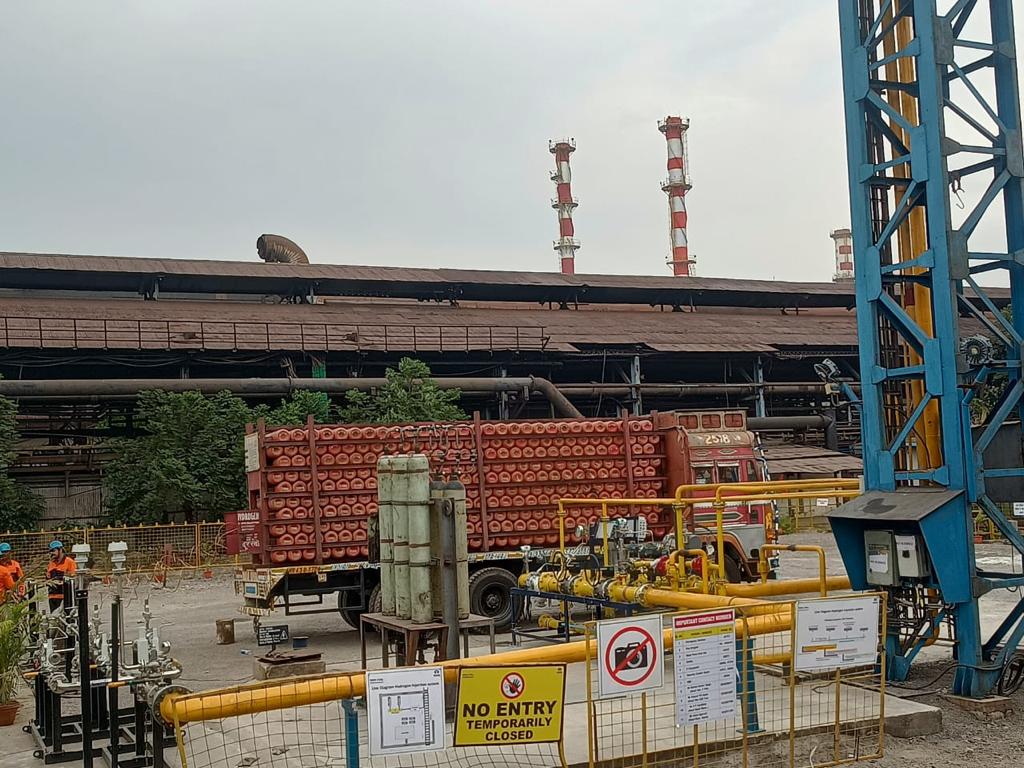
SAIL Partners SaaS Startup Sentra.World for Carbon Emission Tracking at Durgapur Plant

The Steel Authority of India Limited (SAIL) has partnered with the Bengaluru-based SaaS startup Sentra.world to pioneer carbon emission reduction in steel production.

This collaboration involves using Sentra.world's advanced carbon tracking software at SAIL's Durgapur Steel Plant and its Environment Management Division.

sentra.world is a B2B SaaS carbon accounting software company that helps industrial businesses measure, report, certify, and reduce their carbon emissions.

The initiative is a significant step towards sustainable and eco-friendly practices in the steel industry, aiming to comprehensively monitor and manage carbon dioxide emissions across various production facilities. This partnership aligns with global efforts to decarbonize economies and minimize the environmental impact of industrial activities.

Founded in 2023 by two ex-McKinsey junior partners — Harsh Choudhry and Vikas Upadhyay — each with 16+ years of experience in sustainability, industrial manufacturing and digital technology, Sentra.world's software help industrial companies track and reduce their CO2 emissions. It uses a combination of AI and blockchain technology to provide a comprehensive view of emissions, employing various methods for accurate assessments.

The software uses recognized methodologies like the GHG protocol and standards set by the World Steel Association to measure CO2 emissions.

The startup is headquartered in Bangalore and has received a total funding of $2.0 million from investors such as Avaana Capital, Golden Sparrow Ventures and RPG Ventures.

Sentra.world's software is gaining traction in the industrial sector, particularly among companies focused on sustainability and carbon emission reduction. The software is designed to cater to industries such as Steel, Aluminum, Cement, Chemicals, and Utilities. These sectors are critical for decarbonization efforts due to their significant greenhouse gas emissions. Sentra.world's approach, which combines AI and blockchain technology, is particularly suitable for businesses looking to meet ESG compliance, access new markets, and reduce costs while managing their environmental footprint.

Mahindra Lifespaces Launches Carbon Calculator to Allow Individuals Access Their CO2 Footprint

Mahindra Lifespaces Launches Carbon Calculator to Allow Individuals Access Their CO2 Footprint
  • Mr. Anand Mahindra announced the #WinAGreenHome contest via X (formerly Twitter) to inspire collective action against climate change
  • The contest is about becoming aware of the adverse environmental impact we have and the change we can make together
  • One lucky winner gets a green home worth ₹ 1 Crore at Mahindra Vista, Kandivali East, Mumbai
Mahindra Lifespaces has announced an initiative to raise awareness about factors contributing to climate change. By highlighting the impact of individual carbon footprints, the company aims to inspire collective action.

For instance, one hour of scrolling on social media adds ~70g of carbon to one’s footprint, while a ten-minute longer hot shower contributes about 2kg.

In this light, Mahindra Lifespace Developers Limited (MLDL), the real estate and infrastructure development arm of the Mahindra Group, introduced a Carbon Calculator.

Designed for user-friendly interaction, the Carbon Calculator allows individuals to assess their carbon footprint based on factors like food, transport, and power consumption. With a process taking less than 5 minutes, users receive a clear and accessible graph illustrating their carbon impact. This initiative marks MLDL's commitment to empower individuals with the knowledge needed to drive change towards a greener and more sustainable future.

Viral Oza, Chief Marketing Officer, Mahindra Lifespace Developers Ltd., said, "At Mahindra Lifespaces, we recognize the significance of every individual’s contribution in the battle against climate change. Our goal is to highlight the environmental impact of everyday actions and instigate positive changes in daily habits for a sustainable future. Through the accompanying contest, we aspire to transform sustainable living into an engaging and informative experience. This competition presents an exciting opportunity for participants to win a green home while encouraging actions that contribute to a greener future."

The announcement of this initiative came in the form of a tweet from Mr. Anand Mahindra and Dr. Anish Shah. The grand prize for the contest is a green home worth ₹ 1 Crore at the newly launched project in Kandivali East, Mahindra Vista. The result from the Carbon Calculator should inspire individuals to take a meaningful step in reducing their environmental impact and contribute to building a better world for future generations.

Explore the Carbon Calculator by clicking here to gauge your environmental impact.

To know more about Mahindra Vista, please click here

With all projects certified environment friendly, Mahindra Lifespaces has a 100% Green portfolio since 2014. The company is working towards carbon neutrality by 2040 and actively supports research on green buildings tailored to climatic conditions in India. Mahindra Lifespaces has also announced a commitment to build only Net Zero homes, 2030 onwards.

About Mahindra Lifespace Developers Ltd.

Established in 1994, Mahindra Lifespace Developers Ltd. (‘Mahindra Lifespaces’) brings the Mahindra Group’s philosophy of ‘Rise’ to India’s real estate and infrastructure industry through thriving residential communities and enabling business ecosystems. The Company’s development footprint spans 35.06 million sq. ft. of completed, ongoing and forthcoming residential projects across seven Indian cities; and over 5000 acres of ongoing and forthcoming projects under development / management at its integrated developments / industrial clusters across four locations.

Mahindra Lifespaces’ development portfolio comprises premium residential projects; value homes under the ‘Mahindra Happinest®’ brand; and integrated cities and industrial clusters under the ‘Mahindra World City’ and ‘Origins by Mahindra’ brands respectively. The Company leverages innovation, thoughtful design, and a deep commitment to sustainability to craft quality life and business growth.

The first real estate company in India to have committed to the global Science Based Targets initiative (SBTi), all Mahindra Lifespaces’ projects are certified environment friendly. With a 100% Green portfolio since 2014, the Company is working towards carbon neutrality by 2040 and actively supports research on green buildings tailored to climatic conditions in India. Mahindra Lifespaces® is the recipient of over 80 awards for its projects and ESG initiatives.

Learn more about Mahindra Lifespaces® at www.mahindralifespaces.com

Tata Power Lights up 27,000 Homes with Green Power in Mumbai; Resulting in 270 MUs of Green Power Consumption Equivalent to Offsetting 200 Kiloton of CO2 Annually

Tata Power Lights up 27,000 Homes with Green Power in Mumbai; Resulting in 270 MUs of Green Power Consumption Equivalent to Offsetting 200 Kiloton of CO2 Annually
  • Sets a new norm in sustainable celebrations with 6,274 consumers adopting Green Power during the festive season
  • Tata Power installs 1.25 lakh smart meters in the city to encourage energy efficiency and conscious consumption of electricity; aims to cover all its 7.5 lakh consumers by FY25
Tata Power, the first power utility in Maharashtra to offer a green power tariff, inspired over 27,000 Mumbai consumers to switch to renewable energy.

A special initiative for Green Power adoption was launched this festive season encouraging consumers to opt for clean and green power to illuminate their homes. The initiative was a resounding success with 6,274 new consumers opting to become green champions.

The Green Power movement led to ~270 MUs of green power consumption which is equivalent to offsetting 200 kilotons of carbon emissions annually. Our 3,576 consumers belonging to the 0-100 unit's category, are leading this energy transition with delight and setting the perfect example for consumers in other categories to adopt Green Power for the future.

At a marginal cost over and above the existing tariff, consumers are empowered to choose the proportion of renewable energy in their consumption, ranging from 25% to 100%. Tata Power is committed to sourcing green power for its consumers from its wind and solar plants across the country.

"Tata Power is a leader in the Distribution domain, with approximately 13 million consumers across the country. We have launched several sustainable initiatives like Green Tariff, ESCO services, Smart Metering, DSM programs et al to encourage consumers to opt for energy efficiency and conservation. Our Mumbai consumers are a shining example of how green practices can be made mainstream. Their collective commitment towards Lifestyle for Environment (LiFE) will encourage others to follow suit." Said Mr Sanjay Banga, President, T&D, Tata Power.

With its consumers, Tata Power is co-creating a legacy of sustainability and innovation and transforming the power distribution landscape in the country with its green energy solutions and services.

"We are thankful to our Mumbai consumers for always being our partners in our green initiatives. With 27,000 and growing green consumers and 1.25 lakh smart meters installed, we are well-poised to becoming a leader in green power supply and smart metering in the city. " said Mr. Nilesh Kane, Chief- Mumbai Distribution, Tata Power.

Tata Power aims to install smart meters for all its 7.5 lakh consumers in Mumbai by FY25. The smart meters enable energy efficiency leading to cost savings for its users. The consumers can access real-time data of power consumption and analytics through a web portal and a mobile application. They can also opt for either prepaid or post-paid metering without any additional charges.

It is worth noting that Tata Power was the first utility in Maharashtra to offer a green power tariff to its consumers, as approved by the Maharashtra Electricity Regulatory Commission (MERC) in its order dated April 2021. Tata Power Mumbai Distribution is committed to providing reliable, affordable, and sustainable power to its consumers and stakeholders.

Hyundai Motor and Kia Introduce AI-enabled and Blockchain-based Carbon Emission Monitoring System

Hyundai Motor and Kia Introduce AI-enabled and Blockchain-based Carbon Emission Monitoring System

Two major Korean multinational automobile manufacturers — Hyundai Motor and Kia Corporation — introduce an AI-enabled, blockchain-based Supplier CO2 Emission Monitoring System (SCEMS) to support their partner companies to efficiently handle global environmental regulations. It is to be noted that Hyundai Motor is the parent company of Kia Corporation and the later comes under the umbrella of Hyundai Motor Group. 

The system, SCEMS, calculates emissions across partners' supply chains, and since its on top of blockchain tech it promises transparency and data integrity. It's also expected to ease suppliers' workloads in data collection and management, enhancing accuracy in carbon emissions monitoring.

Leveraging Artifical Intelligence (AI) and blockchain, Hyundai and Kia aim to proactively meet environmental regulations and foster sustainable supply chains, responding to climate change issues.

The SCEMS is designed to record and manage carbon footprints at every stage of the manufacturing process, starting from the extraction of raw materials to the production and delivery of parts and vehicles. This comprehensive approach allows Hyundai and Kia to gain better control over their carbon reduction initiatives.

Both the companies have successfully verified the effectiveness of the high-performance blockchain technology and adopted it to accomplish their critical goal of promptly and securely collecting carbon emissions data.

Hyundai Motors and Kia would distribute the SCEMS free of charge to suppliers/partners that make up the automotive supply chain to support carbon emission reduction activities throughout the supply chain.

When partners input essential data that suits their circumstances into the SCEMS system, the artificial intelligence automatically provides information on carbon emissions and predicts what will occur in the future.

The system also expected to relieve suppliers from this time & cost consuming work and enable them to manage their carbon emissions with accuracy. With SCEMS, which is powered by AI and high-performance blockchain technology, business partners can efficiently monitor and manage the collected data and carbon emission status at their respective workplaces.

This year in February, Hyundai and Kia joined the Carbon Disclosure Project's (CDP) "CDP Supply Chain" program, conducting capacity-building training on carbon neutrality for partner companies facing challenges in their independent response.

CDP was established as the 'Carbon Disclosure Project' in 2000 as a non-profit organization, asking companies to disclose their climate impact. Over the time since its establishment, CDP has broadened the scope of environmental disclosure, to incorporate deforestation and water security, while also building its reach to support cities, states and regions.

Companies participating in the program submit data to CDP, including energy consumption and greenhouse gas emission status, carbon neutrality strategies, progress in goal setting and execution, and plans and achievements related to the renewable energy transition, and undergo evaluations.

In A World's 1st, Tata Steel Initiates Trial for Record-High Hydrogen Gas Injection in Blast Furnace at Its Jamshedpur Works

In A World's 1st, Tata Steel Initiates Trial for Record-High Hydrogen Gas Injection in Blast Furnace at Its Jamshedpur Works
This is world’s first instance when such a large quantity of hydrogen gas is being continuously injected in a blast furnace

The trial marks a major milestone in the steel industry's journey towards green and sustainable steelmaking

Tata Steel has commenced the trial injection of hydrogen gas using 40% of the injection systems in ‘E’ Blast Furnace at its Jamshedpur Works. This is the first time in the world that such a large quantity of hydrogen gas is being continuously injected in a blast furnace.

The trial started on April 23, 2023 and is expected to continue for 4-5 days on a continuous basis. It will provide valuable insights into operating blast furnaces with greener fuel injectants, reducing fossil fuel consumption and subsequent CO2 emissions from the blast furnace. The endeavour is aligned with the Company’s vision of becoming Net Zero by 2045.

In A World's 1st, Tata Steel Initiates Trial for Record-High Hydrogen Gas Injection in Blast Furnace at Its Jamshedpur Works

The trial has the potential to reduce the coke rate by 10%, translating into around 7-10% reduction in CO2 emissions per ton of crude steel produced.

The successful completion of this trial will demonstrate Tata Steel's capability to design, fabricate and commission the injection system, develop and establish necessary general and process safety protocols, and provide process control insight for pure hydrogen injection into the blast furnace.

The trial of hydrogen gas injection in a blast furnace at Jamshedpur Works is an important milestone in our journey towards net zero emissions. As we explore the potential of greener fuel injectants, we are excited to see the impact it can have on reducing fossil fuel consumption and CO2 emissions. We are confident that this trial will provide valuable insights into operating blast furnaces with hydrogen and help us identify the next steps towards achieving our goal of a leaner carbon future," said Uttam Singh, Vice President, Iron Making, Tata Steel.

In A World's 1st, Tata Steel Initiates Trial for Record-High Hydrogen Gas Injection in Blast Furnace at Its Jamshedpur Works


For a long time, hydrogen has been earmarked as an alternative to fossil fuels as an important reductant of iron ore in blast furnace. Given the imperative to make industrial processes greener, hydrogen fuel utilisation is gaining a lot of traction and is being embraced on a scale like never before.

"Our efforts towards decarbonisation are driven by our commitment to creating a sustainable tomorrow. The trial, a testament to our capabilities in design, fabrication, and commissioning of injection systems, will accelerate our foray into green steelmaking. Tata Steel remains dedicated to leveraging innovation and technology in its pursuit of becoming the industry leader in sustainability," said Dr Debashish Bhattacharjee, Vice President (Technology and R&D), Tata Steel

In its pursuit of decarbonisation, Tata Steel has adopted a two-pronged approach of Carbon Direct Avoidance (CDA) and CO2 Capture and Use. The trial injection of hydrogen gas is part of the CDA approach, focussing on the blast furnace, one of the heaviest known industrial contributors to CO2 emissions worldwide.

Tata Steel is committed to contributing to India's journey towards industrial decarbonisation and has already taken several steps in this regard including conducting a trial of continuous Coal Bed Methane (CBM) injection in early 2022, installation and continuous operation since September 2021 of 5 tonnes per day (TPD) industrial plant for carbon capture and utilisation from blast furnace off-gas, reducing freshwater consumption, developing sustainable supply chains, and imbibing circular economy.

Disclaimer

Statements in this press release describing the Company’s performance may be “forward looking statements” within the meaning of applicable securities laws and regulations. Actual results may differ materially from those directly or indirectly expressed, inferred or implied. Important factors that could make a difference to the Company’s operations include, among others, economic conditions affecting demand/ supply and price conditions in the domestic and overseas markets in which the Company operates, changes in or due to the environment, Government regulations, laws, statutes, judicial pronouncements and/ or other incidental factors.

What Exactly is SF6?, and Why is It Significant?

What Exactly is SF6?, and Why is It Significant?
When people talk about greenhouse gas (GHG) emissions, the focus is usually on carbon dioxide or methane. These two gasses make up about 90% of the GHGs that cause climate change. But there are a number of others that climate scientists monitor. Among them is sulfur hexafluoride, or SF6, a colorless, odorless gas used as an insulator in power substations. Though its prevalence in the atmosphere is small, it has the potential to make an outsized impact. That’s because it is the most potent GHG, with 23,500 times the global warming potential of carbon dioxide.

Researchers in the power and energy sector where it is used have devoted significant effort to finding replacements.

WHAT DOES SF6 DO?

Sulfur hexafluoride is a very powerful insulator that has been used for decades to prevent short circuits and electrical arcing in electrical substation equipment, like high voltage switchgear and transformers. It’s stable, nontoxic, and has a low level of flammability, all properties that have made it applicable to a wide range of operating environments and voltage levels in the power industry.

“SF6 has been used globally as a very efficient insulation gas,” said IEEE Senior Member Guilherme Susteras, “which means that utilities globally could build electrical power stations and substations in a more compact fashion. This is especially important in urban settings, where physical space can be a serious constraint for network expansion.”

WHAT’S THE IMPACT OF SF6?

Every pound of SF6 released into the atmosphere is equivalent to the carbon impact of two cars on the road per year, or 1,100 gallons of gasoline, or burning 11,000 pounds of coal, according to an online calculator developed by the U.S. Environmental Protection Agency. And because it’s so stable – meaning it doesn’t mix with other compounds – it lasts for a long time in the atmosphere, around 3,200 years. Methane, for comparison, remains in the environment for about 12 years.

India is a significant user of SF6 in the Industrial Processes and Product Use (IPPU) category, and in particular the power transmission and distribution, with SF6 accounts for 0.04 percent of the GHG emission in the IPPU category. The Indian government has set targets for reducing greenhouse gas emissions, including from SF6. Earlier in 2016, the Government of India submitted its Biennial Update Report (BUR) to the United Nations Framework Convention on Climate Change (UNFCCC). The BUR inventory covered six greenhouse gases. Among them, Sulfur Hexafluoride (SF6) is identified as a GHG, and its use in five categories, [energy, IPPU, agriculture, waste and Land-use, Land-use, Change, and Forestry (LULUCF)] is identified for the reduction in use.

Estimates vary pretty significantly about how much SF6 is emitted every year. But measurements of its presence in the atmosphere show it is growing – from four parts per trillion in 2000 to about 11 parts per trillion in 2021.

DOES IT ENTER THE ATMOWOSPHERE?

The power and electrical industry accounts for 70%-80% of the total SF6 gas emissions, according to IEEE Senior Member Ling Wang. Typically, the gas is usually used in sealed units, which can leak during production, maintenance and decommissioning.

WHAT’S BEING DONE ABOUT IT?

SF6 was first identified as a GHG of concern as part of the Kyoto Protocols in 1997 – the international agreement that represented the first binding GHG reduction targets for industrialized countries. That set off a broad effort to reduce its use. Power equipment, for example, was redesigned to use significantly less over the years. And power companies have gotten pretty good at detecting leaks.

One strategy is to substitute SF6 with something else. Replacement gasses need to operate in a wide range of temperature conditions, while remaining stable and non-toxic. Replacements should be relatively inexpensive to produce. And while stability is important, researchers don’t want something that’s so stable that it will remain in the environment for 3,200 years.

“There are currently many research development initiatives in pursuit of a cost-effective alternative to SF6, and there are some alternatives for very specific applications, but there currently isn’t any direct alternative for a wider application,” said Susteras.

Some of these replacements are already in use, Ling said.

“From the perspective of substitution, SF6 can be replaced by low global warming potential insulation media, such as dry air and vacuum,” Ling said, adding that there are also options for ultra-high voltage and high-performance needs.

Tata Steel’s IJmuiden Steelworks Recognised as One of the Most CO² Efficient in the World

The IJmuiden steelworks of Tata Steel Nederland ranks 3rd in the 2022 CO2 intensity benchmark¹ published by the World Steel Association, the international trade body for the iron and steel industry. The site has been among the best 10% since 2013 and this is the 3rd consecutive year that it has scored a top-5 position. The ranking is a clear recognition of the importance Tata Steel attaches to process optimisation.

Rollen staat - Tata Steel IJmuiden

Tata Steel has been working for years to reduce its CO2 emissions. The CO2 intensity of the steel produced in IJmuiden is around 7% below the European average and almost 19% below the global average.

I am proud that we are once more recognised as one of the most CO2-efficient steelworks in the world and I would like to share this recognition with all our people, contractors, suppliers and customers,” says Hans van den Berg, Chairman of the Board of Management of Tata Steel Nederland. “While steel is an essential part of our daily lives, we are not blind to the impact of our activities. We invest significantly to further reduce the impact of our IJmuiden operations on our neighbours and the environment. Our recently launched climate strategy represents a new level of ambition, which revolves around green, clean and circular steel production.”

Tata Steel Nederland aims to be completely CO2-neutral by 2045. CO2 reduction measures are being implemented across Europe. The site in Naantali, Finland, for example, is the first within the company to have CO2-neutral operations (for scope 1 and 2), while the new plant in Geldermalsen, the Netherlands, already runs entirely on electricity.

The company also plans to switch to green hydrogen-based steelmaking at its IJmuiden steelworks. It targets to commission its first direct reduction plants and electric furnaces by 2030, becoming a producer of large quantities of high-quality green steel and reducing its CO2 emissions by 35-40%.

Since the announcement, a great deal of progress has been made on the design phase. In August, McDermott, Danieli and Hatch were awarded the contract for the basic engineering and technical project management. Tata Steel Nederland recently also signed a memorandum of understanding with Ford in Europe to supply the car maker with Zeremis® green steel once the IJmuiden steelworks switches to green hydrogen-based steelmaking.

¹World Steel CO2 data report 2022, BF-BOF route. 

For more information, please contact: Peter van Boesschoten, Spokesperson Tata Steel Nederland +31 6 1510 1728 / peter.van-boesschoten@tatasteeleurope.com

About Tata Steel Nederland

Tata Steel Nederland is one of Europe’s leading steel producers. The company supplies high-quality steel products to the most demanding markets, including construction, automotive, packaging and engineering. Tata Steel Nederland works with customers to develop new steel products that give them a competitive edge. Tata Steel Nederland has sites in the Netherlands, Belgium, Germany and elsewhere in Europe and is part of the Indian Tata Steel Group, one of the world’s largest steel companies. Tata Steel Nederland recorded a turnover of 6.9 billion euros in the financial year ending 31 March, 2022. Tata Steel Nederland is working on producing steel with zero carbon emissions by 2045. It will do so by switching to producing steel by using hydrogen instead of coal.


Design Graduate Develops Paint That Captures and Store CO2 From Air


A design graduate Kukbong Kim, who has a background in architecture and engineering, has developed a paint called — Celour — that captures and stores carbon dioxide from the air.

The paint can absorb 27 grams of CO2 in every 135 grams used Kim told Dezeen. According to her, the amount of CO2 Celour captures is the same amount of carbon dioxide that a normal tree absorbs per day. The paint is made from demolished concrete which would overwise be put in landfills where it can harm local ecosystems.

Waste concrete powder (WCP) is the main ingredient of Celour paint. WCP, which has the mineral carbonation effect, is a cement-based waste and a by-product of the concrete recycling process. This material is normally disposed of in landfill, causing pollution to water and soil, however, this cement waste can capture and store carbon for a longer time than any other material.

Celour can not only actively capture carbon dioxide from the air but also decrease the carbon emission occurring while making new cement. Celour provides a crucial step in restoring pre-industrial atmospheric levels by the users.


According to Kim, Celour can reabsorb a significant part of the emissions that were generated by producing the cement in the first place.

Notably, Cement is the source of about 8% of the world's carbon dioxide (CO2) emissions, according to think tank Chatham House. Concrete is the most widely used man-made material in existence. It is second only to water as the most-consumed resource on the planet.

Kim, who is Royal College of Art and Imperial College London graduate, claims that the paint could allow carbon to be locked away almost indefinitely unless exposed to extreme heat. 

To recall, a similar invention from India exist called 'Air-Ink' by a Bengaluru-based startup Graviky Labs absorb air pollution and turn it into ink. Graviky Labs has recently presenting their work at Fashion for Good Foundation's fashion week in Amsterdam.

Toyota Group Inks MoU With Karnataka Govt for Rs. 4800 Cr Investment to Make Deeper Cuts in CO2 Emissions

Toyota Group Inks MoU With Karnataka Govt for Rs. 4800 Cr Investment to Make Deeper Cuts in Co2 Emissions
  • Toyota Group of Companies (TKM & TKAP) & its related company TIEI* together invests INR 4,800 crores
  • Toyota’s large-scale investment to make deeper cuts in CO2 emissions
  • Aims to enhance electrification & shift towards greener technologies
  • Promote ‘Atma Nirbhar Bharat’ to manufacture for India and the world
  • Toyota’s additional investment coincides with 25 years of successful journey of Toyota Kirloskar Motor
  • The Investments are focused towards ‘Greener Technologies’ and ‘Make in India’ (Go Green. Make in India)
In its effort to contribute to the country’s vision of “Make in India” and to enable a faster reduction in carbon emissions, out of total investment of INR 4,800 crores, Toyota Group of Companies that constitutes of Toyota Kirloskar Motor and Toyota Kirloskar Auto Parts today announced their Memorandum of Understanding (MOU) with the Government of Karnataka to invest INR 4,100 crores. This announcement coincides with Toyota Kirloskar Motor’s 25 years of successful journey in India, by winning the hearts of millions of happy customers.

In-addition to boosting the local manufacturing eco-system, the new development will provide an impetus to employment generation and local community development. This investment will also spur the growth of local supplier base and hence result in higher investments and further job creation.

The MoU was exchanged between Hon’ble Chief Minister of Karnataka Shri Basavaraj Bommai and Mr. Vikram S. Kirloskar, Vice-Chairman, Toyota Kirloskar Motor, in the presence of Dr. Murugesh R. Nirani, Hon’ble Minister of Large & Medium Industries, Government of Karnataka, Mr. Ravi Kumar, IAS, Chief Secretary of Karnataka State, and among other dignitaries present at this momentous occasion of MoU Signing Ceremony.


As part of the MoU, Toyota Group of Companies will systematically invest towards making India a self-reliant manufacturing hub, thus contributing towards the Government’s Make in India and Atma Nirbhar Bharat mission. The investments are aimed at promoting greener technologies that will help lower dependence on fossil fuels and mitigate carbon emissions. This investment will also enable local production facilities to build electric powertrain parts and components, thereby cater to the electrified vehicle manufacturing in India. 

As a part of the Toyota Environmental Challenge 2050, Toyota will continue to focus on reducing carbon emissions in a holistic manner going beyond tailpipe emissions to address manufacturing and lifecycle CO2 emissions in order to realize its carbon neutrality goals by 2050, as announced earlier.

Speaking at the auspicious occasion, Hon’ble Chief Minister of Karnataka, Shri Basavaraj Bommai said, “Our aim is to build ‘New Karnataka for New India’ by creating new 21st century industrial townships and corridors. As a state committed to sustainable development and contributing to the nation’s progress, we want to make Karnataka a global supply-chain and manufacturing hub under our ‘Build for the World’ mission. This MoU with Toyota Group of Companies is a huge stride in this regard, and Karnataka Government is confident of Toyota’s commitment towards sustainable growth and local manufacturing quality for Karnataka’s growth and development. Karnataka being the hub of electric vehicles, welcomes this MoU which adds another feather to State’s cap as leader in this sector”.

Sharing his views on the MoU Signing, Hon’ble Minister for Large & Medium Industries, Government of Karnataka, Dr. Murugesh R. Nirani said, “Toyota Group investments will also enhance the local supplier growth in Karnataka, further leading to higher investments and more job creation. Besides boosting the local manufacturing sector, these investments will also support local community development.”

Since its inception, Toyota has been passionate and committed to build a stable, sustainable, and competitive local supply chain and has taken significant efforts in promoting localization of auto parts and components in line with Government’s ‘Make in India’ mission. The Group has invested in strengthening and increasing supplier base through consistently partnering with them to enhance their capacities and capabilities by sharing Toyota best practices, efficient processes and skilling of manpower, by imparting world-class training program to enhance the production excellence with high quality standards.

On upscaling the skill levels at suppliers, Toyota spent 40,000 man-hours every year to enhance processes through system, management, training, and hardware development. Further, another 8,500 man-hours are spent per year on suppliers’ people development.

Speaking on this occasion, Mr. Vikram S. Kirloskar, Vice-Chairman, Toyota Kirloskar Motor said, “Toyota is committed to enhance the pace of electrification strengthen domestic production with ‘Make in India’. Today’s MoU signing with the Government of Karnataka, in the gracious presence of Hon’ble Chief Minister Basavaraj Bommaiji and all dignitaries, is a very important milestone in terms of ushering in large-scale investment to make deeper cuts in carbon emissions, higher employment generation, creating local manufacturing hub not only for domestic needs but also for global markets, local community development and advancement in innovation. I believe that such investments are needed to provide technologically viable and economically competitive alternatives to fossil-fuel-intensive technologies in vehicle mobility space.

As a part of our philosophy, we always conduct deeper studies, analyse and explore multiple technological pathways that are best suited to optimally achieve the national goals on lowering dependence on fossil fuels, make India truly self-reliant, reducing carbon emissions and creating jobs. Toyota remains committed to serve our nation and the community where we operate.”

Toyota believes that the choice of technologies for achieving our national goals should be practical, sustainable, best suited for unique local conditions that helps to realise the transition in the fastest possible manner. Thus, while our long-term decisions are shaped by our Global environment challenge of achieving zero carbon emissions by 2050, our immediate technology decisions are influenced by our desire to achieve maximum immediate societal & environmental benefits, which in turn is largely determined by, the local energy mix of the country, infrastructure readiness as well as customer acceptance in line with our belief of ‘Leave No One Behind’.

These companies have so far invested Rs. 11,812 crores and employ more than 8,000 people. Over the years, the group has consciously adopted sustainable business practices and transforming from a carmaker to a mobility company.

Toyota believes in holistic approach and aims to strongly contribute to the State and country’s sustainable growth, as we are stepping into the greener future. Toyota is confident in creating an electrified manufacturing hub in India, thereby achieve our goal of delivering ‘Mass Happiness to All’.

Nagpur's Upcoming InterModal Station to 1.63 Mn Litres Fuel and Prevent 7.6 Mn KGs. of CO2 Emissions Over A Period of Upto Year 2050


Speculation is around the corner that about 7,000 trees are proposed to be felled for the proposed InterModal Station Project (IMS) at Ajani in Nagpur . Regional office of National Highway Authority of India clarified that the IMS project is in resonance with Environment Impact Assessment. 

As per Detailed Project Study approximately only 1,940 trees are proposed to be felled. It is also proposed that the maximum number of these trees shall be replanted or transplanted as per the advice of Forest Department and Forest Experts. Regional office of NHAI also informed that a compensatory afforestation of 25,000 trees shall be carried out by the NHAI on the available vacant spaces on the National Highway Projects land in and around Nagpur.


InterModal Station proposed to be constructed at Ajni, with a Land Acquisition of 44.4 acres of Indian Railway land, available adjacent to Railway tracks, for handling capacity of over 3 lakhs passengers per day with a facility of Bus Stand , Railway Station and a Metro Station in the proposed vicinity. This Project is taken up for development of the city of Nagpur in the best interest of people as currently Nagpur Central Station is heavily congested and has limited scope of expansion. There are no organized bus terminuses for intra-city & inter-city buses. This is leading to an increase in road traffic and corresponding pollution across the city.

The proposed InterModal Station will also save 16,31,737 litres of fuel and prevent 75,65,196 Kgs. of Carbon Dioxide emissions over a period of up to year 2050.


Accordingly, this facility is being developed in an environmentally friendly manner, with sufficient open and green spaces incorporated in the design. The development of this facility shall lead to environmental benefits including reduction in congestion and pollution, stated a press release issued by Regional office of NHAI in Nagpur.

9 Leading Businesses including Microsoft, Wipro Launch Initiative to Accelerate Progress to a Net Zero Future


The heads of nine companies today announced the establishment of a new initiative to accelerate the transition to a net zero global economy. The initiative, known as Transform to Net Zero, intends to develop and deliver research, guidance, and implementable roadmaps to enable all businesses to achieve net zero emissions.


The Initiative will be led by founding members including A.P. Moller - MaerskDanoneMercedes-Benz AGMicrosoft Corp.Natura &CoNIKE, Inc.StarbucksUnilever, and Wipro, as well as Environmental Defense Fund (EDF). The Initiative is supported by BSR, which is serving as the Secretariat for the Initiative.


Transform to Net Zero will focus on enabling the business transformation needed to achieve net zero emissions no later than 2050, in addition to driving broader change with a focus on policy, innovation, and finance. The outputs of the initiative will be widely available to all, though additional companies may join. The Initiative intends to complete the outputs of this work by 2025.


The work will be led by the following principles:


  1. Focused on transformation: Delivering on our individual commitments and translating into action, which will include corporate strategy, governance and accountability, finance and operations, risk management, procurement, innovation and R&D, marketing, and public affairs.
  2. Led by science and best practice data and methods: Committed to standardized approaches to achieve what the best available science requires for a 1.5°C world; committed to improving the quality and availability of research, data, and tools for all; committed to the highest return for the climate on investment.
  3. Leveraging existing efforts: Committed to open collaboration with existing net zero initiatives (sign-on, advocacy, sectorial, methodology efforts) to leverage existing work and advance business transformation to net zero.
  4. Strong governance and oversight: At the highest levels of the company, governance and oversight structures will work to achieve net zero, including through developing innovative products, services, and business models. 
  5. Robust reduction and removal across the extended enterprise: Net zero requires emissions reductions across the entire value chain, including impact of products and services and supply chain. Net zero requires us to achieve greenhouse gas (GHG) emissions reductions aligned with the latest science and increase our capacity for GHG removals in the near term to be the path to get companies—and the world—to net zero no later than 2050 to ensure a stable climate, and will mean a mix of climate-positive actions should be pursued.
  6. Investment in innovation: Substantial commitment and willingness to invest in and accelerate innovation to achieve net zero transformation, including partnering with others.
  7. Policy engagement: Advancing public policy that enables and accelerates progress towards net zero, and engagement with bodies such as trade associations to achieve this objective.
  8. Transparency and accountability: Public reporting and disclosure on progress towards net zero transformation to key stakeholders, including investors, customers, consumers, and where required―regulators; sharing information with all stakeholders on good practice to net zero transformation. 
  9. Just and sustainable transition: We know that marginalised groups and low-income communities bear the greatest impacts of climate change. Therefore, we will help enable conditions needed to achieve effective, just, and sustainable climate solutions for people of all gender, race, or skills.


Commentary:


A.P. Moller - Maersk
Søren Skou, CEO of A.P. Moller - Maersk, said: "A.P. Moller - Maersk is committed to a carbon-neutral future of transport and logistics. To contribute to the Paris agreement's goal, we announced our ambition of having net-zero CO2 emissions by 2050 back in 2018. Since then we have taken several concrete actions to decarbonise the industry. The overall target of keeping global warming below 1.5 degrees can only be reached through strong alliances across sectors and businesses. We are therefore happy to join Microsoft and other global companies in the Transform to Net Zero initiative."


BSR
Aron Cramer, President and CEO of BSR, said: "Over the past decade, many businesses have committed to net zero targets. It is now time to accelerate the actions needed to achieve this essential goal. Our window for staying under 1.5 degrees of warming is closing, and fast.  We are now in a decisive decade, in which we must urgently decarbonize the economy, if we are to stave off the worst impacts of climate change. That's why Transform to Net Zero is so important. More than just setting a high bar for inspiration, Transform to Net Zero will provide companies with an actionable roadmap enabling them to transform their businesses to thrive in and shape a net zero economy."


Danone
Emmanuel Faber, Chairman and CEO of Danone, said: "Our One Planet. One Health frame of action puts the climate at the core of the food system transformation. Carbon neutrality is therefore not optional for Danone, it is a way to reinvent our growth model. This revolution cannot be achieved alone. That's why I truly believe in the collective power of Transform to Net Zero. Let's share best practices and build new systems to create the evidence-based solutions that will help us drive the change and keep global warming under 1.5°C."


Environmental Defense Fund
Fred Krupp, President of Environmental Defense Fund, said: "The gap between where we are on climate change and where we need to be continues to widen. So does the gap between businesses that just talk about action and those that are actually getting the job done. This new initiative holds tremendous potential for closing these gaps. Especially if other businesses follow in the coalition's footsteps, leading by example and using the most powerful tool that companies have for fighting climate change: their political influence."


Mercedes-Benz AG
Ola Källenius, Chairman of the Board of Management of Daimler AG and Mercedes-Benz AG, said: "If there is one lesson we can learn from dealing with the COVID-19-pandemic it is how much we can achieve if we act together. This is the only way we can also win the fight against climate change. We need to set common goals and implement measures to achieve them. That's why we are joining 'Transform to Net Zero.' Our mission at Mercedes-Benz is CO2-neutral mobility. We are making good progress towards this end and we are determined to follow through."


Microsoft
Brad Smith, President, Microsoft, said: "No one company can address the climate crisis alone. That's why leading companies are developing and sharing best practices, research, and learnings to help everyone move forward. Whether a company is just getting started or is well on its path, Transform to Net Zero can help us all turn carbon commitments into real progress toward a net zero future."


Natura &Co.
Roberto Marques, Executive Chairman of the Board and group CEO of Natura &Co., said: "At Natura &Co we truly believe in cooperation. We recently released our 2030 Commitment to Life in which we set for all our business the target to become net carbon zero in ten years. But to address the climate crises the world is facing, we need to help each other to do more and faster. The Net Zero initiative strives to do just that, bringing together companies committed to making the right changes at the right pace. We are committed to build a brighter future that will allow not only a greener world for future generations but the economic recovery under new premises that that society is demanding."


NIKE, Inc.
Andy Campion, Chief Operating Officer, NIKE, Inc., said: "When it comes to protecting the playing field we share—our planet—there isn't a moment to lose. That's why we aren't waiting for solutions to climate change, we're coming together as global leaders to create them. If we act now, and work together, we can drive meaningful progress toward a more sustainable future. We'll be relentless in our pursuit of ensuring a healthy planet for generations of athletes to come."


Starbucks
Kevin Johnson, Starbucks President and Chief Executive Officer, said: "Starbucks aspires to be a resource-positive company by building on our long history in sustainability. Joining Transform to Net Zero aligned with our aspiration for a more sustainable future. Partnering with other like-minded companies, we will open-source best practices, advocate for positive government policies, and support a just transition. We believe in driving real change and encourage other organizations to join us in this critical effort for humanity."


Unilever
Alan Jope, Unilever CEO, said: "The climate crisis is not only a threat to our environment, but also to lives and livelihoods, and it is critical that we all play a part in addressing it. The business world of the future cannot look like it does now; in addition to decarbonisation, a full system transformation is needed. That's why we're pleased to join other leading businesses as a founding member of Transform to Net Zero so we can work together and accelerate the strategic shift that is needed to achieve net zero emissions; in Unilever's case, by 2039."


Wipro
Thierry Delaporte, Chief Executive Officer and Managing Director, Wipro Limited, said: "We are pleased to be a founding member of Transform to Net Zero. It is closely aligned with our values and our commitment to sustainability. Climate change is a defining challenge for our times and we firmly believe that businesses must step up and address the challenges head-on. A partnership forum like this can help catalyse and accelerate such a response and guide our future engagements across the value chain through a collaborative spirit of innovative, transformational solutions."


SOURCE Microsoft Corporation


Related Links - http://www.transformtonetzero.org/


Stunning NASA Video Exposes CO2 Path Across The Globe

A NASA supercomputer has created a ultra-high-resolution simulation model which has given scientists a stunning new look at how carbon dioxide in the atmosphere travels around the globe.

NASA built the simulation with the NASA Center for Climate Simulation's Discover supercomputer cluster at Goddard Space Flight Center in Greenbelt, Md. The high-resolution simulation, which took 75 days to complete, uses actual Co2 emissions data from May 2005 to June 2007.

Plumes of carbon dioxide in the simulation swirl and shift as winds disperse the greenhouse gas away from its sources. The simulation also illustrates differences in carbon dioxide levels in the northern and southern hemispheres and distinct swings in global carbon dioxide concentrations as the growth cycle of plants and trees changes with the seasons.

NASA has also created simulation of CO2 emission in Asia & Himalayan region. In below video of view of Asia including India, two things stand out: the major emissions sources of the industrialized Asian countries, and the natural barrier of the Himalayas. As carbon dioxide concentrations swirl and move eastward, the Himalayas – the crescent-shaped mountain range just north of India – redirect winds. This video shows Feb. 1, 2006 to Mar. 1, 2006 from the simulation.


Scientists have made ground-based measurements of carbon dioxide for decades and in July NASA launched the Orbiting Carbon Observatory-2 (OCO-2) satellite to make global, space-based carbon observations. But the simulation – the product of a new computer model that is among the highest-resolution ever created – is the first to show in such fine detail how carbon dioxide actually moves through the atmosphere.

Source - GSFC.NASA.GOV & NASA.GOV

Market Reports

Market Report & Surveys
IndianWeb2.com © all rights reserved