Showing posts with label Study. Show all posts

Meta's 1st Gaming Summit in India Featured A Survey's Findings That Can Help Gaming Brands Grow

Meta's 1st Gaming Summit in India Featured A Survey's Findings That Can Help Gaming Brands Grow

Last week, Meta held its first Gaming Summit in India, which is a milestone that highlights the growing importance of the gaming industry to the company. The summit took place in Mumbai and featured findings from a survey conducted in December 2023, which examined consumer trends in India's gaming industry. The survey included 2,019 respondents aged 18–64 from 75 cities in India, with over 1,000 casual gamers and over 800 real-money gamers among the participants.

The summit held in Mumbai to highlight the gaming industry's latest trends and the role of Meta platforms in shaping gamers' preferences. The summit also unveiled consumer insights from a commissioned study by GWI, an audience-research company, and the launch of the "Gaming Playbook" report on the Indian gaming ecosystem.

These findings show the impactful role of Meta platforms, especially that of Reels, video ads, and influencers in helping gamers discover and purchase new games. The findings were revealed at Meta’s inaugural Gaming Summit in India, where the role of AI-powered ad tools in driving growth for gaming brands was also highlighted.
Sandhya Devanathan, the company's India managing director, said that the gaming industry is a key player in India's journey towards becoming an $8 trillion economy, and that gaming could be worth almost $7.5 billion by 2025, generating 250,000 jobs.
 
Meta's 1st Gaming Summit in India Featured A Survey's Findings That Can Help Gaming Brands Grow

The summit also shed light on the following:
  • 82% of people surveyed have followed a business after watching Reels
  • 74% of people surveyed have messaged a business after seeing their Reels
  • 77% of people surveyed have purchased a product or service after watching Reels
  • 97% of people surveyed have shared Reels with friends or family

Key Insights from the Meta-Commissioned Study by GWI on Gaming:

  • Gaming is becoming more prevalent across India: The study revealed that 6 in 10 smartphone gamers game daily, and almost 90% of real-money gamers play real-money games at least weekly. The study also showed that nearly half of casual gamers and 43% of Real-money gamers come from non-metro geographies.
  • Meta’s role in driving discovery of new games: We play a crucial role in helping gamers discover and purchase new games. More than three out of four casual and real money gamers in India discover new games to play and purchase on social media, and more than 90% of these do so on the Meta platforms, as per the study. Reels, ads, and influencers play a leading role in driving this discovery.
  • Key moments for Gamers: The festive season and sporting events impact game types played, according to the study. 88% say they’re more likely to switch from playing other real-money games to playing fantasy sports games during tentpole sporting events such as IPL and World Cup.
  • Technologies that Gamers love: Artificial intelligence (AI), Virtual Reality (VR), and Augmented Reality (AR) are the top three gaming technologies that most interest casual gamers in India.
  • The evolving technology and customer behaviour have opened countless opportunities for the Gaming industry in India. The insights from the study can empower Gaming brands to build marketing plans that are more likely to connect with gamers and also deliver on key business outcomes.
​​This survey was conducted in December 2023, with 2,019 respondents aged 18-64 from 75 cities in India.

Audiences

  • Casual gamers: 1,176 internet users aged 18-64 who have played a video game on a smartphone/tablet, PC/laptop, console or another device in the last month, but have NOT played a real-money game in the last month
  • Casual smartphone/tablet gamers: 1,026 internet users aged 18-64 who have played a video game on a smartphone/tablet in the last month, but have NOT played a real-money game in the last month
  • Real-Money gamers: 843 internet users aged 18-64 who have played a real-money game in the last month.
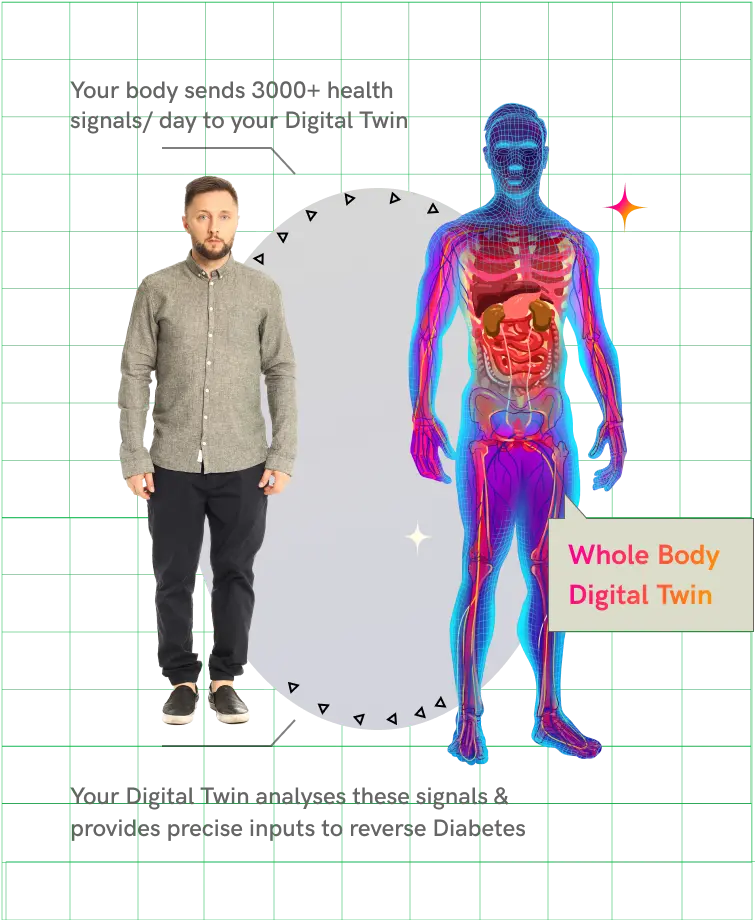
Precision Health Platform Twin Health Creates Revolutionary Medical Therapy for the Remission of Type-2 Diabetes

Twin Health's 'Whole Body Digital Twin™ creates revolutionary medical therapy for the remission of Type 2 Diabetes and chronic metabolic diseases; the American Diabetes Association recognized the scientific outcome and impact

'Whole Body Digital Twin™ technology enables a personalized approach to help improve disrupted metabolism for individuals with type 2 diabetes


Precision Health Platform Twin Health Creates Revolutionary Medical Therapy for the Remission of Type-2 Diabetes

Twin Health, a precision health platform that integrates sensors, machine learning, and medical science, recently announced their breakthrough technology, Whole Body Digital Twin™. The technology has been patented, and its scientific outcomes from the randomized clinical trial have been validated through acceptance in scientific sessions conducted by the American Diabetes Association (ADA), American Association of Clinical Endocrinology (AACE), International Diabetes Federation (IDF), Advanced Technologies & Treatments for Diabetes (ATTD), etc. for the remission of Type 2 diabetes and other chronic metabolic diseases like obesity, hypertension & Non-alcoholic Fatty Liver Disease (NAFLD). For individuals with type 2 diabetes, remission is defined as sustaining normal blood glucose (blood sugar) levels for at least three months without taking diabetes medication. The AI-powered research by Twin Health reported the highest known remission rate for Type 2 diabetes to date.

The Twin Health study, 'Remission of Type 2 Diabetes with Artificial Intelligence, Internet of Things, and Whole-Body Digital Twin: Initial Six-Months Results of Randomized Control Trial' outcome which was submitted to the American Diabetes Association, was selected to be featured in the official Press Program for the American Diabetes Association's 82nd Scientific Sessions, based on its overall excellence in furthering the research and treatment for people with diabetes, as well as its potential appeal to the medical and general news media. A total of 3 papers were submitted to ADA. All 3 papers got selected, and in addition to the press program, the other 2 papers – 'Metabolic Benefits beyond Glycemic Control with Artificial Intelligence, Internet of Things, and Whole-Body Digital Twin: Initial Six Months Results of a Randomized Control Trial' and 'Normalisation of Glycemic and Extraglycemic Parameters with T2DM Remission—Insights from RCT Enabled by Whole-Body Digital Twin Technology' - were invited for presentation.

Twin Health's clinical research team conducted a randomized controlled trial (RCT) to determine the effect of Twin Precision Treatment technology (TPT) versus standard care (S.C.) on change in A1C and Type 2 diabetes remission at 90-day intervals. The TPT intervention leveraged the Whole-Body Digital Twin Platform, with A.I. and the Internet of Things, to integrate multi-dimensional data to give precision nutrition, sleep, activity, and breathing guidance via the TPT app and coaches. Early RCT data were presented and published in the American Diabetes Association's Diabetes journal, with first-of-its-kind health outcomes. Patients had an average HbA1c reduction of 3.1 (average baseline 8.7), over 90% achieving type 2 diabetes reversal (HbA1c less than 6.5), and 92% eliminating all diabetes medications, including insulin. Furthermore, patients had an average weight reduction of 9.1 kg (20 lbs). Among patients with baseline abnormal liver function (defined by an elevated ALT on clinical lab values), there was an average ALT reduction of 24 units/L.

The scientific outcomes from the RCT and the commercial results have been published in 31 peer-reviewed international medical journals, conference papers, and abstracts. The findings were later presented as a late-breaking poster session at the 82nd Scientific Sessions of the American Diabetes Association (ADA), the world's largest scientific meeting focused on diabetes research, prevention, and care, held in June 2022 at New Orleans, LA. Additionally, another report presented at the 58thAnnual Meeting of the European Association for the Study of Diabetes reflected the correlation between the regression of microalbuminuria, blood pressure reduction, and remission of T2DM: Results of Six Month RCCT with Whole-Body Digital Twin Technology. The study demonstrated the potential for Whole Body Digital Twin technology to help achieve remission of Type 2 diabetes without medication in the long run.

Managing Type 2 diabetes can be challenging as each individual's metabolism functions differently, making it difficult to customize treatment for them individually. In July 2021, Twin Health expanded the Whole Body Digital Twin™ from reversing type 2 diabetes to reversing chronic metabolic diseases and improving overall metabolic health. The RCT demonstrated that the Whole Body Digital Twin™ could empower people to reverse and prevent conditions such as diabetes, prediabetes, and obesity, as well as significantly improve diseases such as hypertension, NAFLD, etc.

Speaking about this significant achievement, Dr. Paramesh Shamanna, Medical Director of Twin Health, said, "We are extremely pleased to announce that, The American Diabetes Association has endorsed the Whole Body Digital Twin® enabled precision treatment for the remission of Type 2 diabetes. This has taken us one step closer to our company's mission of reversing chronic diseases and assisting people in living healthier and happier lives. Our technology, the Whole Body Digital Twin™, is patented. Not just in the U.S., but in India, too, around 13000+ patients have benefited since the program's launch three years back. At Twin Health, we aim to address the root cause of metabolic disorders through the combination of advanced medical science and cutting-edge technology."

"Our results demonstrate the potential of Whole Body Digital Twin™ technology to change the conventional, medication-driven management of type 2 diabetes to achieving remission of Type 2 diabetes with a life free of medication. The program's impact on patient satisfaction, quality of life, and total cost of care is substantial and holds significant promise for large populations suffering from metabolic disease globally. We are proud of this accomplishment, which will spur us to develop more advanced technologies to control metabolic disorders in patients in the future," Dr. Shashank Joshi, Chief Medical Officer at Twin Health, added.

In the same vein, Dr. Maluk Mohamed, Co-founder, V.P. (Research) & CEO (India) at Twin Health, said, "Metabolic disorders caused by Type 2 diabetes, if left untreated, can prove fatal. The Whole Body Digital Twin™ has already empowered physicians and patients by offering highly personalized treatment decisions based on real-time metabolism feedback provided by patients' bodies. As a result, twin Members have reported experiencing freedom from difficult-to-sustain fad diets, intense exercise routines, and multiple medications with side effects. With the American Diabetes Association (ADA) endorsement, this revolutionary technology-enabled precision treatment will further gain acceptance among patients and healthcare providers.

As Twin scales its service in the U.S. and globally, it has the opportunity to transform and improve the quality of life for people who have lived with the experience of chronic metabolic disease for years.

About Twin Health

Twin Health invented the Whole Body Digital Twin™ to help reverse, improve and prevent chronic metabolic disease and, in many cases, eliminate medications, ultimately improving energy and physical health. Powered by artificial intelligence, the Whole Body Digital Twin™ is a dynamic representation of each individual's metabolism. Twin Health's randomized control trial is the world's first for reversing chronic metabolic disease using digital twin technology. In December 2021, Twin Health was named to C.B. Insights Digital Health 150 - C.B. Insights' annual ranking of the 150 most promising digital health startups in the world.

Wipro Study Finds 95% Business Leaders Consider AI Critical, Yet Only 17% Leverage it Across the Organization


Wipro Limited (NYSE: WIT, BSE: 507685, NSE: WIPRO), a leading global information technology, consulting and business process services company, today launched the ‘State of Intelligent Enterprises’ report. The study emphasizes that enterprises of the future will be built on a foundation of Artificial Intelligence (AI), Analytics, Machine Learning, Deep Learning and Automation, that are central to solving business problems and driving innovation. Most businesses consider AI to be critical to improve operational efficiency, reduce employee time on manual tasks, and enhance the employee and customer experience.

The ‘State of Intelligent Enterprises’ report examines the current landscape and shows the challenges and the driving factors for businesses to become truly Intelligent Enterprises. Wipro surveyed 300 respondents in UK and US across key industry sectors like financial services, healthcare, technology, manufacturing, retail and consumer goods. The report highlights that while collecting data is critical, the ability to combine this with a host of technologies to leverage insights creates an Intelligent Enterprise. Organizations that fast-track adoption of intelligent processes and technologies stand to gain an immediate competitive advantage over their counterparts.

Some of the key findings from the report are:
  • While 80% of organizations recognize the importance of being intelligent, only 17% would classify their organizations as an Intelligent Enterprise.

  • 98% of those surveyed believe that being an Intelligent Enterprise yields benefits to organizations. The most important ones being improved customer experience, faster business decisions and increased organizational agility.

  • 91% of organizations feel there are data barriers towards being an Intelligent Enterprise, with security, quality and seamless integration being of utmost concern.

  • 95% of business leaders surveyed see AI as critical to being Intelligent Enterprises, yet, currently, only 17% can leverage AI across the entire organization.

  • 74% of organizations consider investment in technology as the most likely enabler for an Intelligent Enterprise, however 42% of them think that this must be complemented with efforts to re-skill workforce.


Jayant Prabhu, Vice President & Head - Data, Analytics & AI, Wipro Limited said, “Organisations now need new capabilities to navigate the current challenges. The report amplifies the opportunity to gain a first-mover advantage to being Intelligent. The ability to take productive decisions depends on an organization’s ability to generate accurate, fast and actionable intelligence. Successful organisations are those that quickly adapt to the new technology landscape to transform into an Intelligent Enterprise.”

Download the full report from here

75% Young Population Trades and Holds Cryptocurrency on Exchanges, NEO Banks in India


Bit2Buzz,a brand dedicated to crypto PR and tech media agency from India, has dive deeper to understand the trading behaviors of Indians, Women representations, and participation, the effect of COVID-19 on Indian crypto-blockchain entities, and how these crypto and blockchain companies are making waves in India.


In the Study, it was asked NEO banks and crypto exchanges to outline the user group that hold and trade cryptocurrencies on their platform. The answers were quite exciting. While crypto exchanges including WazirX, CoinDCX, Pocketbits, Bitbns, and NEO banks including Cashaa and Oropocket reported major youth population using their platforms, an exchange like Unocoin and NEO bank ‘Bank of Hodlers’ witnessed heavy traffic from the middle-aged group [ between the age of 35 - 50].


Status of Women Trading and Holding Cryptocurrency India


Although the report by CoinMarketcap in late April indicates that the number of women in the crypto industry rose by 43.24 percent in the first quarter of 2020, yet the first-hand data that Bit2Buzz gathered from Indian crypto exchanges and NEO banks marked a different approach to this.


While WazirX and CoinDCX haven’t shared this analysis, women traders and hodlers in exchanges including Unocoin marked almost 15 percent, followed by Bitbns 11 percent and Pocketbits nearly 2 percent. On the other hand, the percentage of female users among NEO banks is quite impressive. With Oropocket counting over 39 percent, Cashaa and Bank of Hodlers marked 30 and 5 percent respectively. 


The Bit2Buzz's research about whether exchanges and NEO banks witnessed any positive or negative impact of COVID-19 on user's trading patterns on their platforms reveals that the companies have seen a massive surge.


As per the research, trading volume on Bitbns, Bank of Holders, and Unocoin has no major effect, on the other hand, Cashaa notes that they are opening more bank accounts. They also added that the volume has gone up more than 800%. Similarly, Sumit Gupta from CoinDCX emphasized that Indians highly active during the lockdown, adding;  


The lockdown due to the Covid-19 pandemic meant that Indians spent more time at home, sustaining the national interest and curiosity in cryptocurrencies that was already high due to the favorable Supreme Court verdict. This gave Indians the chance to learn more about the benefits they could accrue with crypto, as well as to learn how to engage in the trading of crypto. CoinDCX witnessed the continuation of growth from Q1 to Q2. And the daily trading volume on CoinDCX was around 15 million dollars. 


Moreover, Sohail Merchant from Pocketbits stated that the volumes and overall interest on Pocketbits have gone up due to users having more free time to research and trade. More so, Nishcal Shetty, founder, and CEO at WazirX notes their platform has seen a tremendous increase in trading volume (470% increase) and user signups. 


Shiksha rolls out Survey Report on Impact of global COVID-19 Lockdowns on Study Abroad plans of Indian students

- HIGHLIGHTS -


  • Impact of current situation on study abroad plans of students - Students who want to go abroad this year, only 11% students are strongly considering canceling their plans and 41% are strongly confirming that they are planning to go and have not changed their plan. On the other hand, 50% are considering the possibility of deferring their plan to future intake and 76% of students are likely to see how the situation evolves. This seems to suggest that if the situation turns around, both students and universities have a good chance of rescuing their intake. A very similar pattern emerged in the case of aspirants for 2021 or later.


  • Impact of online classes on study abroad plans of students - A majority of students (61%) interested in 2020 intake have suggested they will defer to future intake while 26% have indicated their willingness to enroll for online classes.


  • 78% of respondents who are interested in Australia are likely to defer to the next intake due to the availability of some courses in Oct-Nov intake or due to the requirement of high upfront deposit amounts.


  • Impact on students who are interested in 2021 or future intakes changing their study destination- 69% students who are interested in Australia are most likely to change their country preference, while those interested in the UK are least likely to change their country preference (only 25% are likely)


Shiksha, a part of Info Edge Limited and one of India’s leading career and college selection website for students, recently surveyed the“Impact of global COVID-19 lockdowns on study abroad plans of Indian students” that highlights the moods and preferences of students who are planning to go for 2020 intake and those in the early stages of their 2021 intake journey.

The survey titled “Impact of global COVID-19 lockdowns on study abroad plans of Indian students” has been conductedamongst students interested in studying abroad. Amongst the total number of survey respondents, 72% of respondents planned to go in 2020, while 27% of respondents planned to go in 2021 or later.

As per the survey report, for the students who are looking for 2020 intake, 46% are extremely concerned about the impact on jobs and salaries which seems to suggest that students are already thinking about long term potential impacts on their future jobs and salaries. If this turns around, students will revive their admission plans. Other dimensions where students are extremely concerned are personal health, international travel and any future impact on stay back periods. The quality of online education also seems to be a cause of worry. Whereas, the concerns for students who are planning for 2021 intake or onwardsinclude personal health, arranging finances, accommodation, impact on jobs & salaries.

While inquiring if the current situation has impacted their study abroad plans, amongst students who want to go abroad this year, very few students (11%) are strongly considering canceling their plans and 41% are strongly confirming that they are planning to go and have not changed their plan. On the other hand, 50% are considering the possibility of deferring their plan to future intake and 76% of students are likely to see how the situation evolves. This seems to suggest that if the situation turns around, both students and universities have a good chance of rescuing their intake. A very similar pattern emerged in the case of aspirants for 2021 or later. (Kindly Note: This question was a multiple choice where students can select multiple options because the underlying situation is changing quite dynamically and forced preference taken on a particular day may not hold true in future weeks as the situation changes.)

The study also emphasizes that a majority of students (61%) interested in 2020 intake have suggested they will defer to future intake while 26% have indicated their willingness to enroll for online classes. It has been observed that Canada & the USA are two countries where there seems to be a maximum willingness to enroll online. However, these are countries that also have a maximum time difference with India. So when classes are conducted during daytime in these countries, it will be night in India and this can become an impediment in their uptake.

A much higher percentage of respondents who are interested in Australia are likely to defer to the next intake (78%). This could be due to the availability of some courses in Oct-Nov intake or due to the requirement of high upfront deposit amounts.

Shiksha Study Abroad survey - “Impact of global COVID-19 lockdowns on study abroad plans of Indian students” also focuses on the fact that if the current situation is likely to have an impact on students who are interested in 2021 or future intakes changing their study destination. It shows that students who are interested in Australia are most likely to change their country preference (69% are likely), while those interested in the UK are least likely to change their country preference (only 25% are likely). Since every country has its dynamics, it made more sense to look at this data from the destination country of interest of the survey respondent.


In this context, Mr. Vivek Jain, Chief Business Officer Shiksha.com said, “As we can see, the survey clearly shows a likely change in student’s choice of the country due to the current situation. Students are more likely to shift away from Australia and New Zealand while aspirants preferring US/Canada are more convinced of their choice of country. 72% of students are planning to go abroad to study this year, clearly indicating that majority of students are not abandoning the study abroad plan. I expect the number of students going abroad for higher studies to see a temporary decline and again increase after the fears subside. While the global economy may get impacted in the short run, students going abroad for studies get impacted by the situation prevailing when they graduate and not when they join the course. If the economy sees an improvement next year onwards, students joining the courses this year may benefit. My suggestion will be not to panic and stick to your long term plans.”

About Shiksha Study Abroad

Shiksha Study Abroad (studyabroad.shiksha.com) is the largest college research website for Indian study abroad aspirants. Between 1st April 2019 to 31st March 2020, our study abroad website received 16 million online visits and 192k active registered students. We believe 1 in every 2 Indian students who go abroad from India is registered with us.


India's Largest Study to Understand the Impact of the Pandemic on Industry Launched by the Global Engineering Body - the IET

As India completes close to a month of lockdown major challenges across industries - both at individual and enterprise levels are now becoming clearer.

The Indian arm of the IET has announced the start of a massive dialogue with industry and academia to understand these issues. Under the banner of its already established IET India Digital Conversations, this study will create a platform for professionals across various career stages, to voice their deepest concerns regarding the uncertainties they envisage. These discussions named 'Your post COVID strategies' will throw up the biggest challenges of India's professional world and how the future will completely change due to them.

IET India would like to invite people from varied backgrounds and experience to participate in this study. The format of this study will be similar to a focus group discussion - therefore, every attendee gets a chance, to not just share their perspectives but also hear about the challenges that their peers are grappling with. There will be a series of discussions starting from 4 May 2020. The form to participate in these discussions are now available: https://bit.ly/3eHlpJR. These can also be found on IET India's social media handles. IET India encourages all professionals to step forward and voice their opinion to bring about a positive change in the future of work.

Speaking about the initiative, Shekhar Sanyal, Country Head and Director, IET India said, "The IET has always taken pride in being a constant source of support to engineering professionals, worldwide. This initiative will help us consolidate the voices of professionals across sectors and career stages, so that we get a 360 degree view. We are hopeful that the perspectives that we gain will help enterprises shape useful approaches to address the concerns of Indian workforce."

More information about IET India Digital Conversations - Your post COVID strategies can be found on IET India's Facebook, LinkedIn and Twitter handles.

About the IET

The IET is one of the world's largest engineering institutions with over 168,000 members in 150 countries. It is also the most multidisciplinary - to reflect the increasingly diverse nature of engineering in the 21st century.

The IET is working to engineer a better world by inspiring, informing and influencing our members, engineers and technicians and all those who are touched by or touch the work of engineers.

Institution of Engineering and Technology - India

The IET office started operations in India in 2006, in Bangalore. Today, we have over 13,000 members and have the largest membership base for the IET outside of the UK.

Given the increasing global importance of India as an engineering hub our aim is to make an impact that has relevance both locally and internationally. Our strategy is to make a meaningful impact on the overall competency and skill levels within the Indian engineering community and play an influencing role with industry in relation to technology innovation and solving problems of public importance.

We want to do this through working in partnership with industry, academia and government, focussing on the application of practical skills within both learning & career lifecycles, driving innovation and thought leadership through high impact sectors.

For more details, please visit india.theiet.org.

Twice as Much Food being Wasted Globally As Thought: Study

Consumers around the world may be wasting more than twice as much food as commonly believed, according to a study.

The Food and Agriculture Organization of the United Nations (FAO) estimated that in 2005, one third of all food available for human consumption was wasted, researchers from Wageningen University and Research in the Netherlands noted.

This figure has continued to serve as reference for the extent of global food waste, they said.

However, the FAO methodology does not factor in consumer behaviour regarding food wastage, and considers food supply alone in determining the extent of food waste, the researchers said.

The study, published in the journal PLOS ONE, is the first to investigate if and how consumer affluence may affect food waste, they said.

"Novel research using energy requirement and consumer affluence data shows that consumers waste more than twice as much food as is commonly believed," said Monika van den Bos Verma from Wageningen University and Research.

"It provides a new globally comparable base against which one can measure progress on the international food waste target, and suggests a threshold level of consumer affluence around which to launch intervention policies to prevent food waste from becoming a big problem," Verma said.

Using a human metabolism model and data from FAO, the World Bank, and the World Health Organization (WHO, the researchers quantified the relationship between food waste and consumer affluence.

Using this model, they created an international dataset providing estimates of global as well as country specific food waste.

The researchers found that once consumer affluence reaches a spending threshold of about USD 6.70 per day per capita, consumer food waste starts to rise.

The wastage increases rapidly with rising affluence at first, and then at much slower rates at higher levels of affluence, they said.

The study also showed that FAO's estimates of consumer food waste may be too low.

While FAO estimated food waste to be 214 kilo calories per day (Kcal/day) per capita in 2015, the new model estimated food waste as 527 Kcal/day per capita for the same year. This work relies on the accuracy of FAO's data, which may not always be complete.

The researchers also noted there are many consumer attributes that may affect food wastage beyond affluence.

However, the new study suggests that to achieve low global food waste, a joint focus on reducing high food waste levels in high income countries, and preventing waste levels from rising rapidly in lower-middle income countries -- where affluence is increasing -- may be needed.

The researchers believe that the method behind this study can be used as a basis to introduce the affluence elasticity of waste as a new concept in future models.

It may also help better understand and assess current food waste magnitudes, and help measure global progress in reducing food waste, they said. PTI

A Study Finds that 53% Indians Faced Online Abuse on Social Media Platforms

#BeAware, a study conducted by Social Media Matters, Do Your Thing and Institute for Governance, Policies, and Politics revealed that 53% Indians have faced online abuse on Social Media Platforms. Out of these, only 66% reported the incident to the platform, from which 52% reported the cyber crime to the police as well. 

Nearly half of the population of planet earth is actively using the digital spaces to communicate and connect with the global audience. #BeAware studied the awareness and perception of community guidelines and social media reporting mechanisms present on social media. The questionnaire included open and close-ended questions for the participants to share their experiences. A total of 1067 users participated in the study from across India between the period of December 2019 to January 2020.

Institute for Governance, Policies & Politics (IGPP) in their statement said that the research study was done to understand the efficacy of reporting mechanism and community guidelines of social media platforms. It has analysed the responses of nearly a thousand participants based on their experience, perception, and feedback particularly on the issue of hate speech, online abuse, and online financial fraud.

The respondents are covered across states, age-groups, and gender. It is found that online users in the age-group of 22-25 are more exposed followed by above 30. Furthermore, nearly half of the participants are female and transgender who faced such negative experience largely and also reported the case more than male members. However, most netizens are of the opinion that there is a need to raise awareness of reporting mechanism and community guidelines of social media platforms through various methods such as online safety workshop.

The study also stated that 53% of Indian Online Users are not aware of the existing community guidelines by Social Media Platforms. These guidelines primarily set the tone and state policies of the social media platform to deal with violation of rules, illicit cyber behaviour, etc. on social media platforms. 62% of the respondents said that they are aware of the reporting mechanisms but a large number i.e. 73% users recommending escalation of initiatives to raise awareness about community guidelines and reporting mechanisms. 

Commenting on the outcomes of this study, Amitabh Kumar, Founder of Social Media Matters quoted, “More than half the users on social media platforms have faced some kind of abuse, this is not acceptable! To realize our dream for #DigitalIndia it is essential that we make cyberspaces safe. There is a lot of work to be done by Social Media Platforms to achieve this."

53% of the respondents also believed that some improvisations are required to build an efficient reporting mechanism on the Social Media Platforms. #BeAware also gathered user’s recommendations to raise awareness regarding the reporting mechanism of social media in India. 24% respondents believed that offline awareness will help in letting users know about them, 23% believed that online awareness will do the needful and 23% of the respondents selected a combination of various methods to increase awareness.

About Social Media Matters:

A team of Young, Feminist, Social Media Ninjas, working for Social Change. True believers in technology we have been empowering diverse groups. We specialize in all aspects of online safety, from policy to capacity building. We have done Internet safety workshops across India and the globe, created innovative tech solutions such for positive use of social media.

It is Safer Not to Have A Password than A Weaker One - WEF Study

With weak or stolen passwords accounting for an average of four out of five global data breaches, a new study has said it is safer not to have a password.

The new report released by the World Economic Forum, here during its 2020 annual meeting, said that freeing ourselves of passwords will actually make individuals safer and businesses more efficient.

Cybercrime is set to cost the global economy USD 2.9 million every minute in 2020, and some 80 per cent of these attacks are password-related.

Knowledge-based authentication – whether with PINs, passwords, passphrases, or whatever we need to remember – is not only a major headache for users, it is costly to maintain, the study found.

For larger businesses, it is estimated that nearly 50 per cent of IT help desk costs are allocated to password resets, with average annual spend for companies now at over USD 1 million for staffing alone.

"Passwordless authentication does not mean removing all security barriers to our digitalized society. It means harnessing tools such as artificial intelligence and machine learning to save users time and save company money," the WEF said.

"With the growing availability of biometrics and next-generation technology, consumers are demanding a better digital experience while wanting to be secure online," said Adrien Ogee, Project Lead, Platform for Shaping the Future of Cybersecurity and Digital Trust, World Economic Forum. "Better authentication practices are not just possible they are a necessity."

The report, produced in collaboration with the FIDO Alliance, has suggested five top passwordless authentication technologies, ready for implementation by global companies. They are biometrics, behavioural analytics, zero-knowledge proofs, QR codes and security keys.

"Relying on passwords as the primary means for authentication no longer provides the security or user experience that consumers demand," said Andrew Shikiar, Executive Director and Chief Marketing Officer of the FIDO Alliance.

The path forward is with standards-based, cryptographically secure authentication that keeps login info secure and private, while providing a fundamentally better user experience. PTI BJ

Businesses Face Digital Ceiling in Transformation Progress: Infosys Study

Businesses are facing a digital ceiling in their transformation process and few companies globally have reached the advanced stage on this front, an Infosys study released here showed on Wednesday.

However, India ranks the highest in the digital maturity index and Indian companies are ahead of the global average, particularly in operating at scale in Application Programming Interface (API).

Digital marketing is a particularly strong capability for Indian companies, according to the new global study by Infosys Knowledge Institute.

The Infosys Digital Radar 2020, which measured companies' progress against 22 digital initiatives, this year found that India ranks the highest in the Digital Maturity Index at 71.4, whereas the overall digital maturity, stands at 62.3.

The study reveals that 38 per cent of companies are in the visionary category which is significant percentage for India.

The report, which surveyed over 1,000 executives globally, ranked the most digitally advanced companies as "Visionaries", followed by "Explorers"” and then "Watchers".

While influenced by high representation in the digitally strong high-tech sector, this is still a strong showing for India.

Compared to the rest of the world, India excels in cybersecurity and APIs (60 per cent in the India vs 51 per cent globally). One of the strongest digital transformation initiatives in the Indian market is digital marketing (62 per cent in India vs 45 per cent globally).

The biggest challenges to transformation in India is managing risk-averse cultures to tech advancement (45 per cent in 2020 vs 47 per cent in 2019).

Infosys' study found that, globally, enterprises in India perform better than Explorers in all initiatives.The top drivers for companies in India in achieving digital maturity is a quick response to changing and improving efficiency (78 per cent).

Infosys Digital Radar 2020 assessed the digital transformation efforts of companies on a Digital Maturity Index and found year-over-year progress in basic areas, such as digital initiatives to improve a company's efficiency.

However, most companies come up against a "digital ceiling" when trying to achieve the most advanced levels of maturity.

Salil Parekh, CEO and MD at Infosys, commented: "We've seen enterprises successfully employ emerging technologies to optimise productivity and efficiency, but struggle at the next stage of digital maturity.

"Faster, better, and cheaper technology alone will not provide the improvements enterprises need," he said.

Parekh said the research has shown that companies which can keep pace with digital transformation are those that design digital initiatives to improve customer experiences and empower their employees, differentiating themselves and propelling their business to the most advanced levels of progress. PTI BJ

Employees Spend over 3 Hours a Day on Easily Automatable Tasks: Study

Office workers are ready to welcome automation of repetitive digital tasks, as on an average employees spend more than three hours a day on mundane computer tasks which are not part of their primary job and are ripe for human error, a survey said on Tuesday.

According to a global study commissioned by Automation Anywhere, in India, out of 1,000 participants surveyed, 88 per cent believe humans should not be carrying out repetitive administrative tasks if they can be automated.

The research by the robotic process automation player noted that nearly half of workers surveyed found digital administration boring and a poor use of their skills, while majority of respondents said it gets in the way of doing their main job and reduces their overall productivity.

With an 8-hour workday being the global norm, according to the survey, the average employee loses 60 hours per month to easily automatable tasks.

By deploying a digital workforce and automating these repetitive tasks, employees could be given back a quarter of their annual work time (4.5 months) to focus on more meaningful work, boosting productivity and overall business value.

At the very top of the "hated task" heap is general data entry – manually inputting data into a computer or other devices, followed closely by managing e-mail traffic and filing digital documents – such as documents, spreadsheets, images or PDFs - into the correct digital folder.

Compiling reports from IT and software systems and invoice management round out the top five most hated tasks, the survey noted.

"Close to 80 per cent of the participants in India believe that admin work is an obstacle for them to do their main job," said Milan Sheth, Executive Vice President India, Middle East & Africa, Automation Anywhere.

Sheth further said "workers can focus on higher value tasks if the mundane repetitive tasks can be automated".

As per the report, more than 95 per cent of participants in India are open to the idea of working alongside digital co-workers/software bots. Besides, 55 per cent of respondents said they would consider leaving a job if this manual administrative load became too high, while 85 per cent would be attracted to work at a company that invested in automation to reduce repetitive digital administration tasks.

Automation Anywhere commissioned independent research group OnePoll to conduct 10,500 interviews with office workers in 11 countries around the world in 2019. Respondents represented a variety of demographic groups, job levels, industry sectors and company sizes. PTI DRR DRR

India Top-Most Country for Presence of Social Entrepreneurs: Schwab Foundation study

Social entrepreneurs working with the Schwab Foundation for Social Entrepreneurship have distributed USD 6.7 billion in loans or value of products and services, improving lives of more than 62 million people in 190 countries, and India is the top-most country in terms of their presence, a new study showed on Friday.

These social entrepreneurs have also helped mitigate more than 192 million tonnes of CO2 and improve education for more than 226 million children and youth.

Besides, they have helped provide energy access for more than 100 million people, and have driven social inclusion for over 25 million people.

The report, titled Two Decades of Impact: Schwab Foundation for Social Entrepreneurship, has been released ahead of the 50th World Economic Forum (WEF) Annual Meeting in Davos and focusses on how social entrepreneurs can achieve impact at scale, change the systems in which they operate and contribute to the Sustainable Development Goals.

"The community has distributed more than USD 6.7 billion to projects and products that have enhanced livelihoods, including increasing healthcare access, providing clean energy solutions, and improving education outcomes," the report said.

"This report challenges the notion that models of social innovation can be dismissed as small, isolated islands of success amidst our overwhelming global challenges," said Hilde Schwab, Co-founder and Chairperson of the Foundation.

"Consider the combined capability of all social innovators in the world, those recognised in networks like the Schwab Foundation, and the hundreds of thousands that exist in local communities around the world," she said.

This community of social enterprises operate in more than 190 countries, with 25 per cent of them reaching at least 90 countries each.

All 10 countries in which social entrepreneurs are most active are low to middle income markets (with the exception of the US), and six of those are in Africa. They include Brazil, Ethiopia, India, Kenya, Mexico, Nigeria, South Africa, Tanzania, Uganda and the US.

India is on the top with 46 such social entrepreneurs, followed by 40 in the US, 34 in Kenya, 29 in Brazil and 26 each in South Africa and Uganda.

"Social innovators have pioneered sustainable approaches and inclusive business models, and serve as a clear demonstration that models of stakeholder capitalism can indeed work," said Klaus Schwab, the WEF Founder and Executive Chairman.

The Schwab Foundation was established 20 years ago as a platform to support an under-recognized movement of people who were developing innovative business models delivering social or environmental good.

It provides exposure, capacity building and a trusting community of social-change leaders within the World Economic Forum. It now represents 384 late-stage social innovators operating in more than 190 countries worldwide. PTI BJ

Cos Likely to Extensively use AI to Deal with Cyberattacks, says Study

Artificial intelligence (AI) and machine learning (ML) will be powering the 'cyber war rooms' in organisations to help them protect from increasing cyberattacks, as well as detect, predict and respond to the same, a PwC India and Data Security Council of India (DSCI) study said.

The study titled 'Cyber Security India Market: What lies beneath' also notes that the regulatory landscape for privacy and data protection is expected to reach a tipping point in 2020, forcing Indian organisations to comply with not only global regulations but also with the proposed law on personal data protection, the Aadhaar Act.

"On the flip side, cyber attackers too would be weaponising AI/ML to initiate attacks with record speeds and precision," it said, adding that businesses are expected to adopt tools and solutions embedded with AI/ML capabilities to keep threats and attacks at bay.

As per the study, almost all organisations will increase their expenditure on upgrading their security in their cloud environments because of the uniqueness of the threat actors on these systems.

"Organisations will be concerned to protect their cloud-based infrastructure and invest in people, processes and technology to fortify the layers of cloud-based networks, including insider threats," said the joint study.

Further, there will be increased focus on adopting security operation centres to strengthen breach response capabilities, and organisations will leverage emerging tools and technologies with built-in AI/ML capabilities and regularly practice and refine their breach response plans.

As per the study, organisations will begin to recognise the fact that most of the breaches today start at the endpoint, allowing threat actors to sneak into the company networks.

The number of endpoints (including mobile devices) continues to rise and so does the business data being processed/stored in them.

While threats like mobile malware seem to have a low direct impact on businesses, "we do see an increase in the number of data breaches related to mobile device use and misuse", it added.

Every device used to access company systems is yet another endpoint for the organisation to secure.

Organisations need to be careful and avoid deploying tools and solutions to solve an immediate problem or a single case. PTI NKD CS

Older PCs can Double Productivity Losses of SMBs in India - Microsoft study


  • PCs that are over 4 years old have 3.2X likely chance to be repaired resulting in 132 hours of productive time lost which is 2.2X of newer PCs 

  • SMBs keen to make the shift to Windows 10 for elevating business growth, improving workforce productivity and reducing operational costs


Small and medium businesses (SMBs) in India with PCs that are more than four years old and running older operating systems can experience more than double productivity losses as compared to newer PCs. Not just work efficiencies, older PCs expose organizations to security vulnerabilities and IT threats. Nearly 43% SMBs still own PCs that are more than four years old and are running older operating systems.

These findings were revealed in the latest Microsoft study in partnership with global SMB IT market research and analyst organization TechAisle, which polled almost 2,000 SMBs across Asia Pacific.


SMBs that have already embraced modern workplace strategy have experienced higher productivity, reduced costs, and enhanced security. 95% of the SMBs surveyed agreed that adopting new PCs has reduced overall maintenance costs and 83% of them has seen higher productivity benefits.


Farhana Haque, Group Director – Devices, Microsoft India said, “Technology can be a real enabler for businesses, both small and large, and SMBs need to recognise the value that IT investment can bring to their present and future growth. SMBs employ over 110 million people in India, significantly contributing to India’s economic growth. Microsoft is helping SMBs in India realise their ambitions and succeed in this competitive marketplace.”

According to the study, the continued delay in SMBs’ adoption of newer technological infrastructure across business functions, was due to factors such as perceived app incompatibility and high costs associated with acquiring and maintaining new IT hardware and software. Nearly two-thirds of SMBs surveyed (66%) said they did not have a PC refresh policy nor were they actively pursuing it.

However, the reality is that the lack of a strategic PC refresh policy can result in greater repercussions in the long run. There is a 3.8 times higher chance of old PCs requiring repairs, which can result in at least 132 hours’ worth of productive time lost. 

Ways to narrow the technology adoption gap include cloud adoption and Windows-as-a-Service. SMBs can refresh their older PCs as Windows-as-a-Service provides security patches and regular OS updates for optimized use. Concerns over app compatibility are addressed with Windows 10, the most app-compatible version of Windows-to-date with best practices including app telemetry, ISV partnerships for diagnostic data and troubleshooting as well as looping feedback cycles.  With the upcoming Windows 7 End of Support, SMBs have to make their shift towards newer PCs and operating systems as users will no longer receive security updates or support for PCs running on Windows 7. This includes new security updates, non-security hotfixes, free or paid assisted support options, and online technical content updates. 

For 41% Online Fintech Customers in India, Regular Sports is Important - Study

Health is one of the life priorities for people in Asia. The company has revealed that almost every fifth of its customers in the Philippines, Indonesia, Vietnam and India work out two or more times a week.

While Indians do not show the highest discipline (17%) compared to Indonesians (23%), Vietnamese (22%) and Filipinos (21%), still sports activities take a significant place for many local customers.

There is an interesting contrast in the types of sports activities favoured by customers in different countries. Particularly, Indians prefer fitness (39%). It makes them close to Indonesians (36%) and differs from the Vietnamese and Filipinos fond of playing ball sports (42% and 29%, respectively): football, basketball, volleyball, tennis, etc. For customers in India, it takes only second place (27%).

Commenting on the results of the poll, the analysts of Robocash Group added: “Overall, the main reason to use online financing services remains the same: it helps meeting current expenses. However, for different customers, the scope of regular needs maybe not limited by food and monthly payment bills.

The survey has revealed that, on average, one out of four respondents used online financing for purposes related to sport at least once. It means that sport is gradually taking its place within the structure of regular expenses as a means of maintaining good health."

Respectively, it is quite significant that almost every fourth of respondents in India (26%) might use online financing for sports purposes in the future. For example, to purchase the necessary sports equipment, pay for tickets to events etc.

67% Users prefer Virtual Assistants with a ‘Friendly’ Personality - Study by Haptik

Research study by the world’s largest Conversational AI company reveals
67% users prefer virtual assistants with a ‘friendly’ personality in terms of comfort level, efficiency, and likelihood of re-engagement


Haptik, the world’s largest Conversational AI platform, has published a research study on  “Virtual Assistant Personality Preference Among Urban English Speakers”. The study was conducted by  Brinda Mehra, a Psychology student investigating the effects of inserting personality in chatbots and virtual assistants, and its influence on customer experiences primarily across three domains- likelihood of re-engagement, comfort levels and estimation of productivity and efficiency.

The research paper is available for download here.

As a part of the study,  Haptik conducted experiments using bots with three distinct personality types:


  • Transactional bot (impersonal and serious bot solely focused on efficiently completing tasks).

  • Prosocial bot (attempts to mimic a ‘helping hand’, engaging in social niceties and easing users through task completion).

  • Friendly bot (emotional and energetic bot that uses slang and pop culture references, simulating conversations between close friends).


The study revealed that urban English speakers overwhelmingly prefer virtual assistants that exhibit a friendly personality - rating them higher than more impersonal, purely ‘transactional’ assistants when it comes to factors such as comfort level and efficiency while completing tasks. They were also more likely to re-engage with ‘friendly’ assistants.

In the first experiment, participants, aged between 18-50, were asked to order food using each of the three bots. Although their ages varied drastically, their demographics were  roughly the same. All participants had completed or were completing some level of tertiary education, had access to a smartphone or laptop (if not both) and were fluent English speakers living in metropolitan cities like Mumbai, Delhi and Hong Kong.


They were then asked to rate each of the three bots on a Likert scale, on three parameters - likelihood of re-engaging with the bot, their comfort level with the bot, and the efficiency with which the bot completed the task at hand.

The results of the experiment were as follows:


  • 40% of participants said that they felt extremely comfortable interacting with the friendly bot.

  • Participants were nearly three times more likely to state that they would definitely want to interact with the friendly chatbot again, as compared to the transactional bot.

  • The friendly bot was nearly four times more likely to get the highest rating for productivity and efficiency, as compared to the transactional bot.

  • The average ranking of the friendly chatbot was around 22% higher than that of the transactional bot.


The overwhelming preference for the friendly personality was further validated by the second experiment, with participants being asked to rate the three types of personalities based on viewing an interaction with a chat-based dictionary. The participants of the second experiment were aged 11 to 15, indicating that the preference for the friendly bots applies across age groups. The findings revealed that 67% of participants expressed a preference for the friendly bot, over the prosocial and transactional types. Qualitative feedback collected from the participants indicated that the friendly bot made them “feel like they were talking to another human being”. The use of gifs, slang and emojis by this bot also appealed to them.

What this means for the future of user engagement?

The one-of-its-kind study by Haptik has revealed interesting insights that can have far-reaching effects on how we understand man-machine engagement today.  “The popularity of the friendly bot gives enterprises a new perspective to look at conversational AI solutions,'' said Prateek Gupte, VP - Product at Haptik. “The evolution of virtual assistant personalities is currently enjoying the beginning of its golden age.  This study is an important contribution to the literature on the subject. At Haptik, we have continuously stressed on building bots that have both a distinct personality along with targeted utility.  Chatbots and virtual assistants, after all, are essentially the 24x7 voice of enterprises and brands to engage with end-users. Therefore, they are best served to have bots which can make conversations fun for users and something to look forward to."

Interestingly, Haptik has been doing significant work in the field of enhancing user experience in chatbot engagement. Its research team conducts extensive, granular level analysis of each element involved in chatbot conversations, such as the font, sound design, tonality of conversation, length of sentences, and even the emoticons used.

Kartik Poddar, Haptik’s Business Head, also commented on the study by saying “While there have been previous studies on bot personality, they have largely focused on general conversation chatbots like Mitsuku or Xiaoice. Our study is a rare experimental investigation on the role that personality plays in the context of enterprise virtual assistants. It will certainly inform our approach to designing superior conversational experiences for our partners - by enhancing our understanding of how to make human-to-machine interactions a lot more engaging, while still keeping our partners’ unique brand voice and personality in mind."

For those looking to get a more in-depth understanding of the research process and the insights obtained, download the research paper here.

About Haptik

Haptik is one of the world’s largest Conversational AI companies, having reached over 100 million devices, and processed over 2 billion conversations till date. The company has been the recipient of several industry accolades, including the Frost & Sullivan Award for Conversational AI Company of the Year 2018, and recognition as one of the Top 25 AI Companies in the World 2018 by AI Time Journal. Haptik’s leading clients and enterprise partners include Samsung, Oyo Rooms, KFC, Coca-Cola, Tata Group, Club Mahindra among others. Haptik is a part of the Reliance Jio group of companies, which acquired a majority stake in the company in a $100 million deal in April 2019.

India is World's Most-Preferred Destination for Starting Business

India is a land of contradictions. While Indian government programmes like “Start-Up India” failed to support startup ventures in the country leading to more startup failure then success we see, a latest study has something otherwise to say. A latest study conducted by SEMrush, an online digital marketing suite, has revealed something opposite to the popular belief that India is not a perfect place for starting a venture.

According to the study, India happens to have become the most-preferred destination in the world for starting a business, if one goes by the number of people searching for the best place to set up shop.

India leads the Top 10 globally most searched countries online for ‘starting business in’, revealed the study. Moreover, the study has also established the fact that India is not just a preferred choice for Indians to do business in their homeland, but is also becoming a priority for Small and Medium Enterprises (SMEs) from across the world, according to a SEMrush official.

The study showed India is followed by Singapore, the Philippines and Australia as top globally searched nations.

According to SEMrush’s research on the term “How to start a business in…”, the top 10 most globally searched countries online are:

1- India

2- Singapore

3- The Philippines

4- Australia

5- Canada

6- New Zealand

7- Pakistan

8- South Africa

9- United Arab Emirates

10- Malaysia

Rohan Ayyar, Regional Marketing Manager India, SEMrush, says the number of SMEs in India is 4.25 crore, registered and unregistered, with over 10 per cent average growth rate. He was quoting a report by EVOMA. “The GDP contribution by SMEs is estimated to be around 6.11 per cent from the manufacturing and 24.63 per cent from the service sectors,” he said. SEMrush analysed the global search pattern for the last 12 months and looked for certain key search terms such as ‘how to start a company in’, ‘opening business in’, ‘found a business in’ and other related search queries.


Though Singapore is famous for its wide entrepreneurial opportunities, and the National University of Singapore, the oldest and the largest university in the country, ranks in the global Top 30 for its entrepreneurship centre and international outlook, the nation was at second spot, according to the SEMrush study. Ayyar said unemployment rate of 2.1 per cent and per capita GDP of nearly $53,000 tend to make Singapore’s economy one of the strongest on the world arena, and almost 99 per cent of it is powered by SMEs. It is no surprise that Singapore tops the list of countries where people are eager to found a firm, he said.

Ayyar added the results of search queries analyses over 2017-18 were greatly commemorative. “The search volumes for India were much higher in comparison with countries such as Australia, Canada and the UAE. The developments in PPP model and progressive policies and plans have further helped start-ups and businesses to grow, giving a great boost to SMEs.”

~ Via BusinessLine

[Top Featured Image by Francisco Arnela on Unsplash]

Soon You Could Send Scented Odors In Your Online Messages

Smell is one of the six senses that the human beings are blessed with. It is one of the senses that we make use of almost all day, 24x7, sometimes even while sleeping. But, can smell help us express our emotions better?

Recently, a Chinese study which involved 54 people aimed to study whether humans can express their emotions with scent during digital communication. The researchers have named the concept “odor emoticon.”

Published in The International Journal of Human-Computer Studies in April this year, the study basically took place in three main phases. It involved selecting separate groups of participants, reviewing them, and then corresponding them with one another by making use of scents.

The researchers, Wei Xiang, Shi Chen, Lingyun Sun, Shiwei Cheng, and V. Michael Bove Jr., discovered that chatting which was enhanced by smell proved to be more intuitive, lead to more communication, and provided the participants a helping hand in perceiving and conveying their emotions during conversations.

Psychologists strongly believe that there exists a strong physiological connection between olfaction and the system that is responsible for emotional experiences in humans.

Odors are uniquely emotionally evocative. This is mainly because humans have a tendency to associate them to places, people and internal states. They have acquired a strong role in helping people communicate beyond what they see and hear.

Unfortunately, even despite of having its own power of induction, odor still hasn't been used or incorporated in modern day mainstream technology. According to experts, the main reason behind this is the fact that the world currently houses over hundreds of thousands of complex odors and its very difficult to replicate all of them.

But, V. Michael Bove Jr., an MIT professor and one of the authors on the study, strongly feels that the main reason behind why odors still haven't found a place in modern technology is simply because they haven't been researched that much in human-computer interaction that they should have been up till now.

A National Geographic survey conducted in the year 1986 is considered as the biggest olfaction study till date. During the survey, approximately 1.5 million subscribers of the magazine “scratched and sniffed” a page of six samples sent to them in the magazine. The results of the survey revealed how strongly age and gender influence a person’s sense of smell.

It is interesting to note that while smell dating services and pheromone parties have found a way to utilise these studies which have found a connection between odor and sexual attraction, olfaction hasn't yet found its true space in digital communication-where other senses like sound, sight, and touch are being prominently used.

But, according to Bove, this is slowly starting to change. In the Media Lab that they're currently working, there are at least three olfaction-related projects in action.

In the first phase of their research, the researchers from MIT and Zhejiang University surveyed 98 people about which odors they thought best depicted certain emotions. After this, a 50-person research group smelled the chosen odors and started aligning them with what they felt were the most accurate corresponding emotions.

According to Zhejiang University professor, Wei Xiang, who is one of the authors on the study, the most surprising finding of the study was that they got several odor emoticons. While the previous studies done in the domain had managed to strike a connection between the simple feelings/emotions like disgust and pleasantness with certain specific smells, this particular study ended up finding that “odor emoticons” might actually function in ways similar to the visual emojis that humans currently use.

Towards the end of the study, the researchers came up with 9 odor emoticons, which included “vinegar” for “envy," "apple” for “happiness,”and “rose” for “love."

During the final stage of the study, 54 new participants tried out the odor emoticons. The participants were first made to listen to pre-recorded voicemails while a prototype “Olfaction machine” secreted the pre-selected scents from the Demeter Fragrance Library by making use of an air humidifier.

[caption id="attachment_111528" align="aligncenter" width="700"]mage: Zhejiang University/MIT Image: Zhejiang University/MIT[/caption]

The next step involved the participants communicating on pre-selected topics like the 2008 Wenchuan earthquake and 2014 World Cup via text. While chatting, the participants had an option of clicking a button with a listed emotion which would then trigger the prototype Olfaction machine to emit the odor associated with the emotion. For example, during a conversation about the tragic 2008 Wenchuan earthquake, a participant recalled an incident where a teacher had abandoned his students during the natural disaster, and chose to emit “anger” (ammonia) during the conversation.

Towards the end, the least chosen emoticon was “envy" and most frequently chosen was “happiness.”

After the experiment, majority of the participants expressed that they found it easy to connect odors with corresponding emotions, and that they had actually enjoyed using them, and found them easy to incorporate into their conversations. On the basis of their responses and feedback, the researchers came to the conclusion that smells can be potentially used in enhancing a users’ implicit understanding of the emotional content of the messages in a textual conversation.

However, the researchers have stressed that this was just an early-stage test in understanding the true potential for olfaction in human-computer interaction. Further, one major problem with the study was that it was very culturally relative. Being a China based study, many of the odor-emotion connections discovered in the project were found to be bound specifically to the Chinese experience.

[Top Image: goodtimes.sc]

What makes India 2nd in most shadow entrepreneurs in the world!

shadow-entrepreneur-india

According to a latest UK study, India has the second highest number of shadow entrepreneurs in the world. Indonesia has claimed the top position in the study. The survey states that for every legally registered business in India, there are 127 shadow businesses that are not.

A large number of shadow entrepreneurs have been hampering the economic growth of India by conducting their businesses without registering with the official authorities, according to the researchers at Imperial College Business School, London.

The research team formed a league table test which was based on an extensive study of 68 countries. The data for the league table was combined from the World Bank and Global Entrepreneurship Monitor.  They concluded that Indonesia has the highest ratio of shadow economic businesses to every business that is legally registered which is 130.  This was closely followed by India where the ratio is 127. Shadow entrepreneurs are basically people who run a business by selling legitimate services and goods but their businesses are not registered.

These entrepreneurs function in a shadow economy by working outside the reach of the government authorities. They don't even pay taxes.

Professor Erkko Autio, co-author of the study report states that it is extremely important for developing countries to understand the shadow economy entrepreneurship as it is one of the key factor affecting the economic development of a country. The report is a first of its kinds as it makes an effort to examine the number of entrepreneurs functioning in the shadow economy for the very first time.

According to him, the government can play a crucial role in the transition of shadow economy entrepreneurs to the formal economy. The government needs to understand its duty and implement necessary policies as these shadow entrepreneurs hamper the economic growth of the country as they are less likely to come up with innovative ideas, accumulate capital for them and then invest in the economy.

These shadow entrepreneurs account to about 80% of the total economic activity in the developing countries. Roadside food stalls, unlicensed taxicab services and small landscaping operations are some of the examples of such shadow businesses.

The report also suggested that in order to increase the rate of formal economy entrepreneurs by up to 50 %, developing countries like India should try to improve the quality of its democratic institutions. The 50% increase is only possible when the government is somehow able to cut the shadow entrepreneurs by a third at the same time. As a result of all these measures, the government will be able to rake in additional revenue from the taxes.

The report also notes that these shadow businesses lead to unfair competition to registered businesses, loss of tax revenue and poor productivity. These enterprises are out of reach of law as they are unregistered and often such entrepreneurs become vulnerable to corrupt officials working in the government.

The report also concluded that formal entrepreneurs are most likely to propagate in a place where there are proper political and economic frameworks in place.

What makes India 2nd in most shadow entrepreneurs in the world!

shadow-entrepreneur-india

According to a latest UK study, India has the second highest number of shadow entrepreneurs in the world. Indonesia has claimed the top position in the study. The survey states that for every legally registered business in India, there are 127 shadow businesses that are not.

A large number of shadow entrepreneurs have been hampering the economic growth of India by conducting their businesses without registering with the official authorities, according to the researchers at Imperial College Business School, London.

The research team formed a league table test which was based on an extensive study of 68 countries. The data for the league table was combined from the World Bank and Global Entrepreneurship Monitor.  They concluded that Indonesia has the highest ratio of shadow economic businesses to every business that is legally registered which is 130.  This was closely followed by India where the ratio is 127. Shadow entrepreneurs are basically people who run a business by selling legitimate services and goods but their businesses are not registered.

These entrepreneurs function in a shadow economy by working outside the reach of the government authorities. They don't even pay taxes.

Professor Erkko Autio, co-author of the study report states that it is extremely important for developing countries to understand the shadow economy entrepreneurship as it is one of the key factor affecting the economic development of a country. The report is a first of its kinds as it makes an effort to examine the number of entrepreneurs functioning in the shadow economy for the very first time.

According to him, the government can play a crucial role in the transition of shadow economy entrepreneurs to the formal economy. The government needs to understand its duty and implement necessary policies as these shadow entrepreneurs hamper the economic growth of the country as they are less likely to come up with innovative ideas, accumulate capital for them and then invest in the economy.

These shadow entrepreneurs account to about 80% of the total economic activity in the developing countries. Roadside food stalls, unlicensed taxicab services and small landscaping operations are some of the examples of such shadow businesses.

The report also suggested that in order to increase the rate of formal economy entrepreneurs by up to 50 %, developing countries like India should try to improve the quality of its democratic institutions. The 50% increase is only possible when the government is somehow able to cut the shadow entrepreneurs by a third at the same time. As a result of all these measures, the government will be able to rake in additional revenue from the taxes.

The report also notes that these shadow businesses lead to unfair competition to registered businesses, loss of tax revenue and poor productivity. These enterprises are out of reach of law as they are unregistered and often such entrepreneurs become vulnerable to corrupt officials working in the government.

The report also concluded that formal entrepreneurs are most likely to propagate in a place where there are proper political and economic frameworks in place.

Market Reports

Market Report & Surveys
IndianWeb2.com © all rights reserved