Showing posts with label Food. Show all posts

Blinkit Faces Maharashtra FDA Action as 18,405 Expired Food Items Are Detected

Blinkit Faces Maharashtra FDA Action as 18,405 Expired Food Items Are Detected

The Maharashtra Food and Drug Administration (FDA) has suspended the food business licence of Blinkit’s Bhiwandi facility after inspectors allegedly found major lapses in the handling and disposal of expired, damaged and rejected food products. The action follows an inspection that uncovered 18,405 food items worth more than ₹32.71 lakh for which the company could not provide adequate traceability records or proof of destruction.

What Triggered the FDA Action?

According to Maharashtra FDA officials, an inspection conducted on 21 October at Blinkit's warehouse facility in Bhiwandi, Maharashtra, revealed that the company was unable to provide end-to-end traceability and documentation showing the disposal of approximately 18,405 expired, damaged or rejected food products valued at more than ₹32.71 lakh.

Regulators stated that the absence of proper records raised concerns about whether the inventory had been safely destroyed as required under food safety regulations. As a result, the FDA ordered the immediate suspension of licensed food operations at the premises.

Public Health Concerns at the Centre

The FDA said its primary concern was the possibility that food items classified as unsaleable could potentially re-enter the consumer market. Officials argued that expired or damaged products pose a direct risk to public health if they are diverted back into commercial channels instead of being scientifically destroyed.

The regulator described the situation as a serious compliance failure because businesses handling food products are required to maintain complete records regarding the storage, movement and destruction of non-saleable inventory.

FIR Filed Against Executives and Vendors

The matter has gone beyond regulatory action and entered the criminal investigation stage.

Following the licence suspension, the Maharashtra FDA registered an FIR at Bhiwandi Taluka Police Station against key Blinkit personnel, including a whole-time director, facility managers and several scrap-disposal vendors.

The accused have reportedly been booked under provisions of the Bharatiya Nyaya Sanhita (BNS), 2023, including sections related to cheating and criminal conspiracy, along with Section 59(i) of the Food Safety and Standards Act, 2006. Authorities have alleged a conspiracy involving the possible resale of expired food products for financial gain. These allegations remain under investigation, and the filing of an FIR does not establish guilt.

Why Bhiwandi Matters

The development is significant because Bhiwandi is one of India's largest warehousing and logistics hubs, serving e-commerce companies, retailers and quick-commerce platforms. The region houses large fulfilment centres that support rapid delivery operations across Mumbai and neighbouring markets.

Any disruption in operations at a major warehouse can have implications for inventory management and supply-chain processes, particularly in the fast-growing quick-commerce industry where speed and inventory turnover are critical.

Part of a Wider FDA Crackdown

The action against Blinkit appears to be part of a broader enforcement drive by the Maharashtra FDA under Food and Drug Administration Commissioner Tukaram Mundhe. The regulator has recently intensified inspections of warehouses, dark stores and waste-disposal networks amid concerns that expired or rejected food products may be finding their way back into retail channels.

Authorities have conducted multiple raids targeting suspected diversion networks and have reportedly booked several individuals connected to food companies, disposal agencies and local traders in related investigations.

A Fresh Setback for Blinkit

The latest suspension comes just months after another FDA action involving a Blinkit facility in Mumbai's Malad area, where inspectors reported hygiene and food-safety violations, including the presence of expired products and poor storage conditions.

While the Bhiwandi case centres on inventory traceability and disposal records rather than hygiene issues, both incidents underscore increasing regulatory scrutiny of quick-commerce operators that handle large volumes of food products.

Industry-Wide Implications

The Maharashtra FDA's action signals a tougher regulatory stance toward food inventory management across the e-commerce and quick-commerce ecosystem. The case highlights the growing importance of:
  • Maintaining complete traceability of food products.
  • Proper destruction of expired and damaged inventory.
  • Robust record-keeping and compliance systems.
  • Preventing unsaleable food stock from re-entering the market.
  • Strengthening oversight of third-party disposal vendors.
As investigations continue, regulators are expected to closely monitor how food businesses manage expired inventory and comply with food safety norms.

Conclusion

The suspension of Blinkit's Bhiwandi food licence marks one of the most significant enforcement actions taken by the Maharashtra FDA against a quick-commerce operator in recent months. With 18,405 food items worth ₹32.71 lakh at the centre of the case, and an FIR now lodged against company personnel and vendors, the investigation could become a defining test of inventory traceability and food-safety compliance standards within India's rapidly expanding quick-commerce sector.

FSSAI Flags Nestlé Over ‘5 HMOs’ in Infant Formula

FSSAI Flags Nestlé Over ‘5 HMOs’ in Infant Formula

Nestlé India is facing three separate adjudication cases filed by the Food Safety and Standards Authority of India (FSSAI) over alleged violations in its infant nutrition products, specifically NAN Excella Pro Stage 1 and Lactogen Pro 1, reported several media outlets including CNBCTV18. The regulator flagged promotional claims such as “5 HMOs” and “easy-to-digest whey,” and also found a follow-up formula sample non-compliant with prescribed biotin levels.

The company is facing three cases because of the way it promoted its baby food products. Claims like “5 HMOs” and “easy‑to‑digest whey” on packs of NAN Excella Pro Stage 1 and Lactogen Pro 1 have been flagged. One of its follow‑up formulas was also found to have less biotin than required.

HMOs, or Human Milk Oligosaccharides, are special complex sugars found naturally in human breast milk. They are the third most abundant solid component after lactose and fat, and while babies cannot digest them directly, HMOs play a crucial role in building immunity, gut health, and overall development.

For Indian parents, HMOs are being marketed as a “closer-to-breast-milk” innovation in baby food. But regulators like FSSAI are cautious about how these claims are presented, since marketing cannot mislead families into thinking formula equals breast milk.

What FSSAI Found & Regulatory Action

  • Products under scrutiny:
    NAN Excella Pro Stage 1 – flagged for claims about “5 HMOs” and “Whey Protein”.
    Lactogen Pro 1 – flagged for claim that its whey protein is “easy to digest”.
  • Follow-up formula issue:
    A Nestlé infant formula was found sub-standard in biotin content during lab analysis, confirmed again by referral testing.
  • Legal basis:
    Regulation 4(2), Foods for Infant Nutrition Regulations, 2020 – restricts promotional claims intended to boost sales.
    Section 3, IMS Act, 1992 – prohibits advertising and promotion of infant milk substitutes and related products.

Nestlé India’s Response

  • Products are fully compliant with applicable regulations.
  • Labels were approved by FSSAI’s expert committee.
  • Company submitted a detailed response citing scientific literature to support its claims.

What This Means

IssueDetailsRegulatory Concern
Promotional Claims“5 HMOs” & “easy-to-digest whey”Misleading marketing, contravenes infant food rules
Biotin DeficiencyFollow-up formula below prescribed biotin levelsNutritional compliance failure
Legal Cases3 adjudication cases filedCould lead to penalties, stricter oversight
Corporate ResponseClaims backed by scientific literatureDispute over interpretation of regulations

Trade-offs

  • Consumer Trust:
    Promotional claims may mislead parents, undermining confidence in infant nutrition products.
  • Regulatory Precedent:
    This case could set stricter enforcement standards for baby food marketing in India.
  • Market Impact:
    Nestlé’s shares already dipped following the announcement, reflecting investor concerns.

Editorial Takeaway

This action highlights India’s tightening scrutiny of infant nutrition marketing, especially around health-related claims. For parents, the key takeaway is that regulators are prioritizing transparency and compliance over promotional messaging. For Nestlé, the challenge lies in balancing scientific substantiation with regulatory restrictions that prohibit promotional claims in this sensitive category.

FSSAI is making sure baby food companies don’t mislead parents with fancy claims. Nestlé now has to prove its products are safe and its labels are correct.

Agilent Unveils Next‑Gen Lab Technologies to Boost India’s Testing Efficiency and Compliance

Agilent Unveils Next‑Gen Lab Technologies to Boost India’s Testing Efficiency and Compliance

India's pharmaceutical, food, environmental and industrial testing laboratories are under increasing pressure to process higher testing volumes while maintaining quality, compliance and operational efficiency. From safeguarding the quality of medicines and food to supporting environmental monitoring and advanced manufacturing, laboratories are expected to deliver reliable results faster while meeting increasingly stringent quality and regulatory requirements.

To help laboratories meet these challenges, Agilent Technologies today announced the India launch of the Agilent 9500 Triple Quadrupole ICP-MS, the new 8890B and 8860B Gas Chromatography Systems with GC Assist, and OpenLab Sync, Agilent's new Lab Execution System (LES) that brings guided digital workflows directly to the bench.

“India's laboratories play a critical role in ensuring the quality of medicines, food, water and manufactured products that people rely on every day,” said Nandakumar Kalathil, Country General Manager, India, Agilent Technologies. “As testing requirements continue to grow across industries, laboratories are looking for ways to improve productivity without compromising quality. These new technologies are designed to make advanced capabilities easier to adopt while helping laboratories operate more efficiently and grow with confidence.”

Together, the solutions address three critical areas of laboratory operations: analytical performance, instrument productivity and workflow execution.

The Agilent 9500 Triple Quadrupole ICP-MS helps laboratories generate reliable results across complex sample matrices. Designed for applications ranging from pharmaceutical testing and food safety to environmental analysis and advanced materials research, the system simplifies elemental analysis through new technologies that reduce analytical interferences and streamline operation.

The new Agilent 8890B and 8860B Gas Chromatography Systems with GC Assist help laboratories keep instruments running efficiently through built-in monitoring, diagnostics and guided maintenance. By identifying potential issues earlier and simplifying routine upkeep, the systems help reduce downtime, improve productivity and support data quality.

OpenLab Sync digitizes laboratory procedures that are traditionally managed on paper, creating guided digital workflows that improve consistency, traceability and audit readiness. The solution helps laboratories standardize operations, reduce manual processes and address workforce and training challenges.

The products were unveiled today at a customer event in Mumbai that brought together scientists, laboratory leaders and quality professionals from the pharmaceutical, food, environmental, chemicals and research sectors. Mike Zhang, President, Applied Markets Group, Agilent Technologies, and Bharat Bhardwaj, Vice President and General Manager, Asia Pacific, Agilent Technologies, joined customers and industry stakeholders to discuss evolving laboratory needs, workforce trends, and opportunities to make advanced analytical capabilities more accessible to a broader range of users.

“Innovation has the greatest impact when it makes life simpler,” said Bharat Bhardwaj, Vice President and General Manager, Asia Pacific, Agilent Technologies. “The pace of science continues to accelerate, and customers want solutions that help them spend less time managing complexity and more time focusing on scientific discovery. Our goal is to help laboratories unlock the full value of their technology investments so they can focus on delivering meaningful scientific outcomes.”

The new products are now available across India. As part of its ongoing efforts to make support and expertise more accessible, Agilent has also introduced WhatsApp for Business in India, providing customers with an additional channel to connect with Agilent for information, service and support.

About Agilent Technologies

Agilent Technologies, Inc. (NYSE: A) is a global leader in analytical and clinical laboratory technologies, delivering insights and innovation that help our customers bring great science to life. Agilent’s full range of solutions includes instruments, software, services, and expertise that provide trusted answers to our customers’ most challenging questions. The company generated revenue of $6.95 billion in fiscal year 2025 and employs approximately 18,000 people worldwide. Information about Agilent is available at www.agilent.com. To receive the latest Agilent news, subscribe to the Agilent Newsroom. Follow Agilent on LinkedIn and Facebook.

Immune-Boosting Fruits: What to Eat Daily to Strengthen Your Body’s Natural Defences

Immune-Boosting Fruits: What to Eat Daily to Strengthen Your Body’s Natural Defences

Ms   S K, Nutritionist, Aster RV Hospital

A robust immune system relies on a constant intake of vitamins, antioxidants, fiber and natural plant compounds. Of all the food sources, fruits are the richest in these nutrients that support immune system the most. Having different types of seasonal fruits as the daily diet helps the body resist infections, lessen inflammation, and recover quicker from sickness. These are some of the most vital fruits that increase immunity and their significance.

Fruits That Are High in Vitamin C and Antioxidants


The production and activity of white blood cells are facilitated by vitamin C, which in turn, helps to strengthen the body's immune system. The best sources of vitamin C include the citrus group - which comprises oranges, lemons, soft lime, grapefruit and mandarin. Besides, they help the body to defend itself against viruses, bacteria, and other factors causing the inflammation and to recover from such activities faster.

Indian gooseberry (amla) tops the list as the most potent source of natural vitamin C. It not only boosts immunity but also improves digestion, assists the liver and protects white blood cells from oxidative stress.

Guava is another fruit that is loaded with vitamin C and antioxidant-rich vitamin A and thus, strengthens and reinforces the body’s natural defence system.

Kiwi not only delivers vitamin C but also vitamin E, vitamin K, and folate, all of which are supportive of the immune system and have the property of reducing damage by oxidative stress.

Fruits That Support Gut Health and Reduce Inflammation


There is a strong connection between a healthy gut and a vigorous immune system. Berries like strawberries, blueberries and raspberries possess flavonoids and fibre in the highest concentration, which respectively reduce and support the gut bacteria. The antioxidants present in these fruits help in the regulation of immune responses and also offer protection against the damage caused to the cells.

Apple, particularly when consumed along with its skin, has pectin and quercetin playing the major role. These two compounds promote the health of the gut, reduce swelling and assist in controlling the immune reactions.

Banana is a rich source of Vitamin B6 which is important for the production of antibodies and also acts as a natural prebiotic that feeds the good bacteria present in the gut. It is very gentle for the stomach and therefore suits the ill or recovering person.

Fruits That Strengthen the Body's Natural Defense Mechanisms


Certain fruits provide immunity support through their physical barrier maintenance and overall resilience capacity improvement. Papaya provides high amounts of vitamin A, vitamin C, folate, and digestive enzymes such as papain. Vitamin A protects first the skin and then the mucosal lining, which together form the primary barrier to infections, and slows down the digestion process at the same time.

The polyphenols of the pomegranate are very strong, they not only fight inflammation but also reverse the effect on the immune cells. That plus the fact that it improves blood circulation makes the immune cells reach quickly the areas where they are needed most and this together with the body fighting infections makes a very efficient system of fighting infections indeed.

Today, the daily intake of various fresh and seasonal fruits guarantees a constant flow of nutrients that support the immune system. The last fruits, in conjunction with proper sleep, good water intake, exercise, and a balanced diet, are very important for the body's immunity to be strong and resistant.

Sweet Poison: Detergent-Laced Ice Cream & Bone-Weakening Drinks Exposed

Sweet Poison: Detergent-Laced Ice Cream & Bone-Weakening Drinks Exposed

An alarming discovery has raised serious concerns about food safety in Karnataka. Recent inspections by the Food Safety and Drug Administration Department flagged 97 out of 220 local ice cream and cool drink manufacturing units for selling substandard products under unhygienic conditions.

Some manufacturers were found using detergent powder in ice cream to create a creamier texture, while phosphoric acid—a chemical known to weaken bones—was detected in cool drinks to enhance fizz. Additionally, synthetic milk made from detergent, urea, and starch was being used as a cost-cutting measures.

Authorities have imposed fines and issued notices to violators, emphasizing the urgency of maintaining hygiene and quality standards in the food industry. This crackdown is part of a broader effort to ensure food safety, especially for children, who are the primary consumers of these products.

It’s unsettling to think about the extent of food adulteration.

The Food Safety and Drug Administration Department has issued notices and fines to these manufacturers for violating food safety standards.

Officials have assured more surprise inspections in the coming months to prevent food adulteration. They’ve also set up dedicated helplines — 1967 — for consumers to report suspicious products, ensuring swift action against violators.

With summer vacations in full swing, children are more likely to consume ice creams and cool drinks—making parental vigilance crucial. Experts recommend checking product labels, avoiding items with unusual taste or texture, and opting for trusted brands over unregulated local vendors.

Authorities are also enhancing laboratory testing capacities to speed up food sample analysis, aiming for stricter enforcement of safety regulations.

If You are in Karnataka, you can report food safety violations in Karnataka through the Public Grievance Redressal System [here]. The Department of Food, Civil Supplies & Consumer Affairs also provides contact details for consumer complaints [here].

Specific Foods Rich In Vitamin D According to Ayurveda

Specific Foods Rich In Vitamin D According to Ayurveda

Ayurveda emphasizes natural sources of nourishment, and while it doesn’t explicitly categorize foods by vitamin content, it recognizes certain foods that support bone health, vitality, and overall strength —which aligns with modern understanding of vitamin D-rich foods.

Here are some Ayurvedic-recommended foods that naturally contain vitamin D or enhance its absorption:
  • Sun-exposed mushrooms – Mushrooms, especially those exposed to sunlight, are known to contain vitamin D2.
  • Ghee (clarified butter) – A staple in Ayurveda, ghee is believed to enhance nutrient absorption and contains small amounts of vitamin D.
  • Milk and dairy products – Traditionally valued for their ability to nourish the body, milk, butter, and cheese contain vitamin D.
  • Egg yolks – Considered a sattvic food in moderation, egg yolks provide vitamin D and support bone health.
  • Fatty fish (like salmon, tuna, and sardines) – Though not strictly Ayurvedic, fish is recognized for its ability to strengthen the body and provide essential nutrients.
  • Sesame seeds – While not a direct source of vitamin D, sesame seeds are rich in calcium and help support bone strength.
  • Cod liver oil – Used in traditional remedies, cod liver oil is one of the richest sources of vitamin D.
  • Spinach and leafy greens – While not high in vitamin D, they support calcium absorption, which works in synergy with vitamin D.
Additionally, Ayurveda emphasizes sun exposure as a crucial factor in maintaining health, as sunlight helps the body synthesize vitamin D naturally. Ayurvedic therapies like oil massages (Abhyanga) and steam treatments are also believed to enhance the skin’s ability to absorb sunlight effectively.

Ayurveda integrates the above foods mentioned with practices into daily routines with a holistic approach, ensuring that the body absorbs and utilizes nutrients effectively.

Ways to Incorporate Vitamin D-Rich Foods in Ayurvedic Routine
  1. Morning Rituals & Sun Exposure: 
    1. Start your day with Surya Namaskar (sun salutation), which enhances circulation and primes your body to absorb sunlight.
    2. Spend at least 15–30 minutes in direct sunlight, preferably during the early morning or late afternoon hours.
  2. Dietary Integration:
    1. Ghee-Infused Meals: Include ghee in your diet—mixing it into dal, rice, or warm milk improves digestion and nutrient assimilation.
    2. Milk and Dairy-based Preparations: Enjoy turmeric milk (golden milk) at night, or have fresh homemade paneer to nourish your system.
    3. Sun-Dried Mushrooms & Leafy Greens: Add mushrooms to soups or sauté them lightly. Leafy greens like spinach and moringa pair well with sesame seeds, further aiding calcium absorption.
    4. Eggs & Fatty Fish (if included in your diet): Eggs can be prepared with Ayurvedic spices like cumin and turmeric for better digestion. Fish can be balanced with cooling herbs like coriander to support digestive fire.
  3. Ayurvedic Therapies for Nutrient Absorption: 
    1. Abhyanga (Oil Massage): Massaging the skin with warm sesame or coconut oil helps detoxify and enhances skin health, optimizing sunlight absorption.
    2. Panchakarma Detox: Occasional Ayurvedic cleansing therapies like Virechana (purgation therapy) support digestive strength, improving overall nutrient assimilation.
    3. Herbal Infusions: Ayurvedic herbs like Ashwagandha and Shatavari help balance metabolism, ensuring essential nutrients are absorbed well.
Experts also highlight that urbanization, pollution, and indoor lifestyles contribute to widespread vitamin D deficiency in India
Addressing these factors through natural exposure, dietary balance, and Ayurvedic therapies can help restore optimal levels.

All Indian Salt and Sugar Brands, Packaged or Unpackaged, Contain Micro Plastics - Study

All Indian Salt and Sugar Brands, Packaged or Unpackaged, Contain Micro Plastics - Study

A recent study by the environmental research organization Toxics Link revealed that all tested Indian salt and sugar brands, whether packaged or unpackaged, contain microplastics.

The study, titled "Microplastics in Salt and Sugar" and conducted by the environmental research organisation Toxics Link, examined 10 varieties of salt-as well as five varieties of sugar, procured from both online and local markets.

The findings disclosed the presence of microplastics in all tested samples of salt and sugar, manifesting in various forms such as fibres, pellets, films, and fragments. These microplastics ranged in size from 0.1 mm to 5 mm.

Notably, iodised salt exhibited the highest concentration of microplastics, primarily in the form of multi-coloured thin fibres and films.

The study analyzed 10 types of salt (including table salt, rock salt, sea salt, and local raw salt) and five types of sugar purchased from both online and local markets. These microplastics were found in various forms, including fibers, pellets, films, and fragments, with sizes ranging from 0.1 mm to 5 mm. The much over-hyped iodized salt had the highest concentration of microplastics (89.15 pieces per kilogram), while organic rock salt had the lowest (6.70 pieces per kilogram). This discovery underscores the need for comprehensive research into the long-term health impacts of microplastics on human health, as these tiny plastic particles can enter our bodies through food, water, and air.

The potential health risks of consuming microplastics are a growing concern. Although research is ongoing, below are some known and suspected effefood. 
1. Gastrointestinal Issues: Microplastics can accumulate in the digestive tract, potentially causing irritation, inflammation, and disruption of gut microbiota.

2. Toxic Chemicals: Microplastics can absorb and release toxic chemicals (such as phthalates and bisphenol A) that may leach into the body upon ingestion.

3. Immune System Impact: Exposure to microplastics might affect immune responses, althoLgh the exact mechanisms are not fully understood.

4. Organ Damage: Some studies suggest that microplastics could harm organs like the liver, kidneys, and lungs.

5. Cancer Risk: While not definitively proven, there's concern that long-term exposure to microplastics could increase cancer risk.

It is to be noted that minimizing plastic use and supporting sustainable practices can help reduce microplastic pollution.

The Food Safety and Standards Authority of India (FSSAI) has taken swift action in response to the alarming findings from the study by Toxics Link.

In March 2024, FSSAI launched an ambitious project titled “Micro-and Nano-Plastics as Emerging Food Contaminants: Establishing Validated Methodologies and Understanding the Prevalence in Different Food Matrices.”

On August 18, 2024, FSSAI then launched an innovative project to address the growing concern of microplastic contamination in Indian food. The project aims to develop and validate analytical methods for detecting micro and nano-plastics in various food products. It also assesses their prevalence and exposure levels in India.

FSSAI collaborates with leading research institutions across the country, including the CSIR-Indian Institute of Toxicology Research (Lucknow), ICAR-Central Institute of Fisheries Technology (Kochi), and the Birla Institute of Technology and Science (Pilani).

The project focuses on developing standard protocols for micro/nano-plastic analysis, conducting intra- and inter-laboratory comparisons, and generating critical data on microplastic exposure levels among consumers.

While global studies highlight the presence of microplastics in various foods, this project specifically generates reliable data for India. It will guide the formulation of effective regulations and safety standards to protect public health.

The project aims to:
  • Develop Detection Methods: FSSAI is working on standard protocols to detect micro and nano-plastics in food items. 
  • Assess Prevalence: By assessing the prevalence and exposure levels of these harmful particles, FSSAI aims to improve food safety across India.
  • Establish Safety Standards: The initiative focuses on understanding the prevalence of microplastics in different food matrices, which are the materials that make up the food products we consume.
This proactive step by FSSAI underscores the gravity of microplastic contamination and its potential health risks.

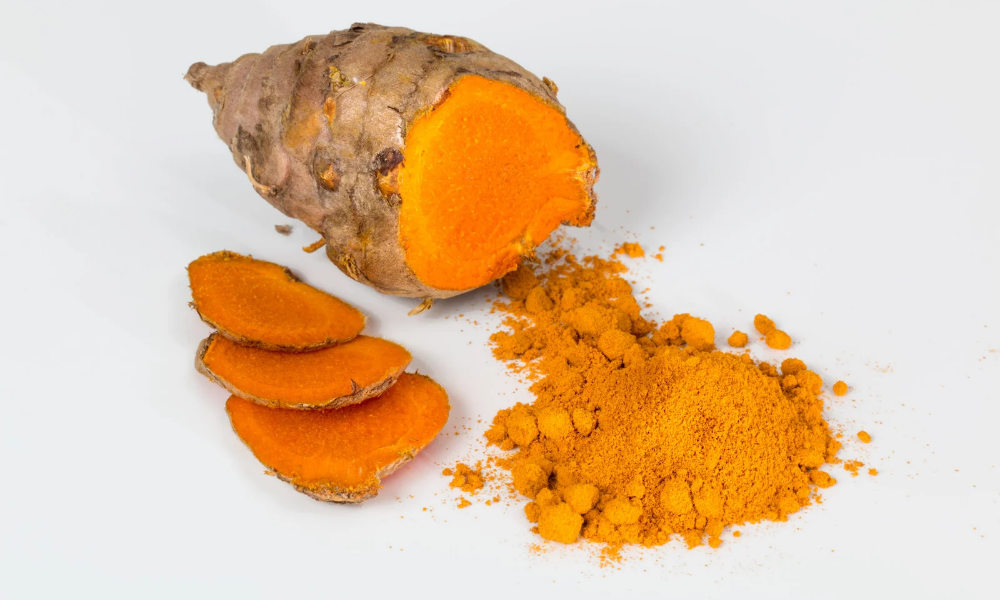
Govt Establishes National Turmeric Board

Govt Establishes National Turmeric Board
  • National Turmeric Board to increase awareness and consumption of turmeric and develop new markets internationally to increase exports
  • Board to promote research and development into new products and develop on our traditional knowledge for value-added turmeric products
  • Turmeric exports from India expected to rise to US$ 1 Billion by 2030
India is the largest producer, consumer and exporter of turmeric in the world. In the year 2022-23, an area of 3.24 lakh have been under turmeric cultivation in India with a production of 11.61 lakh tonnes (over 75% of global turmeric production). More than 30 varieties of Turmeric are grown in India and it is grown in over 20 states in the country. The largest producing states of Turmeric are Maharashtra, Telangana, Karnataka and Tamil Nadu.

On Wednesday this week, the Government of India notified the constitution of the National Turmeric Board. The National Turmeric Board will focus on the development and growth of turmeric and turmeric products in the country.

The National Turmeric Board will provide leadership on turmeric related matters, augment the efforts, and facilitate greater coordination with Spices Board and other Government agencies in development and growth of the turmeric sector.

There is significant potential and interest in the world over on the health and wellness benefits of turmeric, which the Board will leverage to further increase awareness and consumption, develop new markets internationally to increase exports, promote research and development into new products, and develop on our traditional knowledge for value-added turmeric products.

The turmeric board will especially focus on capacity building and skill development of turmeric growers for harnessing greater benefits out of value addition. The Board will also promote quality and food safety standards and adherence to such standards. The Board will also take steps to further safeguard and usefully exploit turmeric’s full potential for humanity.

The activities of the Board will contribute towards greater well-being and prosperity of the turmeric growers through their focussed and dedicated attention to the sector and the larger value addition closer to the farms, which would provide better realisation to the growers for their produce.

The Board’s activities into research, market development, increasing consumption, and value addition will also ensure that the country's growers and processors continue to maintain their pre-eminent position in the global markets as exporters of high-quality turmeric and turmeric products.

The Board shall have a Chairperson to be appointed by the Central Government, members from the Ministry of AYUSH, Departments of Pharmaceuticals, Agriculture & Farmers Welfare, Commerce & Industry of the Union Government, senior State Government representatives from three states (on rotation basis), select national/state institutions involved in research, representatives of turmeric farmers and exporters, and have a Secretary to be appointed by the Department of Commerce.

India has more than 62% share of world trade in turmeric. During 2022-23, 1.534 lakh tonnes of turmeric and turmeric products valued at 207.45 million USD was exported by more than 380 exporters The leading export markets for Indian Turmeric are Bangladesh, UAE, USA and Malaysia. With the focused activities of the Board, it is expected that turmeric exports will reach USD 1 Billion by 2030.

New Global Food and Beverages Accelerator Launched for Food Brands/Startups in India

New Global Food and Beverages Accelerator Launched for Food Brands/Startups in India

Sharda Launchpad Federation by Sharda University Partners with FigFax to Launch Sharda Global Food and Beverages Accelerator
  • The accelerator program is set to mentor and fast-track over 50 promising food brands in India
  • Prototype/MVP, Early Traction and Scale-up All startups can participate
Sharda Launchpad Federation, a business incubator and accelerator by a renowned educational institution Sharda University embarks on its commitment to fostering innovation and growth, is proud to announced a strategic partnership with FigFax (SnackFax) to launch Sharda Global Food and Beverages Accelerator. The program is set to mentor and fast-track over 50 promising food brands under India’s 1st F&B Accelerator in the next one year.

Inviting entrepreneurs and startups in the food sector to seize this opportunity, Sharda Launchpad commenced registrations on 23rdSeptember. This program is open to a wide spectrum of businesses, including those in food processing, dairy and mechanization, quick-service restaurants (QSR), dining establishments, poultry, logistics, warehousing, infrastructure and mechanization, packaging, beverages, and more. The selection process is set to be highly competitive, with only 20 startups advancing to the next round in the 1st Cohort.

In a dynamic and ever-evolving Indian food and beverage sector, startups and emerging brands often face hurdles when accessing the resources and mentorship needed to scale effectively. Recognizing this gap, Sharda University and FigFax have joined forces to revolutionize the food industry in North India. As a promoter of Sharda Launchpad, the university is committed to nurturing entrepreneurship and innovation in the food industry. The collaboration will provide financial support, access to seasoned mentors, and personalized acceleration programs tailored to address the unique challenges faced by food businesses in North India.

On this association,Vice Chancellor of Sharda University, expressed, “Sharda Launchpad, in collaboration with FigFax, embodies Sharda University’s unwavering commitment to fostering entrepreneurship in North India’s food industry. We envision it as a beacon of hope for aspiring food entrepreneurs, offering them the tools, mentorship, and funding needed to thrive in this vibrant sector. With a shared commitment to innovation and growth, we believe that Sharda Launchpad will be a perfect recipe for startup success as well as economic development in the region, creating a lasting impact on the food business landscape.”

Ashu Agrawal, Founder and CEO of FigFax, affirmed, “In the world of entrepreneurship, the challenge for budding foodpreneurs has always been accessing the right resources and mentorship to turn their dreams into reality. Our tie-up with Sharda University aims to address this gap head-on. For entrepreneurs, this collaboration is fantastic news as it offers them a golden opportunity to spice up their businesses and lead a revolution in the food industry. We extend a warm invitation to all aspiring food business owners to join us on this exciting journey.”

Startups and emerging food brands participating in Sharda Launchpad can anticipate a multitude of benefits. This collaboration will provide financial support, access to seasoned mentors, and personalized acceleration programs, all tailored to address the unique challenges faced by food businesses in North India. The partnership aims to equip startups with the knowledge and tools needed to scale their businesses successfully, covering aspects such as product development, marketing strategies, financial management, and more. Furthermore, Sharda Launchpad will cultivate a collaborative community of food entrepreneurs, encouraging the exchange of ideas and best practices.

Startups willing to register for this program can visit at https://launchpad.sharda.ac.in/food-accelerator and register for this specially curated accelerator program.

About FigFax

Figfax is a dedicated platform with a focus on supporting the growth of the food and beverage industry through strategic investments and unwavering commitment to innovation. The platform stands at the forefront of fostering sustainable growth in the sector.

Figfax aims to empower Food businesses to innovate, expand, and captivate taste buds not just in India but across the globe.

For more Details: www.figfax.com

About Sharda

Sharda University established Sharda Launchpad Federation, a section 8 company registered under the companies act 2013, as a centre for entrepreneurship development with a commitment to contribute to the enhancement of the entrepreneurial skills among aspiring entrepreneurs and startup founders and to "Help people help themselves” through innovation and entrepreneurship. Sharda Launchpad provides a platform for new and emerging small and medium – scale enterprise through its ecosystem connect necessary for the development and management of the enterprise. Passionate and visionary innovators working on large impact scalable business ideas are mentored with multiple opportunities enabling them to become successful entrepreneurs.

Website:https://launchpad.sharda.ac.in/food-accelerator

LinkedIn: https://www.linkedin.com/in/innovationsforimpact-slpf-0a08571bb

Twitter: https://twitter.com/ShardaLaunchpad


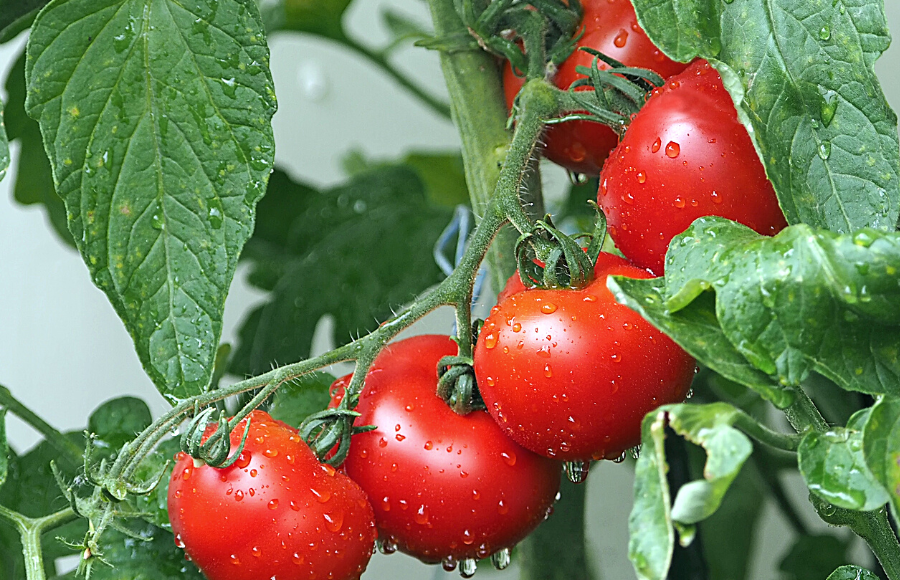
Ministry Announces Tomato Grand Challenge Hackathon

Ministry Announces Tomato Grand Challenge Hackathon
Government announces Tomato Grand Challenge Hackathon to generate innovative ideas to enhance Tomato value chain and ensure its availability at affordable prices.

Students, Research Scholars, Faculty Members, Industry, Start-ups, MSMEs, LLPs, and Professionals urged to participate in the Hackathon.

Tomato Grand Challenge (TGC) Hackathon has been announced by the Secretary, Department of Consumer Affairs, Mr. Rohit Kumar Singh, to invite innovative ideas at various levels of the tomato value chain to ensure availability of tomato to the consumers at affordable prices and help tomato farmers get value for the produce.

India is the second largest producer of Tomatoes in the world and studies estimates that about 20-22% of fresh tomatoes and 5% of processed tomatoes are wasted every year. Moreover, Tomatoes are highly susceptible to price volatility as slight disruptions in supply chain or damage due to heavy rains leads to spike in prices.

The prices of tomatoes can be brought back to normal levels by improving storage and processing. To ensure prices remain stable, innovation at the seed level, primary storage, post-harvest and crop information is necessary and this hackathon is announced for the public to share ideas for reducing tomato prices that have currently skyrocketed in several cities across the country.

The Hackathon has been formulated by the Department of Consumer Affairs in collaboration with Ministry of Education (Innovation Cell).

The Grand Challenge invites ideas on comprehensive and focused area interventions in tomato value chain - from cropping and market insights for the farmers, appropriate cultivars (OP varieties or hybrids) with higher shelf-life of the fruits for fresh marker, cultivars specifically suitable for processing, value-addition through interventions that can increase shelf-life, improve transportation of fresh and processing products, innovative packaging and storage.

The entry of participants for the TGC are invited under two tracks, namely —
  1. Students, Research Scholars
  2. Faculty Members, Industry individuals, Indian start-ups, Micro, Small & Medium Enterprises (MSMEs), Limited Liability Partnership (LLPs), Professionals.
The winning ideas will be evaluated by Experts followed by prototype development and field implementation for ensuring its usability/scalability on a large scale and price of the product.

Interested participants can apply at –https://doca.gov.in/gtc/index.php

Tomato is produced almost in all the states in India, though in varying quantities. Maximum production is in southern and western regions of India, contributing 56%-58% of all India production. Southern and Western regions being surplus states, feed to other markets depending on production seasons.

The production seasons are also different across regions. The peak harvesting season occurred in December to February. The periods during July-August and October-November are the lean production months of tomato. July coinciding with monsoon season, adds to further challenges related to distribution and increased transit losses adding to price rise.

The cycle of planting and harvesting seasons and variation across regions are primarily responsible for price seasonality in Tomato. Apart from the normal price seasonality, temporary supply chain disruptions and crop damage due to adverse weather conditions etc. often led to sudden spikes in prices. Conversely, glut in the production of at local levels have also led to dip in prices causing huge loss to the farmers.

Hardik Pandya Invests in Consumer Foods Brand “Yu”

Chef Crafted Instant Foods brand Yu announced Hardik Pandya as investor and brand ambassador today. Hardik and Yu have entered into a long-term association to promote the brand in India as well as overseas.

Hardik Pandya Invests in Consumer Foods Brand “Yu”

Founded by Bharat Bhalla and Varun Kapur, Yu is making packaged foods healthier by providing consumers easy meals that are made using 100% natural ingredients and contain absolutely ZERO preservatives! The brand offers 14 SKUs across Pasta, Cup Noodles, Hakka Noodles, Oats and Halwa categories that can be made in 5 minutes by simply using boiling water. The homegrown brand recently closed its Series A fundraise, led by Ashish Kacholia and Asian Paints Family in October 2022.

Yu will launch its maiden brand campaign during the IPL 2023 season. The campaign will be spearheaded by ace Indian cricketer Hardik Pandya and will focus on highlighting Yu’s brand proposition - packaged foods that are CHEF Crafted made using ZERO Preservatives that allow young and aspiring Indians to not compromise on Health, Quality, Taste or Convenience! Yu offers healthier EASY Meals that are not only 100% Natural but also retain their aroma, taste and nutrition despite being packaged.

Hardik Pandya
Hardik Pandya said, “What Bharat and Varun have done at Yu is truly exceptional! To make packaged foods without any chemicals or preservatives that still taste as good as fresh is remarkable. Yu is a highly purpose driven brand that is bringing a revolution in the packaged food space through its diversified product categories. I am extremely pleased to associate with Yu and spread awareness around its wholesome and nutritious easy meals that are healthy as well. Proud to be part of this 100% Homegrown Brand – MAKE In INDIA for the World!”

Yu has successfully penetrated multiple distribution channels including offline stores (4,000+ stores), online (all e-Com and Q-Com servicing pan India), 100+ institutional campuses, exports (South Africa, US, Singapore) in a short span of 18 months. Owing to its unique product offering, Yu is also among the youngest brands to be onboarded by airlines SpiceJet and Akasa Air. Yu is seeing significant customer traction and has more than doubled its revenue in the last 6 months and is on track to sell close to 2 million bowls in Q1-FY24.

Sharing their excitement, Founders Bharat Bhalla and Varun Kapur jointly expressed, “We are excited to partner with Hardik in our endeavour to build a disruptive consumer brand in the instant food category. Hardik is a youth icon, and as the face of Yu, he will help drive awareness among consumers enabling a switch in consumption patterns from currently available products that contain chemicals and preservatives. Hardik Pandya's passion for health and wellness aligns perfectly with our brand's core values and mission. We are confident that Hardik’s association will allow Yu to significantly scale its business across all channels and target groups.”

Yu operates a 24,000 sq. ft. integrated facility in Gurugram that is UK FSSC 22000 and US-FDA certified. The brand has expanded its team to over 100 employees across functions like production, operations, sales, marketing and finance. After successfully launching Ready to Eat pastas, noodles, oats, halwa in veg and non veg variants, the company recently ventured into Ready to Cook products with the launch of Instant 5 mins Hakka Noodles that come with steamed noodles, vegetables, sauce and chilli oil. The brand is looking to launch 8-10 more unique products over the next 12 months to complement its existing product portfolio.

Yu has several prominent investors on its cap-table, including Ashish Kacholia (renowned public market investor), Manish Choksi (Asian Paints Promoter Group), DPIITs Start Up India Seed Fund (Government of India) and Capitar (SEBI registered AIF), among others. It has recently doubled its production capacity and continues to expand its omni channel distribution network pan-India.

About Yu

Yu Foodlabs has developed a range of 14 Chef Crafted Instant Foods that closely resemble freshly prepared foods! Developed using advanced lyophilisation technology, its range includes instant Pastas, Noodles, Halwas, Oats, Upma that are 100% Natural and contain ZERO Preservatives. Its products are available at 4,000+ offline stores and ALL online / quick commerce platforms like Blinkit, Swiggy Instamart, Amazon, Flipkart, Zepto, JioMart in addition to airlines like SpiceJet and Akasa. Its products are also available in select international markets like Singapore, South Africa and US.

SucSEED Invests in Sortizy India's 1st Food Video Commerce Platform


SucSEED backs Sortizy, the Best app of 2021 in Google Play Store for Everyday Essentials category 

Hyderabad based food video commerce startup Sortizy has secured Seed funds from SucSEED Angels Network, Campus Fund, and other angel investors.

Sortizy is India's first food video commerce platform that enables users to conveniently manage their everyday home cooking. Through video commerce users can discover right kitchen related brands and products and enjoy shopping while watching engaging short videos. Sortizy also offers a smart search engine and food-focused filters which recommend personalized recipes and cuts down the time it takes to find the right content. The platform is making cooking easier for anyone and with any level of cooking experience, by offering step-by-step smart recipe guides. Founded by four food enthusiasts Surbhi Guha, Sagthi Prakash, Akshay Gupta and Nitin Gupta in 2020, the start-up envisions to promote conscious decision-making around food and enable its users to sustainably manage their diets and nutrition at home.

Sortizy has over 150 content partners across India and 10 other nations. The platform enables them with an opportunity to publish their content in food focused formats, earn more from their efforts through multiple revenue sources and deliver more value to users across India, helping them easily eat the food of their choice.

Post the launch on Google Play Store in May 2021, over 3.6 lakh recipe explorations have happened and users have cooked for more than 1700 hours using the platform. The app has been awarded by Google Play as the Best app of 2021 in Everyday Essentials category.

Sagthi Prakash, the Founder of Sortizy said, “having faced the struggles of managing our home kitchens & diet due to busy lifestyles and lack of knowledge & skills, it motivated us to build a go-to platform for millions of Indian households where they can get more value from the content that they are already consuming and use it to eat the food of their choice easily at home."

He further added that, "The pre-seed funding we raised from SucSEED, Campus Fund and such established Angel Investors will help us enhance our product and technology capabilities, strengthening our team and accelerate growth".

Speaking on why they have invested, Vikrant Varshney Co-Founder & Managing Partner of SucSEED Angels Network, said “The total available market (TAM) for the Food Video Commerce category is $15B by 2025. The key growth drivers in this space include Indian social commerce, which is expected to reach $70B by 2030 (food category constitutes 8-10% of this). Online kitchen appliances market is growing with 37% CAGR to reach $1.2B by 2025. There are more than 200M urban millennials and older gen Zs to cater to in the space. The relationship of lifestyle and health is getting considered in the last few years and more so post pandemic. Sortizy re-imagines the way we approach diet & nutrition at home. It also caters to India’s first ever food focused & interactive short video content (called Yumms) to explore, discover, connect & learn everything about food and we wanted to participate in their journey."

Deepthi Ravula, CEO, WE Hub, said ''Sortizy is a great example of how a student idea can be scaled, developed and reached to an accelerator stage by getting access to the right support at the right time. When the founders strive to put all the effort in, access to funds at the right time is always an added advantage. Sortizy has time and again proved itself by showing the right caliber by raising funds through Aha and SISFS through WE Hub. Glad that SucSEED is supporting them in the same mission, looking forward to see sortizy scale up and progress''

Sortizy has been incubated with IIT Hyderabad and WeHub and have received great support from them at regular interval.

Anirudh Toshniwal, Partner at Campus Fund said, “While people consume a lot of food and recipe content on social media and streaming platforms, none of them provide the user personalized catalog with ease of preparing the same. Sortizy users would be able to buy required groceries, utensils and get a step-by-step guide on how to prepare the recipe while scrolling through mouthwatering short-video content."

About Sortizy (Chefcape Enterprises Private Limited)

Sortizy Team

Sortizy is India's first food video commerce platform that enables users to conveniently manage their everyday home cooking. Through video commerce users can discover right kitchen related brands and products and enjoy shopping while watching engaging short videos. Sortizy also offers a smart search engine and food-focused filters which recommend personalized recipes and cuts down the time it takes to find the right content.

Sortizy is empowering food content creators to earn more and helping brands to nurture their leads through food content marketing.

Problem(s) that Sortizy is addressing:

Food is a popular content category as the millennials & gen Z rely heavily on it for getting inspiration, making purchase decisions & learning. This dependency is increasing with exposure to new cuisine, diet, & ingredients, consciousness for sustainability & health, and lack of knowledge & skills.

Despite this popularity, the commerce and the value that users can get around food content is under-penetrated due to:
  • Time taking discovery with scattered content
  • Hassle-some purchase process
  • Inconvenient cooking with non-uniform content
Due to this, content creators are only able to generate money through viewership and paid collaboration with brands that just creates awareness but hardly nurture leads.

Solution that Sortizy offers:

Short food videos where users can purchase products while enjoying the content. Influencers are endorsing the products which brings more authenticity to the user’s purchase process.Anyone can cook easily with step-by-step recipe guides. These smart guides are multilingual, come with voice assistance and timer.

Sortizy is making food content more impactful for users, content creators and brands.
  1. Users to make maximum use of food content and eat the food of their choice easily at home,
  2. Content creators to express their creation through dedicated content formats and generate more revenues
  3. Brands engage with their consumers meaningfully with content marketing
Users can search in a jiffy - “what to make with broccoli under 300 calories” or “healthy dessert under 30 mins which doesn't require any oven”.


Govt To Setup and Upgrade 2 Lakh Micro Food Processing Enterprises from 2020-21 to 2024-25


MoFPI has so far approved 41 Mega food Parks, 353 Cold Chain projects, 63 Agro Processing Clusters, 292 Food Processing Units

Sanctioned projects are estimated to benefit about 34 lakh farmers on completion

Union Minister of State for Food Processing Industries Shri Prahlad Singh Patel today said that as part of the Aatmanirbhar Bharat Initiative, Ministry of Food Processing Industries (MoFPI) is implementing a Centrally Sponsored Scheme for setting up/upgradation of 2 lakh micro food processing enterprises. 

The MoFPI is a ministry of the Government of India responsible for formulation and administration of the rules and regulations and laws relating to food processing in India

The enterprises can be set up or upgraded through credit linked subsidy during five years from 2020-21 to 2024-25 with an outlay of Rs. 10,000 crores. In a written reply to a question in the Rajya Sabha, Shri Patel said, the Central Scheme-PM Formalization of Micro Food Processing Enterprises Scheme (PMFME) provides financial, technical and business support for these enterprises.

Moreover, the MoFPI has been implementing Central Sector Umbrella Scheme - Pradhan Mantri Kisan SAMPADA Yojana (PMKSY) since 2016-17 for overall growth and development of food processing sector, including processing of agro- products and thus increasing the income of the farmers.
  1. The component schemes of PMKSY are - Mega Food Park, 
  2. Integrated Cold Chain and Value Addition Infrastructure, 
  3. Creation /Expansion of Food Processing & Preservation Capacities, 
  4. Infrastructure for Agro-Processing Clusters, 
  5. Creation of Backward & Forward linkages, 
  6. Food Safety and Quality Assurance Infrastructure,
  7. Human Resource and Institutions, 
  8. Operation Greens. Under component schemes of PMKSY, MoFPI provides mostly credit linked financial assistance (capital subsidy) in the form of grants-in-aid to entrepreneurs for setting up of food processing / preservation industries.
So far, Ministry has approved 41 Mega food Parks, 353 Cold Chain projects, 63 Agro Processing Clusters, 292 Food Processing Units, 63 Creation of Backward & Forward Linkages Projects & 6 Operation Green projects across the country under corresponding component schemes of PMKSY.

These sanctioned projects are estimated to benefit about 34 lakh farmers on completion. In the evaluation study of Integrated Cold Chain and Value Addition Infrastructure Scheme conducted by M/s NABARD Consultancy Limited (NABCONS) in Year 2020, it has been estimated that captive projects under the scheme have resulted in increase in farm-gate prices by 12.38 % and each project is estimated to benefit more than 9500 farmers.

India's Largest Omni-Channel Meat Brand, Nandu's Launches Ready-to-Cook Biryanis

  • Ushering in the New Year cheer, India’s largest hyperlocal and omni-channel meat brand introduces Nandu’s Nawabi Chicken Dum Biryani and Nandu’s Donne Chicken Biryani. ‘Authentic Taste, Convenience and More Meat Per Bite’ is the Nandu’s Biryani promise! 
  • The Bengaluru-based company aims to grow its RTC vertical to 20% of its revenue in FY 2021- ‘22, and its latest launch is to serve as a catalyst for this growth 

The melting pot of flavours, biryani is more than just a dish. It has the extraordinary ability to evoke feelings of supreme bliss - merely at the mention of mouth-watering biryani! This New Year, Nandu’s, India’s largest hyperlocal and omni-channel meat brand, is spreading the festive cheer with the launch of two ready-to-cook (RTC) products - Nandu’s Nawabi Chicken Dum Biryani and Nandu’s Donne Chicken Biryani. #HappyBiryaniToYou

Faster than ordering in and easier than stepping out for one, Nandu’s Biryani is a cut above the biryani mixes, masalas and kits available in the market today. Nandu’s all-inclusive offering is a complete ready to cook Biryani kit which includes chicken biryani mix, tender chicken pieces, sherva (accompaniment for Donne Biryani) and salan (accompaniment for Nawabi Biryani) and rice too (jeera rice for Donne Biryani and basmati rice for Nawabi Biryani). One pack can easily serve two.

Commenting on the new launch, Mr. Narendra Pasuparthy, CEO, Nandu’s said, “At Nandu’s, our focus is on innovation at the product level in order to provide our customers with three things: Food that is free of hormones, steroids or antibiotics, and any form of growth promoters; Food that is tasty, authentic, and brings delight to everyone in the family; Food that provides convenience, without compromising on health and taste. Nandu’s Nawabi Chicken Dum Biryani and Nandu’s Donne Chicken Biryani meet all the three criteria. And what’s more, it’s India’s most-loved food – a complete meal in itself – which we have made with a lot of love and care.”

Since March 2020, the demand for Nandu’s RTC range of products, such as Chicken 65 and Butter Chicken Masala, has grown more than two-fold. For FY 2021-’22, the company is targeting a revenue contribution of 20% from the RTC vertical, with the newly launched Biryanis serving as a catalyst for this growth. While there are several local variations that have evolved into distinctive styles of biryanis, Nawabi Chicken Dum Biryani is easily the most popular. Donne Chicken Biryani, the much sought-after dish by both localities and expats in Bengaluru, is Nandu’s special ode to Karnataka.

Mr. Vinay Gopinath, Chief Operating Officer, Nandu’s expounded, “The new product development team at Nandu’s has been working hard for over four months on biryani recipes. Our detailed customer research indicates that when customers order biryani from restaurants, they find the chicken pieces largely insufficient. Many actually order an extra biryani only to get their hands on more chicken pieces! We did numerous customer trials to arrive at the magic formula for Nandu’s Nawabi Chicken Dum Biryani and Nandu’s Donne Chicken Biryani. With Nandu’s Biryanis, you get 250 grams of antibiotic-free, tender chicken pieces. Our biryani promise is ‘More Meat Per Bite’.”

Mr. Pavangopal A, Head of Marketing & E-commerce, Nandu’s noted, “Innovation presents itself in myriad ways. With Nandu’s Biryanis, we are not only offering authentic taste, but also providing our customers with utmost convenience to cook at home a dish which traditionally demands a long and cumbersome process. Besides, who doesn’t love some gravy on the side? The sherva (pairs beautifully with Donne Biryani) and salan (perfect partner of the Nawabi Biryani) ensure that customers will savour the pure delight of Nandu’s Biryanis.”

Operating on an omni-channel model, Nandu’s includes retail and home delivery services via the company’s e-commerce website, app, call centre orders as well as e-commerce marketplaces. The Bengaluru-based meat brand has fully-integrated farm-to-fork operations. Nandu’s has also released engaging videos on making Nandu’s Biryanis in three easy steps. So, forget about ordering online - and getting that cold biryani again! Cook at home. Imagine the aroma of biryani wafting through the house…so tantalising that it makes everyone drop whatever it’s that they are doing and get together at the dining table. Isn’t that a wonderful way to celebrate the festive season? #HappyBiryaniToYou
 
BOX: Biryani bites
 
  • Nandu’s Nawabi Chicken Dum Biryani: Originated in the Royal Kitchens of the Nizams of Hyderabad, Nawabi Dum Biryani is made with chicken and rice placed in layers, giving a burst of flavour in every bite. Nandu’s special recipe and authentic taste are sure to leave people's cravings satisfied.
  • Nandu’s Donne Chicken Biryani: A signature dish of Karnataka, what makes Donne Biryani special is that the chicken and the rice are cooked together. What makes Nandu’s Donne Chicken Biryani extra special is the perfect blend of local spices along with coriander and mint. One can get lost in the earthy aromas and delectable flavours.


AgNext & SourceTrace partnered to create Food-Safety and Fair-Trade platform for Agriculture and Food Businesses, called TraceNext


Today, amidst lockdowns and growing pandemic, global food value chains stand disrupted across all commodities. Food safety has been a growing global concern that is only set to rise in this covid world. It is in these times that it has become more imperative than ever, to ensure unadulterated and safe food across global food value chains.


As billions worth of food moves through the global food value chains, assessments and traceability of the food remain subjective or non-existent leading to losses in procurement, trade, storage, production and consumption.


Digitization of such value chains towards making food safe, trackable and of desired consumer quality, needs to be accelerated and implemented at a much faster pace than ever.


SourceTrace is a globally leading name in traceability and has already implemented solutions across diverse sectors such as fruits and vegetables, organic cotton, vanilla, aquaculture, flavors and fragrances, spices, honey and more. Working across 28 countries since 2013, SourceTrace’s DATAGREEN platform helps companies track their produce from global locations across all stages while maintaining complete transparency and assurance of quality.


AgNext solves the problem of quality, bringing the best of the technology world for agribusinesses. Using state of art technologies in computer vision, spectroscopy and IoT, AgNext has created the singular platform QUALIX, through which trade quality and safety parameters for multiple commodities could be assessed in a minute, enabling agribusinesses to leapfrog their procurement and operations processes, optimise costs, provide traceability, sharpen and smoothen blockchains and most importantly produce excellent products of highest quality for consumers and ensure fair-trade practices with farmers.


Helping businesses ensure the quality of food right from the Farm Gates to the consumers, AgNext has partnered with key nodal institutions in multiple commodities and has also been working with leading corporates in each of the segments.


By combining their solutions and signing an MoU, AgNext and SourceTrace have created a technology platform, TraceNext, that for the first time in history, can provide complete value chain traceability with an assurance of quality from the Farm Gates to the consumer.


The benefits for such a platform as TraceNext, brings immense value to multiple commodity value chains, ensuring various aspects like


  1. Trace food origin and chain of custody
  2. Monitor ethical and sustainable practices used in growing the food
  3. Complete value chain traceability – from farm to consumer
  4. Legal and compliance norms
  5. Instant quality testing on trade and safety parameters
  6. Instant trade decisions without any delays and dependencies
  7. Ensure Blockchain and Fair-Trade practices in commodity supply chains


As per FAO, the value of trade in food is US$ 1.6 trillion per year. The estimated cost of food safety incidents for the economy of the United States is around $7 billion per year. Similarly, food fraud and safety scandals have cost over $8 billion USD every year in APAC alone. The health, sustainability and economic impact of such a solution can not be underestimated.


TraceNext fills that gap, providing a seamless solution catered to agriculture and food businesses that they always desired but never had as a single platform, ensuring complete control over quality and guaranteeing safe food to their consumers.


Venkat Maroju, CEO, SourceTrace said “In the coming years, traceability is going to be the most critical technology to ensure food safety. TraceNext is the only solution that can provide food businesses, regulatory bodies and consumers all the information they need to ensure food safety. It will also change how food businesses and consumers interact and what information is exchanged. We are looking at a complete transformation of the food ecosystem.”


Taranjeet Bhamra, CEO, AgNext said “Leveraging the best of technologies and principles of agriculture practices, we are joining hands to solve the greatest needs of the times, solving issues for farmers, agribusinesses and consumers alike. TraceNext fills the exact gap that is needed for providing a one-stop seamless solution for food origin and quality for effective trade, procurement, production and consumption of food. The potential to transform value chains is limitless.”


Children’s Healthy Snack Brand Timios Launches WhatsApp based Bot to Directly Connect with Consumers

Timios, a Bangalore based packaged healthy snack brand for children has launched a WhatsApp based bot to sell products directly to customers. This move is in line with the company’s plan to focus on direct to consumer channels to explore newer categories of consumers and to strengthen communication with existing customers. 

Timios has a range of healthy food products designed for children. Timios products are age appropriate covering age ranges starting from 6 months to 12 years. (Babies, toddlers and schoolers). Each product is made with 100% natural ingredients and contains zero preservatives. With 7 categories of products, Timios offers finger food, munchies, energy bars, breakfast cereal, biscuits, probiotic bites and much more. Each of these products are designed in suitable portions to provide the necessary nutrition. 


Customers can now order these products on Timios WhatsApp store through this link  https://bit.ly/2UFuBGc

Commenting on this  Aswani Chaitanya, CEO and Co-Founder of Timios said “ Selling directly to consumers is becoming increasingly popular among retailers, brands and consumers. For a customer, ordering products on WhatsApp is easy, flexible and quick. On the other hand, for brands it’s a great way to build stronger relationships with their target audience and to engage with newer categories of customers. In addition to this, due to the current situation and extended stays at home, a lot of parents are happy to order directly from brands rather than waiting to place an order through other online marketplaces that are already inundated with increased traffic. The turnaround time in a direct order is much faster and the whole process offers a seamless experience"

Timios was founded by brother sister duo Aswani Chaitanya and Hima Bindu in 2016. The idea came about when Aswani moved to India from the UK in 2014 after spending about 15 years at top tier investment banks. Once he returned with family, as parents,Aswani and his wife were  in search of healthy age appropriate snacks for their two young boys. Unlike in the developed markets, there were no options for healthy yet tasty snacks designed for children. He realized the gap in the market and teamed up with his sister Hima Bindu, who holds a Masters degree in Nutrition and has worked as a research associate at an agriculture university and as part of the research and development team of a leading FMCG company. The duo founded Timios to create healthy yet flavourful and age appropriate food products  for children. 

In addition to the Whatsapp store, Timios is also available on their website www.mytimios.com, online platforms like Amazon, Bigbasket, Firstcry and Flipkart. With 250+ orders every day, the company also sells its products in over 350 offline stores (organic stores and kids/baby stores). 

About Timios - Timios, part of FirmRoots Pvt Ltd, is a packaged healthy snack brand for children. Founded by brother sister duo, Aswani Chaitanya and Hima Bindu in 2016, Timios has a range of healthy food products designed for children. Timios products are age appropriate covering age ranges starting from 6 months to 12 years. (Babies, toddlers and schoolers). Timios is funded by MTR Foods Pvt Ltd,Mysuru-based Rangsons Technologies LLP and Paipal Ventures LLP. 

Dineout Survey Reveals where People would Like to Eat Post Lockdown


  • 81% diners will prefer digital menus at restaurants in a post-COVID era


  • 77% people want to dine out while 23% would prefer continuing with delivery/takeaway


  • Online payment becomes the most preferred option with 60% votes


As the world grapples with the impact of the COVID-19 pandemic, everyday interaction with the outside world - public & retail spaces, restaurants, educational institutions, and even with each other has been reoriented for the sake of personal hygiene and public health. These post-COVID sensibilities are leading to major enduring changes in how the country’s food service industry is expected to operate. Based on a recent consumer survey by India’s largest dining out and restaurant tech platform, Dineout, Indian diners are now ranking safety assurance and premier hygiene as top factors when they choose a restaurant to dine in.


The report published by Dineout saw across 20 cities choosing their priorities while shortlisting a restaurant to dine out in a post-COVID world.


Diner's response to Contactless Dining:


  • Over 96% demand better waitlist management


  • 81% consumers would rather scan a QR on their phone to place an order instead of handling physical menus or tablet-based digital menus.


  • After a dining experience, 60% prefer seamless wallet-based digital payments over cash/cards


  • 85% would choose a digital valet over waiting in possibly contaminated public spaces and


  • 84% would prefer offering digital feedback over physical feedback collection.


What do people want to eat?


The report also revealed that most of India has been craving Pizza since the lockdown has been implemented, except Chennai, Hyderabad and Kolkata where their popular & indigenous Biryani recipes reign supreme.


Which restaurants are diners waiting to go to?


  • 77% respondents claimed that they are waiting to dine out with friends and family once the COVID-19 lockdown is lifted


  • With Big Chill, Barbeque Nation and Social emerging as favorites in Delhi


  • Mumbaikars picked Global Fusion, Poptates and Asia Kitchen


  • Bangaloreans miss going to pubs like Toit, Vapour & Barbeque Nation


  • Aminia, Arsalan and Momo I Am emerge as the top picks in Kolkata.


  • Contrary to popular belief, Delhitties picked Veg over Non-Veg food


  • Bangaloreans & Lucknowis would rather have their drinks over food.


Ankit Mehrotra, Co-Founder & CEO - Dineout said, “The Indian restaurant industry is rapidly transforming before our eyes, and restaurants will have to rethink their daily operations to suit these post-COVID demands of their customers. While demand will return rapidly as millions of Indians are craving their favorite dishes, it’s also crucial to make the necessary changes to restore consumer confidence and trust by rapidly evolving the restaurant’s approach to using technology as means to implement Contactless Dining . These new adaptations will push the envelope of diner convenience, and we believe they are here to stay even after we survive the physical & economic after-effects of the pandemic."


Besides the new parameters for restaurant selection, the factors deciding consumer delight have also seen a major overhaul as hygiene takes precedence. Consumers would prefer that the total number of reservations in a certain period be limited with the option to pre-select the seating, ample amounts of sanitisers at tables along with UV sanitised utensils whenever possible. Hygiene ratings with detailed hygiene information, regular hygiene checks & usage of mask and disposable gloves by waiters are likely to be the new standard, with diners expecting service personnel to sanitise tables & chairs after every use.


Dineout has recently unveiled the country’s first end-to-end ‘contactless dining suite’ to help restaurants survive and thrive in a post-COVID-19 world. The brand will also provide PPE Safety Kits to Restaurants to help ensure hygiene measures and is facilitating COVID free certification for restaurants through a licensed lab to ensure all microbiological tests are in place before restaurants restart post the lockdown. Users can see the certified restaurants on the Dineout App with their audit rating. This will help diners make an informed decision and are assured of the safety and hygiene standards, which will help regain consumer confidence in a post-COVID scenario.


Dineout is India’s largest dining out and restaurant tech solutions platform in B2C and B2B front with InResto & Torqus, processing more than 100M diners and $900M worth of transactions for its partner restaurants across its network of 50,000 restaurants in 20 cities, providing a collective savings of more than $100M on restaurant bills annually. Founded in 2012 by Ankit Mehrotra, Nikhil Bakshi, Sahil Jain and Vivek Kapoor, Dineout is the easiest way to discover the best restaurants in the city, save time & hassle by booking a table in advance, get discounts, enjoy 1+1 privileges on Food, Drink & Buffets through Gourmet Passport, as well as earn cashback on every restaurant bill payment via Dineout Pay.


Twice as Much Food being Wasted Globally As Thought: Study

Consumers around the world may be wasting more than twice as much food as commonly believed, according to a study.

The Food and Agriculture Organization of the United Nations (FAO) estimated that in 2005, one third of all food available for human consumption was wasted, researchers from Wageningen University and Research in the Netherlands noted.

This figure has continued to serve as reference for the extent of global food waste, they said.

However, the FAO methodology does not factor in consumer behaviour regarding food wastage, and considers food supply alone in determining the extent of food waste, the researchers said.

The study, published in the journal PLOS ONE, is the first to investigate if and how consumer affluence may affect food waste, they said.

"Novel research using energy requirement and consumer affluence data shows that consumers waste more than twice as much food as is commonly believed," said Monika van den Bos Verma from Wageningen University and Research.

"It provides a new globally comparable base against which one can measure progress on the international food waste target, and suggests a threshold level of consumer affluence around which to launch intervention policies to prevent food waste from becoming a big problem," Verma said.

Using a human metabolism model and data from FAO, the World Bank, and the World Health Organization (WHO, the researchers quantified the relationship between food waste and consumer affluence.

Using this model, they created an international dataset providing estimates of global as well as country specific food waste.

The researchers found that once consumer affluence reaches a spending threshold of about USD 6.70 per day per capita, consumer food waste starts to rise.

The wastage increases rapidly with rising affluence at first, and then at much slower rates at higher levels of affluence, they said.

The study also showed that FAO's estimates of consumer food waste may be too low.

While FAO estimated food waste to be 214 kilo calories per day (Kcal/day) per capita in 2015, the new model estimated food waste as 527 Kcal/day per capita for the same year. This work relies on the accuracy of FAO's data, which may not always be complete.

The researchers also noted there are many consumer attributes that may affect food wastage beyond affluence.

However, the new study suggests that to achieve low global food waste, a joint focus on reducing high food waste levels in high income countries, and preventing waste levels from rising rapidly in lower-middle income countries -- where affluence is increasing -- may be needed.

The researchers believe that the method behind this study can be used as a basis to introduce the affluence elasticity of waste as a new concept in future models.

It may also help better understand and assess current food waste magnitudes, and help measure global progress in reducing food waste, they said. PTI

Beware of Fake Websites - FSSAI Asks Food Biz Operators

Food safety regulator FSSAI on Thursday appealed food business operators (FBOs) to be aware of fake websites being operated for providing registration and licensing services.

The Food Safety and Standards Authority of India (FSSAI) also said it will not be responsible for loss or damage suffered by the FBO on account of deficiency of services by such websites.

FBOs can apply for licence or registration only through the FSSAI portal.

"FSSAI appeals to public to exercise care and caution while applying for FSSAI licence and registration as food business operator. Only FSSAI's licensing portal should be used for registration/ license application," FSSAI Chief Executive Officer Pawan Agarwal said in a statement.

In case of need for any help, applicants may approach the regional offices of FSSAI or jurisdictional designated officer or food safety officer for guidance, details of which are available at www.fssai.gov.in, he added.

FSSAI said it has come to its notice that a number of websites are operating with the domain name comprising the word 'FSSAI' along with suffix or affix 'registration', 'license', etc. Some of such websites also use the logo of FSSAI.

The regulator has not authorised any entity to register its website with the domain name comprising the word 'FSSAI' or to use its name and logo, or represent FSSAI as such, it said.

In the event that any one intends to avail the services of any such online websites for registration or licence as food business operator, it is advisable that background check of such third party should be carried out with regard to authenticity or reliability of its services, it added.

FSSAI has also launched a Food Safety Mitra Scheme wherein Digital Mitras are being trained to assist FBOs for online filings related to licensing and registration, at nominal charges. PTI LUX

Global Algae Products Market to Reach $ 15 Billion by 2024

Increasing demand from healthy food sector, particularly from manufacturers of healthy foods and supplements coupled with rising demand from pharmaceutical and cosmetic sectors for manufacturing therapeutic drugs and natural cosmetic products to drive global algae products market through 2024

According to TechSci Research report, “Global Algae Products Market By Source, By Application, By Region, Competition, Forecast & Opportunities, 2024”, global algae products market is projected to reach $ 14.99 billion by 2024, backed by rising demand in healthy food products, pharmaceutical and cosmetic sectors. Moreover, increasing application of algae products for generating biofuel is expected to drive the market during forecast period. According to CIA factbook, humans consume 11 billion tonnes of oil from fossil fuels, annually, across the globe. Crude oil reserves are expected to vanish by 2060. Algae can be used to produce biofuels, such as ethanol and biodiesel. Under the photosynthesis process, algae can create 15 times more oil per acre than what can be achieved from other plants used for producing biofuels, such as corn and switchgrass.

Browse 2 market data Tables and 114 Figures spread through 116 Pages and an in-depth TOC on
"Global Algae Products Market",
DIC Corporation, BASF SE, Koninklijke DSM N.V., Corbion N.V., Cyanotech Corporation, AlgaTechnologies Ltd., Algaetech International Sdn Bhd and Tianjin Norland Biotech Co., Ltd. are some of the leading players in global algae products market. North America dominated global algae products market in 2018 and is expected to maintain its dominating market position in coming years as well. Global algae products market can be broadly categorized on the basis of source into microalgae and microalgae. The microalgae segment dominated the market in 2018, backed by the high value proposition of algae products in the pharmaceutical sector, replacing several synthetically manufactured pharmaceutical products.

Download Sample Report @ https://www.techsciresearch.com/sample-report.aspx?cid=2719
One can also request for 10% free customization on this report.

According to TechSci Research “Algae are highly sensitive to change in environmental conditions. The production hubs for different types of algae are fragmented across the world. China, Japan, South Korea and other eastern countries are the production hubs for macroalgae, while North America and South America are the production hubs for microalgae. The market is highly fragmented in terms of number of players and type of algae products offered. Since different end use industries require different grades of algae, manufacturers in global algae products market are focusing on specific industries by developing specific types of strain of algae. The leading players in the market are microalgae product manufacturers, majorly for the pharmaceutical and food & beverage industries.”, said Mr. Karan Chechi, Research Director with TechSci Research, a research based global management consulting firm.
“Global Algae Products Market By Source, By Application, By Region, Competition, Forecast & Opportunities, 2024” has evaluated the future growth potential of global algae products market and provides statistics and information on market structure, size, share and future growth. The report is intended to provide cutting-edge market intelligence and help decision makers to take sound investment decisions. Besides, the report also identifies and analyzes the emerging trends along with essential drivers, challenges and opportunities present in global algae products market.

Market Reports

Market Report & Surveys
IndianWeb2.com © all rights reserved