‏إظهار الرسائل ذات التسميات Bengaluru startups. إظهار كافة الرسائل

Circle Raises Rs 25 Crore Led By Nexus Venture Partners, To Build India’s Trusted AI‑Driven Pre‑Owned Marketplace

Circle Raises Rs 25 Crore Led By Nexus Venture Partners

Circle combines AI-powered verification and logistics to make buying and selling pre-owned goods as easy and trustworthy as buying new.

Circle, a managed customer-to-customer (C2C) marketplace for pre-owned goods, has raised ₹25 crore in seed funding, led by Nexus Venture Partners, with participation from existing investors Titan Capital and Raveen Sastry, co-founder of Myntra. Ajith Pai, COO of Delhivery, has also joined the round as an angel.

In just a year since launch, Circle has facilitated about ₹25 crore in pre-owned sales, attracting over 1 million visitors and generating 100,000 listings from Bengaluru alone. On Circle, sellers typically find a buyer within three days, while listings on classifieds can take weeks or even months to sell. Circle is bringing much-needed liquidity and trust to a market that has long lacked both.

India’s pre-owned market isn’t short of buyers or sellers. It’s short of trust.

Millions of Indians already trade through classifieds, neighbourhood groups and informal networks. But unreliable product information, limited verification, logistical hassles and payment risks make transactions difficult. Existing solutions often depend on manual processes that are labour-intensive, difficult to scale and prone to inconsistencies.

Circle Raises Rs 25 Crore Led By Nexus Venture Partners

Circle combines AI-native technology, human verification and managed fulfilment to run trusted C2C commerce at a lower cost. By reducing manual effort for users, it makes every transaction convenient. And unlike existing resellers, it doesn’t own inventory, so more of the value stays with buyers and sellers.

On Circle, great deals aren’t limited to sale days. Buyers get incredible value simply by choosing pre-owned, from iPhones, PlayStations and cameras to premium office chairs, designer furniture, watches, handbags and sneakers. Every purchase is backed by product verification and the 3-Day Circle Guarantee.

For sellers, Circle makes it easy to turn things they no longer use into money, handling everything from listing to pickup and payout.

“Nearly 40% of our buyers come back within 90 days, and half our sellers list again. That tells us buying and selling pre-owned can become a regular part of people’s lives. India has an incredible amount of value sitting in its homes. We’re building Circle to make it ridiculously easy to unlock that value, and to make pre-owned a natural first choice for millions of Indians,” said Ankit Misra, Co-founder, Circle.

“India’s pre-owned market is large, but selling used goods remains difficult due to costs, trust & scale. Circle has understood this problem deeply and is executing exceptionally well to solve it. We believe they have the potential to fundamentally reshape how India buys and sells pre-owned goods,” said Suvir Sujan, Partner, Nexus Venture Partners.

The new funding will accelerate Circle’s expansion beyond Bengaluru. Circle will invest further in AI-powered pricing, discovery and verification to simplify listing, improve the customer experience and scale efficiently, alongside expanding its Trust Hubs and logistics network.

“Too many Indians have experienced the uncertainty of buying or selling pre-owned goods. At Circle, we’re taking ownership of trust, so buyers and sellers have someone they can count on. That’s why we built dedicated Trust Hubs for verification and fulfilment. Our ambition is to help 100 million Indians buy and sell with confidence on Circle,” said Chirag Kataruka, Co-founder, Circle.

Circle was founded in 2025 by Chirag Kataruka and Ankit Misra, friends for 18 years who have built a startup together before. United by the belief that buying and selling pre-owned in India deserved a complete rethink, they set out to replace uncertainty and hassle with trust and convenience. Both bring experience across consumer marketplaces and technology. Chirag held leadership roles at Mu Sigma and Swvl, where he worked through Swvl’s 2022 Nasdaq listing, while Ankit was a product leader at Jupiter Money and previously founded Chase. At Circle, Ankit drives product, growth and business, while Chirag leads operations, customer experience and strategy.

About Circle

Circle

Circle is a Bengaluru-based managed C2C marketplace making pre-owned commerce simple, trustworthy and accessible. Its AI-native platform combines verification, secure payments and logistics so buyers and sellers can transact across categories without Circle owning any inventory.

For more information, visit https://www.justcircleit.com/
Download the app at: https://justcircleit.com/download-app

How Bangalore’s Startup Ecosystem Is Driving Demand for Flexible Office Spaces

How Bangalore’s Startup Ecosystem Is Driving Demand for Flexible Office Spaces

Welcome to India’s technology capital - Bangalore. Founders in the early stage often test ideas with rapidly scaling teams. Ambitious entrepreneurs tend to meet enthusiastic investors and global companies are already building future-proof teams that can get things done. However, one shift is noticeable amidst all of this: Rigid office leases don’t work anymore, smart founders are opting for the more flexible managed or coworking office spaces to maximize their potential for growth.

Choosing an office space is way past being just about having enough desks, chairs and a business address. You now have the option to consider your business agility, scalability, hiring process, team culture, revenue flow and a lot more while shortlisting your next office space, made possible through coworking and managed office spaces.

That explains the rising demand for flexible office spaces in Bangalore. Managed office spaces, coworking office spaces, leadership cabins and the freedom to customise your office space, all under one roof.

Why Bangalore’s Startup Ecosystem Needs Flexible Office Spaces

Bangalore’s startup ecosystem is built on speed. A startup in the modern era can start with a team as small as 5 members, grow to 30 after the first funding, expand to 100 members in a few years and might have to restructure their team again based on market highs and lows. Traditional offices are not built with this intention.

If we were to list out the problems in choosing a conventional office space, here are a few:
  • Long, un-alterable lease terms
  • Hefty deposit sums
  • Interior Design and Setup
  • Purchasing office furniture
  • Continuous end–to–end operational supervision
Any startup will struggle to focus their attention on product development, sales, hiring and customer acquisition when they spend most of their time in operational activities rather than outsource it to a workspace provider.

In a city like Bangalore, this matters more than ever because the city’s startup ecosystem is tightly tied to technology. Businesses with unpredictable cycles like SaaS, fintech, artificial intelligence, digital services, consulting, etc., need client-ready meeting rooms, cabins or pods for their team members, and a good central location for easy commute as well. When it comes to hybrid teams, they might prefer flexible seating rather than fixed capacity seating.

This is exactly where coworking and managed office spaces become valuable.

Bangalore Is Leading India’s Office Space Demand

The rise in flexible office demand is not happening in isolation. Bangalore continues to remain one of India’s strongest office markets.
In Q1 2026, Bengaluru led India’s office leasing market with 5.3 million sq. ft. of office space leased and a 24.8% share of national leasing activity. The city also recorded strong demand from Global Capability Centres (GCC’s), technology firms, and enterprise occupiers.

On a national level, India’s Grade A office leasing in the top seven cities touched 18.3 million sq. ft. in just the first quarter of 2026. This means a 15% annual growth with just Bengaluru and Hyderabad accounting for almost half of the total leasing activity.
For startups, this opens up a path for reconsiderations. They need the advantages of a professional office without the burden of traditional real estate complexity.

Startup Funding Is Creating New Workspace Demand

Strong, reputed investors have had their eyes on the Bangalore startup ecosystem for a while now. In the first financial quarter of 2026, Bengaluru was leading India’s startup funding race with over $823 million raised with the help of 89 deals, way ahead of Mumbai, Delhi and other metropolitan cities.

Funding directly influences workspace demand. When startups raise capital, they often expand teams, hire leadership, build sales functions, and create stronger internal systems. This is when many founders begin looking for more structured office environments.

But funded startups are also careful about the runway. They do not want to lock large amounts of capital into deposits, interiors, and office setup. They need workspaces that make them look professional to their clientele, take care of daily operational activities and allow them to scale without hindrance.

Flexible office spaces in Bangalore are slowly becoming the new natural choice for startup founders.

Why Startups Prefer Flexible Office Spaces Over Traditional Offices

1. Lower Upfront Cost

Traditional office setup can demand heavy capital even before the team starts working. Deposits, furniture, interiors, electricity, internet, housekeeping, security, repairs, and compliance can quickly become a financial burden.

Flexible office spaces reduce this upfront pressure. Startups can access fully equipped workspaces with meeting rooms, internet, maintenance, reception support, and common amenities included.

For early-stage founders, this helps protect the runway and keeps capital focused on growth.

2. Faster Move-In Time

In a competitive startup market, speed matters. A company that needs three months to set up an office loses valuable time. Flexible office spaces allow teams to move in faster and start working almost immediately.

This is especially useful for startups that have just raised funding, onboarded a new project team, or signed an enterprise client and need a stable workspace quickly.

3. Easier Team Scaling

A startup’s team size can change quickly. Hiring may happen in phases. Some teams may work hybrid. Some departments may need separate spaces. Traditional leases do not easily support this.

Flexible office spaces allow companies to start with a smaller setup and expand when needed. This makes them ideal for startups moving from 10 to 30 members, 30 to 100 members, or even larger teams that require managed office space.
For growing teams, a scalable managed office can offer the right balance between flexibility and control. You can also read Beginest’s detailed guide on choosing a workspace for a 30–500 member startup team.

4. Better Locations Without Full Leasing Risk

Bangalore’s startup teams often want to be close to talent, clients, investors, metro connectivity, restaurants, and business hubs. Locations like Indiranagar, MG Road, JP Nagar, Koramangala, and Central Bangalore are attractive because they support both work and accessibility.
But taking a traditional office in a prime location can be expensive and complicated.

Flexible office spaces help startups access premium business locations without committing to a full long-term lease.
Beginest Workspaces offers coworking and managed office spaces in Bangalore across key business-friendly locations for teams that need accessibility, flexibility, and professional infrastructure.

5. Less Operational Distraction for Founders

Founders should be spending time on customers, product, hiring, and growth. But in traditional offices, they often get pulled into operational issues: internet problems, furniture changes, maintenance delays, pantry issues, vendor coordination, and office repairs.
Managed office spaces reduce this distraction. The workspace partner handles day-to-day office operations while the team focuses on work.

For startups, this is not just convenience. It directly improves productivity.

How Coworking Spaces Support Early-Stage Startups

Coworking spaces are especially useful for early-stage startups, freelancers, consultants, remote teams, and small businesses. They provide a professional setup without the cost of a private office.

A coworking space gives founders access to desks, meeting rooms, internet, community areas, and business infrastructure. It also creates opportunities to meet other entrepreneurs, service providers, potential partners, and future team members. 

In Bangalore, where networking is a major part of startup growth, coworking spaces can support both productivity and community.
Beginest has already explored this in its blog on why coworking spaces in Bangalore are growing fast, especially for entrepreneurs, remote teams, and startups looking for flexible workspace options.

Why Managed Office Spaces Are Becoming the Next Step for Growing Startups

As startups grow, their workspace needs become more defined. A small coworking setup may work for the first few months, but a 30-member, 100-member, or 300-member team needs more structure.

This is where managed office spaces become important.

A managed office gives startups a private, branded, fully managed workspace without the headache of building and running the office themselves. The company gets the privacy and control of a traditional office while still enjoying the flexibility and operational support of a workspace partner.

Managed offices are useful when startups need:
  • Dedicated private work areas
  • Custom seating layouts
  • Meeting and boardrooms
  • Branding opportunities
  • Access control
  • Scalable team capacity

Bengaluru-based Remidio Secures US Patent for Wearable 3D Eye Imaging, Advancing Oculomics

Bengaluru-based Remidio Secures US Patent for Wearable 3D Eye Imaging, Advancing Oculomics

Remidio Innovative Solutions Pvt. Ltd has been granted US Patent No. 12,611,103 for a 3D eye imaging technology built around a wearable form factor, smart glasses or a VR-style headset in place of a bulky slit lamp or ophthalmoscope.

The device folds more than five separate exams into one. Slit lamp imaging, fundus imaging, and diffused anterior segment imaging, among others, are normally done on separate instruments, this design does all of them, and it can capture images of the eye without pupil dilation, using infrared illumination in place of the bright visible light conventional instruments rely on for a clear view of the back of the eye.

"What used to need a slit lamp, an ophthalmoscope, and several specialised exams can now fit into something worn like a pair of glasses. We’re not just making the equipment smaller, we’re changing where an eye exam can happen. That's the kind of innovation we're always chasing at Remidio - technology that pushes the boundaries care." said Shanmuganathan Nagarajan, AVP of Research and Development at Remidio.

That combination - no dilation, wearable rather than desk-mounted, is what makes the patent relevant to Remidio's broader Oculomics push. The retina is one of the few places in the body where blood vessels can be seen directly, non-invasively, and without radiation. This is why retinal imaging is backed by growing research and clinical validation as the best way to screen for conditions well beyond the eye, cardiovascular disease, diabetes, kidney disease, and neurodegenerative conditions among them – in a fast evolving field of research called Oculomics. A lighter, dilation-free imaging device is a step toward taking that kind of screening out of the specialist's chair and closer to the patient, and eventually, the consumer.

Anand Sivaraman, CEO of Remidio, said "We keep asking the same question, what does it take to bring care closer to the patient, closer to the consumer, even into the home? With Oculomics and a wearable device that consolidates slit lamp and fundus imaging into one unit, without needing a fixed instrument in a specialist's room, is a great way to get there. It's the kind of problem we're always working on at Remidio, rethinking what the future of healthcare needs to look like."

About Remidio -

Today, the human eye is unlocking early insights into systemic health, and Remidio is at the forefront of this transformation. Remidio is a pioneer in AI-driven eye care, leading the shift from care of the eye to healthcare through the eye. As the first company to receive CDSCO approval in India for our adaptive ophthalmic AI, in addition to CE marking in Europe under Class II EU-MDR, we are redefining how diseases like diabetic retinopathy, glaucoma, and AMD are detected early, in close to patient contexts, while remaining confident of extending this to systemic disease detection such as CVD, CKD and liver diseases, in the future.

With CE-marked, FDA 510(k)-registered devices, our solutions have screened 16 million+ patients across 55 countries, integrating teleophthalmology and AI for fast, accurate diagnoses. Our innovative retinal imaging solutions ensure precision and efficiency in clinical workflows. Our journey began humbly - thanks to the chance meeting of our founder, with a mission driven ophthalmologist, who brought into focus the need for decentralizing eye testing with simple to use and affordable devices. That conversation, 15 years back, sparked a vision to make high-quality preventive care accessible to all. Guided by innovation, empathy, and a commitment to global impact, our journey is just beginning!

https://www.remidio.com/

India’s eVTOL Leap: Sarla Aviation Achieves DOA Milestone to Build Air Taxis

India’s eVTOL Leap: Sarla Aviation Achieves DOA Milestone to Build Air Taxis

Bengaluru-based Sarla Aviation has announced that it has secured Design Organisation Approval (DOA) from India’s aviation regulator DGCA. This marks a historic milestone for indigenous electric air taxis and enabling the company to move toward type certification and commercial production.

Achieved in just 3 years, the design approval is said to be the fastest DOA approval in Indian aviation history. The DOA validates the Sarla Aviation's Shunya eVTOL prototype as a credible path toward certification and move from prototypes to certified aircraft, opening doors for commercial eVTOL operations.

The Shunya eVTOL prototype is Sarla Aviation’s flagship six‑seater electric air taxi, designed for short urban trips of 20–30 km at speeds up to 250 km/h, with a payload capacity of around 680 kg—making it India’s highest‑payload eVTOL concept.

Design Organisation Approval (DOA) is the first and most critical regulatory recognition that an aerospace company must secure before it can design, certify, and eventually manufacture aircraft in India. The DGCA approval authorizes Sarla Aviation to take full responsibility for design, testing, and compliance with DGCA safety standards. Equivalent to approvals granted by EASA (Europe) or FAA (US), the DOA aligns India’s aerospace ecosystem with international norms.

Key Highlights

Sarla Aviation is a Bengaluru‑based aerospace startup founded in October 2023 by Adrian Schmidt (CEO), Rakesh Gaonkar (CTO), and later joined by Shivam Chauhan. The company develops indigenous eVTOL aircraft for urban air mobility and has attracted high‑profile investors including Accel, Flipkart co‑founder Binny Bansal, Zerodha co‑founder Nikhil Kamath, and Swiggy co‑founder Sriharsha Majety. 
  • Approval Granted: DGCA Design Organisation Approval (DOA) under CAR 21 Subpart J
  • Date & Venue: August 8, 2026, at Sarla Aviation’s new headquarters in Bengaluru
  • Presented By: Union Civil Aviation Minister K. Rammohan Naidu, alongside Karnataka minister Rizwan Arshad
  • Company Age: Just 3 years old, making this the fastest DOA approval in Indian aviation history. 
The name “Sarla Aviation” carries a symbolic tribute to Sarla Thakral, who became India’s first licensed woman pilot in 1936 at the age of 21.

Aircraft & Technology

  • Prototype: Shunya, India’s first full-scale indigenous eVTOL (electric vertical take-off and landing) aircraft
  • Flight Testing: Over 500 flight tests and 18 hours of flight time completed with half-scale demonstrator Sylla
  • Next Milestone: Transition flight with the new prototype expected in January 2027

Strategic Partnerships

  • Manipal Hospitals & Aeromed Air Ambulance (medical air mobility)
  • Prestige Group (real estate integration for vertiports)
  • Jio-bp (energy infrastructure)
  • Jeppesen ForeFlight (navigation systems)
  • Hexcel Composites & Tata Elxsi (materials and engineering support)

Strategic Impact

FactorDetails
Indigenous AerospaceFirst Indian startup to achieve DOA this quickly
Urban MobilityPaves way for electric air taxis in Indian cities
Government BackingStrong support under Atmanirbhar Bharat vision
Market OutlookMinister Naidu expects ecosystem to flourish within 2 years

Challenges & Risks

  • Certification Path: DOA is only the first step; full type certification is still required
  • Infrastructure Needs: Vertiports, charging networks, and pilot training facilities must scale rapidly
  • Accessibility: Government insists eVTOLs must serve all regions, not just metros
Sarla Aviation blends global eVTOL expertise with local Indian innovation, aiming to make air taxis affordable for mass mobility. Its founders’ Lilium background ensures technical credibility, while its investors provide strong financial and entrepreneurial backing.

Introduced in September 2024, DGCA’s new eVTOL framework is creating India’s first dedicated certification pathway for VTOL aircraft. Sarla Aviation became the first company approved under this framework, setting precedent for others.

India’s air taxi sector is accelerating: the DGCA has already granted multiple design approvals, with Sarla Aviation leading the charge, and the government targets commercial eVTOL services by 2028 in cities like Bengaluru, Mumbai, and Delhi.

Earlier this month, Air India, Japan's SkyDrive and Suzuki announced partnership to explore eVTOL medical logistics in India, aiming to revolutionize emergency healthcare transport.

Besides Sarla Aviation, India’s air taxi ecosystem includes startups like Autosync Aviation (Bengaluru), The ePlane Company (Chennai, IIT‑Madras incubated), and InterGlobe–Archer’s partnership for the Midnight eVTOL, all aiming for commercial rollout by 2027–28.

Bengaluru's Vimag Labs Secures Patent for India’s Ist Software-Defined, Magnet-Free Motor Platform

Bengaluru's Vimag Labs Secures Patent for India’s Ist Software-Defined, Magnet-Free Motor Platform
Volektra Motor
  • Fifth patent granted to the Accel-backed deep-tech company, protecting the core architecture of its Virtual Magnet Synchronous Motor (VMSM) - a rare-earth-free, software-controlled electric motor platform
Vimag Labs has been granted its fifth patent in India. The patent, titled "A Robust Rotating Transformer Excited Synchronous Motor and Its Control," covers the foundational motor architecture of the company’s proprietary Virtual Magnet Synchronous Motor (VMSM) platform.

Unlike conventional Permanent Magnet Synchronous Motors (PMSMs), which rely on fixed rare-earth magnets embedded in the rotor, VMSM generates and controls its magnetic field in real time using power electronics and proprietary control algorithms. The result is a brushless, slip-ring-free synchronous motor that matches or exceeds the performance of permanent magnet solutions — without any magnets.

This latest grant brings the company’s intellectual property portfolio to five patents granted, ten in the pipeline, and fifteen trademarks filed spanning motor architecture, software controls, power electronics, and application-specific implementations.

Commercial Deployment

The patent strengthens Vimag Labs’ competitive position as it scales commercial deployments. The company currently has active pilots under way with established two-wheeler and passenger car manufacturers, with expansion planned into light commercial vehicles, commercial vehicles, and high-power industrial systems ranging from 200 kW to 600 kW. Additional application areas under development include robotics, defence, and cooling systems.

For OEMs, the platform offers a dual advantage: lower motor costs and freedom from the supply-chain risks of rare-earth magnets, the majority of which are currently sourced from China. For India, the technology directly supports the Make in India and Atmanirbhar Bharat objectives by enabling indigenous development of critical electric motor technology.

Manish Seth, Co-founder and CEO, Vimag Labs, said: “This patent is the outcome of over 87,600 engineering hours. It strengthens every dimension of our commercial roadmap- OEM partnerships, licensing, manufacturing scale-up, and future growth.”

He added: “Our long-term vision is to build scalable, software-driven, magnet-free motor systems for global electrification. This innovation strengthens India’s deep-tech base across electric mobility, power electronics, robotics, defence, and clean-energy systems.”

Funding and Partnerships

Vimag Labs recently raised USD 5 million in its Series A round led by Accel, with participation from Chakra Growth Fund and Thinkuvate. The company has also signed a manufacturing MoU with Jendamark Pvt. Ltd. to support VMSM production scale-up.

About Vimag Labs

Vimag Labs is a Bengaluru-based deep-technology company building a new class of electric motor. Its patented VMSM platform replaces rare-earth permanent magnets with software-defined magnetic fields, delivering equivalent or superior performance across mobility, industrial, and defence applications. The company is scaling operations across India, Europe, and the United States.

Gates Foundation Backs Bengaluru's Remidio’s AI Retinal Platform to Tackle Maternal Health Risks in Africa & India

Gates Foundation Backs Remidio’s AI Retinal Platform to Tackle Maternal Health Risks in Africa and India

Remidio Innovative Solutions has received a grant from the Gates Foundation to advance its Oculomics platform, which uses retinal imaging and AI to detect signs of systemic disease, for maternal health applications in low- and middle-income countries (LMICs). The initiative will focus on improving early risk assessment for major pregnancy complications, including pre-eclampsia (PE), anemia and gestational diabetes mellitus (GDM). The program will be carried out across countries in Africa and India, regions that together bear the overwhelming share of the global maternal and perinatal disease burden


The scale of the problem is stark. There are approximately 2 million stillbirths worldwide each year, equivalent to one every 16 seconds, and 84% of these occur in LMICs. Hypertensive disorders of pregnancy, particularly pre-eclampsia, are among the leading placental causes of these deaths. The same conditions are also among the leading causes of maternal mortality globally, contributing to an estimated 42,000 maternal deaths annually. Gestational diabetes mellitus affects approximately one in six pregnancies worldwide, with a disproportionately high burden falling on these same populations. Together, these conditions are major contributors to stillbirth, preterm birth, and long-term cardiovascular and metabolic complications that affect both mothers and their children.

The women most at risk from pre-eclampsia and gestational diabetes are often the least likely to reach a laboratory or a specialist in time," said Dr. Anand Sivaraman, Chief Executive Officer and Founding Director, Remidio. "A retinal image takes seconds and can be captured by a frontline worker with minimal training. This grant allows us to ask a clear question with real rigour: can the platform already deployed widely for diabetic retinopathy also help identify pregnancies at risk, in the places where that information is needed most.

The biological link between retinal microvascular changes and systemic vascular and metabolic disease is now well established. Yet in the primary care and community settings where maternal mortality is concentrated, the diagnostic tools that currently support early risk stratification, namely complex laboratory assays, biochemical biomarkers and Doppler-based assessments, are largely unavailable at the point of care, requiring laboratory infrastructure, trained personnel and referral pathways that simply do not exist for most pregnant women in LMICs. Non-invasive retinal imaging, by contrast, is quick, easy to perform by frontline health workers with minimal training, and inherently scalable, making it uniquely suited to bringing advanced risk assessment to the front lines of antenatal care.

The retina is the only place in the body where blood vessels can be observed directly and without an invasive procedure, said Dr. Divya Rao, Chief Medical Officer and Head of AI, Remidio. The microvascular and metabolic changes associated with pre-eclampsia and gestational diabetes leave detectable signatures. Having built and validated our retinal AI on a very large and diverse image dataset, our task now is to prove these signals hold up in community antenatal care, in the hands of frontline workers, across different populations. Evidence, not assumption, will decide where this proves useful.


Remidio's portable, smartphone-based retinal imaging platform is already widely deployed across primary care and community screening programs for diabetic retinopathy, glaucoma and AMD. The grant will extend this platform into maternal health, with implementation across partner sites in Africa and India.

About Remidio -

Today, the human eye is unlocking early insights into systemic health, and Remidio is at the forefront of this transformation. Remidio is a pioneer in AI-driven eye care, leading the shift from care of the eye to healthcare through the eye. As the first company to receive CDSCO approval in India for our adaptive ophthalmic AI, in addition to CE marking in Europe under Class II EU-MDR, we are redefining how diseases like diabetic retinopathy, glaucoma, and AMD are detected early, in close to patient contexts, while remaining confident of extending this to systemic disease detection such as CVD, CKD and liver diseases, in the future.

With CE-marked, FDA 510(k)-registered devices, our solutions have screened 16 million+ patients across 55 countries, integrating teleophthalmology and AI for fast, accurate diagnoses. Our innovative retinal imaging solutions ensure precision and efficiency in clinical workflows. Our journey began humbly - thanks to the chance meeting of our founder, with a mission driven ophthalmologist, who brought into focus the need for decentralizing eye testing with simple to use and affordable devices. That conversation, 15 years back, sparked a vision to make high-quality preventive care accessible to all. Guided by innovation, empathy, and a commitment to global impact, our journey is just beginning!

Neo San Launches SafeDispose Bengaluru to Tackle Sanitary and Biomedical Waste with WEF Support

Neo San Launches SafeDispose Bengaluru to Tackle Sanitary and Biomedical Waste with WEF Support
BBMP Maternity Hospital, Halasuru 
  • As part of an initiative by the World Economic Forum, Neo San will install their futuristic smart-bins, ‘Neo-X’, across Bengaluru over the next few months, in collaboration with the Greater Bengaluru Authority, Government of Karnataka.
Neo San, a Bengaluru-based clean-technology company that develops a range of highly efficient, on-site thermal waste-processors, has been awarded for their patented innovation by UpLink, the early-stage innovation engine of the World Economic Forum (WEF). In collaboration with the Government of Karnataka, the program aims to address the various challenges in our growing cities, and Neo San has been selected as a strategic partner to deploy its solutions across Bangalore to manage reject-waste on-site, at various facilities.

Launching soon under the name ‘SafeDispose Bengaluru', this solution will bring certified, on-site sanitary and biomedical waste-processing to government and private institutions across the city, taking away one of the most challenging aspects of waste management.

As a winner of the Yes/Bengaluru Urban Innovation Challenge, Neo San is a part of a structured collaboration between UpLink- World Economic Forum’s Centre for Urban Transformation, and strong partners like United Way Bangalore, Deloitte, Anthill Ventures, Amazon Web Services (AWS), Cisco, Salesforce, SAP, the Government of Karnataka, the Greater Bengaluru Authority, with more than 15 additional organisations. The programme supports innovative urban solutions across sustainability, sanitation, and public health. Bengaluru is only the second city in the world, after San Francisco, to host this global initiative.

Neo-X Unit by Neo San

A grant provided to Neo San will fund the deployment of Neo-X units that safely treat sanitary and biomedical waste at the point of waste generation. The units will be deployed phase-wise, at various institutions; colleges, schools, primary health centres, women’s hostels, government housing and other official buildings around Bengaluru, reaching over 5,000 women. This will also dignify waste collectors on-ground, who are often left sorting through such waste with their hands.

Neo San Launches SafeDispose Bengaluru to Tackle Sanitary and Biomedical Waste with WEF Support
Manyata Tech Park

Across government schools, primary health care centres, and women’s hostels, waste like sanitary pads, bandages, soiled tissues and clinical consumables, is generated daily with no certified on-site disposal route. The most common outcome is open burning, which creates serious air quality challenges for surrounding communities. Open waste burning accounts for 11% of Bengaluru's total PM2.5 emissions*, making it the city's third-largest source of particulate pollution after transport and industry. Sanitation workers handle this waste manually, without protection or protocol. Girls in government schools have no safe, dignified disposal option during menstruation. Neo San is tackling this from a gender inclusion perspective as well as an environmental one, closing a gap that sits at the intersection of public health, worker dignity and clean air.

Every Neo-X unit has real-time IoT monitoring of each cycle run and every kilo processed, thereby creating robust data for urban planning for the city. The SafeDispose Bengaluru initiative is aimed at eliminating open burning and manual waste handling at all these sites, conducting source segregation workshops, and generating India’s first field-verified compliance data under the Solid Waste Management Rules 2026 — creating a replicable template for institutional rollout across Karnataka and beyond. Karnataka State Pollution Control Board has reviewed and validated the technology for deployment across the city.

Commenting on the initiative, Dhwaj Bagrecha, Founder, Neo San, said, “Waste infrastructure has a large gap nobody talks about. The third stream - sanitary, biomedical, contaminated reject-waste - is generated daily with no certified on-site disposal route. The most common outcome is open-burning at low temperatures or dumping, since it has no economic incentive for material recovery. This creates some serious air quality challenges around our cities, polluting water bodies and soil-health without check. More so, sanitation workers handle this waste manually, causing an invisible spread of health risks for them and others. SafeDispose Bengaluru is what closing that gap actually looks like in practice. Through this initiative, our aim is the on-site treatment of this waste, in a controlled manner, eliminating open burning and reducing overall process emissions by 98%. This is the first step of a much larger deployment in India, something we’ve been building quietly for years”

With more than 200+ machines deployed across India under managed service contracts — including at organisations such as SAP India, Taj Hotels, Airtel, Royal Enfield, RMZ,, Embassy Group and others. Neo San is now expanding its presence across government and institutional infrastructures.

About Neo San Private Limited

Neo San is a Bengaluru-based clean-technology company building India's most advanced on-site waste management infrastructure. The company is focused on addressing a structural gap in India’s formal waste management system at the institutional level. While dry recyclables have collection systems and organic waste has composting infrastructure, sanitary, biomedical, and contaminated waste often has no certified processing route. As a result, such waste is frequently openly burned or dumped — releasing pollutants such as PM2.5, dioxins, and furans, handed to contractors without verified downstream processing or dumped on land, destroying land value and leaching into the water table. The Solid Waste Management Rules 2026, which came into force on April 1 this year, now mandate separate certified processing for this waste stream at every bulk waste-generating institution, though a large number of institutions remain non-compliant.

Founded in 2022, the company develops, manufactures, and operates a range of sealed, sensor-driven thermal waste processors — from the most compact model, the Neo-X for use at Bulk Waste Generators, to the Neo-XT and Neo-AX that target biomedical and industrial applications at up to one tonne of waste per day. Neo San's combustion technology sustains 1,200°C through adaptive sensor-based control, achieving emissions 98% cleaner than CPCB norms. The technology is backed by 11 global patents (certified) and supported by the Karnataka Pollution Control Board as an ultra-low pollution initiative.

The company is seed-funded, and is in talks for a Series A round, and receives support from UpLink and the World Economic Forum with the right connections to deploy, hire and grow in Bengaluru.

Website: https://neosan.in/

Linkedin: https://www.linkedin.com/company/neosan/

Sources: *Guttikunda, S. et al. (2019). Air quality, emissions, and source contributions analysis for the Greater Bengaluru region of India. UrbanEmissions.Info / ScienceDirect. Available at: https://urbanemissions.info/wp-content/uploads/docs/2019-01-APR-AQ-Bengaluru.pdf


Ex-Google, Amazon Execs-Founded SwishX Launches World’s Ist Agentic AI Platform for Pharma & Medtech

Ex-Google, Amazon Execs-Founded SwishX Launches World’s Ist Agentic AI Platform for Pharma & Medtech
  • Bengaluru-based startup seed-funded for $2.2 million backed by Powerhouse Ventures, Blume Ventures, Sadev Ventures, Atrium Ventures, and others
  • Targets $5M ARR and 100+ enterprise clients
  • Plans expansion across emerging markets including Latin America, Southeast Asia, Middle East, Africa, and Eastern Europe
SwishX today announced its launch, introducing the World’s first Agentic AI platform built exclusively for pharmaceutical and medtech companies, aimed at transforming sales, marketing, distribution, and business growth through artificial intelligence.

The Bengaluru-headquartered startup is targeting $5 million in contracted ARR and 100+ Enterprise clients by end of current FY 2026-27, and plans expansion into Latin America, Southeast Asia, the Middle East, Africa, and Eastern Europe. SwishX has also raised $2.2 million in seed funding backed by Powerhouse Ventures, Blume Ventures, Sadev Ventures, Atrium Ventures, and other investors. These emerging markets, along with India, represent a $400 billion pharma and medtech opportunity, with commercial operations expected to grow to $770 billion by 2033 at a CAGR exceeding 12%.

India, dubbed as the ‘pharmacy of the world’, alone supplies 20% of the world’s medicines, and exports to over 200 countries, and is home to the highest number of US FDA-approved manufacturing plants outside the United States. However, most companies still lack real-time visibility into key business questions - which public tenders out of thousands they have a real shot at winning, where is the revenue leakage happening, what is actually selling at the retailer level, whether marketing efforts to engage doctors are generating results? All this is part of a long-standing problem in the pharma industry, where many critical commercial decisions still depend on spreadsheets, disconnected software, manual workflows, and delayed reporting. SwishX aims to address these gaps through AI Agent-led solutions and improve revenue outcomes by up to 30%.

SwishX’s specialized AI Agents capture siloed data, automate business workflows, learn nuances of every decision and build a functional memory to help business teams accelerate their execution.

While starting with India, SwishX is helping the pharma companies to further grow in other countries as well by combining AI with local market data of different countries. The platform autonomously evaluates thousands of tenders globally, surfaces most high-probability win opportunities, analyzes complex 500+ pages documents, recommends likely winning pricing, and drafts proposals within minutes. It also enables quick conversion of long marketing PDFs into highly engaging personalized video reels for doctors - reducing the time taken from weeks to just one day.

Dushyant Sapre, Founder & CEO, SwishX, said, “India’s pharma sector, recognized as the Pharmacy of the World, drives revenues of over USD 65 billion and Emerging Markets combined drive USD 400 billion while distributing into over 200 countries. Manufacturing and R&D have become genuinely world-class, but how these companies sell, market, and distribute, is still stuck in the past. Companies often struggle to know where losses are happening, what is selling, which tenders matter most, or how effectively teams are executing in the market. AI Agents change that completely. The next big transformation in this industry is not going to happen in the lab. It is going to happen in how these companies go to market. For the first time, companies can move to real-time autonomous execution.”

SwishX is purpose built specifically for the complexity of emerging markets. India alone has over 1.2 million pharmacies, compared to just ~1,00,000 in the US. Additionally, 30-60% of procurement happens through government tenders, rate contracts and generic competition is significantly more intense.

SwishX is being launched at a time when pharma companies are accelerating AI adoption with industry estimates suggesting that AI could unlock $60–110 billion in annual value globally in this sector.

SwishX is not a traditional CRM or reporting tool, but a complete Agentic AI-platform combining intelligence and execution. Over the long term, SwishX aims to build a vertically integrated AI system for the entire value chain of life sciences companies - faster generic and biosimilar drug discovery, drug development, and autonomous multi-market commercial execution. For now, SwishX is anchored where the pain is most immediate and most measurable.

About SwishX

SwishX is a Bengaluru-based Agentic AI startup building “outcome first” solutions for pharmaceutical, medtech, and life sciences companies across Emerging Markets. It is the world's first agentic AI platform designed as a system of action for the pharma industry, that not only turns complex data into clear decisions, but also helps teams execute those decisions faster and at scale using autonomous AI agents.

Built for the complexity of emerging markets, SwishX helps pharma companies move beyond spreadsheets and fragmented systems. It enables companies to improve sales execution, strengthen marketing and channel engagement, streamline distribution networks, and automate critical workflows through autonomous AI agents, proprietary data sets and real-time market intelligence.

The platform spans 4 products: Tender IQ (Agentic AI Tender & RFP Automation), Contract IQ (Agentic AI Hospital Rate Contract Automation), Marketing IQ (Agentic AI HCP & Rep Engagement), Channel IQ (Agentic AI Channel Engagement). The company is SOC-2 compliant with data encryption in transit and rest.

Starting with India, the company plans to expand across Latin America, Southeast Asia, the Middle East, and Africa, with a long-term vision to build a vertically integrated AI platform for the life sciences sector across the full business lifecycle: from generic drug development to multi market distribution.

IAN Alpha Fund Backs Peptris in ₹70 Crore Series A to Advance AI Drug Discovery

IAN Alpha Fund Backs Peptris in ₹70 Crore Series A to Advance AI Drug Discovery

IAN Alpha Fund, the 2nd in the series of IAN Group’s VC funds, along with Speciale Invest, has co-led a ₹70 crore Series A funding round in Peptris, a Bengaluru-based AI-powered drug discovery company. The round also saw participation from Tenacity Ventures, BYT Ventures, and other investors. The investment strengthens Peptris’ proposition as one of the leading Indian AI drug discovery platforms progressing beyond molecule generation towards clinical-ready assets. It is an opportune time for such an investment, as companies like Peptris not only help drug companies globally reduce development costs amid high failure rates but also assist with life-cycle management of their patents.

Founded in 2019, Peptris has built an AI-led discovery engine that addresses one of the most persistent problems in healthcare: despite scientific advances, drug discovery remains slow, expensive, and failure-prone, leaving large unmet medical needs. This challenge is most acute in the pre-clinical stage, where time, capital, and scientific uncertainty often derail promising programs much before drugs reach the clinical stage.

Peptris’ differentiator is its proprietary AI models, which not only generate novel molecules but also help predict critical drug development parameters early. This enables faster and better-informed decision-making and has already resulted in the discovery of Novel Chemical Entities (NCEs) as well as drug repurposing and rescue opportunities, with multiple programs now advancing towards clinical development.

This fresh capital infusion will be used to advance its existing programs toward clinical readiness and to significantly expand its pipeline over the next 24 months. The company plans to initiate several new NCE programs, alongside multiple drug repurposing and rescue programs (shelved clinical stage drugs of other companies). The company will also expand teams across biology, chemistry, data science, and AI, while building dedicated business development capabilities in the US and Europe to deepen partnerships with global pharmaceutical and biotech companies.

Business Model: Peptris follows a B2B engagement model, working closely with pharma, biotech, and select FMCG partners to license assets and co-develop programs. Several of its discovery programs each address multi-billion-dollar global market opportunities, underlining the company’s value potential.

Leadership Team: Peptris is led by a founding team comprising Narayanan Venkatasubramanian (CEO), Shridhar Narayanan (CSO), Anand Budni (CTO), and Amit Mahajan (Chief Data Scientist), bringing together deep expertise across AI drug discovery and computational science. The team combines strong academic grounding with hands-on experience in building technology-led platforms and translating complex biological problems into data-driven solutions.

CEO Statement: Narayanan Venkatasubramanian, Co-founder & CEO, Peptris, said, “Our mission has been to harness AI to address meaningful healthcare challenges that enhance quality of life, not merely extend lifespan. The true reward lies in seeing this work translate into hope for patients, relief for caregivers, and a more accessible future for those with limited or unaffordable treatment options. Peptris is especially encouraged to have IAN Alpha Fund share this conviction as an early backer, reinforcing our commitment to building impactful, patient-centered innovation.”

Investor Statement: Rajnish Kapur, Managing Partner, IAN Alpha Fund, said, “Drug discovery is becoming economically unsustainable, with expenses nearly doubling every nine years and pre-clinical development swallowing disproportionate time and capital. The use of AI for molecule discovery, which re-engineers the economics of early drug discovery by enabling faster decisions, reducing costs, and significantly accelerating go-to-market timelines, really excited us. This is driven by a team with scientific depth and computational rigor. This innovation could absolutely help change the drug discovery ecosystem not only in India but globally. At its core, this investment is about serving humanity better.”

Therapeutic Focus: Peptris focuses on therapeutic areas including rare diseases, inflammation, oncology, and women’s health to deliver a durable impact for patients, caregivers, and healthcare systems globally.

About Peptris

Peptris is an AI-powered pre-clinical drug discovery company based in Bengaluru. Peptris has created AI models to generate novel molecules and predict varied parameters that are critical to reduce failures in drug development. The approach has led to the discovery of Novel Chemical Entities (NCE), drug repurposing and rescue opportunities. With novel solutions and a healthy pipeline of molecules, Peptris is one of the few nimble AI drug discovery companies to be entering clinical development and has successfully licensed its first program in Duchenne Muscular Dystrophy.

About IAN Alpha Fund

IAN Alpha Fund, a $100 Mn SEBI-registered Category II AIF VC Fund, is the 2nd fund in IAN Group’s series of funds. The Fund explores opportunities in diverse sectors such as healthtech, cleantech, deep tech, agritech, medtech, hardware and electronics, manufacturing, Web 3.0, Metaverse, Industry 4.0, SaaS, and other sectors where innovation is transformational. The Fund invests in innovative startups solving real problems for India and the world, with sustainable business models enabling scale by leveraging technology.

About IAN Group

IAN Group is India’s largest horizontal platform for early-stage investments, comprising the IAN Angel Fund, BioAngels, and a series of SEBI-registered Venture Capital Funds, the latest being a US$100mn VC Fund, IAN Alpha Fund. IAN enables entrepreneurs to raise from Rs. 50 lakhs to Rs. 50 crores, supported by high-quality mentoring by successful entrepreneurs, enabling access to global markets. Forbes has recognised IAN as one of the most iconic business and economic developments of Independent India over the last 75 years, alongside institutions such as LIC, NASSCOM, the RBI, and Naukri.com.

IISc-backed Morphing Machines Raises ₹38.36 Cr to Build India’s Next-Gen Semiconductor Accelerator

IISc-backed Morphing Machines Raises ₹38.36 Cr to Build India’s Next-Gen Semiconductor Accelerator

Morphing Machines, a Bengaluru-based fabless semiconductor IP company at the Indian Institute of Science (IISc), has raised ₹38.36 crore in a Series A funding round led by IAN Alpha Fund, with participation from Speciale Invest, IvyCap Ventures, and Navam Capital. Existing investors from the Seed round include Speciale Invest, IvyCap Ventures, Navam Capital, Golden Sparrow Ventures, IIMA Ventures, and DeVC.

Morphing Machines is part of India’s growing Deeptech ecosystem, developing breakthrough technologies that push the boundaries of computing. The company is building a many core processor that can handle diverse workloads with speed and efficiency, addressing the needs of industries such as data centers and artificial intelligence. These are sectors where demand is growing rapidly and existing hardware is struggling to keep pace.

After more than a decade of research, the company brings a combination of deep technical expertise and practical product focus. Unlike traditional approaches, the company is building semiconductor solutions that are not only powerful but also energy-efficient and scalable, making them relevant for high-performance computing, AI, and next-generation enterprise applications.

The company was founded by Deepak Shapeti (Co-Founder & CEO), Dr. Ranjani Narayan (Founder & CTO), and Prof. S. K. Nandy (Founder & Chief Scientific Advisor). The idea originated from a deep research foundation backed by IISc (Indian Institute of Science). The vision formalized from the work done on developed processors for DRDO and Safran Aerospace. These projects laid the foundation for Morphing Machines’ breakthrough innovation of creating software-defined hardware that can adapt to fast-changing needs.

Deepak Shapeti, Co-founder & CEO, Morphing Machines, said, “Data Centers today demand agility—REDEFINE uniquely adapts to any workload, from AI to analytics, delivering breakthrough efficiency and lower costs for the next era of cloud computing. Our Series A funding will accelerate deployment of REDEFINE into consumer cloud data centers, hyperscalers, and other such use cases where we can offer customers better performance, efficiency, and flexibility while dramatically lowering total cost of ownership.”

Rajnish Kapur, Managing Partner, IAN Alpha Fund, said, “We are delighted to partner with Morphing Machines, a deep-tech semiconductor startup built on nearly two decades of pioneering research at the Indian Institute of Science. Morphing Machines is developing REDEFINE™, a runtime reconfigurable manycore parallel compute processor that combines the flexibility of an FPGA with the performance of an ASIC. Like a Swiss knife, REDEFINE™ can dynamically switch between CPU and GPU capacity cores, making it ideal for the diverse, demanding and yet unpredictable workloads of modern applications that are increasingly AI-driven. The timing couldn’t be better: with the rising demands of high-performance computing, data centers, Generative AI, 6G, ADAS etc., the need for scalable AI acceleration is more urgent than ever. We are thrilled to work alongside Dr. Ranjani Narayan, Prof. S.K. Nandy, and Deepak Shapeti as they push the frontiers of India’s semiconductor mission.”

Vishesh Rajaram, Managing Partner, Speciale Invest, said, “At Speciale Invest, we are committed to backing founders who are building at the very edge of science and engineering. Morphing Machines exemplifies this — bringing together more than a decade of IISc-led research and transforming it into a commercially scalable semiconductor innovation. REDEFINE™ is a breakthrough architecture that addresses the growing demand for compute agility in data centers and AI workloads globally. We are excited to partner with Deepak, Dr. Ranjani, and Prof. Nandy as they push forward India’s semiconductor mission and build a globally competitive deeptech company.”

The new funding will be used to build and test its first chip, strengthen its product, and expand the team from 50 to more than 90 people. The company also plans to start demos with customers and secure early adoption in data centers. Over time, Morphing Machines will expand into global markets such as the US and Europe where Data center markets are already saturated and require for improved compute is paramount.

In the next 12 to 24 months, the company will focus on building its first proof-of-silicon chip, signing paid pilot projects with data center customers, and improving its software toolchain. They aim to become a global leader in semiconductor accelerators while contributing to India’s growing semiconductor ecosystem.

About Morphing Machines:

Morphing Machines is a Bengaluru-based fabless semiconductor IP company incubated at the Indian Institute of Science (IISc). The company is developing REDEFINE™, the world’s most dynamic and flexible processor designed for demanding compute environments, starting with data centers and high-performance compute infrastructure. Unlike fixed ASICs (Application Specific Integrated Circuits) or power-hungry FPGAs, REDEFINE aims to deliver ASIC-like performance with FPGA-like flexibility. Backed by a decade of IISc-led research and patents, the company is supported by government initiatives like DLI (Design-Linked Incentive) and C2S (Chips2Startup).

About IAN Alpha Fund:

IAN Alpha Fund, a ₹1,000 crores (US$125 mn) SEBI-registered Category II AIF VC Fund, is the second fund in IAN Group’s series of funds. The Fund explores opportunities in diverse sectors such as healthtech, cleantech, deep tech, agritech, medtech, hardware and electronics, manufacturing, Web 3.0, Metaverse, Industry 4.0, SaaS, and other sectors where innovation is transformational. The Fund invests in innovative startups solving real problems for India and the world, with sustainable business models enabling scale by leveraging technology. With the IAN Alpha Fund, IAN Group continues its two-decade legacy of building a portfolio of technology-focused, innovative companies led by founders who not only understand customer needs but also have the leadership qualities to build large and valuable businesses.

About IAN Group:

IAN Group is the country’s single largest platform for seed and early-stage investment platform with IAN Angel Network, BioAngels and IAN Fund I and IAN Alpha Fund enabling entrepreneurs to raise from Rs. 50 lakhs to Rs. 50 crores. The platform brings money, mentoring from successful entrepreneurs and global market access. The platform is sector-agnostic and has funded innovative start-ups across 19 sectors in India and 7 other countries, thereby growing the global footprint of companies. IAN has been listed by Forbes as one of iconic business and economic events of Independent India, over 75 years along with LIC, NASSCOM, RBI, Naukri.com amongst others

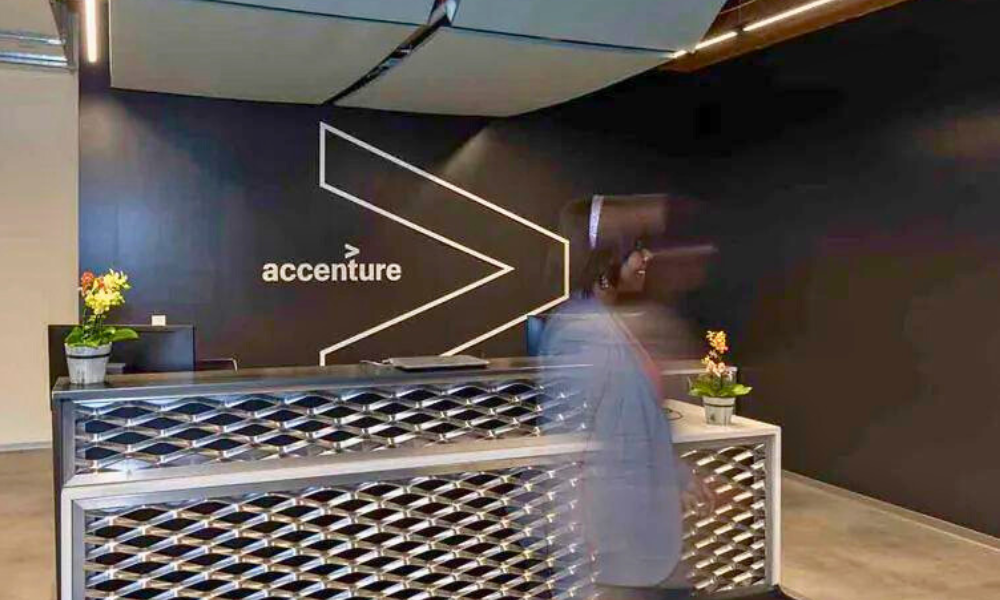
Accenture Acquires Bengaluru-based Semiconductor Design Company Excelmax Technologies

Accenture Acquires Bengaluru-based Semiconductor Design Company Excelmax Technologies

Accenture has acquired Excelmax Technologies, a semiconductor design services provider based in Bengaluru, India. This strategic move enhances Accenture's growing silicon design and engineering capabilities. Excelmax specializes in custom silicon solutions used in consumer devices, data centers, artificial intelligence (AI), and computational platforms for edge AI deployments. Their expertise serves clients in the automotive, telecommunications, and high-tech industries.

The acquisition aligns with the surge in demand for silicon design engineering, driven by data centers, AI, and edge computing. It also complements Accenture's previous acquisition of XtremeEDA, a Canada-based silicon design services company.

Founded in 2019, by Shekhar Patil, Excelmax Technologies is a semiconductor design services provider with specialization in custom silicon solutions used in consumer devices, data centers, artificial intelligence (AI), and computational platforms for edge AI deployments. Their expertise serves clients in the automotive, telecommunications, and high-tech industries.

“Our focus has always been on developing the best talent to deliver tailor-made solutions for our global clients that help them build and maintain competitive advantage,” said Shekhar Patil, founder & CEO, Excelmax Technologies. “Joining Accenture enables us to remain at the forefront of innovation, providing new and exciting opportunities for both our clients and our people.”

Shekhar Patil, the founder and CEO of Excelmax Technologies, brings a wealth of experience to the company. Before founding Excelmax, he held roles at SkandySys Technologies Pvt Ltd, Texas Instruments, Synopsys Inc, and D'GIPRO SYSTEMS PRIVATE LIMITED. His expertise spans various cutting-edge technologies, ranging from mobile devices to cloud servers. At Excelmax, Shekhar Patil has been instrumental in providing comprehensive semiconductor solutions, covering high-level design to detailed physical layout ready for manufacturing. The company's focus is on delivering tailor-made solutions for global clients, helping them build and maintain competitive advantage in the dynamic tech industry.

This acquisition by Accenture aligns with the surge in demand for silicon design engineering, driven by data centers, AI, and edge computing.

Bengaluru-based Home Décor And Furnishing Start-up Mygubbi.com Raises $2.7 Million Funding

Bengaluru-based home décor and furnishing start-up Mygubbi.com, which went live in October 2015, has raised $2.7 million in its pre-series A funding round.

The round was led by the family office of Firoze Irani; Vipul Parekh, cofounder of Big Basket; Ananda Kallugadde, cofounder of NeoBytes; and Rajesh K Murthy, president of Infosys, among others.

Mygubbi is co-founded by NITK Surathkal alumnus Umesh Sangurmath and Ravi Rao, also from NITK and an IIM-B. Sangurmath and Rao had earlier co-founded food and grocery retail chain Smart, which they sold to Mumbai-based Wadhawan Group.

Talking to Economic times, Sangurmath revealed that the startup plans to use the funds primarily to grow their business."We would look at going deeper into existing markets, as well as strengthen our backend. We are also setting up a design centre of excellence in Bengaluru, which is where these funds would be deployed," Sangurmath said.

A consumer tech company, MyGubbi enables customers to design their dream home. It offers interior design solutions and home merchandise across various categories that are perfect to style modern homes.

With the help of its experienced designers, the startup promises that their dream home is just a click away. One can choose from a range of sophisticated designs with 3D renders to get the home, the right look they desire.

In March, 2016, Mygubbi.com had raised $2.5 million in seed funding. The finance was raised from 20 angel investors led by Vipul Parekh, co-founder of Big Basket; Ananda Kallugadde, co-founder of NeoBytes; and Rajesh K Murthy, EVP of Infosys.

This development was first reported in Economic Times.

[Image: YourStory]

Bangalore Based Agri-tech Startup Farm Taaza Raises $8 Million

Bengaluru-based Farm Taaza, a fresh produce supply chain management firm, has recently raised a whopping Rs. 52 crore ($8 million) in a Series A funding round.

A wholly owned subsidiary of Gram Suchana Solutions Pvt Ltd., Farm Taaza is a B2B (Business to Business) entity focused on increasing the value to both the farmers and their business Customers(Retail/eCommerce/Hotels,Restaurants,Corporates,Institutions). The company is founded by Silicon Valley veterans and funded by Silicon Valley angel investors.

The funding round was led by Epsilon Venture Partners, a Hong Kong-based VC funding innovation and entrepreneurship across Asia and Tara India Fund IV, which is managed by IL&FS Investment Managers, among other existing investors of the 2015 founded firm.

Currently functioning in Bengaluru, Chennai, Hyderabad and Ooty, Farma Taaza has plans of putting the capital raised to good use by expanding across South India. Some part of the money will also be utilised by the firm to make the required technological upgrades.

The Phaneesh Murthy-backed startup, which provides expert advice to the farmers on improving the yield and improving the field operations of the farmer, currently provides its services to over 1,400 farmers and supplies 150 varieties of fruits and vegetables to clients, including hotels and hospitals. Not only this, the company is also attentive about the cause of reducing wastage that comes from supplying fruits and vegetables to different destinations as much as possible.

Speaking in the light of the investment about Farm Taaza’s overall goal, Kumar Ramachandran, CEO of Farm Taaza, said, “We want to enable a seamless supply chain from farm to store and our next focus will be to leverage machine learning, AI and data analytics for improved decision making.”

Farm Taaza was founded by Kumar Ramachandran in August 2015. An alumnus of the University of South Florida, Ramachandran was earlier associated with companies such as Vignani Technologies, Applied Materials India and Hitachi Data Systems.

Commenting on his firm’s latest investment, Mahesh Vaidya, general partner, Epsilon Venture Partners, said, “The greatest potential comes from the digitisation of its supply chain — automation, data management, collaborative planning and forecasting, smart sourcing and product tracking, all of which make Farm Taaza more responsive, agile and transparent.”

[Image: VCCircle]

Bengaluru-based Car and Bike Rental Platform Drivezy Raises $10 Mn Funding

While China’s bicycle rentals on-demand startup, Ofo is gearing to enter India early next year, its Indian counterpart self-drive car and bike rental firm Drivezy has decided to get ready for the challenge by raising a whooping Rs 65 crore ($10 million) in a part-equity and part-debt round.

Formerly called JustRide, an equity investment totalling $5 million was made by American and Japanese investors, which included Axan Partners, Das Capital and IT Farm, while a consortium of banks and NBFCs including Mahindra Finance, ICICI Bank, Cholamandalam Finance and Shriram Finance have gone for a $5 million investment in debt in Drivezy.

Transportation is considered as backbone of any modern economy. However, rapid motorisation effectuates its own set of issues. While on one hand the burgeoning number of vehicles on road has become a menace in metros across India, a number of cities suffer from lack of good urban commuting solutions. The concept of car rentals may be simple, but it holds immense potential. Be it the positive impact of rental vehicles on the environment or reducing the number of vehicles out on the streets, the shared economy of self drive car rentals can be considered as a promising solution to a number of problems plaguing the urban India right now.

The startup will use the money raised to enter new markets across India and abroad, revealed Ashwarya Singh, CEO and co-founder, Drivezy in a statement. It will also use a part of the capital raised to create rental coins, its own private currency. Drivezy recently announced the launch of its private Initial Coin Offering (ICO). It has partnered with Japanese payment firm Anypay for the same. The startup plans on introducing bitcoin as a payment option as it believes by developing initiatives around it will allow for global ownership of its fleet.

“We have started accepting cryptocurrency such as bitcoin for transactions on our platform. We have seen 150-160 transactions through that mode so far,“ said CEO Ashwarya Singh in a statement to Economic Times.

Drivezy, which is currently claiming to earning an impressive Rs 1.3 crore in monthly revenues, is focused on scaling its fleet by more than six times to 8,000 divided 50-50 between cars and bikes. The company is focused on turning profitable by March next year.

[Image: Justdial]

Student Micro-Financing Startup SlicePay Raises Funding From Russia’s Simile Venture Partners, Others

Bengaluru-based SlicePay, an AI based instant credit app for youngsters in India, has successfully raised a whopping $2 million (approx. Rs 13 crore) in a Series A round funding from Russian early-stage investor Simile Venture Partners and Japanese investment fund Das Capital with participation from existing investor Blume Ventures, according to a report in VCCircle.

Formerly called Buddy, SlicePay aims to revolutionise the way India pays by extending Indians a single line of credit in the long run. The startup started with an early adopter generation of college students as they are the most frequent shoppers and a good demographic to build this infrastructure on before it starts scaling up with millennials and then others.

According to SlicePay, another reason they decided start with college students is because they usually have limited options when it comes to credit since banks and NBFCs are not so accepting of them.

Currently operational in Bangalore, Chennai and Vellore, SlicePay plans to use the money raised to expand to more cities in the country, revealed Rajan Bajaj, co-founder and chief executive of SlicePay in a statement to VCCircle.

He further added, “This capital would allow us to serve students in other parts of India for both their education and consumption-related credit needs. We have developed a strong data-driven risk model using alternative data points. In the next phase of growth, we will be expanding to other cities and identifying the right set of customers to give access to SlicePay.”

Backed by big data, machine learning, artificial intelligence and data science, and with a relentless focus on disrupting the traditional credit ecosystem powered by legacy banks, SlicePay combines flexibility and transparency to ensure that its users can avail plans that cater specifically to their needs.

Founded in November 2015 by Bajaj, an IIT Kharagpur alumnus, and Deepak Malhotra, a BITS Pilani graduate, the startup provides a credit line of up to Rs 60,000 to students from over 500 colleges through its proprietary risk mechanism. The final loan disbursal is completed by its non-banking financial partner. Since starting up, the startup claims to have disbursed more than Rs 45 crore in loans.

Prior to the $2 million Series A round, SlicePay’s parent company Garagepreneurs Internet Pvt. Ltd had raised $500,000 from Blume Ventures and Tracxn Labs in early last year. The startup was once again in the news in February when it acquired Trustio, a peer-to-peer lending company based out of New Delhi, in an all-equity deal.

[Image: BW Disrupt]

Used Furniture And Appliances Platform Zefo Raises $9.2 million From Sequoia, Others

Benagluru-based Refurbished furniture and appliance marketplace Zefo has recently revealed that it has raised a whopping Rs. 60 crore ($9.2 million) in Series B funding. The round, which was led by its existing investors Sequoia India and Helion Venture Partners, saw the participation of Singapore-based Bennett, a fund launched by Japanese e-commerce entrepreneur and investor Teruhide Sato.

Zefo is an eCommerce platform committed to giving buyers and sellers an absolutely hassle free used goods shopping experience. Unlike most options out there, one can sell on Zefo within minutes and get cash upfront for their products. As a buyer, you get a transparent eCommerce experience at incredible value for your money.

According to information available on Crunchbase, Zefo has raised almost $16 million till date. This includes the recent Series B funding, the Series A funding the startup raised last year and earlier funding.

Currently operating in Bangalore, Mumbai and Delhi, Zefo claims to have served 150,000 customers since it started out in 2015. It currently lists over 10,000 products.

The platform sets itself apart from several other companies floating in India’s e-commerce sector currently by focusing its attention on secondhand items in three categories: furniture, home appliances and mobile phones.

Instead of functioning as a peer marketplace, Zefo provides potential sellers with a quote after a quality check, and pays them in cash if the offer is accepted and then picks up the items right from their door. Before being listed on Zefo, the products are refurbished by the startup and the buyers are provided a return policy and a buyback guarantee of up to 70 per cent.

“Sequoia India is very pleased with how Zefo has addressed a white-space in the online used commerce market. This is a massive, underserved market where current alternatives do not work well in the Indian context. Zefo’s managed marketplace approach appeals to both buyers and sellers and their strong growth is a testament to the product-market fit that they have achieved,” said Sequoia Capital India Advisors Abheek Anand principal in a statement about its latest investment.

This development was first reported in TechCrunch.

[Image: YourStory.com]

Xiaomi May Invest $15 Mn In Bangalore-based Social Networking Startup ShareChat

China-based smartphone and consumer electronics manufacturer Xiaomi and its venture capital firm, Shunwei Capital, are reportedly considering investing a whopping $15 million in funds in a Bengaluru-based social networking and regional content platform called ShareChat.

Started in the year 2015 by three IIT Kanpur alumni ‑ Farid Ahsan, Bhanu Singh and Ankush Sachdeva, ShareChat in simple words is a social media platform in local Indian languages. With ShareChat, one can share videos, jokes, GIFs, audio songs and funny images from India in Indian languages like Hindi, Telugu, Marathi, and Malayalam.

As of now, the platform only caters to 10 regional languages. The startup plans on raising funding somewhere between $65 to $70 million dollars so that they can add more regional languages and cater to more diverse people all across the country. It is interesting to note that ShareChat doesn’t have English as a language of choice on its platform.

So, are social media platforms in vernacular languages really a need in the country? Well, various research work suggest it is.

According to research firms, currently, there are 350 million smartphone users in the country, of which an odd 100-120 million users are fluent with English. The others would prefer their vernacular language over English as a preferred mode of communication. This is the gap that ShareChat is hoping to explore and fill.

Furthermore, research company Ernst and Young in a report highlighting the future of digital content consumption in India had shared that the 45 percent of online users in India consume regional language content. The report also claimed that with low data plans, low-cost smartphones and rural development on the roll, one can expect this number to increase exponentially in the near future. This explains the growing investor interest in ShareChat.

Sharing his vision about ShareChat, co-founder Farid Ahsan said, “This is a young and aspirational set of population which is coming on the internet now, on the back of cheap smartphones and easy availability of mobile data. They are very different from people in the big cities who have been using emails and social media for almost a decade. We want to cater to this fast-growing group of users.”

Reportedly, Xiaomi and ShareChat have already inked the big deal, but haven’t closed it yet officially. The app, which claims to have 1.3 million daily active users and 4.2 million monthly active users, can be easily downloaded from Google Play Store. It is said to have been downloaded 10 million times already.

This isn’t the first time that Xiaomi is considering pumping money in platforms catering to regional Indian content users in the country. Previously, the Chinese major had led a $25 million investment into digital media entertainment company Hungama that reportedly has over 8000 movies in Hindi, Tamil, Telugu, Malayalam, Bengali, Punjabi and six other Indian vernacular languages on its platform.

This development was first reported in the Times of India.

[Image: udemy]

Chris Gayle Invests In Bengaluru-based Augmented Reality Venture FlippAR

West Indian cricketer Chris Gayle is known for his on field philosophy of either going big or going home. Well, it seems, the cricketer is now following the philosophy off field, too. The opening batsman has recently picked up a stake in Bengaluru-based augmented reality venture FlippAR.

FlippAR has been providing Augmented Reality development services for over 2 years and developing mobile applications for over 3 years now. The startup helps companies provide better customer experience because of its experience with customer service and technology integration. It develops Augmented Reality applications that adds a huge value to its users, by being able to make better purchase decisions and be able to present interactive information.

"The West Indian great Chris Gayle has picked up a minority stake in our venture.. Gayle will be endorsing the brand and initiate campaigns across the world," said FlippAR Founder Vivek Jain in a statement to the PTI.

Jain further revealed that the investment agreement was signed four days ago with the help of Dinanath Ramnarine, who is considered to be Gayle’s close aid. The terms and modalities of the agreement are still being worked out. "Ramnarine was the man who backed Gayle in his standoff with the West Indies Cricket Board. He is one of the most respected cricket administrators in West Indies,” he added.

FlippAR had earlier raised Rs five lakh fund under a scheme initiated by Karnataka government this March. According to Jain, the startup has plans to raise more funds from private investors as it is looking to expand its business in near future.

Earlier this year, Chris Gayle had invested an undisclosed amount in another Bengaluru-based startup called IONA Entertainment, a gaming startup that brings one-stop entertainment to Indian sports fans, which includes state-of-the-art virtual gaming. In addition to the startup world, Gayle has also been investing his money in various other business ventures including restaurants and real estate trade.

This development was first reported in MoneyControl.

Market Reports

Market Report & Surveys
IndianWeb2.com © all rights reserved