‏إظهار الرسائل ذات التسميات IIT Bombay. إظهار كافة الرسائل

Tata Power and IIT Bombay Collaborate to Accelerate Innovation in Clean Energy and Advanced Power Technologies

Tata Power and IIT Bombay Collaborate to Accelerate Innovation in Clean Energy and Advanced Power Technologies

Tata Power, one of India's largest integrated power companies, and the Indian Institute of Technology Bombay (IIT Bombay), one of the country's premier institutions for science, engineering and technology research, signed a Master Research Agreement (MRA) marking the beginning of a long-term strategic partnership for accelerating scaling up and commercialization of lab scale innovations in next generation energy technologies and advanced clean energy solutions.

The agreement was signed at the IIT Bombay campus by Dr. Praveer Sinha, Chief Executive Officer & Managing Director, Tata Power, and Prof. Shrikrishna V. Kulkarni, Dean (Research & Development), IIT Bombay, in the presence of Prof. Shireesh Kedare, Director, IIT Bombay.

This collaboration brings together IIT Bombay's research excellence and Tata Power's industry expertise to jointly develop impactful solutions across areas such as smart grids, power electronics, energy storage, electric mobility, cybersecurity, AI for power systems, digital grid technologies, carbon capture, and circular economy. The partnership aims to accelerate the translation of cutting-edge research into scalable, industry-ready technologies that contribute to India's clean energy transition, energy security, and sustainable development.

Dr. Praveer Sinha, Chief Executive Officer & Managing Director, Tata Power, said “We are proud to partner with IIT Bombay to harness innovation and technology for the next generation of India’s power sector. By combining IIT Bombay’s cutting-edge research with Tata Power’s experience in deploying solutions at scale, we aim to accelerate the development of future-ready energy technologies. This partnership will contribute to a more resilient, secure, intelligent, and sustainable power ecosystem for India.

Prof. Shireesh Kedare, Director, IIT Bombay, said: “India’s energy transition requires not only advances in scientific research, but also the ability to translate those advances into reliable, scalable, and relevant technologies. This collaboration with Tata Power aligns strongly with IIT Bombay’s mission to translate advanced laboratory research into deployable industry solutions. By combining IIT Bombay’s research and innovation capabilities with Tata Power’s industry experience and large-scale deployment expertise, we aim to accelerate the development of indigenous technologies that can strengthen India’s energy security, accelerate decarbonization and contribute to a future-ready resilient power grid.”

The collaboration reflects the Government of India's emphasis on industry-academia partnerships to accelerate research, innovation and commercialization of technologies critical to the country's energy transition.

Groww Foundation to Support Over 100 Student Startup Teams Annually, Unveils Ist Cohort

Groww Foundation, the philanthropic arm of Groww, today announced the first cohort of the INV.ENT program, backing 19 ideas by 35 young innovators at the Indian Institute of Technology Bombay (IIT Bombay). The grants are the entry point of a program that will support over 100 student teams a year, with the strongest ones rewarded the Grand Challenge Fellowship with its larger, milestone-based support.

Chosen from nearly 400 submissions across disciplines, the ideas stretch across agri-tech, robotics, climate-tech, assistive-tech, retail, design, edtech, gaming and defence, several leveraging AI and ML to tackle the hitherto unsolved problems. The full portfolio of the selected ideas is at: growwfoundationiitb.org/portfolio

Across the cohort, the winning ideas range across a marketplace that takes ceramics from Dharavi's potters to customers, a wearable sleeve that coaches physiotherapy patients through their exercises, a platform that turns CO2 into edible protein and an AI system built to guard critical infrastructure against rogue drones.

The first cohort spans the program's two tracks. 3 student teams have been named the program's inaugural Grand Challenge Fellows and are eligible for milestone-based annual support of up to Rs 25 lakh each. The 16 remaining student teams enter the POC Support Track with a catalytic grant of Rs 30,000 each.

On top of the grant, this cohort will receive mentoring and a 15,000 sqft dedicated space, called Groww Innovation Space, located at IIT Bombay's Desai Sethi School of Entrepreneurship (DSSE). This space will be used to build, test a core assumption, speak to real users and assemble a prototype, thereby allowing a steady influx of new ideas from students into this ongoing program that doesn't come with a submission deadline - just a commitment to fostering fearless innovation.

"At Groww Foundation, our mission since day zero has been to empower India's youth with opportunities to learn, build and innovate. INV.ENT is a program born out of that belief," said Kalpana Swaminathan, Head of Groww Foundation. "We see this as a launchpad, the place where young innovators get the mentorship, financial support and trust to take their first real shot, long before the world is watching. We're excited to work closely with this cohort of innovators as they turn their conviction into something real, and we hope to look back one day and call this the starting point for some of India's most impactful builders."

Reflecting on what the first INV.ENT cohort represents for student innovation at IIT Bombay, Prof. Shireesh Kedare, Director, IIT Bombay, said, "At IIT Bombay, we believe that the distance between an idea and its impact is often determined by whether someone believes in it early enough. Our partnership with Groww Foundation through INV.ENT is built on that shared conviction. Young innovators deserve the freedom, resources, and encouragement to test bold ideas before the world expects results. Together, we are creating an ecosystem where students do not have to wait for permission to build. They can test, fail, learn, and move forward. That is how enduring innovation ecosystems are built."

Mukund and the Team BeBrust, one of the winning teams, shared, "The overall experience of selection has been really helpful in improving our clarity. We understood the caliber of the team. We are now more confident in the innovation of our idea and in our mission, opportunity, and ability to perceive and experiment. We are looking forward to getting a bigger network and being at least one year ahead of our plan."

Honeywell and IIT Bombay Establish CoE to Advance Sustainability Skills and Innovation in India

Honeywell and IIT Bombay Establish CoE to Advance Sustainability Skills and Innovation in India
  • Partnership to skill over 100,000 students in sustainability fields by 2030 through industry–academia collaboration
Honeywell (NASDAQ:HON) today announced an agreement with the Indian Institute of Technology Bombay (IIT Bombay) to establish a new Centre of Excellence at the Institute’s Powai campus that will help skill more than 100,000 students by 2030 in sustainability-related fields.

The IIT Bombay - Honeywell Centre of Excellence for Future Skills & Innovation (IITB-Honeywell CoE) will be created and fully funded by Honeywell Hometown Solutions India Foundation (HHSIF) – Honeywell’s philanthropic arm in India. The IITB-Honeywell CoE will offer advanced laboratory infrastructure, equipment procurement, curriculum design and research and innovation grants.

In its pilot phase over the next two months, the IITB-Honeywell CoE will focus on establishing core infrastructure, developing a specialized curriculum and training a first phase of 250 students. The IITB-Honeywell CoE will offer certificate-based programs featuring coursework and hands-on projects aligned with real-world sustainability challenges. It will benefit undergraduate, postgraduate, and doctoral students from across the country. Following the pilot phase, subsequent phases are expected to engage nearly 20,000 students per year during the partnership, through the IITB-Honeywell CoE’s structured curriculum.

As India digitally transforms its economy and critical sectors such as energy, it faces a growing shortage of sustainability professionals with cross-disciplinary, technology-driven skills. According to the Economic Survey 2023-24[i], India aims to create 3.4 million jobs in the green sector by 2030. The renewable energy industry alone faces a deficit of 1.2 million skilled workers, a number that could swell to 1.7 million by 2027, according to TeamLease[ii]. The IITB-Honeywell CoE will address the growing demand for skilled sustainability professionals by combining classroom learning with applied research across five learning tracks: Sustainability Reporting, Sustainable Finance, Energy Security, Sustainability Infrastructure and Policy Advocacy.

Skilling our workforce is central to building a future-ready and sustainable India. Our collaboration with IIT Bombay reinforces Honeywell’s commitment to developing high-quality talent across sustainability fields, as India accelerates growth through its AI-powered digital economy,” said Ashish Modi, President, India and Asia Pacific, Honeywell. “Honeywell’s new CoE aligns with this digital transformation and will equip students with the right industrial skills to support long-term economic growth with sustainability at the core.”

The IITB-Honeywell CoE’s course structure, applicable through 2030, requires each student to complete 40 hours of training across the five learning tracks. Classroom programming and applied research will be jointly delivered by the IIT Bombay faculty and industry specialists and supported by Honeywell employees through volunteer mentorship, technical guidance and career-readiness training.

IIT Bombay has always emphasized translating academic excellence into societal impact,” said Prof. Shireesh B. Kedare, Director, Indian Institute of Technology Bombay. “The establishment of our Centre of Excellence with Honeywell strengthens that mission by giving students experiential learning beyond the classroom, enabling them to engage meaningfully with real-world sustainability challenges that are critical to India’s future.”

The partnership with IIT Bombay is a defining milestone under Honeywell India’s flagship ‘Saksham’ skilling initiative. Under Saksham, STEM students nationwide are trained in AI, cybersecurity and sustainability, while the IIT Bombay collaboration will focus specifically on sustainability-skilling through the IITB-Honeywell CoE.

IIT Bombay and Groww Foundation Launch Landmark Partnership to Drive Deep-Tech Innovation

IIT Bombay and Groww Foundation Launch Landmark Partnership to Drive Deep-Tech Innovation

IIT Bombay today announced a landmark partnership with Groww Foundation, aimed at accelerating deep-tech innovation and enhancing India's translational research ecosystem. The collaboration is set to introduce a multi-component initiative that empowers student innovators, supports the development of functional prototypes, and fosters a seamless pathway for taking breakthrough academic ideas into real- world applications.

The initiative will be anchored within the Desai Sethi School of Entrepreneurship (DSSE) at IIT Bombay, leveraging its dynamic ecosystem to provide early-stage teams with the infrastructure, mentorship, and structured evaluation systems.

Speaking about the collaboration, Prof. Shireesh Kedare, Director, IIT Bombay, said, "This partnership with Groww Foundation represents a significant step in strengthening India's deep-tech innovation pipeline. By bringing together structured programs and a dedicated innovation space, we are creating a comprehensive pathway for students to translate ideas into solutions. This collaboration reinforces IIT Bombay's commitment to nurturing technologically skilled and socially conscious innovators.”

A cornerstone of this collaboration is the Groww Innovation Space — a state-of- the-art 15,000 sq. ft. facility located in the DSSE building. Complementing this physical hub is the launch of an annual Grand Challenge that will invite interdisciplinary teams of students, researchers, and faculty to develop breakthrough solutions in key focus areas, including holistic education, sustainable livelihood, healthcare, and women’s empowerment, among others.

Kalpana Swaminathan, Head of Groww Foundation, said, “At Groww, we believe that innovation rooted in technology and research-driven entrepreneurship is the key to shaping India’s future. Our partnership with IIT Bombay’s DSSE is designed to unlock the full potential of aspiring student innovators by providing them with the resources and mentorship needed to transform bold ideas into impactful ventures. Together, we aim to build a thriving ecosystem that not only nurtures deep-tech solutions but also contributes to sustainable and inclusive growth across multiple sectors.”

Over a period of four years, student-faculty teams will receive funding and sustained guidance from faculty and mentors, with high-performing interdisciplinary student teams gaining potential access to support for incubation. The program will provide development support to approximately 100 teams each year as part of their entrepreneurship and capstone coursework, enabling nearly 400 teams over four years to build, test, and refine their solutions.

This collaboration marks a significant milestone in advancing India’s technology innovation landscape and fostering a new generation of entrepreneurially minded technologists committed to sustainably building for the future.

About IIT Bombay:

The Indian Institute of Technology Bombay, set up in 1958 as the second IIT, is recognised worldwide as a leader in the field of science and engineering education and research. The Institute was granted the status of 'Institution of Eminence' by the Ministry of Education (the then Ministry of Human Resources Development) on July 9, 2018. IIT Bombay is reputed for the quality of its faculty, cutting edge research, industry relations and the outstanding calibre of students graduating from its undergraduate and postgraduate programmes.

The Institute has 17 academic departments, 47 other academic entities (Centres/ Programmes/ Academic facilities/ Hubs/ Externally funded centres and Labs) and three schools. Over the last six decades, more than 75,000 engineers and scientists have graduated from the Institute. It is served by 751 faculty members and about 150 visiting and part-time faculty considered not only amongst the best within the country but also highly recognised in the world for achievements in the field of education and research. On June 19, 2025, IIT Bombay was ranked 2nd in India and 129th in the world in the Quacquarelli Symonds (QS) World University Rankings for 2026.

About Groww Foundation:

Groww Foundation is dedicated to building inclusive and sustainable communities across India. The foundation focuses on expanding access to quality education, advancing research and development, and driving skill development initiatives for a sustainable livelihood and quality of life.

Through partnerships with nonprofits, educational institutions, governments, and community organisations, Groww Foundation supports on-ground and technology-driven programs with a focus on long-term impact. These initiatives strengthen essential services and promote socioeconomic empowerment, ensuring wider access to opportunities created by India’s growing digital and economic transformation.

India Unveils Quantum Microscope and 1st Liquid Helium Cryogenic Facility at IIT Bombay, Pioneering Cancer Diagnosis Breakthroughs

India Unveils Quantum Microscope and 1st Liquid Helium Cryogenic Facility at IIT Bombay, Pioneering Cancer Diagnosis Breakthroughs

India has inaugurated its first Liquid Helium Cryogenic Facility at IIT Bombay, alongside advances in quantum sensing technologies, which are expected to play a transformative role in medical imaging and cancer diagnosis.

Union Minister Dr. Jitendra Singh inaugurated the Liquid Helium Facility at IIT Bombay, calling it a milestone in India’s quantum ecosystem. The facility includes a helium recovery system that reduces cryogenic experiment costs to one-tenth while conserving helium, a rare global resource.

The Minister dedicated the facility to the nation and reviewed India’s first indigenous quantum sensing and imaging platforms. Among them was QMagPI, a portable magnetometer capable of detecting ultra-low magnetic fields at the nanotesla scale.


Key highlights of the announcement

  • Liquid Helium Cryogenic Facility: India’s first such installation, dedicated at IIT Bombay, enables ultra-low temperature experiments essential for quantum research.
  • Quantum Microscope Potential: Quantum sensing breakthroughs at IIT Bombay are being positioned as tools for high-resolution medical imaging, which could significantly improve early cancer detection.
  • Government Backing: Union Minister Dr. Jitendra Singh emphasized that this initiative reflects India’s commitment to building a strong ecosystem in quantum science, cryogenics, advanced materials, and next-generation computing.
  • Cancer Diagnosis Applications: Quantum microscopes, when paired with cryogenic environments, can reduce noise and enhance sensitivity, allowing researchers to observe biological samples at unprecedented resolution. This could lead to earlier and more accurate cancer diagnostics compared to conventional imaging.

Why this matters

  • Medical Breakthroughs: Traditional microscopes often struggle with resolution limits. Quantum microscopes, leveraging entangled photons and cryogenic cooling, can surpass these barriers.
  • Cryogenics in Healthcare: Liquid helium cooling stabilizes quantum sensors, making them reliable for clinical applications. This is crucial for biopsy-free cancer detection and precision medicine.
  • Global Competitiveness: India joins the ranks of countries investing heavily in quantum-enabled healthcare, positioning itself as a leader in quantum medical technology.

Challenges and next steps

  • Infrastructure Costs: Cryogenic facilities are expensive to maintain, requiring continuous helium supply and specialized expertise.
  • Clinical Translation: Moving from lab-based quantum sensing to hospital-ready diagnostic tools will demand regulatory approvals, clinical trials, and interdisciplinary collaboration.
  • Talent Pipeline: India will need to train more quantum engineers, medical physicists, and biotechnologists to fully harness this innovation.

Broader implications

This development is not just about cancer diagnosis—it signals India’s ambition to integrate quantum technologies into healthcare, computing, and materials science. If successful, quantum microscopes could revolutionize how diseases are detected and treated, while cryogenic facilities will serve as the backbone for future quantum computing and sensing ecosystems.

New India-UK Project To Use Quantum Power to Boost Soil Health and Food Security

New India-UK Project To Use Quantum Power to Boost Soil Health and Food Security

British Prime Minister Keir Starmer’s upcoming visit to Mumbai is spotlighting a major India-UK research partnership in quantum computing and biotechnology. At the heart of this collaboration is a joint project between Imperial College London and IIT Bombay, aiming to use quantum simulations to improve crop resilience and soil health in climate-vulnerable regions.

Researchers are modeling how plants and soil bacteria communicate, using quantum computing to simulate gene regulation and microbial signaling. Strigolactones, a plant chemicals that act as messengers between roots and microbes. The joint India-UK team is studying how synthetic versions of Strigolactones and biochar can enhance these interactions.

IIT Bombay contributes microbial ecology and genomics, while Imperial brings bioinformatics and quantum simulation capabilities. The aim is to boost natural processes that help crops thrive in arid and extreme weather conditions.

Quantum Roots: How India and the UK Are Using Quantum Computing to Reinvent Agriculture

In a world grappling with climate extremes, a groundbreaking India-UK collaboration is turning to quantum computing—not for finance or cryptography, but for farming. At the heart of this effort is a joint research project between Imperial College London and IIT Bombay, aiming to decode the invisible language between plant roots and soil microbes to build climate-resilient agriculture.

From Silicon to Soil: The Quantum Leap

Led by Dr. Po-Heng (Henry) Lee at Imperial and Dr. Indrajit Chakraborty at IIT Bombay, the project uses quantum simulations to model how plants communicate with microbes in the soil. The focus is on strigolactones—plant hormones that act as chemical messengers, triggering microbial responses that affect nutrient uptake, drought resistance, and overall soil health.

We’re not just simulating molecules—we’re simulating relationships, says Dr. Lee. Quantum computing lets us explore how microbial communities respond to plant signals under stress, and how we might enhance those responses.

The Science Behind the Soil

  • Synthetic strigolactones and biochar are being tested to amplify beneficial microbial activity.
  • IIT Bombay contributes microbial genomics and soil ecology expertise.
  • Imperial College builds quantum circuit models to simulate microbial gene expression and signal transduction.

Strategic Roots: India-UK Tech Diplomacy

  • The project is a flagship under the India-UK Technology Security Initiative (TSI), signed in 2024.
  • Funded by the India Connect Fund, supporting up to 25 joint research efforts annually.
  • Will be spotlighted during Keir Starmer’s visit to Mumbai for the Global Fintech Fest 2025.

Why It Matters

  • Food Security: Quantum-enhanced soil treatments could boost yields in climate-stressed regions.
  • Climate Adaptation: Understanding microbial resilience helps design farming systems that thrive under stress.
  • Tech Transfer: Sets a precedent for applying frontier technologies to grassroots challenges.

The Bigger Picture

This isn’t just about quantum computing—it’s about reimagining agriculture as a system of intelligent, adaptive relationships. By simulating the unseen conversations beneath our feet, researchers hope to unlock new pathways to sustainability.

As Dr. Chakraborty puts it, We’re using the most advanced tools in physics to solve the oldest problem in civilization: how to grow food in a changing world.

IIT Bombay’s BETIC Gets ₹70 Cr Boost from ICICI Foundation to Advance Biomedical R&D

IIT Bombay’s BETIC Gets ₹70 Cr Boost from ICICI Foundation to Advance Biomedical R&D

Indian Institute of Technology (IIT) Bombay and ICICI Foundation for Inclusive Growth (ICICI Foundation), the CSR arm of ICICI Bank, have forged a partnership to expand the biomedical innovation hub at the country’s premier technology and engineering institute. Under this partnership, ICICI Foundation has pledged ₹70 crore to set up additional floors at the Biomedical Engineering and Technology Innovation Centre (BETIC) at IIT Bombay and equip this area with advanced facilities.

The MoU was signed by Prof. Shireesh Kedare, Director, IIT Bombay and Mr. Sanjay Datta, President, ICICI Foundation in presence of Mr. Pradeep Kumar Sinha, Chairman, ICICI Bank.

The new floors, named ‘IIT-ICICI BETIC Hub’, will significantly expand IIT Bombay’s capabilities in biomedical engineering, increasing its space five-fold to 19,700 sq. ft. The hub will foster collaboration among researchers, clinicians, and industry leaders to develop affordable, cutting-edge medical devices and diagnostic solutions. It will be equipped with state-of-the-art resources for product development, medical grade manufacturing, safety testing, inspection, and packaging. This enhanced ecosystem will support med-tech startups and companies, train professionals in healthcare innovation, and generate high-value jobs, ultimately benefiting millions of patients.

Speaking on the collaboration, Prof. Shireesh Kedare, Director, IIT Bombay, said, "This partnership exemplifies how industry-academia alliances can drive innovation towards real-world impact. With ICICI Foundation’s generous support, IIT Bombay is poised to revolutionise biomedical research and technology, addressing critical healthcare gaps in India, fostering home-grown solutions that are accessible, affordable, and scalable.”

Commenting on the partnership, Mr. Pradeep Kumar Sinha, Chairman, ICICI Bank, said, “Healthcare is a key focus at ICICI Foundation’s CSR initiatives. India’s unique healthcare challenges -- high disease burden, vast rural populations, and affordability constraints—demand indigenous innovations in biomedical, tailored to its needs. Homegrown advancement will not only reduce dependency on imports but also foster cost-effective, cutting-edge medical solutions that can empower healthcare professionals and benefit millions across the country. The partnership between ICICI Foundation and IIT Bombay aims to meet this objective. The ‘IITB-ICICI BETIC Hub’ will facilitate the development of indigenous medical innovations ensuring affordable healthcare solutions to patients. We are delighted to collaborate with IIT Bombay to drive a meaningful change in the healthcare ecosystem.”

So far, ICICI Foundation has positively impacted over 2.5 million lives to receive treatment in 550 hospitals across the country through its initiatives in the healthcare sector. This includes building capacity in curative care, including cancer care, cardiac care, eye care, trauma and emergency care.

About BETIC:

BETIC is the only lab in an academic setting in India with ISO 13485 certification—an internationally recognised quality management system standard for medical devices. It has identified 450 unmet needs after detailed discussions with hundreds of doctors across various specialisations, created 240 novel prototypes, and has filed 70 patents. It has developed 43 medical devices, out of which 23 have been taken to market by startups formed at BETIC; while the remaining 20 devices have been licensed to Indian companies. A recipient of 61 prestigious awards, BETIC has impacted several million lives till date. For more details on BETIC’s work, visit Medical Device Innovation –BETIC, Mumbai

QS World University Rankings 2025: IIT Delhi and IIT Bombay in Top-150

QS World University Rankings 2025: IIT Delhi and IIT Bombay in Top-150

The QS World University Rankings for 2025 have been released. As of the rankings, no Indian universities have been listed in the top 100. The highest-ranking Indian institutions are IIT Bombay and IIT Delhi, both of which have made significant improvements but are positioned within the top 150. IIT Bombay is ranked 118th and IIT Delhi is at 150th globally.

However Indian universities have shown significant improvement in the QS World University Rankings 2025. Here are some highlights:
  • IIT Bombay has climbed from 149th to 118th globally, leading among Indian institutions.
  • IIT Delhi has made a remarkable jump of 47 ranks, moving from 197th to 150th.
  • IISc Bangalore has improved from 225th to 211th.
  • IIT Kharagpur has risen from 271st to 222nd
  • IIT Madras has leaped from 285th to 227th
  • The University of Delhi has made one of the most significant advancements, rising 79 ranks from 407th to 328th
Overall, 61% of Indian universities have risen in rank, reflecting the country's growing influence in the global higher education landscape. The improvements are attributed to advancements in research, but challenges remain in internationalization and faculty-student ratios. 

In the Global scenario, here are the top ten universities in the world, according to the rankings :

1. Massachusetts Institute of Technology (MIT), US

2. Imperial College London, UK

3. University of Oxford, UK

4. Harvard University, US

5. University of Cambridge, UK

6. Stanford University, US

7. ETH Zürich – Swiss Federal Institute of Technology, Switzerland

8. National University of Singapore (NUS), Singapore

9. University College London, UK

10. California Institute of Technology (Caltech), US

Notably, Imperial College London has made a significant leap, moving up four places, largely due to their improvements in the 'Sustainability' category and various research metrics

For the thirteenth consecutive year, MIT has retained its position at the top of the list. The rankings this year are the largest to date, featuring 1,500 universities from 106 countries and territories. They also incorporate both employability and sustainability factors into their methodology for the first time.

Full List – Here

TCS, IIT Bombay to Develop India’s 1st Quantum Tech based Tool for Semiconductor Chip Examination

Tata Consultancy Services (TCS) has partnered with the Indian Institute of Technology, Bombay (IIT-Bombay) to develop India's first Quantum Diamond Microchip Imager. This advanced sensing tool aims to unlock new levels of precision in the examination of semiconductor chips, reduce chip failures, and improve the energy efficiency of electronic devices.

The Quantum Diamond Microchip Imager is designed for semiconductor chip imaging. It will help improve quality control of semiconductor chips, leading to better product reliability, safety, and energy efficiency in electrical devices.

Over the next two years, experts from TCS will collaborate with Dr. Kasturi Saha, Associate Professor in the Department of Electrical Engineering at IIT-Bombay, to develop the quantum imaging platform in the PQuest Lab.

Semiconductor chips play a crucial role in modern electronic devices across various industries, including communications, computing, healthcare, military systems, transportation, and clean energy. They act as the "brains" of these devices, enabling data processing and task completion.

This collaboration aligns with the Government of India's National Quantum Mission, which aims to position India as a global leader in quantum technology. The mission focuses on quantum sensing and metrology, among other areas.

Dr. Kasturi Saha expressed excitement about the collaboration, emphasizing the potential to drive innovation and transform sectors such as electronics and healthcare. Dr. Harrick Vin, Chief Technology Officer at TCS, highlighted the transformative impact of this initiative on various industries, from electronics to healthcare and beyond.

By combining their expertise, TCS and IIT-Bombay are contributing to the ongoing Second Quantum Revolution, which emphasizes cutting-edge capabilities in sensing, computing, and communication technologies. This collaboration represents a significant step toward India's quantum technology leadership and a brighter future for all.

IBM and Meta Launch International AI Alliance with 50+ Members Including IIT Bombay, Intel and NASA

IBM and Meta Launch International AI Alliance with 50+ Members Including IIT Bombay, Intel and NASA

AI Alliance Launches as an International Community of Leading Technology Developers, Researchers, and Adopters Collaborating Together to Advance Open, Safe, Responsible AI

India's IIT Bombay and Insurtech startup Roadzen among the members

IBM and Meta has just launched the AI Alliance in collaboration with over 50 Founding Members and Collaborators globally including AMD, Anyscale, CERN, Cerebras, Cleveland Clinic, Cornell University, Dartmouth, Dell Technologies, EPFL, ETH, Hugging Face, Imperial College London, Intel, INSAIT, Linux Foundation, MLCommons, MOC Alliance operated by Boston University and Harvard University, NASA, NSF, Oracle, Partnership on AI, Red Hat, Roadzen, ServiceNow, Sony Group, Stability AI, University of California Berkeley, University of Illinois, University of Notre Dame, The University of Tokyo, Yale University and others

AI advancements are leading to new opportunities that can improve how we work, live, learn and interact with one another. Open and transparent innovation is essential to empower a broad spectrum of AI researchers, builders, and adopters with the information and tools needed to harness these advancements in ways that prioritize safety, diversity, economic opportunity and benefits to all.

While there are many individual companies, start-ups, researchers, governments, and others who are committed to open science and open technologies and want to participate in the new wave of AI innovation, more collaboration and information sharing will help the community innovate faster and more inclusively, and identify specific risks and mitigate those risks before putting a product into the world.

That is why, the AI Alliance is launched – a group of leading organizations across industry, startup, academia, research and government coming together to support open innovation and open science in AI. The AI Alliance is action oriented and decidedly international, designed to create opportunities everywhere through a diverse range of institutions that can shape the evolution of AI in ways that better reflect the needs and the complexity of our societies.

The AI Alliance is focused on fostering an open community and enabling developers and researchers to accelerate responsible innovation in AI while ensuring scientific rigor, trust, safety, security, diversity and economic competitiveness. By bringing together leading developers, scientists, academic institutions, companies, and other innovators, we will pool resources and knowledge to address safety concerns while providing a platform for sharing and developing solutions that fit the needs of researchers, developers, and adopters around the world.

Initial ohiectives of the AI Alliance –

  • Develop and deploy benchmarks and evaluation standards, tools, and other resources that enable the responsible development and use of AI systems at global scale, including the creation of a catalog of vetted safety, security and trust tools. Support the advocacy and enablement of these tools with the developer community for model and application development.
  • Responsibly advance the ecosystem of open foundation models with diverse modalities, including highly capable multilingual, multi-modal, and science models that can help address society-wide challenges in climate, education, and beyond.
  • Foster a vibrant AI hardware accelerator ecosystem by boosting contributions and adoption of essential enabling software technology.
  • Support global AI skills building and exploratory research. Engage the academic community to support researchers and students to learn and contribute to essential AI model and tool research projects.
  • Develop educational content and resources to inform the public discourse and policymakers on benefits, risks, solutions and precision regulation for AI.
  • Launch initiatives that encourage open development of AI in safe and beneficial ways, and host events to explore AI use cases and showcase how Alliance members are using open technology in AI responsibly and for good.

What is the AI Alliance

To ensure open innovation in AI benefits everyone and that it is built responsibly, the AI Alliance consists of a broad range of organizations that are working across aspects of AI education, research, development and deployment, and governance.

The AI Alliance is –

  • The creators of the tooling driving AI benchmarking, trust and validation metrics and best practices, and application creation such as MLPerf, Hugging Face, LangChain, LlamaIndex, and open-source AI toolkits for explainability, privacy, adversarial robustness, and fairness evaluation.
  • The universities and science agencies that educate and support generation after generation of AI scientists and engineers and push the frontiers of AI research through open science.
  • The builders of the hardware and infrastructure that supports AI training and applications – from the needed GPUs to custom AI accelerators and cloud platforms;
  • The champions of frameworks that drive platform software including PyTorch, Transformers, Diffusers, Kubernetes, Ray, Hugging Face Text generation inference and Parameter Efficient Fine Tuning.
  • The creators of some of today’s most used open models including Llama2, Stable Diffusion, StarCoder, Bloom, and many others.
Besides IBM and Meta, IBM and the other 50-plus members of the AI Alliance include leading organizations across industry, government and academia. Partners and collaborators include:
  1. Agency for Science, Technology and Research (A*STAR)
  2. Aitomatic
  3. AMD
  4. Anyscale
  5. Cerebras
  6. CERN
  7. Cleveland Clinic
  8. Cornell University
  9. Dartmouth
  10. Dell Technologies
  11. Ecole Polytechnique Federale de Lausanne
  12. ETH Zurich
  13. Fast.ai
  14. Fenrir, Inc.
  15. FPT Software
  16. Hebrew University of Jerusalem
  17. Hugging Face
  18. IBM
  19. Abdus Salam International Centre for Theoretical Physics (ICTP)
  20. Imperial College London
  21. Indian Institute of Technology Bombay
  22. Institute for Computer Science, Artificial Intelligence
  23. Intel
  24. Keio University
  25. LangChain
  26. LlamaIndex
  27. Linux Foundation
  28. Mass Open Cloud Alliance, operated by Boston University and Harvard
  29. Meta
  30. Mohamed bin Zayed University of Artificial Intelligence
  31. MLCommons
  32. National Aeronautics and Space Administration (NASA) 
  33. National Science Foundation
  34. New York University
  35. NumFOCUS
  36. OpenTeams
  37. Oracle
  38. Partnership on AI
  39. Quansight
  40. Red Hat
  41. Rensselaer Polytechnic Institute
  42. Roadzen
  43. Sakana AI
  44. SB Intuitions
  45. ServiceNow
  46. Silo AI
  47. Simons Foundation
  48. Sony Group
  49. Stability AI
  50. Together AI
  51. TU Munich
  52. UC Berkeley College of Computing, Data Science, and Society
  53. University of Illinois Urbana-Champaign
  54. The University of Notre Dame
  55. The University of Texas at Austin
  56. The University of Tokyo
  57. Yale University

How the AI Alliance Will Work

The AI Alliance will begin its work with the formation of member-driven working groups across all major topical areas listed above. The Alliance will also establish a governing board and technical oversight committee dedicated to advancing the above project areas, as well as establishing overall project standards and guidelines.

In addition to bringing together leading developers, scientists, academics, students, and business leaders in the field of artificial intelligence, the AI Alliance will plan to partner with important existing initiatives from governments, non-profit and civil society organizations who are doing valuable and aligned work in the AI space.

To learn more about the Alliance, visit here: https://thealliance.ai

NITI Aayog Releases IIT Bombay-designed Analytical Tools for Managing Climate Change and Exploring Net Zero Pathways

NITI Aayog Releases IIT Bombay-designed Analytical Tools for Managing Climate Change and Exploring Net Zero Pathways
IESS is a user-friendly and Interactive Energy Modelling tool that takes into account the Green Policy Initiatives and explores Possible Decarbonisation Pathways towards Net-Zero

A Revamped India Energy Security Scenarios (IESS) 2047 (IESS 2047 V3.0) to assess the integrated impact of various green energy policies of Government of India was released by NITI Aayog on Thursday.

An open-source tool, IESS incorporates several policies related to alternative energy resources like Green Hydrogen, Energy Storage, Renewable Purchase Obligations, PM-KUSUM, offshore wind strategy, Electric Vehicle policy, Energy efficiency, etc. Assessing the demand and supply of energy in the country, the tool helps in analysing emissions, cost, land, and water requirements till 2047.

The web version of the tool offers user-friendly graphical representations of energy demand and supply scenarios for the country based on user choices. The results of some of the illustrative scenarios from IESS are shown below:


With an aim of making this technology available to the people, this version of IESS is easily downloadable and facilitates users to generate their own pathways. It will help researchers and think tanks to develop user-specific scenarios and the option of customised applications on the basis of share of industry/services/agriculture, population, the pace of urbanisation, end-use energy demand etc.

IESS 2047 is a user-friendly interactive tool that can help ministries/ departments to develop a variety of energy transition scenarios to achieve net-zero. The tool is flexible enough to provide many permutations and combinations of net-zero pathways. It provides capabilities to compute the energy needs and estimates of the country and hence reduce India’s dependency on external agencies for the estimates.

Designed with the help of IIT Bombay, the revamped IESS 2047 will be updated on yearly basis. The baseline has been standardised at 2020 and calibrated up to 2022.

Shri Suman Bery, Vice Chairman, NITI Aayog appreciated the indigenization of IESS 2047 and termed the tool a big facilitator in achieving net-zero target by 2070.

Shri BVR Subrahmanyam, CEO, NITI Aayog termed IESS as a national asset and an outstanding example of the research and development being undertaken at NITI Aayog. Emphasising upon the fine balance between justified growth aspirations and sustainability, he said that it is important to have such tools and data platforms for holistic planning and policy making at national and state level.

Tecnimont Supports IIT Bombay Educational Outreach Initiative WiSE to Promote Participation of Girls from Rural India in Science and Engineering Disciplines

Tecnimont Supports IIT Bombay Educational Outreach Initiative WiSE to Promote Participation of Girls from Rural India in Science and Engineering Disciplines

Tecnimont Private Limited (TCMPL), a subsidiary of Milan, Italy-based MAIRE Group, today announced its funding support for Women in Science, Engineering (WiSE) from rural parts of India. This is initiative involving a total of 165 girls is led by Prof. Rajesh Zele from the Indian Institute of Technology Bombay (IIT Bombay) to encourage young girls from rural parts of India to pursue higher education in STEM through a week-long intensive residential program at IIT Bombay.

This activity is part of MAIRE Group's sustainability strategy, specifically in the creation of value for the territories and communities where MAIRE operates through corporate social responsibility projects and initiatives.

Excited with the collaboration, Valentina Grieco, MAIRE Group CSR Senior Specialist said, "Project WiSE is driven with a special focus on the rural areas from India, such as Maharashtra, Bihar, Odisha, to help the adolescent girls build their confidence in subjects like science and mathematics. While the rural adolescent girls face challenging situations in continuing their education, TCMPL strives to make education interesting for the students and parents to ensure enrolment of girls continues in the higher standards."

"TCMPL is committed to helping the communities where they operate," said Prof. Zele, "With their support, we were able to include students from remote areas across the nation. After the week-long program, the girls will continue to uh with one another, and their mentors at IIT Bombay through online sessions. This will help shape their future and career decisions," concluded Prof. Zele.

About Wise Program

For more information about this initiative, you can visit: https://wiseapp.in

About Tecnimont Private Limited

Tecnimont Private Limited (TCMPL) is a subsidiary of MAIRE Group and serves as the Group’s centre of Engineering excellence for India. With more than 2,000 employees, TCMPL is headquartered in Mumbai and has support offices in New Delhi, Middle East, Abu Dhabi and Malaysia. It is a leader in Engineering and Main Contracting for the natural resources transformation industry. With a legacy now spanning six decades, TCMPL has exhaustive experience in executing more than 400 projects globally.

MAIRE S.p.A. leads a technology and engineering group that develops and implements innovative solutions to enable the Energy Transition. We offer Sustainable Technology Solutions and Integrated E&C Solutions in nitrogen fertilizers, hydrogen, circular carbon, fuels, chemicals, and polymers. MAIRE creates value in 45 countries and relies on 6,500 employees, supported by over 20,000 people engaged in its projects worldwide. MAIRE is listed on the Milan Stock Exchange (ticker “MAIRE”). For further information: www.mairetecnimont.com

India Releases National Climate Research Agenda 2030 and Beyond

India Releases National Climate Research Agenda at International Climate Research Conclave

India’s National Climate Research agenda was released at the inauguration of the two-day International Climate Research Conclave (ICRC-2023) at DST’s Centre of Excellence in Climate Studies at IIT Bombay on 26 May 2023, paving the way forward for coordinating national efforts towards understanding and addressing climate change 2030 and beyond.

Secretary, Department of Science and Technology (DST), Dr. S. Chandrasekhar, highlighted that the damage caused by climate change has already taken its toll, and our response has been delayed. He pointed out that valuable lessons to tackle the situation can be taken from our experiences of positive changes in the environment due to altered human behavior during the COVID-19 pandemic. He said these serve as a reminder that if we act responsibly, there is a real possibility of passing on a sustainable planet to future generations.

Dr. Chandrasekhar emphasised that addressing climate change is not the responsibility of climate scientists alone. “It is a collective responsibility that extends to all individuals and sectors of society. Climate change is influenced by peripheral activities surrounding climate science, and it becomes the duty of scientists to identify the areas that have the most significant impact on the climate and work towards mitigating them,” he stressed at the conclave jointly organised by The Department of Science and Technology (DST) and Ministry of Earth Sciences and hosted by DST’s Centre of Excellence in Climate Studies at IIT Bombay.

By acknowledging the collective responsibility and adopting sustainable practices across various sectors, we can make meaningful progress in mitigating climate change and preserving a healthy planet for future generations. It is a call to action for everyone to play their part in creating a more sustainable and resilient world,” he added while releasing the report on “India’s Climate Research Agenda: 2030 & Beyond’.

Secretary, Ministry of Earth Sciences, Dr. M. Ravichandran, emphasised the importance of understanding the cryosphere and the implications of climate change. He highlighted the importance of formulating policy decisions to address various aspects such as water resources, extreme rainfall, heat waves, and marine waves. These complexities need to be quantified and communicated with reduced uncertainty to facilitate better policy decision-making.

Dr. Ravichandran underscored the interconnectedness between different regions and bodies, including the Arctic, Antarctic, and Himalayas, as they directly impact water bodies. Recognizing this, the conclave aims to generate a multitude of recommendations that will benefit the country as a whole.

This conclave serves as a platform to discuss and propose recommendations that will contribute to effective policy formulation. By addressing these complex challenges and providing actionable insights, the conclave aims to enhance policy decision-making and benefit the nation as a whole in its quest for a more sustainable and resilient future,” he added.

Over 200 climate scientists, students, experts, and policymakers from different parts of the country and around the globe are participating in the International Climate Research Conclave (ICRC-2023) to discuss India’s recent progress in climate research and its agenda and vision for 2030. The conclave also discussed a long-term research agenda for the country in the priority areas of climate research and plans for creating a Climate Consortium of several departments and ministries of the Government of India for facilitating climate Research.

Dr. Akhilesh Gupta, Senior Adviser, DST and Secretary, Science Engineering Research Board (SERB), highlighted the significance of the day, reflecting on the historic celebration of the 10th anniversary of the ICDP (International Centre for Development and Performance) Centre of Excellence at IIT Bombay. This center, established in 2012 as the first Center of Excellence by the Department of Science and Technology (DST), has since paved the way for a broader climate change program.

Referring to the progress made over the years, Dr. Gupta said that today, there are not only 12 Centers of Excellence but also 20 major programs dedicated to climate change research. This extensive network encompasses a staggering 1,400 institutes where climate change studies and research take place, with recent expansions to private institutions.

“This event is, however, immensely significant as its purpose is to unveil the National Climate Research agenda -- a crucial step forward in guiding and coordinating National efforts towards understanding and addressing climate change,” Dr. Gupta explained.

“It is already evident that India is making significant strides in climate research and demonstrating its commitment to combat this global challenge. The conclave serves as a platform for collaboration, knowledge sharing, and setting the course for future research endeavors, all in pursuit of a more sustainable and resilient future,” Dr. Gupta added.


UIDAI - IIT Bombay Partner to Develop Touchless Biometric Capture System

UIDAI - IIT Bombay Partner to Develop Touchless Biometric Capture System

Unique Identification Authority of India (UIDAI) has joined hands with Indian Institute of Technology, Bombay (IIT-Bombay) to develop a robust touchless biometric capture system for easier usage by people anytime, anywhere.

As part of the memorandum of understanding, UIDAI and IIT Bombay will carry out joint research to build a mobile capture system for fingerprints along with liveness model integrated with the capture system.

UIDAI is statuary body that issue Unique Identification numbers (UID), named as "Aadhaar", to all residents of India, and Aadhaar is termed as most sophisticated & world's largest biometric ID system. 

Under the partnership with IIT Bombay, the touchless biometric capture system, once developed and operational, will allow fingerprint authentication from home alike face authentication. The new system is expected to capture multiple fingerprints at one go and aid authentication success rate further. The new system once in place will be an addition to the existing facilities available in the Aadhaar ecosystem.

Such a system will use an intelligent combination of signal/image processing and machine learning/deep learning with a common mobile phone available to most citizens with a good user experience. This will be a step forward in making Universal authenticator a reality.

The collaboration between UIDAI and IIT Bombay through its National Centre of Excellence in Technology for Internal Security (NCETIS) will lead to joint engagement in research and development (R&D) for development of a system for UIDAI.

Aimed at developing indigenous technology solutions for Internal Security forces in broad areas Electronic System Design and Manufacturing, the NCETIS is a joint initiative by IIT Bombay and the Ministry of Electronics and Information Technology (MeitY), under its flagship Digital India Programme.

Last year in December, The joint efforts of several entities including NCETIS and Pune based SrivisifAl Technologies for developing an AI-based Video Analytics Solution had won the 25th National E-Governance Gold Award in Outstanding Research on Citizen-Centric services by Academic/Research Institutions. The project was led by IIT Bombay professor Ganesh Ramakrishnan. 

IIT Bombay Alumnus To Lead Stanford University's New Climate Change School That Received $1.1 Bn from Silicon Valley VC

Stanford University's New Climate Change School That Received $1.1 Bn from Silicon Valley VC
Image - sustainability.stanford.edu

Globally renowned university, Stanford University, has announced that it is launching a new school, later this year, called Stanford Doerr School of Sustainability. This will be the university’s first new school in 70 years, will accelerate solutions to global climate crisis and sustainability challenges.

The school has received an investments of US$1.1 billion from John and Ann Doerr, along with gifts from other philanthropists. John Doerr is a renowned Silicon Valley venture capitalist. He is a VC at Kleiner Perkins in Menlo Park, California. Doerr famously led Kleiner into Google in 1999, investing $12.5 million. He was also an early investor in Amazon, DoorDash, Slack and many more.

Doerr and his wife donated $1.1 billion to fund the school -- the largest gift ever given to a university for establishing a new school, says a report by NY Times.

The university also announced that Dr. Arun Majumdar has been appointed as the school’s inaugural dean. Majumdar is Dr. Majumdar graduated as a Mechanical Engineer from the Indian Institute of Technology (IIT), Bombay in 1985. 

Arun Majumdar
Dr. Arun Majumdar

Dr. Arun Majumdar is an internationally recognized expert in advanced energy systems, new materials, electrical grids, and renewable energy. He will be the inaugural dean of the Stanford Doerr School of Sustainability, that is expected to launch on 1st September, 2022.

Dr. Majumdar, is a also former co-director of the Precourt Institute for Energy, and a senior fellow at the Hoover Institution, where he co-chairs the George Shultz Energy and Climate Task Force.

Going back to the new school, the new school is designed to focus on various topics related to the climate crisis and its solutions, including earth and planetary sciences, energy technology, food and water security and human health.

The school will also have impact on current challenges and those that arise in the future through its students. New degree programs for undergraduate, graduate, and professional students emphasize experiential learning.

Stanford Doerr School of Sustainability has been designed to power excellence in 8 areas of scholarship that, together, are crucial for advancing the long-term prosperity of the planet - 
  1. Climate change
  2. Earth and planetary sciences
  3. Energy technology
  4. Sustainable cities
  5. Natural environment
  6. Food and water security 
  7. Human society and behavior
  8. Human Health and the Environment.

Sustainability Accelerator

To expand the reach of the new school to the people globally, the school will also have Sustainability Accelerator, which will include convening space, equipment, expert staff, and will provide specialized training and project funding to generate solutions that span the spectrum of technology and policy.

The accelerator will support teams of faculty and students who engage with external partners to develop and scale solutions across the spectrum of policy and technology. The accelerator will also offer grants that emphasize measurable impacts through partnership with government, industry, and other outside entities.

Green Steel - Vedanta Exploring Tying-up with IIT-Bombay To Research on Using Hydrogen in Steel Manufacturing

Vedanta Exploring Tie-up with IIT-Bombay To Research Using Hydrogen in Steel Manufacturing

Amid climate change crisis, when companies engaged in manufacturing using coal or other fossil-fuels is looking to reduce their carbon footprints, Sesa Goa Iron Ore, a Vedanta Group company engaged in exploration, mining and processing of iron ore, is looking for a tie-up with IIT-Bombay to carry out a research for manufacturing pig iron ore using hydrogen in place of coke (a type of coal).

Steel is combination of iron and carbon, and while the iron is obtained from iron-ore the carbon in steel is obtained from coke. Pig iron is an intermediary product before the Steel is produced. Pig Iron has high amount of carbon content then required for the end-product - 'Steel'.

Vedanta subsidiary, Sesa Goa Iron Ore, is looking to realize "Green Steel". For the same, the company is exploring to collaborate with IIT-Bombay for a study on the use of hydrogen in its steel production. Its in a nascent stage however.

Notably, Steelmaking is one of the most carbon emission intensive industries in the world. According to a last year's report, steelmaking is estimated to be responsible for 7-9% of all direct fossil fuel greenhouse gas emissions across the world.

If a steel manufacturing company is using a non-electric process for steelmaking and instead using coke/coal then there's too much of carbon emission in the process. First - using coke in melting raw iron (iron ore ) is itself increases carbon footprints and Second - releasing CO and CO2, when decarbonizing the pig iron, to convert it into proper steel. 

To make steel, the iron needs to be separated from the oxygen and a tiny amount of carbon needs to be added, which is accomplished by melting the iron ore at a very high temperature (1,700 degrees Celsius) in the presence of air and coke. Here the pig iron is obtained.

This Pig Iron is then converted to Steel by blowing oxygen through molten pig iron. In this process, some of the carbon in the iron converted into CO− and CO2, to turn it into steel.

Last year, consulting firm McKinsey identified a number of technologies for decarbonization including hydrogen usage, carbon capture and reuse, and maximizing use of electric arc furnaces powered by clean energy.

Sujal Shah, Deputy CEO, who is Vedanta's Sesa Goa Iron Ore Business, told news agency PTI, "We have our own vision of going towards the green steel. So my coke ovens will become green coke very soon, where I will be having all the coke-making through a green process, extracting, harnessing... 
and it will simply float over the grid. I would not require power from the grid, rather I would give power to the grid."

Vedanta has earlier committed to reduce carbon emissions to zero by 2050 or sooner and pledging US$5 billion over the next 10 years to accelerate the transition to net zero operations.

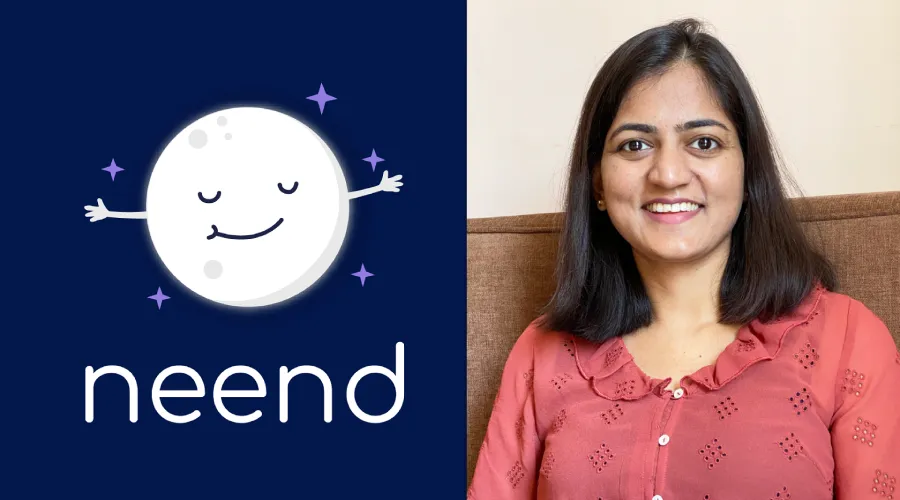
IIT Bombay Alumnus Founded Free Sleep Management App 'Neend' Raises $700K in Seed Round Led by Better Capital

Neend Raises $700k in Seed Round Led by Better Capital

The company offers vernacular language bedtime stories and guided meditation to make sleep more effective

Neend, India’s leading mobile-based application for sleep management has announced that it has raised $700k in its latest pre-seed round. The funding round was led by Better Capital, and saw participation from Rohit Bansal and Kunal Bahl (Founder of Snapdeal), Kunal Shah (Cred), and Nandan (Swiggy), Niraj Singh (Spinny) Sandeep Singhal (Nexus), Lalit Keshre and Harsh Jain(Groww) among others. 

The funds will be utlized for linguistic expansion and create more depth in categories like Yog Nidra, guided meditation session, and music, amongst others. In addition to this, Neend will also collaborate with the professional sleep experts to help users to measure, understand, and fix their sleep.

Founded in 2021 by Surbhi Jain, an IIT Bombay alumnus and serial entrepreneur, Neend aims to help individuals cope up with all sleep related problems, and provides an immersive experience with its relaxing bedtime stories, soothing sleep sounds, and ambiences. Owing to the current fast paced life, a majority of Indians are dealing with stress and anxiety which often lead to sleep deprivation, which the brand is aiming to address.

Commenting on the investment, Surbhi Jain, Founder of Neend, said, “In the last 5 years due to change in our lifestyles - lack of physical exercise, increased screen time consumption, and stress, sleeplessness or insomnia has become a very common problem. One in every 3 people has sleep troubles in the world. This has poised a huge challenge for individuals, impacting productivity levels. We wanted to build a platform that helps people address this. Through our relaxing content based approach, we are helping individuals cure insomnia and provide better quality sleep.”

In the past few months, Neend has seen tremendous growth across platforms. Their YouTube channel has more than 6.5 million views, with a subscriber base of 75000 in just a couple of months. The Neend app currently has over 50K downloads (most of these coming organically), with individuals suffering with severe insomnia issues recovering significantly and getting rid of their medication.

"Insomnia is fast becoming a major problem in India and is likely to get worse. Neend is an outcome of a founder’s personal journey with sleep deprivation. Neend combines immersive content and sleep expertise in a simple single app that is designed for millions of Indian users who are suffering with little help. I am excited to partner with Surbhi & team as they build the Sleep App for India”, said Vaibhav Domkundwar of Better Capital, an early backer of innovative health tech companies like Cradlewise, Fittr, Mojocare & others.

Neend is on a mission to help people have a better lifestyle by putting the right amount of focus on things which matter. The company is also working with experts to build sleep therapy content that helps cure stress, and chronic insomnia.

IIT Bombay Prof Develops Autonomous Tech for the Repair and Restoration of High-Value Aerospace Components


New technology can autonomously repair & restore high-value components such as moulds, turbine blades & aerospace components

A professor from IIT Bombay has developed a completely autonomous technology for the repair and restoration of high-value components such as moulds, turbine blades, and other aerospace components that require minimal human intervention. It is expected that this technology will leap-frog the restoration and repair industry to the next level and help in nucleation of a viable cutting-edge laser manufacturing ecosystem for Atmanirbhar Bharat.

The existing repair techniques like welding and thermal spraying are ad hoc and do not provide accuracy and precision. Moreover, all the existing technologies are manual, and the quality of repair depends upon the skill set of the person.

Prof. Ramesh Kumar Singh, Professor, Mechanical Engineering Department, IIT Bombay, has developed a novel technology that uses a laser for excellent process control and is completely autonomous with minimal to zero human intervention. This ensures restoration with enhanced quality and repeatability.

The complete developed system with its all subsystems. There are two options for the manipulation of the deposition head: one with 6 Axis robotic manipulators and the second with gantry-based 5 Axis systems. A 3D printed hollow cylinder, plate, and punch of H13 tool steel hard-faced with CPM 9V steel are also shown

The technology developed with support from the Advanced Manufacturing Technologies Program of the Department of Science & Technology, Government of India, has undergone validation and testing.

With the help of the technology, the defective component which requires repair will be scanned autonomously for damage detection via a laser scanner, and the deposition path will be determined based on certain algorithms. The laser-directed energy deposition (LDED) technique will be used to deposit the material, followed by finishing and automated inspection of the restored product.

The developed system consists of a robotic restoration system and is designed to function autonomously for all key activities, namely, scanning path planning, damage detection, deposition, finishing, and inspection. In addition, the process parameters will be obtained from physics-based models to induce favourable residual stress, which is one of the key limitations in restoration via additive manufacturing. This paves the way for the development of ‘science enabled technology’ solutions, which according to Prof. Ramesh Kumar Singh, are not available for restoration of high-value components.

The final integration of the two systems-- the laser-directed energy deposition and the defect scanning systems, is underway, and the project is at 7th stage of the Technology Readiness Level. Prof. Ramesh has allied with Bharat Forge, Aditya Birla Science and Technology Company and Interface Design Associates for its industrial uptake.

 The Scanning System for the damage assessment of components. The 3-D point cloud can be acquired by data-fusion of 2-D profiles obtained continuously from laser scanners and the position of robot end-effecter. The actual and scanned 3D free form components are also shown.

"The developed technology is very impactful, and a game-changer for the restoration and repair segment of the manufacturing industry and has huge market potential. The components which can be reconditioned via this technology are very high-value. The level of accuracy and precision, which is possible through this technology, is phenomenal and is far ahead of the current state-of-the-art methods," mentioned Prof. Ramesh.

According to Prof. Ramesh, it is expected that the pay-off from the technology would include the entire machine cost with around repair of twenty-odd components.

Finance Club IIT Bombay Brings Cryptonite, a Pan India Cryptocurrency and Blockchain Summit Aimed at Educating Students


Finance Club - IIT Bombay, in collaboration with Woodstock Fund, an emerging technology investment fund, Builders Tribe, an incubator dedicated to driving the blockchain-based startup innovation, DAOMaker, an incubator DAO with a community governed fund, and Polytrade, a blockchain-based decentralized protocol announced the launch of Cryptonite today. This 4-day pan-India cryptocurrency and blockchain summit is scheduled to be held from 7th - 10th January, 2022.

The summit aims to serve as a platform that would provide students from all across the country knowledge about the new and rapidly evolving world of Blockchain, Cryptocurrencies, NFTs and Web 3.0. It entails a myriad of opportunities to imbibe knowledge and would bridge the existing knowledge gap between the techno sector and the student community of India.

It would consist of numerous panel discussions seated by renowned speakers and top players in the Web 3.0 and Crypto sphere. The speakers would cover various principal questions revolving around the diverse applications of Web 3.0 along with the regulatory aspect and the future of cryptocurrencies. To gain practical exposure, participants would also get to learn about the practical advancements made by some of the startups in this sphere and also a chance to learn under the companies’ umbrella in the form of various mentorship opportunities.

With over 3,000+ registrations, 3 panel discussions, 3 hackathons, 2 trading competitions and INR 20 Lakhs worth of cash prizes, Cryptonite would serve as the perfect amalgamation of theoretical and practical learning experience for the youth of the country and a huge step in the web 3.0 revolution for the student community of India.

“India has the largest English-speaking developer community, and with its expansive talent, entrepreneurial acumen, and conducive regulatory framework, India is a bludgeoning playground for technological innovation. We are excited to partner with Finance Club, IIT Bombay to host the first edition of their Crypto Summit - Cryptonite this year and provide the right platform for industry players to collaborate and encourage the Web3.0 drive globally.” ~ Himanshu Yadav, Founding Partner, Woodstock Fund.

To know more about Cryptonite, visit: https://financeclubiitb.in
/

Extracting Hydrogen from Water As Alternate Fuel: IIT Bombay Researchers Devise Economical Method


Hydrogen gas is an environment-friendly fuel, as it produces water upon combustion in the presence of oxygen. Earlier this month, researchers at the Engines and Unconventional Fuels Laboratory at IIT Delhi has developed a technology and even filed patent for Hydrogen-based electricity generation that is environment-friendly as it produce zero-emission. However, the tech developed utilizes hydrogen in internal combustion engines like gensets.

As a clean fuel, hydrogen can provide nearly three times higher energy than gasoline. However, the quantity of hydrogen available from the Earth’s atmosphere is tiny. The more widely available compound, water, might be a source of producing hydrogen. However, the chemical reaction requiring the production of hydrogen from water requires an external source of energy. 

In a recent study , the researchers from the Indian Institute of Technology Bombay (IIT Bombay) have used a new catalyst for extracting hydrogen from water. Researchers have demonstrated how a magnetized catalyst can speed up hydrogen production while bringing down the energy cost. They showed that their chosen catalyst had increased the speed of producing hydrogen and reduced the energy required to do so, compared to previous studies.

To extract hydrogen from water, researchers insert two electrodes across the water and pass current, which can separate the hydrogen from water, a process called electrolysis of water. Earlier studies have shown that metals like Platinum, Rhodium, and Iridium speed up electrolysis. “Although these metals work well, industrial systems don’t prefer them because they are expensive,” says Prof Chandramouli Subramaniam of IIT Bombay and an author of the study. 

The aim of making hydrogen an alternative source of fuel requires minimizing the energy input in producing it while maximizing the amount of energy extracted from combusting hydrogen.

Going more technical, the study has used a compound consisting of cobalt and oxygen to achieve the same goal at a much lower cost. While earlier researchers focused on developing new catalysts for the electrolysis of water, the authors of the present study concentrated on an alternative approach.


To achieve the increased energy efficiency, the researchers turned to less costly metal cobalt, already known for speeding up electrolysis. They decorated carbon nanoflorets, nanocarbon structures arranged like a marigold flower with cobalt oxide particles and placed these nanoflorets in the water. An electric field applied through the cobalt oxide to water molecules results in the electrolysis of water. Although cobalt oxide is a well-known electrochemical catalyst, it requires a high amount of energy and produces hydrogen at a low speed.

To increase the speed of electrolysis, the researchers did not rely on the electric field alone. Magnetic fields, which are related to electric fields, can play a crucial role in these reactions. The researchers showed that if they introduced a small fridge magnet near their setup, the reaction speed increased about three times. Even after removing the external magnet, the reaction still took place about three times faster than in the absence of the magnetic field. “This is because the catalyst we have designed can sustain the magnetisation for prolonged periods, the key being the development of a synergistic carbon-metal oxide interface,” explains Jayeeta Saha, the author of the study. “A one-time exposure of the magnetic field is enough to achieve the high speed of hydrogen production for over 45 minutes,” she adds.

It is easy to integrate accessible house-magnets into the existing designs at a low cost. “We can directly adopt the modified setup in existing electrolysers without any change in design or mode of operation of the electrolysers,” says Ranadeb Ball, another author of the study.

“The intermittent use of an external magnetic field provides a new direction for achieving energy-efficient hydrogen generation. Other catalysts can also be explored for this purpose,” says Prof. Subramaniam.

Once the hydrogen is produced in large amounts, it can be packed off in cylinders and used as a fuel. If their efforts are successful, we might be looking at an environmentally friendly fuel, hydrogen, replacing petroleum, diesel, and compressed natural gas (CNG) in the future.


The study was supported by the Science and Engineering Research Board (SERB), Department of Science and Technology (DST), the Council of Scientific and Industrial Research (CSIR), and the Industrial Research and Consultancy Center, IIT Bombay. It was published in the journal ACS Sustainable Chemistry & Engineering.

To recall, last year in October a report was launched, by secretary of DST, on "Hydrogen and Fuel Cells Research" going across India. The complied report was of that-time ongoing research activities in the country related to hydrogen being carried out by several scientists, industry, utilities, and other stakeholders from R&D laboratories and academia

NewsSource [with editing] - Vigyan Prasar

Market Reports

Market Report & Surveys
IndianWeb2.com © all rights reserved