‏إظهار الرسائل ذات التسميات Data. إظهار كافة الرسائل

India’s PAIMANA Platform Sets Global Benchmark in Data-Driven Infrastructure Governance

India’s PAIMANA Platform Sets Global Benchmark in Data-Driven Infrastructure Governance.

India’s infrastructure development has entered a new era of transparency and efficiency with the launch of PAIMANA (Project Assessment, Infrastructure Monitoring and Analytics for Nation-Building). Introduced on 25 September 2025 by the Ministry of Statistics and Programme Implementation (MoSPI), PAIMANA replaces the older OCMS-2006 system and now serves as the central platform for monitoring ongoing Central Sector infrastructure projects worth ₹150 crore or more.

PAIMANA was officially launched on 25 September 2025 by the Ministry of Statistics and Programme Implementation (MoSPI) as a web-based platform for monitoring Central Sector infrastructure projects costing ₹150 crore or more.

On 8 July 2026, MoSPI further strengthened the system by introducing PAIMANA-CRIP, a module that consolidates project-related data across ministries, replacing DPIIT’s Integrated Project Monitoring Portal. This ensures that review mechanisms like PRAGATI and PMG draw from a unified, continuously updated repository.

Performance Monitoring Dashboard: A Unified View

Launched on 16 April 2026, the Performance Monitoring Dashboard is a landmark addition to PAIMANA. Built in consultation with the National Institute of Public Finance and Policy (NIPFP), it aligns with the Harmonized Master List of Infrastructure (2022) issued by the Department of Economic Affairs.
  • Comprehensive indicator framework spanning six sub-sectors: Power, Civil Aviation, Telecommunications, Railways, Roads, and Ports, Shipping & Waterways.
  • 165 indicators in total, with 54 new additions, enabling deeper sectoral analysis.
  • Interactive visualizations and time-series tools for policymakers and researchers.
  • Cross-sector dashboard for integrated performance assessment.
  • Evaluation across dimensions such as access, quality, fiscal cost, utilization, and affordability.

Current Infrastructure Landscape

As of June 2026, PAIMANA monitors 1,847 ongoing projects across 17 ministries, with a revised cost of ₹40.54 lakh crore. Spending has reached ₹21.97 lakh crore, or 54.18% of the total.
  • 709 projects (~39%) have crossed 80% physical progress.
  • 337 projects (~19%) have achieved 80% financial completion.
  • Transport & Logistics sector dominates with 1,341 projects worth ₹22.32 lakh crore.
  • 769 mega projects (₹1,000 crore+) account for ₹30.51 lakh crore.
  • 1,078 major projects (₹150–1,000 crore) are valued at ₹5.10 lakh crore.

Ministry-Wise Progress


Ministry/DepartmentProjectsRevised Cost
Road Transport & Highways1,022 (55%)₹9.89 lakh crore
Railways255 (14%)₹8.69 lakh crore
Coal121 (7%)₹2.22 lakh crore
Petroleum & Natural Gas105₹4.33 lakh crore
Power98₹5.71 lakh crore
Housing & Urban Affairs50₹3.65 lakh crore
Water Resources40₹2.04 lakh crore
Others (Civil Aviation, Steel, Telecom, Ports, etc.)156 (8%)₹4.02 lakh crore

Towards Transparent Governance

PAIMANA represents a paradigm shift in infrastructure governance. By integrating project monitoring with performance dashboards, it ensures:
  • Real-time updates for ministries via tailored dashboards.
  • Monthly review meetings for evidence-based monitoring.
  • Data-driven decision-making for sustainable and inclusive growth.
As India marches towards Viksit Bharat @2047, PAIMANA stands as a cornerstone of accountability, efficiency, and transparency in infrastructure development.

India Energy Stack v0.3: One-stop digital platform for electricity data

India Energy Stack Ver.0.3: One-stop digital platform for electricity data

The Ministry of Power has rolled out Version 0.3 of the India Energy Stack (IES), marking a significant step in building a Digital Public Infrastructure (DPI) for India’s electricity sector.

For an uninitiated, the India Energy Stack (IES) is a government-led initiative to build a digital public infrastructure for India’s power sector. Think of it as the "UPI for energy" — a unified, secure, and interoperable digital backbone that allows all stakeholders in the electricity ecosystem to exchange data and interact seamlessly.

Here’s a clear breakdown of what Version 0.3 of IES means:

Key Highlights of IES v0.3

  • Unified Digital Framework: Designed to standardize and unify electricity data across utilities, system operators, market participants, innovators, and consumers.
  • Secure & Interoperable Exchange: Enables seamless, secure data sharing through standardized protocols and shared data models.
  • Consumer Empowerment: Aims to give both consumers and prosumers (those who produce and consume electricity, e.g., rooftop solar owners) more control and visibility into their energy usage.
  • National Rollout Goal: The framework is being refined and tested, with a target for full-scale national deployment by 2026.
  • Transparency & Efficiency: Expected to improve coordination across the energy ecosystem, reduce inefficiencies, and foster innovation in energy services.

Why It Matters

  • For Consumers: Easier access to consumption data, better billing transparency, and potential for personalized energy services.
  • For Innovators & Startups: A standardized data backbone opens opportunities for new apps, analytics, and smart energy solutions.
  • For Policy & Governance: Strengthens India’s push toward digital public infrastructure, aligning with initiatives like India Stack in finance and health.
  • For Sustainability: Facilitates integration of renewable energy sources by improving grid visibility and balancing supply-demand more effectively.
The India Energy Stack project is scheduled for completion by July 2026, with phased national adoption expected to strengthen digital coordination across India’s power sector.

Govt Shifts 12.68 Lakh Emails to Zoho

Govt Shifts 12.68 Lakh Emails to Zoho

The Indian government has migrated about 12.68 lakh official email accounts from various ministries and departments to Zoho Mail, including 7.45 lakh accounts belonging to Central Government employees.


Key details of the transition

  • Scale of migration: Roughly 12.68 lakh accounts moved to Zoho Mail, making it one of the largest government email transitions in India’s history.
  • Central government employees: Out of the total, 7.45 lakh accounts belong to Central Government staff.
  • Data ownership: Minister of State for Electronics and IT, Jitin Prasada, emphasized that data ownership remains with the government, ensuring sovereignty over sensitive communications.
  • Security & productivity: The move is designed to enhance security, streamline communication, and improve productivity across ministries.
  • Zoho partnership: This reflects a strategic collaboration with Zoho Corporation, an Indian SaaS company, reinforcing the government’s push for indigenous technology solutions.

Why this matters

  • Digital sovereignty: By partnering with Zoho, the government reduces reliance on foreign email providers, aligning with India’s broader Digital India and data localization goals.
  • Cybersecurity: Centralized migration helps enforce uniform security protocols, reducing risks of fragmented systems across ministries.
  • Efficiency: A unified platform simplifies inter-ministerial communication, potentially cutting down delays and improving coordination.

Risks & challenges

  • Transition hiccups: Large-scale migrations often face compatibility issues, downtime, or user adaptation challenges.
  • Training needs: Government employees may require orientation and support to fully leverage Zoho’s features.
  • Vendor dependence: While Zoho is domestic, reliance on a single provider could pose operational risks if service disruptions occur.

Strategic context

This move fits into India’s broader tech sovereignty narrative, where the government increasingly favors homegrown platforms for critical infrastructure.
It also signals confidence in Zoho’s ability to handle enterprise-scale deployments, potentially boosting its credibility in global markets.

India’s New Data Law Creates ₹10,000 Crore Opportunity

India’s New Data Law Creates ₹10,000 Crore Opportunity

India has introduced new rules under the Digital Personal Data Protection (DPDP) Act, 2023, and experts say this will open up a huge business opportunity worth ₹10,000 crore over the next three years.

What is the DPDP law?

  • Purpose: The DPDP law is India’s first full-scale data protection law.
  • Control: It gives people more control over their personal information online.
  • Obligations: Companies must handle data carefully, take consent before using it, and report breaches quickly.

Why ₹10,000 crore?

  • Compliance spend: Businesses will need to spend money to follow the law.
  • Investments: This includes buying new software, hiring experts, and setting up systems to manage consent and protect data.
  • Estimate: Consulting firm EY India estimates that firms will spend ₹10,000 crore on compliance in the next three years.

What companies need to do

  • Consent management: Ask permission before using customer data.
  • Data mapping: Know where all personal data is stored.
  • Incident reporting: Inform authorities and users quickly if data is leaked.
  • Vendor checks: Ensure partners and service providers also follow the rules.

Who benefits?

  • IT service providers: Indian and global tech firms will offer privacy solutions.
  • Consultants: Legal and compliance experts will guide companies.
  • Startups: New businesses can build tools for consent management and data security.

Why it matters

  • For consumers: People will have more trust in digital platforms.
  • For businesses: Following the law builds credibility and avoids penalties.
  • For India: Aligns with global standards like Europe’s GDPR, strengthening the digital economy.

In simple words

India’s new data law is like a safety shield for your personal information. To follow the rules, companies will spend big money—creating a new ₹10,000 crore market for compliance services. This means more jobs, more startups, and safer digital experiences for everyone.

Data Privacy in 2025: Trends in Security for Tech Businesses and Data Centers

Data Privacy in 2025: Trends in Security for Tech Businesses and Data Centers

In 2025, data security and privacy remain one of the most important areas of focus for many companies. Technology is changing rapidly, and people are more concerned about their rights in this field. At the same time, data protection rules are becoming stricter. Because of this, tech leaders pay more attention to security questions. In the article, we will discuss important trends that will shape the security of personal information in the future.

Importance of Privacy of the Information

Businesses should rethink their privacy strategies because data-driven technologies are becoming more complex. As a result, cyber threats are increasing. When we spend time online, we generate tons of data. The information reflects our interests, preferences, and latest purchases. Moreover, it can include information about your health, relationships, and problems. For example, the app on your smartphone may collect data about your pulse and track your daily steps.

This is why you should be careful when sharing your personal information or giving permission to mobile apps. The question is relevant to different spheres, including work, online shopping, entertainment, and others. For example, if you play online for real money, you must select safe payment options, such as with Google Pay payment method.

In addition, you should consider the regions and markets when you choose platforms for online gaming. In particular, players from the UK will benefit from the UK version of Roulette77, while some other options may be unavailable or inconvenient for different reasons. In any case, users need to pay attention to different policies and tools on websites and not skip these notifications.

Technologies for Data Security

Digital technology develops quickly, and it can create new threats. However, cybersecurity and various technologies are constantly improving to meet the challenges. Businesses use different tools and technology to protect their customer data. The tools include:
  • Encryption.  Encryption tools help you to protect your data. They ensure that your data is unavailable to anyone who is not allowed to see it, and the tools help to protect your information even if someone gets it.
  • Anti-malware software. The software finds and stops harmful programs and software.
  • Secure access tools. Multi-factor authentication and other tools help companies control who can get access to the information.
  • Firewalls. They protect networks and control what information can come in and go out. They act as a barrier and protect networks.
In addition, as more data is stored in the cloud, it is important to use different security measures.

Trends in Security and Privacy

Businesses will face serious challenges in 2025. The regulations are becoming stricter, and customers are more concerned about this. We have summarized the main data protection trends for 2025.
  • Strict Regulatory Standards: Governments in different countries quickly change legislation to improve data protection. The International Association of Privacy Professionals states that more localized rules are important because people worry that someone can use their data without permission. This highlights how important it is to follow these rules actively.
  • Privacy-enhancing Technologies (PETs): Businesses of different sizes can benefit from privacy technologies that used to be available only to big companies. The tools offer practical ways to protect sensitive information and allow businesses to earn. In particular, companies implement such tools as multi-party computation, zero-knowledge proofs, and others.
  • Multi-Layered Security : In the past, data center security focused on building a strong perimeter to keep unauthorized people out. However, this approach has some drawbacks. In particular, we can expect more interest in security strategies for data centers with several layers in the future. For example, data center operators may not only install physical access controls at the main entrance but also limit access to server rooms.
  • Ethical AI Tools : AI tools offer great benefits, but they also have some risks. Some of them are not transparent and have limited accountability. Top companies know that they should use AI carefully and remember ethical rules. Today, this approach is crucial for many companies and their operations. If a business uses AI without any ethical considerations, it can hurt customer trust. Moreover, it can also attract regulatory attention.
  • Backup Power Systems: The main reason for investing in uninterruptible power supply (or UPS) units and other backup power resources is to reduce the impact of natural disasters. However, backup power is also becoming important for data center security. Data center operators should prepare their backup power systems.

Customer Consent

Today, customers want real control over their personal data, not just a simple consent checkbox. Businesses need to move beyond basic compliance and focus on creating experiences that truly empower their users.

Companies implement clear systems that allow users to control their data, including the following:
  • Understandable dashboards for centralized privacy control.
  • Clear and concise privacy policies.
  • Several consent options that users can choose from.
Moreover, you can customize your preferences and decide what information to share.

Summary

The approach to information security is rapidly changing in 2025, and this presents businesses with both challenges and opportunities. Technology leaders create privacy strategies that build

IBM Acquires Hakkoda Inc

IBM Acquires Hakkoda Inc

IBM has acquired Hakkoda Inc., a global data and Al consultancy, to strengthen its data transformation services. This move enhances IBM Consulting's ability to help clients modernize, migrate, and monetize their data estates, particularly in industries like financial services, healthcare, and the public sector.

Hakkoda is an award-winning Snowflake partner, known for its expertise in cloud-based data platforms and generative Al-powered assets that accelerate data modernization.

The acquisition aligns with IBM's broader strategy of integrating Al into enterprise operations, following its recent investments in DataStax and HashiCorp.

This expansion could be particularly relevant to your interest in blockchain-based payments and financial sector innovations.

IBM has not disclosed the financial details of its acquisition of Hakkoda Inc.. The deal closed on April 2, 2025, but IBM has kept the transaction terms private.

While the exact figures remain unknown, this acquisition aligns with IBM’s broader strategy of expanding its AI-driven data consulting services, particularly in industries like financial services, healthcare, and the public sector.

IBM's acquisition of Hakkoda Inc. aligns with its broader strategy of expanding Al-driven data consulting services. IBM has been actively acquiring companies that enhance its capabilities in cloud computing, Al, and enterprise data management.

Hakkoda specializes in cloud-based data platforms and is an award-winning Snowflake partner, making it a strong addition to IBM's portfolio. This acquisition strengthens IBM's ability to help clients modernize, migrate, and monetize their data estates, particularly in industries like financial services, healthcare, and the public sector.

IBM has recently acquired DataStax and HashiCorp, both of which focus on Al-powered data solutions and cloud infrastructure automation. The addition of Hakkoda further reinforces IBM’s commitment to integrating AI into enterprise operations and providing end-to-end data transformation services.

IIT Hyderabad and Marvell Launches World's First Data Acceleration and Offload Research Facility at IIT Hyderabad

IIT Hyderabad and Marvell Launches World's First Data Acceleration and Offload Research Facility at IIT Hyderabad
  • The facility aims to provide access to Marvell’s DPUs, switches, CXL processors, and NICs, accelerating advancements in AI, Networking, and Security.
  • Research shows up to one-third of AI/ML processing time is spent waiting for network access—this initiative aims to tackle that inefficiency.
Indian Institute of Technology Hyderabad (IITH) has inaugurated the Marvell® Data Acceleration and Offload Research Facility at IITH in collaboration with Marvell Technology, Inc. (NASDAQ: MRVL), a leader in data infrastructure Semiconductor solutions. This pioneering center is dedicated to advancing Network, Storage, and Security technologies, aiming to enhance the performance of accelerated data infrastructure.

The Marvell Data Acceleration and Offload Research Facility, the first of its kind globally, offers students, researchers, and industry professionals access to state-of-the-art Marvell technologies. These include Data Processor Units (DPUs), Switches, Compute Express Link (CXL) Processors, and Network Interface controllers (NICs). These resources are essential for accelerating Data security, Movement, Management, and processing across AI clusters, Cloud environments, and Networks. Industry research indicates that up to one-third of AI/ML processing time is spent waiting for network access and this initiative aims to tackle that inefficiency. A key feature of the facility is the availability of Marvell’s comprehensive software solution frameworks, optimized for developing solutions that leverage Integrated packet processing, Cryptography, and AI/ML accelerators within Marvell silicon.

The establishment of the Marvell Data Acceleration and Offload Research Facility follows the successful MLNetSec Workshop co-hosted by IITH and Marvell at the 26th International Conference on Distributed Computing and Networking (ICDCN) earlier this year. The workshop addressed key challenges in AI, Networking, and Cryptography, underscoring the importance of accelerated compute solutions in both academic and industrial research.

IITH and Marvell are committed to ongoing collaboration through joint courses, hands- on training, and research initiatives leveraging the facility's advanced infrastructure. Plans include hosting specialized workshops, conferences, and training sessions to foster innovation and empower future tech leaders in developing solutions for the evolving landscape of data infrastructure.

Prof. BS Murty, Director, IITH congratulated the team and emphasized that this partnership aligns with IITH's commitment to advancing technological research and education, positioning the institute at the forefront of accelerated infrastructure development.

Cary Ussery, Senior Vice President at Marvell, emphasized the significance of this collaboration: "The partnership between Marvell and IIT Hyderabad exemplifies the impact of academia-industry collaboration. By providing access to cutting-edge technologies, this initiative accelerates advancements in AI, Networking, and Storage, empowering the next generation of tech leaders to drive breakthroughs in data infrastructure."

Prasun Kapoor, Associate Vice President of Custom Compute and Storage at Marvell, added: "As cloud and AI infrastructure grow in complexity and scale, the need for innovation in technologies managing data flow between Servers, Processors, and Devices becomes paramount. Technologies such as DPUs, NICs, and interconnects will play a significant role in the evolution of AI. We look forward to deepening our collaboration with IIT Hyderabad and witnessing the outcomes of this initiative."

Prof. Antony Franklin, Head of the Department of Computer Science and Engineering at IITH, highlighted the facility's potential: "This research facility enables our students and researchers to engage with advanced technologies. It also establishes a platform for interdisciplinary research in emerging fields like AI/ML, Accelerated computing, Advanced encryption algorithms, and Network acceleration, paving the way for the next generation of technological innovation."

Dr. Praveen Tammana, Assistant Professor, Department of Computer Science and Engineering at IITH, noted: "The research facility will enable Marvell and IITH to conduct cutting-edge research and bridge the skill gap at the intersection of AI, Systems, Security, and Networks."

About Marvell:

To deliver the data infrastructure technology that connects the world, they’re building solutions on the most powerful foundation: their partnerships with their customers. Trusted by the world’s leading technology companies for over 25 years, they move, store, process and secure the world’s data with Semiconductor solutions designed for their customers’ current needs and future ambitions. Through a process of deep collaboration and transparency, they’re ultimately changing the way tomorrow’s enterprise, cloud, automotive, and carrier architectures transform—for the better.

About IIT Hyderabad:

IITH, established in 2008, as one of the second Generation IITs, has reached a respectable position in both academics, research, technology development and startups in the short span of 16 years. In the Indian National Ranking (NIRF), IITH is placed 3rd in Innovation (for both 2023 & 2024) and 8th among Engineering institutes in India (since 2019, except 2022).

It has 325+ full-time faculty, 5,350+ students (PG+PhD students accounting for about 60%). The institute has a strong research focus with Rs. 1400+ Cr of R&D funding (Rs. 250 Cr funding in 2023- 24), 11,500+ publications, 460+ Patents (210 patents in 2024), and about 260+ startups (that have generated 1100+ jobs and a revenue of Rs. 1500+ Cr). Follow us on Instagram, LinkedIn, Twitter, Facebook, and YouTube for the latest updates.

Construction Firm Claims Rs 150 Crore Data Loss from AWS Cloud Storage; Unable To Retrieve Now

Construction Firm Claims Rs 150 Crore Data Loss from AWS Cloud Storage; Unable To Retrieve Now

A builder named Adarsh Developers has filed an FIR against Amazon Web Services (AWS), claiming a data loss worth Rs 150 crore. The company used AWS's cloud storage services to store their financial and customer data, but due to some actions by individuals at Redington and AWS teams, they lost over six years of business data. This has caused substantial financial and operational losses.

AWS has stated that despite their best efforts, they are unable to retrieve the lost data. The FIR has been filed under the Bharatiya Nyaya Sanhita (BNS) and Information Technology Act. A probe has been initiated, but Redington have not commented further.

According to an AWS spokesperson — "The claims against AWS are false. AWS operated as designed and is not responsible for the deletion of Adarsh Developers' data."

The Bengaluru-based builder has 36 years of experience in developing residential, commercial, and hospitality projects, used Amazon Web Services (AWS) to store their financial data and customer information. In May 2023, AWS representatives assured the company that their cloud storage servers would ensure data retrieval even in the event of cyber-attacks or natural disasters.

In December 2023, Adarsh Developers procured cloud storage facilities through an SAP implementation partner, SAVIC Technologies Pvt Ltd, for Rs 88,59,924, including GST. The agreement was to maintain the data securely for three years until November 2027.

However, on January 9, 2024, the implementation partner informed Adarsh Developers that due to actions by individuals at Redington and AWS teams, there had been a data loss.
The complaint stated that employees at Redington Group had entered the storage area at the root level and deleted the account completely, resulting in the loss of over six years of business data. This data loss has caused substantial financial and operational losses, estimated at Rs 150 crore.
AWS India has stated that despite their best efforts, they are unable to retrieve the lost data. The FIR has been filed under the Bharatiya Nyaya Sanhita (BNS) and Information Technology Act, and a probe has been initiated.

It's a complex situation with significant implications for data security and cloud storage practices. Do you think AWS and Redington should be held accountable for this data loss? Comment in the comments section below.

Regulations regarding data protection in India

India has a comprehensive framework for data protection, primarily governed by the Digital Personal Data Protection Act (DPDP Act) of 2023. Here are some key points:
  1. Consent-Based Data Processing: Organizations must obtain proper consent from individuals before collecting and processing their personal data.
  2. Rights of Data Principals: Individuals have several rights under the DPDP Act, including the right to information, access, rectification, data portability, and the right to be forgotten.
  3. Obligations of Data Fiduciaries: Organizations (data fiduciaries) are required to implement reasonable security practices and procedures to protect personal data.
  4. Data Protection Board: The DPDP Act establishes a Data Protection Board of India to oversee compliance and address grievances.
  5. Penalties and Fines: Violations of the DPDP Act can result in significant penalties and fines.
Additionally, the Information Technology Act, 2000 (IT Act) and its associated rules, such as the Information Technology (Reasonable Security Practices and Procedures and Sensitive Personal Data or Information) Rules, 2011 (SPDI Rules), also play a crucial role in data protection.

HCLTech and Intel Collaborate to Launch Enterprise Data Security Service

HCLTech and Intel Collaborate to Launch Enterprise Data Security Service

HCLTech, a leading global technology company, today launched an advanced data and cloud compute security solution to enable enterprises to securely handle sensitive information with high data integrity and confidentiality.

HCLTech DataTrustShield, was developed to protect sensitive data during cloud operations, leveraging trusted execution environments (TEEs) including Intel® Trust Domain Extensions (Intel® TDX) and Intel® Trust Authority. Key benefits include secure data sharing across platforms, scalability, enhanced compliance and robust protection for applications and intellectual property. The solution is designed for organizations requiring strong data security in collaborative and cloud environments while maintaining operational efficiency. The solution has been tested on Google Cloud and in the future, will be integrated with other hyperscalers.

"HCLTech Data TrustShield offering is a major step forward in data security, delivering high levels of protection. By harnessing Intel's advanced technology, the offering secures digital assets and enhances confidence and trust in cloud environments,” said Anand Swamy, EVP & Head of Tech and ISV Ecosystem, HCLTech.

"Intel’s Confidential Computing technology and Trust Authority attestation services enhance security and assurance for compute environments. Our collaboration with HCLTech highlights our commitment to help customers transition to the cloud while maintaining data privacy and adhering to zero trust principles,” said Purnam Sheth, VP/GM of Trust and Security Services, Intel.

HCLTech is a global technology company, home to more than 218,000 people across 60 countries, delivering industry-leading capabilities centered around digital, engineering, cloud and AI, powered by a broad portfolio of technology services and products. We work with clients across all major verticals, providing industry solutions for Financial Services, Manufacturing, Life Sciences and Healthcare, Technology and Services, Telecom and Media, Retail and CPG and Public Services. Consolidated revenues as of 12 months ending September 2024 totaled $13.7 billion. To learn how we can supercharge progress for you, visit hcltech.com.

RBI to Offer Cloud Storage Services to Financial Institutions

RBI to Offer Cloud Storage Services to Financial Institutions

India's central bank, Reserve Bank of India (RBI), is planning to launch a cloud storage pilot program in 2025 aimed at providing affordable data storage solutions to financial institutions.

A key objective of this initiative is to promote local data sovereignty by reducing dependency on foreign cloud service providers. Thus, the initiative is designed to counter the dominance of global cloud service providers like Amazon Web Services (AWS), Microsoft Azure, Google Cloud, and IBM Cloud.

The platform will be developed in collaboration with local IT firms, promoting local data sovereignty and reducing dependency on foreign cloud services.

The primary goal is to offer cost-effective solutions, especially for smaller financial institutions that find existing cloud services unaffordable. The platform aims to provide affordable cloud storage solutions, especially for smaller financial institutions that find existing services unaffordable.

The project is being spearheaded by the RBI's research department, known as the Indian Financial Technology and Allied Services (IFTAS). The initial development will be done in collaboration with local IT firms.

In later stages, the RBI plans to invite financial firms to hold equity in the cloud service, ensuring broader participation and investment.

The pilot program will be expanded in phases over the next few years to cater to the needs of various financial institutions.

Consultancy firm Ernst & Young has been appointed as an advisor for the project.

Only Indian-registered companies with prior experience in cloud technology are invited to bid for the project. These companies must establish data centers in Mumbai and Hyderabad.

There has been a significant amount of interest from IT companies and Indian cloud service providers eager to partner on this project.

This move by the RBI is seen as a strategic step to enhance local data storage capabilities and support the financial services sector with reliable and affordable cloud solutions.

The cloud services market in India is expected to grow significantly, from $8.3 billion in 2023 to $24.2 billion by 2028. This initiative is expected to contribute to this growth by fostering local IT development.

Accenture Launches Data & AI Powered Personalized Experiences on Salesforce

Accenture Launches Data & AI Powered Personalized Experiences on Salesforce

Accenture, on Tuesday, announced the launch of a new solution that leverages data and artificial intelligence (AI) to help organizations personalize experiences on Salesforce. This solution aims to provide a 360-degree view of customers, enabling tailored experiences across various channels. By using real-time data and AI-driven insights, companies can stay competitive, unlock incremental value, and grow customer loyalty.

One notable implementation is with the Queensland University of Technology (QUT), which is using this solution to transform student experiences. By breaking down data silos and integrating information from disparate sources, QUT is able to offer more personalized and efficient interactions for Students.

This initiative is part of a broader collaboration between Accenture and Salesforce, focusing on generative AI capabilities across functions like marketing, sales, service, and commerce.

Accenture and Salesforce have a long-standing partnership focused on leveraging AI and data to transform customer experiences and drive business growth.

Last November, Accenture and Salesforce expanded their collaboration to help life sciences companies create differentiation using data and AI. This includes developing new solutions and use cases for Salesforce Life Sciences Cloud, leveraging Salesforce Data Cloud and Einstein AI to enhance productivity and transform healthcare professional and patient experiences.

In May 2023, Accenture and Salesforce announced a collaboration to accelerate the deployment of generative AI for Customer Relationship Management (CRM). They aim to create an acceleration hub for generative AI, helping organizations scale Einstein GPT, Salesforce’s generative AI for CRM. This initiative is designed to increase employee productivity and transform customer interactions.

Moving forward with personalized experiences, an Accenture research said that 95% of both B2C and B2B C-suite executives believe their customers are changing faster than they can change their businesses.

Accenture is teaming with Queensland University of Technology (QUT) to drive personalized experiences with Salesforce. QUT is reinventing how they communicate with, engage, support, attract and retain students throughout their higher education journey—from their initial interest to study, through to accessing relevant, just-in-time professional education post degree.

As an early adopter of AI, and one of the first in the sector to use Data Cloud and Salesforce Platform for customer service, the QUT is breaking down data silos to bring information from disparate sources together on a single, AI-powered platform. This provides more personalized and efficient experiences to tens of thousands of student interactions each year. As a result, the university expects to lower the cost to serve, improve first response resolution, and increase organizational effectiveness.

Accenture's solution for personalizing experiences on Salesforce using data and AI includes several key elements:

1. 360-Degree Customer View: By integrating data from various sources, organizations can gain a comprehensive view of each customer, enabling more personalized interactions.

2. Real-Time Data Utilization: Leveraging real-time data allows for timely and relevant customer engagements, enhancing the overall experience.

3. AI-Driven Insights: AI algorithms analyze customer data to provide actionable insights, helping businesses tailor their marketing, sales, and service strategies.

4. Omni-Channel Personalization: Ensures consistent and personalized customer experiences across all channels, including web, mobile, social media, and in-person interactions.

5. Enhanced Customer Loyalty: By delivering personalized and meaningful experiences, organizations can build stronger relationships with their customers, leading to increased loyalty and retention.

These elements work together to help organizations stay competitive and deliver exceptional customer experiences.

Amdocs and Google Collaborate for Real-Time Data Insights

Amdocs and Google Collaborate for Real-Time Data Insights

Amdocs, a leading provider of software and services to communications and media companies, has recently partnered with Google Cloud to enhance data insights for communications service providers (CSPs).

Through this collaboration, Amdocs leverages Google Cloud's unified AI-ready data platform, enabling CSPs to make better business decisions using real-time data insights. This joint effort empowers CSPs to unlock new opportunities for innovation, efficiency, and customer experience improvements.

Amdocs’ AI and Data Platform (previously DataOne) now leverages Google Cloud’s unified AI-ready data platform to help CSPs better leverage data to make business decisions. Further, the platform also uses Google Cloud Architecture Framework to create a layered and service-based architecture that leverages best practices for operational excellence, reliability

By combining Amdocs’ data insights with Google Cloud’s AI capabilities and BigQuery’s data assets, service providers can unlock new opportunities for innovation and efficiency, transforming customer experiences, business operations and revenue performance, helping CSPs evolve into true AI-driven service providers.

Amdocs will be showcasing its Google Cloud-supported AI and Data Platform capabilities at TM Forum’s Digital Transformation World event in Copenhagen, Denmark.. 

In India, 5G Data Consumption 4-Times Faster than 4G – Nokia Report

In India, 5G Data Consumption 4-Times Faster than 4G – Nokia Report

Nokia report reveals 5G data consumption four times faster than 4G in India
  • 5G users on average consume up to 3.6x more data compared to 4G users.
  • With a CAGR of 26 percent in the last five years, mobile data traffic in India reached 17.4 Exa Bytes per month in 2023.
  • Nearly 17% of total active 4G devices in India are 5G capable.

Nokia has just published the findings of its annual Indian market focused Mobile Broadband Index (MBiT), which revealed that 5G users are using approximately 3.6 times as much mobile data traffic compared to 4G since October 2022. In 2023, users consumed 17.4 exabytes per month with a CAGR of 26 percent over the past five years. The launch of 5G has emerged as a significant catalyst for the growth in data usage, contributing to 15 percent of all data traffic in 2023.

The 11th edition of MBiT report highlights a paradigm shift in the Indian mobile data landscape driven by the growing adoption of 5G technology. 5G traffic has shown substantial growth across all telecom circles, with metro circles leading the charge and reaching a 20 percent share in the overall mobile data traffic. Enhanced 5G availability and performance, coupled with the availability of affordable devices, as well as the introduction of new data-intensive apps and services will accelerate future 5G growth. The average monthly data traffic per user also surged by 24 percent year-on-year in 2023, reaching 24.1 gigabytes per user per month.

The rise of 5G Fixed Wireless Access (FWA) will also serve as a key enabler for new services in both the home and business with FWA users expected to consume an estimated 2.5 times more data than average 5G users. The 5G device ecosystem in India is rapidly evolving, with approximately 17 percent of active 4G devices, totalling 134 million out of 796 million, now being 5G capable.

The Nokia MBiT 2024 report also highlights that the years leading up to 2030 will produce major shifts in technology, leading to new opportunities and a digitized and programmable world. The key technology themes shaping the world in 2030 will include the Metaverse, AI/ML, Cloud, and Web 3.0 among others.

Tarun Chhabra, Head of Mobile Networks Business, India at Nokia, said, “The report shows the incredible proliferation of 5G technology across India and the increasing demand for super-fast 5G data speeds. Nokia looks forward to continuing to work together with our operator partners to help them meet customer demand.”

*an Exabyte is equal to 1,000 petabytes; one Petabyte is equal to 1,000 Terabytes

Key highlights of MBiT Index 2024

  • Mobile data traffic in India reached 17.4 EB per month in 2023 with a CAGR of 26% over the last five years
  • Average mobile data per user grew to 24.1 GB per month with a y-o-y growth of 24%
  • Solid growth in mobile data traffic across all circles with 5G’s traffic share in metros reaching 20%
  • 5G users on average consume up to 3.6x more data compared to 4G users; 5G FWA users consume up to 2.5x more data compared to normal 5G users
  • 5G device ecosystem in India is evolving at a fast pace, with around 17% of the active 4G devices are 5G capable
  • Technologies associated with the Metaverse, AI/ML, Cloud and Web 3.0 will have some of the greatest impact towards 2030.
Mobile Broadband India Traffic Index Info graphic

Resources
Webpage: Nokia AirScale Cloud RAN
Webpage: Nokia anyRAN
Webpage: Nokia AirScale Baseband
Report: MBiT index 2024

About Nokia

At Nokia, we create technology that helps the world act together.

As a B2B technology innovation leader, we are pioneering networks that sense, think and act by leveraging our work across mobile, fixed and cloud networks. In addition, we create value with intellectual property and long-term research, led by the award-winning Nokia Bell Labs.

Service providers, enterprises and partners worldwide trust Nokia to deliver secure, reliable and sustainable networks today – and work with us to create the digital services and applications of the future.

Fosfor, the Product Arm of LTIMindtree Launches Fosfor Decision Cloud (FDC)

The platform harnesses the power of Artificial Intelligence to unify the modern data ecosystem from curating data to managing model development to enabling insight discovery, ultimately allowing users to make better business decisions more quickly.

Fosfor, a product division of LTIMindtree [NSE: LTIM, BSE: 540005], a global technology consulting and digital solutions company, at its Foton 2024 event, announced the launch of the Fosfor Decision Cloud (FDC). The FDC is a connected fabric that helps companies organize data to build automated, modular, trustworthy data transformation pipelines, build and deploy impactful AI applications, and harness the power of AI to make better business decisions, faster.


Currently companies need to create their own collection of disconnected point solutions to facilitate the transformation of data into business insights. The Decision Cloud represents the next step in the evolution of formerly disconnected data and AI investments into a modern decision stack that augments the data-to-decisions journey using three new innovations:
  • Fosfor AI: The GenAI-powered assistant that helps with frequent tasks across the data-to-decisions journey such as constructing data pipelines, generating ML model code, constructing natural language prompts, and curating data stories. Fosfor AI radically increases productivity for virtually any user persona, thereby reducing time-to-insights and accelerating the realization of business outcomes.
  • Fosfor Semantic: The knowledge graph used by all FDC capabilities to organize and maintain the integrity of data, define data relationships, and enable the application of advanced analytics to the data. Because Fosfor Semantic is used to facilitate everything from data integration to AI algorithm development to insight generation, it vastly accelerates all steps of the data-to-decisions journey.
  • Fosfor UX: The design system through which all capabilities are accessed using consistent navigational elements and constructs, curated for specific personas based on their commonly used workflows and goals. Fosfor UX flattens the learning curve and simplifies collaboration across various personas, allowing all users to adapt more quickly to the FDC platform.
The FDC is supported by a robust partner ecosystem anchored by Snowflake, Fivetran, Amazon Web Services, Microsoft Azure, the Google Cloud Platform, and GoldenSource. Snowflake, the Data Cloud company, and Fivetran are FDC launch partners.

“The Decision Cloud marks a major milestone in the evolution of Fosfor and is a major breakthrough in the way businesses can develop and deploy AI to achieve business value,” said Debasis Satpathy, Chief Business Officer, Fosfor. “To elevate the impact of business outcomes, the Decision Cloud brings all the required capabilities onto a single platform, along with powerful insight tools, to support every persona involved in an accelerated data-to-decisions journey. We are excited about the impact the FDC is going to have on the business effectiveness of AI.”

“Organizations across industries continue to struggle with the fragmentation of applications and tools,” said Tarik Dwiek, Head of Technology Alliances, Snowflake. “With the Fosfor Decision Cloud seamlessly integrated into Snowflake, customers can now tap into a single experience to fully democratize their data and fuel their data-driven decision making.”

“Fivetran is pleased to be Fosfor’s launch partner for automated data movement,” said Scott Jones, Chief Revenue Officer, Fivetran. “Providing the foundational capability to integrate with virtually any data source to cost-effectively bring business data into cloud warehouses where the Decision Cloud can then transform it into insights and business value. Using our library of 400+ connectors, Decision Cloud users can focus on building outcome-targeted data products that accelerate their insights journey. We look forward to working together with Fosfor to define the modern decision stack and create transformational outcomes for our customers.”

Learn more about the Fosfor Decision Cloud at www.fosfor.com.

IISc and ICMR Collab To Build Gold-Standard Medical Datasets of the Indian Population

IISc and ICMR Collab To Build Gold-Standard Medical Datasets of the Indian Population

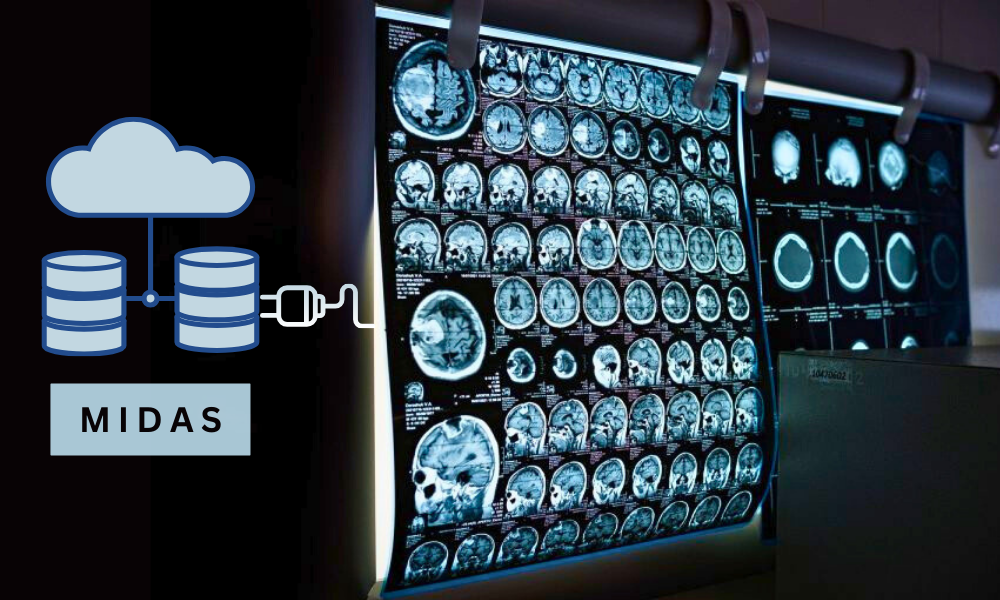
IISc and Indian Council of Medical Research (ICMR) have collaborated to form 'India-MIDAS'

IISc-ICMR-ARTPARK collaboration seeks to build gold-standard medical datasets representative of the Indian population.

IISc (Indian Institute of Sciences, Bengaluru) and the Indian Council of Medical Research (ICMR) have entered into a collaboration to form — India-MIDAS (Medical Imaging Data Sets), which aims to establish institutional mechanisms for collecting, managing, and facilitating the use of medical imaging data from across India.

Fifteen years ago, a scientific commentary highlighted the shortage of imaging experts in India. Fast forward to years 2023, the situation remains the same. India still has very few radiologists, resulting into longer wait times, and delayed diagnoses and treatments.

While Al has been under a skewed spotlight, its use in medicine is promising. To train Al to diagnose diseases, there is a need for collecting good medical imaging data (X-ray, ultrasound and MRI) . For this reason, IISc and ICMR have collaborated to form 'India-MIDAS'.

To train all these AI models to diagnose diseases, there's a need for data. Not just data, ‘good’ data, explains Debnath Pal, Professor at the Department of Computational and Data Sciences, IISc.

“Good data is that set of data that helps answer your [research or medical] question with minimal failure,” says Debnath Pal. According to Debnath, biology is a complex field, and the data required to answer a question of interest – such as diagnosing a specific disease – should be carefully collected.

There is a need for collecting good medical imaging data, such as CT and MRI scans, and X-ray images, especially from the Indian population.

It is for this reason that IISc and ICMR have come up with the idea of creating India-MIDAS (Medical Imaging Data Sets).

The project is funded by ICMR and will work through a hubs-and-spokes model where IISc is the nodal centre.

Debnath points out that the closest match to this kind of data bank elsewhere is the UK Biobank, a large-scale platform in which carefully curated and anonymised biomedical data from 500,000 participants is made available for researchers studying a variety of diseases and treatments. This includes full body MRI scans, whole genome sequences, dozens of blood biomarkers, data from physical activity monitors, and more. About 10,000 different variables have been collected for each participant, creating a gold mine of data to tap into for research.

The AI and Robotics Technology Park (ARTPARK) at IISc has also been roped in as a technology partner to oversee the building of the platform.

The ICMR-IISc team hopes that their collaboration will bypass existing problems of collecting and preserving good data. More importantly, it will also take steps to ensure patients’ privacy, according to Raghu and Debnath.

Each scan or dataset that will be fed into the database will be anonymised by removing any information that can be used to identify a patient. This is done by assigning coded information to each image, called labelling. Labelling is also important for training AI models that can help scan such images for medical applications.

As a first step in this collaboration, researchers at AIIMS Delhi have already begun collecting images of oral cancer and precancer cases, and labelling them.

The goal is that once all the data is collected and organised, any authorised institution or researcher can put in a request to access the data that they need, whether it is for a study testing the effects of a new treatment for a disease, or a startup trying to build an AI model for diagnosis.

Efforts like these can greatly help the research community at large. For instance, in 2021, the UK Biobank released the whole genome sequences of 200,000 participants, to help researchers uncover links between DNA and disease. In a similar vein, datasets available through MIDAS can accelerate medical research in India using data that represents the Indian population.

More at – IISc.ac.in

Accenture To Work with Union Bank of India To Build New AI and Machine Learning Models

Accenture To Work with Union Bank of India To Build New AI and Machine Learning Models

Union Bank of India, a leading public sector bank in India is collaborating with Accenture (NYSE: ACN) to design and develop a scalable and secure enterprise data lake platform with advanced analytics and reporting capabilities.

Accenture will work with Union Bank of India to build new AI and machine learning models that can help generate actionable insights for improved business forecasting, facilitate personalized offers for customers and enable intelligence for fraud detection, prevention, and mitigation.

This program will boost the bank’s operational efficiency and enhance its ability to offer customer-centric banking services and manage risk.

Using predictive analytics, machine learning and artificial intelligence, this platform will leverage structured and unstructured data from within the bank as well as from external sources to generate business-relevant insights.

The program will enable the bank to develop robust data visualization and reporting capabilities including interactive dashboards and reports for business, operational and regulatory purposes. Employees will have access to business intelligence that can enhance customer service and operational agility across the bank’s branches, contact centers and digital channels. As a result, the bank will be able to make informed decisions and identify new data-led opportunities for value creation. These will have an impact across its business portfolio including corporate, retail, and micro, small and medium enterprises (MSMEs) banking, and as well as across functions like risk management, treasury, customer service and operations, among others.

A. Manimekhalai, Managing Director & CEO, Union Bank of India said, “Leveraging advanced analytics and AI, we see potential to unlock tremendous value from data - to form meaningful customer relationships, enhance employee productivity and achieve profitable growth. This collaboration with Accenture is a key step towards our goal to evolve into a data driven and digitally forward bank that supports the next generation of banking services.”

Sandeep Dutta, Senior Managing Director and Lead - India Business, Accenture said, “The democratization of data-driven insights enabled by AI, generative AI and analytics is crucial to fostering a culture of customer-centricity, agility, and innovation. We look forward to working alongside Union Bank of India to shape their growth journey.”

Union Bank of India, established in 1919, is one of the largest Public Sector Banks in India with total business of ₹ 19.84 Trillion as on September 30, 2023. Union Bank of India has customer base of over 21.00 Crore (Approx.) and operates through 8,521 Domestic Branches and International Branches, 10,013 ATMs and workforce of over 76,700 employees. Union Bank of India has 9 Subsidiaries/JV/Associates across various Industries viz. Insurance, Banking, Asset Management, inter alia.

IISc's FSID Launches Multidisciplinary Research Center of Data for Public Good

IISc's FSID Launches Multidisciplinary Research Center of Data for Public Good

IISc’s FSID Launches Centre of Data for Public Good with a first-of-a-kind Symposium

In an initiative aimed at leveraging data for social good, the Foundation for Science Innovation and Development (FSID) within the Indian Institute of Science (IISc) announces the launch of the Centre of Data for Public Good (CDPG). The Centre is dedicated to advancing research, innovation, collaboration, and best practices in the realm of data science, analytics, and policy to address critical societal challenges.

CDPG will serve as a hub for multidisciplinary research, bringing together experts from academia, industry, and government to harness the power of data to benefit the public. With a focus on ethical data use, privacy, and responsible AI, the centre aims to develop solutions that positively impact areas such as smart cities, agriculture, logistics, geospatial, environmental sustainability, and so on.

Emphasising collaboration and innovation, the centre is set to bring under its umbrella learnings from pioneering projects such as the India Urban Data Exchange (IUDX) and the Agricultural Data Exchange (ADeX). These projects, with their focus on urban and agricultural sectors, align seamlessly with the centre’s mission. By incorporating these initiatives, the CDPG will leverage the expertise and resources of IUDX and ADeX, creating a collaborative environment that will accelerate the development and implementation of data-centric solutions. This amalgamation of efforts reflects the Centre’s commitment to harnessing the power of data in addressing real-world issues and advancing the field of data science for societal benefit.

IISc's FSID Launches Multidisciplinary Research Center of Data for Public Good

Speaking about the launch, Prof Govindan Rangarajan, Director, IISc said, “The Centre of Data for Public Good within FSID represents a commitment to harnessing the transformative power of data for the betterment of society. At IISc, we are pleased to nurture such programmes that combine research and practice in service of the nation.

To mark the launch of the centre, IISc hosted the Symposium on Data for Public Good, a flagship event that brought together thought leaders, researchers, and practitioners in the field. The symposium served as a platform for exchanging ideas, showcasing innovative projects, and fostering collaborations.

Distinguished speakers at the event included Mr Kris Gopalakrishnan, Chairman, Axilor Ventures; Co-founder, Infosys, and President, Infosys Science Foundation; Mr J Satyanarayana, Chief Advisor, C4IR India, World Economic Forum; Mr Rajendra Kumar, Chief Postmaster General, Karnataka; Mr Kunal Kumar, Joint Secretary and Mission Director, Smart Cities Mission, and Mr Pramod Varma, CTO of Ekstep Foundation. Their talks shed light on the significance of leveraging data for public good and Digital Public Infrastructure (DPI).

This was followed by panel discussions on urban data, data governance, and agricultural and geospatial data. Many eminent speakers shared their views and several data-driven projects were showcased. Several start-ups displayed innovative solutions. A poster competition was also organised as part of the symposium.

The event culminated with the announcement of a Hackathon focused on a transportation demand prediction problem for specific bus routes in Surat and an air quality prediction problem for certain road segments of Bangalore.

About the CDPG

At CDPG, we are committed to democratising data and our mission is to help harness its power by creating data exchange platforms and integrating them seamlessly into the broader context of Data for Public Good. By ensuring that data exchange is conducted effectively, with a focus on privacy and security, we strive to make the benefits of data accessible to all, promoting inclusivity in decision-making processes.

For more information visit – https://dataforpublicgood.org.in/

TRAI Recommends Setting Up Artificial Intelligence and Data Authority of India (AIDAI)

TRAI Recommends Setting Up Artificial Intelligence and Data Authority of India (AIDAI)

The Telecom Regulatory Authority of India (TRAI) has today released its recommendations on ‘Leveraging Artificial Intelligence and Big Data in Telecommunication Sector’. The telecom regulatory body also proposed that the Ministry of Electronics and Information Technology (MeiTY) be designated as the administrative ministry for AI.

TRAI recommends setting up regulatory framework. "For ensuring development of responsible Artificial Intelligence (AI) in India, there is an urgent need to adopt a regulatory framework by the Government that should be applicable across sectors," says the TRAI recommendation.The broad principles of the suggested regulatory framework, TRAI says should comprise of —
  • An independent statutory authority.
  • A Multi Stakeholder Body (MSB) that will act as an advisory body to the proposed statutory authority.
  • Categorizations of the AI use cases based on their risk and regulating them according to broad principles of Responsible AI
TRAI recommends of immediately establishing an independent statutory authority for ensuring development of responsible AI and regulation of use cases in India.

TRAI designates the authority as — “Artificial Intelligence and Data Authority of India” (AIDAI).

AIDAI functions –
  • Regulation Making Functions
  • Recommendatory functions 

Regulation Making Functions –

  • Framing regulations on various aspects of AI including its responsible use. 
  • Defining principles of responsible AI and their applicability on AI use cases based on risk assessment.
  • AIDAI should evolve the framework based on its assessment, advice of proposed MSB, global best practices, and public consultation.
  • Ensuring that principles of responsible AI are made applicable at each phase of AI framework lifecycle viz. design, development, validation, deployment, monitoring and refinement.
  • Developing model AI Governance Framework to guide organizations on deploying AI in a responsible manner.
  • Developing model Ethical Codes for adoption by public and private entities in different sectors. Any other aspect of regulation of AI for orderly growth of the AI s ector and protection of the consumers

Recommondatory Functions —

  • Facilitating adoption of future technologies and innovative architectures related to AI models.
  • Monitoring and making recommendations on the enforcement framework on AI applications and its u se cases.
  • Coordinating with technical standard setting bodies of government like Telecom Engineering Centre (TEC) for accreditation of various labs for testing and accreditation of AI products and solutions and giving recommendations thereof.
  • Capacity building and infrastructure requirements related evaluation and giving recommendations to the Government.
  • Assess the data digitization requirement in the country; review and prioritize the avenues requiring concentrated efforts for data digitization and fix time frames accordingly.
  • Be the apex body to oversee all issues related to data digitization, data sharing and data monetization in the country including framing policies and incentivization schemes for data digitalization, data sharing and data mone tization.
  • Define the process framework for use of AI and related technology in data processing, data sharing and data monetization while ensuring the privacy and security of the data owner.
  • Putting in place an overarching framework for ethical use of data both by the Government as well as by the corporates in India.The framework should address the generic as well as vertical sector specific requirements.
  • Study the possible impact of upcoming technologies on data ethics and come out with relevant rules/guidelines on the subject. 
  • Creation of a national level mechanism to bring the State Governments, Local Bodies and other agencies onboard to adopt the national policy on data governance.
  • Creation of a uniform framework to on entities for adoptboard private ion of national policy on data governance and to enable them and public sector entities to digitalize, monetize and share their data within the privacy and other applicable laws and policies.
TRAI also recommend that DoT should, in collaboration with organizations such as IISc Bangalore, IIT Madras, IIT Kanpur and other research institutes, launch research in telecommunication s develop indigenous AI use cases.

In the recommendation, TRAI advices of AI Specific Infrastructure and Experimental Campuses.

"At least one Centre of Excellence for Artificial Intelligence (CoEAI) should be established in each State/UT for facilitating educational institutions, startups, innovators, researchers and other public/private entities to develop and demonstrate technological capabilities. These centres should have access to high bandwidth, computational facilities and data sets for training AI models. All such centres should also be linked with proposed 5G/6G labs for sharing of resources and knowledge. To galvanize an effective AI ecosystem and to nurture quality human resources these CoE-AIs should allow industry players as well as startups to partner with academia in conducting research, developing cutting-edge applications and scalable problem solutions in various fields such as agriculture, healthcare, education, smart cities, smart mobilities, etc.," the recommendation paper mentioned.

Meanwhile, the Cyberspace Administration of China (CAC) released their "Interim Measures for the Management of Generative Artificial Intelligence Services." In this , the Chinese government lays out its rules to regulate those who provide generative AI capabilities to the public in China.

While the US is still underway to Regulate AI, the EU’s AI Act is being speculated as the possible global standard for AI Regulation,just like GDPR – likely changing how many machine learning engineers do their work. The proposal includes a ban on certain uses of AI, such as facial recognition in public spaces, as well as requirements for transparency and accountability in the use of AI.

To recall, TRAI had earlier floated a consultation paper to explore a framework for internet-based calls and messaging apps like Facebook, WhatsApp, Telegram, Apple's FaceTime etc. and selectively ban their services during emergency situations.


Celebal Technologies Announces Spark-Wars: The Premier Databricks Hackathon for Data and AI Enthusiasts

Celebal Technologies, a premier software solutions company based in Jaipur, is coming up with Databricks Spark-Wars - a global virtual hackathon aiming to build a vibrant community of data enthusiasts across the globe. The hackathon is a four-day event scheduled to take place from 16th to 19th June 2023, with registrations ending on June 15, 2023.

Celebal Technologies Announces Spark-Wars: The Premier Databricks Hackathon for Data and AI Enthusiasts

Databricks Spark-Wars is expected to be one of the biggest global Databricks hackathons, providing a platform to nearly 10,000 data and AI specialists worldwide to innovate and showcase their talent while gaining exposure and recognition within the industry. The participants would stand a chance to win exciting prizes, Celebal goodies, and opportunities to work with the fastest-growing Databricks team in India.

To be eligible for the hackathon, participants must have a background in B.Tech, M.Tech, BCA, MCA, MSC-IT, PGDBM or an experience of 1-10 years in Python, Spark, SQL, Data Engineering, or tech stacks migrating to Databricks.

Talking about the hackathon, Anirudh Kala, CEO and Co-founder Celebal Technologies, said, "We are thrilled to announce the biggest Databricks hackathon, which aims to bring together the brightest minds in the industry to innovate and solve the toughest challenges facing businesses today. As a trusted Databricks Elite partner, we are committed to driving innovation and delivering value to our clients, and we look forward to seeing the ground-breaking solutions that emerge from this hackathon."

Celebal Technologies is one of the Databricks Elite partners and was recognized as the Databricks Regional System Integrator Partner (India) and Top Consumption Partner-Asia, Pacific, and Japan (APJ) at the Databricks APJ Partner Awards 2022 for its outstanding performance in the field of data and analytics.

To register for the hackathon, visit this link: https://xathon.mettl.com/event/Celebal_Databricks_Spark_Wars

About Celebal Technologies:

Celebal Technologies is a leading software services company specialising in AI, Big Data, App innovation and Enterprise Cloud. With over 2200 employees, Celebal Tech is headquartered at Jaipur, India and has offices in Japan, Australia, Singapore, MEA and the US. They partner with Fortune 1000 and equivalent organisations and help them become data driven and propel them in their digital innovation journeys. Celebal Technologies provides a range of offerings around Data Science, Data Engineering, Cloud Innovation, Chat Bots, Low code Platforms, Process Automation etc. It offers tailor-made solutions focused on Industries like FSI, Manufacturing, Retail, Healthcare etc., along with business offerings for Customer 360, Supply Chain, Logistics, Financial Analytics and Sustainability etc. Celebal Tech’s flagship offering is the ERP Extend and Innovate program with Data, Analytics, Integrations, Modern Apps and process intelligence leveraging the Azure and Databricks landscape.

For more information about Celebal Technologies, please visit www.celebaltech.com
To register for the Databricks Spark-Wars hackathon, please visit https://bit.ly/sparkwarsct

GapMaps Releases 1st Fast Food and Quick Service Restaurant Retail Network Report in India for 2023

Domino’s records highest store network in India, while Tier-2 cities under-penetrated across tracked brands in the fast food sector

GapMaps, a cloud-based data intelligence platform used by brands to pinpoint optimal locations for its physical stores, has released its first Fast Food & Quick Service Restaurant (QSR) Retail Network Report in India for 2023. The report tracks store counts and market penetration of 13 leading QSR and Fast Food brands.


The bi-annual report monitored 13 brands in nearly 6,000 locations across India, revealing that Domino's holds the most prominent store network with over 1,500 locations. Domino's also has at least one store in almost all of the 86 cities with a population exceeding 10 lakh residents. Additionally, they claim a substantial presence in the 211 cities with over 5 lakh residents.

Pizza Hut follows closely behind Domino’s with the second-largest store network in India with 787 locations across the country. Other tracked brands including KFC, Wow! Momo and McDonald's also maintain sizable store networks, each with over 500 locations.

However, except for Domino's, the report shows that tracked brands do not have established store networks in Tier-2 cities, which encompass cities with populations ranging from 5 lakh to 10 lakh residents.

In cities with less than 5 lakh residents, the store networks of the tracked brands are relatively limited. Typically, these smaller cities only have stores present if there is an additional significant driver of sales beyond the local residents, such as a major passing highway, a tourist precinct, or a satellite/commuter city.

Andrew Smith, Director of Economics and Research at GapMaps
Andrew Smith
Our report provides valuable insights into the competitive landscape in the Fast Food and QSR sector in India as brands continue to grow their networks across the country. Even after adjusting for incomes, the store provision of the major brands is relatively low by international standards and there remains ample opportunity for store growth within major cities across India. In addition, continued income growth across the country will further increase the addressable market and store potential for these brands," said Andrew Smith, Director of Economics and Research at GapMaps.

“In order to pinpoint emerging growth opportunities, more brands in India across Fast Food, Fitness, Café and Supermarket/ Grocery sectors are using GapMaps Live to access the very latest insights on competitor locations, resident and worker populations, household income and spending and other demographic data right down to a very granular level to confidently make accurate store location decisions,” he added.

GapMaps’ first Fast Food and Quick Service Restaurant Retail Network Report for India in 2023 illustrates the sector's notable growth opportunities for brands looking to expand their store networks in the region. Moreover, the favourable economic climate is anticipated to accelerate this growth and open the door for more brands to emerge and thrive in the country.

To access a copy of the latest report please email subscribe@gapmaps.com or visit the GapMaps website here.

About GapMaps

Founded in 2013, GapMaps is an Australian built- and owned company that makes it easy for businesses to make better location decisions by integrating the latest socio demographic, economic, customer and competitor Intel on one simple-to-use platform called GapMaps Live. GapMaps Live can be found in 23 countries, with more than 500 clients across Fast Food, Cafe, Health & Fitness and many other sectors using it every day to inform their network growth or optimisation strategies. GapMaps Advisory experts can also offer additional help with market planning and location intelligence strategies if needed.

Market Reports

Market Report & Surveys
IndianWeb2.com © all rights reserved