‏إظهار الرسائل ذات التسميات coronavirus. إظهار كافة الرسائل

Chennai-based Medical Device Firm Kriya Medical Technologies Gets Manufacturing License for KRIVIDA Novus RT-PCR Kit


Kriya Medical Technologies, a medical devices company headquartered in Chennai, has received its manufacturing license from the DCGI (Drugs Controller General of India) for its product KRIVIDA Novus, an RT-PCR kit that can detect the Omicron variant and its sub-lineages in 45 minutes.

Priced at Rs 150 +taxes, the test is affordable and most suitable for entry point screening at airports. The kit is compatible with Real-Time PCR machines with a test run time of roughly 45 minutes. It provides early report to aid diagnosis and also gives precise variants to enable appropriate treatment.

KRIVIDA Novus will be produced at Kriya’s state-of-the-art manufacturing facility in Oragadam in Chennai. The company currently has a production capacity of 5 million tests per month and plans to increase it to 10 million tests per month within the next two weeks.

Anu Moturi, CEO and Founder, Kriya Medical Technologies, said, “I thank the ICMR and DCGI for their swift action. Acquiring this license is yet another milestone and a step towards our vision of making good healthcare affordable and accessible to all. Our focus is to make testing for Covid-19 variants faster, affordable and accessible to everyone, thereby enabling swift prevention and timely treatment. Since KRIVIDA Novus can detect the Omicron variant (B.1.1.529) and all its sub-lineages, such as BA.1, BA.2 and BA.3 in 45 minutes, it is most ideal and beneficial for entry point screening at airports and remobilisation of normal conditions in workplace and institutions.”

Kriya Medical Technologies has a pipeline of new products that will be released in the market over the next few months to address rapidly evolving mutations and other allied infections.

All you need to know about KRIVIDA Novus
  • KRIVIDA Novus RT-PCR kit has been developed by KRIYA Medical technologies in collaboration with ImmuGenix Bioscience
  • KRIVIDA Novus kit can detect COVID-19 and differentiate the other variants from Omicron in single-tube assay.
  • Our KRIVIDA NOVUS kit is compatible with most Real-Time PCR machines with a test run time of 45 minutes, enabling the testing sites to conduct 2,160 tests within 24 hrs.
  • The kit detects SARS-CoV-2 using five different gene targets and it has a variant specific S gene probe for the newly emerged Omicron.
  • KRIVIDA Novus picks up all the sub-lineages of Omicron, such as, BA.1, BA.2 and BA.3
  • The test is most suitable for entry point screening at airports

About KRIYA

KRIYA is a Make in India initiative. It’s an emerging Medical Device company headquartered in Chennai, India. The company is focused on innovating digitally integrated diagnostic solutions designed to expand access to affordable health care delivering good health for all.

Website: https://www.kriyamed.com/

WHO Monitoring New Coronavirus Variant Named 'Mu' which May Have Resistance to Vaccines


The World Health Organization (WHO) has said that it has identified a new coronavirus "variant of interest" (VOI) known as "Mu" and the global health body is now monitoring it. 

Also known by its scientific name B.1.621, the new coronavirus variant was classified as a VOI on 30 August 2021 and given the WHO label 'Mu'. This includes the descendent Pango lineage B.1.621.1. This variant is known as 21H in Nextstrain nomenclature. 

According to WHO, the Mu variant has a constellation of mutations that indicate potential properties of immune escape. Preliminary data presented to the Virus Evolution Working Group show a reduction in neutralization capacity of convalescent and vaccinee sera similar to that seen for the Beta variant, but this needs to be confirmed by further studies.

'Mu' was first identified in Colombia in January 2021 and since then there have been a few reports of cases of the Mu variant, on irregular intervals & places and some larger outbreaks have been reported from other countries in South America and in Europe. 

The WHO currently identifies four Covid-19 variants of concern, including Alpha, which is present in 193 countries, and Delta, present in 170 countries.

Five variants, including Mu, are to be monitored, said the WHO. After being detected in Colombia, Mu has since been reported in other South American countries and in Europe.

The WHO said its global prevalence has declined to below 0.1 percent among sequenced cases. In Colombia, however, it is at 39 percent.

As of 29 August, over 4500 sequences (3794 sequences of B.1.621 and 856 sequences of B.1.621.1 ['Mu']) have been uploaded to GISAID from 39 countries. GISAID is a global science initiative and primary source established in 2008 that provides open-access to genomic data of influenza viruses and the coronavirus responsible for the COVID-19 pandemic.

Delta Variant 40-60% More Transmissible Than Alpha Variant - Dr. N K Arora, Co- Chair, INSACOG


B.1.617.2, known as the Delta variant, is around 40-60 percent more transmissible than Alpha Variant- Dr. N K Arora, Co- Chair, INSACOG

“Current vaccines are effective against Delta Variant as per the studies undertaken by ICMR on the issue”

“Any future waves will be controlled and delayed if more people get vaccinated and follow COVID-Appropriate Behaviour effectively”

It is difficult to say that the disease caused due to Delta Variant is more severe- Dr. N K Arora

In a recent interview, Dr N K Arora, co-chair, Indian SARS-CoV-2 Genomics Consortium (INSACOG) elaborates about the Standard Operating Procedure (SOP) for testing and follow-up on variants, what makes the Delta variant so transmissible, how genomic surveillance can help contain its spread, and reemphasizes on the importance of COVID appropriate behaviour.

INSACOG is a consortium of 28 laboratories of Ministry of Health & Family Welfare, Dept. of Biotechnology, Indian Council of Medical Research (ICMR) and Council of Scientific and Industrial Research (CSIR) for whole genome sequencing in the context of COVID-19 pandemic. INSACOG was established by Ministry of Health and Family Welfare, Govt of India on 25/12/2020.

Recently INSACOG expanded its reach. What is the thought behind its expansion?

There is a need to keep a strict vigil on the emergence of variants of concern and outbreaks so that they can be contained before they spread to a larger region. The Indian SARS-CoV-2 Genomics Consortium (INSACOG), established in December 2020, was a consortium of 10 laboratories. Recently 18 more laboratories became part of it.

The idea is to have a strong network of laboratories to do genomic surveillance of the SARS-CoV-2 and correlate whole genomics sequencing (WGS) data with clinical and epidemiological data to see whether or not a variant is more transmissible, causes more severe disease, escaping immunity or causing breakthrough infections, affecting vaccine efficacy, and diagnosed by current diagnostic tests.

Then National Center for Disease Control (NCDC) analyse this data. The entire country has been divided into geographical regions and each lab is given the responsibility of one particular region. We have formed 180-190 clusters with around 4 districts in each cluster. Regular random swab samples and samples of patients who develop severe illness, vaccine breakthrough infections, and other atypical clinical presentations, are collected and sent to regional laboratories for sequencing. The current capacity of the country is to sequence over 50,000 samples per month; earlier it was approximately 30,000 samples.

What kind of mechanism country has for testing and follow up on variants?

India has a well-established mechanism of Integrated Disease Surveillance. The IDSP coordinates sample collection and transportation from the districts/sentinel sites to Regional Genome Sequencing Laboratories (RGSL). The RGSLs are responsible for genome sequencing and identification of Variants of Concerns (VOC)/Variants of Interest (VOI), Potential Variants of Interest and other mutations. Information on VOC/VOI is directly submitted to the Central Surveillance Unit for clinical-epidemiological correlation in coordination with State Surveillance Officers. The samples are then sent to the designated bio banks.

RGSLs, upon identification of a genomic mutation which could be of public health relevance, submit the same to Scientific and Clinical Advisory Group (SCAG). SCAG thereafter discusses the Potential Variants of Interest and other mutations with experts and if necessary, recommends to the Central Surveillance Unit for further investigation.

Sharing of information and clinical-epidemiological correlation is done by IDSP, a unit of NCDC, along with the Ministry of Health, the Indian Council for Medical Research, Department of Biotechnology, Council for Scientific and Industrial Research and state authorities.

Finally, the new mutations/variants of concern are cultured and scientific studies are undertaken to see the impact on infectiousness, virulence, vaccine efficacy and immune escape properties.

The Delta variant has been in focus as a global concern. What makes this variant so virulent?


B.1.617.2, a variant of COVID-19 is known as the Delta variant. It was first identified in October 2020 in India, and was primarily responsible for the second wave in the country, today accounting for over 80 percent of new Covid-19 cases. It emerged in Maharashtra and travelled northwards along the western states of the country before entering the central and the eastern states.

It has mutations in its spike protein, which helps it bind to the ACE2 receptors present on the surface of the cells more firmly, making it more transmissible and capable of evading the body’s immunity. It is around 40-60 percent more transmissible than its predecessor (Alpha variant) and has already spread to more than 80 countries, including the UK, the USA, Singapore, and so on.

Does it also cause more severe disease as compared to other variants?

There are studies that show that there are some mutations in this variant that promote syncytium formation. Besides, on invading a human cell, it replicates faster. It leads to a strong inflammatory response in organs like the lungs. However it is difficult to say that disease due to delta variant is more severe. The age profile and the deaths during the second wave in India were quite similar to that seen during first wave.

Is Delta Plus variant more aggressive than Delta variant?

The Delta Plus variant—AY.1 and AY.2—has so far been detected in 55-60 cases across 11 states, including Maharashtra, Tamil Nadu, and Madhya Pradesh. AY.1 is also found in countries like Nepal, Portugal, Switzerland, Poland, Japan but AY.2 is less prevalent. The variant is still being studied for its transmissibility, virulence, and vaccines escape characteristics.

Are the vaccines effective against the Delta variant?

Yes, current vaccines are effective against Delta Variant as per the studies undertaken by ICMR on the issue.

Some parts of the country are still witnessing a spurt in the number of cases. Why?


Though there is a significant dip in the number of cases in most parts of the country, some regions are witnessing a high-Test Positivity Rate (TPR) particularly in the north-eastern parts of the country and several districts in the southern states, most of these cases could be due to the Delta variant.

Can future waves be prevented?

A virus begins infecting a part of the population, which is most susceptible and also exposed to the infection. It diminishes after it successfully infects a large proportion of the population and strikes back when the immunity developed in the people post-natural infection fades. The cases may go up if a new, more infectious variant comes. In other words, next wave will be driven by a virus variant to which significant proportion of population is susceptible.

The second wave is still going on. Any future waves will be controlled and delayed if more and more people get vaccinated and most importantly, people follow COVID-Appropriate Behaviour effectively, especially till a substantial part of our population gets vaccinated.

People need to focus on vaccination and adherence to COVID Appropriate Behaviour to manage COVID-19.

IIT Hyderabad’s Prof Shiv Govind Singh Developed “COVIHOME”, India's First Rapid Electronic COVID-19 RNA Test Kit


Validated by CCMB Hyderabad (ICMR partner institute), COVIHOME is ready for Technology Transfer.

Highlights:
  • Validation Report: Specificity: 98.2% Sensitivity: 91.4% Efficiency: 94.2%
  • Works with Oral/ Nasopharyngeal Swabs, Testing Volume: < 10 µL
  • Oligo based testing (Equivalent to RT-PCR)
  • No RNA (Ribonucleic Acid)-extraction required.
  • Smartphone-based Point of care device (potential for home-based testing)
  • Test results within 30 min
  • Low cost ~Rs. 300/Test
  • No RT-PCR required for load amplification and testing

Hyderabad, July 14, 2021: Indian Institute of Technology Hyderabad Researchers’ Prof Shiv Govind Singh, Department of Electrical Engineering, has developed an Artificial Intelligence-powered COVID-19 test that can be performed at an affordable cost at home after commercialization and required ICMR approval. This test kit can produce results within 30 minutes for both symptomatic and asymptomatic patients. The major benefit of this testing kit is that it does not require RT-PCR (Reverse Transcription Polymerase Chain Reaction), an expert human resource, and a BSL 2 lab facility for the extraction of RNA, so it has potential for one to take the test at home without expert supervision.

CSIR-CCMB has performed the validation of the rapid RNA electronic diagnostic device for detection of SARS-Cov-2 virus in the swab samples independently with the in-house samples and hospital samples as advised by ICMR. These samples were confirmed for their positivity or negativity by the RT-PCR method. The validation report confirmed the kit’s efficiency 94.2%, Sensitivity 91.3%, and Specificity 98.2%. Each test costs around Rs. 400 now. However, mass production of the testing kit will help to reduce the cost to around Rs. 300 per test.

Speaking about the role of IIT Hyderabad in helping tackle the COVID-19 pandemic, Prof B S Murty, Director, IIT Hyderabad, said -
IITH has come up with many unique & novel socio-technological initiatives and delivered remarkable results during this pandemic. Prof Shiv Govind’s “COVIHOME” is one such admirable milestone. I am confident it will play a significant role in the safe & fast diagnosis of the COVID-19 and minimize its spread.


COVIHOME testing kit was developed by the research team of Dr. Suryasnata Tripathy, Ms. Supraja Patta, Ms Swati Mohanty, and other students led by Prof. Shiv Govind Singh, Department of Electrical Engineering, IIT Hyderabad. Initial clinical trial and testing of the device was performed at ESIC Medical College and Hospital in Hyderabad. “Dean ESIC, Prof Srinivas M, and his team Dr Imaran, Dr Swati, and Dr Rajeev have played a big role in the successful development of this novel kit”, said Prof Singh.

Highlighting the benefits of this testing kit, Prof. Shiv Govind Singh said -
A major objective of the research team for the development of the COVIHOME Test Kit was to break the transmission chain through affordable testing. We have already filed a patent for the device and are now looking for industry partners for ToT of technology for mass production.

Ease of Doing Business' Calls for Global Innovation and Technology Solutions to Test COVID Under 1 Minute


Announces commercial pilot for testing tech to start with Delhi and Mumbai airports ahead of anticipated 3rd wave 

Amidst growing concerns and raising alarms by Indian Medical Association over imminent and inevitable 3rd wave of COVID, India’s leading emerging tech prototyping agency Advance Services for Social and Administrative Reforms (ASSAR) opens applications for global technology and healthcare companies to provide Technology, Products & Services (TPS) for instant COVID19 testing that will give reliable results within 60 seconds.

Announcing to conduct this testing tech as a commercial pilot starting with critically high value international airports of the country - Delhi and Mumbai; the pilot aims to target the two international disembarkation that have the highest risk of importing mutated variants of COVID virus in India. Prototype pilot will then extend to 12 other test venues in coordination with the state governments in the same phase of pilot to make domestic & inland air-travel safe passage for transportation ahead of predicted wave and possibility of further lockdowns.

ASSAR under its ‘Ease of Doing Business’ program opened the applications for this pilot on July 10th and is currently in the process of corroborating screening process with competent bodies until July 25th. Thereafter, the shortlisted companies shall undergo logistical and financial planning for execution in the month of August 2021, by the agency.

Talking about the immediacy & necessity of the project, the lead technocrat Mr. Abhijeet Sinha, National Program Director, Ease of Doing Business division at ASSAR expresses “Much has been already lost beyond measure in last 16 months. The second wave of COVID has hit us hard and at no cost is the country ready to bear another socio-economic brunt. With these testing technologies our effort is to take pre-emptive steps, so the nation doesn’t have to face another lockdown with the anticipated wave. Also indispensable public and private sector operations that have already suffered huge losses, with this pilot, will be able to provide affordable instant tests for such necessities."

"Not all sectors or nature of jobs or businesses can be effectively done-from home, specially the ones concerning national security, research, manufacturing, developmental sectors etc. Our effort with these pilots is to put the country’s socio- economic recovery back on track." he continues.

With the announced COVID tech pilot, many stakeholders from across agencies and bodies will come together. The key aspects of the project in its initial qualification criterions that is, only the technologies whose results will be available instantly within 60 seconds and those have the capability to detect emerging mutations and variants of COVID19 virus can participate in the application process.

Since it is a commercial pilot not medical prototyping; only a technology medically pre-approved by ICMR / US-FDA / CE-IVD will be considered to showcase its portability, simplicity, cost-efficiency, scalability, prevention of data falsification & optimization with internet connectivity, high – throughput for testing at international disembarkation as well as last mile testing in rural outbreak.

It’s no longer the time, that the country can sit on for years of research to come up with vaccines or technology. Unlike POLIO vaccine that took years to reach India and then decades to reach its remote demography. Both the COVID19 vaccine and testing technology has to grow and be accessible in real time, the technology and information transfer has to happen literally in nano seconds at global level, for us to be able to tide over this global crisis.

About Ease of Doing Business :

Ease of Doing Business (.in) is an ASSAR program to conduct emerging tech-pilots with govt support since 2016 contributing in the vision of our Prime Minister Shri. Narendra Modi in various sectors beyond adoption constraints to deliver actual ease to technological advancement with policy entrepreneurship through prototype projects and standalone pilots for their speedy scale-up and commercialization in India.

India Overtakes USA in Total Number of COVID Vaccine Doses Administered


32.36 cr COVID Vaccine doses administered across the country

India reports 46,148 New Cases in the last 24 hours

India's Active Caseload declines to 5,72,994

India has achieved another milestone in its COVID19 vaccination drive as it overtakes USA in terms of the total number of COVID vaccine doses administered, claims government in a press release. 

India’s COVID Vaccination drive started on 16th Jan 2021, whereas the COVID vaccination in USA started on 14th December 2020.


India’s cumulative vaccination coverage has exceeded 32.36 Crores yesterday. A total of 32,36,63,297 vaccine doses have been administered through 43,21,898 sessions, as per the provisional report till 7 am today. 17,21,268 vaccine doses were administered in the last 24 hours.

These include:


HCWs

1st Dose

1,01,98,257

2nd Dose

72,07,617

FLWs

1st Dose

1,74,42,767

2nd Dose

93,99,319

Age Group 18-44 years

1st Dose

8,46,51,696

2nd Dose

19,01,190

Age Group 45-59 years

1st Dose

8,71,11,445

2nd Dose

1,48,12,349

Over 60 years

1st Dose

6,75,29,713

2nd Dose

2,34,08,944

Total

32,36,63,297


The new phase of universalization of COVID-19 vaccination commenced from 21 June, 2021. The Union Government is committed to accelerating the pace and expanding the scope of COVID19 vaccination throughout the country.

India has reported 46,148 new cases in the last 24 hours.

Less than 1 lakh Daily New Cases have been reported for 21 continuous days now. This is a result of sustained and collaborative efforts by the Centre and the States/UTs.


India has also been witnessing a continuous fall in its active caseload. The country’s Active Caseload stands at 5,72,994 today.

A net decline of 13,409 is witnessed in the last 24 hours and active cases are now only 1.89% of the country's total Positive Cases.


As more people are getting recovered from COVID-19 infection, India’s Daily Recoveries continue to outnumber the Daily New Cases for 46 consecutive days now. 58,578 recoveries were registered in the last 24 hours.

More than 12 thousand(12,430) recoveries were reported during the last 24 hours as compared to the daily new cases.


Out of the people infected since the beginning of the pandemic, 2,93,09,607 people have already recovered from COVID-19 and 58,578 patients have recovered in the last 24 hours. This constitutes an overall recovery rate of 96.80%, which is showing a sustained increasing trend.

With substantially ramped up testing capacity across the country, a total of 15,70,515tests were conducted in the last 24 hours in the country. Cumulatively, India has conducted over 40.63crore (40,63,71,279) tests so far.

While on one side testing capacity has been enhanced across the country, a continued decline in weekly case positivity is noticed. Weekly Positivity Rate is currently at 2.81% while the Daily Positivity rate stands at 2.94% today. It has remained less than 5% for 21 consecutive days now.

Bats in Switzerland Harbouring Viruses from 39 Different Viral Families Can Pose Threat To Humans


Bats in Switzerland are harbouring viruses from 39 different viral families and some have the potential to jump to other animals, including humans and cause disease, researchers have found.

Monitoring the viruses harboured by bats around the world could improve understanding and detection of those that pose risk to humans, and better prepare the world for another such pandemic.

While previous research has investigated viruses carried by bats in several different countries, none have focused on Switzerland.

Researchers from the University of Zurich investigated viruses carried by more than 7,000 bats living in Switzerland. These bats belonged to 18 species of stationary and migratory bats. Specifically, they analysed DNA and RNA sequences of viruses found in organ, faecal, or stool samples collected from the bats.

The genomic analysis revealed the presence of 39 different families of viruses, including 16 families previously found to be able to infect other vertebrates, and which therefore could potentially be transmitted to other animals or humans.

Further analysis of viruses with this risk revealed that one of the studied bat colonies harboured a near-complete genome of a virus known as the Middle East respiratory syndrome (MERS)-related coronavirus (CoV). MERS-CoV is a virus transferred to humans from infected dromedary camels. It is a zoonotic virus, meaning it is transmitted between animals and people, and it is contractable through direct or indirect contact with infected animals.

While the MERS-CoV-related virus is not known to cause disease in humans, MERS-CoV has been responsible for an epidemic in 2012. These findings are published in the open-access journal PLOS ONE.

"Metagenomic analysis of bats endemic to Switzerland reveals broad virus genome diversity. Virus genomes from 39 different virus families were detected, 16 of which are known to infect vertebrates, including coronaviruses, adenoviruses, herpesviruses, rotaviruses A and H, and parvoviruses," said the team including Isabelle Hardmeier from the varsity's Institute of Virology.

The researchers noted that genomic analysis of bat stool samples could be a useful tool to continuously monitor viruses harboured by bats, including the MERS-CoV-related virus. This type of tracking could potentially detect accumulations of viral genetic mutations that could increase the risk of transmission to other animals, enabling earlier detection of viruses that pose danger to humans.

While there are few known instances of disease-causing viruses jumping directly from bats to humans, some viruses carried by bats may jump to other animals and then become transmitted to humans. SARS-CoV-2, the virus behind the ongoing COVID-19 pandemic, is also debated to have originated from a virus that was transmitted from a bat to another animal before infecting humans.

Original Source - Weather.com (IANS)

Pune Startup To Launch Alcohol-Free, Non-Toxic, Gentler, Long-Lasting Hand Sanitizer Developed from Silver Nanoparticles

Representational Only

An environment friendly hand sanitizer that is gentle on the hands and does not dry them, will soon be available in the market. The alcohol free, aqueous, non-inflammable and non-toxic hand sanitizer has been developed from Silver Nanoparticles by a Pune based start-up.

Recurrent drying up of hands due to repeated application of hand sanitizers is a challenge which people have faced during the COVID 19 pandemic.

The hand sanitizer developed by Weinnovate Biosolutions prolongs antimicrobial activity thus obviating the need for repeated applications. Silver nanoparticles give slow and sustained release of silver ions to kill microorganisms that come in contact. Besides, it can be stored in ambient conditions.

It has successfully completed Central Drugs Standards Control Organisation (CDSCO) approved clinical trial for the hand sanitizer and demonstrated high efficiency in killing viruses.


Weinnovate Biosolutions was supported by CAWACH 2020 grant of National Science and Technology Entrepreneurship Development Board (NSTEDB) under the Department of Science and Technology (DST) and incubated at Entrepreneurship Development Centre (Venture Centre), Pune. They developed the colloidal silver solution-based hand sanitizer. The technology operates on the ability of the silver nanoparticles to prevent the synthesis of viral negative-strand RNA and viral budding.

“We are very confident of the study outcomes and waiting to get the license for our hand sanitizer formulation from CDSCO, India. We are sure that such innovation will push India towards its 'Atmanirbhar Bharat' mission and make India a self-sustained nation to face such pandemics in future”, said Dr. Anupama Engineer, Cofounder & COO Weinnovate Biosolutions.

Silver nanoparticles have been found to be an effective antiviral which act against many deadly viruses like HIV, Hepatitis B, Herpes simplex virus, Influenza virus, and so on. Recent reports have suggested the role of Glutathione capped-Ag2S NCs (Silver nanoclusters) in inhibiting the proliferation of Coronavirus by preventing the synthesis of viral negative-strand RNA and viral budding. The colloidal silver on which the technology of the sanitizers of Weinnovate Biosolutions is based can help arrest Covid -19 spread by blocking the RNA replication and infectivity by blocking the surface glycoproteins.

A study to evaluate the efficacy of hand sanitizer on different types of viruses is also currently underway by the group.


Infants' Body Produce Strong Immune Response To COVID-19 and This Could Crack the Design for Coronavirus Vaccine


Young infants have relative protection from coronavirus because their bodies produce a strong immune response to it, according to a new study by group of researchers at the University of Bristol and Bristol Royal Hospital for Children.

The research team conducted research which found that infants produce relatively high levels of antibodies and immune cells which protect against the virus, compared to adults.

Researchers say the findings could help explain why younger children appear to be protected from the severe effects of COVID-19 at a time of their development when they could be more vulnerable.

The researchers sought as why children have only been mildly affected by the coronavirus during the pandemic, especially since younger infants, in particular, are known to be vulnerable to other respiratory viruses such as the flu.


The research study, which is published in Cell Reports Medicine, says in its summary --

Severe COVID-19 appears rare in children. This is unexpected, especially in young infants, who are vulnerable to severe disease caused by other respiratory viruses. We evaluate convalescent immune responses in four infants under 3 months old with confirmed COVID-19 who presented with mild febrile illness, alongside their parents, and adult controls recovered from confirmed COVID-19. Although not statistically significant, compared to seropositive adults, infants have high serum levels of IgG and IgA -- the most common antibody found in blood and body fluids -- to SARS-CoV-2 spike protein with corresponding functional ability to block SARS-CoV-2 cellular entry.

Infants also exhibit robust saliva anti-spike IgG and IgA responses. On principal component analysis, infant immune responses appear distinct from their parents.

Pune-based Startup Launches 3D-Printed Masks Coated with Anti-Viral Agents, Claims To Be More Efficient than N-95

Representational

An integration of 3D printing and pharmaceuticals has resulted in a novel type of mask which attacks the virus when viral particles come in contact with it. Developed by Pune-based start-up firm Thincr Technologies India Private Limited, these masks are coated with anti-viral agents known otherwise as virucides. 

The virucidal mask project is among the earliest projects to have been selected for commercialization, by Technology Development Board (TDB), a statutory body of the Department of Science and Technology, Government of India, as part of the Government’s fight against COVID-19.

The project received financial support from TDB as part of its search for novel solutions to fight COVID-19, in May 2020. Following this, an agreement was signed on 8th July, 2020 for developing the masks. The 2016-incorporated firm claims that these cost-effective masks are more effective in checking the spread of COVID-19, in comparison with ordinary N-95, 3-ply and cloth masks.

Addressing the Need for High Quality More Effective Masks


Thincr Technologies India works in development of Fused Deposition Modeling (FDM) 3D-printers to discover new pharmaceutical formulations and drug-loaded filaments of different drugs. Founder Director Dr. Shitalkumar Zambad explains: “We started thinking of the problem and possible solutions, during the initial days of the pandemic. We sensed that use of face masks will become nearly universal as the most important tool to prevent infection. But we realized that most masks which were then available and within the reach of common people were homemade and of relatively low quality. It is this need for high-quality masks which led us to undertake a project to develop and commercialize cost-effective and more efficient virucidal coated masks, as a better approach to reduce the spread of infection”.

The Development Journey

With this aim, Thincr Technologies began to focus on developing virucidal coating formulations. It was developed with support from Merck Life Sciences located in Nerul, whose research facility was used for the purpose. The coating formulation has been utilized to coat the fabric layer and the 3D printing principle was employed to achieve uniformity of coating. The coated layer can be incorporated as an additional layer in N-95 masks, 3-Ply masks, simple cloth masks, 3D printed or other plastic cover masks, along with reusable filters. These masks thus provide an additional protection beyond the protection achieved by filtration mechanisms.


The coating has been tested and shown to inactivate the SARS-COV-2 virus. The material used for coating on the mask is a Sodium Olefin Sulfonate based mixture. It is a soap forming agent with hydrophilic and hydrophobic properties. In contact with enveloped viruses, it disrupts the outer membrane of the virus. The ingredients used are stable at room temperature and are widely used in cosmetics.

The filters of these reusable masks have also been developed using 3D printing. Further, Dr. Zambad says that the masks have been found to have bacterial filtration efficiency higher than 95%. “In this project, for the first time, we used 3D-printers to make multilayer cloth filters to precisely fit for plastic-moulded or 3D-printed mask covers”.

Thincr Technologies India Pvt. Ltd. has applied for a patent for this product. Commercial scale manufacturing has also started, informs Dr. Zambad. Meanwhile, 6,000 virucidal masks have been distributed by an NGO to four Government Hospitals in Nandurbar, Nashik and Bengaluru, for use by healthcare workers and also to a girls’ school and college in Bengaluru.

The So-called Indian Variant of COVID-19 Renamed As Delta and Kappa, Under WHO Guidelines


World Health Organization (WHO) has recommended using labeled using letters of the Greek Alphabet, i.e., Alpha, Beta, Gamma, which will be easier and more practical to discussed by non-scientific audiences as these will be easy-to-pronounce. Under this, the so-called Indian variants of covid-19 has got its name changes under new guidance released by the WHO on Monday.

The Indian variant, known by scientists as B.1.617.2 and B.1.617.1, have been dubbed the 'Delta' and 'Kappa' variant.

The British variant will now be called 'Alpha' as the WHO tries to stop stigmatization of regions that were the first to sequence those new variants of coronavirus.

Notably, these new names/labels do not replace existing scientific names (e.g. those assigned by GISAID, Nextstrain and Pango), which convey important scientific information and will continue to be used in research.

Similarly, the so-called South African variant, known by scientists as B.1.351, is now called the Gamma variant.

WHO label Pango  lineage GISAID clade/lineageNextstrain  clade Earliest documented  samples Date of designation 
Alpha B.1.1.7  GRY (formerly GR/501Y.V1)  20I/S:501Y.V1  United Kingdom,  Sep-2020  18-Dec-2020
Beta B.1.351  GH/501Y.V2  20H/S:501Y.V2  South Africa,  May-2020  18-Dec-2020
Gamma P.1  GR/501Y.V3  20J/S:501Y.V3  Brazil,  Nov-2020  11-Jan-2021
Delta B.1.617.2   G/452R.V3  21A/S:478K  India,  Oct-2020  VOI: 4-Apr-2021 VOC: 11-May-2021 

DST Supported Startup Indra Water Develops System for Re-using N95 Masks, PPE Medical Gear To Reduce Excessive COVID-19 Bio-Medical Waste Generation

The system has been validated and tested by the Department of Biosciences & Bioengineering at IIT Bombay

Chhatrapati Shivaji Maharaj Hospital in Mumbai installs Vajra Kavach for disinfection of used N95 Masks, PPE, Lab coats & medical equipment

A N95 Mask/PPE disinfection system developed by Mumbai-based start-up, Indra Water, has been installed at multiple Government hospitals across Maharashtra & Telangana.

The disinfection system called Vajra Kavach is significantly decreasing the cost of combating the pandemic by making PPE, medical, and nonmedical gear reusable and reducing the generation of excessive COVID 19 related bio-medical waste, thereby helping the environment. It is also making personal protective equipment more available, affordable, and accessible.

The product uses a multistage disinfection process with advanced oxidation, corona discharge, and UV-C light spectrum to inactivate the viruses, bacteria, and other microbial strains present on the PPE with more than 99.999% efficiency.


Indra Water, the startup which was initiated with the NIDHI-PRAYAS grant from DST (through SINE- IIT Bombay) for innovations in the water sector, used the Center for Augmenting WAR with COVID-19 Health Crisis (CAWACH) grant of the Department of Science & Technology (DST), Government of India to modify their technology to make it suitable for combating the COVID 19 infection. With support from SINE, IIT Bombay prepared themselves to manufacture and supply 25 disinfection systems per month.

The system has been validated and tested by the Department of Biosciences & Bioengineering at IIT Bombay and has been found to achieve more than 5 LOG (99.999%) inactivation of viruses and bacteria. It is also CSIR - NEERI approved & IP55 certified and is now being installed in hospitals treating COVID 19 patients across India.

(Mr. Abhijit Vvr (abhijit@indrawater.com,+91 99666 95436) can be contacted for more details.)

DST Supported Mumbai-based Startup Develops Affordable COVID-19 Test Kit at Cost of Mere Rs.100 Per Test

Representative Image


A Mumbai-based startup, Patanjali Pharma, is ready with its affordable Rapid Antigen Test that offers COVID 19 diagnosis & surveillance at the cost of Rs 100 per test.

The test developed will complement the gold standard RTPCR & Rapid antigen tests and make it one of the most affordable ones available in the market. 

Patanjali Pharma has been incubated with SINE (Society for Innovation & Entrepreneurship), IIT Bombay. The startup received CAVACH grant, wherein it got funding support of 75 Lacs INR + 75 lacs Soft Loan for Rapid COVID-19 tests.

The Centre for Augmenting WAR with COVID-19 Health Crisis (CAWACH), an initiative by the Department of Science and Technology (DST), supported the startup in July-2020 to develop Rapid Covid 19 diagnostics (both Rapid antibody and antigen tests for surveillance and early diagnosis of Covid- 19, respectively).

Dr. Vinay Saini, Director, Patanjali Pharma, incubated the Startup in SINE, IIT Bombay, and developed the R & D lab as well as products within 8-9 months. They applied for the required licenses and evaluated and validated the products at different Covid Centres for knowing and further improving their efficacy.

“It was an amazing experience to do internal validation of our products in Covid 19 patients and Viral Transport Medium (VTM) samples containing nasopharyngeal swabs of Covid patients. I accompanied my team members for multiple evaluations of developed products at different covid sites in Mumbai to boost up their confidence,” Dr. Vinay Saini said, speaking about the journey of development of the product.

The startup plans to launch the rapid Covid-19 antigen tests in early June, 2021. The Rapid covid-19 tests (~10-15 minutes) would be helpful for early diagnosis of Covid-19 in rural areas, doctor’s clinics, and resource constraint areas where pathology and diagnostic labs are not available. The test is affordable and would be helpful to control the pandemic.


Presently, the startup is working on Rapid Covid-19 antibody tests, Rapid TB Tests with DST SEED Grant & BRICS Countries, CRISPR based Covid 19 tests through Covid 19 Ignition Grant- Indo US Project under IUSSTF with University of Florida, USA).

For more details, Dr. Vinay Saini, Director, Patanjali Pharma Pvt Ltd, (www.patanjalipharma.com, 91- 9987253095), can be contacted.

Russia's "Sputnik V" Vaccine Will Have "Made in China" Label - CNN Report


Hundreds of millions of doses of Russia-made Sputnik V Covid-19 vaccine, which reportedly showed a 97.6% efficacy, will come with the label "Made in China", said a report by CNN.

Over the past month, companies in China have made agreements to manufacture more than 260 million doses of Russia's Sputnik V vaccine, which has been approved for use in more than 60 countries including a large number of developing nations such as Mexico, India and Argentina.

This deals between China and Russia shows an aligned vaccine goals which assist in neglection of developing countries, like India, Mexico and Argentina, by their traditional Western partners (like the US and Canada) who have been accused of hoarding shots.

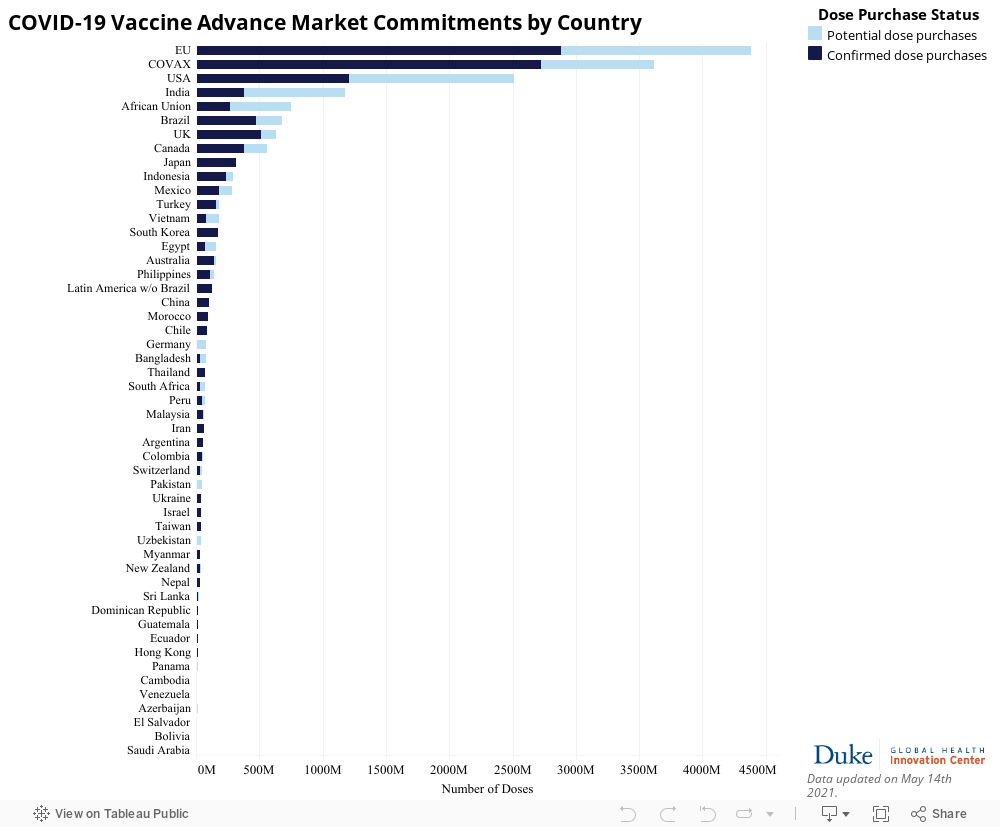
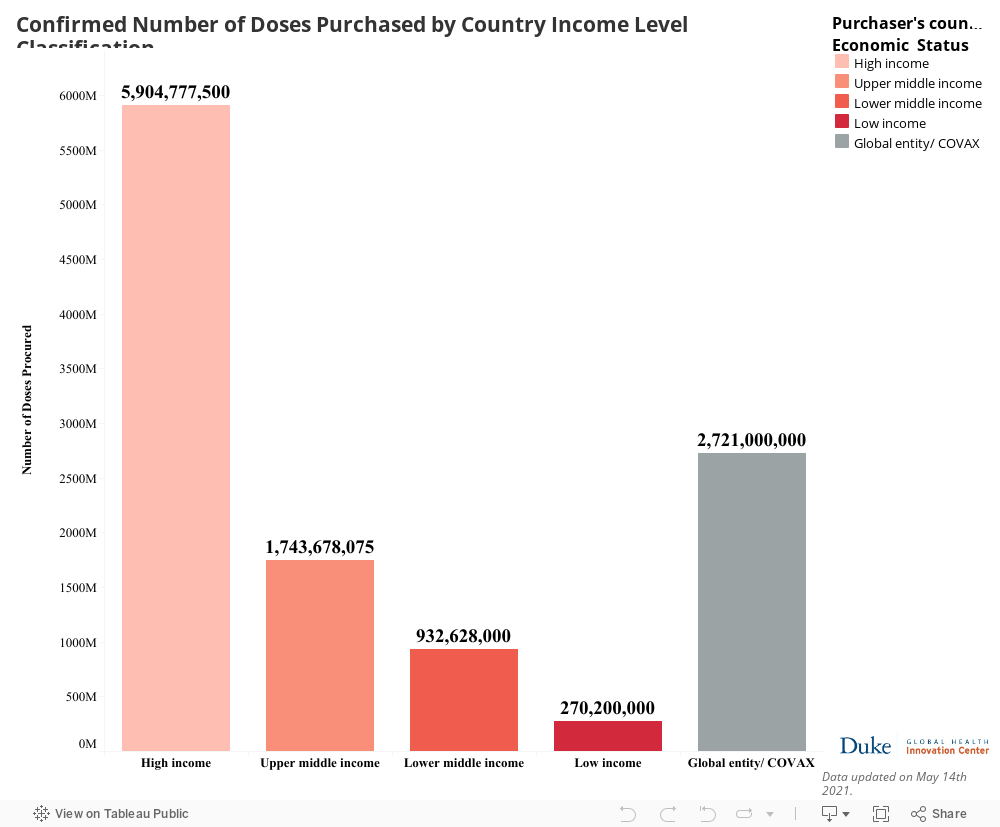
According to a research by Duke University, Countries such as Canada, the UK and New Zealand, have bought enough vaccines to cover their population more than 3-times over, while the vast majority of countries have barely got doses for half their citizens, including some of the nations worst hit by Covid-19. [check this screenshot link if your browser/antivirus blocking this Duke University's research website]

In recent months, Russian disinformation efforts have tried to undermine confidence in US and UK vaccines, such as those made by Pfizer and AstraZeneca, according to Judyth Twigg, professor of political science at Virginia Commonwealth University, according to Judyth Twigg, professor of political science at Virginia Commonwealth University. China with its state-run media is also exaggerating reports of deaths from US and European-made vaccines.

Bobo Lo, an expert on China-Russia relations and former deputy head of mission at Australia's embassy in Moscow, said both Russia and China saw an opportunity for geopolitical gains in the pandemic, winning favor and influence for their autocratic systems.

The Duke University research further states --
Several middle-income countries, including India, also have robust vaccine development programs and are putting forward vaccine candidates, though these are not as far along in the process as the leading candidates from high-income countries. If any of the candidates from middle-income countries achieve regulatory approval, the landscape will likely shift significantly.


According to the models by Duke University predict that there will not be enough vaccines to cover the world's population until 2023 or 2024. Manufacturing capacity can be expanded with targeted investment but only to an extent and it will remain a rate limiter.
 

Govt Releases Advisory on "How To Stay Safe from Black Fungus Complication Detected in COVID-19 Patients"

Control Diabetes, Use Steroids Judiciously, Keep Good Hygiene, Don’t Self-Medicate


Mucormycosis
, a fungal infection, is being reported in a few COVID-19 patients during or post recovery. As per a statement given by the Health Minister of Maharashtra two days ago, more than 2000 people had already been affected by this fungal infection in the state; 10 people had even succumbed to it. Some patients even lost their eyesight.

Government has released an advisory on what-how of this rare black fungus.

What causes Mucormycosis?

Mucormycosis or black fungus is a complication caused by fungal infection. People catch mucormycosis by coming in contact with the fungal spores in the environment. It can also develop on the skin after the fungus enters the skin through a cut, scrape, burn, or other type of skin trauma.

The disease is being detected among patients who are recovering or have recovered from COVID-19. Moreover, anyone who is diabetic and whose immune system is not functioning well needs to be on the guard against this.

According to an advisory issued by the Indian Council of Medical Research (ICMR), the following conditions in COVID-19 patients increase the risk of mucormycosis infection:
  • Uncontrolled diabetes
  • Weakening of immune system due to use of steroids
  • Prolonged ICU/hospital stay
  • Co-morbidities / post organ transplant / cancer
  • Voriconazole therapy (used to treat serious fungal infections)

How it is related with COVID-19

The disease is caused by a set of micro-organisms known as mucormycetes, which are present naturally in the environment, seen mostly in soil and in decaying organic matter like leaves, compost and piles.

In normal course, our body’s immune system successfully fights such fungal infections. However, we know that COVID-19 affects our immune system. Moreover, the treatment of COVID-19 patients involves intake of drugs like dexamethasone, which suppress our immune system response. Due to these factors, COVID-19 patients face a renewed risk of failing the battle against attacks mounted by organisms such as mucormycetes.

In addition, COVID patients undergoing oxygen therapy in ICU, where humidifier is used, are prone to fungal infection because of exposure to moisture.

But this does not mean that every COVID patient will get infected by Mucormycosis. The disease is uncommon in those not having diabetes but can be fatal if not treated promptly. Chances of recovery depend upon early diagnosis and treatment.

What are the common symptoms?

Mucormycosis begins to manifest as skin infection in the air pockets located behind our forehead, nose, cheekbones, and in between the eyes and teeth. It then spreads to eyes, lungs and can even spread to the brain. It leads to blackening or discoloration over the nose, blurred or double vision, chest pain, breathing difficulties and coughing of blood.

The Indian Council of Medical Research has advised that not all cases of blocked nose should be considered as cases of bacterial sinusitis, particularly during/after the treatment of Covid-19 patients. One must seek medical help for detecting fungal infection.

How to prevent Mucormycosis?

Controlling diabetes is one of the foremost prevention methods suggested by ICMR. Hence, COVID-19 patients who are diabetic need to take utmost care.

Self-medication and over-dosage of steroids can result in fatal events and hence doctor’s prescription should be strictly followed. Speaking about the adverse effects of inappropriate use of steroids, Member (Health), NITI Aayog, Dr. V.K. Paul says --
Steroids should never be administered at an early stage of COVID-19. It should be taken only after sixth day of infection. Patients should stick to appropriate doses of the drugs and take the drug for specific number of days as advised by the doctors. Rational use of medicines should be ensured to avoid adverse side effects of the drug.

Other than steroids, use of COVID-19 drugs such as Tocilizumob, Itolizumab also suppresses the immune system. And when these drugs are not used appropriately, it increases the risk, as our immune system fails to fight the fungal infection.

ICMR in its guidelines has also advised COVID-19 patients to discontinue immunomodulating drugs, a substance that stimulates or suppresses immune system. The National COVID-19 Task Force has revised the dosage of Tocilizumab to prevent any such adverse effects. Maintaining proper hygiene can also help keep the fungal infection away.

For patients on oxygen therapy, it should be ensured that the water in the humidifier is clean and is refilled regularly. Attention should be paid to ensure there is no leakage of water (to avoid wet surfaces where the fungus can breed). Patients should maintain proper hygiene by keeping their hands as well as body clean.

Be on guard after COVID Recovery as well


After recovering from COVID-19, one should closely monitor and should not miss any warning signs and symptoms mentioned above, as the fungal infection is found to emerge even weeks or months after recovery. One should make judicial use of steroids as per doctor’s advice to avoid risk of infection. Early detection of the disease can ease the treatment of the fungal infection.

Free Oxygen on Wheels - Life Saving Initiative of Maharaja Agrasen Hospital in Association with Greenwood High International School


Maharaja Agrasen Hospital, Bengaluru, in association with Greenwood High International School, Bengaluru has come up with a life saving initiative offering critical support to patients by launching five sophisticated buses which will provide free oxygen to people direly waiting to get a bed outside city hospitals. Each bus has been redesigned to accommodate 12 patients at any given time.

With this tie-up with Maharaja Agrasen Hospital in Padmanabhanagar, Greenwood High Int'l School has ensured that these patients can have some respite in this time of emergencies. Each patient will have to provide his or her doctor prescription or RTPCR report and a copy of his or her Aadhar card, to avail the free oxygen facility.


"We plan to see how this initiative goes for the next ten days and then we will scale up to 10 buses thereafter" says Dr. Satish Kumar Jain of Maharaja Agrasen Hospital. Each patient will be able to use the oxygen for 2 hours and will also be given a free nasal canula for the oxygen flow to be connected to the flow meter and regulator.

On this initiative, Mr. Bijay Agarwal, Chairman of Greenwood High Int'l School said - 
When Dr Satish Jain approached me with this idea, I was immediately keen to be a part of this very noble initiative. The first bus will hit the road today. This initiative was inaugurated by Mr. R Ashoka, Hon’ble Minister for Revenue, Government of Karnataka, who has supported this cause wholeheartedly, in his constituency and readily agreed to be a part this timely initiative.

"We thank him for taking time out and standing in solidarity with us” say Mr. Bijay Agarwal and Mrs Niru Agarwal, Managing Trustees of the school.

IIT Ropar Develops Portable Electric Cremation System

Dummy-testing of the Prototype of electric cremation system.

Indian Institute of Technology (IIT), Ropar has developed a prototype of a moveable electric cremation system which claims to be using first of its kind technology that involves smokeless cremation despite using wood. It uses half of the wood otherwise required for the cremation and still is eco-friendly because of the technology that uses combustion air system.

It is based on wick-stove technology in which the wick when lighted glows yellow. This is converted into smokeless blue flame with the help of combustion air system installed over the wicks.

IIT Professor Dr Harpreet Singh, Dean, Industrial Consultancy and Sponsored Research and Industry Interaction (ICSR&II) who has developed the system said that the cremation system or incinerator heats up at 1044 degree Celsius which ensures complete sterilization.

The cart-shaped incinerator has wheels and can be transported anywhere without much efforts. The cart is equipped with combustion air for primary and secondary hot air system. “The disposal of the body is completed within 12 hrs including cooling time as against 48 hours required in the normal wood-based cremation”, Prof. Harpreet added. Use of less wood can also reduce the carbon footprint by half. He said it requires less cooling time in the absence of refractory heat storage. It has stainless steel insulation on both sides of the cart for no heat loss and less wood consumption. It also has a tray beneath for easy removal of ashes.


He said that he has adopted tech-traditional model for cremation as it also uses wood. That has been done keeping in view our beliefs and traditions of cremating on wood pyre.

Keeping in view the present pandemic situation “if this system can be adopted, may provide respectable cremation to the near and dear ones of those who cannot afford the financial burden of arranging wood”, said Harjinder Singh Cheema, MD, Cheema Boilers Ltd. who has made the prototype. He said that since this is portable, it can be taken to any place with the permission of the concerned authorities. This will also help people to avoid space crunch in crematoriums as is the case in present context.

COVID-19 Deaths Under-Counted Globally (Since Beginning), India Has 66% COVID-19 Deaths Under-Counted Or Not Reported Officially


Globally, COVID-19 has caused approximately 6.9 million deaths, more than double what official numbers show, according to a new analysis by the Institute for Health Metrics and Evaluation (IHME) at the University of Washington School of Medicine. IHME found that COVID-19 deaths are significantly underreported in almost every country.

The IHME’s estimates of actual Covid-19 deaths were tenfold higher than reported counts for some countries. The analysis estimates that by May 3, 2021, the total number of COVID-19 deaths was 6.93 million, a figure that is more than two times higher than the reported number of deaths of 3.24 million.


Global reported and total COVID-19 deaths, 2020–2021


Predicted ratios of total COVID-19 deaths to reported COVID-19 deaths (March 2020 - April 2021)

The U.S., India and Mexico top the list of 20 countries with the highest numbers of total COVID-19 deaths (March 2020 to May 2021). 

While, in the list of 20 countries with the highest death rates due to COVID-19 i.e. deaths per 100,000 (March 2020 to May 2021), Azerbaijan tops the unfortunate list followed by Bosnia-Herzegovina and Bulgaria.

These reported figures only includes deaths caused directly by the SARS-CoV-2 virus, not deaths caused by the pandemic’s disruption to health care systems and communities.

Many deaths from COVID-19 go unreported because countries only report deaths that occur in hospitals or in patients with a confirmed infection. In many places, weak health reporting systems and low access to health care magnify this challenge.

The United States alone is estimated to have had 905,000 Covid-19 fatalities, vastly more than the 579,000 deaths officially reported, and more than any other country.  Similarly, India, the country with the most recent severe wave of cases and deaths, is estimated to have an overall ratio of 2.96, which implies that the total COVID-19 death toll to date is much higher than what has been reported.

As per IHME analysis, India has 221,18 officially reported deaths while total number of deaths, as per IHME analysis, is 654,395 so a remaining 4,33,214 COVID-19 related deaths, which is about 66% of total, were under-counted.

The Table below shows the 20 countries with the highest number of total COVID-19 deaths

CountryTotal COVID-19 deathsReported COVID-19 deaths
United States of America905,289574,043
India654,395221,181
Mexico617,127217,694
Brazil595,903408,680
Russian Federation593,610109,334
United Kingdom209,661150,519
Italy175,832121,257
Iran174,17772,906
Egypt170,04113,529
South Africa160,45254,390
Poland149,85568,237
Peru147,76562,739
Ukraine138,50746,737
France132,680105,506
Spain123,78685,365
Germany120,72983,256
Indonesia115,74345,938
Japan108,32010,390
Romania87,64928,382
Kazakhstan81,6965,620

IHME’s modeling is updated weekly and can be accessed at covid19.healthdata.org.

Dr. Christopher J.L. Murray, IHME Director, said --
Many countries have devoted exceptional effort to measuring the pandemic’s toll, but our analysis shows how difficult it is to accurately track a new and rapidly spreading infectious disease. We hope that today’s report will encourage governments to identify and address gaps in their COVID-19 mortality reporting, so that they can more accurately direct pandemic resources.” Moving forward, IHME’s COVID-19 modeling, which forecasts the potential course of the pandemic over the next several months, will be based on these estimates of total COVID-19 deaths.
The Table below shows 20 countries with the highest death rates due to COVID-19 (deaths per 100,000), March 2020 to May 2021-

CountryTotal COVID-19 death rateReported COVID-19 death rate
Azerbaijan648.844.6
Bosnia and Herzegovina587.2262.1
Bulgaria544.5238.7
Albania525.788.0
Mexico493.9174.2
North Macedonia467.9230.0
Belarus459.627.1
Romania455.6147.5
Kazakhstan444.230.6
Peru434.7184.6
Slovakia427.6216.6
Russian Federation404.674.5
Lithuania395.1141.7
Poland389.9177.5
Czechia386.8276.0
Hungary386.7288.2
Republic of Moldova377.6158.4
Montenegro338.1242.0
Ukraine314.5106.1
Latvia312.6111.9

Read more about this report's methodology here 

IHME's Forecasts for India's COVID-19 Days Ahead

Dr. Murray, who's also the lead modeler of this report, also shares insights IHME's latest COVID-19 model run. He said --

COVID-19 is the number one cause of death in the world this week, and the number of deaths that we are observing so far – up until present – is about 30,000 deaths per day from COVID-19. Now if we look around the world, the main area driving the epidemic is in India. 

There also seems to be an epidemic unfurling in Nepal, spreading perhaps into other countries in Southeast Asia, but primarily the global epidemic is being driven by what’s happening in India. Our model suggests that infections may be at a peak in India this week. Because there are so few people left in many states that have not been infected, we’re starting to observe some breaks in transmission due to the small fraction of the population that remains susceptible. That means, unfortunately, we expect the death toll in India to continue rising probably for the next two to three weeks, and we expect that death toll to get much higher. So the epidemic, as it unfolds in India, is the primary global concern. 


Market Reports

Market Report & Surveys
IndianWeb2.com © all rights reserved