‏إظهار الرسائل ذات التسميات Internet of Things. إظهار كافة الرسائل

Connected Services That Actually Pay Off: Why Recurring Revenue Depends on Service Workflows, Not Dashboards

Connected Services That Actually Pay Off: Why Recurring Revenue Depends on Service Workflows, Not Dashboards

Many connected equipment projects start with a sensible promise: once machines or field assets are online, the business will stop guessing. For teams that have relied on manual inspections, technician notes, customer complaints, or delayed reports, even basic telemetry can feel like a breakthrough.

Still, it helps to separate two things early: seeing equipment and running a service are not the same job.

A dashboard can show temperature, vibration, usage, location, error codes, operating hours, and other useful signals. It can make hidden problems visible. It can also give product and service teams a shared view of what is happening in the field. That is valuable, but it is not yet recurring revenue.

Customers do not keep paying because a supplier has a better monitoring screen. They pay when visibility turns into fewer failures, faster response, lower effort, clearer accountability, or a service package they can trust. Connected equipment starts to generate commercial value when device data becomes part of a repeatable service workflow: alerts, tickets, maintenance decisions, customer updates, partner tasks, reports, and eventually billing or entitlement logic.

That distinction matters for OEMs, rental businesses, system integrators, and other companies building services around physical assets. The business case is not “having IoT” in the abstract. It is turning connected equipment into an operating model that can be delivered again and again.

Dashboards do not create recurring revenue by themselves

Dashboards are often treated as the natural endpoint of an IoT project. Once equipment is connected and data is visualized, the initiative looks complete. The team can see active devices, warning states, performance metrics, and historical trends. For early validation, this proves that devices communicate and the data pipeline works.

The weak spot appears when the dashboard is treated as if it already contains the business model. A dashboard answers one question well: what is happening? The harder questions sit outside the screen. Who reacts when an alert appears? Which alerts deserve action, and which are just background noise? What response time has actually been promised? Does the event create a ticket, notify a partner, schedule a technician, or only appear in a monthly report? Where does the basic plan end and the premium tier begin?

A product team may be tempted to treat this as a UI problem. It is not. These decisions define how the service is delivered and how it is sold. Without them, the dashboard remains passive: useful to look at, but weak as a source of recurring value.

This is why some connected equipment initiatives produce plenty of visibility but little monetization. The company may know more about its installed base than before, but the response still happens manually: someone checks the screen, interprets the alert, contacts the customer, creates a task elsewhere, and later tries to reconstruct what happened. That can work for a pilot. It does not scale across hundreds or thousands of devices.

Recurring revenue depends on repeatability. A customer subscribing to a connected service expects faster maintenance, fewer interruptions, better usage transparency, or a clearer support process. For the provider, delivering that outcome repeatedly requires workflows, ownership, automation, customer communication, and a way to connect service actions with commercial rules. The dashboard still matters, but it should be treated as one part of the service system, not as the final product.
Connected services need repeatable workflows

A connected service is more than a connected product with a login screen. It starts to look like a real service when the company can say, with some confidence, what will happen after an equipment event appears.

That consistency is what turns monitoring into a business model. A temperature spike, pressure drop, error code, or unusual usage pattern should not simply appear in a dashboard and wait for someone to notice it. In a mature service model, that event enters a workflow. It may trigger an alert, create a task, assign responsibility, notify a customer, update a maintenance plan, or feed into a monthly service report.

The workflow will not look identical everywhere. An OEM may connect it to warranty support or premium maintenance. A rental company may care more about usage limits, location, condition, and contract compliance. A system integrator may want alerts to become service-desk tasks across many client sites. But if every event still needs manual interpretation and ad hoc coordination, the business has not really built a scalable service.

Many IoT projects reach an awkward middle stage: devices are connected, a dashboard exists, and someone has already put subscription revenue into the business case. Meanwhile, service exceptions are still handled through email threads, phone calls, spreadsheets, or disconnected ticketing tools. Customers may not see what happened, and partners may not know what they are responsible for.

For a paid connected service, that is a risky foundation. Customers do not judge the service by how much telemetry the provider collects. They judge whether someone caught the issue early, whether the response was faster than before, and whether they received a clear update. A repeatable workflow gives those questions a stable answer and something that can be packaged, priced, and improved over time.

Remote monitoring becomes valuable when it changes operations

Remote monitoring is often the first visible benefit of connected equipment. It gives teams a live view into assets that used to be opaque once they left the factory, warehouse, rental yard, or installation site. But it becomes valuable in a commercial sense only when it changes how people work.

If a service team can see that a machine is approaching a failure condition, it can prioritize maintenance before downtime. If usage data shows that one asset is overworked while another is underused, the company can advise the customer or adjust the plan. If recurring faults appear across a model or site, the product team can improve equipment or update support guidance.

None of this is really about the beauty of the dashboard. The value shows up in routing, scheduling, warranty handling, spare-parts planning, technician workload, customer communication, and product feedback loops. The same data can also reduce routine site visits.

That operational change is also what makes the commercial argument stronger. A customer is more likely to pay for remote monitoring when it is connected to a clear outcome: earlier issue detection, fewer interruptions, usage transparency, performance reporting, or faster support. Raw visibility is interesting; operational value makes the subscription defensible.

IoT value is also easier to judge at scale than at pilot level. McKinsey’s research on IoT value at scale points to a large economic potential for IoT, while also noting that many enterprises struggle to move from pilots to scaled value capture. A pilot can prove that devices talk to the cloud. That is useful, but it is the easier half of the story. A scalable service has to prove that the company can respond in a repeatable way.

For connected equipment businesses, repeatability means turning remote monitoring into action. An alert should have a priority. A fault should have an owner. A maintenance recommendation should connect to a service process. A customer-facing report should reflect what the provider actually did, not just what the device recorded. Without that operational link, remote monitoring can quietly become another source of noise.
The platform layer: from telemetry to service execution

Once remote monitoring becomes part of the service promise, “collect and display” is no longer enough. The platform has to connect equipment data with the operational logic of the business: which events matter, who should respond, what can be automated, what the customer should see, and how actions fit into the service model.

This is the difference between a monitoring tool and a service execution layer. A monitoring tool can show that a device is offline, a filter is close to replacement, a rental asset is being used outside agreed limits, or a machine has crossed a safety threshold. A service execution layer helps the business decide what happens next: whether to route the issue, notify a partner, create a task, update the customer, or apply rules based on the customer’s plan.

Once equipment data starts feeding service workflows, the platform has to support remote monitoring, maintenance automation, customer or partner visibility, and the operational logic that turns device events into recurring revenue. That is where a connected equipment platform becomes useful: not as a dashboard layer, but as a reusable foundation for service workflows, device lifecycle management, and business-specific automation.

Reuse matters here for a very practical reason. Many connected service ideas fail to scale because every customer, equipment type, or partner process becomes a separate implementation. The first version may work, but every new deployment adds more exceptions: access rules, reports, maintenance thresholds, service tiers, integrations. Soon the team is maintaining custom logic instead of improving the service model.

I would draw the line differently: standardize the mechanics, customize the service logic. Device onboarding, user roles, alerts, fleet visibility, automation, reporting, and lifecycle management should be part of the foundation. Customization should sit where the business actually differs: maintenance policies, customer-facing workflows, partner responsibilities, billing rules, escalation logic, and integrations.

For companies trying to monetize connected equipment, that balance is important. Too much generic tooling leaves teams with dashboards but no operating model. Too much bespoke development slows every new offer or customer segment. The platform layer should be stable enough to repeat and flexible enough to reflect how the business actually delivers service.

Partner and customer portals turn IoT into a scalable service model

A connected service becomes harder to manage as soon as partners, contractors, distributors, enterprise customers, site managers, or end users need access to the same operational picture. At that point, an internal dashboard is no longer enough.

Partner and customer portals are part of the service model, not just a user interface add-on. A partner portal can give installers, resellers, or service contractors access to their deployments, devices, tasks, and customers. A customer portal can show status, service history, reports, open issues, usage data, and plan-specific features without exposing internal tools.

The point is not to give everyone another login. The point is to give each participant the right level of visibility and responsibility. A contractor may need maintenance tasks and diagnostics. A distributor may need deployment status and customer-level reporting. A business customer may only need uptime history, alerts, and proof that the provider is meeting its commitments.

Without portals, the provider becomes the manual coordination layer: status updates, device access, screenshots, reports, forwarded alerts. This can work in the beginning, but it becomes expensive and error-prone as the installed base grows.

Portals also make recurring revenue easier to justify. Customers can see what happened, when someone responded, which actions were taken, and what value the service creates over time. For providers, the same structure creates accountability across internal teams and external partners.

What a workflow-ready connected service platform needs

A workflow-ready platform starts from a fairly practical assumption: do not rebuild the same IoT mechanics for every new service idea. Device onboarding, status monitoring, user roles, alerts, automation, reporting, and lifecycle management are common requirements. They should be reusable foundations, not custom projects repeated from scratch.

The custom work should move closer to the business model. Which alerts trigger action? Which events belong to a paid tier? What should a customer see? When should a partner be notified? These are the areas where the platform has to reflect the company’s actual operating logic.

A practical platform layer should cover several things at once: secure provisioning, device lifecycle management, remote monitoring, alerting, role-based access, automation, reporting, and integrations with CRM, ERP, billing, service desk, inventory, analytics, or customer support systems where needed. If those integrations are treated as afterthoughts, the workflow breaks where the business needs continuity.

It should also preserve a useful record of what happened: device events, alerts, maintenance actions, customer notifications, partner tasks, and reports. That history supports internal improvement, customer trust, warranty decisions, and future monetization.

A workflow-ready platform does not have to be the most complex system possible. Its job is to separate reusable service infrastructure from business-specific logic. When common capabilities are stable and modular, teams can adjust maintenance rules, partner access, service tiers, or customer reporting without starting again from the foundation.
Practical checklist before launching a connected service

Before launching a connected service, it is worth doing a quick sanity check. The goal is not to slow the project down. It is to avoid building a monitoring layer first and only later discovering that the service model around it is unclear.

What is the customer actually paying for: higher uptime, fewer inspections, better usage transparency, faster response, compliance support, predictable maintenance costs, or something else? If the outcome is vague, the platform will probably drift toward generic dashboards.

Which device events should trigger action, and which should only be recorded for analysis? Not every warning deserves a technician or a customer notification. A connected service needs thresholds, priorities, escalation rules, and a clear understanding of what can be automated safely.

Who is responsible when something happens: an internal operator, a partner, a contractor, the customer’s site team, or the device owner? If responsibility is not built into the workflow, alerts become shared noise rather than managed service events.

The commercial model should also be tested early. Which actions belong to the standard service? Which ones are part of a premium plan? Should usage data affect billing, entitlements, warranty terms, or service limits? These questions are difficult to solve late because they affect platform logic, portal visibility, reporting, and integrations.

Finally, teams should decide what must be reusable from the start. Device onboarding, monitoring, roles, alerts, lifecycle records, reporting, and integrations are not differentiators by themselves. The differentiator is how these capabilities support the company’s specific service promise.

Conclusion: From connected equipment to connected business

Connected equipment gives the business live data, but live data is still only raw material. It does not automatically become a service, and it certainly does not guarantee recurring revenue.

The harder work is operational. Device events have to enter workflows. Alerts need owners. Maintenance actions need rules. Customers and partners need the right visibility. Billing or entitlement logic has to reflect what the provider is actually delivering.

That is why repeatability matters so much. A company should not reinvent the same IoT mechanics for every customer, site, or equipment type. It should reuse the foundation where requirements are common and customize the logic where the business model is different.

Dashboards still have a role, but they are not the business outcome. The more useful question is what happens after the data appears: who acts, how quickly, under which rules, and with what value for the customer.

A connected service pays off when equipment data stops being something teams watch from a distance and becomes something the business can act on, package, and deliver reliably.

Viasat and WiSig Networks Collaborate to test 5G NB- NTN Chipset Solution for Global Satellite IoT

Viasat and WiSig Networks Collaborate to test 5G NB- NTN Chipset Solution for Global Satellite IoT
  • Viasat, a global leader in satellite communications, and WiSig Networks, an IIT Hyderabad–incubated 5G/6G deep-tech company, today announced a collaboration to bring a new 3GPP Release 17 NB-IoT Non-Terrestrial Network (NTN) chipset and module into Viasat's L-band satellite IoT ecosystem.
The WiSig solution — built on technology originating from research at IIT Hyderabad — is currently undergoing testing at Viasat's UK laboratories for potential use with Viasat's highly reliable, global satellite network, with the goal of enabling standards-based satellite IoT services across maritime, government, enterprise and safety-of-life applications worldwide.

Extending Viasat's L-band satellite IoT ecosystem

The collaboration is intended to add a purpose-built, standards-compliant device class to Viasat's growing satellite IoT and NB-NTN portfolio. As the satellite IoT market evolves toward 3GPP-defined NTN standards, the WiSig NB-IoT NTN module could complement Viasat's existing L-band services with a low-power, low-cost device option for maritime, government, enterprise and safety-of-life use cases — from asset monitoring, tracking and control for industries like agriculture, energy, utilities and mining, to remote telemetry and humanitarian logistics in disaster zones.

A standards-based satellite IoT solution

WiSig's NB-IoT NTN solution is designed to comply with the 3GPP Release 17 standard for satellite IoT and supports both L-band and S-band operation. It is engineered for compact, low-power end devices delivering two-way messaging, location and low-rate data over satellite, with target battery life measured in years and a forward path to 5G Advanced and future 6G NTN evolutions.

The chipset and module are currently undergoing testing at Viasat's UK laboratories with Viasat's highly reliable L-band geostationary satellite network, which supports a range of safety-of-life, mobility and mission-critical communications services worldwide.

System-on-Chip designed in the country, developed under India's semiconductor and 5G/6G missions

The complete solution stack — including the baseband and RF SoC, module and reference end devices — was developed by WiSig Networks, building on research originating at IIT Hyderabad, where WiSig is incubated. Development has been supported by Government of India research grants under the Department of Telecommunications (DoT)'s 5G/6G research initiatives and the Ministry of Electronics and Information Technology (MeitY), including the Design Linked Incentive (DLI) Scheme administered under the India Semiconductor Mission. The product is among the early DLI-supported communication chip designs from India to undergo testing with a global satellite operator. Government funding has supported the indigenous R&D of the chipset; the collaboration with Viasat is a demo and testing cooperation between both organizations.

Indian market focus, global deploy-ability

A core objective of the collaboration is to explore how to enable satellite IoT services for the Indian market, including fisherman safety and tracking along the Indian coastline, maritime, disaster response, and connectivity for central and state government agencies operating in remote regions where terrestrial mobile coverage is unavailable.

Viasat operates a global L-band geostationary satellite network, including satellite coverage in India with its partner Bharat Sanchar Nigam Limited (BSNL). In October 2024 at India Mobile Congress, the company demonstrated standards-based direct-to-device satellite connectivity in India in collaboration with BSNL. The introduction of WiSig's NB-IoT NTN device-class module aims to broaden the satellite IoT ecosystem available over Viasat's network in India.

Designed to operate over Viasat's worldwide satellite network, the WiSig module is positioned for global availability following successful completion of testing, with India serving as both a foundational market and a centre of indigenous chip-design talent.

Gautam Sharma, MD Viasat India, said: “Viasat continues to be excited by the potential for NTN technology to extend satellite connectivity to billions more devices around the world. By collaborating with partners like WiSig on its NB-NTN solution, we aim to expand the ecosystem to bring standards-based NTN connectivity for major industries. Our collaboration represents our continued commitment to innovation in India, where we can work with emerging technology leaders to make a global impact.”

Prof. Kiran Kuchi, Founder, WiSig Networks and Faculty, IIT Hyderabad, said: "This collaboration with Viasat is a significant moment for India's deep-tech ecosystem — taking a standards-compliant communication SoC, developed at WiSig Networks on a foundation of research at IIT Hyderabad, into testing with one of the world's leading satellite operators. We are grateful for the support of DoT and MeitY, and we look forward to the impact this collaboration with Viasat can have for users in India and globally."

Announced in the context of Bharat Innovates 2026

The announcement is being made in the context of Bharat Innovates 2026, India's deep-tech showcase in Nice, France, held as part of the India–France Year of Innovation 2026. The initiative was announced by Prime Minister Shri Narendra Modi and is intended to showcase India's leading deep-tech ventures on a global platform. WiSig Networks has been selected to participate.

About Viasat

Viasat is a global communications company that believes everyone and everything in the world can be connected. With offices in 24 countries around the world, our mission shapes how consumers, businesses, governments and militaries around the world communicate and connect. Viasat is developing the ultimate global communications network to power high-quality, reliable, secure, affordable, fast connections to positively impact people’s lives anywhere they are — on the ground, in the air or at sea — while building a sustainable future in space. In May 2023, Viasat completed its acquisition of Inmarsat, combining the teams, technologies and resources of the two companies to create a new global communications partner. Learn more at www.viasat.com, the Viasat News Room or follow us on Facebook, Bluesky  Instagram, LinkedIn, X or YouTube

About WiSig Networks

WiSig Networks’ vision is to become a leading Indian supplier of programmable, intelligent and future-ready 5G/6G networks, semiconductors, software and services. Its mission is to build indigenous, standards-driven wireless platforms that serve India’s strategic needs while competing in global telecom and satellite markets. WiSig develops full-stack 5G FWA networks, O-RAN-based CU/DU/radio systems, Massive MIMO and ULPI radios, and private/enterprise 5G solutions. The company’s semiconductor portfolio includes 5G NB-IoT NTN SoCs, modules and satellite-IoT devices for remote, defence, maritime, asset-tracking and IoT applications. With deep IP in 5G/6G, field-proven deployments and IIT Hyderabad incubation, WiSig is positioned as one of India’s emerging full-stack wireless deep-tech companies.

IISc Unveils Quantum-Safe Crypto Chip Powering IoT Security

IISc Unveils Quantum-Safe Crypto Chip Powering IoT Security

Researchers at the Indian Institute of Science (IISc), Bengaluru, have announced that they have developed the first compact, low-power quantum-safe crypto chip for IoT devices, using the SQIsign digital signature scheme. This breakthrough addresses the looming quantum threat while keeping energy consumption and hardware size suitable for constrained IoT systems.

Why This Matters

  • Quantum threat: Future quantum computers could break widely used cryptographic systems like RSA and ECC.
  • IoT vulnerability: Billions of IoT devices rely on lightweight cryptography, making them especially exposed.
  • Quantum-safe solution: Post-quantum cryptography (PQC) algorithms like SQIsign are designed to resist quantum attacks.

Key Features of the IISc Chip

  • Custom ASIC design: First hardware-accelerated implementation of SQIsign signatures.
  • Low power consumption: Optimized for IoT devices with limited battery and processing capacity.
  • Compact size: Suitable for embedding in sensors, wearables, and industrial IoT nodes.
  • Efficient signature verification: Hardware acceleration reduces computational overhead compared to software-only PQC.

SQIsign Digital Signature Scheme

  • Isogeny-based cryptography: Relies on mathematical structures resistant to quantum algorithms.
  • Candidate for PQC standards: Being evaluated by global cryptographic bodies for standardization.
  • Advantages: Smaller key sizes compared to lattice-based PQC, making it more efficient for constrained devices.

Comparison: Traditional vs Quantum-Safe IoT Security

Feature Traditional Crypto (RSA/ECC) Quantum-Safe (SQIsign ASIC)
Security vs Quantum Vulnerable Resistant
Key Size Small Moderate (but optimized)
Power Consumption Low Low (hardware-accelerated)
Suitability for IoT High (today) High (future-proof)
Standardization Status Mature Under evaluation

Challenges & Risks

  • Standardization pending: PQC algorithms are still under review; widespread adoption will take time.
  • Integration hurdles: IoT manufacturers must redesign hardware/software stacks to support PQC.
  • Performance trade-offs: Even with hardware acceleration, PQC can be heavier than legacy crypto.

Outlook

  • Near-term: Pilot deployments in IoT devices, especially in critical infrastructure and healthcare.
  • Medium-term (5–10 years): Gradual replacement of RSA/ECC in IoT ecosystems.
  • Long-term: Quantum-safe chips become standard in all connected devices.

IoT Push: China's Fibocom Partners Kaynes to Begin India Manufacturing by Mid-2026

IoT Push: China's Fibocom Partners Kaynes to Begin India Manufacturing by Mid-2026

Shenzhen, China-based Fibocom, a global provider of wireless communication modules, is preparing to commence sales of Made-in-India IoT products in collaboration with Kaynes Technology starting Q2 2026.

Founded in 1999, Fibocom is a publicly listed company and had raised $28M from Intel in earlier its earlier stages.

Key Highlights

  • Partnership roots: Fibocom partnered with Bengaluru-based Kaynes Technology in 2025 to strengthen India’s electronics and semiconductor manufacturing ecosystem.
  • Strategic alignment: This move supports India’s Make in India and Atmanirbhar Bharat initiatives, aiming to reduce reliance on imports and boost local production.
  • Market impact: The collaboration is expected to accelerate the availability of locally manufactured IoT modules and solutions, catering to India’s rapidly expanding 5G and AI-driven industries.
  • Global positioning: By producing in India, Fibocom intends to reinforce the “Made in India” brand internationally, while meeting domestic demand for IoT components more efficiently.

Why This Matters

  • For India: Strengthens the country’s role in the global IoT supply chain and supports semiconductor ecosystem growth.
  • For Fibocom: Enhances competitiveness by leveraging cost-effective, high-quality local manufacturing.
  • For Enterprises: Ensuregs faster access to IoT modules tailored for Indian networks and applications.
Fibocom can differentiated from its competitors as it is the first domestic wireless communication module company to achieve dual listing in Shenzhen and Hong Kong (“A+H” listing in 2025). The is essentially a bridge between IoT hardware and AI-driven connectivity, positioning itself as a global leader in wireless modules while expanding into edge AI solutions.

Fibocom’s India strategy

Fibocom’s India strategy is centered on building a strong local manufacturing base through its partnership with Kaynes Technology, while aligning closely with national initiatives like Make in India and Atmanirbhar Bharat. In August 2025, Fibocom announced its collaboration with Kaynes, a leading Indian electronics and semiconductor manufacturer, to establish production facilities in Karnataka, Hyderabad, and Gujarat. These facilities are equipped with advanced SMT lines, automated testing systems, and precision assembly equipment, enabling large-scale production of IoT modules within India.

This partnership is designed to localize IoT manufacturing, reduce reliance on imports, and ensure faster delivery of products tailored to Indian networks and applications. By producing domestically, Fibocom not only strengthens India’s semiconductor ecosystem but also creates jobs and supports skill development, contributing to the broader policy goals of technological sovereignty and industrial growth.

The strategy also positions India as a competitive hub in the global IoT supply chain. Fibocom intends to brand its products as “Made in India,” reinforcing India’s role internationally while meeting the rising domestic demand driven by 5G, AI, smart cities, and connected industries. For enterprises, this means quicker access to cost-effective, locally optimized IoT modules. For Kaynes, the partnership elevates its standing as a key player in India’s electronics and semiconductor manufacturing landscape.

NPCI Unveils Agentic AI-Powered IoT Payments via UPI, Signaling India’s Next Leap in Intelligent Commerce

The National Payments Corporation of India (NPCI) today showcased a live demonstration of Agentic AI-based IoT Payments powered by UPI, highlighting the next phase of seamless, intelligent digital transactions.

Image - X/Kushal Jasani

The demonstration was presented in the presence of Shri Nandan Nilekani, Co-Founder & Chairman, Infosys and Hon. Advisor to NPCI on Innovations & Public Policy. The feature, which is currently in the pilot stage, showcased how users can discover and order items seamlessly from merchants through AI platforms such as Gemini, bringing greater convenience and personalization to digital commerce.

The solution is enabled by user-authorized AI chatbots, agents, and applications capable of initiating UPI payments based on contextual triggers, voice or text commands, and user-defined routines. These AI-powered systems can operate across devices, ensuring secure, efficient, and intuitive payment experiences.

Shri Nandan Nilekani

This demonstration marks a significant step toward the convergence of AI, and digital payments, underscoring NPCI’s commitment to driving innovation and shaping the future of India’s digital economy.

The demonstration was attended by Shri Nandan Nilekani, Co-Founder & Chairman of Infosys and Hon. Advisor to NPCI on Innovations & Public Policy, underscoring the strategic importance of this innovation in India’s fintech roadmap.

From Discovery to Payment: AI Agents Take the Lead

The pilot illustrated how user-authorized AI chatbots and applications—such as those powered by Gemini—can autonomously discover products, place orders, and initiate payments via UPI. These agents respond to contextual triggers, voice or text commands, and user-defined routines, offering a frictionless and personalized commerce experience.

“Agentic AI is redefining digital payments by making them intuitive, secure, and context-aware,” said an NPCI spokesperson. “This is not just a technical upgrade—it’s a shift toward intelligent commerce.”

A New Era of Seamless Transactions

The solution enables payments across IoT devices, allowing users to interact with smart platforms—from wearables to home assistants—without manual intervention. By integrating AI with UPI’s robust infrastructure, NPCI aims to simplify everyday transactions while enhancing security and personalization.

This initiative complements NPCI’s broader push toward biometric authentication and risk-based models, including recent rollouts of fingerprint and facial recognition for UPI payments.

Strategic Vision for India’s Digital Economy

The demonstration reflects NPCI’s commitment to shaping the future of India’s digital economy through innovation. Speaking at the event, Nilekani emphasized the convergence of AI and payments as a critical frontier for financial inclusion and user empowerment.

As the pilot progresses, NPCI plans to expand the capabilities of Agentic AI across sectors, potentially transforming retail, mobility, and public services.

New Tata–Cisco Partnership Sets Global Benchmark for eSIM-Powered IoT Connectivity

New Tata–Cisco Partnership Sets Global Benchmark for eSIM-Powered IoT Connectivity

Tata Communications and Cisco have teamed up to supercharge global IoT deployments, with a strategic partnership that blends Tata’s intelligent eSIM orchestration with Cisco’s robust device management platform.

Key Highlights of the Collaboration
  • Tata Communications MOVE™: A global eSIM orchestration solution managing over 350 million eSIM OS across 200+ countries and territories.
  • Cisco IoT Control Center: A cloud-based platform supporting 270+ million SIM-enabled IoT devices, including 100 million connected cars.
  • Unified Connectivity: Enterprises can now activate, monitor, and scale devices seamlessly across private/public networks and multiple SIM providers.
  • Industries Benefiting: Transportation, logistics, and manufacturing stand to gain the most, with simplified provisioning and reduced integration costs.

Strategic Impact

  • Tackles long-standing IoT challenges like fragmented SIM hardware, complex provisioning, and vendor lock-ins.
  • Enables faster rollouts, greater visibility, and scalable operations for global enterprises.
  • Positions eSIM as a foundational technology for managing connected ecosystems—from vehicles to industrial sensors.
Marco Bijvelds of Tata Communications summed it up:
This partnership empowers global businesses to unlock new opportunities, streamline operations, and accelerate digital transformation.
The collaboration will significantly benefit industries like transportation, logistics, and manufacturing, where reliable IoT connectivity is critical, be it a trucking company that instantly activates trailers across borders without local SIM cards or a utility provider seeking to monitor infrastructure on private and public networks without reconfiguring devices.

Godrej Enterprises Group (GEG) Unveils SafeLog: IoT-Driven Forklift Monitoring System to Boost Safety and Efficiency

Godrej Enterprises Group (GEG) Unveils SafeLog: IoT-Driven Forklift Monitoring System to Boost Safety and Efficiency

In a strategic move to accelerate digital transformation in industrial operations, the Material Handling Equipment (MHE) business of Godrej Enterprises Group (GEG) has launched SafeLog – Vehicle Monitoring System, an advanced IoT-enabled solution designed to elevate safety, efficiency, and reliability in forklift operations. It enables proactive maintenance and data-driven decision-making, helping businesses maintain high safety standards while optimizing overall cost of ownership. SafeLog is seamlessly integrated into GEG’s forklift range and is purpose-built to address the growing complexity of industrial operations.

Anil Lingayat, Business Head, Material Handling Equipment, Godrej Enterprises Group, said, “SafeLog reflects our commitment to building intelligent, connected solutions for the material handling industry. It enables proactive maintenance, enhances safety, and delivers measurable value to our customers. With innovations like SafeLog, we continue to support the ‘Make in India’ vision while helping industries elevate their operational standards.”

By delivering real-time operational insights, maintenance alerts, and intelligent fleet analytics, it empowers businesses to reduce unplanned downtime by 10% and improve asset utilization by 15% across warehousing and intralogistics environments.

SafeLog has been developed with a strong focus on usability, reliability, and scalability. It is designed to function effectively even in low-connectivity environments, ensuring data collection stored on Indian servers complying with data security regulatory. The IOT solution is available on web and on both Google Play Store and IOS.

With the launch of SafeLog, Godrej Enterprises Group reaffirms its commitment to delivering digitally enabled, Made-in-India solutions that empower Indian industries to embrace the future of intelligent, operations, designed for India, and ready for the world. The business is already working on to add a layer of AI on this offering with objective of providing ‘Predictive Maintenance’ & usage base solutions in next 3 years.

Vodafone Idea’s Enterprise Arm Doubles Down on IoT with Smart Metering for Electricity & Gas

Vodafone Idea’s Enterprise Arm Doubles Down on IoT with Smart Metering for Electricity & Gas

Vodafone Idea’s enterprise division, Vi Business, is charting an ambitious course into the Internet of Things (IoT) space, with a strategic focus on smart metering solutions across electricity and gas sectors. The move aligns with India’s national push toward digital utility infrastructure and positions Vi as a key player in the evolving smart grid ecosystem.

12 Million Smart Electricity Meters in Pipeline

Vi Business plans to deploy 12 million smart electricity meters over the next three years, supporting the government’s India Smart Grid Mission and the Revamped Distribution Sector Scheme (RDSS). The RDSS aims to replace 250 million conventional meters with IoT-enabled prepaid smart meters by 2028, targeting improved billing efficiency and reduced power theft.

The telco’s proprietary Vi Business IoT Smart Central platform will serve as the backbone of this rollout, offering centralized control, real-time data analytics, and seamless integration with DISCOMs (distribution companies). The platform is designed to reduce Aggregate Technical & Commercial (AT&C) losses, enable remote meter control, and provide consumers with transparent, real-time energy usage insights.

Expanding Horizons: Smart Gas Metering Pilots Underway

Beyond electricity, Vi Business is piloting smart gas metering solutions for commercial applications. These pilots involve partnerships with City Gas Distributors (CGDs), Advanced Metering Infrastructure Service Providers (AMISPs), and gas meter manufacturers. The initiative leverages Narrowband IoT (NB-IoT) technology, known for its low power consumption and reliable connectivity, to ensure robust performance in gas distribution networks.

Infrastructure & Innovation Driving Scale

To support its smart metering ambitions, Vi has established a dedicated IoT lab for pre-deployment testing and certification. This facility enables faster rollouts and minimizes operational errors. The company also emphasizes telco-grade encryption and security protocols, ensuring data privacy and reliability for both utilities and end-users.

Competitive Landscape Heats Up

Vi’s foray into smart metering places it in direct competition with Reliance Jio and Bharti Airtel, both of which are aggressively expanding their IoT portfolios. As India’s utility sector undergoes digital transformation, telecom operators are increasingly positioning themselves as technology enablers for infrastructure modernization.

With policy tailwinds and rising demand for intelligent utility management, Vi Business’s smart meter strategy could mark a pivotal shift in how energy and gas consumption are monitored, billed, and optimized across the country.

The Rise of India’s Deep Tech Startups: Pioneering AI, Blockchain, and IoT Innovations

The Rise of India’s Deep Tech Startups: Pioneering AI, Blockchain, and IoT Innovations

There has been a significant shakeup in the Indian startup ecosystem. Deep tech startups are at the forefront of a new wave of innovation. The technologies that these start-ups deal with are also diverse like famous names are AI, Blockchain and IOT ( Internet of things). And by solving real-world problems and building innovative solutions, they are not only redefining industries but also putting India in the forefront of the global technological revolution.

In this blog, we discuss how India’s deep tech startups are changing the game in key sectors, the challenges they face and their potential to drive the country of the future.

What Are Deep Tech Startups?

Deep tech startups are companies developing advanced tech solutions that target hard, complex problems. Unlike traditional startups that focus mainly on consumer-based apps or services, deep tech startups are primarily focused on advancing innovation in artificial intelligence (AI), blockchain, Internet of Things (IoT), robotics and quantum computing, among other fields.

The emergence of these startups makes huge sense coming from India's service-based dominated IT businesses towards technology-driven innovation in products. These companies are aiming for revolutionary solutions in sectors from healthcare to agriculture to finance to manufacturing.

Artificial Intelligence: Revolutionizing Industries

AI sits at the center of India’s deep tech revolution. AI technology firm startups are used to help businesses analyze data, refine decision-making, and automate processes. AI applications range from healthcare diagnostics to predictive maintenance in manufacturing, and they are booming.

AI has also empowered health tech startups in early diagnosis by recognizing images and recognizing patterns in collected data. In a similar, AI is assisting farmers in maximizing their crop output by processing soil and weather data. In retail and banking, it allows companies to offer individualized recommendations, as well as detect fraudulent transactions.

Blockchain: Redefining Trust and Transparency

In India, blockchain technology is emerging in various sectors where trust and transparency matter. Although known mostly for crypto, the blockchain technology is much more than that.

Some startups are using blockchain to transform supply chain management by providing product authentication and traceability. In the world of finance, blockchain is facilitating secure, efficient digital transactions. However, this technology is learnt to be also used for land registry systems, voting mechanisms, and digital identity verification.

Deep tech startups across India are making blockchain technology more accessible and practical for businesses, helping them deal with inefficiencies and boosting security.

IoT: Connecting Devices for Smarter Solutions

The Internet of Things (IoT) is another area where Indian startups are leading the charge. IoT connects devices and enables them to share data, creating smarter and more efficient systems.

Indian startups are leveraging IoT in various sectors, including smart cities, healthcare, and logistics. For example, IoT-enabled sensors are being used to monitor air quality in urban areas. In healthcare, wearable devices track patient health in real time, allowing for timely interventions. IoT is also improving supply chain management by providing real-time data on inventory and transportation.

The Role of Government and Ecosystem Support

Deep tech startups thrive under the support of the Indian government. Programs such as Startup India and Digital India offer funding, mentorship and infrastructure。 Others include: Policies like innovation labs, brilliant tax benefits and collaborations with the global techno-gurus that constitute the boot of these emerging startups.

The presence of India’s robust ecosystem of accelerators, incubators, and tech hubs further fuels the potential for deep tech ventures. Bangalore, Hyderabad, and Pune are awakening as hotbeds of technology-led innovation. 

Real-World Applications Driving Change

Indian deep tech startups are not building dreams, they are solving real-world problems. For example:
  • Healthcare: AI-based diagnostic devices not only help identify diseases at an early stage but also make it easier for people in rural areas to access health services.
  • Agriculture: From monitoring crop health and predicting yield patterns, IoT sensors and AI models help farmers reduce losses.
  • Finance: Blockchain-based solutions improve secure and transparent transactions, and reduce fraud.
  • Retail: Artificial intelligence helps to create customized ever shopping experiences and tailor inventory.
Not only are these innovations changing industries — they're changing lives as well.

Global Recognition and Partnerships

Indian deep tech startups are gaining recognition on the global stage. Some industries, such as Lottoland's casino services, demonstrate how digital platforms can innovate user experiences and adapt to evolving technologies. By observing such advancements, Indian startups can draw inspiration to enhance their technological solutions across various sectors.

By leveraging global expertise and resources, Indian startups are scaling their solutions to address global challenges.

The Future of Deep Tech in India

India’s deep tech startups has a bright future. These companies will lead the next wave of innovation with the advancement of AI, blockchain, and IoT. Emerging technologies, such as quantum computing and 5G, will create even more possibilities for deep tech ventures.

As startups keep solving major problems, they will make a great impact beyond the industries to the society as a whole. The importance of deep tech in our life is immense as the role of technology is undeniable, from creating jobs to tackling environmental challenges, deep tech will shape India’s future.

Challenges for Deep Tech Startups

While deep tech startups hold very much potential, these kinds of companies even have associated challenges in India. R&D: Build New Innovative Technologies Access to funding is still a challenge for many startups, especially in the early stages.

Even in specialized fields such as AI, blockchain, and IoT, talent is a rarity. Finding skilled engineers that can work with complex technologies is a real problem for startups. Also, innovation can be stifled by regulatory challenges and low uptake in the marketplace.

Overcoming these challenges will require a collaborative effort between the government, industry stakeholders, and academia.

Conclusion

Deep tech startups in India are leading the way towards a tech-enabled future. Through groundbreaking advancements in AI, blockchain, and IoT, they're reshaping industries, enhancing lives, and placing India on the global innovation landscape. (2) Despite challenges, their resilience and creativity continue to drive progress.

With robust government support, an evolving ecosystem and international recognition — the saga of India’s deep tech start-ups has just begun. These startups won't just mold the future of business, they are also reworking the structure of technological creativity as they soar to greater heights.

Engineers Use Raspberry Pi for Finding Holes in Railway Tunnel Construction

Engineers Use Raspberry Pi for Finding Holes in Railway Tunnel Construction

An IoT system recently developed by Chinese engineers for monitoring railway tunnels is quite innovative. This Raspberry Pi-Based IoT System for Grouting Void Detection in Tunnel Construction is an innovative solution designed to ensure the structural integrity of tunnels during the grouting process.

The system uses a Raspberry Pi microcomputer, embedded electrical wires, and a cloud platform for data storage and access.

With this, Chinese engineers have found a novel use for the Raspberry Pi: detecting voids/holes in the linings of railway tunnels. This innovative approach was detailed in a paper published in the journal Buildings.

The system aims to detect voids in the secondary lining of railway tunnels, which can compromise structural integrity.

Engineers Use Raspberry Pi for Finding Holes in Railway Tunnel Construction
The proposed grouting void detection system

Engineers embedded wires in the secondary lining of a 600-meter tunnel and connected them to the Raspberry Pi's GPIO pins. The Raspberry Pi measures the conductivity of concrete, with dips indicating possible voids or holes.

Unlike traditional methods like ground penetrating radar, the Raspberry Pi system provides continuous monitoring. Readings from the sensors are uploaded to Alibaba Cloud over a 5G connection and stored in a MySQL database for real-time monitoring and historical analysis.

Data is uploaded to a cloud platform, allowing engineers to access it via smartphones.

System Components:

  • Raspberry Pi: The core of the system, connected to GPIO pins to measure the conductivity of concrete.
  • Sensors: Embedded wires in the tunnel lining act as sensors to detect changes in conductivity.
  • Data Transmission: Data from the sensors is uploaded to Alibaba Cloud over a 5G connection.
  • Database: The data is stored in a MySQL database for real-time monitoring and historical analysis.
For an uninitiated, the Raspberry Pi is a small, affordable computer that has gained widespread popularity in recent years due to its versatility and ease of use. Initially developed as an educational tool, the Raspberry Pi has since been adopted for a variety of industrial applications, including environmental monitoring, home automation, and IoT systems.

One of the Raspberry Pi's key strengths is its general-purpose Input/Output (GPIO) pins, which allow it to interface with sensors, motors, and other devices, making it an ideal platform for real- time monitoring system. 

TCS Launches New IoT Engineering Lab in Ohio

TCS Launches New IoT Engineering Lab in Ohio

  • The lab will carry the full suite of TCS’ IoT solutions including TCS Clever EnergyTM, TCS DMPTM, and TCS DigifleetTM, and industry solutions for the manufacturing, energy, consumer, and life sciences sectors
  • The lab will also support the local community to embrace sustainability with TCS Grow+, a smart gardening technology that has helped harvest over 3,500 pounds of fruits and vegetables, benefitting 500+ families

Tata Consultancy Services (TCS) (BSE: 532540, NSE: TCS), a global leader in IT services, consulting, and business solutions, has launched the Bringing Life to Things™ Lab in Cincinnati, Ohio. The lab is designed to support the rapid prototyping, experimentation, and large-scale implementation of AI, GenAI, and IoT engineering solutions, enabling TCS to assist clients in bringing innovative solutions to life faster and more efficiently.

Spanning across 3,000-square feet, this lab will advance the deployment of TCS’ comprehensive suite of IoT solutions, including TCS Clever EnergyTM, TCS Digital Manufacturing PlatformTM (DMP) and TCS DigifleetTM, among others. These solutions cater to various industries including health care and life sciences, manufacturing, energy and resources, consumer packaged goods, and more. The lab will also help businesses collaborate and co-innovate, integrating physical assets, partner technologies, and customer challenges to create new offerings and solutions.

Amit Bajaj, President-North America, TCS, said, “On the demand side, structural shifts such as energy transition, supply chain relocation and AI are requiring significant new production capacity in the United States that is connected, intelligent and autonomous by design. On the supply side, Intelligent Edge, powered by advances in connectivity, sensor and AI technology, is reinventing customer experience, personalized products and connected manufacturing. TCS’ investment in the Bringing Life to Things Lab in Ohio will help our clients bridge the traditional divide between operational and digital technology by rapidly turning their ideas into minimum viable products that reimagine their value chain at scale. With its strategic location in Cincinnati, home of TCS’ largest American delivery center, the lab is well positioned to tap into the area’s tech talent to help our customers across North America.”

Regu Ayyaswamy, Global Head of the Internet of Things (IoT) and Digital Engineering, Tata Consultancy Services, said, “With the inauguration of the Bringing Life to Things Lab, TCS reaffirms its commitment to driving innovation and digital excellence in an era defined by Artificial Intelligence and GenAI. This lab will spark co-innovation, enabling clients to brainstorm and collaborate through design thinking workshops, and unlock the full potential of IoT, AI, and GenAI technologies.”

The lab also offers TCS’ innovative solutions, including the TCS Neural Manufacturing solution, which provides autonomous and intelligent capabilities for factories, and the TCS connected healthcare platform, providing solutions for personalized medicine. Some key TCS initiatives that are anchored at the Bringing Life to Things Lab include:
  1. Digital Twin of the Heart: TCS announced the creation of the first-ever digital heart of a professional runner in 2023, unveiling a virtual replica of Boston Marathon champion and two-time Olympian Des Linden’s heart. Through this partnership, TCS aims to demonstrate how AI-powered digital twin technology can transform athlete training by measuring and monitoring the heart’s performance in real time. Beyond athletics, this technology has the potential to transform healthcare. In concert with wearable devices and sensors, it can gather and deploy patient data to perform real-time analyses, preventing the development or progression of medical conditions.
  2. Building Software-Defined Vehicles: IoT technology is at the heart of digital transformation in the automotive sector. TCS helps automakers and OEMs navigate and accelerate their journey toward building Software-Defined Vehicles (SDVs). The TCS Auto Gen AI Suite at the Bringing Life to Things Lab expedites the design, development, and validation of SDVs, leveraging GenAI and object detection to track people, vehicles, and other hazards in a car’s path.

In addition to serving clients, the lab engages with the local community through TCS’ smart gardening technology, TCS Grow+. Over 50 employees collaborated to develop a 3,500 square foot smart garden, leveraging sensor fusion based IoT technology to monitor plant environments, optimizing growth conditions like watering. Since its inception, TCS has harvested over 3,500 pounds of fruit and vegetables, benefitting more than 500 families through various charitable organizations.

Aligned with TCS' flagship digital innovation and career readiness program, goIT (go Innovate Together), the Lab also serves as a hub for researching, designing, and testing emerging learning concepts with experts in the field before taking them into classrooms all over the world. The opening of this lab underscores TCS’ strong presence in the U.S., where it has a 50-year legacy of driving growth and transforming the businesses of leading companies in every sector.

Vodafone and Sony Originated Companies To Combine Blockchain & IoT To Combat Supply Chain Frauds

Vodafone and Sony Originated Companies Combine Blockchain & IoT To Combat Supply Chain Frauds

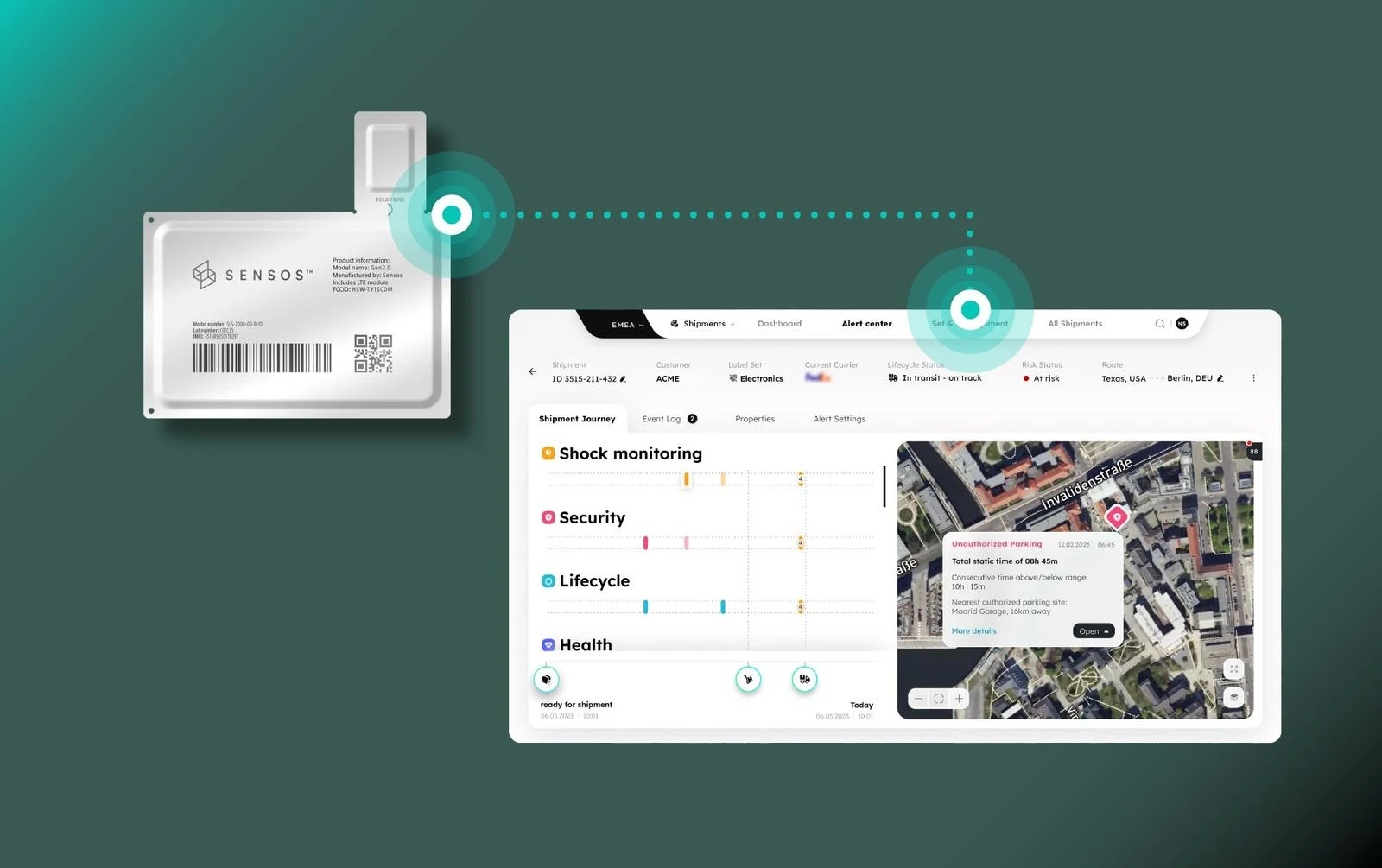
Pairpoint, a blockchain-based trading venture owned by Vodafone and Sumitomo Corporation, has announced a strategic partnership with Sensos, a leading supply chain solution company founded by Sony Semiconductors, to address the growing issue of supply chain fraud. This collaboration aims to leverage Sensos' expertise in smart label technology, which originated from Sony Semiconductor Israel, to enhance the security and transparency of supply chains.

The partnership is expected to integrate Sensos' supply chain management solutions with Pairpoint's Economy of Things (EoT) platform. This will enable logistics companies to securely track their goods at every stage of the supply chain. The use of Sensos' cellular tracking labels and AI-powered control tower, combined with Pairpoint's digital identity, trust, and transactional platform, will allow for the secure and immutable recording of all goods' movements, from port departures to final deliveries.

This initiative is particularly significant as it not only aims to combat fraud but also to improve operational efficiency and cost savings for businesses across multiple industries. The solution is currently being piloted in cooperation with global logistics operator Unilog, part of the ICL Group, at several sites in the US and Europe.

Pairpoint’s secure technology overlays Sensos’ highly reliable, real-time supply chain management solution through the Pairpoint-enabled iSIM and device agent software embedded into a smart label. Every logistic transaction is then verifiable, transparent, and resistant to tampering, effectively combatting fraud, and enhancing trust across the supply chain ecosystem.

The CEOs of both Pairpoint and Sensos have expressed their enthusiasm for the potential impact of this partnership on the supply chain sector, highlighting the importance of intelligent and globally connected cellular labels and the Pairpoint platform.

About Sensos:

Sensos is a real-time supply chain management company with offices in US, Germany and Israel. Sensos’ AI-based solution empowers logistics teams to transition from reactive firefighting to proactive decision making, driving faster shipments, smaller inventories and more efficient production planning- resulting in bottom line savings and more sustainable operations. Learn more about Sensos at: https://sensos.io/

About Pairpoint:

Pairpoint (the brand name of DABCo Limited) is a pioneering blockchain technology company dedicated to revolutionizing the industry with decentrialized solutions. Based in the United Kingdom, with offices in London (UK) and Lisbon (Portugal), it is supported by an investment of 60 million euros from Vodafone Group and Sumitomo Group and employs 50 people with specialist skills and experience in IoT and financial technology. Learn more about Pairpoint at https://pairpoint.io

Chennai Startup Mindgrove Launches India's 1st Commercial System on Chip (SoC)

Chennai Startup Mindgrove Launches India's 1st Commercial System on Chip (SoC)

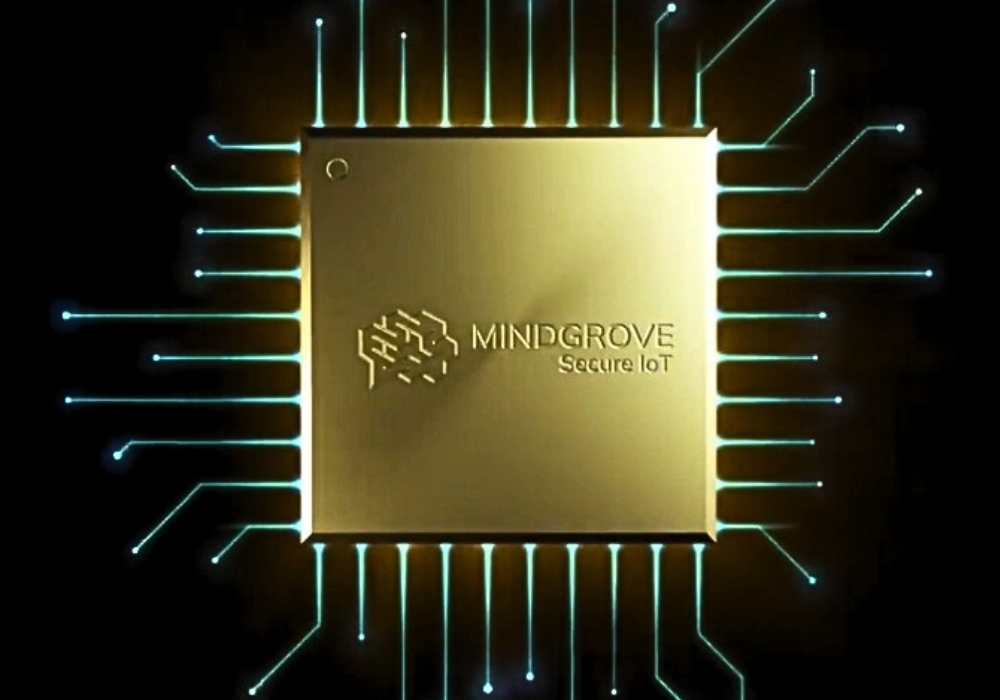
Chennai headquartered Mindgrove Technologies, a semiconductor startup backed by Peak XV Partners, has introduced Secure IoT, India's first commercial System on Chip (SoC) designed specifically for Internet of Things (IoT) devices.

Named as Secure IoT, this high-performance SoC is tailored for controlling applications on a wide range of connected smart devices. It offers programmability, flexibility, security, and superior computing power. Notably, it operates at a clock speed of 700 MHz.

Secure IoT is expected to be priced approximately 30% lower than other chips in similar segments. By using this chip, local Indian companies can reduce the cost of their devices without compromising on high-end features.

Under its applications, the SoC can control various devices, including wearables like smartwatches, smart city devices (such as connected electricity, water, and gas meters), connected home devices (like smart locks, fans, and speakers), as well as electric vehicle (EV) battery management systems and control systems.

The company said it is the only Indian chip that is commercially available in this segment. Mindgrove is now looking for all Indian OEMs and ODMs who might be interested.

Availability: The chip has successfully undergone an MPW tape-out (prototyping) at the 28nm node, and reference boards will be available for original equipment manufacturers (OEMs) to test in the coming weeks.

Mindgrove Technologies not only sells the chip but also offers design support to Indian brands, helping accelerate innovation and production scale within India. It also designs specialized Al accelerators for edge computing. These chips are optimized for running machine learning models directly on devices, reducing latency and enhancing privacy. Applications include smart cameras, robotics, and industrial automation.

Backed by IITM Pravartak Technologies Foundation and incubated in the IIT-Madras Incubation Cell, Mindgrove aims to put India on the map for semiconductor design. Leveraging the SHAKTI open-source processor program, the startup create new possibilities and keep the world on the edge

India's growing demand for microchips, coupled with the need for cost-effective solutions, makes Secure IoT a significant milestone in the country's semiconductor industry. Global buyers may also find this new option from India appealing.

LTIMindtree and Vodafone Collab To Offer Connected and Smart IoT Solutions

LTIMindtree and Vodafone Collab To Offer Connected and Smart IoT Solutions

LTIMindtree, a global technology consulting and digital solutions company, has announced a collaboration with Vodafone, a leader in managed Internet of Things (IoT) with over 175 million connections worldwide.

This partnership aims to deliver connected and smart IoT solutions that will enable Industry X.0 and digital transformation across multiple sectors.

The collaboration will leverage LTIMindtree's Insight NXT platform (iNXT) and Vodafone’s IoT Managed Connectivity to offer advanced capabilities in AI, machine learning, predictive maintenance, digital twin, supply chain visibility, sustainability, energy management, worker safety, sensorization of assets, augmented reality, and virtual reality training.

Gemma Barsby, UK Head of IoT at Vodafone, expressed enthusiasm about supporting the real-time delivery of IoT managed services to clients, which will drive cost efficiencies and greater productivity. Monish Mishra, Chief Business Officer- iNXT at LTIMindtree, highlighted the importance of continuous innovation and connected ecosystems for growth and differentiation.

This strategic partnership is set to design highly scalable, end-to-end solutions by harnessing IoT, Metaverse, Artificial Intelligence, and Machine Learning, delivering secure, connected ecosystems and outcomes over Vodafone’s Managed IoT Connectivity Network.

About Industry X.0, it is the leap into the future of manufacturing, where technology not only supports operations but actively enhances and transforms them. It's a significant shift from simply automating processes to using data and analytics to drive intelligent action.

Qualcomm Unveils Breakthrough in Wi-Fi Tech and New AI-Ready IoT and Industrial Platforms

Qualcomm Unveils Breakthrough Wi-Fi Tech and New AI-Ready IoT and Industrial Platforms

At the Embedded World 2024 exhibition and conference in Nuremberg, Qualcomm made significant announcements related to IoT and Wi-Fi Technology.

The company unveils the Qualcomm® QCC730, a disruptive micro-power Wi-Fi system for IoT connectivity. This technological breakthrough provides up to 88% lower power than previous generations and can revolutionize products in battery powered industrial, commercial and consumer applications.

Qualcomm also introduced the new Qualcomm RB3 Gen 2 Platform — a comprehensive hardware and software solution designed for IoT and embedded applications. Utilizing the Qualcomm® QCS6490 processor, the RB3 Gen 2 offers a combination of high-performance processing, 10x increase in on-device AI processing, support for quadruple 8MP+ camera sensors, computer vision, and integrated Wi-Fi 6E.

The two technologies unveiled are —

1. Breakthrough Wi-Fi Technology

The Qualcomm QCC730 is a groundbreaking micro-power Wi-Fi system tailored for IoT connectivity. Here are its key features:

Unprecedented Low Power Consumption for Extended Battery Life
  • The QCC730 delivers up to 88% lower power consumption compared to previous generations, potentially revolutionizing battery-powered industrial, commercial, and consumer applications. 
  • Its selectable power modes and innovative power management maximize savings for extremely long battery life.
Flexibility to Operate in Hostless or Hosted Mode
  • Developers can choose between hostless or hosted mode, providing extreme flexibility for different use cases.
  • It supports internal or external power amplifiers and has integrated, non-volatile memory (RRAM) for ease of design.
Versatile System Integration for Ease of Design
  • QCC730 fully integrates the on-chip microcontroller, non-volatile memory (NVM), and SRAM, making it versatile and easy to design with.
  • Developers can replace or integrate it with traditionally Bluetooth-only applications.
Complete Cloud Connectivity Stack with Open-Source Software SDK:

QCC730 comes with an open-source software SDK available on CodeLinaro, allowing cloud connectivity offloading.

It empowers developers with an alternative to traditionally Bluetooth-only applications and enables direct cloud connectivity.

In summary, the Qualcomm QCC730 offers ultra-low micro-power Wi-Fi, scalability, and versatility for IoT applications, making it a powerful choice for connected devices.

2. AI Ready IoT & Industrial Platform

The Qualcomm RB3 Gen 2 Platform is designed to empower developers in creating a broad range of IoT products across various segments, including consumer, enterprise, industrial robotics, and automation.

High-Performance Processing
  • The RB3 Gen 2 Platform is powered by the Qualcomm QCS6490 processor, offering advanced performance capabilities.
  • It combines powerful AI processing, computer vision, and blazing-fast wireless connectivity.
On-Device AI Capabilities
  • Developers can leverage the platform's AI acceleration for tasks such as image and video capture, enhancing overall functionality.
  • This opens up possibilities for applications in workplace security, automation, and more.
Support for Multiple Camera Sensors
  • The platform supports multiple 8MP+ camera sensors, enabling robust computer vision capabilities.
  • This feature is essential for applications in robotics, industrial automation, and other visual tasks.
Integrated Wi-Fi 6E
  • With built-in Wi-Fi 6E, the RB3 Gen 2 Platform ensures high-speed wireless connectivity.
  • This connectivity is crucial for seamless communication in IoT devices.
Bluetooth 5.2 and LE Audio
  • Enhanced Bluetooth 5.2 support allows for wireless accessories and efficient communication.
  • LE Audio ensures improved audio quality for connected devices.
Expandability and Versatility
  • The platform offers expandability through interfaces such as GPIOs, I2C, SPI, UART, PCIe, USB, MIPI CSI/DSI, and SDIO.
  • Developers can easily integrate additional components and customize their solutions.
In summary, the Qualcomm RB3 Gen 2 Platform provides a powerful foundation for creating innovative IoT products, combining performance, AI capabilities, and connectivity. 

An Investigative Study of 120 Mn IoT Devices Revealed that IoT Devices Globally Generating Whopping 3.6 Bn Security Events

NETGEAR’s “2023 IOT SECURITY LANDSCAPE REPORT” BRINGS IoT SECURITY CONCERNS INTO SHARP FOCUS

The Internet of Things (IoT) is a network of devices, vehicles, home appliances, and other items that use sensors, software, and network connectivity to collect and exchange data. These connected devices are changing the way we live, work, and communicate. Along with their myriad blessings, they are also opening up new avenues for crime. As a result, IoT devices have emerged as the most vulnerable equipment in the world today.

As manufacturers increasingly scrap “dumb” devices in favor of smart Internet-connected versions, smart homes are growing around their owners, enveloping the humans that own them without them being aware of it. The once romanticized notions of the smart house, often portrayed on TV as a cheery aide to a seamless life, have given way to privacy invasions, data breaches, and ruthless ransomware attacks targeting network-attached storage. If improperly configured, or shipped with vulnerabilities and security hazards that were overlooked during quality assurance, these devices can spell catastrophes for privacy and data integrity. They can even jeopardize the integrity of the Internet itself.

2023 IoT Security Landscape Report: Key Findings

As per a recently released report “2023 IoT Security Landscape Report” brings into sharp focus the immense security concerns involving IoT devices. Based on threat intelligence sampled by 2.6 million smart homes around the world, the NETGEAR Study investigated nearly 120 million IoT devices. The study revealed that IoT devices are generating a whopping 3.6 billion security events around the world every day. This translates into 20 connected devices per household, with 8 cyber attacks occurring every 24 hrs.

The report, no doubt, makes shocking revelations about the vulnerabilities of Smart Homes. To get a clear understanding of these Smart Homes, let’s take look at the most popular devices and the top vulnerabilities affecting them:
  • SMARTPHONES - Almost 41% of the devices connected to home routers are smartphones. This number includes guest devices that can be temporarily associated with the network.
  • COMPUTERS - Computers and laptops are the most common devices found in connected homes. While they have lost to mobile devices in popularity, they still witness steady growth worldwide.
  • STREAMING DEVICES - Streaming devices are popular means of turning a “dumb” TV into an Internet connected device.
  • TABLET - Tablets have gained significant traction during the COVID-19 outbreak as schools have started issuing tablets for online education.
  • CONSOLE - Game consoles also double as entertainment centers. They come with dedicated hardware and software for playing games and typically connect to a TV or monitor to display the game.

Common Vulnerabilities of IoT Devices

Going by the security incidents of 2022, most attacks spotted last year rely on already known common vulnerabilities and exposures (CVEs) included in automated attack toolkits. Although these common vulnerabilities are known to both IoT vendors and attackers, firmware vendors may take significant time to assess, patch, and deliver fixes for the devices already deployed in smart homes. This potentially provides cybercriminals a window of opportunity. Blocking these attacks, calls for layered technologies to stop them cold before they reach the vulnerable IoT device in your network.

The exploitation of IoT devices targets different outcomes, depending on device type and purpose, connectivity options, and monetization opportunities. Vulnerability outcomes range from undermining the systems' capacity to perform expected functions to executing code on the device and hijacking its functions.

IoT RISKS TO CONSIDER

  • CYBERSECURITY RISKS: Smart homes are vulnerable to cyber-attacks, as many IoT devices have weak security measures. This can allow hackers to gain access to personal information, such as passwords and financial data, and even take control of smart devices.
  • PRIVACY CONCERNS: Many smart devices are equipped with cameras, microphones, and other sensors that can collect data about users without their knowledge or consent. This can result in a violation of privacy, which is of particular concern for in-house deployment.
  • PHYSICAL SAFETY RISKS: Smart plugs, door locks, and cameras are becoming increasingly popular. These devices control physical security aspects such as lighting, access control, and surveillance. Any disruption in operation or loss of control can impact physical security.

PREDICTIONS 2023

  • Privacy concerns will demand change - IoT devices thrive on big data. An FTC study in 2015 estimated that “fewer than 10,000 households can “generate 150 million discrete data points a day” or approximately, one data point every six seconds for each household. Today, things are even worse. The 2022 Connectivity and Mobile Trends Survey by Deloitte outlines that one in two IoT users expressed concerns over the security vulnerabilities in smart home devices that might expose the troves of collected information, while 40% of respondents fear that they might be spied on.
  • Botnets will continue to grow - IoT devices will increasingly become targets for botnets, which can launch large-scale distributed denial-of-service (DDoS) attacks. Cybercriminals will continue to invest significant efforts in exploitation and persistence mechanisms to help them grow their infected device base.
  • IoT security will get worse before it gets better - Vendors' slow reaction to vulnerability disclosure and patching will persist into 2023. Although new regulations - such as the EU Cyber Resilience Act -are anticipated to provide some relief by imposing mandatory cyber-security standards for products sold within the bloc, their enforcement is not expected until at least 2025.

TOP SIX BEST PRACTICES TO SECURE YOUR IOT DEVICES

  • Both home users and employees should be aware of active IoT devices in their networks and keep them up to date. If some devices are past their life, replace them immediately with newer models.
  • Move all smart devices to a dedicated guest network to isolate them from the main network
  • Patch devices as soon as a new firmware version becomes available.
  • Use routers or gateways with built-in security.
  • Probe the home network for vulnerable devices with a smart home scanner
  • Avoid exposing LAN devices to the Internet unless necessary

Nurturing Innovation Ecosystem: Continental Organized the 2nd Edition of the #Fiction2Science Hackathon

  • Participation from over 50 universities across India, more than 130 idea submissions, and 10 finalists
  • Ideation theme was based on the automotive megatrend CASE Mobility – Connected, Automotive, Shared, Electrified
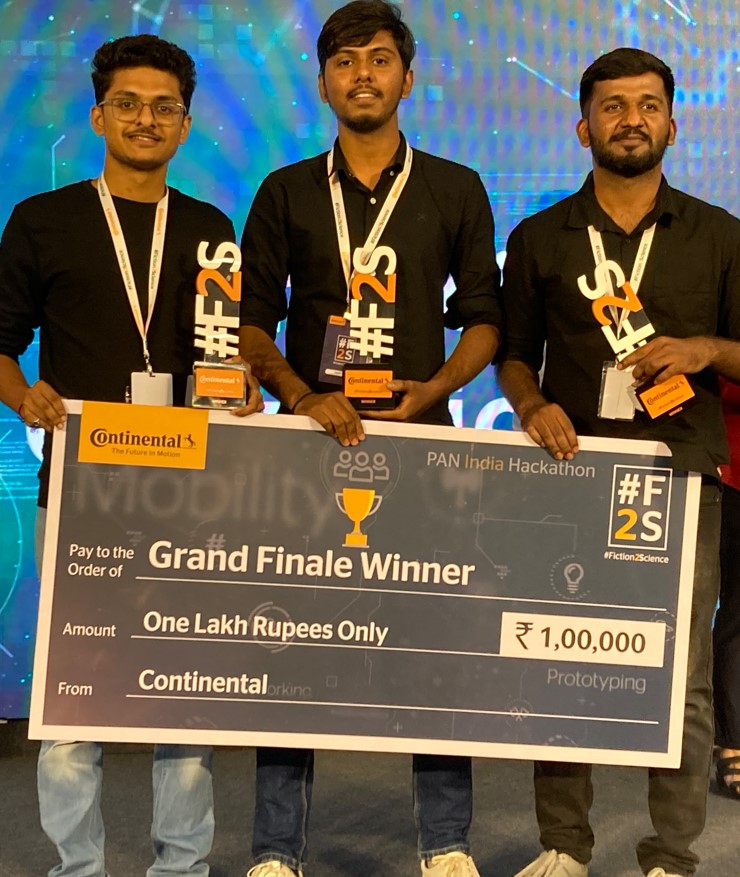
  • The team from Sahyadri College of Engineering and Management was adjudged as the winner, awarded Rs. 1 Lakh cash prize and a job offer
The technology company Continental organized the 2nd edition of the #Fiction2Science student Hackathon in Bengaluru, India, as part of its initiative to build an innovative ecosystem. Over 50 universities from across India participated, submitting more than 130 ideas on the theme of CASE - Connected, Automotive, Shared, and Electrified.

Out of these, ten teams were shortlisted to be part of the finale. The finale was a day-long competition comprising activities such as building a working model of a car on the fundamentals of CASE, competing on a race track with obstacles, and finally pitching a mobility solution idea.

The winning team Sahyadri College of Engineering and Management represented by Nidhish Kottari, Nikhil Shetty, and Nishanth Gowda

The team from Sahyadri College of Engineering and Management showcased their idea of Smart Vehicle Health Management using IoT and emerged as the winner of the hackathon. They were awarded Rs. 1 Lakh in prize money and received a job offer to work with Continental.

Sharing her thoughts on #Fiction2Sciecne Latha Chembrakalam, Head of Technical Centre India, Continental Automotive added, “At Continental, we believe in the power of student and industry collaboration. Hence we are often taking opportunities to connect with university students in various forms ranging from funded research projects, seminars, internships, and hackathons. Our flagship event #Fiction2Science is designed in a way that students are motivated to apply their learnings in a practical sense with contemporary industry standards. The best participants are even given opportunities in form of job or internship offers. We will continue our quest to build a strong student-industry ecosystem.”

#Fiction2Science is a flagship hackathon event at Continental, aimed at connecting with universities in India to generate new ideas, fund research topics, and facilitate recruitment opportunities. The event begins with idea submission and shortlisting of top ones followed by a grand finale at Continental‘s Tech Center India, where the students undergo day-long competitions and idea pitching. #Fiction2Science opens opportunities for universities across India to participate in the hackathon event.

Sahyadri College of Engineering and Management presented the idea of Smart Vehicle Health Management using IoT

Continental develops pioneering technologies and services for sustainable and connected mobility of people and their goods. Founded in 1871, the technology company offers safe, efficient, intelligent and affordable solutions for vehicles, machines, traffic and transportation. In 2022, Continental generated sales of €39.4 billion and currently employs around 200,000 people in 57 countries and markets.

Continental has been present in India for close to 50 years through technology partnerships (Continental Tires since 1974) and joint ventures for its various businesses. Today, the tier 1 automotive supplier, tire manufacturer, and industrial partner operate across India – with about 9000 employees across 12 locations, including seven plants that cater to the Indian market and a Technical Centre that supports Continental's global R&D activities.

VTRO Launches ‘EV Ecosystem Incubator’ - India’s 1st Ever AI based SaaS Solutions for the EV Sector

VTRO Launches ‘EV Ecosystem Incubator’ - India’s 1st Ever AI based SaaS Solutions for the EV Sector

VTRO Motors is bringing about a major disruption in the EV sector with the launch of ‘EV ecosystem incubator’, their pioneering AI based SaaS solutions, designed with suitable customization for both battery makers and EV vehicle manufactures. This AI based SaaS offering is the first of its kind to be developed in India and will help the EV sector to monitor battery consumption, battery life cycle, consumer usage patterns etc. and similar data points for EV vehicles, which will help manufacturers to improve customization, lower costs and become better connected to consumers.

In addition to the software solutions, VTRO also has the scalable charging station infrastructure hardware solutions, which makes a complete implementable EV ecosystem package for any EV player to use. The entire offering will be rolled out in three phases over the next three – four months.

Speaking on this, Mr. Pranit Parekar Co-founder & CTO, VTRO Motors Pvt ltd said, “When we developed the software solutions and the charging station infrastructure scalable model, we realized that it would be capital intensive and over strenuous for us to implement it all by ourselves. Secondly, the entire innovative solutions would remain only within our network and not benefit the community at large. So, we decided to pivot our strategy and add a layer of customization to the SaaS offering so that we can collaborate with other EV players in the market in order to build a more efficient, sustainable and economical EV ecosystem. Today we do not have any holistic market intelligence or real time reports on the usage and performance of EVs or batteries or intuitive tracker for consumer preference and needs. We hope our AI solutions will help bridge this gap of market insight in order to enhance the demand-supply chain. We plan to roll out the EV solutions program in three phases – first being an AI SaaS solution for EV batteries, followed by the solutions for EV vehicles and lastly the charging station hardware support."

VTRO's universal external AI enabled IoT module

VTRO has developed a universal external AI enabled IoT module which can be fitted to any EV battery available in the market. This IoT module has a preset index of 15+ battery parameters to monitor and the company can customize as per their choice of parameters. The real time monitoring data will provide the battery manufacturers critical insights on the battery lifecycle, discharging pattern, consumer user pattern, etc. which will help in upgrading the batteries to suit the demand and needs of the consumer. 

This data will also help plot the overall performance and scope of innovation in EV batteries. This IoT module will predict the thermal runaway with Unique cell level tracking technology, which will help the industry to avoid fire incidents in future. As the number of batteries increases on machine learning platforms the data will give much more accurate predictions.

The next step of the rollout will be to modify the IoT module to track EV vehicle performance, allowing manufacturers to track real time insights on the durability and adaptability of EV vehicles on different terrains, the consumer usage pattern and possible modifications that can enhance the user experience. Phase three will be launching the charging & Swapping station hardware support which can be customized to the manufacturer’s requirement. VTRO plans to launch all the three phases over the next three – four months. 

The EV sector in India is currently valued at $4B and expected to go to $20B over the next 5 years. The domestic EV batteries segment is valued at $1.5B and will hit $8B in the next 5 years. SaaS solutions will help in improving the overall EV sector and mobilizing the next phase of growth drivers for this burgeoning sector, especially its foray into the non-metros and Tier 3 – 4 markets.

VTRO was incorporated in the year 2020, with the vision to shape the future of mobility riding on disruptive technology and offering disruptive end-user benefits and services.

VTRO is building an ecosystem to support the growing adoption of EVs rather than merely selling few EV products. The idea is to create a charging station infrastructure, which will enable owners of EVs to recharge / swap batteries while on the go. The infra will include charging equipment, power supply infrastructure, mobile app, and the software to manage and monitor the charging process. The setting up of EV charging station infrastructure is crucial for the widespread adoption of electric vehicles and the growth of the electric mobility industry.

Market Reports

Market Report & Surveys
IndianWeb2.com © all rights reserved