‏إظهار الرسائل ذات التسميات YouTube. إظهار كافة الرسائل

Prophecy or Entertainment?: Origins & Historical Evolution of Tarrot Card Reading

Prophecy or Entertainment?: Origins & Historical Evolution of Tarrot Cards and Reading

Tarot began as a 15th‑century Italian playing‑card tradition and only became a divination system in the 18th–19th centuries; since the 2010s tarot content—especially on YouTube—has transformed readings into mass entertainment, wellness content, and creator‑driven micro‑businesses, including a fast‑growing Indian creator scene.

The word Tarot comes from Italian tarocchi (singular tarocco), adopted into French as tarot in the 16th century; its ultimate origin is uncertain, with scholars proposing possible links to Arabic or other medieval terms.

The cards themselves first appear in northern Italy as a special set of playing cards used for trick‑taking games (early names included trionfi). By the early 1500s the Italian term tarocchi was established for the special cards and the whole pack. In late 18th century, the association of tarot with occultism and fortune‑telling emerges; before that, tarot was primarily a game.

Tarot’s global visibility and commercial footprint rose sharply after 2020, driven mainly by short‑form social video and e‑commerce; key measurable signals are large TikTok hashtag volumes, sustained Google search interest, industry market forecasts (~3% CAGR), and survey evidence that roughly one‑third of U.S. adults engage with astrology/tarot at least occasionally.

Social media signals: the hashtag #tarot and related tags register millions of posts on short‑form platforms, with aggregate view counts in the billions for related content formats such as “pick‑a‑card.”

Platform growth driver: short‑form video virality (TikTok) is the primary amplifier since about 2020–2021, producing rapid follower growth for creators and frequent viral formats.

Origins and historical evolution

15th century — Playing cards

Tarot cards first appear in northern Italy as trick-taking playing cards (tarocchi/trionfi). Early decks were luxury, hand-painted items for nobility.

18th–19th centuries — Occult reinterpretation

Occultists and mystics reinterpreted tarot imagery for cartomancy and esoteric systems, shifting tarot from game to divination.

Early 20th century — Standardization

The Rider–Waite deck (1909) and similar publications standardized much of modern symbolism used by readers today.

Late 20th century onward — Therapeutic & creative uses

Tarot is used in psychological reflection, art, and spiritual coaching, not only fortune-telling.

Evolution on social media and YouTube

Prophecy or Entertainment?: Origins & Historical Evolution of Tarrot Card Reading
  • Early adopters (mid-2000s) — Individual readers posted tutorials and sample readings; video format allowed live interaction and longer narrative readings.
  • 2010s–2020s — Format diversification — Pick‑a‑card videos, live readings, deck unboxings/reviews, tutorials, and short‑form clips became common and algorithm-friendly.
  • Monetization & community — Creators monetize via ads, memberships, Patreon, paid private readings, and deck affiliate sales.
  • Localization (India relevance) — Indian creators blend astrology, local spiritual practices, and bilingual content to expand regional reach.

Key impacts and trends

  • Democratization — Access widened; expertise varies widely.
  • Hybrid wellness framing — Tarot often presented as self-help prompts rather than deterministic prophecy.
  • Visual culture shapes meaning — Deck art and on-camera persona influence which interpretations go viral.

Practical next steps

  • Academic history — Start with encyclopedias and scholarly works on European card games and occultism.
  • Contemporary practice — Use YouTube playlists for pick‑a‑card, deck reviews, and live streams; evaluate creators by transparency and community feedback.

Risks, limitations, and ethics

  • Misinformation & overclaiming — Verify historical claims with reliable sources.
  • Commercial exploitation — Paid readings and memberships can exploit vulnerability; check credentials and refund policies.
  • Cultural sensitivity — Some decks borrow symbols from living cultures without context.

Summary table

Topic Core point Timeframe
Origins Started as Italian playing cards; later used for divination. 15th–19th centuries
Standardization Rider–Waite and similar decks set modern symbolism. Early 20th century
Social media evolution YouTube popularized pick‑a‑card, live readings, and short clips. 2000s–2020s
Impact Democratization, wellness framing, and visual-driven virality. Contemporary

Most tarot creators by region

Most tarot creators by region

Most tarot content creators are concentrated in English‑speaking markets—primarily North America—followed by rapidly growing creator pools in South Asia (India) and Latin America. North America hosts the largest absolute number of creators due to platform maturity and English reach.

Regional snapshot (why numbers skew this way)

  • North America (US/Canada, UK, Australia) — Highest creator count; platform origin, English reach, and monetization infrastructure.
  • South Asia (India) — Rapid growth; bilingual creators blend tarot with astrology and local spiritual practices.
  • Latin America (Brazil, Spanish‑speaking LATAM) — High regional density; strong Portuguese/Spanish creators focused on witchcraft and tarot.
  • Europe (Western EU, UK) — Moderate; active English and local‑language creators with festival/occult community crossover.
  • Other regions (Africa, SE Asia) — Smaller but growing; emergence tied to smartphone and short‑form adoption.

Key reasons North America leads

  • Platform maturity and monetization — YouTube, TikTok, and Instagram scale creators into sustainable channels.
  • English as lingua franca — English content reaches global audiences, inflating counts for Anglophone creators.

India and Brazil: notable growth patterns

  • India — Bilingual delivery (Hindi/English) and astrology crossovers accelerate reach across South Asia.
  • Brazil/LATAM — High engagement around witchcraft and tarot; creators build tight community bonds.

Risks and caveats

  • Data volatility — Follower counts and rankings change rapidly; use live lists for exact numbers.
  • Quality vs quantity — High creator numbers in a region don’t guarantee quality or ethical practice.

Regional overview table

Region Relative creator count Why it leads / notes
North America (US/Canada, UK, Australia) Highest Platform origin, English reach, monetization infrastructure.
South Asia (India) Rapidly growing Bilingual creators; tarot + astrology crossovers.
Latin America (Brazil, LATAM) High regional density Strong Portuguese/Spanish creators; high engagement.
Europe (Western EU, UK) Moderate Active local‑language creators; festival and occult community crossover.

Representative creators and platforms (quick table)

Region Representative creators / examples Top platforms Why follow
North America Established teacher‑brands; high‑reach English readers YouTube; Instagram; TikTok Long tutorials, deck reviews, paid courses and high production value
South Asia (India) Munisha Khatwani; Tarot Pooja Verma (examples) Instagram; YouTube Bilingual readings, astrology crossovers, culturally contextual content
Latin America (Brazil) Pri Ferraz / Diario da Bruxa (regional examples) Instagram; YouTube Witchcraft + tarot content, strong community engagement
Europe (Western EU, UK) Local readers and English creators (examples on influencer lists) YouTube; Instagram Niche decks, historical/contextual content, festival and occult community crossover

Scientific Evidence & Reports

Prophecy or Entertainment?: Origins & Historical Evolution of Tarrot Card Reading

There is no robust, reproducible scientific evidence that tarot cards provide paranormal predictions; most controlled studies and psychological research treat readings as psychological or entertainment phenomena rather than verified prophecy.

What the research shows

  • Controlled experiments comparing “real” tarot readings with randomized/control readings generally find no reliable ability to distinguish meaningful accuracy beyond chance; results are interpreted within psychological frameworks (suggestion, cold reading, subjective validation).
  • Academic investigations place tarot within broader studies of magical thinking, ritual, and meaning‑making; these works treat divination as a cultural and psychological practice rather than a validated predictive technology.
  • Recent reviews emphasize psychological effects (comfort, narrative framing, decision support) and call for more rigorous methods if claims of paranormal efficacy are to be tested.

Quick comparison table

Claim What evidence exists Interpretation
Tarot predicts future (paranormal) No reproducible, peer‑reviewed evidence showing consistent predictive power in controlled tests. Not supported by current scientific standards.
Tarot offers psychological insight Empirical and theoretical studies show effects on meaning‑making, reflection, and decision framing. Supported as a therapeutic/reflective tool (non‑paranormal).
Tarot as entertainment/performance Ethnographic and media analyses document performative, community, and entertainment roles on social platforms. Supported — many users treat readings as entertainment or guidance.

How to evaluate claims yourself

  • Ask for testable evidence: documented predictions with timestamps and verifiable outcomes.
  • Look for controlled studies (double‑blind, randomized) rather than anecdotes. Anecdotes are not proof.
  • Assess intent: many creators frame readings as entertainment, coaching, or spiritual practice rather than scientific forecasting.

Practical guidance

  • Treat readings as reflective prompts: use them to surface options and feelings, not as deterministic forecasts.
  • If paying for readings, prefer readers who explain methods, limits, and refund policies and who avoid absolute predictive claims.

Risks and caveats

  • Emotional vulnerability: people seeking certainty can be exploited; verify credentials and avoid high‑pressure upsells.
  • Confirmation bias: people remember hits and forget misses; this inflates perceived accuracy.

Annotated reading list

There is no reproducible scientific evidence that tarot predicts the future; the strongest empirical work treats tarot as psychological, cultural, or performative rather than a validated predictive tool.

  1. Ivtzan, I. & French, C. — “Testing the validity of Tarot cards: Can we distinguish between a real and a control reading?”
    Ivtzan & French — Testing the validity of Tarot cards (ResearchGate)
    Key point: Participants did not reliably rate “real” readings as more relevant than randomized controls; results support non‑paranormal explanations (suggestion, cold reading, subjective validation).
  2. Hofer, Gigi — Tarot Cards: An Investigation of their Benefit as a Tool for Self‑Reflection (MA thesis, University of Victoria)
    Hofer — Tarot Cards: Benefit as a Tool for Self‑Reflection (thesis)
    Useful for: qualitative and mixed‑methods exploration of tarot’s role in self‑reflection and meaning‑making rather than paranormal forecasting.
  3. Mehta, Kabir — “The Psychological Impact of Tarot Card Readings: A Systematic Review of Empirical Studies” (Indian Journal of Astrology and Occult, 2024)
    Mehta — Psychological Impact of Tarot (IJAO, 2024)
    Note: Synthesizes empirical work showing tarot’s effects on meaning‑making, emotional regulation, and decision framing; check inclusion criteria and journal standards.
  4. Richard Wiseman — writings and resources on cold reading and psychic claims
    Richard Wiseman — research and articles
    Useful for: background on cold reading and cognitive techniques that create impressions of paranormal insight.
  5. Overview and historical context
    Tarot — Wikipedia
    Useful for: historical origins and how tarot shifted from playing cards to divination practice; good contextual background.

How to use these sources

  • Start with the experimental papers (Ivtzan & French) to see controlled methods and null results.
  • Read theses and reviews (Hofer, Mehta) for qualitative nuance and synthesis of smaller studies.
  • Use Wiseman’s materials to learn about cold reading and cognitive biases that explain perceived hits.

Conclusion 

Treat online tarot readings primarily as symbolic prompts, entertainment, or reflective tools rather than literal forecasts. Short‑form platforms amplify dramatic, repeatable formats that feel convincing but often rely on cold‑reading techniques, suggestion, and selective memory; use readings to surface feelings, options, and questions rather than to make irreversible decisions. Look for transparency from readers about methods and limits, sample free content before paying, and prefer those who explain their approach, offer clear refund policies, and avoid absolute predictive claims.

Be mindful of cognitive biases and emotional vulnerability: confirmation bias makes hits memorable and misses easy to forget, and high‑pressure upsells are a common red flag. If you want verifiable claims tested, ask for documented, time‑stamped predictions and independent verification; otherwise treat paid readings as coaching or creative guidance. For practical use, combine short readings with your own judgment, seek professional advice for legal/medical/financial matters, and follow creators whose ethics and methods you can evaluate from their public work.

TikTok Surpasses YouTube and Instagram in News Reach

TikTok Surpasses YouTube and Instagram in News Reach

TikTok has officially overtaken YouTube and Instagram as the leading social app for news among young people in 2025. According to fresh Pew Research data, 43% of U.S. adults aged 18–29 now regularly get their news from TikTok, compared to 41% from YouTube and Facebook, and 40% from Instagram.

Key Findings

  • TikTok leads the pack: For the first time, TikTok is the top social media platform for news among young Americans.
  • Close competition: YouTube and Facebook are tied at 41%, while Instagram follows at 40%.
  • Other platforms lag: X (formerly Twitter) sits at 21%, and Reddit at 18%.
  • Social media dominance overall: 67% of young adults say they often or sometimes rely on social media for news, compared to 60% who use traditional news websites.

Why TikTok is Winning

  • Short-form video appeal: TikTok’s algorithm delivers bite-sized, engaging news clips that match young audiences’ consumption habits.
  • Community-driven content: Users often encounter news through creators, commentary, and stitched videos rather than traditional outlets.
  • Platform investment: TikTok has rolled out tools for publishers and community fact-checking, making it more credible as a news source.
  • Cultural relevance: TikTok’s meme-driven, fast-moving style resonates with younger audiences who prefer conversational and visual formats over long articles.

Risks & Challenges

  • Misinformation: TikTok’s viral nature means false or misleading content can spread quickly.
  • Algorithmic bias: News exposure depends heavily on TikTok’s recommendation system, which may skew perspectives.
  • Credibility gap: While TikTok is popular, traditional outlets still hold more trust among older demographics.
  • Regulatory scrutiny: Governments are increasingly concerned about TikTok’s influence on public opinion and its role in shaping political discourse.

Comparison Table

Platform % of Young Adults (18–29) Using for News Strengths Weaknesses
TikTok 43% Engaging short-form video, cultural relevance, creator-driven Misinformation risk, algorithm bias
YouTube 41% Long-form depth, established creators Less immediacy, slower trend adoption
Facebook 41% Broad reach, community groups Declining youth engagement, credibility issues
Instagram 40% Visual storytelling, lifestyle + news blend Less focus on hard news
X (Twitter) 21% Real-time updates, breaking news Toxic discourse, declining trust
Reddit 18% Niche communities, in-depth discussion Fragmented, not mainstream

TikTok’s rise marks a seismic shift in how younger generations consume news — away from traditional outlets and even away from older social platforms, toward algorithm-driven, creator-led ecosystems.

Hollywood’s Biggest Night Goes Online: Oscars Land on YouTube

Hollywood’s Biggest Night Goes Online: Oscars Land on YouTube

In a move that marks one of the most significant shifts in Hollywood’s media history, the Academy of Motion Picture Arts and Sciences has announced that the Oscars will stream exclusively on YouTube beginning in 2029. The deal, confirmed by NBC News, ends the decades-long broadcast partnership with ABC and ushers the world’s most-watched film awards into a digital-first era.


End of an Era

Since the 1970s, ABC has been the home of the Academy Awards in the United States. That contract, which runs through 2028, will conclude with the 100th Oscars. Starting with the 101st ceremony in 2029, YouTube will take over as the exclusive global streaming partner.


Global Reach, Free Access

Unlike the traditional broadcast model, the Oscars will be available live and free worldwide on YouTube, including red carpet coverage and behind-the-scenes programming. In the U.S., viewers will also be able to watch via YouTube TV, bridging the gap for audiences accustomed to cable-style viewing.

Academy CEO Bill Kramer and President Lynette Howell Taylor described the deal as a way to “expand access to the Oscars globally” while infusing the ceremony with “innovative opportunities for engagement.”


Why the Shift Matters

  • Declining Ratings: Oscars viewership has fallen sharply since its 1998 peak of 55 million (when Titanic swept the awards). Recent broadcasts hover around 20 million.
  • Digital Dominance: Younger audiences increasingly consume content online, making YouTube a natural fit.
  • Data & Engagement: Unlike broadcast TV, YouTube offers real-time analytics, interactive ad formats, and global reach — tools that could reshape how the Oscars evolve.

Strategic Impact

  • Advertising: Brands will pivot from prime-time TV slots to YouTube’s dynamic ad ecosystem, leveraging pre-rolls, interactive sponsorships, and influencer collaborations.
  • Audience Demographics: Gen Z and Millennials are expected to drive engagement, while YouTube TV provides continuity for older viewers.
  • Cultural Positioning: The Oscars transform from a “TV event” into a global digital spectacle, aligning with how cultural moments are increasingly consumed online.

Industry Reactions

YouTube CEO Neal Mohan hailed the partnership as a chance to inspire “new generations of film lovers and creators.” Industry analysts see the deal as a watershed moment, signaling the growing dominance of streaming platforms in hosting cultural events once monopolized by broadcast television.


Looking Ahead

The Oscars’ leap to YouTube is more than a change of platform — it’s a redefinition of Hollywood’s biggest night. By embracing digital-first distribution, the Academy is betting on accessibility, interactivity, and global reach to restore the ceremony’s relevance in a fragmented media landscape.


👉 Bottom line: Starting in 2029, the red carpet won’t just roll out in Hollywood — it will roll out across the world’s screens, free and live on YouTube.

India Wants Its Own YouTube—Desi Video Revolution Begins!

India Wants Its Own YouTube—Desi Video Revolution Begins!

Prime Minister Narendra Modi-led Indian government is reportedly exploring homegrown alternatives to YouTube, but as of late 2025, there’s no official government-backed platform announced as a direct competitor. However, several developments suggest a growing interest in building indigenous video ecosystems.

Prasar Bharati CEO Gaurav Dwivedi, in a recent media interaction, hinted that India could consider building its own video-sharing platform, aligning with the Prime Minister’s call for digital self-reliance.

Prime Minister Narendra Modi has consistently emphasized the vision of a self-reliant India (Atmanirbhar Bharat), encouraging the development of indigenous digital platforms. Recently, Zoho launched a WhatsApp alternative called Arattai, which has already garnered massive download before public announcement of the launch. 

This isn’t an official announcement, but the hint suggests a desire to reduce dependence on foreign platforms for creator monetization and public broadcasting.

This also suggests the potential for a government-backed or public-private video platform focused on Indian languages, creators, and compliance with Indian regulations.
  • Context: India's YouTube Landscape
    • YouTube dominates India’s digital video space, with over 650 million monthly Shorts viewers and 75 million Connected TV users.
    • Indian audiences increasingly treat YouTube as “India’s New TV,” blending entertainment, education, and commerce.
  • Government & Strategic Push
    • Digital sovereignty: India has previously promoted indigenous platforms in social media (e.g., Koo vs Twitter) and e-commerce.
    • Content regulation: Concerns over foreign platform algorithms, monetization, and moderation have prompted calls for Indian-controlled alternatives.
    • Public sector media: Prasar Bharati and other government broadcasters have expanded digital presence, but not yet launched a full-fledged YouTube rival.
  • Private Sector & Startups
    • Chingari and Roposo (short-form video)
    • Stage (regional-language content)
    • ShareChat’s Moj (creator-driven entertainment)
    • These platforms focus more on short-form and regional content, not full-scale video hosting like YouTube.

YouTube vs Indian Video Platforms

Platform Type of Content Audience Reach Monetization Model Strategic Focus
YouTube Long-form, Shorts, Live Global (650M+ in India) Ads, Super Chat, Memberships Creator economy, global discovery
Chingari Short-form, regional 200M+ downloads Crypto-based rewards (GARI) Web3, creator monetization
Moj (ShareChat) Short-form, entertainment 300M+ monthly users Ads, brand partnerships Regional language, mass appeal
Roposo Short-form, influencer-led 100M+ users Creator commerce, ads Fashion, lifestyle, influencer economy
Stage Regional-language OTT Growing in Tier 2/3 Subscription-based Hyperlocal content, cultural storytelling
JioCinema Premium OTT + Shorts 500M+ installs Ads, freemium Sports, Bollywood, mass entertainment

Google India’s Brandcast 2025 showcased YouTube’s dominance in India, indirectly prompting speculation about local alternatives due to its massive reach.

Google, NCERT Partner for Dedicated Youtube Channels for Students in 29 Languages

Google, NCERT Partner for Dedicated Youtube Channels for Students in 29 Languages

Technology giant Google has partnered with the India's National Council of Educational Research and Training (NCERT) to launch dedicated YouTube channels for students from grades 1 to 12.

These channels will offer educational content in 29 Indian languages, including Indian Sign Language. This initiative aims to make high-quality education more accessible and inclusive for students across India.

Additionally, Google is collaborating with the National Programme on Technology Enhanced Learning (NPTEL) to offer certified courses on YouTube. These courses, backed by India's prestigious IITs, cover a wide range of subjects and allow learners to earn certifications through the NPTEL-SWAYAM portal.

Key Highlights:
  • Content: The channels will offer curriculum-based educational content for students from grades 1 to 121. This includes subjects like sciences, literature, sports psychology, and even rocket propulsion.
  • Languages: Content will be available in 29 Indian languages, including Indian Sign Language, ensuring that students from diverse linguistic backgrounds can benefit.
  • Certifications: Google is also collaborating with the National Programme on Technology Enhanced Learning (NPTEL) to offer certified courses. Learners who complete these courses can earn certifications through the NPTEL-SWAYAM portal.
  • AI Integration: Google is leveraging AI to enhance the learning experience. AI tools will identify key concepts in videos and provide definitions, images, and additional context from Google’s Knowledge Graph.
This initiative aims to break barriers to learning and provide high-quality educational resources to millions of students across India.

Russia Fined Google With Incredibly Vast Amount of $2.5 Decillion

Russia Fined Google With Incredibly Vast Amount of $2.5 Decillion

A Russian court has imposed an unprecedented fine of approximately $2.5 decillion (or two undecillion rubles) on Google. This fine stems from Google's refusal to reinstate the accounts of pro-Kremlin media outlets on YouTube. The fine began accumulating in 2020, with daily penalties doubling each week, leading to this astronomical amount.

It's an incredibly vast sum, far exceeding the global GDP.

As of 2023, the global GDP is approximately $105 trillion,which is the total monetary value of all goods and services produced worldwide in a given year.

The fine imposed on Google by a Russian court is indeed staggering.

Going forward with details on how this situation developed – It was in 2020 when Google-owned YouTube blocked several pro-Kremlin media accounts, including Tsargrad TV and RIA FAN, due to violations of sanctions legislation and trade rules. This led to a series of lawsuits by these media outlets, and in October 2024, the court ruled in their favor. The court ordered Google to reinstate the accounts and imposed a daily fine of 100,000 rubles ($1,025) for non-compliance. This fine doubled every week, leading to the astronomical total of $2.5 decillion.

The court's decision has been described as "bizarre" due to the sheer size of the fine, which far exceeds the global GDP. Despite the enormity of the fine, Google has not yet commented publicly on the ruling or its next steps.

This case highlights the ongoing tensions between Russia and major Western tech companies, especially in the context of geopolitical conflicts and sanctions.

e-Curse: 5 Kids in Bihar Learning To Make Bomb By Watching YouTube Got Injured by Explosion

e-Curse: Bihar Kids Learning To Make Bomb By Watching YouTube Got Injured by Explosion

In an incident that is truly tragic and concerning for the society, some children in Muzaffarpur, Bihar, aged between 7 to 12 years were trying to make a bomb after watching a YouTube video when tragically the bomb accidentally exploded, injuring five children.

Unfortunately, the bomb explosion resulted in injuries to five children. The incident has sparked widespread concern and has gone viral on social media.


Local authorities have emphasized the need for parents to monitor their children’s online activities more closely. They also highlighted the importance of educating children about the dangers of attempting to replicate hazardous activities seen online. This tragic event underscores the critical need for better digital literacy and safety measures to protect children from such risks.

This highly concerning incident highlights the critical need to monitor children's online activities. It is essential to ensure that children are safe and aware of what they are watching and learning on the internet.

To prevent such incidents, social media platforms can play a crucial role in preventing incidents like the one in Muzaffarpur by implementing several key measures such as Proactive Monitoring wherein the online video platforms use advanced algorithms and AI to detect and remove harmful content, such as videos showing how to make dangerous items like bombs.

These platforms must also encourage users to report inappropriate or dangerous content and ensure that reported content is reviewed and acted upon promptly.

Besides, parents should also keep an eye on what their children are watching online. Use parental control settings on devices and platforms like YouTube to restrict access to inappropriate content. Parents must teach children about the dangers of attempting to replicate dangerous activities seen online. Encourage open communication so they feel comfortable discussing what they watch.

Need for School and Community Programs:

Safety Workshops: Schools and community centers can organize workshops to educate children about online safety and the potential risks of imitating dangerous activities.

Digital Literacy: Incorporate digital literacy into the curriculum to help children understand how to use the internet safely and responsibly.

Flagging Dangerous Content

From April to June 2024, YouTube received over 23 million flags from human users. This indicates a high level of community engagement in reporting inappropriate content.

The most common reasons for flagging videos include spam or misleading content, hateful or abusive content, sexual content, violent or repulsive content, and harmful or dangerous acts.

A significant portion of flagged content is reviewed and acted upon. For instance, from October to December 2017, 75.9% of all automatically flagged videos were removed before they received any views.

Improvements in automated flagging systems have also helped detect and review content even before it is flagged by the community. More than 80% of auto-flagged videos were removed before receiving a single view in the second quarter of 2019.

Reportedly, YouTube employs trained human reviewers who evaluate flagged content 24/7 to ensure it violates the Community Guidelines before taking action. This helps maintain a balance between automated systems and human judgment.

By taking required steps, both by parents are and social media platforms, a safer online environment can be created which would help prevent such tragic incidents. 

Youtube is One of the World's Most Valuable Media Companies with Worth at Least $455 Billion

Youtube is One of the World's Most Valuable Media Companies with Worth at Least $455 Billion

YouTube is one of the world's most valuable media companies and worth at least $455 billion on its own, which is more than 50% above Netflix's market cap, according to analysts at Needham & Co., reported Bloomberg.

Parent company Alphabet's revenue from subscriptions, platforms and devices, which includes YouTube subscriptions, is also poised to expand in the coming years.

YouTube's dominance in online video sharing and content creation is undeniable. With over 2 billion monthly active users, it remains the go-to platform for video content, generating substantial revenue through ads, sponsorships, and other monetization methods.

YouTube, often overshadowed by its parent company Alphabet Inc., is a media giant hiding in plain sight. According to analysts at Needham & Co., the streaming unit is worth at least $455 billion on its own, which is more than 50% above Netflix Inc.'s market cap. Despite this massive valuation, YouTube's true worth remains underappreciated due to Alphabet's conglomerate structure.

If even a small portion of YouTube were separately tradable, it could add significant value to Alphabet stock. However, there are no immediate signs of Alphabet considering such a separation. Regardless, YouTube's impact on the media landscape is undeniable, and its dominance in streaming continues to shape the industry.

YouTube primarily generates revenue through advertisements. It embeds targeted ads directly into the video clips users watch and promotes featured content. In the first three months of 2023, YouTube earned $6.69 billion from advertising, and in 2022, it generated $29.23 billion.

Additionally, YouTube's other revenue sources include YouTube Premium subscriptions, channel memberships, Superchat donations, YouTube TV, and merchandise commissions.

YouTube has a dominant and growing share in streaming, as consumers shift to such platforms and away from broadcast and cable TV. Ad revenue from the platform is expected to grow by nearly 17% to $37 billion in 2024 and by another 14% to $42 billion in 2025, according to estimates compiled by Bloomberg.

Alphabet’s revenue from subscriptions, platforms and devices, which includes YouTube subscriptions, is also poised to expand in the coming years. At Netflix, revenue is expected to be about $38.7 billion in 2024, with almost all of that derived from streaming, while YouTube accounts for about 10% of its parent’s total sales.

A recent survey of streaming platforms by TD Cowen showed that while Netflix still dominates in most TV categories, YouTube is often not far behind. And, it’s the top choice for watching content on a mobile phone.

Revealing the Final List of YouTube Panel 2023

Revealing the Final List of YouTube Panel 2023

YouTube is the second largest search engine. This makes it a hit among the companies. Every business owner focuses on being visible on YouTube as well as Google. Yet, this is not a piece of cake. It might be possible with a lot of effort, or a YouTube panel.

In this blog post, you will find a list of YouTube panels. You can choose the right one for your YouTube channel and start boosting it.

What is YouTube Panel?

It is a social media marketing service that especially focuses on YouTube. You may be wondering what SMM panels do. They provide its customers with YouTube growth via services such as subscribers, likes, and views.

You can buy views or whatever you need to grow your YouTube presence. These services can assist in increasing your audience size, traffic to your channel, and engagement within your social networks. Here is the list of five SMM panels that will make you the most of YouTube.

JustAnotherPanel - Rising Star of Social Media Services

Choosing the best SMM panel for your YouTube channels can be difficult. Luckily, there is JustAnotherPanel - it's the best SMM panel out there. Let's take a look at its features to understand why it is the best among YouTube panels.

For starters, JustAnotherPanel is one of the cheapest SMM panels. To grow your social media presence on YouTube, you need views, subscribers, and likes. Its service quality is unquestionable. It offers services from high retention YouTube views to subscribers. All you need to do is choose one and start your YouTube journey.

While purchasing YouTube services, the last thing you should worry about is the security of your payment. The platform processes all payments and ensures that all transaction information remains confidential. This offers an additional layer of protection for customers.

It is the most trustworthy SMM panel. JustAnotherPanel cares nothing but your safety. This SMM panel provides users with the ability to remain anonymous while making internet purchases. Users are not required to provide any personal data, including names or addresses when buying.

The feature that will make your YouTube video stand out from the competition is not video length, but its rapid growth. Your orders from JustAnotherPanel will be delivered in minutes. Also, it allows you to monitor the progress of YouTube campaigns in real time, eliminating the need to wait days or weeks for results.

JustAnotherPanel offers high-quality services for its clients. When you buy SMM services, your audience will be segmented based on gender, geographical location, and other relevant demographics. This way you will be able to engage with your target audience and gain organic views. So, you do not violate YouTube's Terms and Services under no circumstances.

Most people worry about not being able to solve their problems on the YouTube views panel. However, thanks to JustAnotherPanel's customer support team, all your problems will be resolved during and after the purchase. These are the key reasons why JAP is one of the leading SMM panels available in the market today.

RunLikes - Best Choice for Social Media Marketers

RunLikes is the cheapest SMM panel where you can buy YouTube views. You will never observe a drop in your view count since they are only selling high-retention views.

If you are worried about buying services from an unknown SMM panel, you should not. Since the friendly dashboard of RunLikes eases buying experience, you will never be lost. On the contrary, you will see your options and make an excellent choice for your YouTube growth.

The more views you have, the fast your YouTube channel will grow. However, how can you be sure that you will get fast views? Thanks to RunLikes, you will get your order in just a few minutes. It offers super fast delivery, top of the industry!

RunLikes' dedicated customer service team consists of highly knowledgeable professionals. They are 24/7 available to assist you in case of any problems. Sometimes problems can be encountered as growth in YouTube is a long journey. However, don't let that deter you. The quality services of RunLikes will ensure your success eventually.

BulqFollowers

This SMM panel is an automated social media marketing provider that will help you monetize and promote your YouTube account. You will be able to generate revenue without having to dedicate any time or effort to target the appropriate audience.

It provides services for those interested in broadening their reach not only on YouTube but also across various social media platforms, such as Instagram, Facebook, and TikTok. For example, you can buy YouTube subscribers, YouTube likes, views, and YouTube watch time to attract people to your videos.

This site offers organic services to clients. You can buy subscribers, and they are not restricted to traditional clients.
Instant Fans

This SMM panel helps you increase your social media reach, via more likes, comments, followers, and views. It works not only on a particular social media platform but also on all popular ones, including YouTube, Twitter, and newer platforms.

You don’t need to learn how to use their packages. Whether you’re a beginner or an experienced user, it is an easy-to-use SMM panel.

This website offers a variety of packages. Custom packages are available allowing you to choose among services to prevent overspending. Additionally, its customers have access to email support for minor problems or delays. It also offers the ability to watch their YouTube followers grow overnight. Eventually, they help you convert your potential customers into your target audience.

SMM Rush

This SMM panel offers marketing solutions that provide businesses with a social media strategy to help them develop their brands through its SMM panel.

For clients, SMM panels offer a mass order option, which has been beneficial to many users in the past achieving YouTube growth and will continue to assist them in pushing their boundaries in the future. Other users can try to create their reseller panel so that they might sell their own YouTube services.

Furthermore, none of the data used while registering with this site is shared with any other websites.

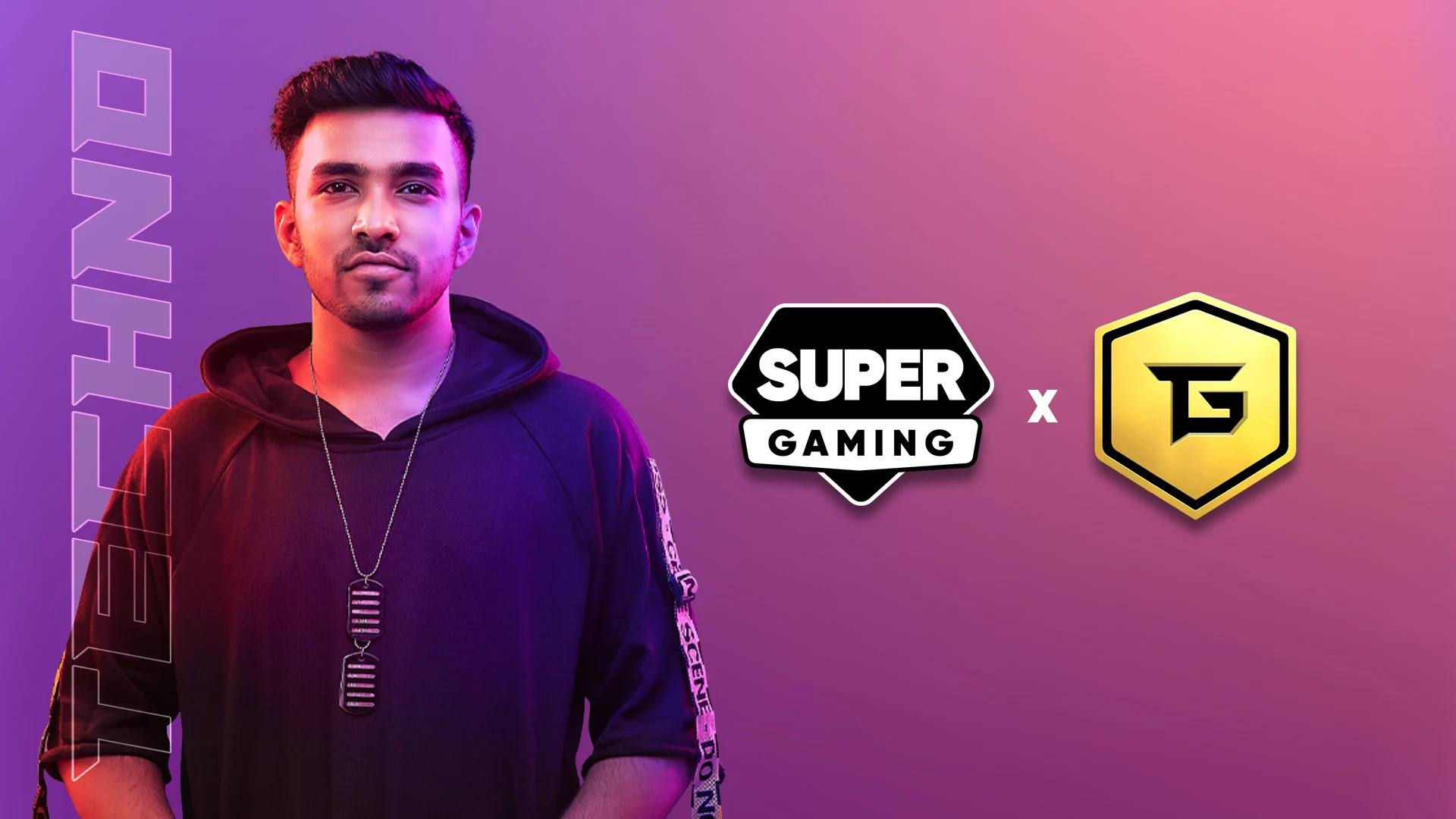
SuperGaming To Bring India’s Leading Gaming YouTuber Techno Gamerz as Playable Character in New Game

SuperGaming To Bring India’s Leading Gaming YouTuber Techno Gamerz as Playable Character in New Game

  • With over 30 million subscribers Ujjwal Chaurasia aka Techno Gamerz is one of India’s biggest YouTubers
  • SuperGaming is the developer of hits like MaskGun, Silly Royale, and upcoming Indo-Futuristic battle royale, Indus
  • Techno Gamerz will feature in the company’s soon to be announced game
Leading international game developer SuperGaming has partnered with Techno Gamerz aka Ujjwal Chaurasia to bring him as a character in its soon to be revealed game. With over 30 million subscribers, Techno Gamerz is one of India’s biggest YouTubers. He has about 9 billion views on YouTube until now through a variety of gaming content ranging from tutorials to web series.

As the poster child for gaming in India, Ujjwal will help SuperGaming make its games better for young Indian audiences. He will feature in the company’s soon to be announced game with his appearance as a playable character as well as providing valuable insights and feedback to SuperGaming.

“With more than 70 percent of his audience being the young demographic in India, partnering with Techno Gamerz was the obvious choice,” says Roby John, co-founder and CEO of SuperGaming. “With Techno Gamerz as a playable character in our soon to be revealed game, we're bringing a new way for fans to interact with their favourite creators and creators to build a closer connection with their fans."

SuperGaming will also host several on-ground events based on its games, allowing fans of Techno Gamerz and other creators to meet them in person. This is an evolution of how SuperGaming has crafted its biggest hits — MaskGun and Silly Royale. Popular multiplayer shooter MaskGun has amassed over 67 million players since its launch.

This is due to a relentless focus on putting its players frst with consistent community collaborations, even leading to some of its biggest community members featuring in-game as well as celebrating India-specifc events like Diwali.

Similarly, the recently released social deduction game Silly Royale has over 22 million players in no small part thanks to regular community and content creator initiatives. The company hopes to do the same for its future releases through this partnership with Techno Gamerz.

SuperGaming has more than 300 million players across its games with an audience that spans the globe. Its recent hits include MaskGun and Silly Royale. SuperGaming is also developing Indus, an upcoming Indo-Futuristic battle royale for mobile, PC, and consoles as well as several yet to be revealed titles. All of these are built on its SuperPlatform powered by Google Cloud.


"When SuperGaming approached me with the idea of featuring me in its soon to be revealed game, I was genuinely surprised with the team’s passion and expertise," says Techno Gamerz aka Ujjwal Chaurasia. "I believe that the future of gaming is creator-driven and community-first and this is a step in building that future.The team is on the same wavelength as me and I can’t wait to tell you more in the days to come."

"Gaming and content creation have always been two sides of the same coin and now we're bringing the best of both worlds together through this partnership," says Pranav Panpalia, founder, OpraahFx, the talent agency that manages Techno Gamerz. "The fact that SuperGaming chose to approach Techno Gamerz speaks volumes about how creators have evolved to be the new celebrities the gaming community follow and look up to."

SuperGaming will reveal more details on its collaboration with Techno Gamerz in the weeks to come. You can check out this video to know more about this partnership: https://youtu.be/uPv6gHoDQLo .

About SuperGaming

SuperGaming is one of India's leading gaming companies founded by Roby John, Sanket Nadhani, Christelle D'cruz, Sreejit J, and Navneet Waraich. Along with building popular mobile games such as MaskGun, Silly Royale, and Tower Conquest, it has invested deeply in building its own gaming engine called SuperPlatform for running hyperscale, real-time multiplayer games that include the official PAC-MAN game.

This multi-genre portfolio is indicative of the versatility and depth in game development that the 5 member founding team brings to the table. SuperGaming has 150 employees and is based in Pune and Singapore. For more information visit https://www.supergaming.com/.


PUBG Mobile Star Aaditya Sawant aka Dynamo Gaming Amass 10 Million Subscribers on His Official Youtube Channel

“Patt se Headshot” propagated by Dynamo become the most viral lingo in the gaming industry

The Mumbai-based content creator and Youtube sensation Aaditya Sawant, better known as Dynamo Gaming is among the few Indian gamers to achieve the milestone mark of 10 million subscribers on his YouTube channel-Dynamo Gaming.

Dynamo is one of the most popular PUBG gamers from India and before shifting his career into content creation he has internationally represented India as a professional esports player as well. A big admirer of Dynamo-The Magician, Adii “Dynamo” Sawant kept choosing his virtual name as well as the channel’s identity influenced by him.


Excited to bag 10M subscribers, Aaditya Sawant aka Dynamo Gaming said, “I started my youtube channel out of my love for gaming. From a gamer to a YouTuber with 10 million subscribers it has been an incredible journey with a lot of ups and downs. Today if I am able to achieve this milestone it is not just me alone but a big shout out to my family along with my beloved Hydra members who have been my pillar of support always. And a special mention for my subscriber family who took faith in me and believed in me and has been part of my journey since the beginning. A big Thank you to all of you once again.”

One of the most loved influencers in the gaming industry with more than 2.2 million followers on Instagram; he was also one of the leading faces in the official Battlegrounds Mobile India teaser launch early this year. Aiming to deliver entertaining content and gameplay techniques, his youtube channel boasts of incredible eyeballs and more than 1 billion video views.

 
Aditya has collaborated with several endemic brands like HP India, AMD India, ASUS as well as innumerable non-endemic brands to promote them as part of their brand campaigns. Dynamo is managed by Trinity Gaming, India’s only gaming and content creator management agency. They have handheld him right from the beginning and provided him with graphic assistance, media mileage, educated the best practice about social media presence, outreach and engagement and most importantly build his portfolio so that he could benefit from brand activities and ad campaigns.

Commenting on the great feat of Dynamo, Abhishek Aggarwal, Co-Founder & CEO of Trinity Gaming, who have been managing Dynamo from the beginning said, “We are feeling overwhelmed and proud to see our creator achieving great heights in the community. Dynamo was the first gaming creator we onboarded when we started our journey in the gaming industry. We are currently managing more than 250 creators under Trinity Gaming and Dynamo has been one of our first and most loved creators. Dynamo has not only made his family and fans proud but also our Trinity Gaming family. We wish him more success and many more milestones in the coming time.”

Before, being recognised as a PUBG player, he has also played games like Dota2, BF1, BF3, BF4, Apex and GTA V.

YouTube, Gmail will Not Run on Smartphones with these Android Versions After September 27


There is bad news for the users of Android phones. This is because Google will no longer offer sign-in support on Android phones running version 2.3.7 or lower. It has been learned from the email sent by Google to the users that this change will be implemented from September 27. 

Older smartphones users have been advised to update to at least Android 3.0 Honeycomb to continue using Google apps beyond September. This will affect system and app level sign-in, but users should be able to sign in to Gmail, Google Search, Google Drive, YouTube and other Google services through their phone's browser.

According to a report by 9to5Google, users who are likely to be affected by the change. There are very few such users who are using very old version of Android. 

Email from Google

The report by 9to5Google shared a screenshot (screenshot above) of an email sent to Google, according to which Google is making this change for the account security and data security of the users. This email  may be seen as a warning sign to some of these users who are still using older software versions. Such users are being requested to update the software or switch phones. 

Starting September 27, users on phones running Android version 2.3.7 and lower will see a 'username or password error' whenever they try to sign-in to any of the Google apps that are loaded.

The report said that after September 27, users of older Android versions will see an error when they try to sign in to Google products and services such as Gmail, YouTube and Maps. If users try to sign in again by creating a new Google account or factory resetting the phone, they will still see the same error on their phone screen. This error will be visible to users even after creating a new password, and signing in again.

Post September 27, phone users with Android version 2.3.7 or lower will not be left with any workaround, so that they can use Google apps and services. Therefore, it is better that before this, users should search for a new phone for themselves.

YouTube Launching $100 Mn YouTube Shorts Fund To Pay India, U.S. Users for Creating Short Videos


YouTube has introduced, today. the YouTube Shorts Fund, a $100 million fund that YouTube will distribute over the course of 2021-2022, to pay creators in India and the U.S. money for creating engaging and original content on YouTube Shorts, its TikTok rival.

"Anyone is eligible to participate in the fund simply by creating unique Shorts that delight the YouTube community," said the official blog post by YouTube.

Each month, YouTube will reach out to thousands of creators whose Shorts received the most engagement and views to reward them for their contributions. We’ll also ask these creators to share their feedback with us so we can continue to improve the product experience.

The Shorts Fund is not limited to just creators in the YouTube Partner Program. Creators will be eligible to participate if they create original content for Shorts and adhere to our Community Guidelines.

YouTube will share additional details as the video platform get closer to launching the fund in the coming months.

The official blog announcement further states --
The $100 Mn Shorts Fund is the first step in our journey to build a monetization model for Shorts on YouTube. This is a top priority for us, and will take us some time to get it right. We are actively working on this, and will take the feedback gathered from our community to help develop a long-term program specifically designed for YouTube Shorts.
YouTube will also expand its Shorts player across more surfaces on YouTube to help people find new creators, artists and Shorts. The company will also begin to test and iterate on ads to better understand their performance and monetize the short-videos platform.

Notably, in July 2020, TikTok too had launched a $200 million fund to pay creators for engaging content. Snapchat, which has a TikTok rival called Spotlight, also revealed that it was paying up to $1 million per day to creators.

Best Ways to Increase YouTube Subscribers: Stormviews

Business Wire India
YouTube is the most popular video sharing network on the planet. It allows ordinary people called creators to publish videos to a worldwide audience. Once the video goes viral, the creator benefits by gaining popularity. Many people have become popular, and made lots of money through YouTube. Some have even become an internet celebrity.
 
However, before that happens, creators need to first amass a reasonable number of follower-like community called subscribers. The success of any YouTube channel is determined by how many people have subscribed to it - that is, the higher the number of subscribers on a channel, the greater the chances of success.
 
That said, getting YouTube subscribers is no easy task. It takes a lot of hard work, time, and strategies. As expected, YouTube creators want to know these tricks and strategies for gaining more subscribers. Luckily for them, this article has such strategies aplenty.

 
Below are the seven best ways to increase YouTube subscribers.
 
1) Buy YouTube Subscribers
 
The simplest and easiest way to increase YouTube subscribers is to buy YouTube subscribers. When a Creator makes a new YouTube channel, it starts with zero subscribers. To get subscribers to the channel, creator has to upload videos and draw traffic (viewers) naturally.
Honestly speaking, this is no easy task.
 
Oftentimes, most YouTube channel creators have to wait for months or even years before getting a decent number of subscribers.
 
But for a creator who doesn't want to wait this long, there's an easier route, which is to buy subscribers.
 
Someone might ask: "how does buying YouTube subscribers help me get more subscribers?"
 
Well, here is how it works.
 
When a creator buys subscribers, it will be shown on their YouTube engagement dashboard that they have lots of existing subscribers, which is a way to prove that viewers on Instagram already love them. When random viewers see this, they'll be wooed into believing that the channel has something of value to offer as well, leading to more organic subscribers.
 
Finally, since there are vendors who sell fake YouTube subscribers, creators are often advised to buy subscribers from vendors who sell real YouTube subscribers.

This is essential because fake YouTube subscribers disappear after a while, leading to a decrease in the subscriber count of a channel.
 
2) Ask Viewers to Subscribe
 
It is not uncommon to see creators asking viewers directly to subscribe to their channel. After creating a useful and compelling video, the creator adds a section in the video asking viewers to kindly “click the subscribe button below” or something similar.
 
Naturally, YouTube viewers know about the "subscribe" feature. And they know it helps them keep in touch with the content of a channel. But sometimes they forget to hit the subscribe button. As such, they just exit a channel once they're done watching its videos. By asking viewers directly to hit the "subscribe button," creators ensure that their audience never forgets to do the needful.
 
However, before expecting viewers to subscribe to a channel, a creator has to ensure that their content is enjoyable, engaging, and come-back-worthy. This is the only way viewers will be encouraged to come back for more, and the only reason why viewers will want to subscribe to a channel.
 
3) Add a Subscribe Button Watermark
 
YouTube allows content creators to add a small watermark to all their videos. It is a feature that many content creators don’t even realize exists on the platform.
 
To find the watermark feature, channel owners can go to the admin settings of their channel.
 
YouTube lets creators upload a small icon to serve as the watermark for all their videos. It will appear in the lower right-hand corner of each video. When someone clicks on the watermark, they will see the red subscribe button. All they need to do is click or tap on the button, and they will be subscribed to the channel.
 
It is best to use a watermark that looks like the YouTube subscribe button. This way, viewers can have one more place to see the subscribe button, so they are more likely to click on it. 
 
4) Make Videos Between 10 and 30 Minutes
 
Here is where a lot of content creators mess up. They’ll make shorter videos less than 10 minutes long and wonder why no one watches them. Well, the simple truth is that the YouTube algorithm favors videos longer than 10 minutes. If a creator wants to compete with other creators in their niche, and also gain lots of views, it's recommended to create long-form videos.
 
Since it is more common for content creators to upload several shorter videos, YouTube doesn’t want to feature all of them. The system figures that longer videos had more time and thought put into them. That is why they get featured more often than shorter videos. But don’t make the videos too long, though.
 
The general SEO rule is to make videos between 10 and 30 minutes. Because videos that go beyond the 30 minutes’ mark tends to lose traction in the YouTube search engine.
 
A good content creator will keep their videos under 30 minutes. Not only will this help their search rank, but it will ensure that more people see all of their content from beginning to end.
 
5) Share Videos on Other Social Media Channels
 
Creators cannot rely on YouTube traffic alone to make viewers discover their videos. More needs to be done on the part of a creator to expose the content on their channel.

A good place to further increase the exposure of a channel is social media.

When a video is created and ready-to-go, creators can always share them on all their social media channels. This will send in traffic from friends, family members and acquaintances. Not to mention these people may even share your videos with other friends and family members too.
 
YouTube makes it easy to share videos. Go to the video page and click the “Share” button. Over there are a list of social media channels for sharing purposes. The choices include Facebook, Twitter, LinkedIn and Tumblr. Alternatively, creators can copy the URL address of the YouTube video and manually post it on their social media channels.
 
Most of these networks can embed videos into posts automatically. So, copying video URLs, and converting them into actual videos is never a problem.

6) Buy YouTube Views
 
This post started with a mention of buying YouTube subscribers. But in addition to that, channel creators can also buy YouTube views as well. That is, bring artificial viewers to come watch their videos.
 
Sometimes it is better to do this than to buy YouTube subscribers, especially if the creator doesn’t want to have too many purchased subscribers.
 
The benefit of buying YouTube views is that it gives more people the chance to discover the videos of a channel, and then decide on their own whether they’d like to subscribe or not. Also, since it is cheaper to purchase views, creators could wind up with more subscribers in the end. It all depends on whether the viewers enjoyed the videos or not.
 
Someone might ask, "how does buying YouTube views translate to more subscribers?"
 
Buying views potentially gives videos a better rank on the YouTube search engine. The algorithm responds kindly to videos with lots of views. Once YouTube spots that a video gets enough views, they reward the creator with better rankings. Once a creator and their video ranks high in the algorithm, they start to see an influx of new viewers to their videos and channel.
 
If the content of the channel is indeed enjoyable, these new viewers will likely subscribe to the channel.
 
7) Enter a Good Channel Description and Tags
 
YouTube gives creators some free SEO tools to help rank videos better. Creators have the opportunity to enter a description and add tags to each of their videos upload.

YouTube expects that the description and tags should relate to the topic of the video content. The YouTube algorithm is very clever in detecting their relevancy. If they are found not to be relevant, YouTube sends the creator a warning strike.
 
To add keywords into video description, video creators can use the same words or terms used for the tags. In case the creator doesn't have an idea of the right keywords to use, they can research popular keywords by using a professional YouTube Keyword tool.
 
Final Words
 
Earning the first 1,000 subscribers will be the most difficult challenge as a content creator. But as the first 1000 rolls in, it will be less challenging to find new subscribers.
 
Once a high number of subscribers rolls in, those ones become the conduit for attracting more subscribers, because they will share the channel videos with their friends and acquaintances, and practically do all the marketing for the channel.


The Official Pokémon YouTube Channel for Kids Is Now Available in English in India

Representation

The Pokémon Company (President and CEO: Tsunekazu Ishihara) has launched “Pokémon Kids TV” in India and other Asian countries, an English sister channel of the official Japanese Pokémon YouTube channel for kids. Pokémon Kids TV makes available videos ranging from Pokémon songs and nursery rhymes to educational contents. It features mainly English content, with a global viewership in mind.

For Kids of All Ages and Cultures

Pokémon Kids TV features English and non-verbal videos for children and parents of all cultures to enjoy. Future plans for the channel include adding videos tailored to specific countries and regions.

Current Offerings
 
  • Nursery Rhymes
In addition to famous nursery rhymes such as "London Bridge is Falling Down" and "Old MacDonald Had a Farm," the channel also features "Winter Wonderland," which adds a Pokémon touch to the holiday season.
 
  • Education & Entertainment
The channel has a wide range of content that attracts children‘s interests, from a quiz series that stimulates thinking to a fun rhythm series.
 
  • Dance
Kids can enjoy dancing to the song "If You‘re Happy and You Know It," a widely recognized song both overseas and in Japan, along with Pikachu!
 
Commenting on the launch, Takato Utsunomiya, The Pokémon Company, Representative Director and COO said, “Since 2019, Pokémon Kids TV (Japan) has hosted a Japan-focused YouTube channel that delivers videos featuring nursery rhymes, children's songs, and educational content including English learning. The channel has become a place where many children "meet" Pokémon for the first time, and a source of safe entertainment that parents feel at ease showing to their children. As the demand for video content has grown in recent years, the channel has also expanded and now people around the world outside of Japan will be able to enjoy it too."

"As part of this expansion, we are launching “Pokémon Kids TV,” a new YouTube channel with mostly English language content, in hopes that even more children will join the fun. We are also planning to expand this concept in the future to other Asian countries and even create region-specific content in other languages. We would be truly delighted if more and more children can enjoy their time spent at home together with Pokémon.”

<「Pokémon Kids TV」>
https://www.youtube.com/channel/UCgbfG5HoczHIkpzxLYH-8Ww

<Copyright Notice

©2021 Pokémon. ©1995-2021 Nintendo/Creatures Inc./GAME FREAK inc.

TM & ® are trademarks of Nintendo.

<Copyright Notice>

©2021 Pokémon. ©1995-2021 Nintendo/Creatures Inc./GAME FREAK inc. TM & ® are trademarks of Nintendo.


Market Reports

Market Report & Surveys
IndianWeb2.com © all rights reserved