Showing posts with label Iran. Show all posts

Cyber Strikes on U.S. Water Supply Linked to Iran

Cyber Strikes on U.S. Water Supply Linked to Iran

Iranian-affiliated hackers have widened their attacks on U.S. water systems in 2026, exploiting weak security in control systems and causing operational disruptions across multiple states. Federal agencies including the EPA, FBI, CISA, and NSA have confirmed that these attacks directly threaten public health and community resilience.

According to The New York Times, cyberattacks on U.S. water systems have spread to at least seven states, and experts warn the problem could be even bigger. Authorities are rushing to protect the nation’s water supply, with evidence pointing to hackers linked to Iran

What Happened

  • Joint Advisory (April 2026): The EPA, FBI, CISA, and NSA issued a nationwide warning about Iranian-affiliated cyber actors targeting drinking water and wastewater systems.
  • Attack Escalation (March–July 2026): Iranian APT groups linked to the IRGC began exploiting programmable logic controllers (PLCs) in water, energy, and government infrastructure.
  • Methods Used: Hackers accessed internet-exposed PLCs (Siemens, Allen-Bradley, Unitronics) using default or weak passwords, wiping configurations and tampering with sensors.
  • Impact: Disruptions included loss of water pressure, flooding, boil water notices, and manual system resets.
The reason U.S. water systems are vulnerable to cyberattacks is because many of their control devices, like programmable logic controllers (PLCs) and supervisory control systems, are directly connected to the internet without proper safeguards. Hackers exploit weak passwords, outdated software, and exposed remote access points to disrupt operations.

The U.S. water supply is vulnerable because automation and remote access were added without strong cybersecurity protections. Smaller utilities, with limited budgets, are especially at risk. Hackers don’t need advanced tools—just poor cyber hygiene is enough to cause loss of water pressure, flooding, or unsafe drinking water.

Why It Matters

  • Public Health Risk: Cyberattacks can disrupt water treatment, potentially introducing contaminants into drinking water.
  • Critical Infrastructure Vulnerability: Smaller utilities with limited budgets and outdated systems are the most exposed.
  • Geopolitical Context: Analysts assess these attacks as retaliation amid heightened U.S.–Iran tensions, showing Iran’s ability to cause real-world disruption without advanced exploits.

Government Response

  • EPA & FBI Guidance: Utilities are urged to adopt cybersecurity best practices, report incidents immediately, and work with investigators.
  • Support Programs: The EPA offers free cybersecurity assessments, technical assistance, and training to help even small utilities strengthen defenses.
  • National Cyber Strategy: The U.S. is imposing costs on malicious actors while building resilience across critical infrastructure.

Attack Overview

SectorImpactMethods UsedNotes
Water systemsBoil water notices, flooding, manual resetsWeak/default PLC credentialsHighest number of confirmed incidents
Energy sectorLimited disruption, reconnaissancePLC exploitationNo full shutdown yet
Government servicesTraffic & municipal systems disruptedInternet-exposed HMIsOpportunistic targeting

Defensive Measures for Utilities

  • Remove internet-exposed control systems where possible.
  • Enforce strong, unique credentials for PLCs and SCADA systems.
  • Apply patches and updates to legacy infrastructure.
  • Report incidents promptly to FBI and CISA.

Big Picture

The widening scope of Iranian-linked hacks underscores systemic vulnerabilities in U.S. water infrastructure. While large metropolitan systems are better defended, smaller community utilities remain prime targets. These attacks highlight the urgent need for cyber hygiene, federal support, and coordinated resilience measures to safeguard America’s lifeline services.

Modi Govt To Roll Out ₹2.5 Lakh Crore Lifeline for War-Hit Businesses

Modi Govt To Roll Out ₹2.5 Lakh Crore Lifeline for War-Hit Businesses

India is reportedly preparing a massive ₹2.5 lakh crore ($26.7 billion) sovereign guarantee scheme to protect businesses hit by the Iran war, offering up to 90% credit guarantees on loans for four years. This move is aimed at shielding small and medium enterprises (SMEs), especially in sectors like textiles and glass, from supply chain shocks and rising inflation.

A sovereign guarantee (or government guarantee) is a formal assurance by the national government that it will take responsibility for a borrower’s debt if they fail to repay. In India’s case, it means the government will backstop loans to businesses hit by the Iran war, ensuring banks feel secure in lending.

Amid Iran War, supply chains from West Asia are strained, hitting raw material imports. Smaller firms in textiles, glass, and other sectors face bankruptcy risks. Moreover, rising crude prices threaten inflation and growth.  By offering sovereign guarantees, India ensures businesses can still access loans despite heightened risks.  

Key Details 

  • Loan Coverage: Up to ₹100 crore ($10.75 million) per borrower
  • Guarantee Extent: 90% sovereign guarantee to lenders in case of default
  • Total Package Size: ₹2.5 lakh crore ($26.7 billion)
  • Duration: Valid for four years, modeled on the COVID-era ECLGS
  • Target Sectors: SMEs in textiles and glass manufacturing

Context: Why This Matters

  • Iran War Impact: Disrupted supply chains across West Asia
  • Oil Dependency: India faces risks of inflation and slower growth
  • Economic Stability: Designed to prevent bankruptcies and stabilize industries

Comparison with COVID-Era Credit Scheme

Feature COVID ECLGS (2020) Iran War Guarantee (2026)
Package Size ₹3 lakh crore ₹2.5 lakh crore
Guarantee Coverage 100% for small loans 90% up to ₹100 crore
Duration 4 years 4 years
Target MSMEs across sectors SMEs in war-hit supply chains

Risks & Trade-Offs

  • Fiscal Burden: Estimated cost of ₹170–180 billion
  • Inflation Pressure: Rising oil prices could offset benefits
  • Banking Sector Exposure: Liquidity stress possible if defaults surge
  • Global Uncertainty: Escalation may worsen disruptions

What This Means for Businesses

  • Immediate Relief: Easier access to loans with reduced risk
  • Strategic Planning: Prepare for higher input costs and delays
  • Opportunity: Government backing may encourage more lending

Global Context: Sovereign Guarantee Schemes vs Other Crisis Tools

India’s sovereign guarantee scheme can be better understood when compared with how other countries respond to crises.

Global Comparisons

Country Tool Used Purpose Example
India Sovereign loan guarantees Protect SMEs from war-driven supply shocks ₹2.5 lakh crore guarantee for Iran war-hit firms
United States Direct stimulus + Fed liquidity Boost demand and stabilize banks CARES Act (2020) gave direct cash + Fed backstops
European Union Loan guarantees via European Investment Bank Support cross-border firms and maintain credit flow EU COVID Guarantee Fund (2020) covered €200 billion
Japan Government-backed credit insurance Shield exporters from global shocks Trade insurance for firms during supply chain crises
China State-directed lending + subsidies Keep industries afloat and maintain employment State banks extend cheap loans with gov’t backing

Key Differences

  • India: Uses sovereign guarantees to encourage banks to lend.
  • US: Relies on direct cash transfers and liquidity injections.
  • EU: Pooled guarantees at a supranational level.
  • Japan & China: Insurance and state-directed lending, reflecting centralized structures.

Why Guarantees Matter

  • Cheaper for government upfront than direct subsidies
  • Boosts confidence in banking sector
  • Provides targeted relief for vulnerable industries
  • Risk shifts to government balance sheet if defaults surge. 


India’s sovereign guarantee scheme is a shield, not a cash injection. It ensures SMEs can still borrow during the Iran war crisis, but unlike the US or EU, it doesn’t directly hand out money—it leverages the government’s credibility to keep credit flowing.

How To Talk To Children About War: Indian Mental Health Experts On Navigating The Iran-US-Israel Crisis

How To Talk To Children About War: Indian Mental Health Experts On Navigating The Iran-US-Israel Crisis

The ongoing tensions involving Iran, Israel and the United States have dominated global news cycles in recent weeks. Although the conflict is geographically distant from India, today's always-connected digital world means that children are frequently exposed to war-related news through television, social media, school discussions and conversations among adults. Psychologists warn that repeated exposure to distressing news images and discussions about conflict can influence children's emotional health. Younger children may feel confused or frightened, while adolescents may experience anxiety, anger or a sense of helplessness. According to the World Health Organization, exposure to traumatic or violent content, especially without proper explanation, can increase stress responses in children and adolescents.

For parents, the challenge lies in addressing these global events honestly while protecting their children's sense of safety. Experts say avoiding the topic entirely may not work, because children often sense when something serious is happening around them.

Indian paediatric and mental health specialists say that thoughtful conversations, reassurance and responsible media exposure can help children understand global conflicts without becoming overwhelmed. Here's how parents can navigate these difficult discussions.

Children Process Conflict Differently

Children's reactions to war-related news can vary widely depending on their age, personality and what they hear from adults around them. Dr. Sujatha Thyagarajan, Lead and Head of Pediatric Intensive Care and Pediatric Emergency at Aster Women & Children Hospital, Whitefield, Bengaluru, explains that children's emotional responses can take many forms. "Children may have variable emotions and responses about the war or traumatic events, in general. Emotions may vary based on age, the narratives of adult conversations, the graphic contents visualised in media and could be in the form of anxiety, curiosity, fear and sleep disturbances," she says.

She also notes that children may begin consuming more news if adults around them constantly follow updates. "They may get hooked on to the media based on the adults in the household," she adds. According to the UNICEF, children exposed to distressing news may experience emotional reactions such as fear, sadness or confusion. In younger children, stress may manifest through clinginess or sleep problems, while teenagers may show irritability or withdrawal.

Start With What Children Already Know

Mental health experts say that the first step is to understand what a child has already heard. Dr. Naveen Kumar Dhagudu, Senior Consultant Psychiatrist at Yashoda Hospitals, Hyderabad, advises parents to initiate calm conversations rather than avoid the topic altogether. "Parents should check in with their children and create space for calm, age-appropriate discussions. Many adults assume that avoiding difficult topics protects children. In reality, children often sense that something serious is happening," he says.

Children may hear about conflicts in different regions, from Ukraine and Gaza to Iran or Sudan, through social media or peers. Asking them what they already know helps parents correct misinformation and understand their emotional reactions. The American Psychological Association recommends open dialogue as a key strategy for helping children process distressing news. Listening first allows parents to respond to fears without overwhelming children with unnecessary information.

Share Facts, But Avoid Graphic Details

When discussing global conflicts, experts recommend providing simple and honest explanations without exposing children to disturbing details. Dr. Dhagudu explains that younger children only need a basic understanding of the situation. "Younger children may only need to understand that sometimes countries disagree and conflicts happen, but many people are working to restore peace," he says.

Older children, especially teenagers, may have deeper questions after encountering news reports online. In such cases, honest answers can help build trust while reducing confusion. Research supported by the U.S. National Institutes of Health shows that clear, developmentally appropriate communication helps children cope better with stressful information.

Limit Exposure To Distressing News

Constant exposure to news updates can intensify anxiety in children. Dr. Thyagarajan recommends limiting access to graphic content. "Limitation to graphic contents, mindful adult conversations and timely reassurance as well as seeking professional help as required will go a long way in navigating conversations with children about traumatic events," she says.

The Centers for Disease Control and Prevention (CDC) also advises parents to monitor media consumption during stressful events, as repeated viewing of distressing content can amplify emotional distress. Parents can encourage children to focus on school activities, hobbies and outdoor play rather than continuous news consumption.

Watch For Signs Of Stress

Children often express emotional distress through physical or behavioural changes.

Dr. Dhagudu says parents should be alert to symptoms such as:
  • Sleep disturbances
  • Headaches or stomach aches
  • Increased irritability
  • Withdrawal from family or friends
  • Clinginess in younger children
"In such situations, reassurance and supportive routines can help restore a sense of security," he explains. Maintaining predictable daily routines, such as regular meals, study time and bedtime, can help children feel safe during uncertain times.

Use The Conversation To Build Empathy

Experts also emphasise that discussions about global conflicts can become opportunities to teach compassion. Instead of portraying any nation or group as inherently "bad", parents can highlight the humanitarian perspective, focusing on civilians affected by war and the work of relief organisations helping those in crisis. Such conversations can encourage children to think critically about global issues while reinforcing values like empathy and kindness.

In an era where global events unfold instantly across screens, children are inevitably exposed to news about wars and geopolitical tensions, even those far from home. While such exposure can trigger anxiety or confusion, experts say supportive conversations within families can make a powerful difference. By listening patiently, offering age-appropriate explanations, limiting distressing media exposure and maintaining reassuring routines, parents can help children understand world events without feeling overwhelmed.

Ultimately, children take emotional cues from the adults around them. When parents remain calm, honest and empathetic, they help build resilience, allowing children to navigate difficult global realities with confidence and emotional security.

War in Iran Puts India’s $11 Bn Phone Trade at Risk

War in Iran Puts India’s $11 Bn Phone Trade at Risk

India’s mobile phone exports, worth $11 billion in the first half of FY26, could face a loss of $2–3 billion due to the ongoing Iran war. The disruption of Gulf trade routes, rising freight costs, and reduced consumption in West Asia are the main drivers of this projected hit.

Key Impact on India’s Mobile Exports

  • Projected Loss: $2–3 billion in FY26.
  • Sector Size: Mobile exports generated $11 billion in the first six months of FY26.
  • Primary Cause: Disruption of shipping routes through the Strait of Hormuz, a critical global oil and trade corridor.
  • Affected Region: Gulf countries, a major hub for electronics manufacturing services (EMS) companies that re-export Indian mobile phones.
  • Top Commodity at Risk: Mobile phones are among the top five most-impacted export categories.

Why the Gulf Matters

  • The Gulf region is both a consumption hub and a transit hub for Indian electronics.
  • EMS companies rely on Gulf ports for distribution into West Asia, Africa, and Europe.
  • With war-driven instability, insurance premiums, freight costs, and delivery timelines have all surged.

Comparative Snapshot

Factor Pre-War (FY26 H1) Current Impact (Post-War)
Mobile Export Revenue $11 billion Risk of $2–3 billion loss
Freight Costs Stable Rising sharply
Gulf Trade Routes Reliable Disrupted (Strait of Hormuz)
Insurance Premiums Moderate Increased significantly
Consumption Demand Strong Weakening in Gulf markets

⚠️ Risks & Trade-Offs

  • Supply Chain Delays: Longer shipping times due to rerouting around conflict zones.
  • Higher Costs: Freight and insurance hikes squeeze margins for exporters.
  • Demand Shock: Gulf consumers may cut back on electronics purchases amid regional instability.
  • Strategic Vulnerability: Heavy reliance on Gulf markets exposes India’s mobile sector to geopolitical risks.

Possible Mitigation Strategies

  • Diversify Export Markets: Strengthen trade with Africa, Southeast Asia, and Latin America to reduce Gulf dependency.
  • Local Warehousing: Establish storage hubs outside conflict zones to ensure smoother distribution.
  • Policy Support: Government may need to extend export incentives or subsidies to cushion losses.
  • Supply Chain Resilience: Explore alternate shipping routes via Europe or East Africa.

Bottom Line

The Iran war is not just a geopolitical crisis—it’s a trade shock for India’s mobile export sector, threatening up to $3 billion in losses. For Gurugram-based exporters and EMS firms, this underscores the urgency of market diversification and supply chain resilience to safeguard India’s fast-growing electronics industry.

US Military Using Anthropic's Claude to Select Targets in Iran Strikes

US Military Using Anthropic's Claude to Select Targets in Iran Strikes

The recent revelation that the U.S. military employed Anthropic’s Claude AI to assist in target selection during strikes on Iran has ignited a global debate about the role of artificial intelligence in warfare. The decision came just hours after President Donald Trump announced a government-wide ban on Anthropic’s tools, underscoring a sharp disconnect between political directives and military operations.

Claude’s Role in the Iran Strikes

  • Operational Use: Claude was reportedly deployed by U.S. Central Command (CENTCOM) to conduct intelligence assessments, target identification, and combat scenario simulations.
  • Timing Conflict: The strikes occurred immediately after Trump’s ban, raising questions about enforcement and chain-of-command discipline.
  • Coalition Context: The AI-assisted strikes were part of a joint U.S.–Israeli campaign, which has already drawn criticism due to civilian casualties, including the bombing of an elementary school.
  • Precedent: This is not the first time Claude has been used in combat. Earlier this year, it reportedly supported operations during the raid to capture Venezuelan President Nicolás Maduro.

Claude features used by the US Military

Based on credible reporting, the U.S. military has been using specific features of Anthropic’s Claude AI during its recent strikes in Iran. These features are not consumer-facing tools like chat assistance, but rather operational capabilities adapted for defense use:

Claude Features in Military Use
  • Intelligence Analysis: Claude was tasked with processing large volumes of battlefield and surveillance data to generate actionable insights.
  • Target Identification: The AI helped flag potential strike targets by correlating intelligence inputs, satellite imagery, and sensor data.
  • Combat Scenario Simulations: Claude ran predictive models to simulate possible outcomes of different strike strategies, giving commanders decision-support in real time.
  • Operational Support: Reports suggest it was used to streamline battlefield communications and prioritize mission-critical information. 
These deployments occurred under U.S. Central Command (CENTCOM), despite President Trump’s government-wide ban on Anthropic’s tools. Notably, Claude had previously reported to be used in other operations, such as the raid to capture Venezuelan President Nicolás Maduro earlier this year.

The Pentagon has not disclosed the full technical details, but sources confirm these core functions were central to its role in the Iran strikes.  

Global AI Militarization

Country Key Military AI Applications Notable Details
United States Target recognition, autonomous drones, logistics optimization, cyber defense Pentagon invests heavily via DARPA and the Joint Artificial Intelligence Center.
China Surveillance, autonomous weapons, decision-support systems Central to Beijing’s concept of “intelligentized warfare.”
Israel Targeting, missile defense, battlefield analytics AI powers Iron Dome and precision targeting in conflicts.
France Decision-making support, robotics, cyber operations Balances scaling AI with ethical frameworks.
India Surveillance, border security, drone swarms Experimenting cautiously while engaging in global AI diplomacy.
Russia Autonomous vehicles, electronic warfare, predictive analytics Testing AI-driven drones and robotic combat systems.
United Kingdom Intelligence analysis, logistics, autonomous systems MOD strategy emphasizes operational efficiency.
Turkey Drone warfare, surveillance Bayraktar drones use AI for targeting and navigation.

Ethical and Political Tensions

  • Civilian Risk: AI-driven targeting raises fears of misidentification and collateral damage, especially in dense civilian areas.
  • Accountability: Who bears responsibility when an AI system contributes to a lethal decision—the developer, the military operator, or the government?
  • Policy vs. Practice: Trump’s ban highlights the difficulty of enforcing political directives in real-time military contexts.
  • International Law: The use of AI in warfare challenges existing frameworks under the Geneva Conventions, which were not designed for autonomous or semi-autonomous decision-making systems.

The Bigger Picture

The U.S. military’s reliance on Claude illustrates a broader trend: AI is no longer a futuristic concept in warfare—it is here, shaping decisions on the battlefield today. As more nations deploy AI for surveillance, targeting, and cyber defense, the urgency of establishing global norms and ethical guardrails grows stronger.

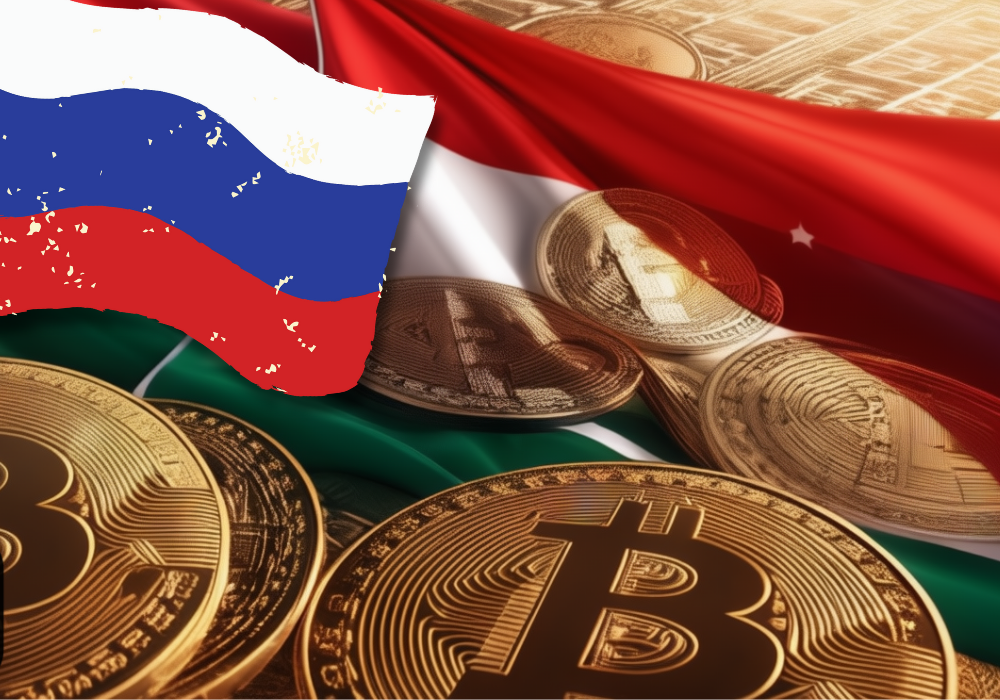
Iran and Russia Developing CBDC, Tokenized Assets for Payments for Cross-Border Transactions

Iran and Russia Developing CBDC, Tokenized Assets for Payments for Cross-Border Transactions

Iran has confirmed its collaboration with Russia on developing Central Bank Digital Currencies (CBDC) and tokenized assets for payments. This initiative is part of their efforts to facilitate trade transactions and mitigate the impact of sanctions, as both countries are currently unable to use SWIFT for cross-border payments and have limitations on trading in dollars or euros.

The two nations are exploring the use of Iran's crypto-rial and Russia's digital ruble for bilateral trade. The move is seen as a way to simplify trade transactions and resolve issues related to fiat currency conversion rates, which can lead to significant business operation costs.

Due to US sanctions, Iran and Russia are unable to make settlements in Dollars and Euros, Russia and Iran have switched to the use of national currencies, said Maxim Chereshnev, chairman of the board of the Council for the Development of Foreign Trade and International Economic Relations. However, difficulties arise with conversion. And also due to the inconsistency of the market rate in Iran with the state. "Starting payments through CFA and digital currencies of central banks can simplify trading", Chereshnev said with surity.

The two countries have strengthened their economic ties, with Russia being one of Iran’s largest trading partners. Russia has invested in Iran’s energy sector, and the two countries have discussed cooperation in areas such as transportation and infrastructure development.

Russia has recently passed legislation allowing the use of digital financial assets (DFAs), such as tokenized gold, for cross-border payments, which is a shift from their previous stance where such assets were not permitted for payments. This change is aimed at circumventing sanctions and facilitating international trade between Russia and Iran.

The practical implementation of these digital currencies and assets is still under development, with cross-border CBDC settlements expected to be possible starting January 1, 2025, following the establishment of the necessary legal framework in Russia. This collaboration marks a significant step in the use of digital currencies in international trade, particularly among countries facing economic sanctions.

Experts say that, CBDCs can significantly improve the efficiency of cross-border payments by reducing the time it takes to process transactions. Traditional cross- border payments can take several days due to the involvement of multiple intermediaries, but CBDCs can streamline this process.

As of March 2024, there are a few countries that have functioning CBDCs and are exploring or using them for cross-border transactions.

The Bahamas, Jamaica, and Nigeria have functioning CBDCs. Moreover, the 5-Nations group – Brazil, Russia, India, China, and South Africa (BRICS), along with new members like Saudi Arabia, Iran, and the UAE, are in the pilot phase of CBDC exploration for cross-border wholesale transactions.

Australia and China are among the countries piloting use cases for their CBDCs, which may include cross-border transactions.

Additionally, SWIFT, the global provider of secure financial messaging services, has been working on solutions to enable financial institutions to incorporate CBDCs and other digital assets into common business practices, which includes cross-border transactions. This indicates a growing trend towards the adoption of CBDCs in international trade and finance.

Market Reports

Market Report & Surveys
IndianWeb2.com © all rights reserved