Showing posts with label IIT Delhi. Show all posts

AIESEC in Delhi IIT Hosts YSF 2025: Inspiring Youth Leadership at IIT Delhi

AIESEC in Delhi IIT Hosts YSF 2025: Inspiring Youth Leadership at IIT Delhi

More than 500 students, industry leaders, and innovators converged at the Indian Institute of Technology (IIT) Delhi on April 20 for the Youth Speak Forum (YSF) 2025, a dynamic event dedicated to sustainable development and youth leadership. The event was co-organized with Academic Outreach & New Initiatives at IIT Delhi, the forum drew participants from over 50 colleges. The event championed the United Nations’ Sustainable Development Goals, focusing on quality education, decent work and economic growth, industry, innovation, and infrastructure, and responsible consumption and production.

The day-long gathering featured a series of inspiring keynote speeches, hands-on workshops, thought-provoking panel discussions, and AIESEC’s signature “jiving” dance, creating a vibrant atmosphere of collaboration and action. A diverse group of speakers shared their expertise, motivating attendees to drive change in their communities and beyond. Prof. Deepak Jain, an assistant professor at IIT Delhi, spoke passionately about the role of innovation and technology in addressing global challenges, urging students to apply academic knowledge to real-world problems. Shri Krishna Kumar, Director (HR) at Bharat Heavy Electricals Limited (BHEL), emphasized ethical leadership and sustainable practices in industry, drawing from his experience at one of India’s leading public sector enterprises.

The success of YSF 2025 was amplified by its partners, each contributing unique expertise to elevate the event. The Indian Institute of Creative Skills (IICS), led by its founder Mohit Soni, who also spoke at the event, fostered innovation by promoting creative problem-solving and skill development, inspiring attendees with his vision for empowering youth through creative education. Tutcart advanced educational initiatives through its education technology platform, enhancing accessible learning, and officially launched its platform at the event, marking a significant milestone in empowering students with digital learning tools. Tutcart Takes Off at IIT Delhi: A New Era in Learning Begins—In a spirited launch at IIT Delhi on April 20, 2025, Tutcart unveiled its bold EdTech 3.0 vision—one that promises to rewrite the rules of learning. With a sleek blend of innovation and accessibility, Tutcart connects students with top tutors across academics, arts, and skills, all through one powerful, personalised platform. Its unique edge? Learning that adapts to the learner—not the other way around. Unibic championed sustainable consumption by promoting environmentally conscious food production. XTCY brought dynamic energy, engaging attendees with innovative event experiences. Ambitio supported the forum by empowering students with resources for global education and career opportunities, aligning with the goal of quality education. Bonji, as the exclusive speaker hamper partner, curated thoughtful gifts for speakers, adding a personalized touch to the event. These partnerships created a robust platform for meaningful dialogue and action.

Entrepreneurs also took the stage, sharing their journeys and insights. Gauri Kaushish Varma, founder of Confect and a Shark Tank India Season 4 participant, discussed the importance of sustainable business models in the baking industry, inspiring attendees to pursue purpose-driven ventures. Richa Kapila, co-founder of D’chica and another Shark Tank participant, highlighted how youth-led startups can promote responsible consumption, sharing her experience building a brand focused on empowering young women. Sahib Singh Sapra, founder of Tutcart, spoke about the transformative power of education technology, encouraging students to use digital tools to make learning more accessible.

Financial educator Sanjay Kathuria stressed the value of discipline as a cornerstone of success, motivating attendees to stay focused on their goals. Gauri Agarwal from UN Women advocated for gender-balanced practices in sustainable production, emphasizing equity as essential for environmental progress. Corporate training expert Deepak Bajaj energized the crowd with a call to align personal ambitions with global challenges, pushing for bold leadership. “Youth are the driving force for a sustainable future,” Prof. Jain said. “Your ideas, grounded in innovation, can solve the world’s biggest problems.”

Inclusivity was at the heart of YSF 2025, with the event welcoming a diverse group of participants, including deaf attendees supported by professional translators. Students from over 50 colleges brought a wide range of perspectives, fostering rich discussions on sustainability and leadership. This commitment to accessibility ensured that every voice shaped the conversation, setting a benchmark for inclusive events.

The forum offered interactive workshops on design thinking, social entrepreneurship, and sustainable development, equipping participants with practical tools to tackle global issues. A panel discussion explored how young people can advance quality education, decent work, and responsible consumption, offering actionable strategies for creating impact. AIESEC also showcased its global internship and volunteer programs, which enable young people to work on sustainable development projects worldwide. These opportunities sparked excitement among attendees eager to gain cross-cultural leadership experience.

The event concluded with AIESEC’s iconic jiving dance, a high-energy performance that united participants in a joyful celebration of youth, collaboration, and shared purpose. The lively moment reinforced the forum’s mission to inspire and connect young changemakers.

YSF 2025 empowered attendees with new skills, networks, and inspiration to address global challenges. Participants left motivated to launch projects, join AIESEC’s global programs, and advocate for sustainability in their communities.

Hyundai Motor Opens CoE for Future Mobility at IIT Delhi

Hyundai Motor Opens CoE for Future Mobility at IIT Delhi

Hyundai Motor Group (the Group), on Thursday, announced the opening of the Hyundai Center of Excellence (CoE) for future mobility technology (Hyundai CoE) at the Indian Institute of Technology (IIT) Delhi.

This initiative is establishing a joint research system to advance future mobility technologies focused on electrification and battery systems, reflecting the Group’s commitment to driving innovation tailored to the needs of Indian customers.

To recall, it was in December last year when Hyundai Motor announced partnership with three IITs – IIT Delhi, IIT Bombay and IIT Madras.

The Group has selected nine joint research projects in collaboration with IITs as part of its long-term academic-industrial cooperation framework. These projects cover key focus areas including:
  • Battery cells, systems and testing
  • Battery management systems (BMS)
  • Energy density enhancement
  • Safety
  • Durability
  • Diagnostic technologies.
The initiative also explores new materials and system components, driving forward innovation in battery design and performance.

Hyundai Motor Group officials – including Heuiwon Yang, President and Head of the R&D Division; Unsoo Kim, Managing Director of Hyundai Motor India Limited; and Chang Hwan Kim, Executive Vice President and Head of the Electrification Energy Solutions Tech Unit – attended the main agreement ceremony held in New Delhi. They were joined by IIT representatives, including Prof. Rangan Banerjee, Director of IIT Delhi; Dean Manu Santhanam from IIT Madras; and Dean Sachin C. Patwardhan from IIT Bombay.

The Steering Committee of the Hyundai CoE will be co-chaired by EVP Chang Hwan Kim and Dean Bijaya Ketan Panigrahi at IIT Delhi.

We’re excited to work with India’s brightest minds in battery innovation,” said Heuiwon Yang, President and Head of R&D Division at Hyundai Motor Group.Collaborating with leading researchers and IIT professors through the Hyundai Center of Excellence for future mobility technology will help us develop technologies tailored to India while contributing to its economy and society. We see this partnership with India’s academia and industry as a foundation for building a sustainable future together.”

Future Technology Research

In parallel, the Group is expanding its Future Technology Research Program, which has been in operation since 2021. Unlike the general operation methods of academic-industrial projects, the program allows university faculty members to propose their own research topics, which are then reviewed and selected by the Group.

Previously limited to domestic universities and Korean professors at overseas institutions, the program has been expanded to include foreign faculties – beginning with professors at IITs. This marks a significant step in globalizing the Group’s academic collaboration efforts.

Starting with IIT Delhi, the Hyundai CoE will expand in phases to build an India-wide network of experts, connecting leading researchers and institutions across the country.

Currently, the Group collaborates with three IIT universities (IIT Delhi, IIT Bombay, and IIT Madras), engaging around 30 professors. By December 2025, it aims to expand its reach to 10 universities in India, including non-IIT institutions, with approximately 100 professors participating.

The Group is organizing a range of initiatives to further strengthen this collaborative ecosystem. These include:
  • Technology exchange forums bringing together experts from both India and Korea
  • Global conferences on battery and EV technologies to share insights on trends and policies
  • Policy dialogue sessions that engage key stakeholders from the Indian government, academia, and industry to discuss the future of the mobility and electrification sectors
As the Group’s first academic-industrial collaboration model for a growth economy, the Hyundai CoE is set to become a central hub for research and innovation. It will play a key role in advancing future mobility solutions while fostering a strong, localized innovation base tailored to the evolving needs of the Indian market.

AIESEC in Delhi IIT Ignite ‘Youth Speak Forum 2025’ at IIT Delhi

AIESEC in Delhi IIT Ignite ‘Youth Speak Forum 2025’ at IIT Delhi

AIESEC in Delhi IIT is set to ignite the spark of youth leadership with its flagship event, the Youth Speak Forum (YSF) 2025, scheduled for April 20, 2025, at IIT Delhi. Organized by AIESEC in collaboration with the Office of Academic Outreach and New Initiatives, IIT Delhi, this dynamic platform will bring together young minds, industry leaders, and change-makers to foster dialogue and action under the theme “Empowering Minds to Drive Innovation and Foster Sustainable Growth.”

AIESEC is the world’s largest youth-run organization, fostering leadership through cross-cultural exchanges in 120+ countries.The AIESEC network includes approximately 33,000 members in 120+ countries. The Youth Speak Forum, a global initiative by AIESEC, is renowned for uniting diverse voices to address pressing global challenges through the lens of the United Nations’ Sustainable Development Goals (SDGs). This year, YSF 2025 at IIT Delhi will focus on SDG 4 (Quality Education), SDG 8 (Decent Work and Economic Growth), SDG 9 (Industry, Innovation, and Infrastructure), and SDG 12 (Responsible Consumption and Production). The event aims to inspire actionable solutions and empower attendees to become catalysts for sustainable change.

YSF 2025 will feature a stellar lineup of speakers, including Deepak Bajaj (corporate trainer), Gauri Aggarwal (UN Women), Sahib (founder of Tutcart), Sanjay Kathuriya (financial educator), Natwar Agrawal (founder of Bacca Bucci), Shri Krishna Kumar Thakur (Director (HR), Bharat Heavy Electricals Limited - BHEL), and Gia Gupta (influencer). They will share insights on innovation and sustainability, with participants engaging in practical workshops on design thinking, social entrepreneurship, and sustainable development strategy.

Adding to the excitement, YouthSpeak Forum 2025 has partnered with some incredible brands to elevate the experience. Bonji comes on board as the exclusive speaker hamper partner, curating thoughtful gifts for our esteemed guests. XTCY fuels the energy as the official refreshment partner, keeping everyone refreshed throughout the day. Unibic joins as the official snack partner, offering delicious treats to keep attendees energized. Tutcart steps in as the official learning partner, providing innovative educational resources to inspire growth. In a recent boost, the event proudly welcomes the Indian Institute of Creative Skills as a key partner, further strengthening its mission to empower and inspire youth-led impact.

The forum will feature an inspiring lineup of keynote speakers and interactive workshops designed to equip participants with the skills and insights needed to drive sustainable innovation.The event will also include a panel discussion focusing on the intersection of education, decent work, and responsible consumption, highlighting how youth can contribute to sustainable economic growth. AIESEC’s tradition of “jiving”—an energetic dance to foster camaraderie—will add a vibrant touch to the day’s proceedings.

The Expected Outcomes YSF 2025 aims to create a ripple effect, igniting lasting change beyond the event. Through workshops and discussions, participants will generate Ideas for innovative solutions for SDGs 4, 8, 9, and 12, while gaining skills in sustainable entrepreneurship and technological innovation. Access to AIESEC’s global internships and volunteer programs will foster cross-cultural leadership, and strong networks among youth, professionals, and organizations will drive collaboration. Empowered attendees will inspire others, amplifying SDG-aligned impact in communities and workplaces worldwide.

Event Details
  • Date: April 20, 2025
  • Venue: IIT Delhi
  • Registration: Click Here
  • Contact: Dhriti Gupta (Organising Committee President)-+91 9899447876

Hyundai Group Partners Three IITs for Battery-Tech, Electrification Research, Investing $7 Mn

Hyundai Group Partners Three IITs for Battery-Tech, Electrification Research Investing $7 Mn
  • Hyundai Motor Group partners with the Indian Institutes of Technology (IITs) to establish a collaborative research system in batteries and electrification
  • Group plans to invest around USD 7 million over five years, starting in 2025, to jointly conduct battery and electrification-related research with the IIT universities
  • The Hyundai CoE to facilitate technical and human exchanges between battery and electrification experts from Korea and India, fostering talent and promoting long-term employment
Hyundai Motor Group, on Tuesday, announced partnerships with the Indian Institutes of Technology (IITs) to establish a collaborative research system in the fields of batteries and electrification. The three institutes include IIT Delhi, IIT Bombay and IIT Madras.

Hyundai Motor Group Partners with Indian Institutes of Technology to Advance Battery and Electrification Research

Investment:

USD 7 million over five years (2025-2029) to support various research activities.

Hyundai Center of Excellence (COE):
  • Location: IIT Delhi
  • Objective: To drive advancements in batteries and electrification, specifically tailored to meet the unique requirements of the Indian market.
  • Activities: Conducting joint research, facilitating technical and human exchanges between Korean and Indian experts, and fostering talent development.
Collaboration Areas:
  • Battery Technology: Researching and developing advanced battery solutions.
  • Electrification: Innovating in electrification technologies.
  • Software Development: Enhancing software for electric vehicles (EVs)
  • Hydrogen Fuel Cells: Exploring hydrogen fuel cell technologies.
Impact:
  • EV Ecosystem: Contributing to the establishment of an EV ecosystem in India, in line with government policies for expanding EV distribution.
  • Academic-Industrial Cooperation: Promoting collaboration between academia and industry to drive innovation and growth.
Hyundai Motor Group plans to contribute to the establishment of an electric vehicle (EV) ecosystem in India. This will be done in conjunction with various policies for expanding EV distribution, implemented by the Indian government. The collaboration will involve the Centre for Automotive Research and Tribology (CART), the only EV-related research institute in India, located within IIT Delhi.

The Hyundai CoE will not only conduct joint research on academic-industrial cooperation tasks but also facilitate technical and human exchanges between battery and electrification experts from Korea and India. This will involve technical exchange meetings, special IIT lectures by Group battery and electrification experts, and operation of Korean visit training programs. The Group plans to continue efforts for, fostering talent and mid- to long-term employment.

This partnership aligns with Hyundai Motor Group's efforts to expand its presence in India and support the country's transition to sustainable mobility solutions.

QS World University Rankings 2025: IIT Delhi and IIT Bombay in Top-150

QS World University Rankings 2025: IIT Delhi and IIT Bombay in Top-150

The QS World University Rankings for 2025 have been released. As of the rankings, no Indian universities have been listed in the top 100. The highest-ranking Indian institutions are IIT Bombay and IIT Delhi, both of which have made significant improvements but are positioned within the top 150. IIT Bombay is ranked 118th and IIT Delhi is at 150th globally.

However Indian universities have shown significant improvement in the QS World University Rankings 2025. Here are some highlights:
  • IIT Bombay has climbed from 149th to 118th globally, leading among Indian institutions.
  • IIT Delhi has made a remarkable jump of 47 ranks, moving from 197th to 150th.
  • IISc Bangalore has improved from 225th to 211th.
  • IIT Kharagpur has risen from 271st to 222nd
  • IIT Madras has leaped from 285th to 227th
  • The University of Delhi has made one of the most significant advancements, rising 79 ranks from 407th to 328th
Overall, 61% of Indian universities have risen in rank, reflecting the country's growing influence in the global higher education landscape. The improvements are attributed to advancements in research, but challenges remain in internationalization and faculty-student ratios. 

In the Global scenario, here are the top ten universities in the world, according to the rankings :

1. Massachusetts Institute of Technology (MIT), US

2. Imperial College London, UK

3. University of Oxford, UK

4. Harvard University, US

5. University of Cambridge, UK

6. Stanford University, US

7. ETH Zürich – Swiss Federal Institute of Technology, Switzerland

8. National University of Singapore (NUS), Singapore

9. University College London, UK

10. California Institute of Technology (Caltech), US

Notably, Imperial College London has made a significant leap, moving up four places, largely due to their improvements in the 'Sustainability' category and various research metrics

For the thirteenth consecutive year, MIT has retained its position at the top of the list. The rankings this year are the largest to date, featuring 1,500 universities from 106 countries and territories. They also incorporate both employability and sustainability factors into their methodology for the first time.

Full List – Here

Flipkart and IIT-Delhi Partner for Research on Personas to Improve Personalized Recommendations for Customers

Flipkart and IIT-Delhi Partner for Research on Personas to Improve Personalized Recommendations for Customers

Provide persona-based shopping experience to customers

Underscore machine learning models’ capability to handle large scale real world data effectively

Flipkart, India’s homegrown marketplace, has signed a memorandum of understanding (MoU) with the Foundation for Innovation and Technology Transfer (FITT), the industry interface organisation of the Indian Institute of Technology, Delhi (IIT-D) as part of its ongoing industry-academic alliance initiatives.

As part of the MoU, Flipkart will offer research grants and market insights to FITT to generate granular, data-backed segments of users linked to different e-commerce categories based on shopping behaviour, demographics, surrounding users’ behaviour, etc. On the technical front, the collaborative effort will help to develop a general purpose user activity graph that could be harnessed for different use cases leveraging state-of-the-art GNN (graph neural network) based techniques. The research aims to address the limitation of existing persona creation tools and to learn from a user activity graph that encompasses information about the various personas associated with each user.

Flipkart has been nurturing academic alliances to build an ecosystem of learning and development through industry-focused research to address critical industry problems. Flipkart and FITT will also jointly undertake a number of other initiatives that include organising seminars, offering conference travel grants and engaging in company-sponsored research to support a project on a topic of mutual interest between Flipkart and the researchers from IIT Delhi.

Mayur Datar, Chief Data Scientist at Flipkart, said, “As a home-grown brand, Flipkart has been committed to solving for India. We have developed numerous industry-first capabilities over the years and continue to focus on innovations that will enhance the experience of customers by making their online shopping journey simple through personalised recommendations. Through our collaboration with IIT Delhi, we hope to find a data-driven solution that will enable us to understand our customers requirements and preferences better thereby, allowing us to elevate the shopping experience by offering persona-based recommendations. This will also provide an opportunity for academicians to work on challenges that the industry is grappling with and build innovative solutions that will help in transforming the ecommerce industry.”

Prof. Preeti Ranjan Panda, Dean Corporate Relations, Indian Institute of Technology, Delhi, said, “By combining Flipkart's industry expertise with the academic prowess of IIT Delhi, this collaboration is poised to contribute significantly to the advancement of e-commerce technologies, ultimately enhancing the way businesses engage with and cater to their diverse customer base."

Prof. Sayan Ranu, Department of Computer Science and Engineering, Indian Institute of Technology, Delhi, said “Beyond conducting cutting-edge research in machine learning, which IIT Delhi is already engaged in, it is crucial to translate these technologies into tangible products that can make a real-world impact. Through our collaboration with Flipkart, we aim to achieve precisely that. This research partnership aims to enhance personalized recommendations by incorporating user personas. In addition to persona-fortified product recommendations, this collaboration is poised to have a far-reaching impact by advancing machine learning models capable of handling large-scale real-world data effectively.”

Flipkart has been working with students and faculty members from reputed academic institutions to develop indigenous solutions that address unique real-world challenges confronted in a diverse market like India. Over the last two years, Flipkart signed up five projects across IIT Delhi, Bombay, and IISc.

Climate Change Strongly Affects Future Fire Weather Danger in Indian Forests – IIT Delhi Study

Climate Change Strongly Affects Future Fire Weather Danger in Indian Forests – IIT Delhi Study

Human activity is causing the earth’s climate to change in unprecedented ways. Atmospheric temperatures are rising rapidly and will continue to rise in the future. These warming temperatures will increase the fire weather danger in many Indian forests, according to a recent study by IIT Delhi.

IIT Delhi researchers developed a very high-resolution data set of future climate projections and used that data to calculate the Fire Weather Index (FWI) for forest regions of India. The results showed that forests in Central and South India and the Himalayan region will see significant increases in FWI by the end of the century. The fire season in these regions will also increase by 12-61 days.

Projected change in forest Fire Weather Index by the end of the 21st Century


FWI zones over India

FWI zones over India
Study area depicting a topography and b classified FWI Zones over India.


These findings align well with the conventional wisdom that higher temperatures increase forest fire hazard. Interestingly, the study showed that not to be the case in all forests. Humid tropical forests in the Western Ghats and parts of the North-East, where rainfall and humidity are projected to rise, will experience lower FWI despite the warming.

Dr. Somnath Baidya Roy, Professor and Head of the Centre for Atmospheric Sciences, and a co-author of the study, said, “We must study forest fires in India at a high degree of granularity to properly represent the diversity in climate and forest types across the country. Course resolution global scale studies simply don’t work for us.”

Anasuya Barik, PhD student at the Centre for Atmospheric Sciences and the lead author of the study, said, “Our study is the first of its kind in India and has significant implications for understanding and managing forest fires. Our study shows that we need to develop fire danger thresholds and management policies at local levels instead of national levels.”

The study was published in Communications Earth and Environment, a highly ranked journal from the Nature Springer group and is available online at https://www.nature.com/articles/s43247-023-01112-w.

CAHOTECH 2023 Returns with Its 8th Ed. to Help Startups Build Robust Healthcare Technologies

  • This edition will boost startups with new health-tech products in association with hospitals
  • Dr. Indu Bhushan, Mr. Som Mittal, Dr. M Srinivas, Mr Kiran Anandampillai, Prof. Govindan Rangarajan and many more will join in conversations and work together with doctors and technology experts to encourage new ideas
As the convergence of technology and healthcare assumes a central role in patient care management and risk reduction, CAHO (Consortium of Accredited Healthcare Organizations) returns with the 8th edition of CAHOTECH. CAHO is an association of healthcare institutions, diagnostics centres and individuals committed to enhancing patient safety and quality of healthcare delivery. Its objective is to cultivate a strong, mutually beneficial relationship between technology developers, innovators, and stakeholders in the healthcare delivery ecosystem.

CAHOTECH 2023 Returns with Its 8th Ed. to Help Startups Build Robust Healthcare Technologies

The 8th edition of CAHOTECH is scheduled for October 7th at IIT Delhi, under the visionary leadership of Padma Shree Awardee Dr. Harsh Mahajan. Leading up to this event is the eagerly anticipated PitchFest for healthcare startups slated for October 6th. Here, healthcare start-ups will present their ground-breaking concepts to a distinguished panel of healthcare leaders, CEOs, CXOs, and more. With over 500 delegates expected to attend the main conference, including healthcare luminaries and policymakers, CAHOTECH promises to be a hub of insightful discussions and transformative exchanges.

This initiative paves the way for healthcare that is not only safer and more affordable but also characterized by greater equity. CAHOTECH has emerged as the go-to platform for healthcare providers seeking insights into recent advancements and preparing for future trends in IT, medical equipment, machinery, and processes.

Dr. Vijay Agarwal, President CAHO, expressed, “At CAHO, we believe in the power of collaboration and innovation to transform healthcare for the better. CAHOTECH, our flagship event, is a testament to our commitment to enhancing patient safety, improving healthcare quality, and embracing the potential of cutting-edge technology. We, as a collaborative force comprising healthcare institutions, diagnostics centres, and dedicated individuals, are thrilled to introduce this innovative platform. Our core purpose is crystal clear: to nurture innovation that can revolutionize healthcare, to raise awareness about the latest advancements, and to champion the early adoption of transformative healthcare technology.”

Hospitals are invited to showcase their early technology adoption or innovations, with these presentations accessible to institutions and individuals nationwide. This platform serves to inspire and guide other hospitals in their technology adoption journeys. Noteworthy contributions are recognized, and the standout hospitals are shortlisted to present at the main conference, where they receive acclaim and awards.

This year, the Hospital Innovations Showcase is set to take place virtually on September 30th, spotlighting the top three innovations invited to present at the main conference. The event unites eminent leaders from the healthcare and technology sectors on a shared digital platform. Esteemed luminaries in the healthcare arena, including Dr. Girdhar Gyani, Dr. Nagendra Swamy S C, Dr Pawan Kapoor, Dr. A Govindanrajan, Dr. Ritu Mittal Garg, Dr Naveen Chitkara, Dr. Girish Srinivasan, Mr Sameer Mehta among others, will actively participate in discussions and collaborations. They will collaborate with technology visionaries like Dr. Muthu Singharam, Mr. Som Mittal, Dr. Uma Nambiar, Dr Vidur Mahajan and numerous others, cultivating an atmosphere conducive to innovation and transformative discussions.

Since 2016, CAHO has been committed to organizing the annual CAHOTECH event, providing a significant platform for healthcare providers to explore disruptive technological advancements and visionary trends. The event's primary mission is to create awareness, drive innovation, and facilitate early adoption for a healthcare landscape that is not only safer but also more affordable and equitable.

Wipro Launches CoE on Generative AI at the IIT Delhi

Wipro Launches CoE on Generative AI at the IIT Delhi

India’s leading technology services and consulting company, Wipro, announced on Wednesday that it has launched a new Center of Excellence (CoE) on Generative Artificial Intelligence (AI) in partnership with the prestigious Indian Institute of Technology (IIT) Delhi.

The Wipro CoE on Generative AI is anchored within the Yardi School of Artificial Intelligence (ScAI) at IIT Delhi, and will support foundational and applied research, nurture talent, and expand the state of the art in this critical field.

The partnership underscores Wipro’s commitment to driving ongoing innovation in emerging technologies and is part of the company’s $1 billion commitment to accelerating AI-led innovation as part of the Wipro ai360 ecosystem.

"We are excited to partner with IIT Delhi to foster accelerated innovation in some of the most exciting emerging areas of technology," said Subha Tatavarti, Chief Technology Officer at Wipro Limited. "This collaboration will not only enhance our research & development capabilities in emerging areas, such as generative AI, but will also connect us with a talent pool that will help us build advanced solutions to address existing and emerging business problems."

Besides Generative AI as one of the frontier technologies, Wipro is putting step forward in other emerging techs as well. To recall, earlier this year in February, the company's innovation lab 'Wipro Lab45' launched its Blockchain-powered Decentralized Identity and Credential Exchange (DICE) ID, which puts users in control of their personal data and enables faster, easier and secure sharing of private information online.

The CoE will serve as an R&D hub, bringing together Wipro researchers with ScAI faculty members and graduate students to address at-scale real-world problems. Wipro CoE teams will jointly work on building innovative solutions using AI, ML (machine learning.

Dr. Ajay Chander, Head of Research & Development at Wipro Limited, said, “Collaborating with the eminent and multidisciplinary faculty at IIT Delhi and its research partner ecosystem will help us realize our vision of Engineered Prosperity faster,"

Professor Mausam, Head of the Yardi School of AI at IIT Delhi, added: "We are delighted to collaborate with Wipro to create new learning and growth opportunities for our students. Through the creation of this Center of Excellence, our students will gain valuable insight into problems of relevance to industry and will learn first-hand how their technical know-how transfers to commercial environments. Ultimately, our partnership with Wipro will be a win-win for everyone, and significantly contribute to India’s advancement in these critical new technology fields.”

Few months back, an another leading Indian IT services company, HCLTech announced its partnership with Microsoft to help enterprises harness Generative AI. In the same month, Infosys announced free certification courses including an introductory course on AI and Generative AI, with a focus on deep learning and natural language processing, and a masterclass on AI and the impact of Generative AI, that will aim to focus on prompt engineering and AI-first software engineering.

IIT Delhi Inks MoU To Setup Its 1st Campus in Abu Dhabi

IIT Delhi Inks MoU To Setup Its 1st Campus in Abu Dhabi

IIT Delhi campus in Abu Dhabi will set a brand new template for leveraging the power of knowledge and unfolding a new chapter in internationalisation of India’s education - Union Minister Dharmendra Pradhan

Leveraging UAE-India Comprehensive Economic Partnership Agreement (CEPA) the two nations expand their relationship into domains of higher education and research

A Memorandum of Understanding (MoU) has been signed between the Ministry of Education and Abu Dhabi Department of Education and Knowledge (ADEK), and the Indian Institute of Technology Delhi (IIT Delhi) to establish 1st campus of IIT Delhi in Abu Dhabi.

The signing took place in the presence of HE Sheikh Mohamed Bin Zayed Al Nahyan, President of the UAE and Shri Narendra Modi, Prime Minister of India. The MoU was signed by HE Mubarak Hamad Al Mheiri, ADEK Under Secretary, Shri Sunjay Sudhir, Indian Ambassador to the UAE and Professor Rangan Banerjee, Director, Indian Institute of Technology Delhi.

To recall, in late last month the Foreign Ministry of India had announced the first campus of any IITs outside India, wherein IIT Madras campus will be opened in Zanzibar, in East African country Tanzania.

Complementing the ongoing UAE-India Comprehensive Economic Partnership Agreement (CEPA), the MoU reflects the shared vision of both nations to prioritize educational excellence, innovation, knowledge exchange, and investments in human capital as the foundations for future prosperity and enablers of long-term economic growth and sustainable development.

Expressing his happiness via Social Media, on the signing of MoU, Union Education and Skill Development & Entrepreneurship Minister Shri Dharmendra Pradhan said that the MoU for establishment of IIT Delhi campus in Abu Dhabi in the presence of the Prime Minister Shri Narendra Modi unfolds a new chapter in internationalization of India’s education. An example of New India’s innovation and expertise, the IIT Delhi campus in UAE will be an edifice of India-UAE friendship.

He further said that IIT Delhi campus in Abu Dhabi will set a brand new template for leveraging the power of knowledge for both mutual prosperity and global good. It also unfolds a new chapter in internationalisation of India’s education, he added.

Her Excellency Ms Sara Musallam, Minister of State for Early Education, Chairman of the Federal Agency of Early Education, and Chairman of ADEK, commented on how the MoU represents an important step in Abu Dhabi's commitment to accelerate a world-class education system that serves the national development goals and priorities. The execution of this MoU marks a milestone in our plans towards actualizing a globally competitive education ecosystem. In line with our national strategy, this MoU reflects our commitment to providing world-class educational experiences. We anticipate that the IIT Delhi - Abu Dhabi partnership will support our transition towards fostering an environment that nurtures innovation and accelerates high-level research, stated HE Ms Sara Musallam.

IIT Delhi - Abu Dhabi will complement the academic, research and innovation ecosystem in Abu Dhabi through collaboration with key players such as Mohamed bin Zayed University of Artificial Intelligence, Khalifa University, New York University Abu Dhabi, Technology Innovation Institute, and Hub71 to offer complimentary programs, conduct cutting edge research, and advance the local startup ecosystem.

The IIT Delhi - Abu Dhabi campus is expected to launch its academic programs in 2024 and a host of bachelor’s, master’s and Ph.D. programs, and operate research centers related to sustainable energy and climate studies, as well as computing and data sciences. IIT Delhi - Abu Dhabi is expected to offer a diverse range of programs covering Energy and Sustainability, Artificial Intelligence, Computer Science and Engineering, Mathematics and Computing and other disciplines of engineering, sciences, and humanities.

IIT Delhi - Abu Dhabi graduates will join an illustrious alumni network of graduates from 23 campuses across India. With outstanding credentials, IIT Delhi recently ranked among the world’s top 50 institutions for engineering and technology. It also scored a top 30 rank for global employability in the 2022 QS World University Rankings. IIT Delhi has been a frontline contributor to India's R&D ecosystem in sectors ranging from defense, healthcare, and rural development, to transportation, IT, and software.

New Zealand Education Week Commits Investment Worth NZ$ 400K as Part of the India Strategy; Inks MoU with IIT Delhi

Education ties between New Zealand and India are set to strengthen following one of Education New Zealand’s biggest events of the year, the India-New Zealand Education Week. Starting on 17th April 2023, this week will encourage a dialogue on research while fostering innovation culture exchange and cooperation in the context of international education. The week-long activities included a series of engagements between New Zealand and Indian institutions and academics.

Demonstrating New Zealand’s overall commitment to India, New Zealand has announced an investment of NZ$ 400K towards internationalisation and student mobility initiatives.

MoU signing between New Zealand universities and IIT Delhi

These include further engagement with the New Zealand Centre at IIT Delhi to include fellowship grants and the re-launch of the partial scholarships under the New Zealand Excellence Awards.

The New Zealand Excellence Awards (NZEA) is a unique scholarship scheme designed exclusively for Indian students. The awards are jointly funded by Education New Zealand and all eight New Zealand universities. Since the launch of the scholarship in 2016, it has supported over 200 Indian students to pursue their overseas study at world class universities in New Zealand.

New Zealand Education Week Commits Investment Worth NZ$ 400,000 As Part of the India Strategy
L-R: Alister Jones, Senior Deputy Vice Chancellor, University of Waikato; HE David Pine, New Zealand High Commissioner to India; Grant Mcpherson, Chief Executive, Education New Zealnad; Erik Lithander, Deputy Vice Chancellor, Strategic Engagement, University of Auckland

Speaking at the event, Education New Zealand’s Chief Executive, Grant McPherson said, “New Zealand’s education system is future focussed and multicultural, offering students an opportunity to earn work ready degrees.”

India is one of New Zealand’s priority partner countries for collaborations, exchanges and student mobility. We are excited that today’s announcements around the New Zealand Centre and the launch of the New Zealand Excellence Award scholarships demonstrate our commitment to India as an education partner.” Added Mr McPherson.

Adding to this, IIT Delhi spokesperson, Prof. James Gomes, Dean International added, “The New Zealand Centre embodies IIT Delhi’s efforts to embrace internationalisation, providing opportunities for new research collaboration and global exposure for our students. The first round of jointly funded Research Collaboration, awarded in 2022, has helped foster collaborative, sustainable and self-supporting research programmes.”

“Today’s Memorandum of Understanding has further enhanced the partnership and cooperation in research, teaching and fellowships between India and New Zealand and provides an opportunity to explore other innovative ventures,” added Prof. Gomes.

The announcements were made at a media roundtable session hosted at the New Zealand High Commission in the presence of: HE. David Pine, New Zealand High Commissioner to India, Grant McPherson, Chief Executive, Education New Zealand; Prof. Alister Jones, Senior Deputy Vice Chancellor, University of Waikato, and Dr. Erik Lithander, Deputy Vice Chancellor, Strategic Engagement University of Auckland.

The India-New Zealand Education week has senior level attendance from all 8 universities from New Zealand and focusses on high level engagement between New Zealand universities and Indian institutions and partners.

The visiting senior delegates and academics from New Zealand universities include:
  • Guy Littlefair, Pro Vice Chancellor, Auckland University of Technology
  • Annie Goh, International Director, Lincoln University
  • Christopher Gan, Head of Department Financial & Business System, Lincoln University
  • Christopher Carey, Executive Director Global Engagement, Massey University
  • Gaurab Sen Gupta, Deputy HOD Food & Advanced Technology, Massey University
  • Erik Lithander, Deputy Vice Chancellor, Strategic Engagement University of Auckland
  • Alister Jones, Senior Deputy Vice Chancellor, University of Waikato
  • Graham Wise, Director of International Development, University of Canterbury
  • Anthony Ballantyne, Deputy Vice Chancellor, University of Otago
  • Blair McRae, Deputy Vice Chancellor Victoria University of Wellington
  • Vasso Koutsos, Deputy Director International Marketing & Recruitment University of Auckland
All the New Zealand universities have India based/responsible staff, who are also accompanying the delegation during the NZ-India week, these include:
  • Fatima Sayed-Naqvi, Recruitment Manager Auckland University of Technology
  • Linda Oostenrijk, Recruitment Manager, Massey University
  • Ashish Suri, Recruitment Manager, University of Waikato
  • Mohammed Hussain, University of Canterbury
  • Victoria McEniery, Otago University
  • Ankit Mehta, Victoria University of Wellington
About Education New Zealand (ENZ) https://www.enz.govt.nz/

Education New Zealand Manapou ki te Ao (ENZ) is the government agency responsible for taking New Zealand’s education experiences to the world. ENZ promotes a New Zealand education as one that teaches students to be critical thinkers, problem solvers and lifelong learners, which will help them succeed in their future careers and create a positive impact on the world. In 2019, New Zealand’s education system was ranked first among English-speaking countries and third in the world for delivering a future-focused education (out of 50 economies) by the Economist Intelligence Unit.

With approximately 100 staff in 18 locations around the world, ENZ works closely with New Zealand’s diverse education sector, including schools, English language providers, Private Training Establishments, Institutes of Technology and Polytechnics, universities, and internationally with NZ Inc agencies, Government agencies and education providers to encourage sustainable growth and identify opportunities.

IIT Delhi Startup Nanoclean Launches 'Cigibud' – World’s 1st Smoking Cessation Filter

IIT Delhi Startup Nanoclean Launches Cigibud World’s 1st Smoking Cessation Filter
The product makes use of patented nanofiber technology directed at making the user accustomed to lower levels of nicotine

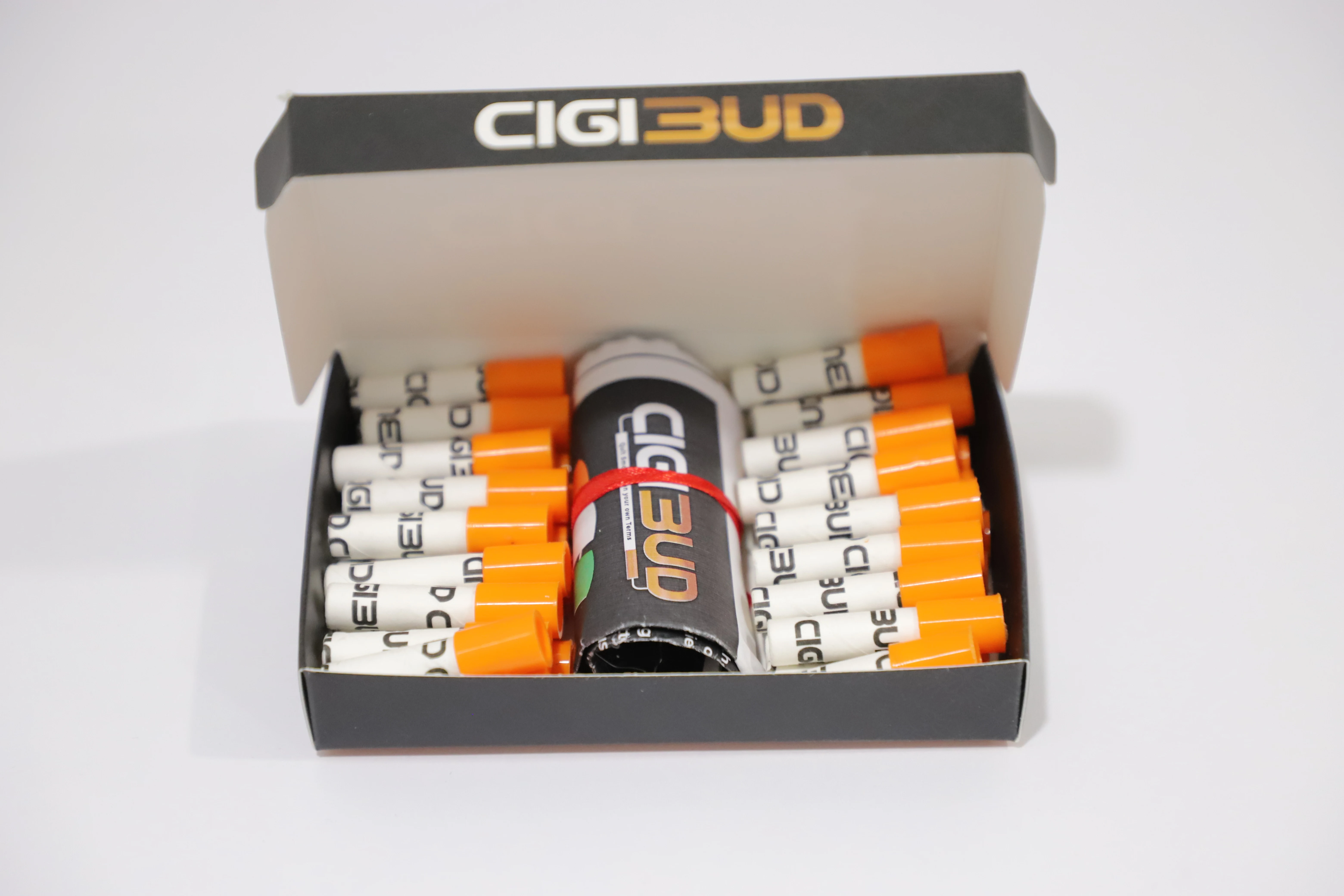
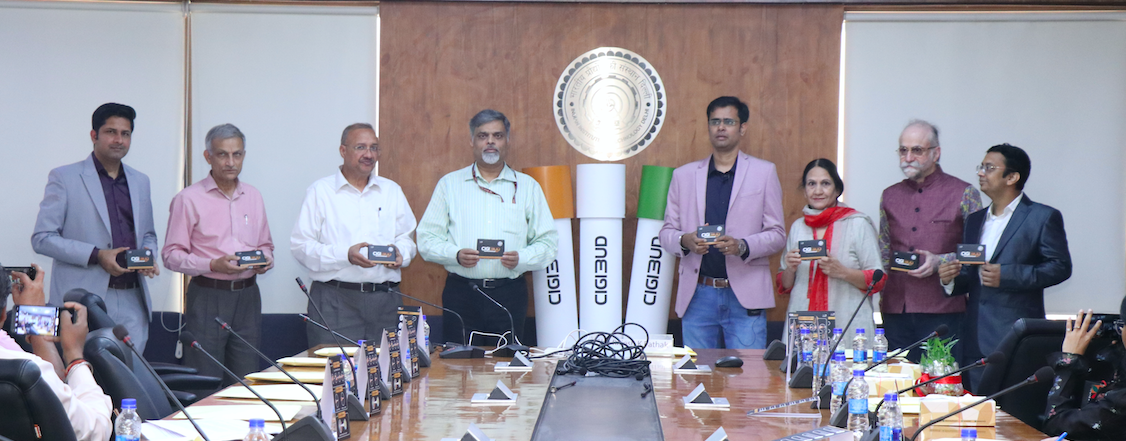
Nanoclean, the organization engineering advanced air filtration solutions launched Cigibud which is the World’s first Smoking Cessation Filter. The product has been developed in IIT Delhi employing the patented nanofiber technology for aiding in quitting smoking.

It is a scientifically proven therapy aimed at smoking cessation over a span of 3 months. The product has been curated taking inspiration from WHO-recommended Nicotine Replacement Therapy that majorly focuses on reducing nicotine levels. The nanofiber technology helps in filtering out a significant quantity of tar and nicotine that eventually makes the user accustomed to lower levels of nicotine.

Cigibud comes in a pack to Light, Ultra, and Pro levels to help quit smoking step-by-step. It is a three-stage process where 60% & 30% tar and nicotine are reduced at the Light level respectively. Increasing the effectiveness at every level, 70% tar and 50% nicotine are compromised at the Ultra level. And at the Pro level, the tar and nicotine are brought down by 80% individually.

Cigibud Launch
Cigibud Launch

Cigibud

Cigibud

Smoking inherently has unwelcome repercussions on health with the potential to cause deadly diseases such as cancer, heart disease, chronic bronchitis, COPD, lung disease, stroke, etc. in a person. Understanding that smoking is a form of addiction that takes time to recede, the product was devised meticulously to check the perils of smoking throughout the quitting regime and afterward as well. For which the nanofibers have been used in Cigibud to make smoking up to 80% less injurious to health. In the meantime, it ensures smoothness in the throat and naturally reduces the urge to smoke. It is compatible with all types of cigarettes. The effect is such that after using Cigibud, people find normal cigarettes bitter and ultimately very repulsive to smoke.

Speaking on the occasion, Prateek Sharma, the Founder & CEO of Nanoclean Global Private Limited said, “Smoking is quite addictive, and even though people are aware of the health repercussions, they find it difficult to break free from the vicious cycle. Therefore, we devised Cigibud to help them quit smoking systematically by making them used to the lower levels of nicotine while making it a smooth experience for them. With the help of Cigibud, we at Nanoclean strive to contribute to society and humankind by giving them advanced solutions to help them quit smoking effortlessly. We continuously work towards abating the lethal effects of smoking by harnessing the benefits of technology available at our disposal.”

IIT-Delhi Alumni Founded Baaz Launches ‘Made-in- India’ Smart-Rugged e-Scooters and EV Ecosystem for Gig Delivery Riders

IIT-Delhi Alumni Founded Baaz Launches ‘Made-in- India’ Smart-Rugged e-Scooters and EV Ecosystem for Gig Delivery Riders

Baaz Bikes introduces its EV Ecosystem with the Gen Next model and advanced technology

Founding Team from IIT Delhi launches ‘Made in India’ Baaz Electric Scooter, Baaz Swapping Network and Energy Pods (swappable battery) to facilitate fast EV Adoption among the Gig Delivery Riders

  • Rugged and Safest EV Ecosystem built to last long.
  • Energy Pods (swappable battery) are 1kWh Lithium Ion based Batteries specially designed by Baaz. The company will also cater electric pods to other OEM’s as well.
  • CAN-based intelligent BMS designed In-house.
  • Batteries can be swapped in less than 90 seconds through Baaz Swapping Network.
  • “Baazigar” App to help the gig workers to track down the nearest swapping station.
One of the leading electric mobility startups, Baaz Bikes, introduces its new generation electric vehicle ecosystem in India. Making the adoption of green mobility faster for gig delivery riders with safety and convenience, the company has launched its first ‘Made-in- India’ Smart-Rugged Electric Scooters along with Intelligent Swappable Batteries, an Automated Battery Swapping Network, and Fleet Management Tools, at the Indian Institute of Technology, Delhi.

The electric mobility startup is founded by IIT Delhi alumni — Abhijeet Saxena, Anubhav Sharma, Karan Singla and Shubham Srivastava. 

With the aim to bring cost-effective and innovative solutions to the two-wheeler logistic market in India, Baaz Bikes has launched a purpose-built electric scooter, especially for gig workers to meet their daily mobility needs. Designed and developed by the in-house team, the electric scooter is priced aggressively at Rs. 35,000* (ex-showroom price, Delhi), maintaining the ruggedness and safety of gig delivery riders. The effective price of the scooter has been brought down significantly by separating the battery from the electric scooter, making it much more economical for gig riders.

Baaz Scooter
Baaz Scooter

The buyers can rent electric scooters from the authorised Rental Partner Network of Baaz. Baaz will sell these scooters to small-scale dealerships where gig delivery riders can rent them, empowering micro-entrepreneurs in line with the vision of ‘Local for Vocal’. The Baaz Swapping Network will work on the pay-as-you-move model, which will further lower the daily cost of usability for gig delivery riders.

Speaking on the occasion, Mr Anubhav Sharma, Chief Executive Officer, Baaz Bikes, said, “As a leading promoter of sustainable mobility, our vision is to bring high-quality products and develop an advanced ecosystem with utmost safety and complete satisfaction for the gig riders. All our products and services are designed & developed in-house to bring prominent solutions for the riders on the road such as range anxiety, easy access to charging and lower running expenses. At present, we are operating with a cluster approach, where we launch our vehicles within a radius of 4-5 km in Delhi. In the next 8 months, we aim to replicate this model in multiple clusters to achieve density and blanket the entire Delhi with the Baaz Ecosystem, maintaining the high utilisation of the network. As the network grows, it will open new opportunities for us to address a wider audience.”

On EV prospects and the company’s vision, Mr. Shubham Srivastava, Chief Technology Officer, Baaz Bikes, said “Each of our design ideologies stems from some unique insight obtained from ground reality. The commercial segment has a lot of rough usage which impacts the overall condition of the vehicle if not maintained well. While designing the product, our key focus was to develop an electric scooter which can meet the operational challenges and stand as a strong partner for gig riders. Considering the present need and demand of the riders, we decided to make a strong metallic exoskeleton that encloses everything and that too, an elegant one. Further, the scooter is also enabled with the latest technology to provide necessary support at the time of deliveries.”

The delivery segment in India is characterised by extreme daily usage of 100+ km and the least tolerance to vehicle downtime. Even during an impact, the Baaz scooter's high-strength steel exoskeleton protects the chassis and the intelligent proprietary components enclosed within this structure, and the proprietary suspension makes potholes less jerky and gives the vehicle an extraordinarily long life even in commercial use.

Baaz Energy Pods come with a bunch of safety features recommended by AIS 156 as a standard, making them thermal management flame retardant. They also have an IP 68 rating, making them waterproof and shockproof in normal conditions.

The Automated Swapping Network charges the batteries in a proprietary thermally controlled environment, which increases the battery life significantly. The Swapping Network can be accessed by an RFID card issued by the company and can dispense a charged battery in less than 90 seconds. The company is working towards charging infrastructure using its unique business model, ensuring more than 80% utilisation of the Baaz Swap Network from day 1.

Baaz’s proprietary fault detection and preventive management system senses any incident of fire or water logging and averts any accident. The system comes with features like Anti-Vandalism and Anti-Theft to prevent any unauthorised usage.

SPECIFICATION FOR BAAZ SCOOTER:

The Baaz scooter is designed for a daily usage of more than 100km, putting emphasis on the vehicle ergonomics for the riders comfort and safety during longer rides.
  • With a height of 730mm and wheelbase of 1170mm designed as per 95% Indian Male makes it a comfortable ride. 
  • The overall dimensions of the Scooter are intentionally kept on the smaller side measuring, L-1624mm | W-680mm | H-1052mm to beat the traffic.
  • No need for registration, Baaz Scooter is a Slow Speed Scooter with a maximum speed of 25 kmph.
  • Keeping in mind, the comfort of the Rider, the dual fork hydraulic suspension setup is provided in front along with a dual shock absorbers at rear.
  • The scooter is completely keyless overcoming the hassles of twisting the keys
  • Turn the scooter on or off effortlessly, unlock the seat and find my scooter button help locate the scooter in a messy Parking.
  • Range estimation shows the user, exact kms the scooter can ride with current battery charge, which is not a usual site in this price category of Scooters.

SPECIFICATIONS FOR ENERGY PODS: 

Baaz Energy Pods
Baaz Energy Pods

Energy Pods or Baaz batteries are a combination of Lithium Ion cells enclosed in an Aluminium casing. It comes with an in-house designed Battery Management System, which ensures the safety and reliability in all usages and conditions.
  • A handy swappable battery with a weight of 8.2 Kg
  • Dimensions of the battery are L-180mm | W-119mm | H-335mm
  • Energy density of 1028 Wh
  • Impact-resistant housing and cover
  • IP 68 rated, waterproof and splash proof under normal circumstances.
  • Proprietary thermal management system designed to ensure safe operations even over 45 oC ambient temperature, specifically designed to suit Indian conditions.
  • Blind mating battery connection to ensure minimal human interaction hence minimizing damage with a poka-yoke design.
  • CAN 2.0 enabled communication based on top of a proprietary application layer
  • GPS enabled for real-time battery tracking as well as vehicle tracking
  • Baaz batteries are electronically encrypted and can be charged only inside the Baaz Swap (Baaz swapping station). This ensures that the batteries are always charged inside the cooled battery compartments ensuring 2000 charge/discharge cycles.
  • The battery comes with an in-house developed Battery Management System which has the following features
    • Over voltage protection
    • Under voltage protection
    • Over temperature protection
    • Under temperature protection
    • Overcurrent protection
    • Resettable short circuit protection

SPECIFICATIONS FOR BAAZ BATTERY SWAPPING NETWORK: 

The swap-based Energy Network has been designed with the ideology of making the machine completely automated. To promote human-less operations, we had to reinvent the concepts around theft and vandalism as well to make sure that the machine is immune to all extreme weathers across India.
  • Dimensions L-950mm | W-820mm | H-1790mm
  • Dedicated Power of 10 kW
  • Comes with nine battery recharging compartments.
  • Swap slots designed for Indian user height with blind mate connectors for effortless battery swapping.
  • Completely automated machine, accessible by RFID card
  • All metal body to discourage any vandalism
  • Display reinforced with an unbreakable Polycarbonate sheet
  • Anti-tamper fasteners used along with multiple layers of disassembly
  • All weather IP 65 rated to withstand rains and dust.
  • Dedicated 300 mm height within the machine to make it immune to water logging issues
  • 4G LTE IoT enabled for real-time data monitoring
  • Water sensor to disable AC power in times of any water ingress and communicating the same on the server
  • Smoke sensor to disable the AC power in times of any possible smoke/fire and communicating the same on the server
  • Dedicated refrigeration unit for thermally controlled charging enhancing the battery life to 2000 cycles.

Baaz Ecosystem Teaser Video» 


About Baaz

Baaz is a Product First Indian Mobility Ecosystem, for the Gig Delivery Riders to maximise their in-hand incomes with the help of their inhouse designed EV Ecosystem comprising of the Purpose Built electric 2Ws called Baaz, Advanced Li ion Batteries called Baaz Energy Pods, Automated Battery Swap Energy Network called Baaz Swap Network and an App called "Baazigar". The company is based out of New Delhi, targets the Gig Delivery Riders as their primary customers and have completed 1.4 million green kms on the Baaz Platform.

*The ex-showroom price of Baaz scooter doesn’t include the cost of battery.


New "M.Tech in Electric Mobility" To Be Started by CART, IIT Delhi from 2021-22


IIT Delhi will start a new Post Graduate programme ‘M. Tech in Electric Mobility’ from academic session i.e. 2021-22. The programme will be offered by the Centre for Automotive Research and Tribology (CART) at IIT Delhi. The IIT-Delhi Board had recently given approval to start the programme.

Candidates with 4-year Bachelor’s degree in following disciplines, will be eligible to apply for the two-year Master’s degree programme in Electric Mobility to be offered by IIT Delhi -
  • Electrical Engineering, 
  • Electrical and Electronics Engineering, 
  • Mechanical Engineering, 
  • Industrial Engineering, 
  • Production Engineering, 
  • Mechatronics, 
  • Automobile, 
  • Manufacturing Science/Engineering, 
  • GATE qualified in either Electrical Engineering (EE) or Mechanical Engineering (ME) or Production and Industrial Engineering (PI)  
In addition, "sponsored candidates" from industry/academia/government organizations will be "encouraged" to apply.

The new M.Tech. programme in "Electric Mobility" is multidisciplinary in nature and will cover key aspects related to electric vehicles, drivetrain, chargers and charging infrastructure, battery energy storage systems, Battery Management System, reusability of energy storage elements, reliability, automotive health monitoring, Automotive NVH (Noise, Vibration, and Harshness), vehicle dynamics, autonomous and connected vehicles, vehicular telematics, and materials for electric vehicle, along with hands on practice and design in laboratories.

CART, (formerly known as ITMMEC) has been established in May 2019 with a vision to promote interdisciplinary research in Electric Vehicles (EV) and related areas.

B K Panigrahi, Head, CART said --
The new PG program has been designed with active participation of leading professionals from academia and industry. Moreover, CART is already actively engaged and working with many industries on forefront projects in EVs. The students will get the opportunity to work with state-of-art laboratory facility and will also be exposed to work on various simulation software and HIL platforms.

IIT Delhi Researchers Files Patent for Tech Developed for Hydrogen-based Electricity Generation with Zero-Emission


Technology for Hydrogen Utilization in Spark-Ignition Engine Generator for Electricity Generation with Zero-Emission Developed by IIT Delhi Researchers

Technology developed in collaboration with Kirloskar Oil Engines Limited and Indian Oil R&D Centre

Diesel-fuelled internal combustion engine generator for electrical power generation mainly emits carbon monoxide (CO), Hydrocarbon (HC), Smoke, Particulate Matter (PM), Oxides of Nitrogen (NOx) and Carbon dioxide (CO2) emissions resulting in a contribution to air pollution.

To tackle this, researchers at the Engines and Unconventional Fuels Laboratory, IIT Delhi developed a new technology and built “Hydrogen fuelled Spark-Ignition Engine Generator” in collaboration with Kirloskar Oil Engines Limited (KOEL), and the Indian Oil R&D Centre for the utilization of hydrogen in internal combustion engines for zero-emission with higher thermal efficiency. A dedicated lubricating oil for the engine was also developed by the IOCL.

The project was mainly funded by the Ministry of New and Renewable Energy (MNRE), Government of India, and supplementary funded by KOEL and IOCL R&D Centre.

IIT Delhi and KOEL have jointly filed a patent application for the technology.

A view of Hydrogen Fuelled Spark-ignition Engine Generator for Electrical Power Generation

Dr. K. A. Subramanian, Principal Investigator of the project and professor at the Centre for Energy Studies, IIT Delhi --
As Hydrogen does not contain carbon, the hydrogen-fuelled engine does not emit any carbonaceous emissions. The emission ‘oxides of nitrogen’ can be controlled to ultra-low level using the appropriate technologies.
Hydrogen is available as a tangible product from industries including chloro-Alkali, ammonia, and refineries. Hydrogen can also be produced from the splitting of water using electrolyzers coupled with renewable energy sources (solar, wind, biomass, etc.). The surplus electricity can be converted into hydrogen using the electrolyzer and then, the electricity can be produced using this engine whenever needed such as meeting peak load demand, no short-term grid power available, emergency, etc.

The hydrogen fuel at up to 4 bar from the gaseous cylinder (150 bar / 350 bar / 700 bar) or the pipeline stored at low pressure (10 bar and above) in the industries will be injected into the intake manifold of the engine.

The technology will be useful to the industries (chloro-Alkali, Ammonia, etc.), those are producing hydrogen as tangible or main products, to generate electrical power to meet their inhouse-power requirement in the industry".

The developed hydrogen engine can also be used in decentralized power generation for industries, buildings, etc. Thus, the green power with hydrogen can be generated using the multi-cylinder spark-ignition engine generator with the developed technology for strengthening the sustainable energy and environment."

Dr. Subramanian added, "If hydrogen infrastructure can be developed and made available in the future, diesel generators can be replaced with hydrogen generators for electrical power generation. It will help to control air pollution, especially in urban areas.”

(Prof. K. A. Subramanian, Centre for Energy Studies (CES), IIT Delhi can be reached at: subra@ces.iitd.ac.in)

P Rajendran Felicitated with IIT Delhi Alumni Award for Outstanding Contribution to National Development – for Corporate Excellence


NIIT Limited, a global leader in Skills and Talent Development, announced that P. Rajendran, Joint Managing Director & Co-Founder, NIIT Ltd. has been felicitated with the prestigious IIT Delhi Alumni Award for Outstanding Contribution to National Development - Corporate Excellence. The award was presented during an exclusive three-day online Conclave - IIT Delhi Alumni Fest 2020 themed ‘Exploring the New Normal’ from 26-28 December 2020, and part of IIT Delhi's Diamond Jubilee celebration.

These awards were instituted by the IIT Delhi Alumni Association (IITDAA) in 1999 to honour IIT Delhi alumni for their contribution towards National Development, and are conferred each year to enhance the awareness of the work done by IIT Delhi Alumni in their professions, impacting national development.

Speaking during the occasion, Ravindra Kumar, President, IIT Delhi Alumni Association (IITDAA) said, “We value the outstanding achievements by IIT Delhi Alumni in their respective fields and are immensely proud of the contributions made by them. I congratulate all the awardees on their achievement.”

On receiving the award, P. Rajendran said, “It is a once in a lifetime moment for me to receive this prestigious award. I thank the entire IITD Alumni for conferring this honour on me for Corporate Excellence.”

“It was indeed a transformational point in my life when I moved into the start-up NIIT Limited and co-created the company with the founders. I am blessed to be a part of the NIIT journey, a company where the key mantra remains ‘NIIT is people’. My gratitude to every member of NIIT from yesterday and today, who have helped NIIT impact the lives of over 35 million learners worldwide,” added Mr. Rajendran.

For Rajendran, the root of and the route to corporate excellence lay in the hands, minds and spirit of the People at NIIT. With the stated belief that ‘NIIT is People’, he led innovative people initiatives for over three decades, bringing out the best in NIITians and helping them realise their vast inherent potential to grow continuously – in the profession, in the family and in their impact on the community. These led to great team work, high emotional and social quotients in NIITians, making them a unique breed of high performing professionals. When they move out of the company, they don the title of ‘Forever-NIITian’ proudly. NIIT received many acknowledgements - Innovative HR Practices, Top 25 ‘Best Places to work for’, Star Employer, 4th rank in India’s Best companies to work for and more.

An IIT Delhi Alumnus of the 1974 B.Tech EE, Rajendran is a member of the core team that developed and brought NIIT to its present position of global standing, since its inception in 1981. Rajendran also serves on the Board of Management of the not-for-profit NIIT University and is actively engaged with the not-for-profit NIIT Foundation, which addresses the skilling and employability needs of youth from the underprivileged segments of the society.

It may be recalled that members of the founding team of NIIT, Rajendra S Pawar, Chairman & Co-Founder, Vijay Thadani, Vice Chairman & MD and Co-founder, are among the past recipients of the prestigious IIT Delhi Distinguished Alumni award and Arvind Thakur, Former Vice Chairman & MD at NIIT Technologies Ltd., has been felicitated as the distinguished Alumnus of NITIE Mumbai and is a silver medallist from IIT Kharagpur.

IIT Delhi's Startup Nanosafe Launches India's First Zero Alcohol Sanitizer

With the COVID-19 crisis still looming, and the nation gradually shifting back to normal; there is a dire need for innovative solutions - now more than ever. An IIT Delhi startup named "Nanosafe Solutions" which launched the revolutionary self-sanitizing 50 wash reusable N95 grade antiviral NSafe masks, has now come up with patented active copper (AqCureTM) infused zero alcohol sanitizer cum moisturizing lotion that can provide prolonged protection up to 24 hours to all exposed parts of the body.
Nanosafe Solutions Founder, Dr. Anasuya Roy & Rubsafe - the Zero Alcohol Sanitizer

The team claims that RubSafe can deactivate most enveloped as well as non-enveloped viruses including SARS-CoV-2; which causes COVID-19. And against conventional nano silver based sanitizing solutions, this sanitizer from Nanosafe provides a much safer alternative with nano copper infusion. Copper is an essential micronutrient for the human body and together with iron, enables the body to form red blood cells (RBCs). 

Conventional alcohol-based sanitizers might be antimicrobial, but their effects last for a short period. Since alcohol has a high evaporation rate, soon after application, the skin is left unprotected. Babies, for example, have sensitive skin, and alcohol, being an abrasive, affects them adversely. 

The RubSafe sanitizer, with a zero alcohol composition, offers 24 hour protection against all types of viruses and microbes. The sanitiser can effectively last throughout the day, delivering added protection against any kind of infection or germs.

Dr. Anasuya Roy, Founder & CEO, Nanosafe, stated, "To date, most sanitizing solutions are infused with either alcohol, most of the time or in some cases nano silver. And the toxicity of silver is a well-known fact. During my research years, I got to learn about the benefits and drawbacks of using silver, copper, and zinc as anti viral solutions. That is when we zeroed on copper as our sanitization and antimicrobial solution."

Nanosafes flagship product - NSafe mask was touted even better than N95 masks owing to its self-sanitizing, and water repellent layers. It could be reused over 50 times and hence was probably the safest and most economical option available in the market. Its another flagship product AqCure water bottles and containers are the world's first antiviral water bottles in which stored water gets free from microbes upon storage.

With the RubSafe range of nano copper infused sanitizing lotion, Nanosafe envisions a future free from alcohol-based sanitizers. Currently it is available in two aromas - lavender and lemongrass. Nanosafe has collaborated with specialty finishing company Britacel Silicones to manufacture this product.


While the infected cases are still rising, and fatalities are at an all time high, the world is constantly trying to return to normal with effective social distancing. In such challenging times, the students, employees, healthcare workers, essential service providers who have no choice but to head out, deserve more such innovative products.

And with premier institutes like IITs taking the charge, we can be rest assured of a future where we are well-prepared for, God forbid, pandemics like these. Rubsafe, the zero alcohol sanitizer, is available at nanosafesolutions.com.

Haryana-based Varsity, IIT Delhi, AIIMS & Chennai Mills Together Develop Kit to Fight Coronavirus

Haryana-based World University of Design on Monday said it along with IIT Delhi, AIIMS and a few textile mills in Chennai have developed indigenous personal protection equipment kits for healthcare workers in the fight against coronavirus infection.

The prototypes of PPE kits are currently undergoing the second round of testing in a Chennai hospital and are expected to go into production within this week, World University of Design Vice-Chancellor Sanjay Gupta said in a statement.

IIT Delhi, AIIMS, World University of Design and Chennai-based textile mills have jointly developed the kit, he said.

"The design and production of these kits is open source, therefore any small or medium scale factory interested can take the design from us and start manufacturing them.

"The key feature of this design is the ease of doffing, where the garment can be taken off by the person without touching the infected outer surface. The prototypes for these kits have been created following the required protocol," Gupta said.

The World University of Design is a private university in Haryana.

According to the health ministry update on Monday, the death toll due to the coronavirus has reached 559 and the number of cases has risen to 17,656 across the country.

Some of the Indian firms have started manufacturing PPE kits in small quantities.

Gupta said that a team of researchers from WUD has designed the PPE sets keeping in mind the ease of donning and doffing the PPE without help.

"These sets are designed to make them fit Indian body shapes and sizes. They help avoid loose, hanging parts which may come in contact with infected surfaces and get contaminated.

"There are no unnecessary openings which may aid the contagion to pass through the PPE, thereby infecting the person in question. Even micro-openings created while stitching the garment, which may provide a pathway for the virus to enter, are sealed off along with the seams," the statement said.

Loyal Textile Mills will start production once the suit sealing machine reaches the factory.

A PPE kit includes goggles, face-shield, mask, gloves, coverall/gowns (with or without aprons), headcover and shoe cover. PTI PRS RAM

IIT Delhi Incubated Startup Sanfe launches Reusable Sanitary Pads made from Banana Fibers


Sanfe, IIT Delhi-incubated startup for designing and developing products for improving female health and hygiene, today forayed into the sanitary napkin/pad segment with the launch of first Reusable Sanitary Pads, made with composite banana fiber, which can last upto two years (around 120 washes).

Sanfe Reusable Pad is developed by Mr. Archit Agarwal (CEO and Co-founder) and Mr. Harry Sehrawat (COO and Co-founder), based on inputs from several IIT Delhi Professors. The reusable pads are ultra-thin and are highly absorbent with Quadrant True Lock Technology which makes the pad leakproof and avoids creating any rashes. A patent has also been filed for the design. A pack of two pads is priced at Rs. 199.


These reusable sanitary pads can be used multiple times (upto 120 times) after washing them in cold water with detergent after every use. A Reusable Sanitary Pad is made up of four layers of different fabrics.

  • Polyester Pilling - This fabric is highly wicking and doesn’t absorb the fluid, giving a dry experience throughout the day time.

  • Terry and Banana Fibers including viscose and Polyester Fibers - This part is highly absorbent, soaking and absorbing all the fluids making napkins highly absorbent.

  • Cotton Polyurethane Laminate - This is a breathable layer with water resistant properties giving leak-proof experience.


With these reusable sanitary pads, Sanfe is trying to address the huge problem of disposable pad waste burdening our planet. According to Menstrual Hygiene Alliance of India (MHAI) there are almost 336 million menstruating women in India, of which 36% use disposable sanitary pads summing up to 121 million. India has approximately 12.3 billion disposable sanitary napkins to be taken care of every year, and a majority of these are non-biodegradable. Most of these sanitary napkins are made of synthetic materials and plastic, which can take more than 50-60 years to decompose. This enormous amount of menstrual waste is usually dumped in landfills, thrown in open spaces and water bodies, burnt, buried (shallow burial) or flushed down toilets. These disposal techniques create a hazard for the environment. For instance, burning releases carcinogenic fumes in the form of dioxins creating an air pollution hazard, putting this waste in landfills only adds to the burden of waste, and so on.

In African Countries, Government Bodies, NGOs and UN Bodies have adapted to reusable pads which is a part of Sustainable Menstrual Hygiene and started distributing the pads to school girls making the switch to reusable pads.

#IBleedGreen Movement

Speaking on the occasion of the launch Archit Aggarwal, Founder Sanfe and B.Tech student at IIT Delhi said, “Due to the taboo around it, women hygiene has been neglected in thought and talk. With our innovations in women hygiene, we want to empower women and make their life simpler. Even for women welfare, Government and NGOs regularly distribute subsidized disposable sanitary napkins in rural and semi urban areas which is a huge cost and harm to environment accounting only for a short term solution. We urge these organizations to switch to Reusable Pads under #IBleedGreen movement and can save upto 75% of the cost.

Prof. Srinivasan Venkataraman, Assistant Professor in the Department of Design at IIT Delhi commended the efforts of Sanfe. “This startup has carved a niche in the domain of women healthcare and hygiene with the launch of another useful product. All the products of Sanfe cater to the important needs of women, use simple science and are sold at affordable prices in the market.”

Mr Sanjay Kumar, Chief General Manager – Business Development at Hindustan Petroleum Corporation Limited (HPCL), Mumbai said, the premier technical institutes like IITs and their incubated companies are well known for coming up with path-breaking and revolutionary innovations. Sanfe located at The Technology Business Incubator (TBI) of IIT Delhi is one such organization that has been undertaking excellent and responsible work in feminine hygiene and wellness space. As HPCL stands by the progressive thinking and meaningful innovations, particularly towards empowering women, it will explore ways to jointly popularize the reusable period care product range under the flagship initiative of Government of India – Swachh Bharat Abhiyan. We congratulate the Sanfe team for this innovation and wish them grand success.

About Sanfe:

Sanfe is India’s feminine hygiene brand and women empowerment company promoting better health and wellbeing for all women, now and for future generations. Incubated at IIT Delhi, Sanfe was founded by two B.Tech. students, Archit Agarwal (CEO) and Harry Sehrawat (COO) when they were in their second year. The journey started during a trip to the mountains when one of their female friends contracted a Urinary Tract Infection caused by the use of dirty public washroom. It was only then they realised that this is a problem faced by over 50 percent of women in India.

Earlier they developed Sanfe Stand & Pee and Sanfe Period Pain Relief Roll On. The Stand & Pee product allows women to stand and urinate, and thereby, prevent physical contact with unhygienic toilet seats and reduce the chances of contracting UTIs. The Period Pain Relief Roll On is a natural product to relieve women from menstrual cramps without creating any side effects.

Biotechnology Industry Research Assistance Council (BIRAC), Department of Biotechnology and Hindustan Petroleum Corporation Limited have provided seed funds to Sanfe to support the brand in empowering women through affordable & sustainable solutions for their personal hygiene. The company is recognized by Government of India under Startup India program.

Market Reports

Market Report & Surveys
IndianWeb2.com © all rights reserved