Showing posts with label Plastic. Show all posts

Coca Cola, PepsiCo and Nestle, Top 3 Contributors of Plastic Pollution Globally

Coca Cola, PepsiCo and Nestle, Top 3 Contributors of Plastic Pollution Globally

Global producer responsibility for plastic pollution is a concept that focuses on the role of producers in managing the environmental impact of their products throughout their lifecycle. This approach, known as Extended Producer Responsibility (EPR), encourages manufacturers to design products with minimal environmental impact and take responsibility for the collection, recycling, or disposal of their products once they become waste.

The United Nations Environment Programme (UNEP) has been working on enhancing national and local capacity to implement EPR to reduce plastic pollution and improve resource efficiency. This includes developing global EPR guidelines and supporting toolkits to harmonize EPR approaches.

A recent study highlighted that fewer than 60 multinational companies are responsible for more than half of the world's plastic pollution. It was found that the top five brands globally, including The Coca-Cola Company, PepsiCo, Nestlé, Danone, and Altria, accounted for 24% of the total branded count of plastic pollution. This data underscores the importance of EPR schemes to hold companies accountable for the environmental impact of their products.

Notably, from 2018 to 2022, brand audit events were conducted across six continents with over 100,000 volunteers following a consistent protocol. These audit events have suggested that the largest companies in the food and tobacco sectors were the largest polluters in their region.

Global producers of branded plastic pollution identified

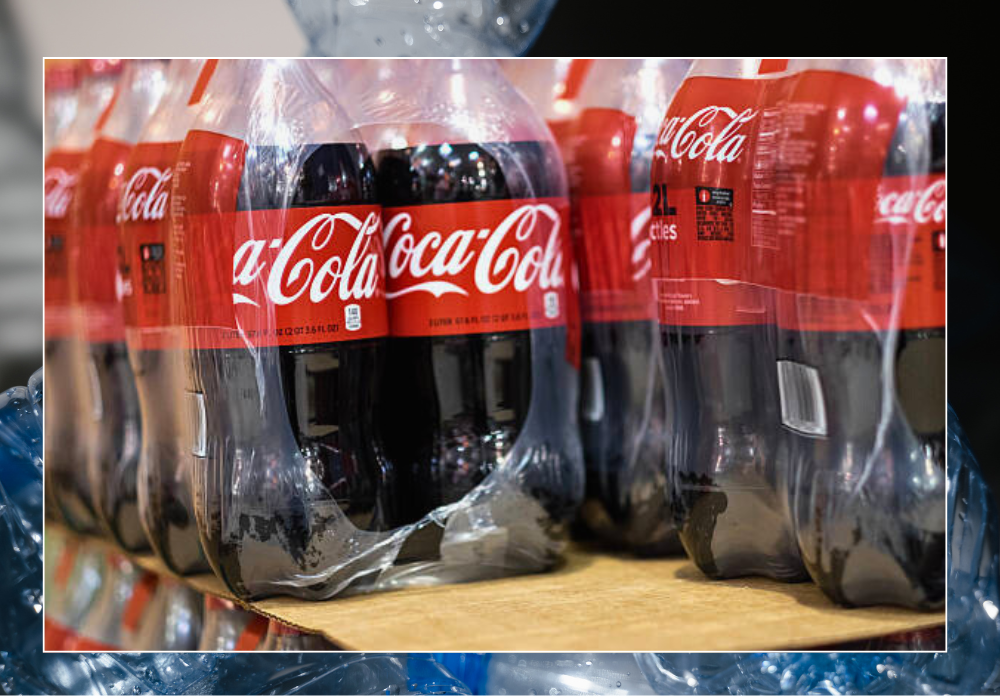
Thirteen companies have an individual contribution of 1% or more of the total branded plastic observed in the audit events. All 13 companies produce food, beverage, or tobacco products. The top company, The Coca-Cola Company, was responsible for 11%, significantly greater than any other company.

The top 5 companies were responsible for 24% of the branded plastic; 56 companies were responsible for greater than 50% of the branded plastic; and 19,586 companies were responsible for all of the branded plastic. It is important to note that the contributions of the top companies may be an under-estimation because there were brands that were not attributed to a company, and there were many unbranded objects.

Branded plastic pollution and production relationship

To understand the relationship between producer plastic production and pollution, the researchers compared two independently collected datasets — the audit event dataset — and — the plastic production dataset derived from the Ellen MacArthur Foundation.

These datasets suggests that larger companies are not doing any better or worse than smaller companies at preventing the plastic they produce from entering the environment. The relationship between production and pollution, production (%) = pollution (%), suggests that production is a very strong lever on pollution. Alternative scenarios could exist where larger companies are doing much worse.

This data underscores the importance of EPR schemes to hold companies accountable for the environmental impact of their products.

EPR policies are being developed and implemented globally to address the urgent issue of plastic pollution. These policies are designed to improve the efficiency and transparency of data management, financing, collection, and recycling of plastics. The United Nations Environment Programme (UNEP) has partnered with various organizations to increase capacity to develop and implement EPR approaches for plastic products, aiming to harmonize these approaches globally. 

EPR policies are based on the "polluter pays" principle and are generally implemented by governments through a set of rules and targets. These policies aim to hold manufacturers accountable for the end-of-life impacts of their plastic products and packaging, and to encourage eco-design in the business sector.

The concept is gaining support from global companies and organizations as a mechanism to provide dedicated funding to increase recycling rates and reduce plastic pollution. Phasing out single-use and short-lived plastic products by the largest polluters could greatly reduce global plastic pollution.

Extended Producer Responsibility (EPR) in India

Extended Producer Responsibility (EPR) in India is a significant environmental policy that mandates producers, importers, and brand owners to manage the disposal of plastic packaging waste. This initiative is part of the Plastic Waste Management Rules, 2016, and aims to ensure that plastic packaging waste is processed through recycling, reuse, or end-of-life disposal methods such as co-processing, waste-to-energy, plastic-to-oil, road making, or industrial composting.

In India, the 2022 Brand Audit analysis by 'Break Free From Plastic' found that PepsiCo, CG Foods India Pvt Ltd, and Perfetti Van Melle were the top three plastic polluters in 2022. The audit events documented more than two lakh (201,543) plastic items, with PepsiCo contributing 19,093 pieces of plastic waste. In previous years, other companies like the Karnataka Milk Federation and Tamil Nadu Co-operative Milk Producers' Federation Ltd were identified as the biggest plastic polluters in India.

These findings underscore the importance of implementing effective Extended Producer Responsibility (EPR) policies to hold companies accountable for the environmental impact of their products. EPR policies in India are designed to ensure that producers are responsible for the lifecycle management of their products, including the collection and recycling of plastic waste. The Central Pollution Control Board (CPCB) has developed an online portal for the registration of producers, importers, and brand owners to improve accountability and transparency in fulfilling EPR obligations. 

While companies like Coca-Cola have pledged to make all packaging recyclable globally by 2025 and Nestlé is said to be working to reduce virgin plastic usage, the study suggests that these measures alone are insufficient. The strong linear relationship between plastic production and pollution indicates that reducing plastic production is pivotal in curbing plastic pollution. Therefore, a fundamental change in regulating plastic producers is crucial in addressing the issue of plastic pollution in India and globally.

The Ministry of Environment, Forest and Climate Change of India has taken steps to streamline the implementation process of EPR by notifying 'Guidelines on Extended Producer Responsibility for Plastic Packaging' in the Schedule II of the Rules on February 16, 2022. These guidelines are designed to strengthen the circular economy of plastic packaging waste, promote the development of new alternatives to plastics, and provide a roadmap for businesses to move towards sustainable plastic packaging.

The Central Pollution Control Board (CPCB) has developed an online centralized portal for the registration of Producers, Importers, and Brand Owners (PIBOs) who operate in more than two states, while those operating in one or two states/UTs are registered with the concerned State Pollution Control Boards (SPCBs). The portal is intended to improve accountability, traceability, and transparency in fulfilling EPR obligations.

The EPR regime in India also includes a market mechanism for the sale and purchase of surplus extended producer responsibility certificates, which is a significant step in formalizing and developing the plastic waste management sector. The implementation of EPR is supported by a customized online platform that acts as the digital backbone of the system, allowing for tracking and monitoring of EPR obligations and reducing the compliance burden for companies through online registration and filing of annual returns.

Overall, EPR in India is a comprehensive approach to tackling plastic pollution by involving producers in the lifecycle management of their products, thereby contributing to environmental sustainability.

Airtel Now India 1st Telco To Switch To Recycled Plastic SIM Cards

Airtel Now India 1st Telco To Switch To Recycled Plastic SIM Cards

  • Airtel switches to recycled PVC SIM cards – partners IDEMIA
  • The initiative will limit the generation of over 165 tonnes of virgin plastic leading to a reduction in CO2 equivalent of 690 tonnes in one year
Bharti Airtel (“Airtel”), one of India’s leading telecommunications service providers, in partnership with IDEMIA Secure Transactions has announced that it has switched from virgin plastic to recycled PVC SIM cards. This is in line with the company’s commitment to encouraging the adoption of circular business practices. IDEMIA Secure Transactions, a division of the IDEMIA Group, is a leading provider of payment and connectivity solutions for financial institutions, mobile network operators and automotive manufacturers.

An industry first in India, Airtel is the only telecommunications service provider to switch to recycled plastic SIM cards. With this migration, the generation of over 165 tonnes of virgin plastic will be limited which will further reduce the generation of over 690 tonnes of CO2 equivalent in one year.

This migration is in line with Airtel’s continued commitment to reducing greenhouse gases and promoting circularity with supplier partners and other stakeholders with the aim of encouraging them to reduce waste, recycle and reuse products.

Pankaj Miglani, Director - Supply Chain, Bharti Airtel, said, “We are delighted to announce yet another first as we continue to lead the Indian telecom industry. As a brand we endeavour to align our efforts to adopt various sustainable measures and contribute significantly towards India’s ambition to achieve net zero. Our collaboration with Idemia underscores our shared commitment to contributing to a sustainable future.”

Rahul Tandon, Senior VP - Connectivity Services, India, IDEMIA Secure Transactions, said, “We are proud of our long-standing partnership with Airtel. We congratulate Airtel for taking the lead in reducing the carbon footprint and providing green solutions to their subscribers in India. I would also like to thank all our R&D teams for making such innovations possible.”

Airtel has committed to reducing absolute scope 1 and 2 greenhouse gas (GHG) emissions across its operations by 50.2% by FY 2030-31 with FY 2020-21 as the base year. The company has also committed to reducing its absolute scope 3 GHG emissions by 42% over the same time frame. In line with this commitment, some of the key initiatives at Airtel include promoting energy efficiency, utilising open-access green energy and adopting renewable energy across operations, as well as building a climate resilient network, resource efficiency and waste management.

Carbon dioxide equivalent or CO2 equivalent is a metric used to compare the emissions from various GHGs on the basis of their global-warming potential, converted to the equivalent amount of carbon dioxide.

About IDEMIA Group

IDEMIA Group unlocks simpler and safer ways to pay, connect, access, identify, travel and protect public places. With its long-standing expertise in biometrics and cryptography, IDEMIA develops technologies of excellence with an impactful, ethical, and socially responsible approach. Every day, IDEMIA secures billions of interactions in the physical and digital worlds. IDEMIA Group brings together three market-leading businesses that enable mission-critical solutions:
  • IDEMIA Secure Transactions is the leading technology provider who unlocks safer and easier ways to pay and connect.
  • IDEMIA Public Security is a leading global provider of biometric solutions that unlock convenient and secure travel, access, and protection.
  • IDEMIA Smart Identity leverages the power of cryptographic and biometric technologies to unlock a single trusted identity for all.
With a global team of nearly 15,000 employees, IDEMIA Group is trusted by over 600 governmental organizations and more than 2,400 enterprises in over 180 countries.


Reliance Industries Becomes 1st Indian Company to Chemically Recycle Plastic Waste Into International Sustainability & Carbon Certification (ISCC)-plus Certified Circular Polymers

Reliance Industries Becomes 1st Indian Company to Chemically Recycle Plastic Waste Into International Sustainability & Carbon Certification (ISCC)-plus Certified Circular Polymers

The new innovation at Reliance Industries' Jamnagar refinery became the first refinery to get the important ISCC-Plus Certification. 

Reliance Industries Limited (RIL), operator of the world's largest integrated refining and petrochemical complex, has become the first Indian company to chemically recycle plastic waste-based pyrolysis oil into International Sustainability & Carbon Certification (ISCC)-Plus certified Circular Polymers. This new innovation is a testimony to RIL's commitment in reducing plastic waste and supporting Circular Economy in India.

Chemical recycling is a new development where the waste plastic, mechanically not recyclable, is converted to pyrolysis oil by suitable cracking of long polymer chain. Currently, most of the pyrolysis processes are based on thermal route which leads to lower yield and inferior quality of pyrolysis oil. RIL has developed a continuous catalytic pyrolysis technology which provides high yields of good quality pyrolysis oil from plastic waste. The process has been successfully demonstrated at demo scale.
RIL shipped its first batch of ISCC-Plus certified Circular Polymers, named CircuRepol™ (Polypropylene) and CircuRelene™ (Polyethylene).

RIL paves the way in India by using new technology to recycle plastic by converting plastic waste into special Circular Polymers, thereby making a positive impact on the environment. RIL’s commitment to sustainability is demonstrated through its innovative methods like chemical recycling which help create a Circular Economy. The company firmly believes in finding smart solutions to reduce plastic waste and inspire others to join in this journey towards a greener future.

CircuRepol™ and CircuRelene™ have been designed to lead the way in Circular Economy practices. RIL's Jamnagar refinery became the first refinery to get the important ISCC-Plus certification, proving that it can produce Circular Polymers through chemical recycling.

The ISCC-Plus certification guarantees that traceability and rules are followed in making Circular Polymers.

RIL has developed a technology that turns different types of plastic waste, including single- use and multi-layered plastics, into pyrolysis oil. The company is working with trusted partners to increase the production of this oil and turn the yield into Circular Polymers.
Chemical recycling has many benefits, including turning plastic waste into high-quality materials for new plastic. These materials can be used for packaging that comes into contact with food.

About Reliance Industries Limited

Reliance is India’s largest private sector company, with a consolidated revenue of INR 9,74,864 crore (US$118.6 billion), cash profit INR 1,25,951 crore (US$ 15.3 billion) and net profit of INR 73,670 crore (US$9.0 billion) for the year ended March 31, 2023. Reliance’s activities span hydrocarbon exploration and production, petroleum refining and marketing, petrochemicals, advanced materials and composites, renewables (solar and hydrogen), retail and digital services.

Currently ranked 88th, Reliance is the largest private sector company from India to be featured in Fortune’s Global 500 list of 'World’s Largest Companies' for 2023. The company stands 45th in the Forbes Global 2000 rankings of 'World’s Largest Public Companies' for 2023, the highest among Indian companies. Reliance is the top-ranked Indian company and the only one in the top 100 on Forbes' 'World's Best Employers' 2023 list. Additionally, it is featured among LinkedIn’s 'Top Companies 2023: The 25 Best Workplaces To Grow Your Career In India.' Website: www.ril.com


For the 1st Time, Tiny Plastic Found in Clouds, Catalysing Global Warming Dangerously

For the 1st Time, Tiny Plastic Found in Clouds Catalysing Global Warming Dangerously

Just a few years ago, micro plastics were found inside fish and other aquatic living being. Why? — Because of over consumption of plastics across the world and inadequate waste management. And, the fact that plastic take long long long time to degrade this led to a huge accumulation of plastic waste of all sizes in aquatic environments around the world.

Since the almost immortal plastic reached the oceans, in a latest shock to the world these plastic now in a tiny microplastic form have reached to the clouds (troposphere) that cause rain.

Japanese researchers have revealed in a research that Microplastics have finally found their way to the clouds. Researchers believe it can have a serious impact on marine ecosystems and climate change. The researchers have said that this is a big warning and immediate tough steps have to be taken regarding plastic or else it will not be stopped in the coming time and can even pose a major threat to the human body and environment.

In a new study led by Hiroshi Okochi, Professor at Waseda University, a group of Japanese researchers has explored the path of airborne microplastics (AMPs) as they circulate in the biosphere, adversely impacting human health, and the climate.

Their study was recently published in the journal Environmental Chemistry Letters with contributions from co-authors Yize Wang from Waseda University and Yasuhiro Niida from PerkinElmer Japan Co. Ltd. “Microplastics in the free troposphere are transported and contribute to global pollution. If the issue of ‘plastic air pollution’ is not addressed proactively, climate change and ecological risks may become a reality, causing irreversible and serious environmental damage in the future,” explains Okochi.

These microplastic, in atmosphere boundary, when exposed to sunlight and ultraviolet radiation at cloudy altitude, can contribute to greenhouse gases Catalysing climate change and global warming.

Methodology

To investigate the role of these tiny plastic particles in the troposphere and the atmospheric boundary layer, the team collected cloud water from the summit of Mount (Mt.) Fuji, south-eastern foothills of Mt. Fuji (Tarobo), and the summit of Mt. Oyama – regions at altitudes ranging between 1300-3776 meters.

Using advanced imaging techniques like attenuated total reflection imaging and micro-Fourier transform infrared spectroscopy (µFTIR ATR imaging), the researchers determined the presence of microplastics in the cloud water, and examined their physical and chemical properties.

Conclusion

Accumulation of Airborne Micro Plastics (AMPs) in the atmosphere, especially in the polar regions, could lead to significant changes in the ecological balance of the planet, leading to severe loss of biodiversity.

Okochi concludes by saying “AMPs are degraded much faster in the upper atmosphere than on the ground due to strong ultraviolet radiation, and this degradation releases greenhouse gases and contributes to global warming. As a result, the findings of this study can be used to account for the effects of AMPs in future global warming projections."

Boon (formerly Swajal) Marks Entry in Bhutan By Collaborating with &Beyond Hotel to Eradicate Plastic Wastage

Boon and &Beyond's collaboration targets a reduction in carbon emissions exceeding 2,800 kilograms.

Boon, a globally recognized water technology startup utilizing cutting-edge IoT technology, is pleased to announce its strategic partnership with &Beyond Hotel, marking its entry in Bhutan. Together, they are dedicated to providing access to safe drinking water while simultaneously addressing the critical issues of plastic waste and water inefficiency through Boon's revolutionary ZeroMileWater™ technology. This pioneering endeavor underscores our commitment to sustainability, eco-friendly hospitality, and the broader cause of environmental conservation within the Bhutanese context.

Boon (formerly Swajal) Marks Entry in Bhutan Collaborating with &Beyond Hotel to Eradicate Plastic Wastage
Boon patented Zero Mile Initiative introduces an innovative in-house water purification system that filters and packages water in eco-conscious glass bottles, thus substantially reducing plastic waste. By embracing a zero-mile delivery approach, this initiative further minimizes carbon emissions associated with long-distance transportation.

Boon's collaboration with &Beyond in Bhutan is fully aligned with the nation's unwavering dedication to environmental preservation. Bhutan, often heralded as the world's first carbon-negative country, a vital carbon sink in the global fight against climate change. The partnership between Boon and &Beyond is poised to contribute significantly to Bhutan's sustainability efforts, potentially resulting in the reduction of over 2,800 kilograms of carbon emissions and more than 930 kilograms of plastic waste annually. 

Dr. Vibha Tripathi, Managing Director of Boon, remarked, "Our collaboration with &Beyond Bhutan extends the reach of our global impact. Boon's innovative NetZeroWater™ technology seamlessly complements &Beyond's steadfast commitment to sustainable tourism and the broader development goals of Bhutan. Together, we are setting new benchmarks in sustainable hospitality and environmental preservation."

Boon embraces a circular economy approach by providing sustainable glass bottles for monitoring water quality and hydration delivery, aided by state-of-the-art AI and IoT technologies. This initiative significantly minimizes plastic waste generation within hotel rooms and premises.

About Boon (formerly known as Swajal):

Boon, formerly known as Swajal, is a pioneering impact-driven water technology startup that leverages advanced technology and innovation to transform the landscape of drinking water solutions. Boon is on a mission to celebrate water as the precious resource it truly is. Boon introduced the revolutionary WaterATM™ in 2014 and developed one of the world's pioneering IoT platforms, Clairvoyant™, for monitoring drinking water purifiers on a global scale. Over time, Boon has expanded the focus of Clairvoyant™ to encompass not only its profound social impact but also its substantial environmental contribution by enabling hotels, restaurants, and offices to transition from plastic-based hydration solutions to more sustainable alternatives.

Anushka & Virat Kohli Backed Plant-based Meat Brand Blue Tribe Foods Earns Sustainability Seal

Blue Tribe Foods, goes completely Plastic and Carbon Neutral 

Blue Tribe Foods, the visionary plant-based meat brand endorsed and invested in by Bollywood sensation Anushka Sharma and cricket maestro Virat Kohli, has marked a significant milestone in its journey towards a sustainable future. In collaboration with The Disposal Company (TDC), Blue Tribe Foods has achieved both plastic and carbon neutrality, solidifying its commitment to environmental responsibility.

Anushka & Virat Kohli Backed Plant-based Meat Brand Blue Tribe Foods Earns Sustainability Seal

Additionally, the brand's dedication to sustainability has been rewarded with the prestigious Sustainability Seal for its innovative products.

Founded by Sandeep Singh and Nikki Arora Singh, Blue Tribe Foods has been a trailblazer in the plant-based meat industry, offering a delectable range of alternatives made from pea, soybeans, lentils, grains, and other vegetarian ingredients. Their products have not only wowed taste buds but have also contributed significantly to a greener planet.

The investment and endorsement of Anushka Sharma and Virat Kohli catapulted Blue Tribe Foods into the spotlight, amplifying its mission to reshape India's meat consumption habits. As advocates for plant-based eating, the celebrity couple's decision to support Blue Tribe Foods was a testament to their values of compassion for animals and environmental sustainability.

According to the Plastic Waste Statistics report, a total plastic packaging of 2.26 million tonnes has been covered under EPR for the year 2022-23, so in this polluted era companies like these play a vital role in shaping the environment and thousands of lives.

In a ground-breaking move, Blue Tribe Foods joined forces with The Disposal Company (TDC), led by Ms. Bhagyashree, a renowned expert in measuring, financing, and reducing plastic waste. Through this partnership, Blue Tribe Foods has not only offset its plastic footprint but also taken significant strides toward reducing carbon emissions associated with its operations.

In partnership with the disposal company, we're dedicated to upholding our commitment to environmental responsibility. Their invaluable assistance in neutralizing our plastic waste aligns seamlessly with our brand's core ethos. Together, we conscientiously pave the path towards a more sustainable future, ensuring that every bit of plastic waste is properly managed. In this formal collaboration, we remain steadfast in our mission to nurture a greener planet, as we endeavor to create a better world for all” - Sohil Wazir, Chief Commercial Officer, blue tribe foods.

Bhagyashree Bhansali

The Sustainability Seal awarded by TDC to Blue Tribe Foods signifies the brand's dedication to rigorous environmental standards, social responsibility, and ethical business practices. This coveted seal is a testament to the brand's unwavering commitment to producing innovative, eco-friendly, and delicious plant-based meat products”. – Bhagyashree Bhansali, Founder of The Disposal Company

Blue Tribe Foods has not only garnered praise from conscious consumers but has also become an inspiring force for other brands to follow, encouraging them to prioritize sustainability and contribute to a more environmentally conscious society.

TDC offers solutions that empower brands to become plastic-neutral and actively contribute to a cleaner environment. With stringent standards and a trusted reputation, TDC is the go-to choice for over 60 brands globally.

Prime Minister Modi Continues to Champion EcoLine Clothing's Sadri Jacket (Made Out of Recycled Plastic Bottles) at G7 Summit

Prime Minister Modi Continues to Champion EcoLine Clothing's Sadri Jacket (Made Out of Recycled Plastic Bottles) at G7 Summit

Prime Minister Narendra Modi once again showcased his commitment to eco-friendly fashion by wearing the exquisite "Chandhan" shade Sadri jacket, proudly presented by EcoLine Clothing. The jacket, made from recycled PET bottles, garnered attention during the ongoing G7 Summit in Japan.

After donning the jacket during the Lok Sabha budget session, PM Modi's decision to wear it once again at the G7 Summit reaffirms his commitment to promoting eco-friendly practices.

As a global leader, his fashion statement carries significant symbolic weight, inspiring world leaders and citizens alike to take action and protect our environment. Repeatedly supporting eco-friendly practices, PM Modi exemplifies how even the smallest sartorial decisions can convey profound messages. His attire serves as a powerful reminder of our collective responsibility to safeguard our planet and mitigate the effects of climate change.

"We are immensely thrilled and honored to see Prime Minister Narendra Modi choose to wear the Sadri jacket presented by EcoLine Clothing once again," said Senthil Sankar, Managing Partner at EcoLine Clothing. "We are truly amazed and deeply grateful for his continued endorsement. It is a testament to our shared vision of promoting eco-friendly practices and creating a greener future. We remain committed to delivering high-quality, environmentally conscious products, and we are inspired to further innovate and contribute to the cause of sustainability."

About EcoLine Clothing (Shree Renga Polymers)

Shree Renga Polymers, the parent company of EcoLine Clothing, is a pioneering force in PET bottle recycling and sustainable textiles in India. Established in 2008 by Mr. K. Sankar, the company's dedication to innovation and tech-savvy solutions has propelled it to prominence. Backed by cutting-edge German technology, our production lines deliver exceptional quality and efficiency. We specialize in manufacturing dope dyed colors and specialty recycled polyester fibers, providing eco-friendly clothing options to conscientious consumers worldwide. Our production lines exemplify excellence in quality and productivity, specializing in dope dyed colors and specialty recycled polyester fibers.

In A Breakthrough, Toppan and Polymateria Unveil Fastest Full-Biodegradable Packaging Plastic That Returns to Nature Harmlessly in Just 176 Days

In A Breakthrough, Toppan and Polymateria Unveil Fastest Full-Biodegradable Packaging Plastic That Returns to Nature Harmlessly in Just 176 Days
  • Polymateria and Toppan Specialty Films have released packaging which fully biodegrades leaving no microplastic and toxins behind.
  • Data released today shows that biotransformed packaging can return to nature in record time – 176 days.
  • The revolutionary technology does not affect the mechanical or aesthetic qualities and allows plastic to be recycled for a pre-determined amount of time via a time-set feature.
  • Biotransformation technology will help push boundaries in the plastics industry, propelling the switch to more sustainable materials across the value chain in India.
A new breakthrough by sustainable plastic innovator Polymateria in partnership with Indian plastic manufacturer Toppan Specialty Films (TSP), has seen plastics commonly used in the packaging industry biotransform in under 4 months and return to nature in just 176 days, leaving no microplastics or toxins behind. It’s the fastest-ever full biodegradation of biaxially oriented (flexible) polypropylene which is used in food and cosmetic packaging. The result was achieved using Polymateria’s innovative biotransformation technology, which is set to play a significant part in reducing plastic pollution in India and around the world.

Polymateria also worked with one of the world’s largest confectionery manufacturers to create rigid plastic packaging armed with biotransformation technology, which was measured to fully biodegrade in 230 days, breaking a previous record of 310 days. These twin breakthroughs mean that common packaging from candy wrappers to cigarette packaging could be made biodegradable - with important impacts on the 11 million tons of plastic waste which reach the ocean every year [1].

The first prototypes of biotransformed plastics developed through the partnership between Polymateria and Toppan were verified by the fully accredited AIMPLAS Technological Institute of Plastic laboratory in Spain, which tested the plastics under the ISO 17556 standard for biodegradability.
In A Breakthrough, Toppan and Polymateria Unveil Fastest Full-Biodegradable Packaging Plastic That Returns to Nature Harmlessly in Just 176 Days

Mr Niall Dunne, CEO of Polymateria said, “I’m delighted to be announcing our record-speed biodegradation here in India given the leadership role the country is playing on tackling plastic pollution. In a market the size of India, multiple solutions will be needed and our technology provides an additional route by making plastic fully biodegradable in the ambient environment. Working with sustainability champions like Toppan gives me great hope that by coming together the industry will rise to the challenge."

Mr Manohar Kumar, CEO of Toppan Speciality Films said, “We are delighted to see the record-speed biodegradation achieved by combining our plastic packaging with Polymateria’s technology. We are already seeing huge interest in our sustainable biodegradable packaging in India and look forward to working with some of the country’s most well-known brands as it gets widely rolled out.”

Products using Polymateria’s technology can be recycled, but if they escape into nature, they will biotransform into a bioavailable wax. The wax then attracts microorganisms like bacteria and fungi, which safely digest it and return it to nature without harm.

Biotransformation technology will be part of the solution to the global problem of plastic pollution, and Toppan is leading the way in adopting innovative technologies which can be brought to scale rapidly. This technology has the potential to significantly boost the sustainability of the packaging industry, in conjunction with other measures including improved waste management systems, consumer education and further innovative ideas from both government and the private sector. Time is running out to tackle plastic pollution, with some projections suggesting there will be more plastic than fish in the ocean by 2050 [2]. Governments and businesses across many sectors need to work together to create a cleaner future.

About Polymateria’s Biotransformation Technology

Plastic with Polymateria’s technology is made for recycling, however, if it escapes into the natural environment and is exposed to natural elements such as sun, air, moisture and heat, it will biotransform into a bioavailable wax. The wax attracts microorganisms like bacteria and fungi which safely digest it and return it to nature without harm.

Biotransformation technology is integrated into plastics at the point of manufacture, meaning there is no need for CAPEX investment and solution can be scaled immediately by plastic producers around the world. Furthermore, plastics with biotransformation technology look and feel exactly like conventional plastic for their entire service life, offering manufacturers, both a convenient and sustainable solution without compromising on quality.

About Polymateria
Polymateria


Polymateria aims to utilise scientific advancements to address the issue of plastic pollution. Established at Imperial College London, the company has become the first entity to demonstrate, through scientific evidence, that the most prevalent sources of unmanaged plastic waste can be returned to nature without generating microplastics, negatively impacting the ecosystem or disrupting recycling processes on a large scale. As a result of its efforts to promote circularity and combat plastic pollution, Polymateria was honoured as a World Economic Forum Tech Pioneer in 2021.

About Toppan

Toppan Specialty Films is a global leader in the development and production of specialty and value-added films (majority PP based) with strong focus on providing sustainable solutions of clearly differentiated quality used in flexible packaging of food, confectionery and fast moving consumer goods, as well as in industrial packaging. The company is known for its innovative, sustainable solutions that help customers meet their packaging needs while reducing their impact on the environment.


FoodTech Venture Pluckk Becomes India’s 1st Certified ‘Plastic Neutral Brand’ in Fruits & Vegetable (FnV) Space

Pluckk Becomes India’s 1st Certified ‘Plastic Neutral Brand’ in Fruits & Vegetable (FnV) Space

Resolves to collect 6,000 kgs of plastic waste from getting into landfills & oceans

Pluckk - an environment friendly food-tech venture today announced being certified as a Plastic Neutral Brand. Pluckk which is one of the fastest growing D2C brands in the Fruits & Vegetables (FnV) category, will now recycle more plastic than it consumes thereby becoming the first Indian company in FnV space to receive this certification.

This commitment towards being plastic positive – is endorsed by ReCircle, which is a resource recovery enterprise working towards a sustainable future, preventing resources from entering landfills and ocean by recycling, repurposing and reusing and directing them back into the economy with a vision of ethical circularity.

Commenting on the certification Pratik Gupta, CEO, Pluckk said, “Of the seven billion tonnes of plastic waste that is generated globally, only 10% gets recycled. This leaves a huge scope for companies to act responsibly and work towards bridging that gap. We at Pluckk are delighted to be the 1st F&V brand to be certified as “Plastic Neutral”. With this move, we aim to recycle much more plastic than we consume for our daily packaging. We are keenly aware of the plastic distributed with orders and want to adopt a 360-degree plan to reduce our plastic consumption in our endeavour to protect the environment.”

“ReCircle is happy to announce that Pluckk, a nature-conscious brand has joined our fight against plastic waste, and they will help us to divert it from going into landfills and oceans. So let’s collaborate and ‘Pluckk’ out waste from nature,” said Rahul Nainani, Co-founder and CEO, ReCircle.

Pluckk’s Plastic-Return initiative, also allows customers to return the plastic packaging of their orders during the delivery of their next order. Furthermore, customers in Mumbai can also organise pick-ups of plastic waste using ReCircle’s Plastic Collection facilities.

Taking this association with ReCircle one step further, Pluckk aims to collect 6000 kgs of plastic waste from getting into landfills, oceans & dumping grounds. The company is also looking at more innovative solutions to go plastic-free.

Being one of the fastest growing D2C brands in the Fruits & Vegetables (FnV) category with a wide range of 250+ products of essentials, exotics and pan ready meal kits, Pluckk becomes the first Indian company in the Fruits & Vegetables (FnV) space to receive this certification.

The Pluckk app recently crossed over 100K customers with a strong network of 1000+ farmers. It provides customers with highest quality - safe, hygienic, ozone washed, traceable, ethically grown farm to fork fresh food options in formats which address their lifestyle needs.

About Pluckk

Pluckk is a B2C fresh produce food tech supply chain platform founded in July 2021. Co-founded by Pratik Gupta and seed-funded by Exponentia Ventures (EV) with current operations in Bangalore & Mumbai. It is the first of its kind digital lifestyle-oriented fresh food brand in Fruits and Vegetables (F&V) space. Pluckk provides a platform to facilitate the ‘farm-to-table’ concept. It offers a large variety of special selections of gourmet fruits and vegetables directly to end consumers, doing away with mediators. The platform has already on boarded 1000 plus farmers across Mumbai and Bengaluru.

Garnier Opens Its 1st Plastic Waste Collection Center in Chennai to Integrate More Ocean-bound Plastic Into Beauty Packaging

The center will be dedicated to creating beauty packaging and aims to collect 
2,000 tons of plastic waste in its first year, in partnership with Plastics For Change, 
and support 2,000 people from the local community. 
    
Garnier has also partnered with leading eCommerce players, Amazon and Myntra in India, to recycle two plastic bottles, through Plastics for Change, for every Garnier product bought on these platforms.

The plastic collected will be integrated into the packaging of Garnier’s iconic haircare Ultra Doux range, now made with 100% recycled plastic.

Garnier Opens Its 1st Plastic Waste Collection Center in Chennai to Integrate More Ocean-bound Plastic Into Beauty Packaging

Garnier, one of the world’s largest mass-market beauty brands, strengthens its commitment to protecting the environment with the funding of a dedicated plastic waste collection center in Chennai, India, in partnership with Plastics for Change, a social enterprise launched with a mission to use plastic waste as a resource for addressing social issues. With the aim of collecting 2,000 tons of ocean-bound plastic [1]. In its first year, this center will empower the lives of 2000 people from the local communities. The plastic collected has been integrated into the packaging of Garnier’s iconic haircare Ultra Doux range, in European markets. For the first time, Ultra Doux bottles are made with 100% recycled plastic [2], of which 30% will be ocean-bound plastic [3].

To make collection services accessible to all, Garnier will set up plastic collection kiosks across 20 prominent locations in Mumbai, Chennai, and Delhi, encouraging consumers to take their #OneGreenStep. Garnier has also partnered with eCommerce partners Amazon and Myntra, as part of which Garnier will recycle two plastic bottles, through Plastics for Change, for every Garnier product bought on these platforms.

Adrien Koskas, Global Brand President – Garnier, L’Oréal, said, “As one of the world’s leading mass beauty brands, Garnier has the unique opportunity to help create a positive impact on the planet by leading the way towards sustainable beauty that is accessible to all. With Garnier Green Beauty we want to shift the way the beauty industry operates, creating beauty that is good for you and the planet. We are committed to working hand in hand with organizations like Plastics For Change to impact the planet in a more positive way. I’m so excited to unveil our next big milestone in partnership with Plastics For Change – a dedicated Collection Centre here in Chennai. With this new Centre, we hope to make a bigger impact, not only in the environment but also on the local community.”

Andrew Almack, CEO & Founder, Plastics For Change, said, “Plastics For Change was launched with a mission to use plastic waste as a resource for creating dignified livelihoods and alleviating poverty. The waste collectors at the base of the recycling supply chains are the backbone of the circular economy and by empowering them we're creating both a social and environmental impact. Our goal is to connect a million waste collectors through fair-trade supply chains by 2030. This collection center is a major milestone for Plastics for Change and Garnier, in its Green Beauty journey.”

Since 2020, Garnier has been partnering with Plastics for Change to collect and recycle plastic, while enabling informal waste collectors, waste entrepreneurs, and their families to earn a stable income and improve their overall livelihood. Since 2020, Garnier has helped collect the equivalent of 539+ tons of plastic and support more than 3,200 beneficiaries.
 
[1]Abandoned plastic waste located within a range of 50km from shore that would eventually end up discharged in the ocean.
[2] Except dyes, additives and caps.
[3] In a selection of bottles, including Honey Treasures and Marvelous Oils Shampoos.

About Garnier:

Garnier is an accessible global beauty brand, with a mission to bring Green Beauty to all of us. Since 1904, Garnier has been offering products inspired by nature and powered by Green Sciences, for maximum efficacy for the people and minimum impact on the planet. We believe beauty is a force for good. From empowering all of us to take #OneGreenStep to support communities at the forefront of the climate crisis. Committed to providing more transparency, Garnier was the first mass beauty brand to launch a pioneering Product Environmental and Social Impact Labelling scheme allowing consumers to make more sustainable choices. The Garnier brand is animated by its daughter brands: Fructis, Ultra Doux, Garnier Bio, SkinActive, Ambre Solaire, Olia, and Nutrisse. All Garnier products are globally approved by Cruelty-Free International under the Leaping Bunny Programme. For more information: www.garnier.co.uk

Garnier key facts & figures:

Sold in 64 countries.

All Garnier products, globally, are approved by Cruelty Free International under the Leaping Bunny programme.

Garnier commits to Green Beauty a complete end-to-end approach to sustainability. The aim is to transform every stage of Garnier’s value chain, reducing or eradicating environmental impact in the following areas:

More recycled & recyclable materials:

In 2021, 12,200 tons of virgin plastic were avoided, thanks to the use of recycled plastic

In 2021, 31% of our annual plastic consumption is with the use of recycled plastic

Greener sciences & formulas:

By 2023, all bio-based ingredients will be sustainably sourced

By 2025, 100% of Garnier’s new and renovated products will have an improved environmental profile

65% of our ingredients are bio-based or derived from abundant minerals or from circular processes. 

More solidarity sourcing and inclusivity:

By 2025 Garnier will have empowered 1,500 communities worldwide as part of its Solidarity sourcing programme

In addition, to help fight against the impact of plastic pollution Garnier has partnered with two organizations:
One Green Step:

This year Garnier’s annual One Green Step Report, which canvassed over 29,000 people aged 6 to 60+ in nine countries showed the biggest increases in green intent came in the US and Germany, with almost 9 in 10 adult respondents (88%) agreeing the past year has made them more determined to chae. Whereas 83% of people want to be more sustainable, only 5% considered themselves as already acting sustainably and only 30% are ready to act for the planet now. Barriers to taking sustainable action include lack of choice, lack of information, and finances.

Bisleri International Partners With Connecting Dreams Foundation and Bharati College for Responsible Plastic Disposal and Recycling

Bisleri International Partners With Connecting Dreams Foundation and Bharati College for Responsible Plastic Disposal and Recycling
Exhibiton of recycled plastic items

On the occasion of Children's Day, Bisleri International Pvt. Ltd. has collaborated with youth changemakers of Delhi to drive the cause of appropriate plastic segregation, disposal, and recycling under its flagship sustainable program - Bottles For Change. As a part of the initiative, the organization has partnered with Connecting Dreams Foundation and Bharati College, affiliated with Delhi University, to mobilize college students in Delhi and drive a movement by creating awareness about used plastic and building a plastic circular economy. The program was launched at Bharati College today through a ribbon-cutting ceremony of the recyclable benches made from MLP plastic by Shri. Kumar Abhishek, IAS Deputy Commissioner, West Zone, MCD & Nodal Officer Swachh Bharat Mission.

The partnership aims to sensitize students about the 3R principle of circular economy, i.e. Recover, Recycle and Reuse. The objective is to value plastic as a raw material and not consider it a waste, thus, bringing a behavioural change by ensuring appropriate disposal of plastic and preventing it from entering landfills.

Inauguration of recycled benches made from MLP Plastic

Speaking at the event, Chief Guest Shri. Kumar Abhishek, IAS Deputy Commissioner, West Zone, MCD & Nodal Officer Swachh Bharat Mission, said, "Waste management is a critical issue that needs to be addressed. Creating awareness of responsible ways to dispose of and recycle used plastic is essential. Since the youth are our future, we need to start sensitizing them at a young age by educating them about plastic waste management and being able to build a circular economy. This association of Bisleri International with the youth is a step towards encouraging the young minds to understand the importance of used plastic like we see with the benches being transformed and repurposed innovatively."


Speaking about the association, Angelo George, CEO of Bisleri International Pvt. Ltd., said, "We aim to collaborate with citizens, especially the youth, to achieve our common goal of building a circular economy. We want to build a powerful network of influential changemakers passionate about sustainability and committed to driving transformational change across the country. Through this initiative, we will continue to underline the importance of responsible disposal and recycling of used plastic to redefine plastics' outlook from waste to wealth".

Prof. Rekha Sapra, Principal Bharati College, Mr. K Ganesh SGM Sustainability and OSR, Bisleri International Pvt Ltd, Mr. Ashish Jain, Director of Indian Pollution Control Association (IPCA) and Dr. Amit Tuteja, Founder, Connecting Dreams Foundation India were present. The occasion concluded with a vote of thanks presented by Dr. Kalpana Kataria- Co-convenor, CDF, Bharati Chapter and was followed by an exhibition on plastic waste management.

Bisleri International has collected and recycled more than 6000 tons of plastic as part of the Bottles for Change program. The campaign has helped bring behavioural shifts among 600,000 citizens. It has over 2700 housing societies, 600 educational institutions, 500 corporates, 500 Hotels and restaurants registered under this programme that are disposing of used plastic. Currently, the Bottles for Change program is running in cities like Delhi, Mumbai, Noida, Ghaziabad, Chennai and will soon expand its reach to Bangalore, Hyderabad, and Pune.

About Bisleri International Pvt. Ltd

With a legacy of over 50 years, Bisleri International Pvt. Ltd has grown to become one of the largest premium beverage businesses in India. Being the makers of the country's largest-selling mineral water in India, Bisleri follows a stringent method of a 10-stage purification process and 114 quality tests, which stands true to its promise of providing customers with safe, pure and healthy mineral water.

Bisleri International has a strong presence with 133 operational plants and a robust distribution network of nearly 4,000 Distributors and 5,000 Distribution Trucks across India and neighbouring countries. It offers a range of premium beverages that are produced for all occasions. Whether it is the promise of goodness, trust and purity with Bisleri Mineral Water, a daily dose of health with Vedica Himalayan Spring Water, or fun-filled refreshment with a diverse range of drinks available in many flavours – Limonata (Limey minty cooler), Spyci (Masala with fizz), Fonzo (Mango with fizz). Bisleri products are also available on the e-commerce platform - Bisleri@Doorste. This one-stop platform was designed to reassure customers that they will receive a safe and uninterrupted supply of their most trusted brand at their doorstep.

Bisleri International's growth in India has been piloted by its vision of being a leader in the premium beverage category through sustainable efforts undertaken to help the community and safeguard the environment. The core values of Bisleri International lie in yielding growth and embedding sustainability by being responsible in all aspects of the business. For more information on Bisleri International, our people, brands, and OSR initiatives, visit www.bisleri.com

Bengaluru’s 1st Sustainable Road Made with over 3,000 KG of Recycled Plastic

Bengaluru’s 1st Sustainable Road Made with over 3,000 KG of Recycled Plastic
Representational

Bengaluru’s First Sustainable Road Made with over 3,000 KG of Recycled Plastic Built in the City’s IT Hotspot

The initiative by Brookfield Properties will reduce travel time between Ecoworld and Outer Ring Road by 65%, positively impacting over 1,00,000 users

Brookfield Properties revamps the roundabout connecting Ecoworld Central Avenue and the Outer Ring Road (ORR) by constructing the Bengaluru’s most sustainable roadway using 3000KG of recycled plastic. The initiative is part of a larger infrastructural upgrade plan for the area led by Brookfield Properties in partnership with IBI - A Canada based architecture, engineering, planning, and technology firm, BBMP - Bruhat Bengaluru Mahanagara Palike and Bengaluru Traffic Police.

The new road is built using a first-of-its-kind solution 'GridMats,' a patented method for building roads and pavements made entirely of recycled plastic waste. This approach consumes 30% less water, 74% less carbon footprint and is 20%-25% cheaper than traditional concrete roads. The project has been executed by PotHoleRaja, an organization specializing in building sustainable roads from recycled plastic.This road upgrade has resulted in a 65% reduction in travel time.

Acquired in 2020,Ecoworld is a marquee asset in Brookfield Properties’ India portfolio and is South Asia’s first True zero-waste Commercial Office Campus, offering over 7.7 million square feet of leasable area with a strong tenant roster of leading multinational companies. The project hosts over 77,000 employees and houses over 2,500 residential units generating approximately 1,00,000 footfalls daily.

Expressing his views on the overall initiative, Mr. Shantanu Chakraborty, Executive Vice President & Regional Head of South India, and Brookfield Properties said, " At Brookfield Properties, we care for our communities. This revamp will ease the commute on Ecoworld Road resulting in a reduction in travel time. Made using the grid mat technology deploying 100% recyclable plastic waste, also ensures that the road is sustainable. With this infrastructure upgrade, employees working at Ecoworld, residents and employees of nearby business parks will spend less time commuting and will further help in reducing the carbon footprint.”

Adding to it Mr. Sourabh Kumar, Director, PotHoleRaja said, "With PotholeRaja GridMats, the intent is to use plastic waste to make long-lasting and sustainable roads/pavements. Unlike traditional roads, we do not use steel reinforcements. The thickness of our pavements is 5 times lesser than traditional concrete roads, use almost 80% lesser concrete and emit 80% lesser carbon. I am glad that we got an opportunity to work with Brookfield Properties on one of the most demanding road stretches helping decongest the traffic”.

"With the revamping of the under the bridge at the Ecoworld Junction, the traffic build-up has reduced significantly also easing the pressure on traffic management authorities. We are thankful to Brookfield Properties for spearheading this initiative for the community”, said Shri. Thippeswamy, Asst. Commissioner of Police (Traffic), K R Puram. 

As a socially responsible organization, with initiatives that promote sustainability across its value chain, Brookfield Properties aims to deliver on its sustainability goals and reach its Net Zero commitment by 2050 or sooner.

About Brookfield Properties:

Brookfield Properties is a leading global developer and operator of high-quality real estate assets. The company is active in nearly all real estate sectors, including office, retail, multifamily, hospitality and logistics, operating more than 800 properties and over 390 million square feet of real estate in gateway markets on behalf of Brookfield Asset Management, one of the largest asset managers in the world. With a focus on sustainability, a commitment to excellence and the drive for relentless innovation in the planning, development and management of buildings and their surroundings, Brookfield Properties is reimagining real estate from the ground up.

In India, Brookfield Properties manages 50 million sq. ft. of high-quality assets in some of the key gateway markets, 37 million sq. ft. of this is already operational. It Includes Candor TechSpace in Gurugram, Noida and Kolkata, Powai Business District, Waterstones, and Equinox in Mumbai and recently acquired office campuses in Southern India and CoWrks, the Co-working and Flexi office business across India.

VC Fund Climate Angels-backed Sunbird Straws Rolls Out ‘Palm leave Straws’ as an Alternative to Single-Use Plastic Straws

VC Fund Climate Angels-backed Sunbird Straws Rolls Out ‘Palm leave Straws’ as an Alternative to Single-Use Plastic Straws

The ZeSUP challenge (Zero Single-Use Plastic challenge), launched by VC Fund Climate Angels, has been supporting various innovative start-ups working towards reducing single-use plastic straws. Bangalore-based Sunbird Straws is one of the start-ups backed by The ZeSUP challenge to promote alternatives to plastic straws at the onset of the Single-Use Plastic Ban.

Starting 1st July 2022, the government of India has implemented a nationwide ban on single-use plastic straws. Manufacturers in India have been prohibited to produce single-use plastic straws in India. This ban has created many opportunities for companies to produce alternatives to plastic and paper straws.

ZeSUP challenge, launched by VC Fund Climate Angels bridges the gap between innovation and established F&B partners intending to eliminate single-use plastics. It provides support to innovative start-ups that are leading the fight against single-use plastic in the F&B industry, by providing them with an opportunity to connect with restaurants, cloud kitchens and other food outlets like Rebel Foods, The Beer Café, and Burger Singh. The selected startups get project and startup funding from a pool of US$ 500,000, dedicated mentorship and technical assistance for the project.

Founded by Saji Varghese in 2020, Sunbird Straws is the producer of environmentally friendly and long-lasting straws from naturally dried and fallen coconut leaves, reducing the consumption of paper and plastic straws. Their in-house technology has managed to produce close to two hundred straws from a single coconut leaf. The company is creating value by reducing the burning of leaves along with solving the issue of single-use plastic straws. The company has been actively employing women in their production process creating women empowerment in villages.

“ZeSUP will greatly help start-ups overcome key challenges such as lack of collaborative industry partners, underdeveloped value chains, and complex policy and regulatory framework. Through ZeSUP, we will try to be a key factor in connecting innovative start-ups with F&B partners. This will further strengthen the single-use plastic ban as we eventually adopt alternatives to it”, said Shailesh Vikram Singh, founder of Climate Angels.

Timex Transforms Single Use Plastic into a Durable Watch with Introduction of New Waterbury Ocean Collection

Timex Transforms Single Use Plastic into a Durable Watch with Introduction of New Waterbury Ocean Collection

Upcycled Ocean-Bound Plastic Meets Legendary Timex Designs and Craftsmanship

NEW DELHI, July 7, 2022 /PRNewswire/ -- Timex®, one of the top selling watch global brand leader in watchmaking for over 165 years is thrilled to announce today the launch of its Waterbury Ocean collection, an upcycled watch made of ocean-bound plastic to tackle pollution. The innovative collection honors the Timex brand's rich legacy of design and legendary durability and takes a purposeful step toward a more sustainable future for all with the usage of Swiss-made #tide® ocean material, furthering the brand's commitment to tackling important issues such as pollution in the ocean ecosystem.

"For generations, Timex has continued to innovate, designing quality watches that are made to last," says Silvio Leonardi, Sr. Vice President of Timex.

"The Waterbury Ocean collection is the latest example of our commitment to offering reliable products that not only uphold our legacy but also look towards a more sustainable future ahead." Through the partnership with #tide, an award-winning organization that works to prevent new plastics from entering the ocean, the bracelet, case and dial of the Waterbury Ocean collection are made using ocean material. Plastic is first collected by fishermen from the coastlines, which is then sorted, cleaned, shredded, and recrafted in a Swiss facility using carbon-neutral transport and solar power, where it is then upcycled. Timepieces from this collection, through #tide, commit to reducing the consumption of fossil fuels, creating employment for local communities, specifically fishermen, as well as improving the underwater habitat through its cleanup efforts.

The Waterbury Ocean collection comes in five colorways: Gray/Gunmetal, Navy, Gray/Rose Gold, Blue and Pink and the cost of the watches such as-

For Men: Rs. 9,995/- and For Women: Rs.9,295/- and includes the following key features:
  • Case, Bracelet and Dial Made from #tide Upcycled Ocean-Bound Plastic 
  • 30m Water Resistant
  • Available in 2 case sizes: 
    • 42mm Case,
    • 20mm Lug and, 
    • 37mm Case
  • 18mm Lug 
The Waterbury Ocean collection will be available for purchase starting today on Timex.com and select retail stores globally. For more about the collection please visit Timex.com Waterbury Ocean.

You can now access the latest Timex Waterbury Ocean Collection here: https://bit.ly/3NN F0bN

ABOUT TIMEX GROUP

Timex Group designs, manufactures and markets innovative timepieces around the world. Timex Group is a privately held company headquartered in Middlebury, Connecticut with multiple operating units and over 3,000 employees worldwide. As one of the largest watch makers in the world, Timex Group companies produce watches under many well-known brands, including Timex, adidas, Furla, Gc, Guess, Missoni, Nautica, Salvatore Ferragamo, Ted Baker, Versace and Versus.

Join Timex on social media: @timex.india Photo:https://mma.prnewswire.com/media/1854367/Timex_Waterbury_Ocean_Collection.jpg


Here're 7 F&B Startups Picked By Climate Angels Under Its ‘Zero-Single-Use Plastic Challenge’

7 F&B Startups Picked By Climate Angels Under Its ‘Zero-Single-Use Plastic Challenge’

VC firm Climate Angels selects seven start-ups in the F&B Industry under the ‘Zero-Single-Use Plastic Challenge’

Climate Angels is helping incorporate sustainable alternatives to Single-Use Plastics in the F&B Industry

After going through a multilayered selection process over the last month, seven startups have been selected by Climate Angels for the ZeSUP- Zero Single-Use Plastic Challenge to deploy their solutions with the incubators’ F&B partners which include Rebel Foods, Burger Singh, and The Beer Café. The selected startups are currently gearing up for a six-month Bootcamp program which would run alongside the pilots.

The program aims to support these ventures throughout their entrepreneurial journey, from curating sessions on the stepping stones of the business world to crafting the perfect story while pitching to investors the program would leave no stone unturned in helping these pioneering startups on their journey to eradicate Single-Use Plastics from India.

“With the onset of the pandemic take-aways and home delivery options replaced the traditional dine-in restaurants, and this worked as a stimulant to increase the usage of Single-Use Plastics in the industry. The Incubation Network crafted this one-of-a-kind challenge to deal with this problem head-on. Climate Angels was chosen as the Entrepreneur Support Organization to lead the challenge. We are excited to see these high-potential startups take up the challenge of removing the ubiquitous SUPs, the next 6 months would be very action-packed for us and we cannot wait to get started”, said Shailesh Vickram Singh, Founder of Climate Angels.

The selected startups include:
  1. Qudrat (Trivandrum, India) provides a perfect substitute for single-use plastic and disposable paper tableware like plates, cups, trays, and containers. Qudrat’s products are engineered to have a low carbon footprint and are manufactured in a zero-waste facility.
  2. Imaga’s (Delhi, India) product line enables sustainability in food delivery. It has already enabled over 500 businesses across India to shift away from plastic packaging and use bamboo fiber, sugarcane fiber, and other sustainable materials to combat plastic and other sources of carbon emission that food and retail businesses struggle with
  3. Sunbird Straws (Bengaluru, India) makes drinking straws for a wide range of drinks from coconut leaves and are developed in-house and the operations employ several rural women. Sunbird has a global customer base.
  4. Cupable (Mumbai, India) manufactures reusable packaging made from crop waste which is 100% reusable, refillable, and recyclable. Their packaging has a Unique ID that helps them track and implement circular systems to eliminate single-use plastic.
  5. Embuer Health (Delhi, India) has been innovating, manufacturing, and marketing eco-friendly sustainable, and biodegradable products catering to industries especially FMCG, F&B and Beauty Spa at an affordable price for the masses. Their star products include Kitchen Wipes, Kitchen Rolls, Roti Wrap, Food Wrap, Paper Straw, Dona Patal & Food Service Disposables.
  6. Refillable (Mumbai, India) is a zero-waste refill service. The startup helps brands adapt to reusable and refillable packaging in their existing supply chain through their network of refill trucks, bikes, pouches, and reverse logistics partners. Their aim is to make refills accessible, affordable, and convenient for consumers by onboarding brands on their refill trucks, redesigning their existing packaging, and reusing it thoroughly.
  7. Biogreen biotech (Bengaluru, India) are wholesalers and suppliers of 100% compostable substitutes to plastic grocery, carry bags, and everyday single-use products. Their products are also non-toxic to the environment, animals, and plants.
The ZeSUP Challenge aims to make India SUP free. The information gained by the pilots will be used to drive extensive research and helo us gain a better understanding on the F&B Single-Use Plastic consumption and the environmental benefits of using alternatives to single-use plastic options.

Elopak and GLS Announce $35 Mn Sustainable Packaging Joint Venture ‘GLS Elopak’ in India

Elopak and GLS Announce $35 Mn Sustainable Packaging Joint Venture ‘GLS Elopak’ in India

Elopak and GLS have joined hands to deliver sustainable packaging solutions to consumers across India

GLS and Elopak are pleased to announce their collaboration for a long-term strategic partnership to augment the sustainable packaging solutions industry in India. This joint venture will leverage the respective expertise, assets and networks of GLS and Elopak to capitalize on the significant consumer demand in India.

With each party helming 50% of the joint venture, the newly formed company, GLS Elopak, headquartered at Gurugram in Haryana, India will facilitate and undertake the manufacturing and distribution of superlative, sustainable and safe packaging solutions, designed to ensure the safety and easy accessibility of liquid food to consumers across the globe. The company will cater to both fresh and aseptic segments with an industry-agnostic approach including sectors like dairy, plant-based drinks, juice, water and liquor.

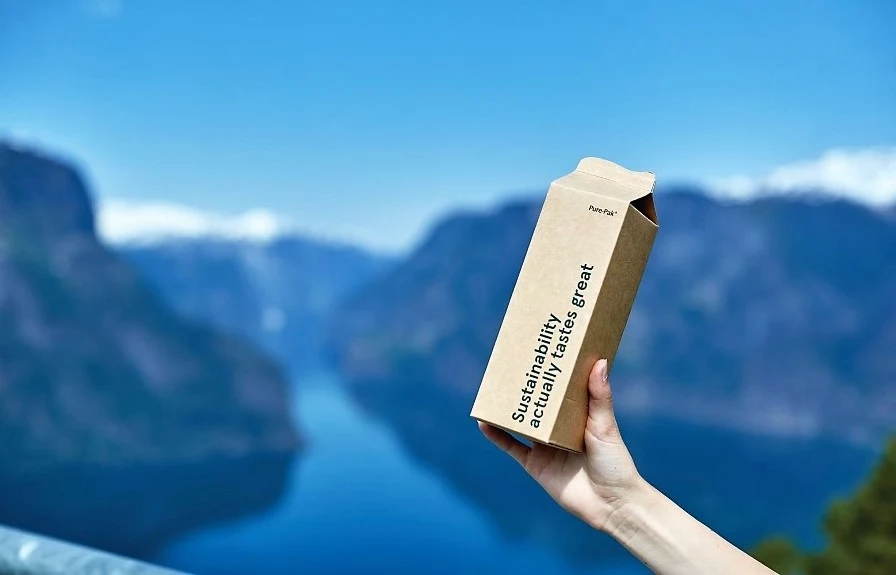
There has been a paradigm shift in the demand for environmentally friendly packaging which had catapulted brands to take make more informed decisions and work towards finding and adopting sustainable packaging solutions. Aided by the pandemic, the need for a more environmentally safe packaging has accelerated exponentially. With its manufacturing base at Rewari in Haryana, India, GLS Elopak will be the only producer of fibre-based packaging for liquid food in the Haryana area. Their proximity to the capital will help them roll out products on priority. The product range comprises Roll-Fed aseptic cartons under the brand “ALPAK” in varied sizes, along with end-to-end service support, to customers. Going forward, the company will introduce Pure-Pak® fresh cartons, Pure-Pak® aseptic cartons and complementary solutions.

At its core, the collaboration is built on the companies’ shared commitment to sustainability and innovation in packaging solutions. Commenting on the partnership GLS Director, Arpit Goyal shared, “This partnership aligns with our vision and mission to move towards a sustainable future with Eco-friendly solutions. We are elated to announce this venture with Elopak. We strongly believe that the capabilities and synergies between the two organizations and the shared vision will accelerate the growth of sustainable liquid packaging solutions in India.”

Elopak and GLS Announce $35 Mn Sustainable Packaging Joint Venture ‘GLS Elopak’ in India
Mr. Finn M. Tørjesen - Executive Vice President, Mr. Arpit Goyal – Director at GLS Group and Board of Director at GLS India with Mr. Bjarke Ravn-Christensen – Director for Elopak
 
Thomas Körmendi, CEO at ELOPAK states, “Partnering with GLS to deliver innovative packaging solutions for our consumers is the right step towards a better future. We aim to provide the very best program and strategies to conceive, design, and build the next generation of sustainable, liquid packaging solutions. India is the world’s biggest milk market, with bounteous growth potential. Together with GLS, there is an opportunity for us to be at the forefront of offering innovative and sustainable packaging solutions to this industry that are safe for both the product and the environment.”

One of the key targets of GLS ELOPAK is to add value and contribute to the world’s strive towards sustainability. With India’s growth potential and location advantages, this need for alternative packaging solutions, especially in the fresh milk and water segment will be successfully furnished.

GLS Group, established in 1994, is a multi-business conglomerate with businesses in various industries such as Flexible Packaging, Liquid packaging, Inks, Adhesives, Aluminum Foils, Blown Films, BOPET Films and Warehousing. GLS Group, over the years, has emerged as one of India’s largest and most-integrated packaging organizations. For decades now, GLS Group has focused on finding better solutions to contribute toward a sustainable and greener future.

For more information, visit www.glsind.com.

Elopak is a leading global supplier of carton packaging and filling equipment. The company’s iconic Pure-Pak® cartons are made using renewable, recyclable and sustainably sourced materials, providing a natural and convenient alternative to plastic bottles that fits within a low carbon circular economy.

Founded in Norway in 1957, Elopak was listed on the Oslo Stock Exchange in 2021. Today it employs 2,700 people and sells more than 14 billion cartons annually across more than 70 countries. Elopak is a UN Global Compact participant with a platinum EcoVadis rating and has been carbon neutral since 2016.

For more information, go to elopak.com or follow us @Pure_Pak on Twitter and @Elopak on LinkedIn.


Srichakra Becomes the 1st Indian Recycling Co. to Receive a Positive Safety Assessment From European Food Safety Authority (EFSA)

Srichakra Becomes the 1st Indian Recycling Co. to Receive a Positive Safety Assessment From European Food Safety Authority (EFSA)

Srichakra Polyplast (Srichakra), India’s first food-grade quality plastic recycling company announced today that its recycled polyethylene terephthalate (rPET) has received a positive safety assessment from the European Food Safety Authority (EFSA). The announcement comes as the Food Safety and Standards Authority of India (FSSAI) is set to approve the use of rPET for food packaging, reducing the need for virgin plastics and paving the way for a circular economy for plastics in India.

EFSA evaluates the safety of substances used in food contact materials (FCM) including active and intelligent materials. The verdict from EFSA is predicated on an in-depth assessment of processes, with a focus on the suitability of the finished polymer product for packaging purposes.

The use of rPET in FCM has been heavily restricted in several Asian regions including India until recently. The move by Indian authorities signals a policy shift that will enable bottle-to-bottle recycling and will help build local circular supply chains.

With the aim of reducing, reusing, and recycling plastic waste, the India Plastics Pact was launched in September 2021 to bring together businesses, governments and NGOs and accelerate the transformation of the plastic value chain. Srichakra’s certification is a part of this ongoing movement, showcasing the company’s commitment to turn plastic waste from a scourge into a valuable resource. Srichakra’s EFSA approval comes just months after the company announced an investment of more than US$10 million into its world-class technology to upgrade and expand recycling capabilities.

Ravindra Venkata, CEO and Co-founder of Srichakra, said, "As an organization, Srichakra is committed to offering the highest grade of recycled plastic to customers in India and international markets such as Europe and the United States. We are thrilled to receive positive EFSA’s positive scientific opinion which is considered as a global benchmark. We are well on our path to be the first facility in India to offer premium food-grade rPET to domestic and global markets. Moreover, FSSAI’s release of guidelines for acceptance of rPET for food applications in India is an exciting development and we are looking forward to contributing to building circular supply chains in India.”

Rob Kaplan, CEO and Founder of Circulate Capital which invested in Srichakra in December 2020, commented, “This is a tremendous achievement for Srichakra that underscores its leadership in accelerating the circular economy for plastics in India. Thanks to its technology-driven approach, the company is setting new benchmarks in the recycling and waste management industry nationwide. As a strategic investor in Srichakra through the Circulate Capital Ocean Fund, we are excited to support their growth journey.”

The Circulate Capital Ocean Fund (CCOF) is the world’s first investment fund dedicated to scaling organizations and SMEs transforming the waste management and recycling industry across South and Southeast Asia. The Fund was created in partnership with leading global corporations, including PepsiCo, Procter & Gamble, Dow, Danone, Chanel, Unilever, The Coca-Cola Company, Chevron Phillips Chemical Company LLC and Mondelez International. Srichakra is currently in conversations with multiple global fast-moving consumer goods companies regarding offtake agreements and expects to further increase capacity across its operations.

About Srichakra

Founded in 2010, Srichakra Polyplast (India) Pvt Ltd is a leading plastic recycling and waste management company based in Hyderabad, India. Srichakra produces superior PET and olefin flakes and granules from plastic waste. We specialise in offering high-quality recycled products in large volumes for the packaging industry. We are constantly striving to improve upon our best capabilities to help brand owners reduce virgin plastic use, and this work has resulted in the development of our technically advanced bottle-to-bottle solutions and food-grade recycled pellets.

For ten years, Srichakra has championed the transformation of locally sourced plastic waste and strives to divert plastic from the ocean and encourage the advancement of the circular economy.

Visit https://srichakra.in/ for more information.

About Circulate Capital

Circulate Capital is an investment management firm that finances innovations, companies, and infrastructure to prevent the flow of plastic waste into the oceans while advancing the circular economy. We mobilize catalytic capital to fight pollution and foster circularity across the entire plastic value chain, from innovative materials to advanced recycling technologies. 

In 2019 we established the world’s first investment fund dedicated to scaling organizations and SMEs transforming the waste management and recycling industry across South and Southeast Asia. The USD 106 million Circulate Capital Ocean Fund (CCOF) was created in partnership with leading global corporations, PepsiCo, Procter & Gamble, Dow, Danone, Chanel, Unilever, The Coca-Cola Company and Chevron Phillips Chemical Company LLC. Our new strategy, Circulate Capital Disrupt, is a companion venture and private equity fund to CCOF that invests in disruptive technologies at the nexus of climate-tech and plastics recycling infrastructure.

For more information visit: circulatecapital.com 

Assam Startup ZERUND That Makes Eco-friendly Bricks Out of Waste Plastic, Raises Funding From NEVF (North East Venture Fund)

(L-R) Rupam Choudhury, Mousum Talukdar and David Pratim Gogoi

Assam Based Brick manufacturing start-up ZERUND raises an Undisclosed amount in Pre-Series A from NEVF (North East Venture Fund)

The Start-up manufactures Eco-Friendly Bricks out of waste plastic waste materials

ZERUND- innovative brick manufacturing start-up has raised an undisclosed amount in Pre Series A round from NEDFi Venture Capital Ltd. (NVCL). Assam based start-up has raised a total of INR 4 crore in total including the current round.

Started in 2018 by Rupam Choudhury, Mousum Talukdar and David Pratim Gogoi, ZERUND is providing eco-friendly, cost-effective, crack/earthquake resistant, lightweight bricks made from waste plastic and other waste materials as ingredients. The brand currently operates out of its manufacturing facility in Pathsala, Assam.

On the Fund Raising David Pratim Gogoi, Co-founder and CEO, ZERUND affirmed “The construction market is poised for rigorous innovations and creations. People are opting for more eco-friendly options which have widened the scope of exploration for the manufacturers too. We have witnessed 85% month-on-month traction in terms of sales, and further to the demand are looking forward to expanding rigorously. By the end of this fiscal year, we are expecting to register 500% YoY growth. The growth path for entire North East in the recently announced budget by Finance Minister gave us bigger hope to grow faster.”


ZERUND Facility
ZERUND Eco-friendly Bricks

 The brand came up with a building material, known now as “ZERUND BRICK”. After getting the patent of the product, it started its commercial production and selling from November 2018.

On the investment Shri PVSLN Murty, CMD NEDFi & Chairman NVCL said “The Company fits the NEVF objective of promoting scalable and innovative start-ups in the North-East Region. The Company through its patent-pending technology has ushered in an innovative product “ZERUND Bricks”, plastic embedded bricks, which has many advantages over regular bricks available in the market. The bricks are lite weight & resistant towards water and contribute towards environment by recycling waste plastic for its manufacturing.”

On the successful fundraise Mr. Nikunja Borthakur, Senior CGM, Corporate affairs, Numaligarh refinery limited explained “After getting the patents of the product with R&D support from Numaligarh refinery limited they started production from November 2018. We are committed to supporting the team and the innovative company in their future endeavours to reach newer heights in the construction material domain”.

The brand to utilize the part of the raised investment to set up a new facility that will have 5 times more capacity than the current one. The brand expects to multifold its revenue from the new facility in place.

About Zerund


Zerund brick is known as Plastic Embedded Lightweight Brick. It is a patented lightweight brick of Zerund Manufacturing Pvt. Ltd. Industrial production of this sophisticated building material is started in the year 2018 in Guwahati, India. Here in India, Zerund Manufacturing Pvt. Ltd. was established in 2018 and has been manufacturing Plastic Embedded Lightweight Brick in Guwahati. 

With the company's continuous expansion of additional manufacturing plants to sustain the growing demand, our current total production capacity has been increasing to 10000 cubic meter per year. Builders, Engineers, Architect and contractors not only appreciate excellent properties of Zerund, but also energy-saving and pollution-free technique is used in its production.

Market Reports

Market Report & Surveys
IndianWeb2.com © all rights reserved