Showing posts with label Penalty. Show all posts

India's CCI Slaps META with Penalty of $25.4 Mn Over WhatsApp

India's CCI Slaps META with Penalty of $25.4 Mn Over WhatsApp

India's chief competition regulator, the Competition Commission of India (CCI), has imposed a monetary penalty of Rs. 213.14 crore (approx US$ 25.4 Mn) on Meta (formerly Facebook) for anti-competitive practices related to its 2021 privacy policy update for WhatsApp.

The CCI found that Meta holds a dominant position in both the OTT messaging apps and online display advertising markets in India.

The 2021 privacy policy update forced users to accept expanded data collection and sharing terms without an opt-out option, which the CCI deemed as imposing unfair conditions.

Meta is prohibited from sharing user data collected on WhatsApp with other Meta companies for advertising purposes for the next five years. WhatsApp must provide users with an opt-out option for data sharing and ensure that future policy updates comply with these requirements.

Meta and WhatsApp are required to implement specific behavioral changes within a set timeframe to address the issues arising from the policy update.

Further, as regards sharing of data between Meta companies, the Commission has concluded that (a) sharing of WhatsApp users’ data between Meta companies for purposes other than providing WhatsApp Service creates an entry barrier for the rivals of Meta and thus, results in denial of market access in the display advertisement market, in contravention of the provisions of Section 4(2)(c) of the Act; and (b) Meta has engaged in leveraging its dominant position in the OTT messaging apps through smartphones to protect its position in the online display advertising market and the same is in contravention of Section 4(2)(e) of the Act.

In view of the anti-competitive harm elaborated in this order and for the purpose of addressing such harm, the OPs are further directed to implement the following directions:
  • WhatsApp will not share user data collected on its platform with other Meta Companies or Meta Company Products for advertising purposes, for a period of 5 (five) years from the date of receipt of this order. After expiry of the said period, the directions at para 6.2 (except para 6.2.1) will apply mutatis mutandis in respect of such sharing of data for advertising purposes.
  • With respect to sharing of WhatsApp user data for purposes other than advertising:WhatsApp’s policy should include a detailed explanation of the user data shared with other Meta Companies or Meta Company Products. This explanation should specify the purpose of data sharing, linking each type of data to its corresponding purpose.
    • Sharing of user data collected on WhatsApp with other Meta Companies or Meta Company Products for purposes other than for providing WhatsApp services shall not be made a condition for users to access WhatsApp Service in India.
    • In respect of sharing of WhatsApp user data for purposes other than for providing WhatsApp Services, all users in India (including users who have accepted 2021 update) will be provided with:
  • the choice to manage such data sharing by way of an opt-out option prominently through an in-app notification; and
  • the option to review and modify their choice with respect to such sharing of data through a prominent tab in settings of WhatsApp application.
  • All future policy updates shall also comply with these requirements.
This decision underscores the importance of user consent and fair competition in the digital economy. It also aligns with global trends of increasing scrutiny over data privacy and antitrust practices.

Russia Fined Google With Incredibly Vast Amount of $2.5 Decillion

Russia Fined Google With Incredibly Vast Amount of $2.5 Decillion

A Russian court has imposed an unprecedented fine of approximately $2.5 decillion (or two undecillion rubles) on Google. This fine stems from Google's refusal to reinstate the accounts of pro-Kremlin media outlets on YouTube. The fine began accumulating in 2020, with daily penalties doubling each week, leading to this astronomical amount.

It's an incredibly vast sum, far exceeding the global GDP.

As of 2023, the global GDP is approximately $105 trillion,which is the total monetary value of all goods and services produced worldwide in a given year.

The fine imposed on Google by a Russian court is indeed staggering.

Going forward with details on how this situation developed – It was in 2020 when Google-owned YouTube blocked several pro-Kremlin media accounts, including Tsargrad TV and RIA FAN, due to violations of sanctions legislation and trade rules. This led to a series of lawsuits by these media outlets, and in October 2024, the court ruled in their favor. The court ordered Google to reinstate the accounts and imposed a daily fine of 100,000 rubles ($1,025) for non-compliance. This fine doubled every week, leading to the astronomical total of $2.5 decillion.

The court's decision has been described as "bizarre" due to the sheer size of the fine, which far exceeds the global GDP. Despite the enormity of the fine, Google has not yet commented publicly on the ruling or its next steps.

This case highlights the ongoing tensions between Russia and major Western tech companies, especially in the context of geopolitical conflicts and sanctions.

Linkedin Fined €310 Mn for GDPR Infringement

Linkedin Fined €310 Mn for GDPR Infringement

The Irish Data Protection Commission (DPC) has fined LinkedIn €310 million (approximately $335 million) for violating the General Data Protection Regulation (GDPR). The fine was issued due to LinkedIn's inadequate handling of user data for behavioral analysis and targeted advertising. 

LinkedIn was fined for inadequate handling of user data for behavioral analysis and targeted advertising. The DPC found that LinkedIn did not obtain valid consent from users and failed to provide clear information about how user data was being used. 

This fine is one of the largest ever issued under the GDPR and serves as a strong reminder of the importance of data protection compliance. 

Key points of the infringement include:
  • Invalid Consent: LinkedIn did not obtain valid consent from users for processing their data. 
  • Lack of Transparency: LinkedIn failed to provide clear information about how user data was being used. 
  • Fairness and Lawfulness: The. processing of personal data was found to be unfair and unlawful 

LinkedIn has stated that it is working to ensure its ad practices comply with the DPC's decision.

LinkedIn attempted to justify its data processing practices using consent, legitimate interests, and contractual necessity, but the DPC found these justifications invalid.

The professionals networking platform did not properly inform users about its data processing activities, violating the GDPR principles of transparency and fairness.

LinkedIn has been given three months to bring its data processing practices into compliance with the GDPR

Last year in May, Meta was fined €1.2 billion (approximately $1.3 billion) by the Irish Data Protection Commission for transferring personal data of European users to the United States without adequate data protection mechanisms.

In July 2021, Amazon was fined €746 million (approximately $888 million) by the Luxembourg National Commission for Data Protection for its advertising targeting system that operated without proper consent.

In 2019, Google was fined €50 million (approximately $57 million) by France's data protection authority for failing to provide clear information about its data processing activities and not seeking proper consent for targeted advertising. 

Infosys CEO Parekh Paid ₹25 Lakh to SEBI as Settlement for Insider Trading Charges

Infosys CEO Parekh Paid ₹25 Lakh to SEBI as Settlement for Insider Trading Charges

Infosys CEO and MD, Salil Parekh, has settled insider trading charges with the Securities and Exchange Board of India (SEBI). He paid ₹25 lakhs for violating provisions of insider trading. The case arose from SEBI's investigation, which found that Infosys had violated provisions of the Sebi Act and PIT Regulations, 2015, between June 29, 2020, and September 27, 2021.

Insider trading occurs when someone with access to confidential information about a publicly traded company uses that information to make financial gains (or avoid losses) by trading the company's securities. Insiders include company executives (such as CEOs, CFOs, and board members), employees, and anyone else who has access to material non-public information.

On September 27, 2021, SEBI passed an ad Interim Ex Parte Order against two entities for prima facie violation of the SEBI Act and SEBI (Prohibition of Insider Trading) Regulations, 2015 in the case of alleged insider trading in Infosys. SEBI passed the confirmatory order on December 13. 2021.

SEBI reported that it investigated to ascertain if the two entities violated the SEBI regulations from June 29, 2020, to September 27, 2021. In July 2020, Infosys announced a strategic partnership with Vanguard to provide it with a cloud-based record-keeping platform.

SEBI classifies information about partnerships and major deals as Unpublished Price Sensitive Information (UPSI) as it may have a significant impact on the stock price. However, Infosys did not consider the strategic partnership with Vanguard as USPI despite Infosys’ own analysis identifying the strategic importance of the partnership.

Following the investigation, a show-cause notice was issued to Salil Parekh on August 3, 2023. The Infosys CEO filed a settlement application to settle the case without admitting or denying the findings and conclusions of the probe.

Specifically, Infosys had not appropriately classified certain information as Unpublished Price Sensitive Information (UPSI). As part of the settlement, Salil Parekh agreed to pay ₹25 lakh. The payment was made on June 7, 2024, and SEBI confirmed receipt of the amount.

The settlement was recommended by the High Powered Advisory Committee and accepted by SEBI's Panel of Whole Time Members.

Insider trading refers to the practice of buying or selling a company's securities (such as stocks or bonds) based on non-public information about the company. Some insider trading is legal. For instance, insiders can buy or sell their company's stock if they follow specific rules (such as filing disclosures with regulatory authorities). The illegal form involves trading based on material non-public information. It undermines market integrity and fairness.

Regulatory bodies (such as the Securities and Exchange Commission (SEC) in the United States) monitor and enforce rules against illegal insider trading. Penalties can include fines, imprisonment, and civil lawsuits.

Remember that trading based on inside information is unfair to other investors and damages market confidence. It's essential to maintain transparency and uphold ethical standards in financial markets.

Infosys Faces Penalty of CA$ 135K ( ~INR 82 lakh) for Alleged Underpayment of EHT

Infosys Faces Penalty of CA$ 135K ( ~INR 82 lakh) for Alleged Underpayment of EHT

It has been reported that the Canadian government has imposed a penalty of 1,34,822.38 Canadian dollars (approximately 82 lakh Indian Rupees) on the global IT services company, Infosys. This penalty is in relation to an alleged underpayment of the Employee Health Tax for the fiscal year that ended on December 31, 2020.

Infosys has stated that this penalty does not have a material impact on the company's financials, operations, or other activities. For a company of Infosys' scale, such penalties, while notable, are often considered in the context of their overall financial health and operational scale.

Infosys received an order from Canada's Finance Ministry on May 9. "Penalty imposed on alleged underpayment of Employee Health Tax for the year ended December 31, 2020," the filing said. It mentioned a penalty of 1,34,822.38 Canadian dollars has been imposed on the company.

Infosys has responded to the allegations. In a regulatory filing, Infosys acknowledged the penalty imposed by the Canadian government for alleged underpayment of Employee Health Tax for the year ended December 31, 2020. However, Infosys clarified that there is no material impact on the company's financials, operations, or other activities due to this penalty.

Infosys has a significant presence in Canada, with multiple office locations across the country that include Alberta, Mississauga of Ontario, Burnaby of British Columbia, and an another in Ontario (Ottawa).

The Employee Health Tax (EHT) is a payroll tax that employers in certain provinces of Canada, such as Ontario and British Columbia, are required to pay. It is calculated based on the remuneration paid to employees, which includes salaries, wages, bonuses, taxable benefits, stock options, etc. The purpose of this tax is to assist in funding health care services within the province.

In Ontario, for example, employers are required to pay EHT on remuneration paid to employees who:
  • Physically report for work at the employer's permanent establishment in Ontario.
  • Are attached to the employer's permanent establishment in Ontario.
  • Do not report to work at any of the employer's permanent establishments but are paid from or through an Ontario permanent establishment.
The tax has an exemption amount, which means that if an employer's Ontario payroll is below a certain threshold, they may not have to pay EHT. For instance, the exemption amount was increased from $490,000 to $1 million in 2020 due to the special circumstances caused by COVID-19 in Ontario, and this increase was made permanent in 2021.

Employers who exceed the exemption amount in their payroll are required to pay EHT. The tax rates and how to calculate EHT can vary, so employers need to refer to the specific rules and rates provided by the province. 

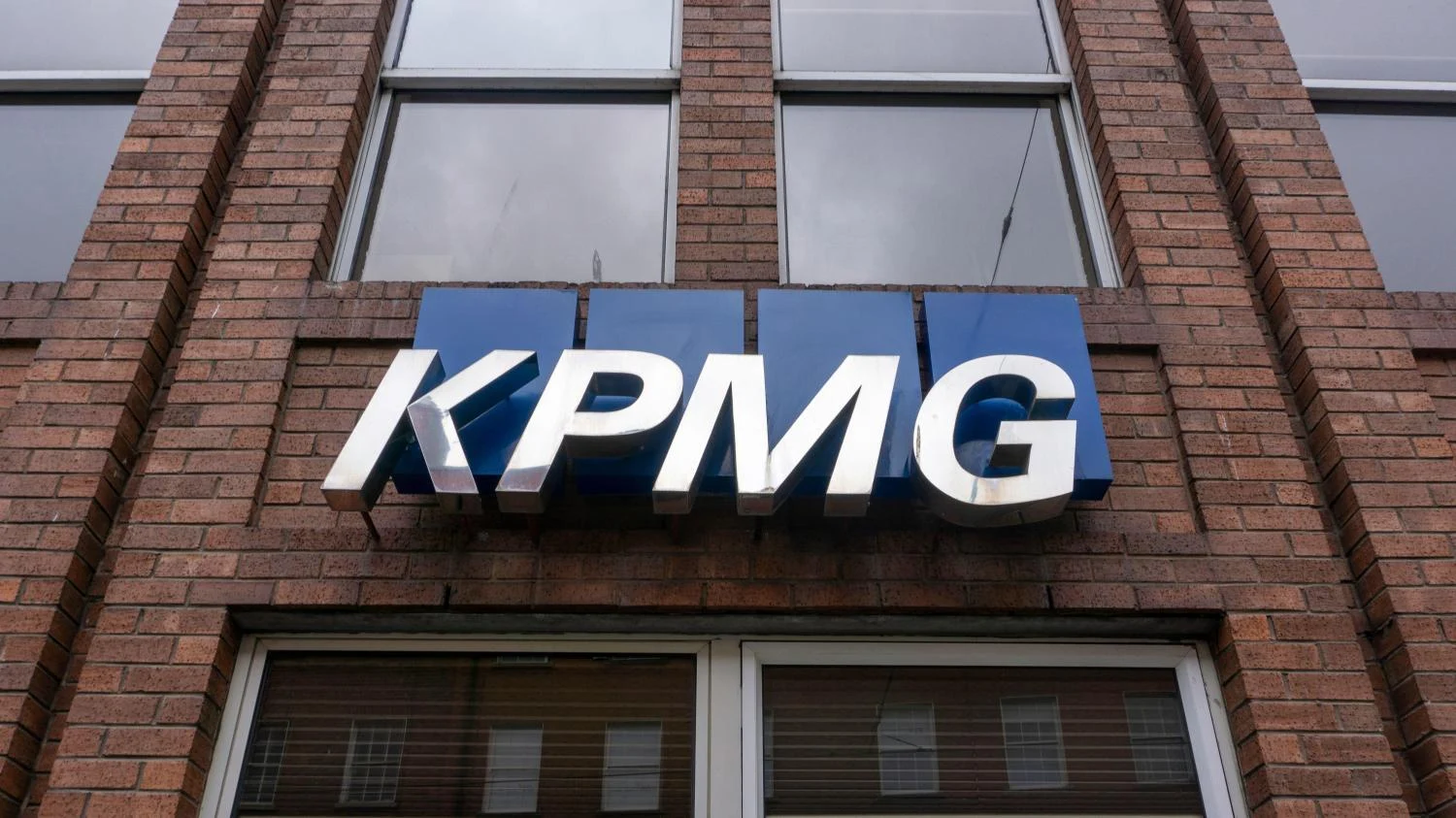
KPMG and Its Former Boss Fined Over Cheating on Internal Exams in Netherlands

KPMG and Its Former Boss Fined Over Cheating on Internal Exams in Netherlands

KPMG Accountants NV, the Netherlands-based arm of the global professional services firm, has been fined $25 million (€23 million, £20 million) by the Netherlands' Public Company Accounting Oversight Board (PCAOB) for failing to prevent its financial auditors from cheating on exams, reported The Register.

This penalty comes after the firm's US subsidiary agreed to pay a similar fine in 2019 to settle cheating charges brought by the US Securities and Exchange Commission (SEC).

The cheating at KPMG Netherlands involved hundreds of professionals and stretched from October 2017 through December 2022. During this period, personnel were allowed to take internal training tests required for maintaining professional accounting certification without adequate oversight or controls. The violations occurred despite KPMG's awareness of its $50 million settlement in the US. The misconduct primarily happened through email messages containing test contents or answers.

The PCAOB also imposed a $150,000 fine on KPMG Netherlands' former audit boss Marc Hogeboom and banned him for life from working for a firm that audits US public companies.

The findings are the latest ethics scandal to hit a Big Four accountancy firm.

KPMG Netherlands employees used various means to share test answers and took tests together. Most of the professionals involved were from the firm's Assurance practice.

The PCAOB's censure and the $25 million penalty highlight the importance of maintaining integrity in professional services. KPMG Netherlands has committed to addressing the failures, and the Dutch Authority for the Financial Markets (AFM) has placed the firm under "enhanced supervision" to prevent further ethical lapses. This case serves as a reminder that maintaining high ethical standards is crucial in the accounting and auditing industry.

In the past too, KPMG has faced several scandals over the years. In the UK, KPMG audited Carillion's books between 2014 and 2016. Despite stating that the financial statements were true and fair, Carillion collapsed in 2018 with £7 billion in debts. The Financial Reporting Council (FRC) found that KPMG had failed to adhere to basic audit concepts and uncovered an "unusually large number of breaches." KPMG was fined a record £21 million for its audit failures. 

The collapse of Carillion resulted in significant job losses and affected numerous government contracts.

In an another, KPMG faced scrutiny over its audit of Rolls-Royce, the British jet engine manufacturer. Rolls-Royce had paid a £500 million settlement after bribery allegations. The FRC found that KPMG failed to report payments to Indian intermediaries during its audit. KPMG received a fine of £3.4 million, and the lead partner faced additional penalties. This case highlighted the need for auditors to exercise professional skepticism and question clients' assertions.

In 2019, the U.S. Securities and Exchange Commission (SEC) charged KPMG with illegally obtaining sneak peeks at regulators' plans to review its work. The SEC also accused KPMG auditors of cheating on training exams, calling the ethical failures "simply unacceptable. The SEC imposed a $50 million fine on KPMG for these violations.

Last year, KPMG faced allegations of overcharging taxpayers while contracted by the Australian Department of Defence. Whistleblowers claimed that the firm submitted inflated invoices and billed for hours never worked. This scandal raised concerns about transparency and accountability in government contracts.

These scandals underscore the importance of maintaining ethical standards and rigorous auditing practices in the professional services industry. KPMG has taken steps to address these issues, but they serve as cautionary tales for auditors worldwide.

Other Big Fours

Cheating on internal exams has been a repeated problem across the Big Four accounting firms. The PCAOB also took action against Deloitte entities. Imelda & Raken (Deloitte Indonesia) was found guilty of widespread answer sharing on internal training tests.

Navarro Amper & Co. (Deloitte Philippines) was implicated in answer sharing practices dating back to 2017. Deloitte's answer sharing was similar to the KPMG case, involving internal training exams.

In 2022, EY paid a $100mn fine for cheating by hundreds of its staff in the US and failing to quickly admit the matter to its regulator.

PCAOB Chair Erica Y. Williams condemned the unethical behavior and emphasized the importance of enforcing a culture of honesty and integrity.

The growth and breadth of exam cheating revealed an inappropriate tone at the top and a failure by firm leadership to promote an ethical culture worthy of investors' trust⁴.

These actions demonstrate the regulatory bodies' commitment to maintaining integrity and accountability within the audit industry. It's essential for firms to uphold ethical standards and prevent such misconduct in the future.

EU To Impose Its First Ever Fine on Apple Inc, of About €500 Mn

EU To Impose Its First Ever Fine on Apple Inc, of About €500 Mn

A recent report by the Financial Times (FT) said that European Union (EU) is to impose its first ever fine on Apple Inc. for allegedly breaking EU law over access to its music streaming services. EU started investigating Apple Inc in 2020, after Swedish streaming platform Spotify complained, in 2019, that Apple’s policies muted competition against Apple Music.

Citing five people with direct knowledge of this long-running investigation, the FT report said that the fine is in the region of €500 million ( ~ US$ 539 million) and is expected to be announced early next month. The fine, which is yet to be announced officially, is the culmination of a European Commission antitrust probe into whether Apple has used its own platform to favour its services over those of competitors.

The probe is investigating whether Apple blocked apps from informing iPhone users of cheaper alternatives to access music subscriptions outside the App Store. It was launched after music-streaming app Spotify made a formal complaint to EU regulators in 2019.

The FT report further said that the EU commission will ban Apple's practice of blocking music services from letting users outside its App Store switch to cheaper alternatives. Brussels will accuse Apple of abusing its powerful position and imposing anti-competitive trading practices on rivals.

Apple has never been fined for antitrust infringements by Brussels, the administrative centre of the EU. Though in March 2020, France’s competition authority, the Autorité de la Concurrence, has fined Apple €1.1 billion (around $1.2 billion) for illegally restricting how wholesalers sell Apple products. However later in 2022, French authorities dropped that to about $366 million after Apple made an appeal.

In 2021, Brussels formally charged Apple in the anti-competitive probe but last year the commission narrowed the scope of the investigation and abandoned the charge wherein Apple was allegedly pushing developers to use its own in-app payment system.

The tiff between Apple and Spotify isn't new as earlier in July 2015, Spotify launched an email campaign to urge its App Store subscribers to cancel their subscriptions and start new ones through its website, bypassing the 30% transaction fee for in-app purchases required for iOS applications by Apple Inc. Later, Apple responded to this by rejecting Spotify app update on iOS. In the following months, Spotify joined several other companies in filing a letter with the EU's antitrust body indirectly accusing Apple and Google of "abusing their 'privileged position' at the top of the market".

Moreover, Spotify was one of the first companies to support Epic Games in their lawsuit against Apple, which was filed after Epic also tried to bypass Apple's 30% fee for microtransactions in Fortnite. In September 2020, Spotify, Epic, and other companies founded The Coalition for App Fairness, which aims for better conditions for the inclusion of apps in app stores

Market Reports

Market Report & Surveys
IndianWeb2.com © all rights reserved