Showing posts with label Defence Ministry. Show all posts

IIT-Bombay Alumnus-Founded Armory Bags ₹100 Cr Defence Ministry Order for AI-Powered Counter-Drone Tech

IIT-Bombay Alumnus-Founded Armory Bags ₹100 Cr Defence Ministry Order for AI-Powered Counter-Drone Tech
  • The win marks a defining milestone for India’s defence-tech ecosystem and reinforces the shift toward sovereign, field-ready systems built for modern warfare
Armory, one of India’s fastest-growing defence-tech companies, has reached a significant milestone by becoming among the first startups of its scale to secure a landmark INR 100 crore order from the Ministry of Defence (MoD) for its AI-powered SURGE Counter-Unmanned Aircraft System (C-UAS). This contract was awarded following a series of field evaluations and trials, where Armory's system met the defined extreme operational requirements related to the detection, identification, and neutralisation of rogue drones.

The contract covers the production and deployment of SURGE systems, which use proprietary Samaritan OS to detect, deny, and neutralise rogue drones through real-time adaptation against non-standard frequencies.

The order marks a significant milestone in India's defence modernisation, as Armory sets a new benchmark for agility and innovation by showcasing a field-ready counter-drone solution in just fourteen months from conception.

AI-powered SURGE Counter-Unmanned Aircraft System (C-UAS)


The selection reflects a shift toward outcome-driven procurement, where younger companies are assessed on deployment readiness and speed of execution alongside technical capability, which aligns with the immediate operational needs posed by evolving drone threats. It also reflects the Ministry of Defence’s confidence in India’s indigenous defence capabilities and its continued push to prioritise domestic innovation over imports.

Founded in 2024 by IIT-Bombay alumnus Amardeep Singh, Armory operates comprising engineers, AI specialists, and mavericks focusing on end-to-end ownership. The company’s approach prioritises iterative development driven by on-ground feedback rather than extended lab-led development phases.

This INR 100 crore order makes Armory arguably the youngest defence-tech startups to achieve such a large-scale defence contract in such a short period of time,” said Amardeep Singh, Founder and CEO of Armory. “With Armory, the starting point was not a product, but a problem observed on the ground. Drone threats along Indian borders vary significantly by terrain, altitude, weather, line-of-sight, clutter, and usage patterns that change rapidly. The system was developed with continuous inputs from the users, ensuring it addressed these specific conditions rather than offering a generic solution designed for a different operating environment.


Following this milestone, Armory plans to scale its manufacturing capacity, onboard new talent, and accelerate the development of advanced indigenous defence technologies that strengthen India’s security landscape and align with the evolving operational requirements. Also highlight the world-class R&D centre in Manesar. Mention additional C-UAS tech being worked on, too (Hard Kill). Plans to have a portfolio including innovative hardkill solutions.

Armory has raised INR 35 Cr in equity funding to date from investors such as growX, Antler, Industrial47, Dexter Ventures, AC Ventures, 8x and Galiakotwala Engineering. The startup is also looking to raise another round later this year to fund hardware development and broader expansion. The new capital will also support an expanded C-UAS suite with hard-kill capabilities being added to its existing solutions. 

Armory is a new-age defence-technology startup building next-generation C-UAS systems to strengthen Indian forces in the modern battlefield. Built and manufactured in India by a team of domain experts, its mission is to equip Indian and allied forces with the most advanced, adaptable, and rapidly deployable counter-UAS solutions for modern autonomous warfare. Amardeep Singh, Founder and CEO of Armory .

India Reduces Foreign Dependence, Procures Indigenous Mountain Radars for Air Force

India Reduces Foreign Dependence, Procures Indigenous Mountain Radars for Air Force
Representative Image 

India’s Ministry of Defence has signed a ₹1,950 crore contract with Bharat Electronics Limited (BEL) to procure two indigenously developed Mountain Radars for the Indian Air Force, marking a major step in strengthening air defence under the Aatmanirbhar Bharat and Make-in-India initiatives. The deal, finalized on March 31, 2026, underscores India’s push for self-reliance in defence technology and reduced dependence on foreign imports.

Key Highlights of the Deal

  • Contract Value: Around ₹1,950 crore
  • Parties Involved: Ministry of Defence (MoD) and Bharat Electronics Limited (BEL)
  • Date & Venue: Signed in New Delhi on March 31, 2026
  • Category: Buy (Indian–Indigenously Designed, Developed and Manufactured)
  • Technology Source: Designed and developed by Electronics & Radar Development Establishment (LRDE), a DRDO lab
  • Manufacturer: BEL will produce and deliver the radars along with associated equipment and infrastructure

Strategic Importance

  • Boost to Air Defence: Enhances surveillance and detection capabilities in high-altitude terrains
  • National Security: Strengthens preparedness against aerial threats
  • Indigenous Capability: Reduces reliance on foreign radar systems
  • Industrial Growth: Supports domestic defence manufacturing and innovation

Bharat Electronics Limited (BEL) – Recent Momentum

  • Secured multiple defence contracts, including ₹1,011 crore worth of orders across defence and technology segments in March 2026
  • Expanding portfolio highlights BEL’s role as a key player in India’s defence electronics ecosystem

Broader Context

  • Make-in-India Push: Reflects India’s long-term strategy to build indigenous defence systems
  • Geopolitical Significance: Vital for mountainous border surveillance
  • Future Outlook: Could pave the way for further indigenous radar systems and defence exports

Conclusion


The ₹1,950 crore Mountain Radar deal is more than a procurement—it is a strategic investment in India’s defence autonomy and technological advancement. By leveraging DRDO’s innovation and BEL’s manufacturing expertise, India is reinforcing its air defence shield while simultaneously nurturing its domestic defence industry.

India’s Defence Acquisition Council Approves $39.7 Billion Procurements: Rafale Jets, S-400 Missiles, Naval Upgrades

India’s Defence Acquisition Council Approves $39.7 Billion Procurements: Rafale Jets, S-400 Missiles, Naval Upgrades

India’s Defence Acquisition Council (DAC), chaired by Defence Minister Rajnath Singh, has approved a record-breaking defence procurement package worth ₹3.60 lakh crore on February 12, 2026. This marks one of the largest modernization pushes in India’s military history.

Key Highlights of the Procurement

  • 114 Rafale Multi-Role Fighter Aircraft (MRFA)
    - A government-to-government deal with France’s Dassault Aviation.
    - Addresses squadron shortages in the Indian Air Force.
    - Most jets will be manufactured in India with significant indigenous content, boosting self-reliance and employment.
  • 288 S-400 Missiles from Russia
    - Includes 120 short-range and 168 long-range missiles.
    - Strengthens India’s air defence capabilities after extensive use during Operation Sindoor in 2025.
  • Naval and Coast Guard Upgrades
    - Procurement of P-8I maritime patrol aircraft.
    - Overhaul of T-72 tanks and Armoured Recovery Vehicles (ARVs).
    - Advanced surveillance systems and upgrades for the Indian Coast Guard.
  • Indigenous Manufacturing Focus
    - Strong emphasis on “Make in India” with local industry participation.
    - Expected to boost R&D, create jobs, and extend the life of existing platforms.

Strategic Significance

  • Enhances combat readiness across Army, Navy, and Air Force.
  • Positions India as a stronger regional power amidst evolving geopolitical challenges.
  • Marks a force multiplier moment, with experts calling it a game-changer for national security.

India’s Defence Procurement Budget: 2025 vs 2026

In 2025, India’s Defence Acquisition Council (DAC) approved procurement proposals worth ₹54,000 crore. These included 307 indigenously designed artillery guns (₹7,000 crore) and other modernization projects, alongside reforms to shorten procurement timelines by 10–15%.

Separately, the Union Budget for FY 2025–26 allocated ₹6.81 lakh crore to the Ministry of Defence, with a significant portion earmarked for modernization and procurement. This was later raised to ₹7.85 lakh crore in FY 2026–27, marking a 15.19% increase over the previous year.

Comparison: 2025 vs 2026 Procurement Approvals

Year DAC Procurement Approvals Union Budget Defence Allocation Key Focus Areas
2025 ₹54,000 crore ₹6.81 lakh crore Artillery guns, reforms to speed procurement
2026 ₹3.60 lakh crore

‘Made in India’ CQB Carbines: Bharat Forge Wins ₹1,661.9 Cr MoD Contract

‘Made in India’ CQB Carbines: Bharat Forge Wins ₹1,661.9 Cr MoD Contract

The Indian Ministry of Defence (MoD) has awarded Bharat Forge Limited (BFL) a Rs. 1,661.9 crores contract for supply of 255,128 CQB Carbines (5.56 x 45 mm) to the Indian Army. The contract signed on 30th December, 2025, sets forth order execution within five years.

A carbine is a lightweight, short-barreled rifle designed for easier handling and mobility compared to full-length rifles. CQB carbines are compact rifles specifically designed for Close Quarter Battle (CQB) — combat in confined spaces such as urban warfare, anti-terror operations, and room-to-room fighting.

Here, CQB = Close Quarter Battle → Refers to combat at very short ranges, often under 100 meters. Hence, CQB Carbine = A compact firearm optimized for speed, agility, and precision in tight environments.

The 5.56 x 45 mm CQB Carbine is an indigenously designed, developed, and manufactured (IDDM) compact firearm jointly developed by Armament Research & Development Establishment (ARDE), DRDO and Bharat Forge Ltd., Pune.

Aligned with the Atmanirbhar Bharat mission, we – BFL, and our wholly- owned defence subsidiary Kalyani Strategic Systems Limited (KSSL), remain dedicated to equipping the Indian Armed Forces with ‘Made in India’ advanced defence equipment and platforms.

About Bharat Forge: Bharat Forge Limited (BFL), a Pune-based Indian multinational, is a technology driven global leader in providing high performance, innovative safety critical components and solutions for several sectors including automotive, power, oil and gas, construction & mining, rail, marine, defense and aerospace. BFL has global manufacturing footprint with presence across five countries, with the largest repository of metallurgical knowledge and offers full service supply capability to its geographically dispersed marquee customers from concept to product design, engineering, manufacturing, testing and validation. To learn more, visit www.bharatforge.com

India Pushes Self-Reliance in Defence: $46 Billion in Capital Approvals During 2025

India Pushes Self-Reliance in Defence: $46 Billion in Capital Approvals During 2025

The Ministry of Defence (MoD) closed 2025 with major reform milestones, including ₹3.84 lakh crore worth of capital acquisition approvals and ₹1.82 lakh crore in signed contracts, marking a decisive push toward indigenisation, jointness, and modernization of India’s armed forces.

Key Achievements in the "Year of Reforms 2025"

  • Capital Acquisition Push
    • Defence Acquisition Council (DAC) approved proposals worth ₹3.84 lakh crore since January 2025.
    • MoD signed contracts worth ₹1.82 lakh crore by December 2025, achieving 80% utilization of the capital acquisition budget.
  • Indigenisation & Private Sector Role
    • Strong emphasis on self-reliance in defence manufacturing.
    • Increased participation of private industry to secure supply chains and reduce import dependency.
  • Operational Readiness
    • Reforms were accelerated after Operation Sindoor and the Pahalgam terror attack, which highlighted gaps in preparedness.
    • India conducted joint military exercises with the US, France, Russia, and others to strengthen interoperability.
  • Policy & Structural Changes
    • Review and revision of the Defence Acquisition Procedure (DAP) 2020.
    • Encouragement of foreign direct investment (FDI) in defence.
    • Rationalisation of restricted distance norms near defence establishments.
  • Welfare & Governance
    • Improved welfare delivery mechanisms for personnel.
    • Whole-of-government approach to build a modern, integrated, and future-ready defence ecosystem.

Snapshot of Progress

India Pushes Self-Reliance in Defence: $46 Billion in Capital Approvals During 2025
Reform Area Key Progress in 2025 Strategic Impact
Capital Acquisition ₹3.84 lakh crore approved; ₹1.82 lakh crore signed Boosts modernization & readiness
Indigenisation Private sector role expanded Strengthens self-reliance, supply chain security
Policy Framework DAP 2020 revised, FDI encouraged Streamlined procurement & global partnerships
Operational Preparedness Joint exercises, post-Operation Sindoor reforms Enhanced combat readiness & interoperability
Welfare & Governance Improved delivery mechanisms Better morale & efficiency

Challenges & Trade-offs

  • Budgetary Pressure: High capital expenditure may strain fiscal priorities.
  • Technology Gaps: Despite indigenisation, advanced systems still rely on imports.
  • Geopolitical Risks: Reforms were partly reactive to cross-border tensions, raising sustainability questions.
  • Private Sector Integration: Balancing speed with quality assurance in defence manufacturing remains complex.

Strategic Outlook

The Year of Reforms 2025 positioned India’s defence sector on a trajectory toward greater self-reliance, jointness, and modernization. However, sustaining momentum will require:
  • Continued investment in R&D.
  • Stronger public-private collaboration.
  • Vigilant monitoring of geopolitical developments.
This reform wave reflects India’s intent to transform its armed forces into a technologically advanced, combat-ready team while ensuring welfare and governance improvements.

Defence Ministry Awards ₹2,500 Mn Underwater Systems Contract to Kalyani Strategic Systems

Defence Ministry Awards ₹2,500 Mn Underwater Systems Contract to Kalyani Strategic Systems
Representative Image

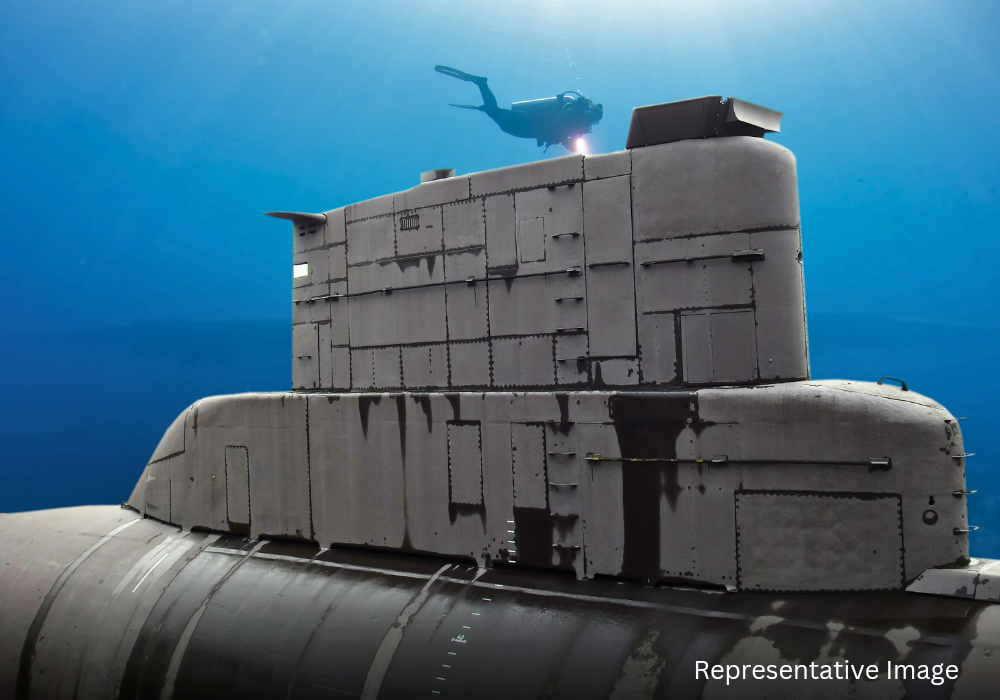
The Indian MoD has awarded Kalyani Strategic Systems Ltd. (KSSL) contracts valued at more than Rs. 2,500 Mn for supply of underwater systems. The contract signed on 10th November, 2025, stipulates delivery within a year (i.e. by November 2026) aligned with Fast Track procurement norms

KSSL, a wholly-owned subsidiary of Bharat Forge Limited, drives defence business initiatives. KSSL has built capabilities for design, development, and production in unmanned marine systems over the past 5 years, having supplied autonomous underwater vehicles which are already in service with Indian Navy.

Underwater Domain is a key focus area for KSSL, along with naval guns and marine equipment, and we are ramping up our capabilities to be closely aligned with the Indian Navy’s urgent and mission-critical requirements. We remain committed to ensuring timely delivery of these advanced solutions.

About Kalyani Strategic Systems Limited

KSSL (a wholly owned subsidiary of Bharat Forge Limited), a pioneer in the Indian defense industry with a strong research-and-development focus, has developed a number of indigenous weapon platforms, off-road protected mobility solutions and high-technology military products. It is already exporting its in-house designed and developed artillery systems, munitions, and mobility solutions globally.

About Bharat Forge — Bharat Forge Limited (BFL), a Pune-based Indian multinational, is a technology driven global leader in providing high performance, innovative safety critical components and solutions for several sectors including automotive, power, oil and gas, construction & mining, rail, marine, defense and aerospace. BFL has global manufacturing footprint with presence across five countries, with the largest repository of metallurgical knowledge and offers full service supply capability to its geographically dispersed marquee customers from concept to product design, engineering, manufacturing, testing and validation. To learn more, visit www.bharatforge.com

Defence Ministry and EdCIL Ink ASPIRE Pact to Scale Defence-Education Tech Synergies

Defence Ministry and EdCIL Ink ASPIRE Pact to Scale Defence-Education Tech Synergies

In a landmark move to accelerate India’s self-reliance in technology, the Ministry of Defence’s iDEX-DIO and EdCIL (India) Ltd have signed a Memorandum of Understanding (MoU) to jointly develop dual-use technologies under a new initiative titled ASPIRE—Accelerating Strategic Progress in Research and Education.

The ASPIRE program aims to bridge the gap between defence innovation and civilian applications by leveraging India’s growing start-up ecosystem. It will foster the development of technologies that serve both military and societal needs, aligning with the broader goals of the Aatmanirbhar Bharat mission.

Strategic Collaboration

The MoU was signed by Shri Amit Satija, Joint Secretary (Defence Innovation Promotion) and Additional CEO of DIO, and Shri Govind Jaiswal, Joint Secretary (Technical Education) and CMD of EdCIL. The partnership marks a significant expansion of iDEX’s innovation model, which has already engaged over 650 start-ups in defence R&D.

EdCIL, a Mini Ratna CPSE under the Ministry of Education, brings deep expertise in educational consultancy, digital learning solutions, and international project management. Its collaboration with iDEX-DIO is expected to unlock new pathways for scalable, tech-driven solutions in both defence and education sectors.

What ASPIRE Will Deliver

  • Dual-use technology development for defence and public benefit
  • Cross-sector innovation by integrating defence R&D with ed-tech and skill development
  • Start-up engagement to solve national challenges through strategic funding and mentorship
  • Scalable deployment of solutions across institutions, communities, and strategic sectors

Aatmanirbhar Bharat in Action

The ASPIRE program reflects India’s evolving approach to innovation—moving from siloed sectoral efforts to integrated, mission-driven collaboration. It also signals a shift in government procurement models, emphasizing scalable public benefit and strategic autonomy.

With EdCIL’s revenue growing from ₹74 crore to ₹655 crore over the last decade, and iDEX’s proven track record in defence innovation, ASPIRE is poised to become a cornerstone of India’s tech-led development strategy.

India’s Defence Production Hits Record $18.19 Bn in FY 2024–25

India’s Defence Production Hits Record $18.19 Bn in FY 2024–25

India has achieved a historic milestone with defence production soaring to ₹1.51 lakh crore (₹1,50,590 crore), approximately $18.19 billion USD.

Defence Minister Mr. Rajnath Singh has lauded the collective efforts of the Department of Defence Production and all stakeholders i.e., DPSUs, public sector manufacturers, and the private industry in achieving this landmark. He termed the upward trajectory as a clear indicator of India's strengthening defence industrial base.

Key Highlights
  • Growth Trajectory:
    • Up 18% from ₹1.27 lakh crore in FY 2023–24
    • Up 90% from ₹79,071 crore in FY 2019–20
  • Sector Contributions:
    • Public Sector (DPSUs & PSUs): 77% of total production
    • Private Sector: 23%, up from 21% last year
  • Exports:
    • Defence exports hit ₹23,622 crore
    • Up 12.04% from FY 2023–24
  • Policy Drivers:
    • Strategic push under Aatmanirbhar Bharat
    • Focus on indigenisation, ease of doing business, and export capability
    • Defence Minister Rajnath Singh credited the achievement to collective efforts and PM Modi’s leadership

Strategic Implications

This surge positions India as a rising global player in defence manufacturing. The blend of public-private growth, policy reforms, and export momentum suggests a maturing industrial base with long-term potential.

India Launches Its First Home-Built Warship to Hunt Enemy Submarines in Shallow Waters

India Launches Its First Home-Built Warship to Hunt Enemy Submarines in Shallow Waters

In a historic leap for India’s maritime strength and self-reliance, the Indian Navy has commissioned INS Arnala, the nation’s first indigenously designed and built Anti-Submarine Warfare Shallow Water Craft (ASW-SWC). Commissioned on June 18 at the Naval Dockyard in Visakhapatnam, INS Arnala symbolizes a major milestone under the government’s Aatmanirbhar Bharat initiative.

Designed for the Coastal Battlefield


Measuring 77.6 meters long and displacing over 1,490 tonnes, INS Arnala is specifically built for shallow water operations. Its mission? To detect, track, and neutralize enemy submarines operating close to India’s coastline — a crucial role in modern maritime defense.

Powered by a diesel engine–waterjet propulsion system — the first of its kind for an Indian warship of this class — Arnala boasts a top speed of 25 knots and an operational range of 1,800 nautical miles, allowing it to patrol vast stretches of coastal waters with agility and endurance.

Eyes and Ears Beneath the Waves

India Launches Its First Home-Built Warship to Hunt Enemy Submarines in Shallow Waters

At the heart of Arnala’s capabilities are its sophisticated underwater sensors:
  • Hull-Mounted Sonar (Abhay)
  • Low-Frequency Variable Depth Sonar (LFVDS)
  • Underwater Acoustic Communication System (UWACS)
These systems allow the warship to detect silent threats lurking beneath the surface and share real-time data for coordinated action.

Its weapons suite includes lightweight torpedoes, ASW rockets, and anti-torpedo decoys, backed by an Integrated Combat Management System and Integrated ASW Complex, making it a nimble yet lethal sentinel in India’s near-seas.

A Ship of Many Hats

While its primary role is anti-submarine warfare, Arnala is also equipped for:
  • Search and rescue operations
  • Mine-laying missions
  • Surveillance
  • Low-intensity maritime tasks
This multi-mission versatility makes it an invaluable asset in maintaining maritime security and disaster readiness across India’s littoral zones.

Built at Home, for Home

Named after Arnala Fort, located off the coast of Maharashtra, the vessel honors India’s rich maritime history. More than 80% of the ship’s components are sourced from Indian companies, including Bharat Electronics Ltd., L&T, Mahindra Defence, and over 55 MSMEs — a testament to the country’s growing defense manufacturing ecosystem.

INS Arnala is the lead ship of a planned 16-vessel fleet under the ₹12,622 crore ASW-SWC program. These new-generation craft are set to gradually replace the aging Abhay-class corvettes and tighten India’s grip on undersea coastal security.

Specifications

The INS Arnala is a compact powerhouse tailored for coastal anti-submarine warfare, and its specs reflect that precision. Here’s a breakdown of its key technical features:
  • Length: 77.6 meters
  • Displacement: Over 1,490 tonnes
  • Propulsion: Diesel engine–waterjet combination — a first for an Indian naval vessel of this size, enhancing speed and agility in shallow waters.
  • Speed: Up to 25 knots
  • Endurance: 1,800 nautical miles (~3,300 km).
  • Primary Role: Anti-submarine warfare in shallow coastal waters
  • Secondary Capabilities: Subsurface surveillance, search and rescue, mine-laying, and low-intensity maritime operations
  • Sensors: Hull-Mounted Sonar (Abhay), Low-Frequency Variable Depth Sonar (LFVDS), and Underwater Acoustic Communication System (UWACS).
  • Weapons Suite: Lightweight torpedoes, ASW rockets, anti-torpedo decoys, and advanced mine-laying systems.
  • Combat Systems: Integrated Combat Management System (CMS) and Integrated ASW Complex (IAC)
  • Indigenous Content: Over 80%, with contributions from BEL, L&T, Mahindra Defence, and over 55 MSMEs.
It’s the lead ship in a 16-vessel series under the ₹12,622 crore ASW-SWC program, designed to replace the aging Abhay-class corvettes and form a robust anti-submarine shield along India’s coastline.

India Signs $248 Mn Deal with Russia for Procuring Engines for T-72 Tanks for Indian Army

India Signs $248 Mn Deal with Russia for Procuring Engines for T-72 Tanks for Indian Army

The Ministry of Defence, Government of India, has signed a $248 million deal with Russia's Rosoboronexport for the procurement of engines for T-72 tanks. Rosoboronexport is the only state organization in Russia for exporting the entire range of military, dual-use products technologies and services. 

The deal also includes Transfer of Technology (ToT) from M/s Rosoboronexport (RoE), Russian Federation to M/s Armoured Vehicles Nigam Limited (Heavy Vehicle Factory), Avadi, Chennai, for integration and subsequent licensed production of engines under ToT to boost the "Make in India' initiative in Defence Sector.

India Signs $248 Mn Deal with Russia for Procuring Engines for T-72 Tanks for Indian Army

India Signs $248 Mn Deal with Russia for Procuring Engines for T-72 Tanks for Indian Army


This initiative aligns with the "Make in India" program, promoting local production and integration of advanced technology.

T-72 is the mainstay of tank fleet of the Indian Army which is at present fitted with 780 HP Engine. Equipping the existing fleet of T-72 Tanks with 1000 HP Engine will enhance the battle field mobility and offensive capability of Indian Army.

The new 1000 HP engines will significantly enhance the performance of the T-72 tanks in several ways. The higher horsepower will improve the tanks' speed and maneuverability on the battlefield, allowing them to respond more quickly to changing combat situations. The new engines are expected to be more reliable and efficient, reducing the likelihood of mechanical failures during critical operations.

The upgraded engines will enable the T-72 tanks to operate effectively in diverse combat scenarios, including high-altitude and rugged terrains.

Defence Ministry Inks $141 Mn Deal With BEL to Buy Software Defined Radios Manufactured in India

Defence Ministry Inks $141 Mn Deal With BEL to Buy Software Defined Radios Manufactured in India

The Ministry of Defence Government of India, recently signed a ₹1,220 crore (approximately $140.79 million USD) deal with Bharat Electronics Limited (BEL) for 149 Software Defined Radios (SDRs) for the Indian Coast Guard. This contract falls under the "Buy (Indian-IDDM)" category, meaning the equipment is designed, developed, and manufactured in India.

These advanced radios will enhance secure and reliable communication, crucial for maritime law enforcement, search and rescue operations, fisheries protection, and marine environment protection. They will also improve interoperability with the Indian Navy, supporting the Government of India's Blue Economy objectives and the Atmanirbhar Bharat initiative.

This bolstering the Coast Guard's operational capabilities and promoting domestic defence manufacturing.

Defence Ministry Inks $141 Mn Deal With BEL to Buy Software Defined Radios Manufactured in India

Software Defined Radios (SDRs) are advanced communication devices that use software to perform many of the functions traditionally handled by hardware.

These Software Defined Radios (SDRs) for the Indian Coast Guard were manufactured at Bharat Electronics Limited's (BEL) Bangalore unit. BEL has multiple manufacturing units across India, including locations like Ghaziabad, Pune, Chennai, Kotdwara, Hyderabad, and Navi Mumbai.

SDRs are flexible compared to traditional Radios used by defence units as it can be easily reprogrammed to support different communication standards and protocols without needing hardware changes. This makes them adaptable to new technologies and standards. And, since the same hardware can be used for multiple applications, development and production costs are reduced.

SDRs can be updated with new software to incorporate new features and improvements, extending their lifecycle. Moreover, SDRs have Interoperability advantage as it enable seamless communication between different systems and devices, which is crucial for joint operations and emergency response. SDRs can process signals more efficiently and provide better performance in terms of speed, range, and reliability.

These benefits make SDRs a valuable tool in various fields, including military, emergency services, telecommunications, and research.

Earlier this month, BEL secured a ₹642 crore contract for 28 EON-51 systems, which are Electro-Optical Fire Control Systems. These systems will be used on 11 New Generation Offshore Patrol Vessels and three Cadet Training Ships. Beside, BEL received additional orders worth ₹531 crore for various advanced communication systems, including medical electronics, electro-optics, and active radar homing heads for missiles.

India Achieves Milestone in Next-Gen Hypersonic Missiles Development, Successfully Conducts Ground Test of Scramjet Engine

India Achieves Milestone in Next-Gen Hypersonic Missiles Development, Successfully Conducts Ground Test of Scramjet Engine

The Defence Research & Development Laboratory (DRDL), a Hyderabad-based laboratory of Defence Research and Development Organisation (DRDO) recently conducted a successful ground test of a scramjet engine. This test marks a significant milestone in India's development of next-generation hypersonic missiles.

A scramjet (supersonic combustion ramjet) is a type of airbreathing jet engine designed to operate at extremely high speeds, typically greater than Mach 5 (five times the speed of sound). Unlike traditional jet engines, scramjets do not have rotating compressors or turbines. Instead, they use the high speed of the vehicle to compress incoming air before combustion.

Here are some key details of the ground test by DRDO:

1. Test Duration: The scramjet combustor ground test lasted for 120 seconds, demonstrating stable combustion and successful ignition.
 
India Achieves Milestone in Next-Gen Hypersonic Missiles Development, Successfully Conducts Ground Test of Scramjet Engine

2. Speed: Hypersonic missiles, powered by scramjet engines, can travel at speeds greater than Mach 5 (five times the speed of sound or more than 5,400 km/hr).

3. Technological Achievements: The test showcased several notable achievements, including an innovative flame stabilization technique that maintains continuous combustion at air speeds exceeding 1.5 km/s.

4. Indigenous Development: The indigenous development of endothermic scramjet fuel, the first time in India, jointly by DRDL and Industry is central to this breakthrough.

The endothermic scramjet fuel offers significant cooling improvements and ease of ignition. The team developed a special manufacturing process to achieve stringent fuel requirements of DRDL at Industrial scale.

A state-of-the-art ceramic thermal barrier coating (TBC) was developed to withstand extreme temperatures encountered during hypersonic flight.

TBC is an another key achievement along side the Scramjet. The TBC developed is designed to withstand extreme temperatures encountered during hypersonic flight. A new advanced ceramic TBC having high thermal resistance & capable of operating beyond melting point of steel has been jointly developed by DRDL and Department of Science & Technology (DST) Laboratory.

Defence Minister Rajnath Singh praised the DRDO and industry partners for this achievement, highlighting its importance for advancing India's hypersonic missile capabilities.

Scramjets are primarily used in experimental and military applications, such as hypersonic missiles and Space planes.

Defence Ministry Approves Proposals Worth $17.4 Billion for Future-ready Combat Vehicles, Radars and More

Defence Ministry Approves Proposals Worth $17.4 Billion for Future-ready Combat Vehicles, Radars and More
Boost local industries and reduce dependency on foreign suppliers

The Defence Acquisition Council (DAC), under the chairmanship of Raksha Mantri Shri Rajnath Singh on September 03, 2024, approved 10 capital acquisition proposals worth Rs 1.45 lakh crore (approximately USD 17.4 billion) in a major step towards enhancing India's defence capabilities.

The acquisitions include advanced weaponry, surveillance systems, and other critical technologies, which will enhance the operational capabilities of the Indian armed forces.

A significant portion of these acquisitions focus on promoting indigenous defense manufacturing under the ‘Make in India’ initiative. This could boost local industries and reduce dependency on foreign suppliers.

Of the total cost of all 10 approved proposals, 99% is from indigenous sources under Buy (Indian) and Buy (lndian-Indigenously Designed Developed and Manufactured) categories.

For modernisation of the tank fleet of the Indian Army, the proposal for procurement of Future Ready Combat Vehicles (FRCVs) has been cleared. The FRCV will be a futuristic Main Battle Tank with superior mobility, all terrain ability, multilayered protections, precision & lethal fires over and real-time situational awareness.

The Acceptance of Necessity (AoN) was also accorded for procurement of Air Defence Fire Control Radars, which will detect & track aerial target and provide firing solution. The proposal has also been approved for Forward Repair Team (Tracked) which has suitable cross country mobility for carrying out in-situ repair during mechanised operations. This equipment is designed & developed by Armoured Vehicles Nigam Limited, and is authorised for both mechanised Infantry Battalion and Armoured Regiment.

Three AoNs have been accorded to enhance the capabilities of the Indian Coast Guard (ICG). The procurement of Dornier-228 aircraft, Next Generation Fast Patrol Vessels having high operational features in rough weather conditions and Next Generation Offshore Patrol Vessels with advanced technology and enhanced long-range operations, will enhance the capability of ICG to carry out surveillance, patrolling of maritime zone, search & rescue and disaster relief operations.

Towards the end of the meeting, the Defence Minister took a moment to honour late Indian Coast Guard (ICG) DG Rakesh Pal, who was also a member of DAC. The DG passed away due to a heart attack in Chennai on August 18, 2024. Shri Rajnath Singh highlighted DG Rakesh Pal’s remarkable contributions to the growth and expansion of ICG. He conveyed heartfelt condolences, prayers and unwavering support on behalf of the Ministry of Defence to the bereaved family. In a solemn tribute, all members of DAC then stood up to observe a moment of silence, paying their respects to late DG Rakesh Pal whose legacy will continue to inspire.

These acquisitions is aimed at modernizing the armed forces and ensuring better preparedness for various security challenges.

The projects will focus on developing and manufacturing defense equipment within India, promoting self-reliance and boosting the local defense industry.

These proposals are expected to significantly enhance India's defense preparedness and contribute to the overall modernization of the armed forces.

SAIL's Bhilai Plant Pioneers Next-Gen Steel for S5 Nuclear Ballistic Missile Submarines (SSBNs)

SAIL's Bhilai Plant Pioneers Next-Gen Steel for S5 Nuclear Ballistic Missile Submarines (SSBNs)

The Steel Authority of India Limited's (SAIL) Bhilai Steel Plant (BSP) has made a significant advancement in the development of strategic defense materials. They have pioneered the creation of next-generation steel designed specifically for the S5 class of nuclear-powered ballistic missile submarines (SSBNs).

The S5-class submarine is a planned class of Indian nuclear-powered ballistic missile submarines (SSBNs) currently under development for the Indian Navy.

This new steel is currently undergoing a comprehensive multi-year testing phase to ensure it meets the stringent performance requirements necessary for underwater applications.

Once the testing phase is successfully completed and the steel is cleared for use, it will be utilized in the construction of the S5 class SSBNs. These submarines are reported to be true underwater giants with an estimated submerged displacement exceeding 12,000 tons and a length of nearly 150 meters.

The S5 class submarines are expected to significantly enhance India's underwater deterrence capabilities and reinforce its position as a leading maritime power.

The S5 class submarines project was assessed by the Government of India in 2006, and production is expected to start by 2027. These submarines are part of India's strategic nuclear deterrent and are expected to play a crucial role in the country's defense strategy by providing a second-strike capability. The S5- class will contribute to the triad of India's nuclear deterrence, which comprises land- based missiles, strategic bombers, and SSBNs.

The next-generation steel developed is designed to meet the specific demands of modern submarine construction. While official details on the composition and properties of this new steel are classified, it is undergoing rigorous testing to ensure it surpasses the performance requirements for underwater applications.

Compared to existing materials, this new steel variant is likely to offer improved strength, corrosion resistance, and longevity, which are critical for the harsh conditions submarines encounter in deep-sea environments. The development process for this steel is more extensive than that for the steel used in the INS Vikrant aircraft carrier, indicating a significant advancement in quality and performance.

This specialized steel is expected to enhance the structural integrity and safety of the S5 class submarines, contributing to India's strategic defense capabilities and supporting the nation's goal of self-reliance in defense technology.

This initiative is part of India's strategic move towards self-reliance in defense capabilities. The steel produced by BSP will undergo extensive testing and inspection by the Defence Metallurgical Research Laboratory (DMRL) and the Indian Navy before it is used in the construction of the Submarine.

The development of this steel is a testament to SAIL-Bhilai's commitment to contributing to major defense projects, following their previous work on special steel plates for the INS Vikrant aircraft carrier. The testing for the submarine steel is reported to be ten times more rigorous than that for the steel used in INS Vikrant, highlighting the critical nature and high standards required for submarine construction.

This project is a significant step in bolstering India's defense infrastructure and enhancing its maritime security. The indigenous development of submarines using materials produced within the country not only strengthens national security but also supports the growth of domestic Industries.

Source – Times of India | Via – Idrw.org

India to Export its Surface to Air Missile Akash's System Globally

Cabinet Approves Export of Akash Missile System and Creates a Committee for faster Approval of Exports

Test firing of the en:Akash missile. A medium-range surface-to-air missile. Operating in conjunction with the en:Rajendra radar, it can intercept targets up to 30 km range and 18 km altitude. Powered by a solid-fueled booster and a Ramjet engine, Akash can reach Mach 2.5 speed.
[Image -Frontier India Defense and Strategic News Service, CC BY-SA 2.5 IN, via Wikimedia Commons]


Under the Atma Nirbhar Bharat, India is growing in its capabilities of manufacturing wide variety of Defence platforms and missiles. Akash is country’s important missile with over 96 percent indigenisation. 

Akash is a Surface to Air Missile with a range of 25 Kms. The missile was inducted in 2014 in IAF and in 2015 in Indian Army.

After its induction in the Services, interest is shown in Akash missile by many friendly countries during International Exhibitions/Def Expo/Aero India. The Cabinet approval will facilitate Indian manufactures to participate in RFI/RFP issued by various countries.

So far, Indian defence exports included parts/components etc. The export of big platforms was minimal. This initiative of the Cabinet would help the country to improve its defence products and make them globally competitive.

The export version of Akash will be different from System currently deployed with Indian Armed Forces.

Besides Akash, there is interest coming in other major platforms like Coastal Surveillance System, Radars and Air platforms. To provide faster approvals for export of such platforms, a Committee comprising of Raksha Mantri, External Affairs Minister and National Security Advisor has been created.

This Committee would authorise subsequent exports of major indigenous platforms to various countries. The Committee would also explore various available options including the Government-to-Government route.

Government of India intends to focus on exporting high value defence platforms, to achieve target of 5 Billion USD of defence export and improve strategic relations with friendly foreign countries.

Akash is developed by the Defence Research and Development Organisation (DRDO) and produced by Bharat Dynamics Limited (BDL) for Missile Systems, Bharat Electronics (BEL), Tata Power Strategic Engineering Division and Larsen & Toubro for other radars, control centers, launcher systems in India. 

Akash missile system can target aircraft up to 30 km away, at altitudes up to 18,000 m. It has the capability to neutralize aerial targets like fighter jets, cruise missiles and air-to-surface missiles as well as ballistic missiles. It is in operational service with the Indian Army and the Indian Air Force.

Big Boost to "Make in India": Defence Ministry Approves Proposals to Procure Equipment Worth Rs.27,000 Cr from Domestic Industry

Defence Acquisition Council headed by Raksha Mantri Shri Rajnath Singh Approves Proposals to procure Equipment worth Rs 27,000 Cr from Domestic Industry.


Representative

The Defence Acquisition Council (DAC) in its meeting, today held under the Chairmanship of Defence Minister Shri Rajnath Singh approved Capital Acquisition proposals of various Weapons/Platforms/Equipment/Systems required by the Indian Army, the Indian Navy and the Indian Air Force at an approximate overall cost of Rs. 28,000 Cr. 

This is the first meeting of the DAC under the new regime of Defence Acquisition Procedure 2020 and these are the first set of Acceptance of Necessity (AoNs) accorded with majority AoNs being accorded in the highest categorization of Buy Indian (IDDM). 6 of the 7 proposals, that is, Rs 27,000 Cr out of Rs 28,000 cr for which AoNs were granted will be sourced from the Indian industry to give a boost to the “Make in India” and “Atmanirbhar Bharat” initiatives of the Government.

Acquisition proposals approved today include the DRDO designed and developed Airborne Early Warning & Control (AEW&C) Systems for the Indian Air Force, Next Generation Offshore Patrol Vessels for the Indian Navy and Modular Bridges for the Indian Army.

Formed in 2001, post Kargil War (1999), the Defence Acquisition Council (DAC) is the highest decision-making body in the Defence Ministry for deciding on new policies and capital acquisitions for the three services (Army, Navy and Air Force) and the Indian Coast Guard. The Minister of Defence is the Chairman of the Council.

Market Reports

Market Report & Surveys
IndianWeb2.com © all rights reserved