Showing posts with label DNA. Show all posts

Google DeepMind Unveils AlphaGenome: AI Tool to Decode DNA Mutations and Advance Precision Medicine

Google DeepMind Unveils AlphaGenome: AI Tool to Decode DNA Mutations and Advance Precision Medicine

Google DeepMind has unveiled AlphaGenome, a breakthrough AI tool designed to predict the molecular impact of DNA mutations and accelerate biological discoveries. Published in Nature on January 28, 2026, AlphaGenome uses deep learning to analyze complex genetic sequences, helping scientists identify disease-causing mutations and understand how genetic changes influence health.

What AlphaGenome Does

  • Interpret DNA mutations by analyzing millions of genetic letters and predicting their molecular consequences.
  • Identify disease-causing genes, including those linked to cancer, heart disease, autoimmune disorders, and mental health conditions.
  • Accelerate drug discovery by highlighting potential therapeutic targets.
  • Enable faster biological research by reducing the time needed to analyze genetic data compared to traditional methods.

Why It Matters

  • Healthcare Impact: AlphaGenome could transform precision medicine by helping clinicians understand which mutations are benign and which are pathogenic.
  • Drug Development: By predicting how mutations affect proteins and cellular processes, it provides insights for pharmaceutical companies to design targeted therapies.
  • Scientific Discovery: It offers researchers a powerful tool to decode the genome and uncover new biological mechanisms.

Comparison with Other AI in Genomics

Tool Developer Focus Key Advantage
AlphaFold DeepMind Protein structure prediction Revolutionized structural biology
AlphaGenome DeepMind DNA mutation impact Predicts functional consequences of genetic variants
Enformer Google Research Gene expression prediction Specialized in regulatory DNA regions
EVE (Evolutionary Model) Harvard/Google Variant pathogenicity Uses evolutionary data for predictions

Risks & Challenges

  • Clinical Validation: Predictions must be rigorously tested before being applied in patient care.
  • Data Bias: AI models depend on training data; incomplete or biased datasets could affect accuracy.
  • Ethical Concerns: Widespread use raises questions about genetic privacy and responsible application in healthcare.

Looking Ahead


AlphaGenome is available via API, allowing researchers worldwide to integrate it into their workflows. Its release signals a new era where AI becomes central to genomics and precision medicine, potentially reshaping how we diagnose, treat, and prevent genetic diseases.
Indian American Dr M.S. Reddy Discovers A Revolutionary Method to Control the COVID Pandemic by Inactivating RNA and DNA, Gets Patent

Indian American Dr M.S. Reddy Discovers A Revolutionary Method to Control the COVID Pandemic by Inactivating RNA and DNA, Gets Patent
Dr. M.S. Reddy already holds 150 American patents to his credit. Dr. He was nominated over 9 times for the Nobel Prize for his contributions to science

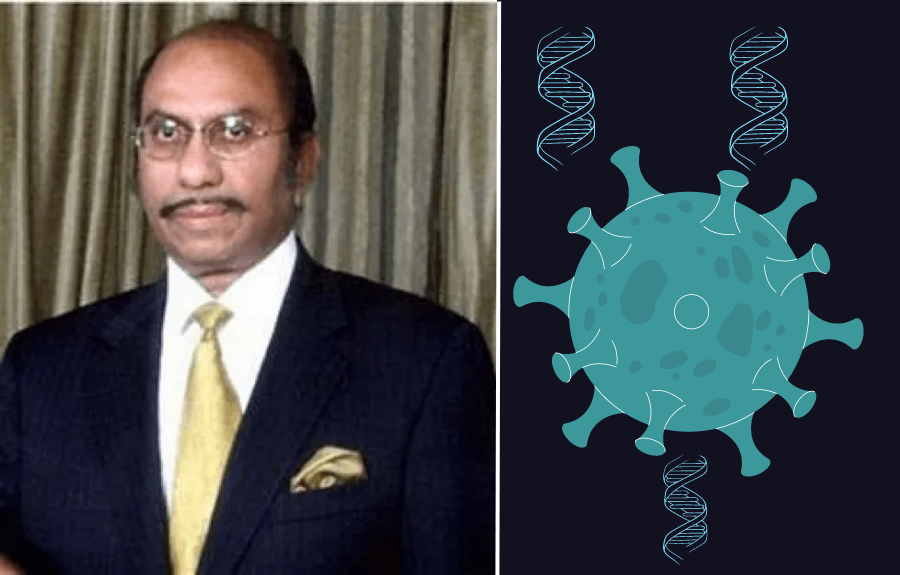
Dr. M.S. Reddy, an Indian American Scientist, widely known as 'Cheese Reddy' gets a patent for his research to curb the spread of COVID. Dr Reddy, a global figure, who holds 150 American patents to his credit, discovered a method to control the COVID pandemic and disclosed this in a press note issued in Hyderabad today.

Dr Malireddy Srinivasulu Reddy (Dr M.S. Reddy) says by inactivating viral RNA we can control the spread of the COVID virus. He opines that in future we can control life-threatening viruses like COVID before they spread. Dr Reddy has registered for a patent on this method with the U.S. Patent Department. The good news is that the American Government has recently awarded a patent for him on this subject.

Experts say this is a revolutionary step in the field of science. It is learnt that we can curb the spread of viruses by inactivating RNA and DNA. So far experts have never thought that naked genetic material is more dangerous than the virus. Applauds are pouring in from different quarters for Dr Reddy for thinking in this direction and also for finding a solution. 

Many Indians, especially Telugus, who have settled in America made the country proud with their achievements. Prominent among them is Dr Malireddy Srinivasulu Reddy (Dr M.S. Reddy). Dr Reddy, who hails from Nellore and settled in the U.S., has got many patents to his credit. He graduated from A.P. Agriculture University in Tirupati and earned his M.S. PhD from Iowa University. He did his higher studies in Food Technology, Bacteriology and Virology and at present he is functioning as Chairman and President of American Dairy and Food Consulting Laboratories and International Media and Cultures. He was honoured with many awards for his research programmes.

Dr Reddy is a world-renowned scientist in the field of Microbiology. He has been conferred with 160 national and international awards. He got the prestigious American Dairy Science Association Richard M. Hoyt memorial award. It is worth mentioning that he is the only foreign-born U.S. Citizen to receive this prestigious national award. He has got many patents for his research work in America. His research on Cheese made him very popular and he is referred to as 'Cheese Reddy'.

He has got over 150 American patents, and written over 140 articles in scientific journals and over 30 e-journals and varied books which made him a global figure. Dr Reddy has been acting as Chairman and Advisor for many organisations. The famous Telugu association in America, NATA, honoured him with the Lifetime Achievement Award. Dr. Reddy has been nominated over 9 times for the Nobel Prize for his contributions to science, at the world level.

During the COVID crisis, through his shows on TV, he has created awareness among the people on steps to control the virus. His webinars and speeches have become viral with over 10 million hits on YouTube. Recently, he has got a patent for his research to curb the spread of COVID.

GENLEAP Extends Global Footprint; Concludes Pre-Series A Round of Rs 27 Cr and Launch of Regulation A Plus IPO

GENLEAP Extends Global Footprint; Concludes Pre-Series A Round of Rs 27 Cr and Launch of Regulation A Plus IPO
GENLEAP  Founding Team

The DNA-based self-discovery and career life cycle management platform from India GENLEAP has announced the successful conclusion of its pre-Series A funding of 27 crores ($3.3 million). The fundraise includes several existing investors, including Mike Holland (former CEO of Embassy REIT), Sanjay Dutt (CEO & MD, Tata Realty and infrastructure), Neeraj Bansal(Co-Head and COO – India Global with a Big Four Consulting Firm), Karthikeyan Balasubramanian, Deepak Kaul and Manish Dhawan (Olam Food International), and new investors like Vikaash Khdloya (ex-Private equity professional)Sunil Bajaj (Partner with a leading multinational, multi-disciplinary consulting firm),Yoguen Oukabay, Mandeep Mehta (Group CFO with Policy Bazaar) in their personal capacities.

This round follows the earlier Rs 60 Crores ($7.4 million) seed round raised in 2021, in which, in addition to the names above, also included Arun Nanda, Chairman, Mahindra Life Space developers, Kevin Donlon, former Blackrock MD and more. The platform is also launching its Regulation A Plus IPO in United States.

GENLEAP is also extending its footprint both geographically and in terms of products launches,providing DNA-led solutions for personal career growth and development, health & wellness, relationship compatibility, disease Susceptibility and more.

The proceeds from this fundraise, and IPO would be used to further expand its marketing and distribution footprint globally, including entry into the US, middle east, and European markets. In addition, the proceeds from the IPO would also enable GENLEAP to build world-class labs in multiple geographies to address the sizeable genetic testing market, including personality and careers, relationships, nutrition, sports and fitness, mental well-being, disease susceptibility, lifestyle and much more. The labs will provide a global hub for the research and development of Genomics and continue and expand its research in growing areas like behavioral genetics and more.

GENLEAP commenced operations in 2021, offering DNA-led self-discovery and career lifecycle management to its aspirants, including students and working professionals. Over 100 educational institutions are already using GENLEAPs genetic testing and interpretation platform with 500,000 students, including Amity, GD Goenka and Gurukul schools. The company has secured contracts representing an annualized run rate of half a billion dollars over the next 10 years.

On the announcement of the closure of this funding round, the Founder & CEO of GENLEAP, Sachin Sandhir, said,“GENLEAP will soon be expanding its geographical footprint and growth in the US, Middle east and other markets and given its global ambitions to become a leading force in the Genomics testing and solutions market, a $90 billion industry. GENLEAP AI, the US entity of GENLEAP, would now be listed in the Regulation A plus market and will launch a 50 million dollar IPO in the US market shortly

We are grateful to our existing and new investors who share our vision as a leading player in the genetic testing and solutions market”, further added Sachin.

Nimish Gupta, Founder & Director of GENLEAP, said,“Given the huge amount of genetic and personality data and the biobank which we shall handle, GENLEAP is committed to investingheavily in data research, data protection, and data privacy and plans to set up data centres to ensure a fully compliant approach.”

Mandeep Mehta, Group CFO, Policy Bazaar, said, “GENLEAP provides the most powerful end-to-end career lifecycle management platform in today’s market. Its innovative approach helps one discover the hidden talents and innate personality traits to find how one’s environment and life experiences are helping in realizing this potential; and what’s missing.”

GENLEAP intends to make a difference in the lives of the next generation of children and professionals by addressing the challenges of mental health, health and wellness, nutrition, lifestyle, relationship, and careers. GENLEAP is the only global platform that combines the power of Genomics with the power of psychology to provide actionable insights and help people live happier, healthier, and more purposeful lives. The platform is confident of making a substantial social impact and difference in the lives of millions of people globally.

GENLEAP goes beyond genetic testing and builds social and career networks connecting users with complementary genetic and psychometric strengths. The journey with GENLEAP AI goes beyond making the next game-changing social network or enabling the next matchmaking or powering the next job search - GENLEAP AI also intends to power commerce between the users in its social network.

About GENLEAP and GENLEAP AI, INC

GENLEAP is a Gurugram-based DNA-based self-discovery, upskilling and employability platform.

GENLEAP AI Inc is a genetic testing company that uses artificial intelligence to power customized, personalized solutions to enable people to make optimal career choices (by understanding their personality), choices regarding personal development, health and wellness, mental well-being, sports & nutrition, skincare, and relationship compatibility.

GENLEAP AI aspires to go beyond a genetic testing company and is looking to build social networks which connect users with similar genetic and psychometric interests. The journey with GENLEAP AI will not just end with creating the next game-changing social network or enabling the next matchmaking, or powering the next job search, but GENLEAP AI also intends to power commerce between the users in its social network.

GENLEAP AI has a mission to make genetic testing very affordable. It intends to potentially service 100 million people over the next 5 years and create an extensive social network of people aligned by their genetics. The company has been backed by marquee investors and has raised 10.7 million dollars in its seed round and pre-series A round.


India Gets 1st CoE for DNA Forensics, Set Up by National Forensic Sciences University in Tech Collab With Thermo Fisher Scientific

India Gets 1st CoE for DNA Forensics, Set Up by National Forensic Sciences University in Tech Collab With Thermo Fisher Scientific

A state-of-the-art facility, it will provide research and training opportunities to DNA forensic scientists and law enforcement experts

Thermo Fisher Scientific, the world leader in serving science, in technical collaboration with National Forensic Sciences University (NFSU) has set up the Centre of Excellence (CoE) for DNA Forensics at the NFSU campus in Gujarat, India.

A first-of-its-kind in India, the centre, was inaugurated formally by Shri Amit Shah, Hon’ble Minister of Home Affairs and Minister of Co-operation, Govt. of India in the august presence of Shri Harsh Sanghavi, Hon’ble Minister of State (Home) and Minister of Revenue, Govt. of Gujarat, Shri Jitubhai Vaghani, Hon’ble Education, Science and Technology Minister, Govt. of Gujarat, Shri Rajendra Trivedi, Minister of Law and Justice, Govt. of Gujarat and Shri Ajay Kumar Bhalla, Union Home Secretary, Govt. of India. Also present for the inauguration were Dr. J.M. Vyas, Vice Chancellor, NFSU, Amit Chopra, Managing Director, India and South Asia, Thermo Fisher Scientific, Jagjit Singh Anthak, Director, Genetic Sciences Group and Specialty Diagnostics Group, Thermo Fisher Scientific.

Thermo Fisher Scientific has equipped the facility with its entire DNA workflow which includes sophisticated systems for DNA extraction, real-time PCR instruments, DNA sequencers/ genetic analyzers, next-generation sequencers and rapid DNA technologies along with consumables, software and validation services.

NFSU Amit Shah Inaugration

Shri Amit Shah, Hon’ble Minister of Home Affairs and Minister of Co-operation, Govt. of India inaugurated India’s first Centre of Excellence for DNA Forensics set up by National Forensic Sciences University in technical collaboration with Thermo Fisher Scientific.

The centre has been created to facilitate training and education for the students of NFSU and across forensic labs, and for law enforcement experts (police, judiciary).

“We are proud to be a technical partner to set up this centre of excellence for DNA Forensics, the first in the country, in collaboration with NFSU. Our end-to-end workflows underscored by robust technologies and application expertise, streamline human identification analysis. These highly accurate systems aid experts with investigative leads for making evidence-based decisions. Through our association with institutes such as NFSU, we remain committed to our Mission to enable our customers to make the world healthier, cleaner and safer”, said Amit Chopra, Managing Director, India, and South Asia, Thermo Fisher Scientific.

The NFSU-Thermo Fisher Centre of Excellence for DNA Forensics will eventually be hallmarked as a model set up for DNA casework and databasing workflows for nationwide adoption.

About Thermo Fisher Scientific

Thermo Fisher Scientific Inc. is the world leader in serving science, with annual revenue of approximately $40 billion. Our Mission is to enable our customers to make the world healthier, cleaner and safer. Whether our customers are accelerating life sciences research, solving complex analytical challenges, increasing productivity in their laboratories, improving patient health through diagnostics or the development and manufacture of life-changing therapies, we are here to support them. Our global team delivers an unrivaled combination of innovative technologies, purchasing convenience and pharmaceutical services through our industry-leading brands, including Thermo Scientific, Applied Biosystems, Invitrogen, Fisher Scientific, Unity Lab Services, Patheon and PPD. For more information, please visit www.thermofisher.com

About NFSU

The National Forensic Sciences University is the world’s first and only University dedicated to forensic, behavioral, cybersecurity, digital forensics, and allied sciences. It was established by the Government of India with the objective of fulfilling the acute shortage against the increasing demand for forensic experts in the country and around the world. For more information, please visit www.nfsu.ac.in.

Genleap Launches GenDiscover to Help Students Make Choices Using the Power of Genetics (Your DNA), Psychometrics and Cognitive Astromancy

Genleap Launches GenDiscover to Help Students Make Choices Using the Power of Genetics (Your DNA), Psychometrics and Cognitive Astromancy

GENLEAP, an EdTech startup focussed on end-to-end career lifestyle management, today launched ‘GenDiscover’, a first-of-its-kind DNA-led self-discovery product. Through this flagship product, GENLEAP aims to help students, parents and professionals looking to make career-related decisions make informed choices using the combined power of three proven sciences - Genetics (your DNA), Psychometrics, and Cognitive Astromancy.

Based on the proven concept of ‘Nurturing the Nature’, it is a first-of-its-kind revolutionary product in the world – designed to impact a billion lives in India.

GenDiscover can be ordered via the online B2C platform.

Sachin Sandhir. Founder and Co-CEO - GENLEAP

GenDiscover is poised to shake up the career management and skilling ecosystem in the country. It is the first and only product that caters to the entire journey, right from self-discovery to skilling and employability, while addressing student needs such as course selection, test preparation, scholarships and prospective employee connections.

GenDiscover provides complete assessment through what it calls a combination of ‘nature’ and ‘nurture’. It combines genomic testing to determine the genetic predisposition and inherent traits of an individual, with psychometrics to capture the impact of environment on personality. It also takes into account empirical evidence of cognitive astromancy to decode natal strengths. A data-driven approach transforms insights from all of these three pillars to provide a holistic assessment to students and professionals, guide them to a career path and help them upskill and re-skill in areas aligned to their personality and strengths. GenDiscover comes with an insights/video counseling session conducted by certified coaches who are able to demystify the results and give personalized guidance.

Sachin Sandhir, Founder and CEO, GENLEAP, while sharing his vision for the product said, “With GenDiscover, our goal is to channelize individuals towards careers and jobs more aligned to their inherent and current personality and other traits. This will help increase productivity in the workplace and lead to more fulfilled professional lives. Students and professionals often end up with the wrong career choices which add up to the issue of employability. GENLEAP aims to change a billion lives and help create a work-ready India with students and professionals that are skilled not just relevant to the demand of reinvented workplaces and ecosystems but also in alignment to their aptitude and innate talents.”

Nimish Gupta, Founder, and Co-CEO of GENLEAP further explained, “At GENLEAP, we leverage advanced technologies to power our assessments, juxtaposed with the individual’s current interests and professional disposition. Our users could be at any stage of their lives – from early school goers to mid and senior professionals. Our unique model is backed by proven sciences and credible partners and we are looking at a future where this could be integrated into career management and skilling platforms across schools, institutions, and organizations so that it is accessible to all.”

GENLEAP will soon be announcing acquisitions of several EdTech platforms across the skills and employability lifecycle. These include a career counselling study abroad platform, a scholarships platform, a test-prep platform, a school admissions platform, and even a Neo Bank which helps students with financial skills and money management. 

GENLEAP is also building a digital community for students. The company aims to impact the lives of 10 million customers over the next 10 years. GENLEAP will be eying the global space next and is looking at revenues of 20,000 crores in 10 years and a valuation in excess of 300,000 crores in addition to making a large social impact.

DNA Can Repair Itself in Microgravity, Proves a 1st CRISPR Experiment in Space

NASA astronaut Christina Koch works on the "Genes in Space-6" investigation [Credits - NASA]


In Space explorations, humans can be exposed to risk of DNA damage caused by radiation in outer space. For this astronauts in International Space Station (ISS) is studying DNA repair in micro-gravity i.e. in space.

In the first use of CRISPR genome editing technique in space, a recent investigation aboard the International Space Station successfully generated breaks in the DNA of a common yeast and and then analyzed how it repaired itself.

In a part of Genes in Space-6 experiment, which is about studying DNA breaks to protect future space travelers, the researchers reported this first completion of the entire process in space in a published paper. The researchers directed the method of repair, and sequenced the patched-up DNA to determine whether its original order was restored.

In the published paper researchers explained how the DNA was restored to its original order. 

These results significantly expand the space station’s molecular biology toolkit, enabling studies of DNA repair and a variety of other biological investigations in microgravity.

From left to right: Michelle Sung, Rebecca Li, Aarthi Vijayakumar and David Li
[Credits: GENES IN SPACE]

Interestingly, "Genes in Space-6" experiment was the brainchild of 4 students -- Aarthi Vijayakumar, Michelle Sung, Rebecca Li, and David Li, who are also the co-authors on the results paper. They earned the opportunity to participate in this research as a part of the Genes in Space program, a national contest that challenges students in grades 7 through 12 to design DNA analysis experiments using the ISS U.S. National Lab and tools aboard the station. 

The investigation represents a number of firsts, including the first use of CRISPR-Cas9 genetic editing on the space station and the first time scientists evaluate the entire damage and repair process in space.

Astronauts may be at risk for harmful DNA damage caused by ionizing radiation. Double-strand breaks are a type of DNA damage that can be repaired by two major cellular pathways: non-homologous end joining, during which insertions or deletions may be added at the break site, and homologous recombination, in which the DNA sequence often remains unchanged. Previous work suggests that space conditions may impact the choice of DNA repair pathway, potentially compounding the risks of increased radiation exposure during space travel. 

However, understanding of this problem has been limited by technical and safety concerns, which have prevented integral study of the DNA repair process in space. 

The CRISPR/Cas9 gene editing system offers a model for the safe and targeted generation of double-strand breaks in eukaryotes. In the research paper, its describes that a CRISPR-based assay for DNA break induction and assessment of double-strand break repair pathway choice entirely in space.

Genes in Space and other DNA-related research on the space station also has produced advances in the hardware needed. Tools on Earth do not necessarily lend themselves to spaceflight, says Sarah Rommel, the paper’s primary author and a researcher in the Microbiology Laboratory at Johnson. 

“We cannot take exactly what we have on Earth and simply put it in space, because we have to keep the crew and all the environmental life systems on board safe. For example, we made our own custom kits for the whole process, looking at how to use the least amount of the safest materials and still get the best science." says Sarah.

Retention and Storage of Forensic DNA Profiles Critical to Combat Sexual Crime in India

Led by Dr JM Vyas, Vice Chancellor, National Forensic Sciences University (NFSU) and Dr K Thangaraj, Director, Centre for DNA Fingerprinting & Diagnostics (CDFD), experts from the fields of forensics, biotechnology, law enforcement, criminal justice & policy came together to emphasise the importance of instituting a national DNA offender database in cracking down on violent sexual crime in India by taking repeat offender off the streets.
 
While agreeing on the effectiveness of DNA technology in reducing crime rate, the panel discussed contrasting themes of “value” versus “privacy” and how decision makers need to delicately balance these two competing imperatives to ensure that the balance maintained between the rights of the individual and the broader interests of society in tackling crime.
 
Dr JM Vyas, Vice Chancellor, NFSU & Director General, FSL Gujarat stated, “The DNA Bill pending before Parliament for approval provides procedure and monitoring of DNA data bank of accused, unknown deceased, suspect persons as well as crime scene profiles. This will help to establish the identity of perpetrators of heinous crimes like rape, murder, disputed paternity, among others. At the same time, this bill will also help exonerate innocents from prosecution.”
 
Dr K Thangaraj, Director, Centre for DNA Fingerprinting & Diagnostics CDFD added, “DNA databases help in establishing the link between previous cases and present unsolved cases. They are effective in solving investigations because majority of crimes are committed by repeat offenders and criminals. It would be very useful in tracing multiple/repeated offenders, wherever they are. Establishment of an effective DNA database requires time and full cooperation between forensic laboratories, law enforcement agencies, and policymakers. Although several countries have established their DNA database, it is still at its infant stage in India. Public has mixed opinions on the subject and as responsible citizens we need to clarify their doubts and address all concerns.”
 
Dr GK Goswami, Inspector General of Police, Uttar Pradesh & Former Joint Director CBI observed, “DNA made a grand entry in a spectacular fashion into the courtroom in 1986 and globally proved its evidentiary worth as ‘gold evidence’. Since inception, DNA not only enabled the judicial system to prove guilt beyond reasonable doubt, but also established innocence against wrongful accusation. India warmly adopted this ‘genetic witness’ both for adjudication in bodily crimes and in civil disputes, particularly in cases of parentage determination.”
 
On a cautionary note, Dr Goswami added that forensic manipulations reported worldwide do cast doubts on the credibility of scientific inputs, and indeed necessitate attention particularly towards developing robust mechanism to maintain the chain of custody of DNA samples. “Accreditation of laboratories and procedures, cognitive biases of actors at various levels, competence of experts are several intertwined areas which needs attention to maximise advantage of DNA strength in evidencing.”
 
Drawing from her extensive experience in leading nationwide policy initiatives in Africa, Vanessa Lynch, Senior Government Affairs Consultant, GTH-GA pointed out that just like in India right now, in the lead up to the passing of the DNA Act in South Africa, lawmakers recognized that the uniquely private information which was revealed in a forensic DNA profile needed to be protected and provision for the protection of this information was entrenched in the legislation. “Since then, we have particularly seen violent sexual offenders linked to as many as 30 crimes from hits on the DNA Database. The retention and storage of forensic DNA profiles and in some instances, DNA samples, whilst raising some privacy concerns, is still considered to be important in the fight against crime, particularly against gender-based violence and femicide where there is little to no argument against the value of forensic DNA profiling to identify offenders,” she added.
 
According to the Interpol, as many as 70 countries have a national DNA database, including the US, Canada, and China, holding more that 125 million offender samples. India, however, is counted among countries that use DNA profiling in criminal investigations, but do not store DNA information in a centralised database. According to studies, detection of crime in the UK went up from 26% to a healthy 40% after DNA samples were loaded into the national DNA database.
 
In the absence of a database, the estimated number of DNA profiles developed from crime scene evidence in India has grown from 10,000 cases tested in 2017 to nearly 20,000 in 2019. However, considering that India reports over half a million violent crimes every year, the volume of testing remains extremely low, especially in crimes against women and children.
 
Arneeta Vasudeva, Head, Public Relations, Ogilvy India added, “Despite economic progress, India continues to grapple with rising crime, poor conviction rates, and unprecedented backlog of court cases. India’s law machinery still relies largely on outdated and unscientific methods of criminal investigation. Among violent crimes, sexual violence against women & children remains a burning issue. While reports of brutal rapes fill the news everyday with one incident every 15 minutes, only one in four reported rape cases result in conviction! This is because only a fraction of investigations is backed by forensic DNA technology. What started as the #DNAFightsRape citizen awareness drive has today become a movement with members of the civil society stepping forward to express the message of Don’t Wash, Don’t Clean. Save the Evidence in their own unique ways. We will continue to build the momentum to take this message to the masses till conducting DNA tests in rape cases becomes a norm.”
 
The webinar titled ‘Role of DNA Database in Preventing Repeat Crime’ brought together subject matter experts, academics, and practitioners from across the spectrum of the Indian criminal justice system and scientific community, with the objective of sparking a healthy debate around the need for advanced forensic technologies like DNA and informing the public with their points of view.
 
The programme was presided by Dr JM Vyas, (VC, NFSU & DG, FSL Gujarat) constituted an eminent panel of experts including Dr K Thangaraj (Director, CDFD); Dr GK Goswami (IGP, Uttar Pradesh & Former Jt. Director, CBI); Dr Pinky Anand (Sr Adv. Supreme Court of India); Dr Vivek Sahajpal (Assistant Director-DNA, State FSL Himachal Pradesh); Vanessa Lynch (Senior Government Affairs Consultant, GTH-GA); and Arneeta Vasudeva, Sr VP & Capability Head, PR & Influence, Ogilvy India. The session was effectively moderated by Sidharth Pandey (Senior Investigative Journalist).

Gujarat Forensic Sciences University Calls for Stepping up DNA Evidence ‘Collect & Test' in India to Combat Expected Surge in Rape Cases Post-Lockdown

Highlighting the ‘Role of Forensic DNA Technology in Fighting Crime and Expediting Justice', an expert panel led by Dr JM Vyas, Director General, GFSU, came together to emphasise the need to build forensic DNA infrastructure in India.

Taking note of the expected surge in crime after the COVID-19 lockdown, especially in sexual offence and rape cases, the initiative aims at equipping first-line responders in criminal investigation with a clear understanding of DNA forensic evidence ‘collect & test' protocols.

Reports from the last two months indicate that after an initial dip, violence against women has steadily been on the rise during the lockdown period. The National Commission for Women (NCW) received more than 1,000 domestic violence complaints between March 25 and April 22, 2020.

There has also been a significant increase in cybercrime against women, especially sextortion, during the with "caged criminals" have been targeting them online. The most alarming trend has been of rapes being committed by family, friends, and neighbours.

Authorities fear that the relaxation of restrictions on public movement will lead to a spike in sexual violence in the coming days and there is a need to arm the system with a robust forensic DNA infrastructure along with strict adherence to standard operating procedures.

Experts agree that this would ensure speedy collection and testing of quality evidence from the crime scene, which would help expedite justice and deter crime.

Addressing the forum, Dr JM Vyas, Director General, GFSU said, “DNA profiling has become a very important evidence in the detection of crimes like rape and murder. This has not only simplified the process of investigation but has also helped speed up judicial trials.

Considering its important role in crime investigation, disputed paternity/maternity cases, identification of unknown dead bodies and missing persons, the Govt of India has introduced a Bill in the Parliament for enacting the DNA Act. This will streamline the entire process of DNA analysis."

Dr Pinky Anand, Additional Solicitor General India noted, “Reduced mobility, confinement within the household and lack of social connectivity during the outbreak has definitely reduced the number of reported incidence and there is bound to be a surge in the number of cases post the lockdown.”

“There should be a mandatory set of SOPs for the police and hospitals dealing with victims of rape and sexual assault, which should include collection of DNA evidence. Considering the importance of DNA evidence that is conclusive, the Government too, is trying to institute the DNA bill at the earliest. The matter still lies with the standing committee for discussion. Over the last two years, owing to the increased awareness levels on this subject, DNA crime testing has doubled. We must take care of two things, preserve the evidence in a rape case and second, demand for DNA testing. And if we can do this, we will be able to make this city, this country, a safe place for our women and children,” she added.

Sr Gujarat IPS Officer, Keshav Kumar, emphasised, “DNA has vast potential in convicting or even exonerating an accused and is a gold standard in forensic evidence. A plethora of biological evidences can be collected in rape cases from both the victim and the accused.

The challenge is to collect such evidences as per the right forensic procedures. In rape cases, DNA can be the most cogent scientific forensic evidence for nailing the guilty.”

Addressing the apprehension over how the fear of being caught can encourage sexual predators to murder the victim and destroy the body to get rid of evidence, Kumar pointed out that killing and burning a victim's body does not prevent DNA extraction and conviction of the guilty.

There are good number of chances of getting biological evidences like skin cells, hair, and blood of the accused from the nail crevices of the victim. DNA can also be extracted from the charred bones. More so, a microscopic scrutiny of the scene of crime where the body was burnt would have many tell-tale signs to corroborate the bigger picture.

Sr Advocate, Supreme Court of India, Vivek Sood observed, “DNA evidence has definitely entered India's criminal justice system. Nirbhaya's case is a classic example where DNA evidence was used to hang the culprits of the gruesome rape-murder.

More DNA is being lifted from crime scenes today than ever before, though it's a long way to go for DNA evidence to become an imperative in all cases of sexual offences.”

Despite rising crime, declining conviction rates, and an unprecedented backlog of cases in courts, there is huge unmet potential for DNA casework in India. Official statistics show a dramatic increase in the number of crimes against women, which have shot up from 24,923 in 2012 to 33,356 in 2018 – a jump of 34 per cent.

As per NCRB data, one woman is raped every 15 minutes in India, whereas only one in four reported rape cases result in conviction.

In contrast, the estimated number of DNA profiles developed from crime scene evidence has doubled over a year from 10,000 cases tested in 2017 to nearly 20,000 in 2019. Despite growth in the number of profiles being tested, the volume remains low, especially in crimes against women and children.

This virtual conference was part of an ongoing initiative #DNAFightsRape that was launched on the International Day for the Elimination of Violence Against Women to raise awareness for application of DNA forensics in expediting justice for women and children who've been victims of sexual violence.

The webinar presided by Dr JM Vyas (Director General, GFSU) constituted an eminent panel of experts including Dr Pinky Anand (Addl. Solicitor General, Govt. of India); Keshav Kumar (Senior IPS, Gujarat Police); Senior Advocate Vivek Sood (Delhi High Court & Supreme Court of India); Dr Vivek Sahajpal (Assistant Director, FSL Himachal Pradesh); and Arneeta Vasudeva (Senior Vice President & Capability Head PR & Influence, Ogilvy India). The session was effectively moderated by Sidharth Pandey (Senior Investigative Journalist).

The Gujarat Forensic Sciences University is the world's first and only University dedicated to Forensic and allied Sciences.

It was established by the Government of Gujarat in 2008 with an objective of fulfilling the acute shortage against increasing demand of forensic experts in the country and around the world. The University is state university approved by University Grants Commission (UGC) and accredited as A Grade by NAAC, MHRD.

Codex & Premas Life Sciences Partner to Launch World's 1st and Only Fully Automated Gene Synthesis Platform in India

Premas Life Sciences (PLS) and Codex (previously known as SGI-DNA) today announced a new sales distribution agreement, appointing Premas Life Sciences as the exclusive technology and knowledge distributor of Codex's BioXP 3200 Platform in India. This is the world's first fully automated system that can synthesize upto 32 genes, libraries and clones in a single overnight run.

Through this partnership, Premas Life Sciences will empower Codex's revolutionizing technology that can significantly ramp up the current efforts in #COVID19 vaccine development, powered with BioXP's complete automation, high throughput and reduced manual error.

[caption id="attachment_145459" align="aligncenter" width="1024"] BioXp™ 3200 system[/caption]

Brian Donnelly, CCO, Codex commented, "The global scientific community has made tremendous advances in reading and understanding DNA over the past 20 years. We are now in an era where the focus is on enabling scientists to translate those insights into solutions that improve lives and the sustainability of the planet. The BioXp 3200 system allows, for the first time, scientists in India to automate, speed and optimize DNA design and synthesis in the privacy of their own lab. Our technologies combine speed and security for innovators in the fields of drug discovery, vaccine development, personalized medicine, and beyond."

"India is an exceptionally important market for drug and vaccine development, and we are pleased to announce our partnership with Premas Life Sciences, a world-class sales distributor with an impeccable track record. We look forward to expanding our presence in India through this partnership and supporting the scientific community with our portfolio of synthetic biology products. Together, we are resolutely focused on empowering scientists in India with all they need to build biology so that they can change the world. Never has this been more important than right now," added Brian Donnelly.

Praveen Gupta, MD, Premas Life Sciences commented, "We at Premas Life Science pride ourselves in bringing cutting edge technologies in the area of Genomics to India and are elated to add Codex to our ensemble menu of Products. Codex brings in the world's first and only Gene printer that is BioXp 3200 which enables researchers to print their genes overnight in the comforts and privacy of their own labs. This will catalyse the Cloning process and save precious time to get the clones ready thereby democratizing gene synthesis and pushing Indian companies and academia to support 'Make In India' vision with Synthetic Biology. We believe Premas market reach combined with BioXp 3200 technical prowess will spur the Indian pursuits of synthetic biology in academics as well as industrial applications of Biopharma, Diagnostics, Biofuels and many others including the much needed vaccine production for COVID-19."

Power of DNA - Delhi Police and AIIMS Join the First Ever Awareness Drive

~ #DNAFightsRape – Save the Evidence
~ Common person, a ‘first line responder’ in criminal investigation!

A pathbreaking initiative combining forces with the Delhi Police and AIIMS to deter the incidence of rape was announced on the International Day for the Elimination of Violence Against Women. The awareness drive has been launched to highlight the role of common people and the application of DNA forensics in expediting India’s criminal justice system in sexual offense and rape cases.

At the Launch of the drive Nishtha Satyam, Deputy Country Representative, UN Women India, said, “DNA is your unique identity that is present in every part of your body. In your nails, blood, skin, sweat and even in your spit. It’s impossible that in a rape case a rapist does not leave his DNA behind. We need to save the evidence and demand for DNA testing. We must generate awareness about this topic, because DNA is the biggest weapon against this brutal crime.”

One of the biggest challenges a rape survivor faces, is in proving the offense while relying on ocular evidence in court, when in reality, most often there are no eyewitnesses in such a case. The campaign brings to the fore the cruciality of collecting and preserving offender DNA, i.e. bodily fluids or skin or nails or hair from the scene of the crime and from the survivor, as it is the most conclusive evidence that can lead to a conviction. Thereby eliminating the reliance on ocular evidence. But DNA evidence must not be washed off, it must be saved.

[caption id="attachment_138425" align="aligncenter" width="700"] Panellists at the launch of the citizen awareness drive on the role DNA can play in deterring sexual assault and rape - (Left to Right) - Swati Sharma, RJ 93.5 Red FM, Nishtha Satyam, Deputy Country Representative, UN Women India, Pinky Anand, Additional Solicitor General, Govt. Of India, Suman Nalwa, DCP, Delhi Police, Vivek Sood, Sr. Advocate, Keshav Kumar, Director, ACB, Govt. Of Gujarat, Tim Schellberg, Founder & President, Gordon Thomas Honeywell[/caption]

Dr. Pinky Anand, Additional Solicitor General India, added to this, “Considering the importance of DNA evidence that is conclusive, the Government too, has introduced the DNA bill. The matter still lies with the standing committee for discussion. We are also looking to make a national offender database with the help of which a serial rapist can be identified and brought to justice quickly. Over the last two years, owing to the increased awareness levels on this subject, DNA crime testing has doubled. We must take care of two things, preserve the evidence in a rape case. And second, demand for DNA testing. And if we can do this, we will be able to make this city, this country, a safe place for our women and children.”

According to experts, equipping people with better knowledge on preserving DNA evidence can make the path to justice delivery relatively easier for rape survivors. The power of DNA is bound to put the fear of law in the minds of the perpetrator.

Suman Nalwa, DCP, Delhi Police, further highlighted, “Should this untoward incident happen with you, you are bound to be afraid, uncertain and insecure because we never think that we are vulnerable but sometimes bad things do happen. However, don’t feel ashamed. You haven’t committed the crime, the rapist is the criminal, and he’s the one to be put to shame. As a victim, as a first responder, as a concerned citizen, it is our responsibility to know more about DNA evidence and how to safely preserve the evidence to help the investigation so that the rapist is caught and can never ever commit this crime.”

Dr Sudhir K Gupta, Head, Department of Forensic Medicine, AIIMS, New Delhi said, “We are presently working on establishing the first of its kind one-stop sexual assault examination, care, and research centre. There is a dire need for educating and training first-line responders across the country on proper collection & handling of DNA samples while at the same time creating dedicated infrastructure to attend to rape survivors. The lack of proper facilities at hospitals has a direct correlation with the quality of DNA evidence collected from rape survivors. The results for the vaginal swabs and semen samples can be analysed quickly to help catch the culprit but currently, 80-90% of samples do not yield viable results because they are not collected and stored properly.”

The occasion also saw Suman Nalwa, DCP, Delhi Police who is also the Principal, Delhi Police Training School release the cover of a training manual being specially designed for police investigators. “I congratulate Ogilvy for taking on the responsibility of creating an abridged, illustrative forensic DNA field training manual based on the Ministry of Home Affairs guidelines on the use of biological evidence in crime scene investigation. This simplified manual will facilitate ease of reference for our investigators and serve as a ready reckoner for everyone in the force,” she said while unveiling the cover.

As per GTH-GA, Forensic DNA has emerged as the most reliable crime-fighting technology the world over. Many countries are effectively using forensic labs and protocols to collect, test and compare DNA at crime scenes with that of suspects with promising results. Where law machinery world over is increasingly relying on DNA forensics to solve crime, the pace in India has been slow. Lack of scientific methods in investigations and absence of a proper policy framework in the country continue to hamper justice.
About GTH-GA

Gordon Thomas Honeywell Governmental Affairs is a globally recognised public affairs consultancy firm that has expertise with forensic DNA database policy, legislative, and law. For nearly twenty years, consultants at GTH-GA have consulted in over 50 countries and states on legislation and policies to establish or expand criminal offender DNA databases. GTH-GA collaborates closely with governmental officials, crime labs, police and the DNA industry. GTH-GA operates the DNAResource.com website that has been used as the world’s primary source for DNA database policy and legislative information since 2000.

~ BusinessWire India

Sequoia-backed Startup Medgenome Develops DNA Test to Identify All Drug Resistance Mutations in TB

DNA diagnostic startup MedGenome Labs claimed on Thursday it has developed a DNA test to identify all drug resistance mutations in tuberculosis (TB).

MedGenome, which counts Sequoia Capital and HDFC Group as its investors, claimed that 'SPIT SEQ' developed by it is the first Whole Genome Sequencing based test that can provide a detailed analysis of every single mutation present in any tuberculosis bacteria causing drug resistance-directly from the sputum.

This would enable a doctor to quickly and accurately prescribe the most effective drug to a tuberculosis patient without a trial and error process, it further claimed.

"India has the largest number of multi drug resistant (MDR-TB) TB cases. SPIT SEQ can be a boon for TB patients, clinicians and healthcare agencies to achieve India's Sustainable Development Goal (SDG) of elimination TB by 2025," MedGenome said.

The company said the test has been validated with over 100 samples where it recorded with 100 per cent sensitivity and 98.04 per cent specificity when compared with Line Probe Assay (LPA).

50 out of those samples were in association with P D Hinduja Hospital and Medical Research Centre, Mumbai, it added. PTI GMS RS

DNA Testing Facilities Across India as AIIMS-Delhi Calls for Implementation of One-Stop Sexual Assault Examination Centres

In a symposium on the ‘Role of Forensic DNA Technology in Expediting Justice and Fighting Crime, held at India International Centre today, an expert panel led by the forensic department of All India Institute of Medical Sciences (AIIMS), New Delhi, called for country-wide implementation of one-stop sexual assault examination, care, and research centres enabled with state-of-the-art DNA collection and testing facilities.

In a symposium on the ‘Role of Forensic DNA Technology in Expediting Justice and Fighting Crime, held at India International Centre today, an expert panel led by the forensic department of All India Institute of Medical Sciences (AIIMS), New Delhi, called for country-wide implementation of one-stop sexual assault examination, care, and research centres enabled with state-of-the-art DNA collection and testing facilities.

[caption id="attachment_132034" align="aligncenter" width="700"] Left to Right: Sidharth Pandey, Dr. Sahajpal, Dr. Sudhir Gupta, Mr. Tim Schellberg, Dr. Deepa Verma, Dr. Harish Pathak, Ms. Arneeta Vasudeva at the live debate on Role of Forensic DNA Technology in Expediting Justice and Fighting Crime[/caption]

Dr Sudhir K Gupta, Head, Department of Forensic Medicine, AIIMS, New Delhi said, “The lack of proper facilities at hospitals has a direct correlation with the quality of DNA evidence collected. The results for the vaginal swabs and semen samples can be analysed quickly to help catch the culprit but currently 80-90% samples do not yield viable results either because they are not collected and sealed properly, or because they are stored at an unsuitable temperature. There is a dire need for educating and training first-line responders on proper collection & handling of DNA samples while at the same time creating dedicated infrastructure to attend to rape survivors.”

Even though 40,000 cases of rape have been reported in India every year, post-trauma care that survivors get at authorised hospitals remains poor. Presently, government hospitals just provide a room in the existing gynaecological emergency with no dedicated forensic staff and even send them off to the regular OPD (out-patient department) which can take days.

Dr Deepa Verma, Director, Delhi FSL said, “Creation of one-stop sexual assault examination and care centres is a step in the right direction. In any case pertaining to sexual assault or rape at known or unknown sites, forensic evidence needs to be preserved at all costs and handled with care. We have noticed a steady rise in demand for DNA testing and are increasing our capacity to assist investigators. We are planning to constitute specialised trained crime scene examination teams to ensure quick retrieval of forensic evidence while ensuring proper collection and preservation.”

Along with AIIMS, other premier medical institutions like KEM Hospital, Mumbai, have also recently taken steps towards setting up dedicated units for examination, testing, and post-trauma care for rape survivors with facilities for physical check-up, treatment of injuries, forensic tests, DNA profiling, and psychiatric counselling—all under one roof. Once operational, the AIIMS centre is expected to take on the role of a nodal agency for setting up similar units in other parts of the country.

Dr Harish Pathak, Head of Forensics, KEM Hospital, Mumbai said, “We get over 200 cases of sexual abuse every year but lacked a dedicated space for counselling, medical examination and stay for survivors. Hence, we have constructed a dedicated one-stop centre with special counselling suite where department of forensic medicine along with experts from gynaecology and psychiatry collectively gather history, counsel, conduct medicolegal examination, and collect evidences to prepare combined reports for investigation agencies. We always lay special emphasis on collection of relevant biological samples for DNA analysis wherever and whenever scientifically appropriate as to ensure all precautions and measures are taken for maintaining and documenting chain of custody and sanctity is evidence in such cases.”

Tim Schellberg, Founder & President, Gordon Thomas Honeywell—GA noted, “India is adequately aware of the power of DNA. In the 2012 Nirbhaya gangrape trial, the prosecution built an airtight case based on the DNA of the accused found at the crime scene. In such cases, samples should be collected, tested and compared to known suspects immediately. Without an aggressive DNA program, violent criminals and sexual predators will continue to escape punishment; conviction rates will remain low; and justice will elude victims.”

As per recent estimates, the number of DNA profiles developed from crime scene evidence has doubled over a year from 10,000 cases tested in 2017 to nearly 20,000 this year1. Despite an uptick in the number of profiles being tested, the volume remains low considering that nearly more than 4 cases of rape are registered every hour1. Official statistics show a dramatic increase in the number of crimes against women, which have increased more than 80% over 10 years, with only one in 4 rape cases resulting in conviction.

Forensic DNA has emerged as the most reliable crime-fighting technology the world over. Many countries are effectively using forensic labs and protocols to collect, test and compare DNA at crime scenes with that of suspects with promising results. Where law machinery world over is increasingly relying on DNA forensics to solve crime, the pace in India has been slow. Lack of scientific methods in investigations and absence of a proper policy framework in the country continue to hamper justice.

1 GTH-GA Estimates

Gordon Thomas Honeywell Governmental Affairs is globally recognised public affairs consultancy firm that has expertise with forensic DNA database policy, legislative, and law. For nearly twenty years, consultants at GTH-GA have consulted in over 50 countries and states on legislation and policies to establish or expand criminal offender DNA databases. GTH-GA collaborates closely with governmental officials, crime labs, police and the DNA industry. GTH-GA operates the DNAResource.com website that has been used as the world’s primary source for DNA database policy and legislative information since 2000.

Indian Forensic Labs Set to Double DNA Testing Volume


As per recent estimates, the number of DNA profiles developed from crime scene evidence has doubled over a year from 10,000 cases tested in 2017 to nearly 20,000 this year1. This increase in DNA casework can be attributed to an upward trend in reporting of rape & sexual violence cases owing to public awareness and activism along with steps taken by the government to upgrade police and forensic infrastructure keeping women in mind.


While evidence from a recent study2 indicates that confidence-building measures like the opening of all-women police stations has increased reporting of crimes against women by 22%, upgrading of forensic infrastructure at both central & state levels has also enabled more collection and testing of DNA samples by investigators. 


Reinforcing the trend Vivek Sahajpal, Assistant Director, Himachal Pradesh State FSL said, “There has been a substantial increase in requests for DNA profiling and nearly 50% of the total crime cases we receive are linked to rape and sexual assault. To keep pace with the increased demand, we are now implementing new DNA technology upgrades that will help us bring down the number of unsolved crimes in the state."


Tim Schellberg, Founder & President, Gordon Thomas Honeywell—GA notes, “It is good to see India conducting more DNA tests to expedite justice but considering the scale of crime in the country, especially sexual violence against women & children, this only skims the surface.  If a country is going to fight rape it needs to fully embrace forensic DNA, the gold standard of evidence. It identifies suspects and helps build rightful collection."


Despite an uptick in the number of profiles being tested, the volume remains low considering that nearly 40,000 cases of rapes are registered every year3. Official statistics show a dramatic increase in the number of crimes against women, which have increased more than 80% over 10 years, with only one in five cases resulting in conviction.


As per Delhi Police, five rapes took place in the capital city every day last year but the rate of conviction for rape has dropped from 34.5% in 2014 to 26.62% in 2016. A recent report released by the Praja Foundation on the ‘State of Policing and Law & Order’ shows sexual offences registered in Mumbai have been rising consistently and have jumped by 83% between 2013 and 2018.


Advocate Vivek Sood, Supreme Court points out, "Rape cases in India can be classified into false cases filed to settle scores and genuine cases in which the victims are brutalised physically and mentally destroyed. I have been observing the rising trend in false cases which tend to discredit even the genuine cases apart from wastage of investigative and judicial time. However, the silver lining is the growing use of DNA evidence to crack rape and sexual assault cases."


Forensic DNA has emerged as the most reliable crime-fighting technology the world over. Many countries are effectively using forensic labs and protocols to collect, test and compare DNA at crime scenes with that of suspects with promising results. Where law machinery world over is increasingly relying on DNA forensics to solve crime, the pace in India has been slow. Lack of scientific methods in investigations and absence of a proper policy framework in the country continue to hamper justice.


Emphasising on the need balance quantity with quality of DNA sample collection, Dr Harish Pathak, Head of Forensics, KEM Hospital, Mumbai says “85% of the DNA collections in India don’t yield viable results. There is a need to training and sensitization programmes for first responders and adherence to standard operating protocol for DNA collection."


Internationally, DNA forensics is used as a standard operating procedure in cases of heinous crimes like rape and murder. Countries with a fraction of India’s population like United Kingdom and Thailand complete DNA testing on over 60,000 and 10,000 crime scenes in a year respectively.


1 GTH-GA Estimates
2Gender, Crime and Punishment: Evidence from Women Police Stations in India; 2018
3 Crime in India 2016 report by NCRB


Published unedited via BusinesWire India Feed


Market Reports

Market Report & Surveys
IndianWeb2.com © all rights reserved